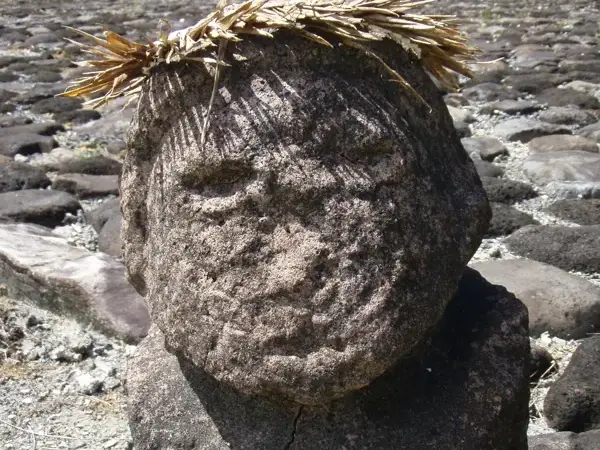
Taputapuātea marae
UNESCO-listed sacred site
Own a stay, café or cab? List your place on BuzzyTrip — free starter listing after we review.
List your placeRaiatea shares a lagoon with Taha’a and holds Taputapuātea, the UNESCO-listed marae at the heart of Polynesian voyaging. Expect boat days for beaches, a long journey from India and a quieter pace than Bora Bora.
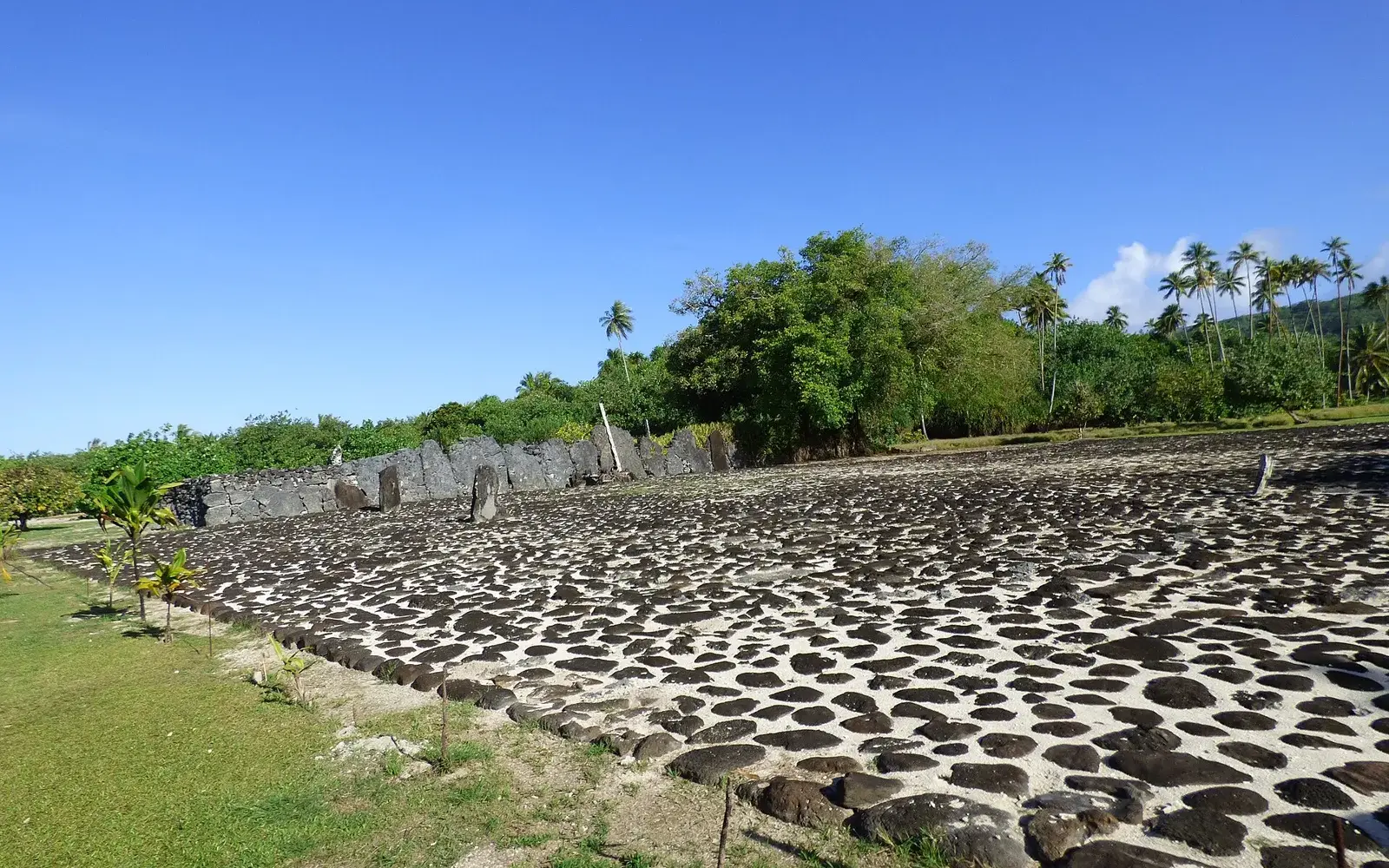
UNESCO-listed sacred site
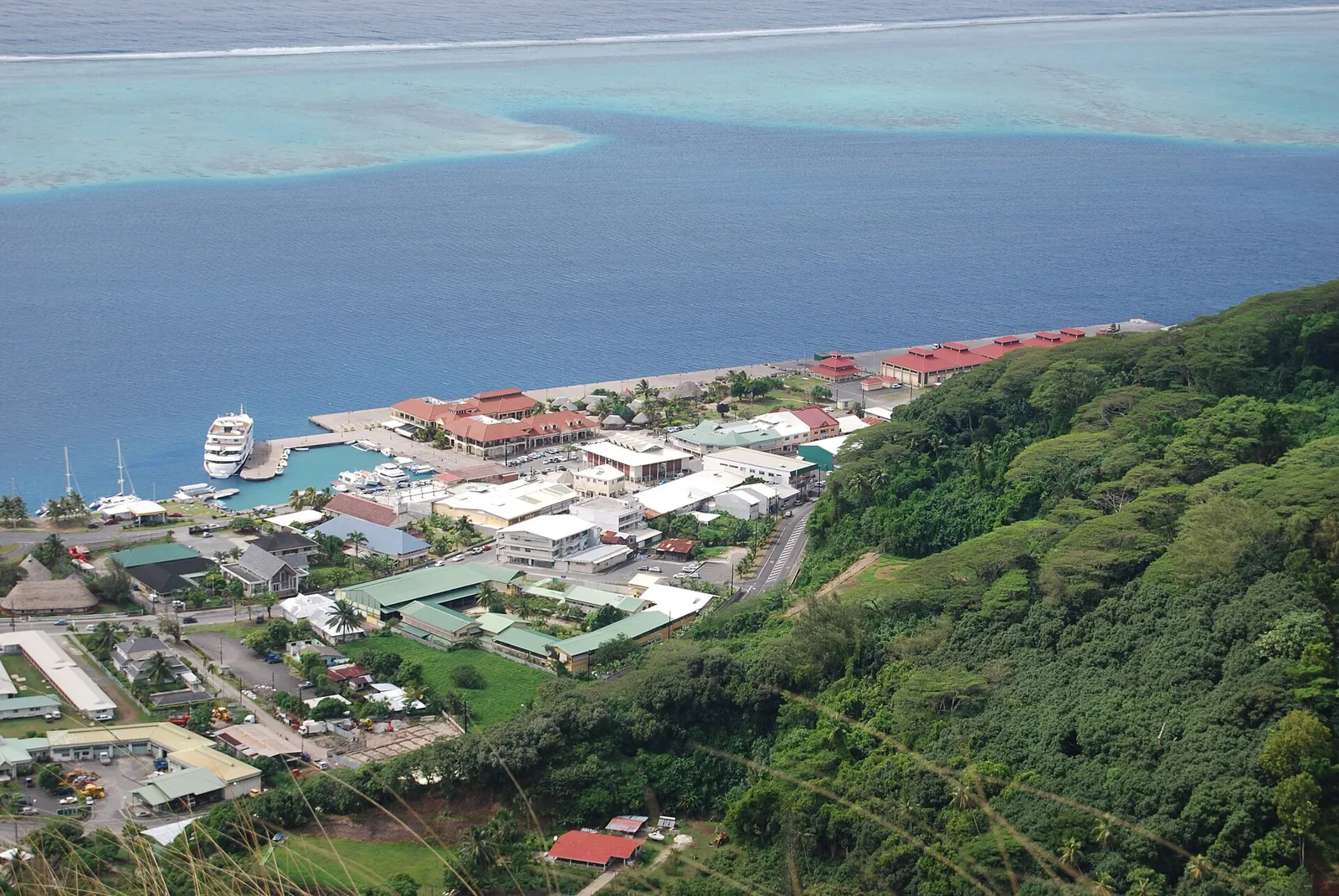
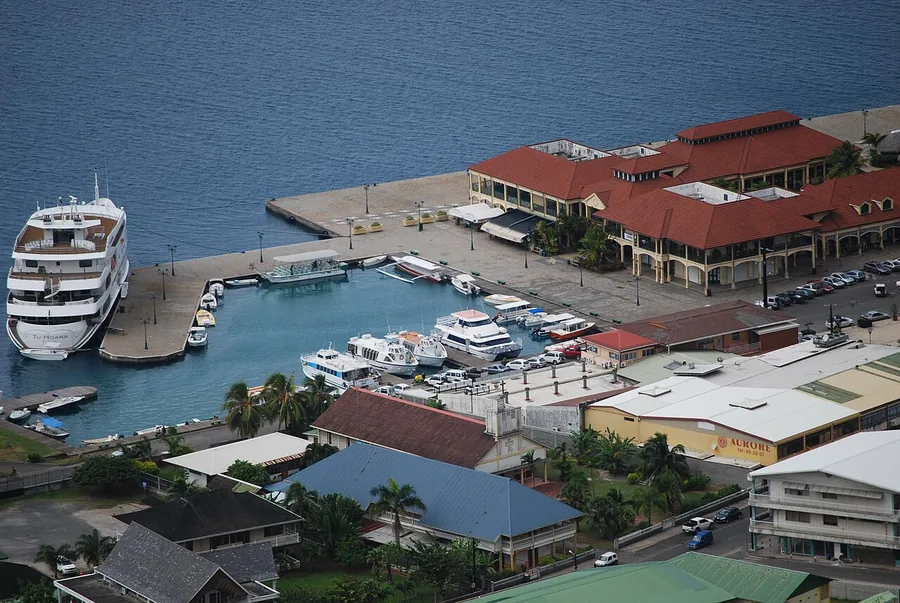
Main town, market and marina
French Polynesia’s only navigable river
Soft early-morning light
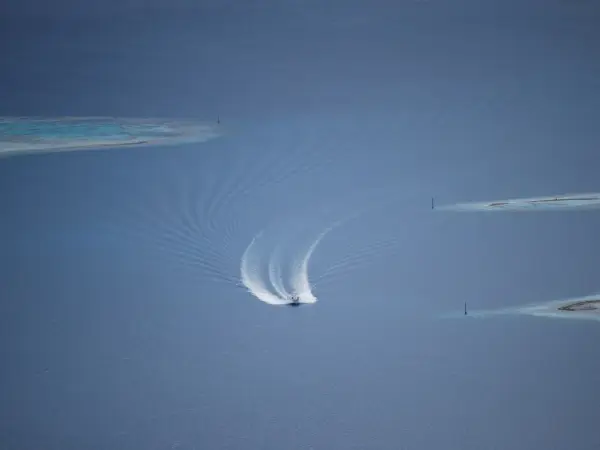
Calm water at the river mouth
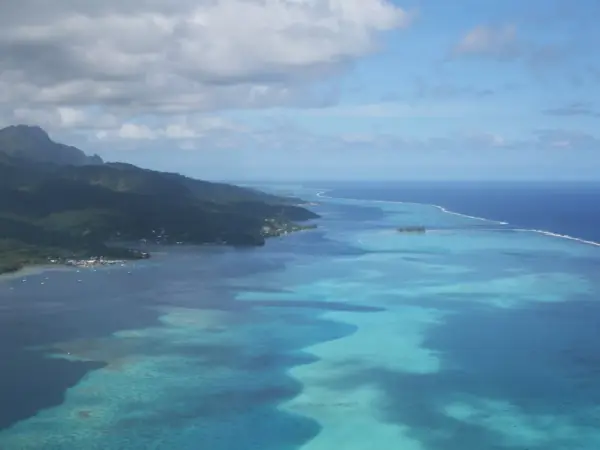
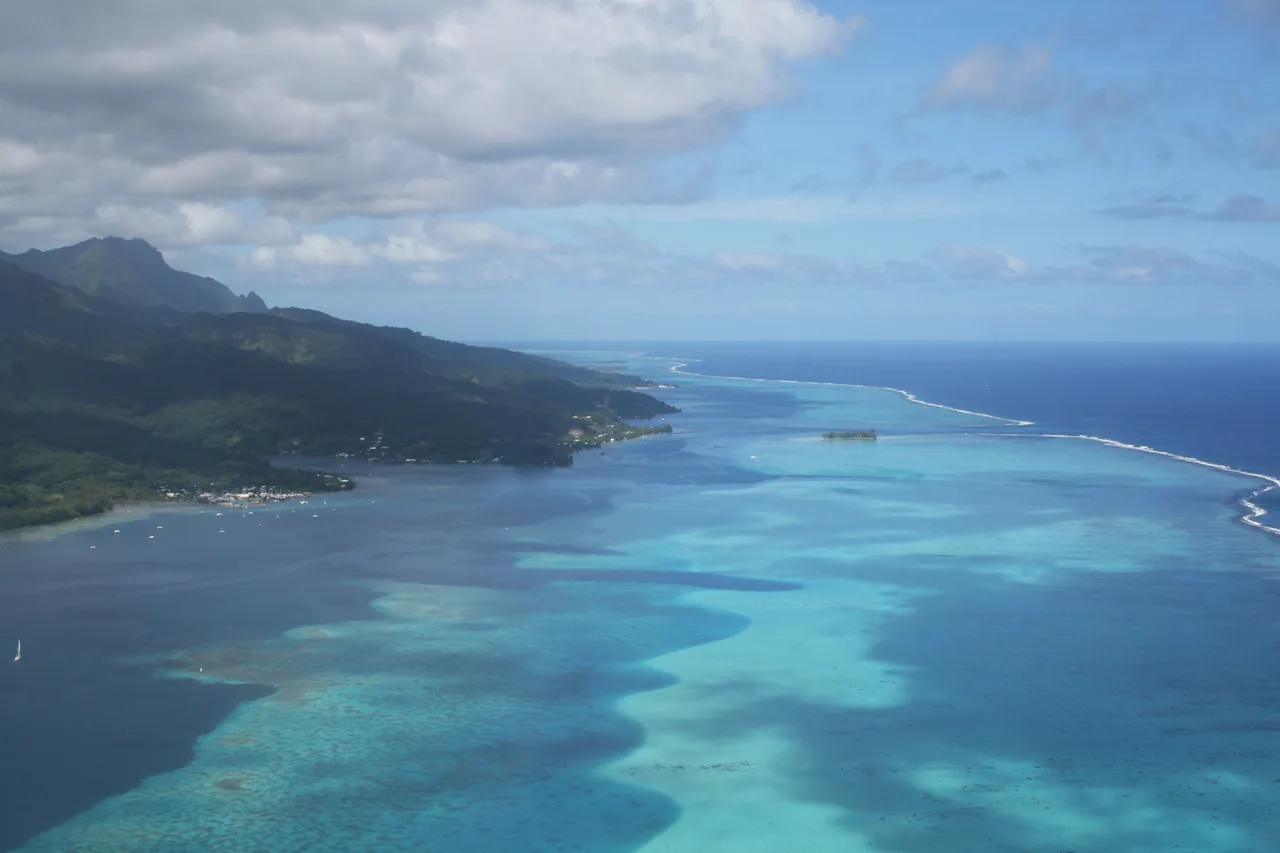
Wide view over the lagoon
Raw fish in lime and coconut milk
Baked fruit pudding with coconut milk
The full guide
October is the tail end of Raiatea’s drier season, so you still get plenty of clear mornings and a lagoon that is usually calm enough for kayaks and paddleboards. Showers become more frequent from November, and December is usually the wettest month. If you are on the island at the end of October 2026, you may also catch the Hawaiki Nui Va’a, French Polynesia’s best-known outrigger canoe race: its 2026 edition runs from 28 to 31 October, with the first stage finishing on Raiatea after the crossing from Huahine. It is a big local occasion, so book flights and rooms early if your dates overlap.
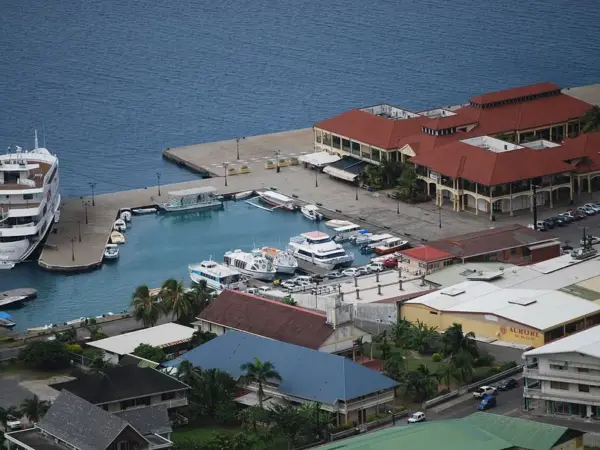
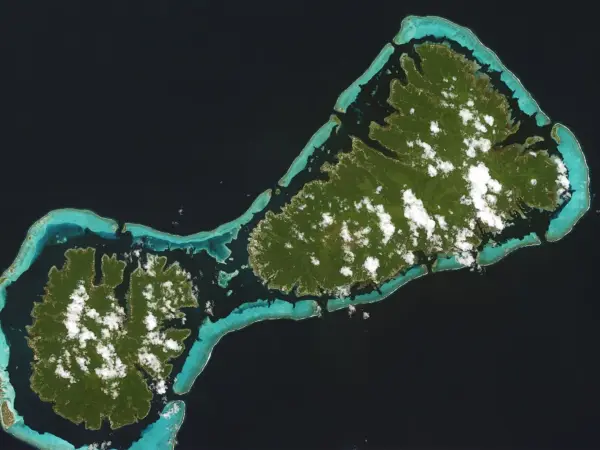
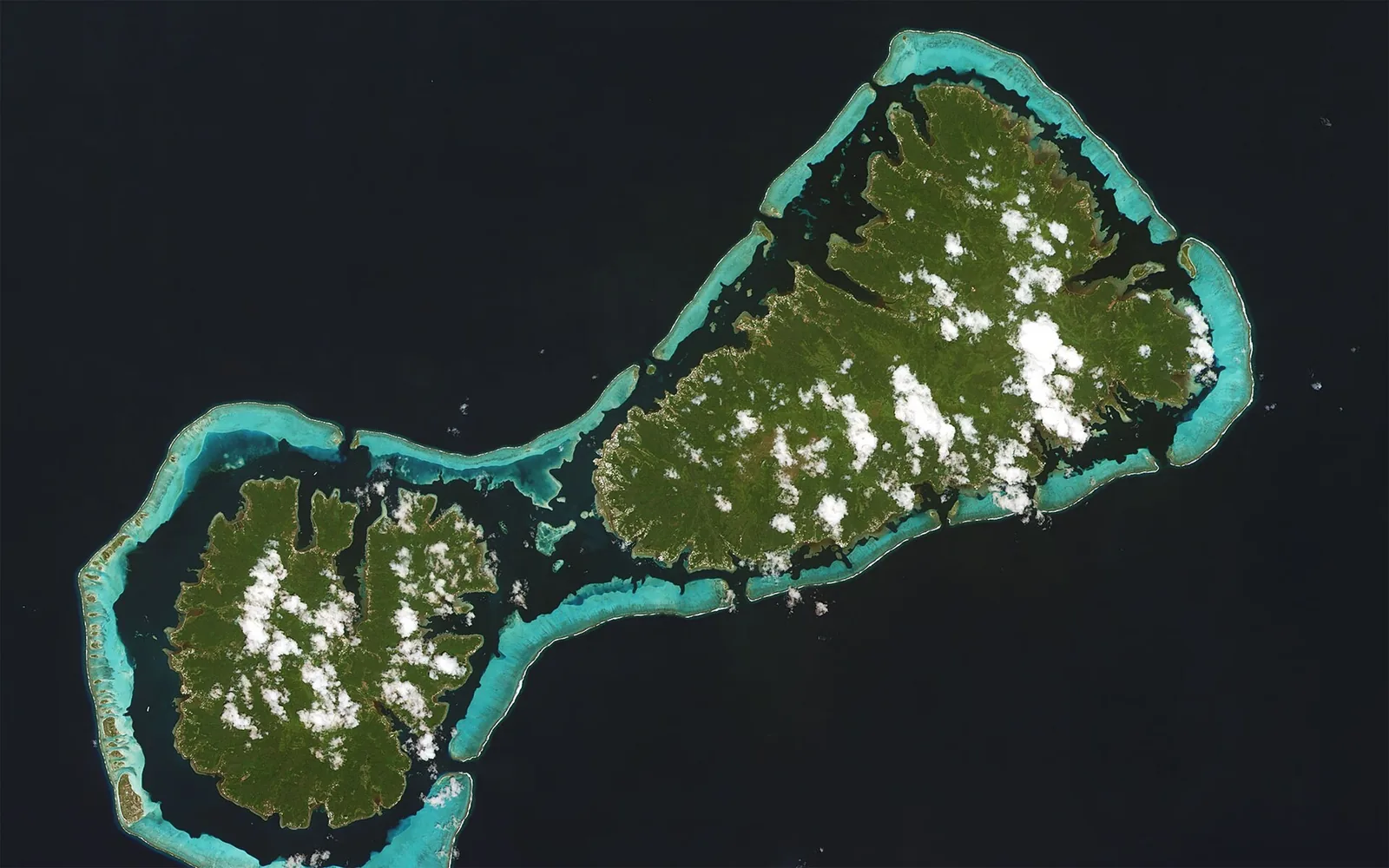
Raiatea is the second-largest of the Society Islands after Tahiti, and it shares a single lagoon and barrier reef with its smaller neighbour, Taha’a. It sees far fewer visitors than Bora Bora or Moorea, and that is the point. Uturoa, the main town, is the administrative centre of the Leeward Islands, so you get banks, supermarkets, a market and a hospital, but the rest of the island is a ring of small villages between steep green mountains and the sea.
The main island has very few beaches of its own; the white sand is out on the motu (reef islets), which you reach by boat. What Raiatea does have is history. The marae of Taputapuātea is a UNESCO World Heritage Site, and many Polynesian traditions remember this island as Havai’i, the homeland from which voyagers set out across the Pacific. If you want a lagoon holiday with real substance and fewer crowds, we think Raiatea is worth the extra flight from Tahiti.
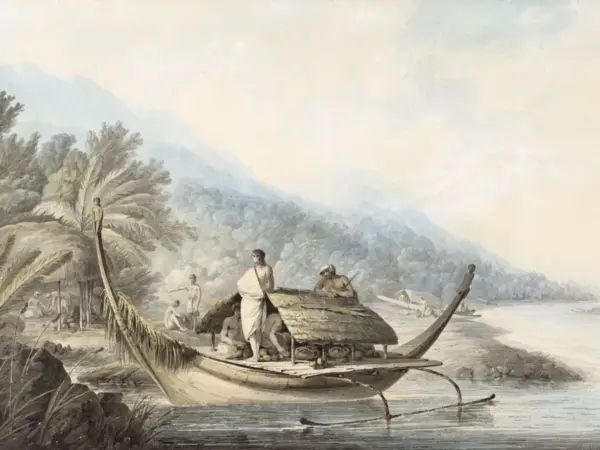
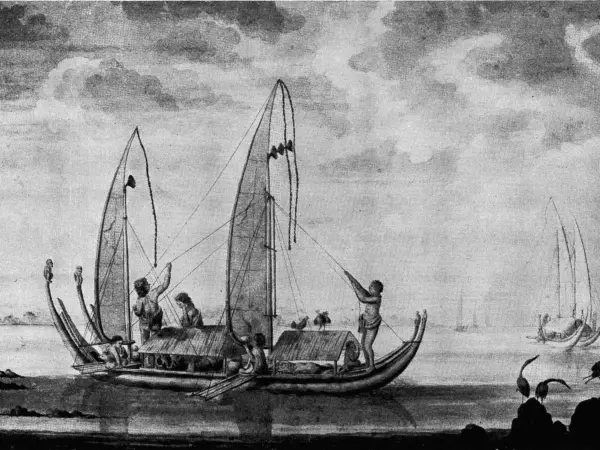
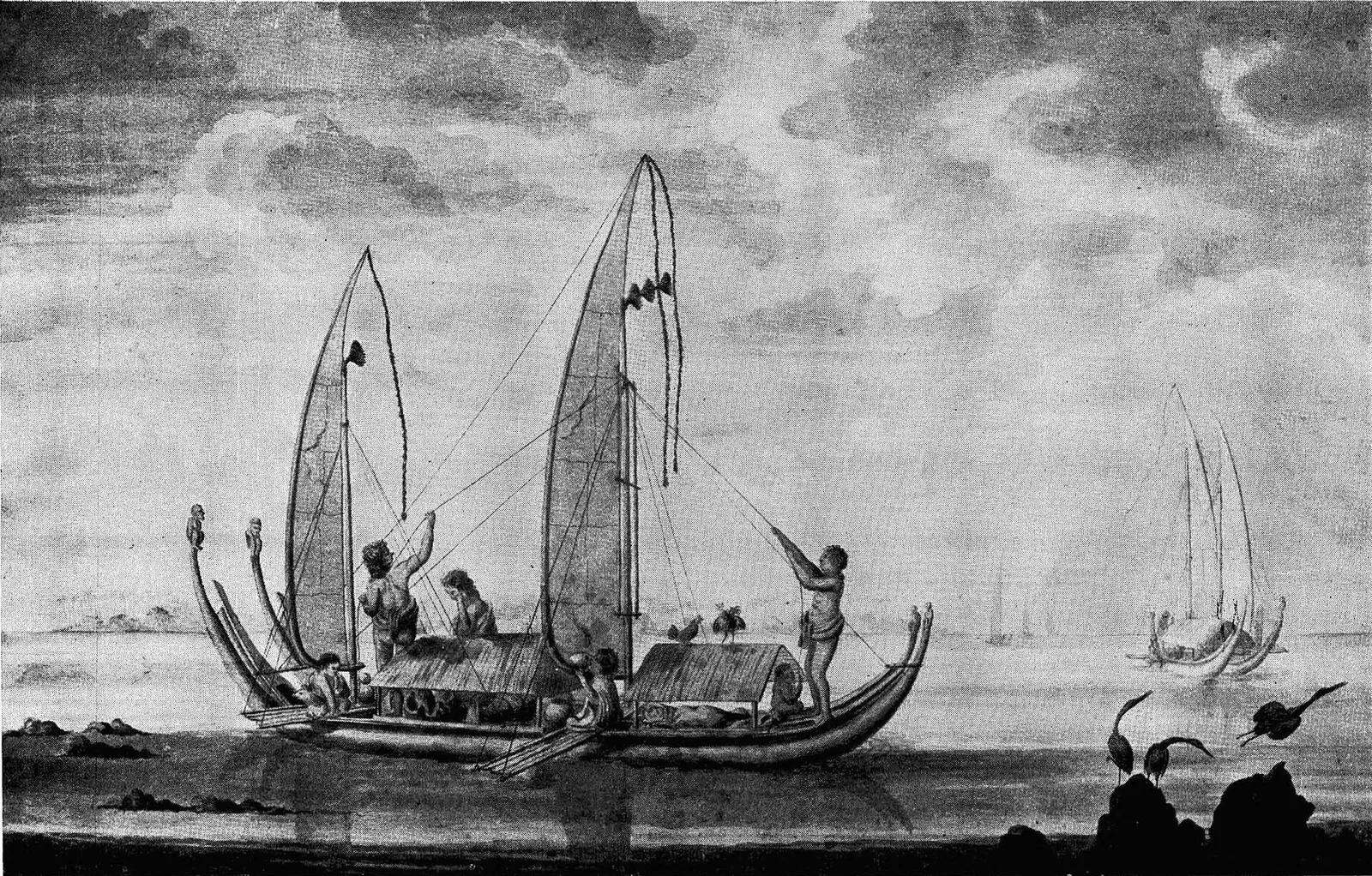
Raiatea is widely regarded as the cultural and religious centre of ancient eastern Polynesia, and the organised voyages that settled Hawai’i and other parts of East Polynesia probably started here. Māori traditions say the Tainui and Arawa canoes left Raiatea for New Zealand.
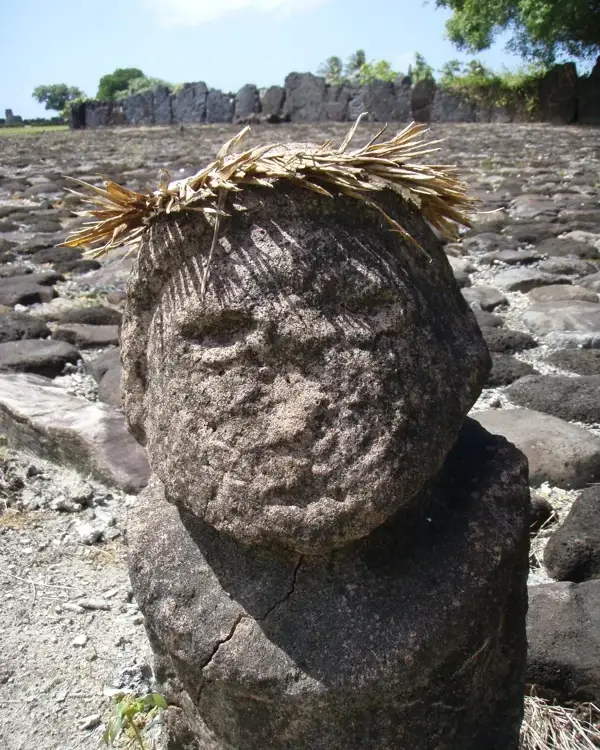
The heart of that story is Taputapuātea, on the south-east coast. The marae (a ceremonial stone platform) may date back to around AD 1000 and was rebuilt and enlarged several times between the 14th and 18th centuries. It was dedicated to ’Oro, and chiefs and priests from other islands gathered here to keep a wide alliance alive. In 2017 the site, together with the surrounding valleys, lagoon and reef, was inscribed on the UNESCO World Heritage List.
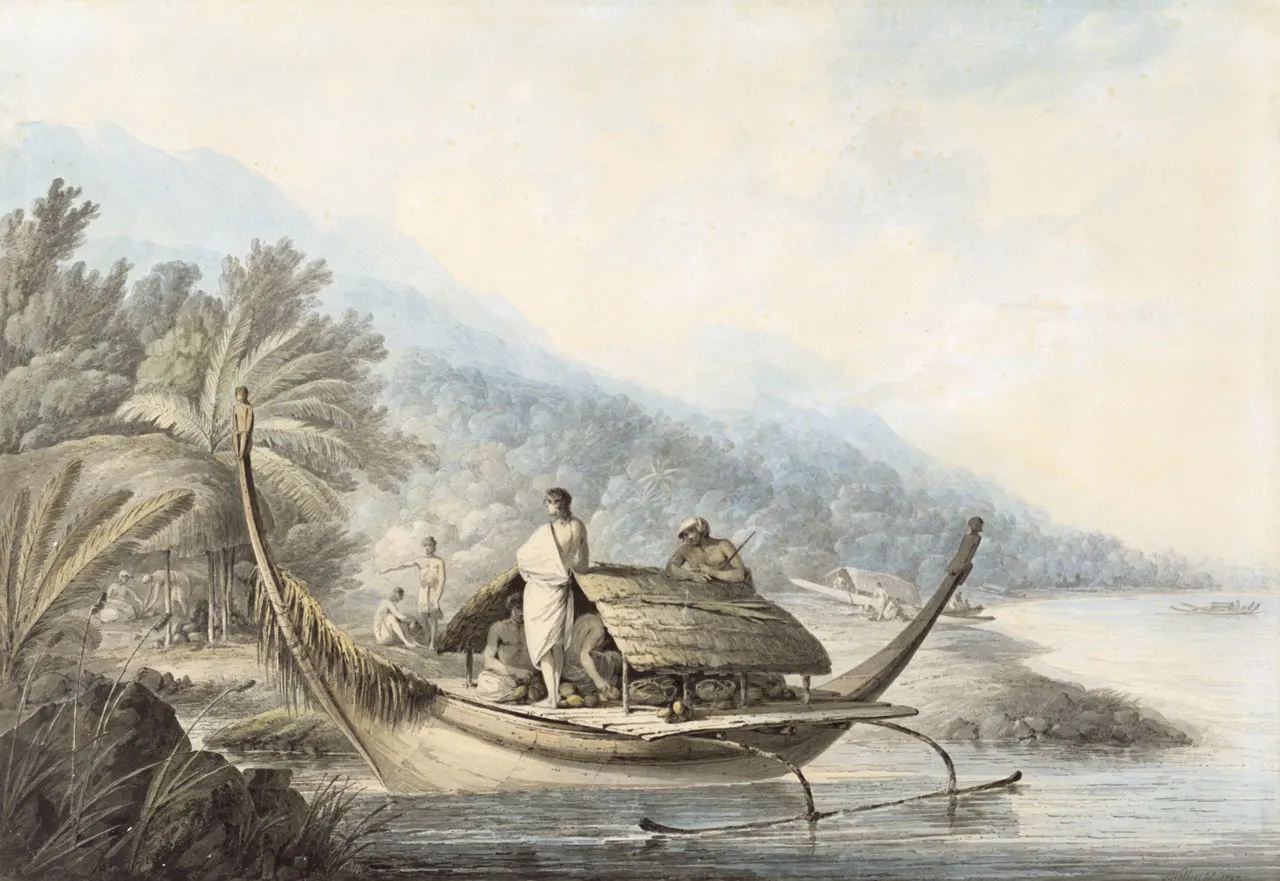
Captain James Cook landed near Taputapuātea in July 1769 on his first voyage. The island resisted French control for a long time: France annexed it in 1888, and fighting led by the chief Teraupo’o went on until 1897. Today most people are Christian, French and Tahitian are both spoken, and traditional dance, carving and canoe racing are very much alive.
Raiatea is warm all year, with an average temperature of about 26 °C and little difference between months. The real variable is rain. The island gets roughly 1,800 mm a year, with the wettest weather around December and the driest spell usually in August and September. Tropical rain tends to come in short, heavy bursts rather than all-day drizzle.
For the calmest seas and most reliable sunshine, aim for May to October. The wetter months from November to April are more humid and showery, but they can still work if you keep a flexible plan for boat trips. Late October is a nice compromise, especially if your dates line up with the Hawaiki Nui Va’a canoe race.
Indian passport holders need a visa for French Polynesia, applied for through the French consulate’s visa service in India (VFS Global handles applications). It is a separate short-stay visa for the French overseas territory: a standard Schengen visa for mainland France or Europe does not cover French Polynesia unless it is specifically marked as valid there. Expect to show your passport, photos, confirmed flights and hotel bookings, proof of funds and travel insurance, and allow a few weeks for processing. Check transit visa rules too, for example if you connect in the US or New Zealand. Our Bora Bora guide covers the same paperwork, because the rules are identical across the islands.
| From | Air distance (approx.) | Typical journey | Best way |
|---|---|---|---|
| Delhi | ~14,900 km | 30–40 h with 2–3 connections | Fly |
| Mumbai | ~15,300 km | 30–40 h with 2–3 connections | Fly |
| Bangalore | ~14,700 km | 30–40 h with 2–3 connections | Fly |
Straight-line distances calculated by BuzzyTrip from airport coordinates; journey times depend on your connections.
There are no direct flights from India. Every route goes first to Faa’a International Airport (PPT) on Tahiti, and from there Air Tahiti and Air Moana fly to Raiatea (RFP) several times a day; Air Tahiti lists the flight at about 45 minutes. Raiatea’s airport is on the north of the island, about 10 minutes by car from Uturoa. Taxis meet the flights and many hotels and pensions run their own transfers, so ask your host before you land.
Raiatea is also easy to combine with nearby islands: Air Tahiti links it with Huahine, Bora Bora and Maupiti, and Taha’a is just across the lagoon by boat.
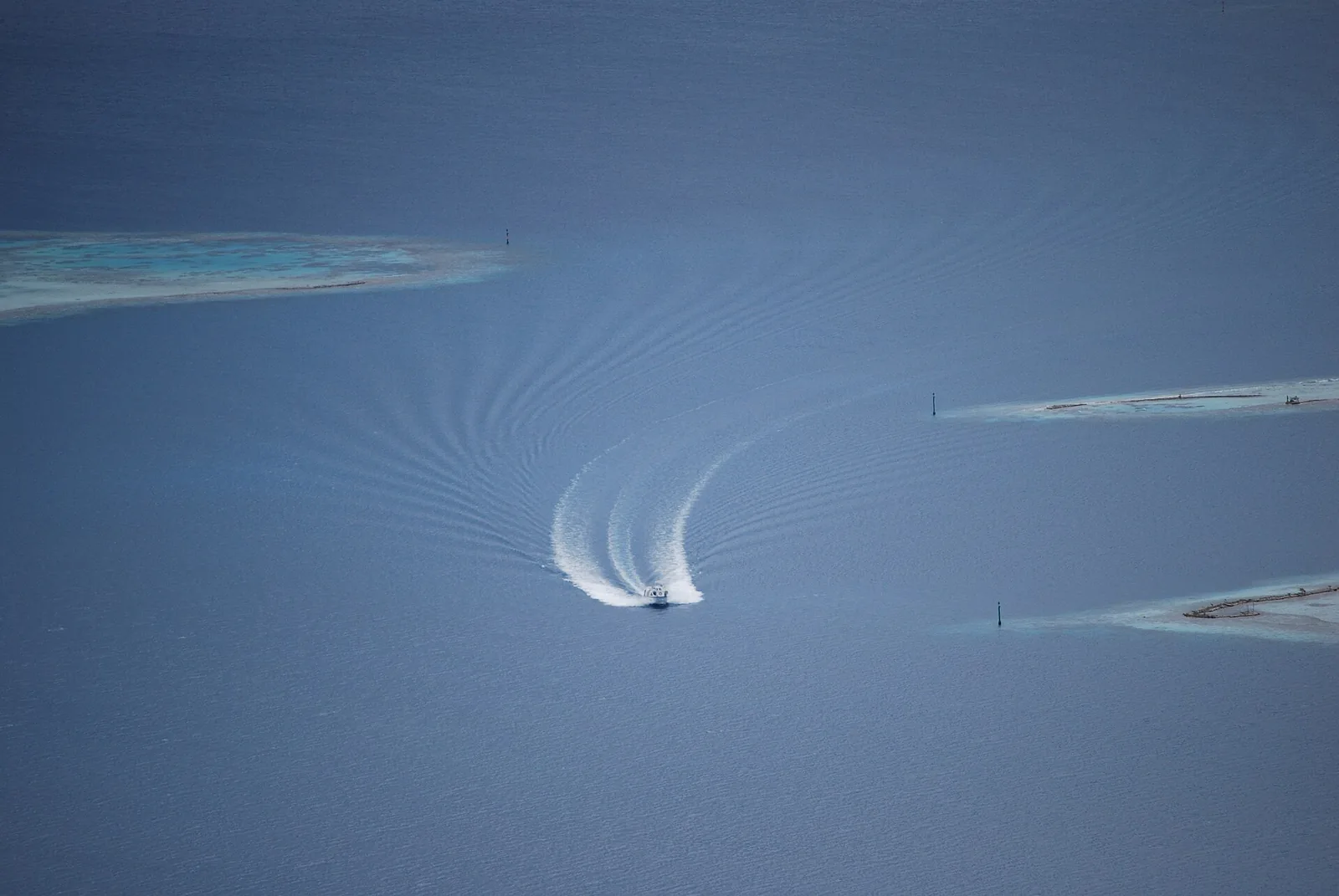
The practical routes from India to Tahiti go through a big hub: Tokyo Narita (Air Tahiti Nui flies Tokyo–Papeete), Auckland (Air Tahiti Nui and Air New Zealand), Los Angeles (Air Tahiti Nui, Air France and others), or Paris, with a stop in North America on the way. You will usually need two or three flights to reach Tahiti, then the short hop to Raiatea. Routing through the US needs a US visa, and New Zealand requires a transit visa for Indian passport holders, so pick your hub with that in mind. Booking the whole journey on one ticket protects you if a connection is missed, and a night in Papeete on the way in takes the pressure off a tight connection.
A road runs right around the island, and the easiest way to explore is to rent a car or scooter in Uturoa or at the airport; we found it hot and tiring to rely on walking. There is no tourist-friendly bus network, and taxis are fine for airport runs but add up quickly for sightseeing. For Taha’a, a public shuttle boat crosses the lagoon, though it runs only a few times a day and not every day, so check the current timetable; taxi boats and hotel boats fill the gaps. The motu and the best snorkelling spots are reached on lagoon tours or by boat transfer.
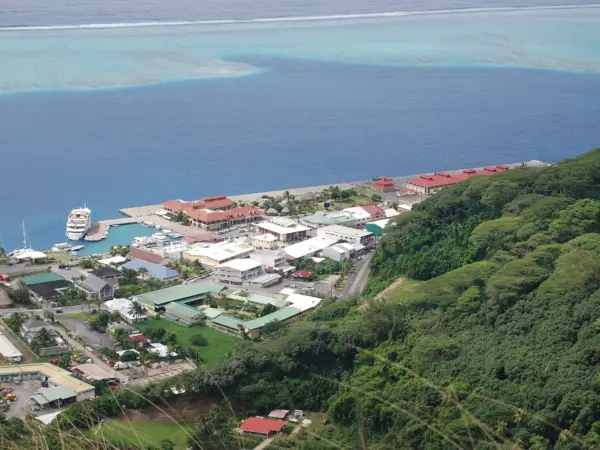
The UNESCO-listed complex of stone platforms by the lagoon at Opoa is the reason many people come. Go early, walk slowly and read the panels; it is a sacred place, so stay off the platforms.
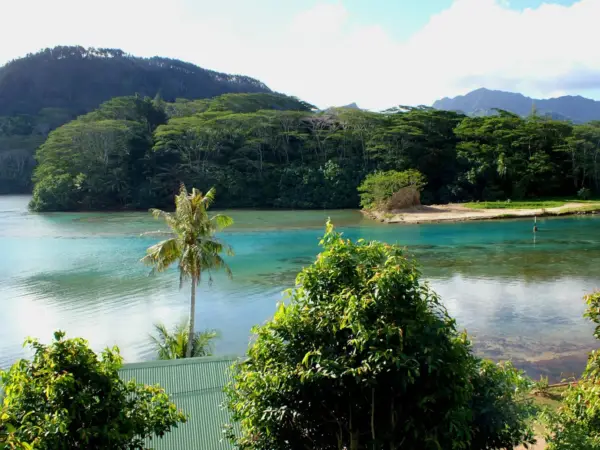
The Faaroa is the only navigable river in French Polynesia. Kayak or stand-up paddle upstream from Faaroa Bay through thick tropical greenery, or join a guided boat trip.
The Temehani plateau is the only place in the world where the tiare apetahi grows, a white flower that is now critically endangered. Go with a certified local guide, who knows the trail and the rules for protecting the plant.
The sandy reef islets are where Raiatea keeps its beaches. Lagoon tours combine a motu picnic with snorkelling stops in coral gardens.
A Danish three-masted ship sank in the lagoon in 1900 and now lies about 18 metres down. Local dive centres also visit coral gardens, caves and the passes.
Raiatea’s sister island is known as the vanilla island. A full-day tour usually covers a vanilla farm, a pearl farm and a snorkel in the coral garden between two motu.
The covered market in town is the place for fruit, local produce, crafts and a sense of everyday island life.
Raiatea is often called the sailing capital of the islands, with several yacht charter companies based around its bays. Even a day sail shows you why.
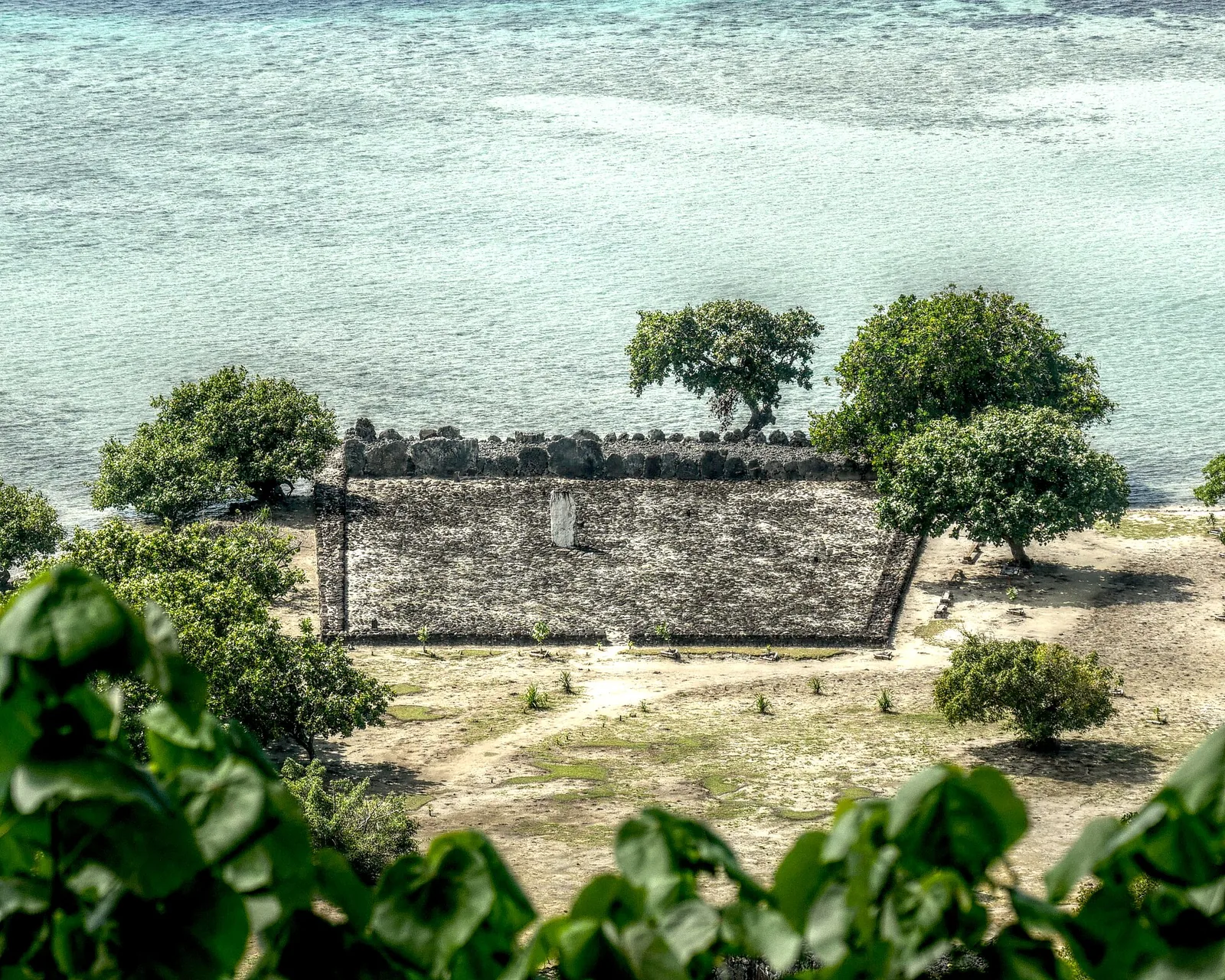
If you only have a short stay, we would put three things first. Visit Taputapuātea in the early morning, before the heat and any tour groups, when the light is soft on the stones. Spend a few hours on the Faaroa River, ideally by kayak, to see the island’s green interior from the water. And give at least one day to the lagoon, either a motu picnic and snorkel or the classic tour over to Taha’a.
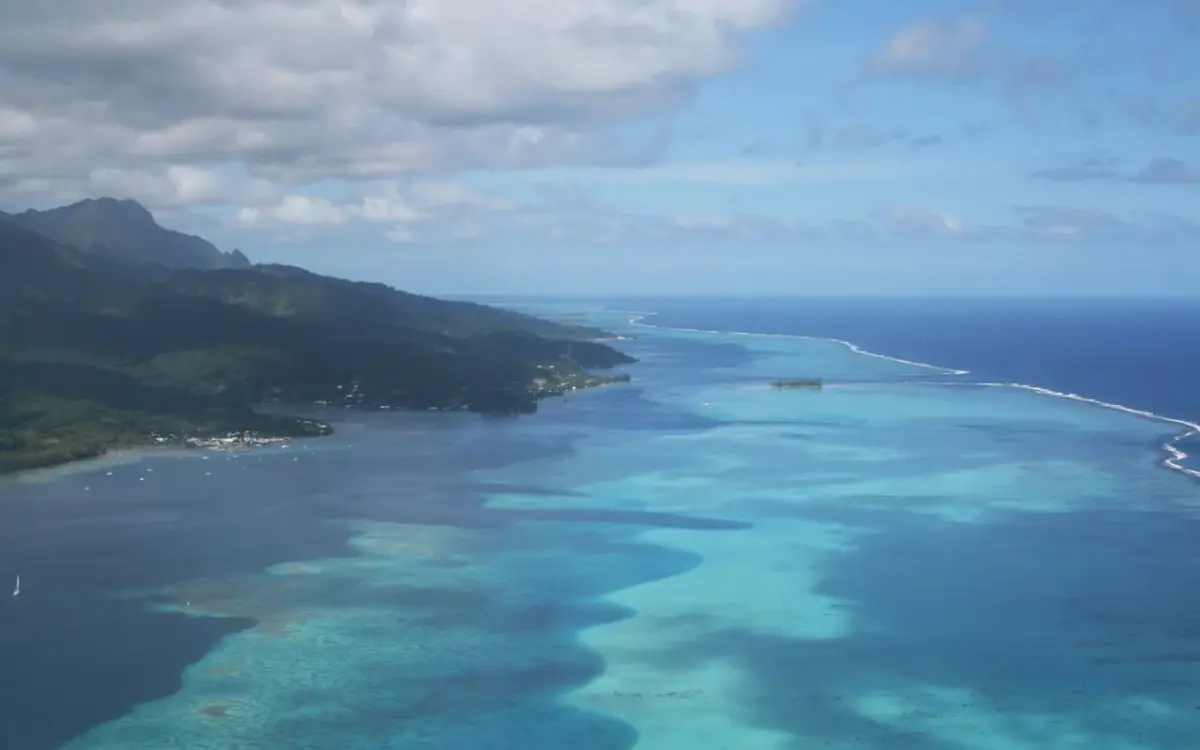
One of the lookouts that Air Tahiti’s own island notes recommend, with a wide view over the lagoon. Ask your host for the way; it is a good first stop to get your bearings.
Ancient rock carvings are one of Raiatea’s quieter sights; ask a local guide, as they are easy to miss on your own.
A small garden with many tropical and rare plants, handy for a shady hour on a hot afternoon.
On the north-west coast, this smaller ceremonial site has petroglyphs and a 19th-century church that missionaries built on the sacred ground, an interesting contrast to Taputapuātea.
A short first visit: Uturoa, Taputapuātea and a morning on the Faaroa River.
Raiatea’s highlights plus a full day across the lagoon on Taha’a.
A slower week-day pace with a guided hike, a motu day and time to dive or sail.
A full week combining Raiatea, Taha’a and a short flight to Huahine.
Short drives, boat days and calm water for three relaxed days with children.
Sunrise at the marae, a quiet motu and slow dinners for a three-day escape.
A pension stay, a rented scooter and simple meals for three thrifty days.
Private guides, a motu lodge and a day of sailing for three indulgent days.
Raiatea has a small but varied mix of places to stay: family-run pensions, a few hotels and lodges out on the motu. Uturoa and the north coast are the practical choice for first-timers, with the airport, shops and restaurants close by. Couples who want sand and quiet should look at a motu lodge, where boat transfers are part of the deal. Pensions in the villages are the best value and often the friendliest, and many include breakfast or dinner. Sailors can also stay on a chartered yacht from the marinas. Rooms are limited, so book well ahead, especially around the Hawaiki Nui Va’a race at the end of October.
Eating out on Raiatea is expensive by Indian standards, so we lean on the simple places. The best value is a “snack”, the local name for casual cafés and takeaway counters, and Uturoa has several within a block or two of the dock. Look for poisson cru (raw fish in lime and coconut milk), grilled mahi mahi, chow mein and steak-frites, the staples you will see across French Polynesia. Bakeries sell baguettes and pastries for an easy breakfast, and the market has fresh fruit. Hotel restaurants are the place for a sit-down dinner with a view.
We did not find any Indian restaurants listed on Raiatea, so plan around that. Uturoa’s supermarkets stock rice, pasta, tinned beans and basic spices, which helps a lot if your pension has a kitchen. Snacks and cafés can usually do omelettes, rice, salads, crêpes and chips, and Chinese-style vegetable stir-fries are often on the menu. Strict vegetarians should ask about fish or meat stock, and it is worth packing a few ready-to-eat meals and your own masalas from home.
Uturoa market is the best place to start, with fresh produce, pareu (sarongs), woven hats and bags, carvings and shell jewellery. Tahitian black pearls are sold in town and on Taha’a tours; prices vary widely, so buy from an established shop that explains the grading. Vanilla from Taha’a is a lighter, very local souvenir. The airport also has a small arts and crafts display.
The currency is the CFP franc (XPF), which is pegged to the euro at about 119 francs per euro; 1 XPF is roughly ₹0.89 (October 2026). Uturoa has banks and ATMs, and an international debit or forex card is the easiest way to get cash. Hotels and larger shops take cards, but snacks, market stalls and some pensions prefer cash, so carry francs when you leave town. Tipping is not expected in French Polynesia.
Here is a rough idea of what a day costs per person, excluding international flights. These are our estimates, not quotes, so check current rates when you book.
| Budget | Mid-range | Comfort | |
|---|---|---|---|
| Stay | ≈ ₹5,000–9,000 | ≈ ₹12,000–22,000 | ≈ ₹30,000–60,000 |
| Food | ≈ ₹2,500–4,000 | ≈ ₹4,500–8,000 | ≈ ₹9,000–15,000 |
| Local transport | ≈ ₹500–1,500 | ≈ ₹2,000–4,000 | ≈ ₹4,000–8,000 |
| Activities | ≈ ₹2,000–5,000 | ≈ ₹6,000–12,000 | ≈ ₹12,000–25,000 |
| Total per day | ≈ ₹10,000–19,500 | ≈ ₹24,500–46,000 | ≈ ₹55,000–1,08,000 |
The budget column assumes a shared room in a family-run pension and some self-catering; mid-range is a hotel room with a rental car and a tour; comfort means a resort or motu lodge with private excursions. Flights from India to Tahiti are extra, and the Tahiti–Raiatea hop is a separate cost unless it is on the same ticket.
Vini, the main local operator, sells prepaid SIM cards and data packs, but they are not cheap, so compare them with an international eSIM that covers French Polynesia and set it up before you leave India. Indian roaming works on some plans, but check the rates first. Hotels and pensions usually have Wi-Fi, though speeds vary, particularly out on the motu.
Most sockets are the French Type E, and the supply is 220 V at 60 Hz; some older buildings also have US-style sockets. Indian two-pin (Type C) plugs usually fit Type E sockets, but three-pin Indian plugs do not, so pack a small universal adapter. Phone and laptop chargers handle the voltage without any trouble.
Raiatea is a quiet, low-crime island, and the main risks are the sea and the road. Book boat trips and diving with established operators, through your hotel if in doubt, and check that there are life jackets on board. The coastal road is narrow and winding in places, with dogs and children near the villages, so drive slowly, especially after rain. Use reef-safe sunscreen, wear water shoes on coral, and never touch or stand on coral heads. Uturoa has the island’s hospital, but serious cases may be flown to Tahiti, so good insurance matters. In an emergency, dial 17 for the police (gendarmerie), 15 for medical help and 18 for the fire service.
Polynesian life here is relaxed but respectful. Cover up a little when you leave the beach, and dress modestly for church, where Sunday services are a lovely chance to hear the singing. At Taputapuātea, treat the marae as you would a temple at home: speak quietly, stay on the paths and do not leave offerings unless you are invited to. Ask before photographing people. French is the language of shops and offices, and a simple “Bonjour” goes a long way; English is spoken at most places used to visitors.
Myth: Raiatea is just a stop on the way to Bora Bora. Fact: It has the most important archaeological site in the Society Islands and is the region’s sailing hub.
Myth: You can use a Schengen visa. Fact: Indian passport holders need a visa valid for French Polynesia; a standard Schengen visa does not cover it.
Myth: The island is lined with beaches. Fact: The main island has few beaches; the sand is on the motu, reached by boat.
Myth: The currency is the euro. Fact: It is the CFP franc (XPF), pegged to the euro.
Insurance is usually required for the visa, and it is worth having anyway. Make sure it covers medical treatment and evacuation, since serious cases go to Tahiti or beyond, plus missed connections on a long multi-flight journey. If you plan to dive, sail or hike, check that those activities are included.
Yes. You need a visa valid for French Polynesia, applied for through the French consulate’s visa service (VFS Global) in India. A standard Schengen visa does not cover French Polynesia unless it is specifically marked as valid there.
No permit is needed to visit the Taputapuātea marae. For Mount Temehani, go with a certified local guide, who knows the trail and the rules that protect the endangered tiare apetahi.
May to October is the drier, sunnier season, with August and September usually the driest months. The wettest weather tends to come around December.
Three or four days covers Taputapuātea, the Faaroa River, a lagoon day and a trip to Taha’a. Because the journey from India is so long, most people combine Raiatea with Bora Bora or Huahine.
Raiatea is a quiet, low-crime island. Take normal care with valuables, book boat trips with established operators and drive carefully on the narrow coastal road.
Yes, if your children enjoy boats and the outdoors. Motu picnics, calm snorkelling spots and the Faaroa River work well for families; the main island itself has few beaches.
Try poisson cru (raw fish in lime and coconut milk), grilled mahi mahi and po’e, a baked fruit pudding served with coconut milk. Uturoa’s snacks are the cheapest place to eat.
Air Tahiti and Air Moana fly from Faa’a International Airport (PPT) to Raiatea several times a day; Air Tahiti lists the flight at about 45 minutes. The airport is about 10 minutes from Uturoa.
Taha’a shares Raiatea’s lagoon. A public shuttle boat crosses a few times a day on its own schedule, and taxi boats, hotel boats and full-day tours fill the gaps.
The CFP franc (XPF), pegged to the euro. 1 XPF is roughly ₹0.89 (October 2026). Uturoa has ATMs; carry cash for small places.
We researched background facts from the pages below (Wikimedia text is used under Creative Commons Attribution-ShareAlike) and checked them against official sources where we could. This guide is our own work; prices, visa rules and timings change, so verify before you travel.
Photos:
Been here recently? Share a tip (and a photo) in the comments below and tick “This is a travel tip”. Tips are reviewed before they appear — we never show your email.
Short, useful travel ideas and new guides. Straight to your inbox every Friday.
Message us with your dates and budget and we’ll reply with suggestions.
Chat on WhatsApp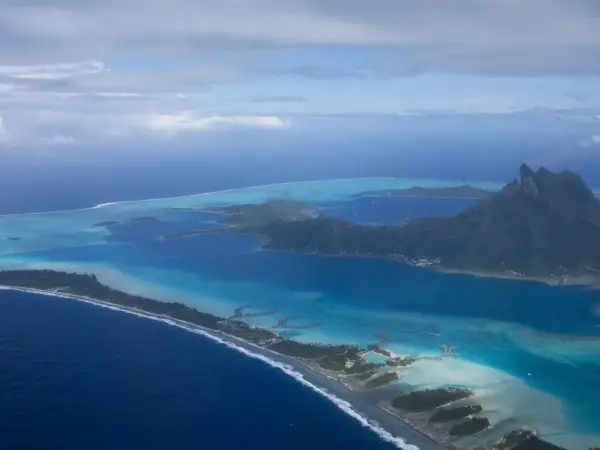
1 comment