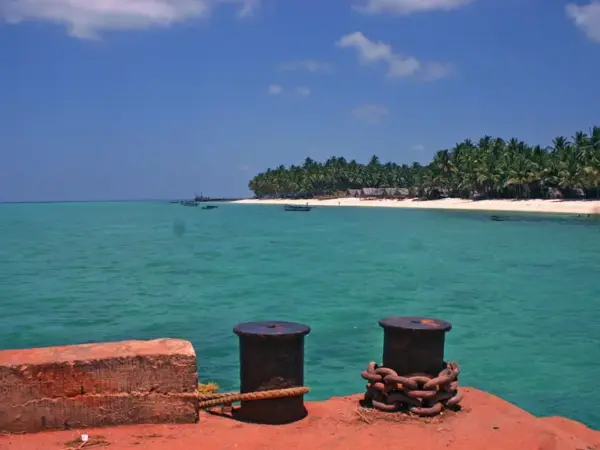
Agatti
Airport island with a wide lagoon
Own a stay, café or cab? List your place on BuzzyTrip — free starter listing after we review.
List your placeIndia’s only coral atolls, with clear lagoons, simple island stays and very few crowds. Every visitor needs an entry permit, so plan a couple of weeks ahead for the December–May dry season.
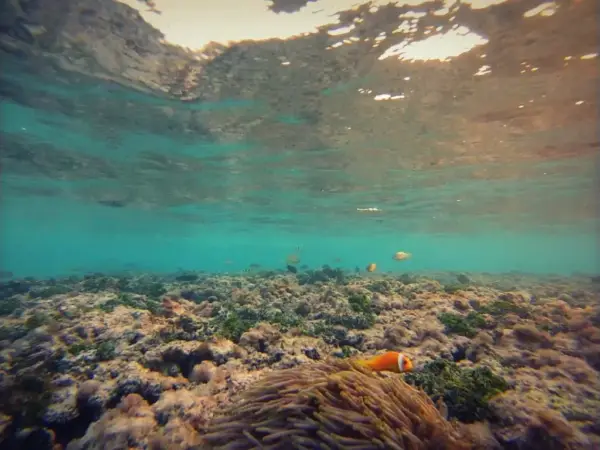
Airport island with a wide lagoon
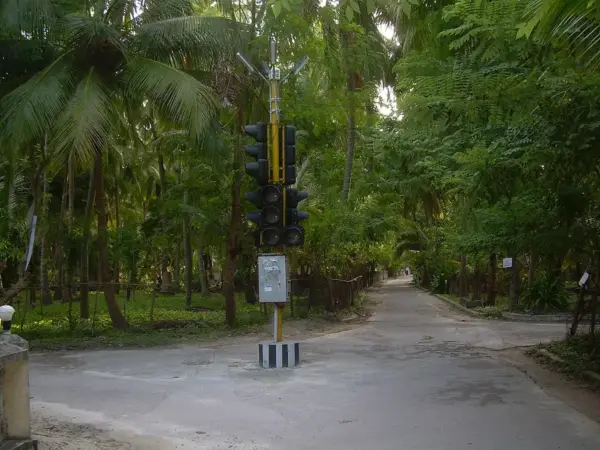
Capital, Ujra mosque and marine aquarium
Uninhabited resort island
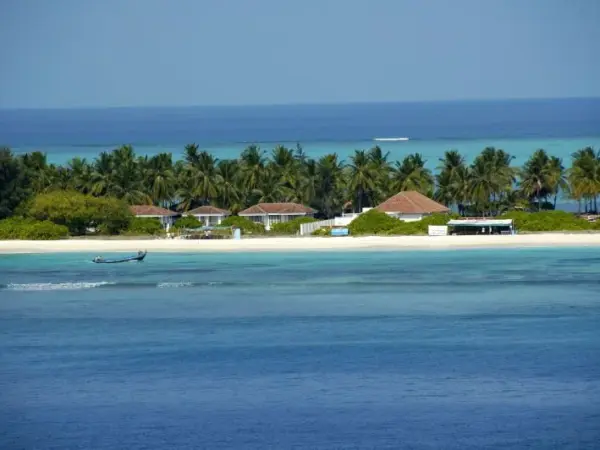
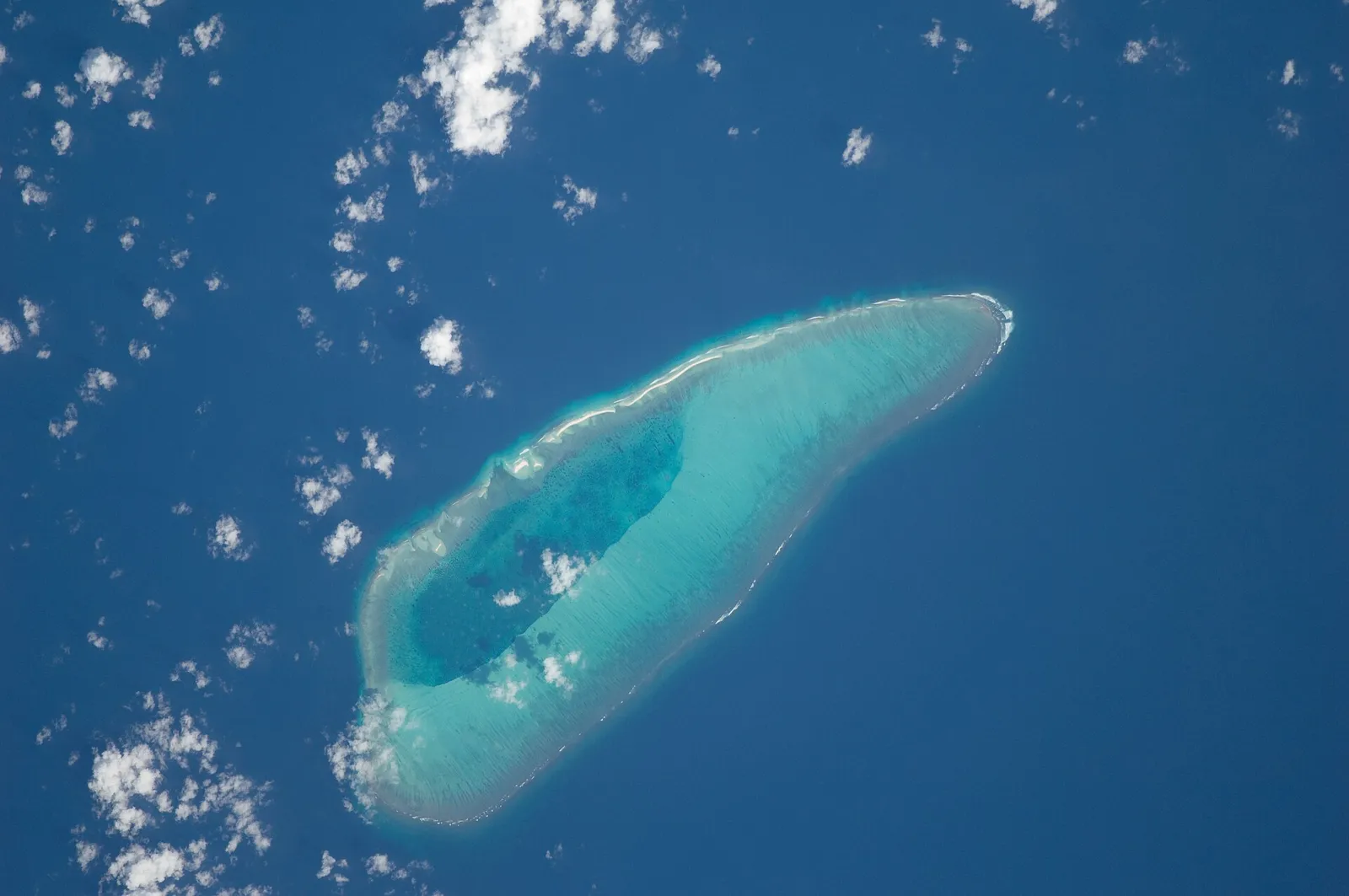
Long, narrow island with a shallow lagoon
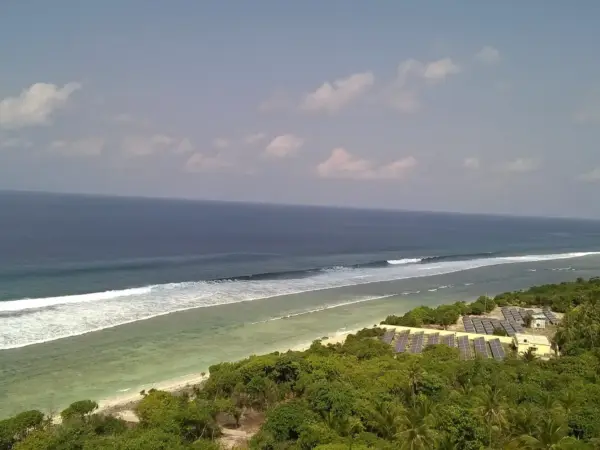
Southern island, 1885 lighthouse
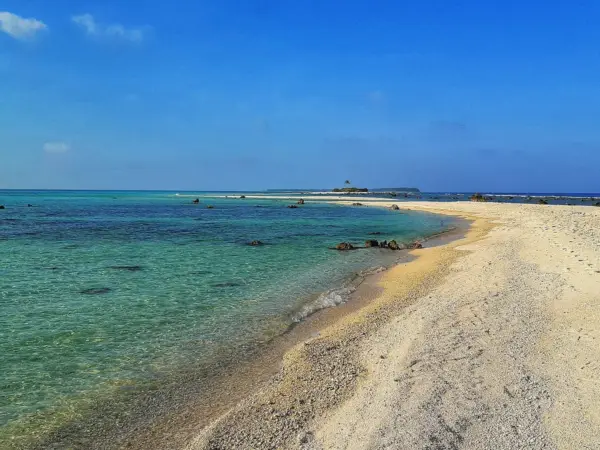
Atoll with small islets and a wide lagoon
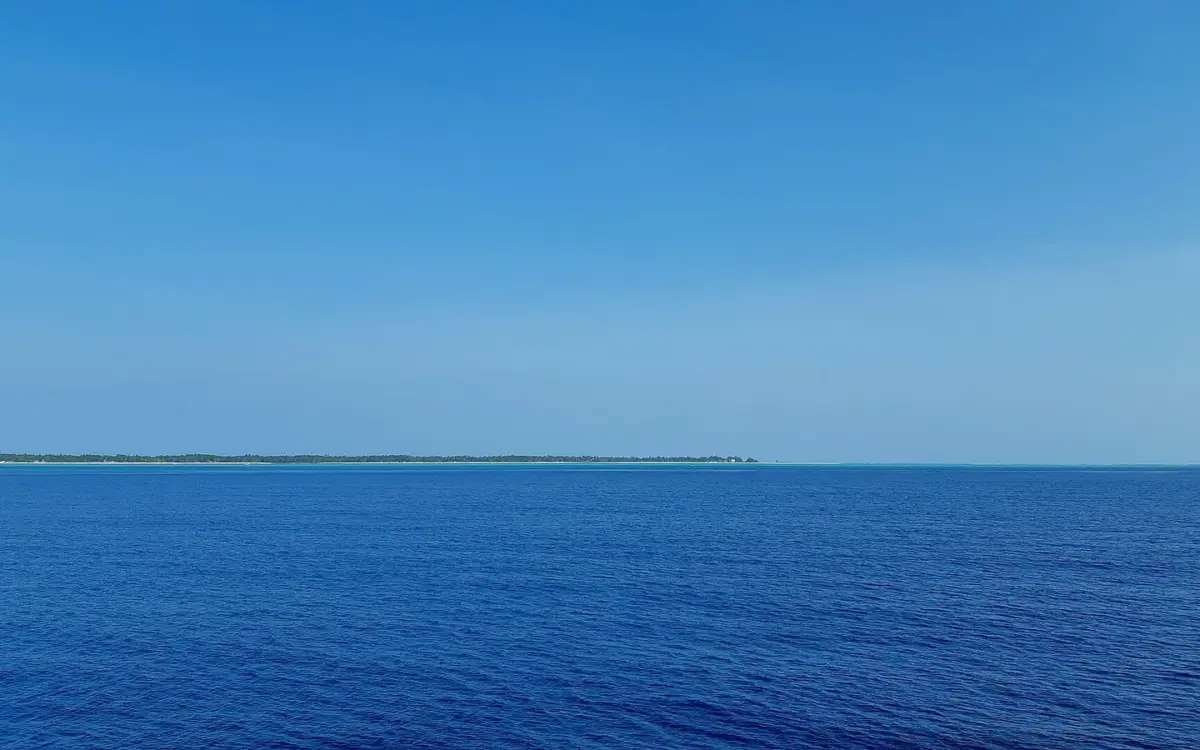
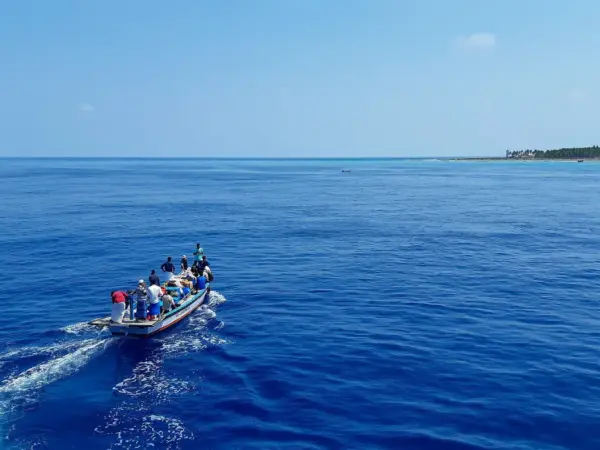
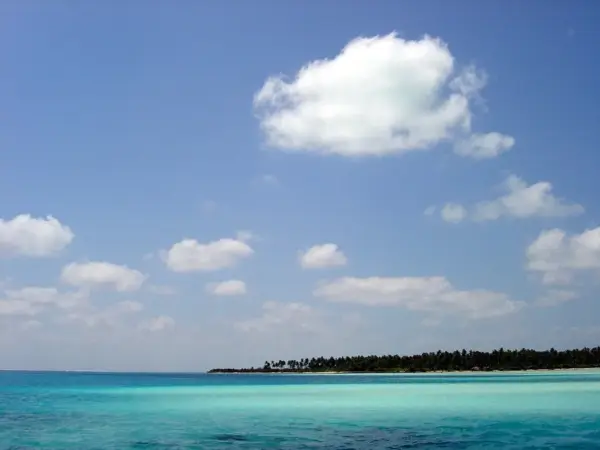
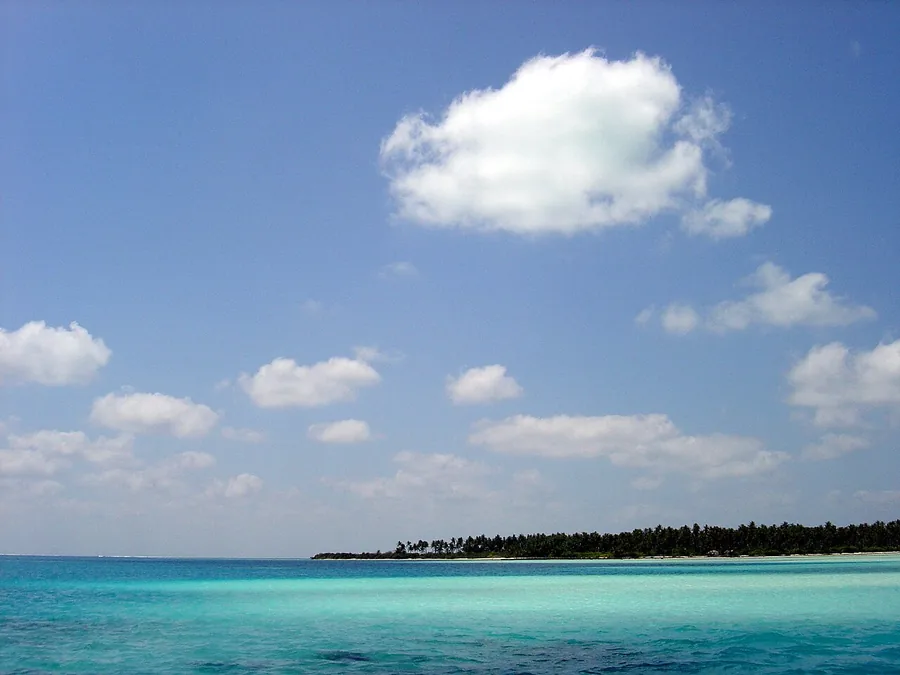
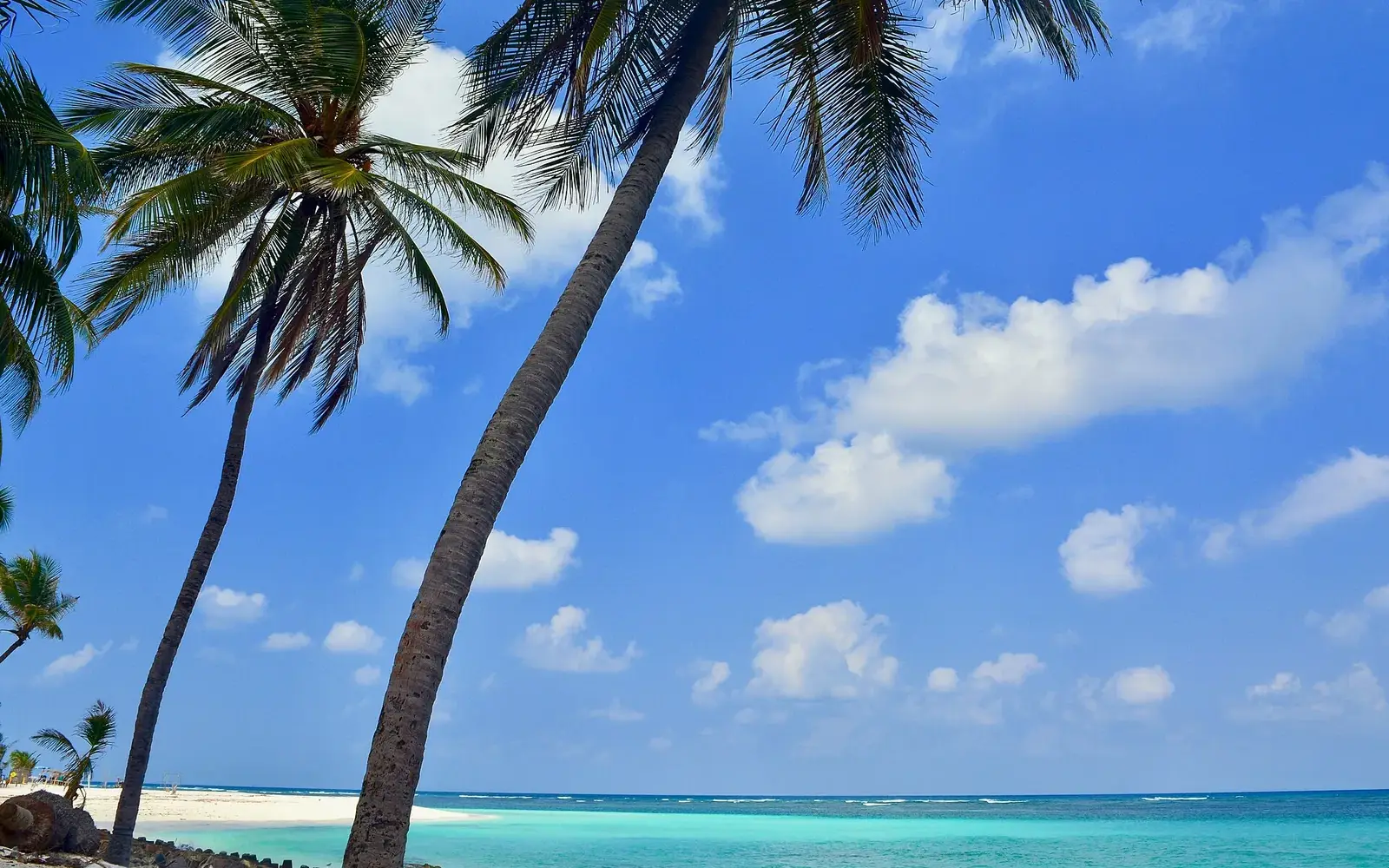
Palms and turquoise water from the beach
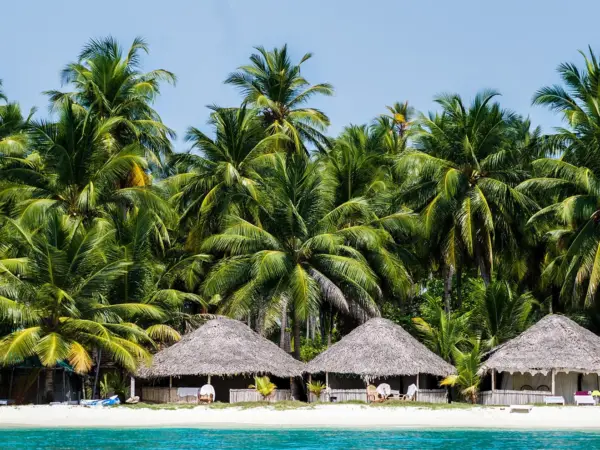
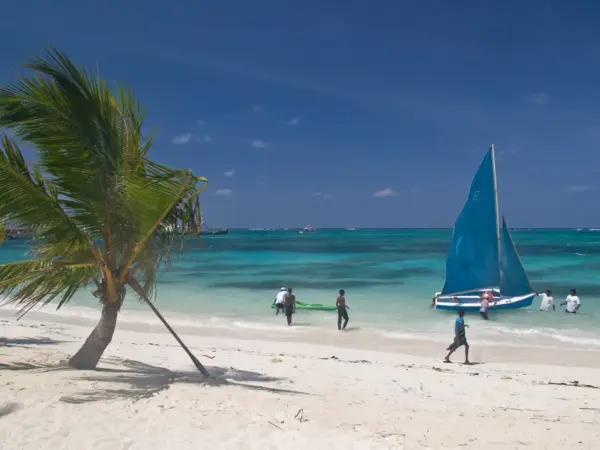
White sand and a ring of shallow lagoon
The 1885 lighthouse on the southern island
Spicy tuna curry, best with rice
Crispy, a coastal favourite
Steamed egg-and-cardamom sweet from Andrott
The islands’ everyday drink
The full guide
Lakshadweep, once known as the Laccadives, is India’s only group of coral atolls and its smallest union territory. Its 36 islands and islets lie about 220–440 km off the Kerala coast in the Arabian Sea, and only ten of them are inhabited, including Kavaratti (the capital), Agatti, Kadmat, Kalpeni, Amini, Andrott and Minicoy. The land is tiny, flat and covered in coconut palms, but the lagoons inside the reefs are huge, shallow and startlingly clear, which is why most people come: to swim, snorkel, dive and slow right down.
We think Lakshadweep suits couples, families with older children and anyone who loves the sea and is happy with simple comforts. It is not a nightlife or shopping trip, and it takes some planning: every visitor needs an entry permit, flights and ships are limited, and the number of places to stay is small. If you want a beach break with less paperwork, our Goa and Alibag guides are easier starting points.
Late October is the time to plan rather than to pack. The southwest monsoon is over, the October–November showers of the northeast monsoon are tapering off, and the driest, calmest months, from December to May, are just ahead. Because entry permits have to be applied for at least 14 days before you travel, a booking started now lines up neatly with the start of the dry season from mid-November onwards.
Two 2026 changes make planning easier. Since a circular of 29 April 2026, tourists no longer need a local sponsor or a police clearance certificate from home to apply for a permit, and from 15 October 2026 the administration moved its e-permit service to a new portal. One thing to check: in August 2026 SPORTS, the government tourism body, suspended its ship-based Samudram cruise package until further notice because the ship was in maintenance, so look at the SPORTS website for what is running before you build a trip around it.
Archaeological finds on Kalpeni suggest people have lived on these islands for thousands of years, and sailors on the old Arabian Sea trade routes knew them well. According to local tradition, Islam was brought to the islands in the 7th century by Ubaidullah, whose grave is said to be on Andrott, and today almost all islanders are Muslim. After independence the islands were made a union territory in 1956, and the Laccadive, Minicoy and Amindivi Islands were renamed Lakshadweep in 1973.
Most islanders are of Malabar descent and speak Jeseri, a dialect of Malayalam, while Minicoy, far to the south and close to the Maldives, speaks Mahl, a form of Dhivehi, and has its own village system built around houses called avah. Fishing, especially for tuna, and coconuts have long been the backbone of island life. Kavaratti alone has around 52 mosques; the 17th-century Ujra mosque, with its carved wooden ceiling, is the best known.
Lakshadweep is warm all year, with highs around 30–33°C. What changes is the rain and the sea. Here are the averages for Agatti:
| Month | Avg high | Avg low | Rain/precipitation |
|---|---|---|---|
| Jan | 31.2°C | 25.8°C | 8 mm |
| Feb | 31.5°C | 26.0°C | 2 mm |
| Mar | 32.4°C | 27.0°C | 0 mm |
| Apr | 33.2°C | 28.1°C | 6 mm |
| May | 32.8°C | 27.6°C | 85 mm |
| Jun | 31.1°C | 25.9°C | 260 mm |
| Jul | 30.4°C | 25.7°C | 400 mm |
| Aug | 30.5°C | 25.8°C | 396 mm |
| Sep | 30.5°C | 25.8°C | 310 mm |
| Oct | 30.9°C | 26.1°C | 99 mm |
| Nov | 31.4°C | 26.1°C | 28 mm |
| Dec | 31.3°C | 25.9°C | 9 mm |
December to May is the peak season, with the driest weather and calmest seas, although April and May get hot and humid. The southwest monsoon, roughly mid-May to mid-September, brings heavy rain and rough seas; boats are kept inside the lagoons, water sports are limited and flights and ships are more often disrupted. October and November are a shoulder period: the northeast monsoon can still bring showers, but the sea is settling and the islands are quiet. For a first trip we would aim for December to March.
Every visitor who is not a native of the islands, Indian or foreign, needs an entry permit issued by the Lakshadweep administration (government officials and armed forces personnel on duty are exempt). Indian travellers apply online through the official e-permit portal, now at lak.e-permit.utl.gov.in, or let SPORTS, a licensed tour operator or their resort arrange it as part of a package. The key rules from the April 2026 circular are:
Foreign nationals need a valid passport and Indian visa as well as the permit, and are allowed to visit only Agatti, Bangaram and Kadmat; in practice they also need pre-booked accommodation. Indians may visit the other inhabited islands too, but places to stay there are few. Fees and documents can change, so check the portal when you apply.
| From | How | Time (approx.) | Notes |
|---|---|---|---|
| Kochi | Flight to Agatti | Under 2 h | Small turboprop aircraft; daytime only |
| Goa (Mopa) | Flight to Agatti | About 2 h | Fly91; check current days |
| Kochi | Passenger ship | About 14–18 h | Depends on the island; book via the official port portal |
| Other Indian cities | Fly or take the train to Kochi first | — | Connect to a flight or ship |
Times are from published airline schedules and Wikivoyage, and they vary; always check current timetables.
Almost everyone goes via Kochi. Agatti has the islands’ only airport, with a short 1.2 km runway that takes only small turboprops and does not handle night flights. In 2026 Fly91 runs daily Kochi–Agatti flights and also flies between Goa’s Mopa airport and Agatti, and other airlines have served the Kochi route too; seats are limited, so book early, but only once your permit is through. Because weather can cancel flights, we always keep a spare day at each end. From Agatti, boats (and, on some days, helicopters) connect to Bangaram, Kavaratti and other islands.
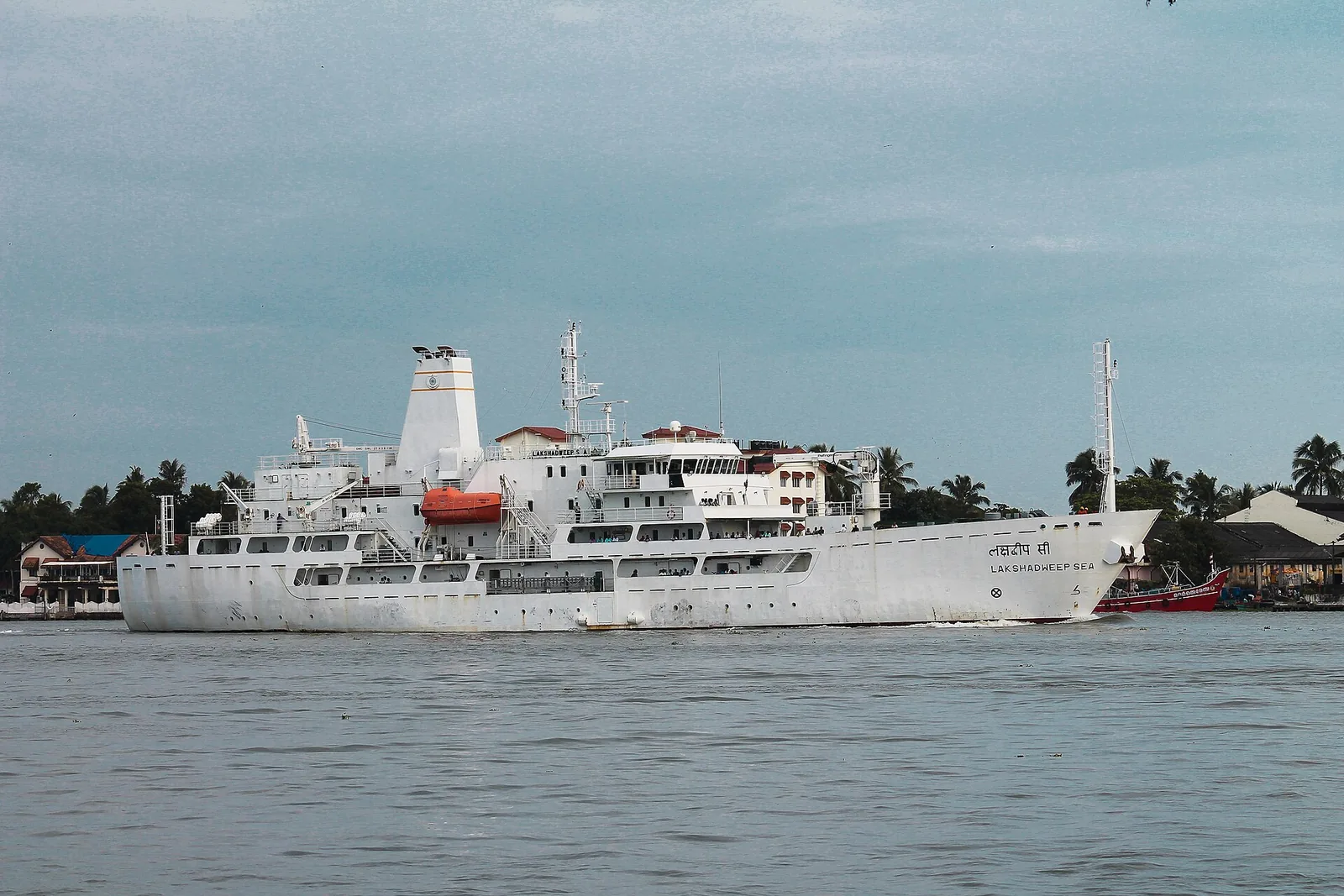
The slower option is a passenger ship from Kochi. The Lakshadweep administration runs several ships, such as MV Kavaratti, MV Lakshadweep Sea, MV Arabian Sea, MV Corals and MV Lagoons, with cabin and seat classes; the crossing takes most of a day or a night depending on the island. Schedules change, sometimes at short notice, so check the official ship programme on the Lakshadweep port portal before you plan around a sailing.
Since all routes start in Kochi, it helps to treat the city as the first stop. Kochi’s international airport has flights from most Indian metros, and Ernakulam Junction and Ernakulam Town stations are on the main rail lines down the west coast and from Chennai and Bengaluru. If you are sailing, the ships leave from Kochi’s port area on Willingdon Island, so we suggest arriving the day before rather than on the morning of departure. Driving down from Bengaluru or the Karnataka coast is possible, but there is no road beyond Kochi: it is the plane or the ship from there.
There is no railway in Lakshadweep. The nearest major stations are Ernakulam Junction and Ernakulam Town in Kochi, with direct trains from cities such as Mumbai, Delhi, Chennai, Bengaluru and Mangaluru. From the station, a taxi takes you to the airport or to the port. If you are combining a train with a flight to Agatti, leave a buffer of at least a few hours, since a late train can mean a missed flight that may not have another seat for days.
The islands are small, most of them only a few kilometres long and less than a kilometre wide, so walking and cycling are the easiest ways to get around once you arrive; resorts and guest houses can usually arrange a bicycle or a vehicle for longer hops. Between islands you travel by inter-island ferry or boat, which run on their own timetables and stop in rough weather, and Pawan Hans helicopters also fly between some islands, for passenger transfers and medical evacuation. Whatever you plan, every island you visit has to be on your permit.
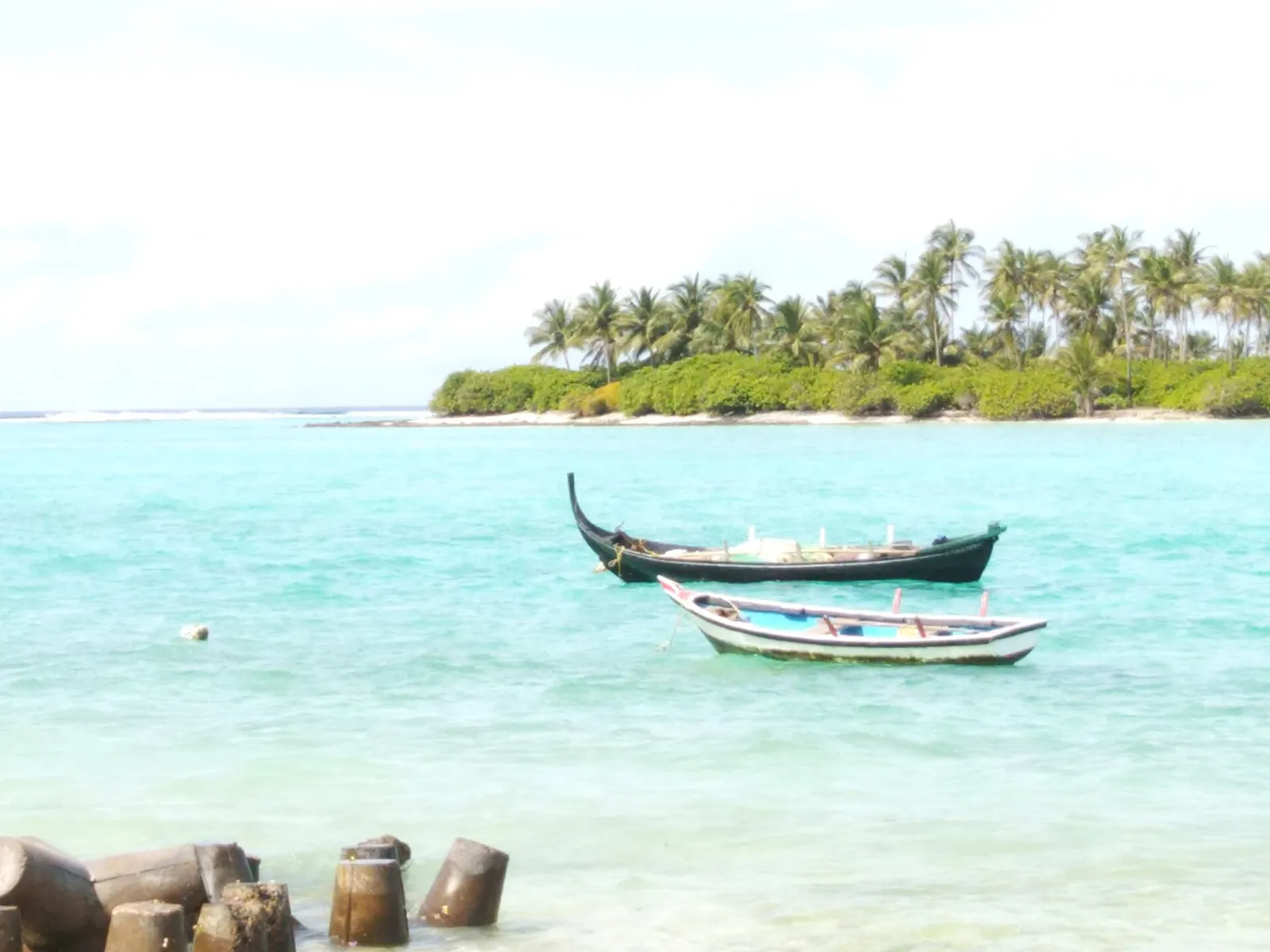
This is the heart of a Lakshadweep trip. The reef-sheltered lagoons are shallow and clear, with coral, reef fish and, if you are lucky, turtles. Kadmat, Kavaratti, Agatti and Bangaram all have water-sports and dive operators; beginners can try a snorkel or a guided introductory dive, and certified divers can explore the outer reefs. Always go with a licensed operator and stay inside the areas they show you.
If you are not a swimmer, a glass-bottom boat ride over the Kavaratti lagoon shows you the coral without getting wet. Kayaks, pedal boats and sailing boats are available to hire at the main tourist islands.
On Kavaratti we visit the 17th-century Ujra mosque, known for its carved ceiling and pillars (women are not allowed into the main prayer hall), and the small marine aquarium and museum nearby, with reef fish and shells.
An uninhabited island ringed by a shallow lagoon close to Agatti, with a single resort. It is the classic “island to yourself” stay, and open to foreign visitors as well as Indians.
The southernmost island, closer to the Maldives than to the rest of Lakshadweep, has one of the largest lagoons, its own language and culture, and a lighthouse built in 1885. Tours usually take in the villages and the lighthouse.
If time is short, we would spend as many hours as possible in the water: a morning snorkel in a calm lagoon, an afternoon glass-bottom boat ride, and a sunset on the beach. Try a plate of tuna curry with rice, and give yourself one slow day without any plans at all. That stillness is what makes Lakshadweep different.
Kalpeni shares its atoll with the uninhabited islets of Cheriyam, Tilakkam and Pitti, and has a wide lagoon. Coral debris on its eastern shore dates from a violent storm in 1847.
Unusually for a coral island, Kavaratti has a small inland lake at its northern end, a quiet spot away from the jetty.
Minicoy’s ten villages each have their own village house and leaders, and the island feels quite different from the northern group. Indians with Minicoy on their permit can stay at the government tourist cottages there.
Agatti and Bangaram by air from Kochi, open to Indian and foreign visitors.
Kavaratti and Agatti for Indian travellers, with culture and lagoon time.
A slow trip by ship from Kochi to Kadmat, for those with time.
Choice is limited, so book your stay before anything else. The main options are the government-run resorts and tourist huts managed by SPORTS on islands such as Bangaram, Kadmat, Kavaratti, Minicoy and Kalpeni, usually sold as packages with meals; a small number of private resorts and guest houses, mainly on Agatti; and simple government guest houses on other islands. Foreign visitors can stay only on Agatti, Bangaram and Kadmat. Some packages include ship travel with nights on board and day visits to the islands. New resorts and homestays are being planned and licensed, but we only recommend booking places you can confirm through SPORTS, the administration or a licensed operator.
There are very few restaurants, so most meals are at your resort or guest house, and packages usually include them. Island food is close to the Malabar cooking of Kerala, with plenty of coconut, curry leaves and fresh fish. Look out for mus kavaab, a spicy tuna curry eaten with rice, crispy fried octopus, and batla appam, a steamed sweet of eggs, flour, sugar and cardamom from Andrott. Tuna is the local staple, and dried tuna is a traditional island product. Vegetarians should tell their resort in advance, since choices are limited. Drink plenty of coconut water, which is everywhere, and stick to bottled or treated water.
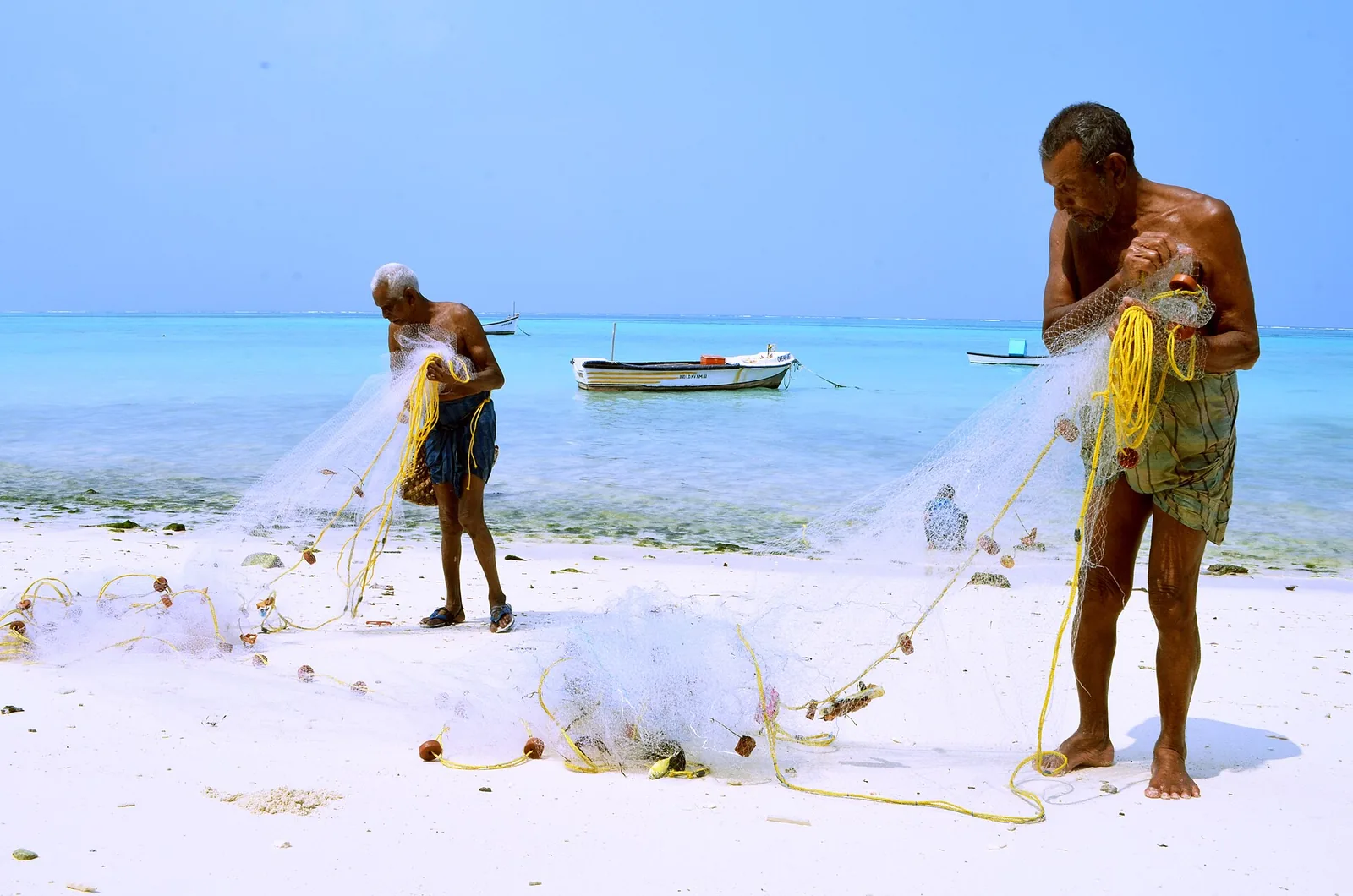
Shopping is limited. Coconut products such as coconut oil, coir items and snacks, and fish pickles are the most typical things to take home, along with small handicrafts from local shops on Kavaratti and other islands. Do not buy or take away coral or shells: collecting coral is illegal and punishable.
With an almost entirely Muslim population, the biggest occasions are Ramadan, Eid al-Fitr and Eid al-Adha, which follow the Islamic lunar calendar, so their dates move about 11 days earlier each year; check the dates if your trip might overlap, as island routines, meal times and transport can change. During Ramadan, be discreet about eating and drinking in public outside your resort. Lakshadweep’s folk dances include kolkali, danced with sticks, and parichakali, with wooden swords and shields, while Minicoy has its own lava dance; they are performed at celebrations and sometimes for visitors.
Lakshadweep is not a budget destination. Most stays are sold as packages that include meals, and sometimes boat transfers and activities, so costs depend mainly on where you stay. Here is a rough idea of daily costs per person when two people share, excluding flights or ships to the islands. These are our estimates, not quotes; check current package prices with SPORTS or your resort.
| Budget | Mid-range | Comfort | |
|---|---|---|---|
| Stay with meals | ₹4,000 – ₹6,000 | ₹6,000 – ₹10,000 | ₹10,000 – ₹20,000 |
| Local transport | ₹200 – ₹500 | ₹500 – ₹1,500 | ₹1,500 – ₹3,000 |
| Activities | ₹500 – ₹1,500 | ₹1,500 – ₹3,000 | ₹3,000 – ₹6,000 |
| Total per day | ₹4,700 – ₹8,000 | ₹8,000 – ₹14,500 | ₹14,500 – ₹29,000 |
Scuba dives, boat trips to other islands and resort stays on Bangaram are the biggest variable costs. Add your flights or ship tickets from Kochi on top.
Book only through SPORTS, the official portals or licensed tour operators, and be wary of anyone offering “guaranteed permits” or cheap packages on social media; a permit is valid only for the islands and dates printed on it. Swim and snorkel inside the lagoon, where the reef keeps the water calm, and do not go beyond the reef edge without a guide: currents outside can be strong, especially around the monsoon. Wear reef shoes, never stand on or touch coral, and use plenty of sun protection. Medical facilities on the islands are basic, and serious cases are evacuated to the mainland by helicopter, so carry any medicines you need and consider travel insurance. The national emergency number is 112.
Alcohol is still tightly controlled. For decades it was banned except at a few licensed tourist premises such as the Bangaram resort; in 2026 the administration allowed liquor to be served to permit holders at some government guest houses, and a new excise regulation published in June 2026 will replace the old prohibition law once it is brought into force. Until then, assume alcohol is available only where your resort confirms it, and never drink in public.
Island life is conservative and close-knit. Dress modestly in villages, with shoulders and knees covered, and keep swimwear for the resort beaches and lagoons. Take off your shoes before entering a mosque, keep quiet near prayer times, and ask before photographing people, especially women. A friendly “Assalamu alaikum” is a good greeting, and English and Malayalam are widely understood.
Myth: Indians can just book a flight and go. Fact: Every visitor, Indian or foreign, needs an entry permit, applied for at least 14 days in advance.
Myth: Lakshadweep is like the Maldives, with resorts everywhere. Fact: There are only a handful of places to stay, most of them simple and government-run.
Myth: Foreigners can visit any island. Fact: Foreign tourists are limited to Agatti, Bangaram and Kadmat.
Myth: The islands are good all year. Fact: The southwest monsoon, from about mid-May to mid-September, brings rough seas and limits water sports.
Yes. Every visitor who is not a native of the islands, Indian or foreign, needs an entry permit from the Lakshadweep administration. Indians can apply on the official e-permit portal or let SPORTS, a licensed tour operator or their resort arrange it.
At least 14 days before travel. List every island you will visit or transit through, with exact dates, and book flights only after the permit is approved. Since April 2026, tourists do not need a local sponsor or a police clearance certificate.
Foreign tourists, who also need a passport and Indian visa, are allowed to visit only Agatti, Bangaram and Kadmat, and should have accommodation booked in advance.
Almost everyone goes via Kochi. Flights from Kochi to Agatti take under two hours, and Fly91 also flies from Goa. Passenger ships from Kochi take roughly 14 to 18 hours depending on the island.
December to May is the peak season, with dry weather and calm seas. The southwest monsoon from about mid-May to mid-September brings rough seas, and October and November can still have showers.
Four to five days is a good first trip, enough for two islands and plenty of time in the water. Add a spare day at each end in case of flight or weather delays.
Only in a limited way. Alcohol has long been restricted to a few licensed tourist premises such as the Bangaram resort, and a new excise law published in June 2026 is yet to be brought fully into force. Check with your resort and never drink in public.
Yes, for families who enjoy the beach. The lagoons are shallow and calm in the dry season, but keep children close, use life jackets on boats and remember medical facilities are basic.
It is not a budget destination. There are no hostels and few restaurants, and most stays are sold as packages with meals. Government-run packages through SPORTS are usually the most affordable way to go.
No. Collecting coral is illegal and punishable, and you should not buy coral souvenirs either.
We researched background facts from the pages below (Wikimedia text is used under Creative Commons Attribution-ShareAlike) and checked them against official sources where we could. This guide is our own work; prices, visa rules and timings change, so verify before you travel.
Photos:
Been here recently? Share a tip (and a photo) in the comments below and tick “This is a travel tip”. Tips are reviewed before they appear — we never show your email.
Short, useful travel ideas and new guides. Straight to your inbox every Friday.
Message us with your dates and budget and we’ll reply with suggestions.
Chat on WhatsApp
2 comments