
Basilica of Bom Jesus
UNESCO baroque church, famed relics
Own a stay, café or cab? List your place on BuzzyTrip — free starter listing after we review.
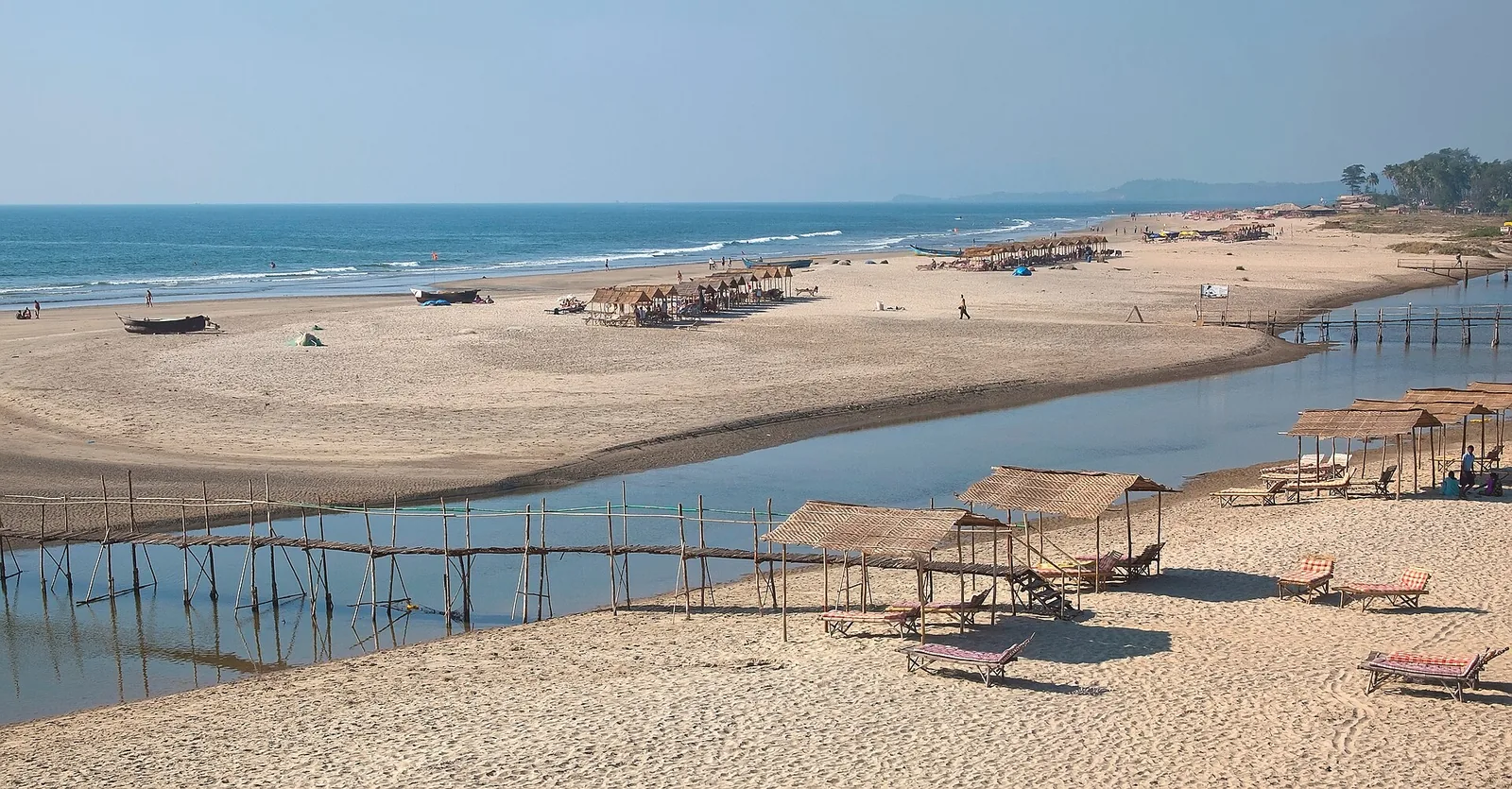
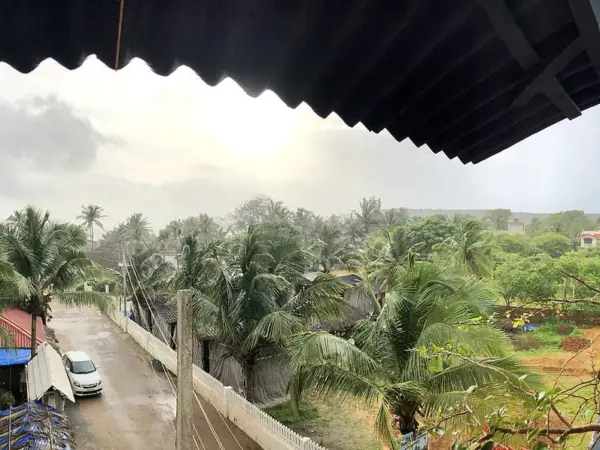
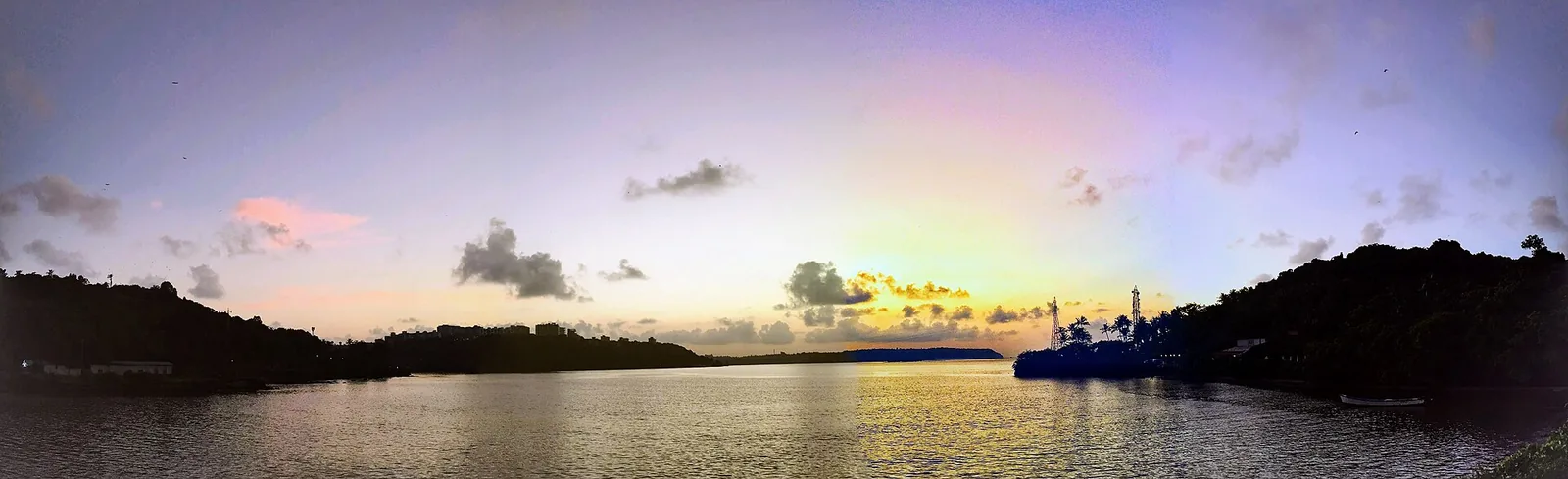
List your placeOctober is post-monsoon in Goa: the last showers fade, the countryside stays green and the beaches are quieter before the winter season. A good time for heritage sites and calmer shores.


UNESCO baroque church, famed relics

Coastal fort with lighthouse view
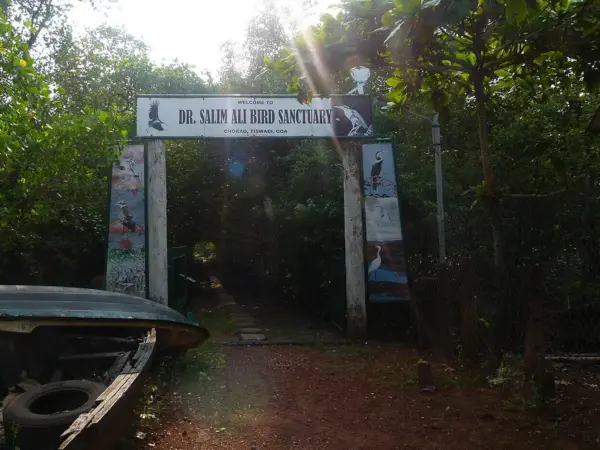
Mangrove trails, migratory birds
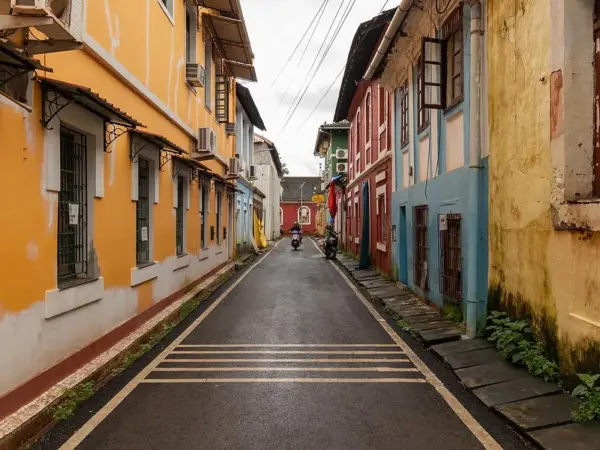
Portuguese‑style lanes, pastel houses

Contemporary art museum at Pilerne

Cable-stayed bridge over the Mandovi

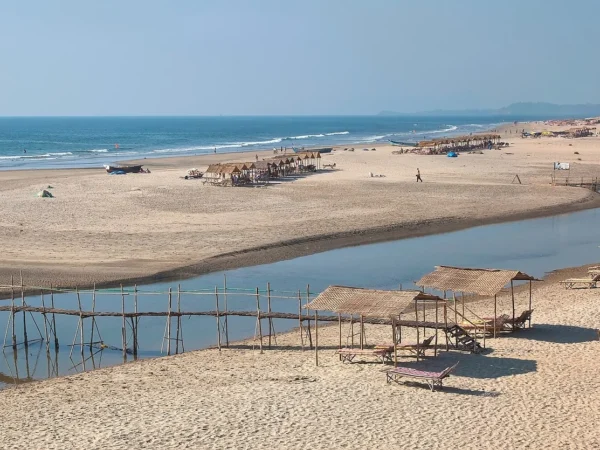

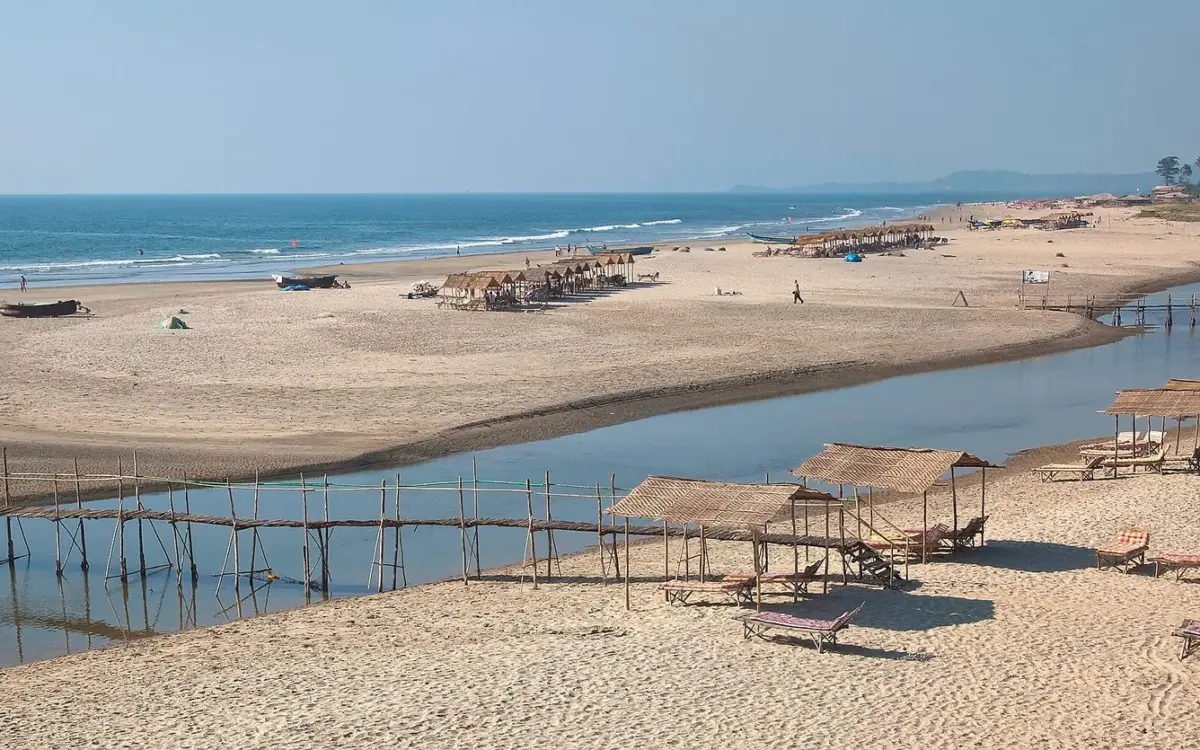
Alleyway colours, midday

Latin Catholic cathedral in Goa, India

Indian World Heritage site
Church in Velha Goa, India
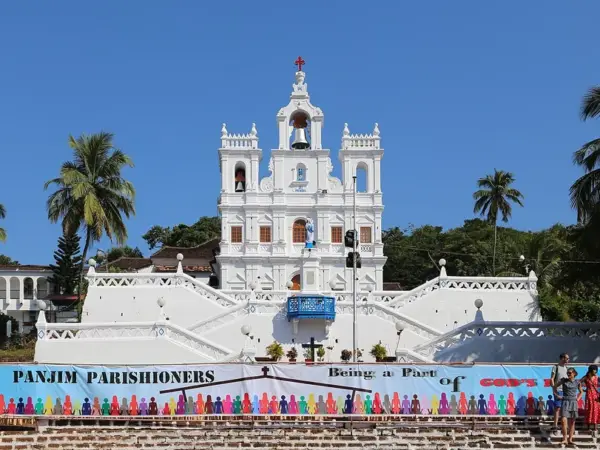
Cathedral in Goa, India

Church in India

Tangy, pickled style
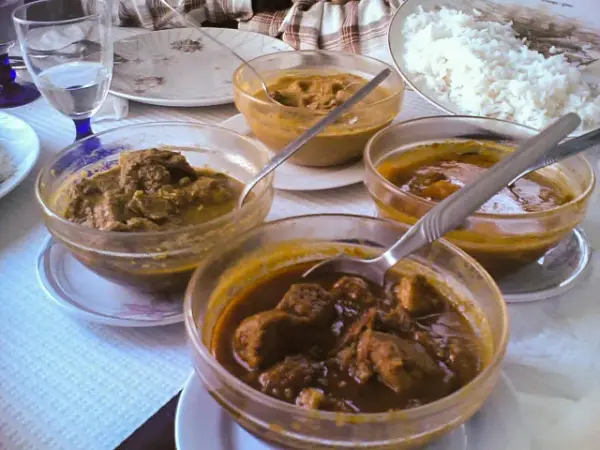
Hot, vinegar‑infused
Nutty, aromatic gravy

Layered coconut cake
The full guide
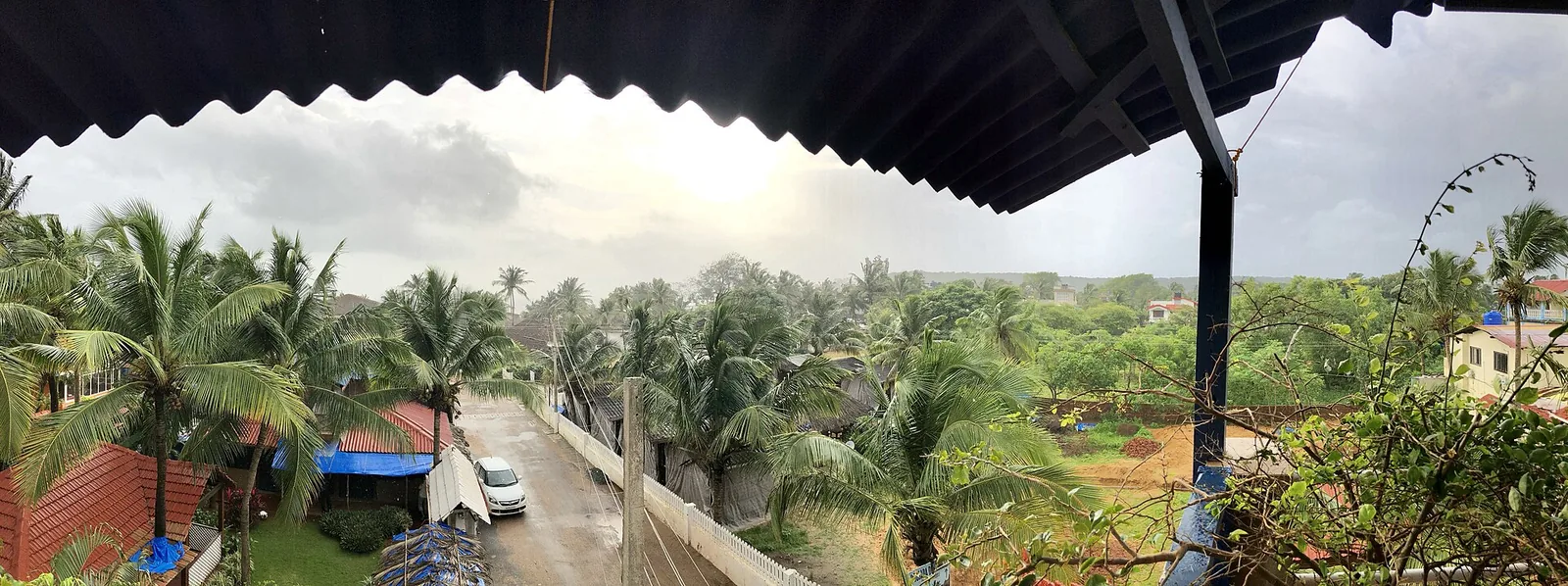
October comes right after the monsoon. The rains usually ease off in the first week or two, the hills and paddy fields are still glossy green, and the sea breeze starts to feel fresh again. The crowds that pack the beaches in December haven’t arrived yet, so you have room to stretch out on Calangute or watch the tide at a quieter cove. It is also when Goa reopens for the season: beach shacks go back up and water sports restart through the month. Dussehra falls on 20 October in 2026, and if you can stay into early November you’ll catch Narkasur night on 7 November, when villages burn giant demon effigies before dawn on Narak Chaturdashi.
Goa is a compact slice of the Konkan coast where Portuguese façades sit shoulder-to-shoulder with coconut-lined shores. It works well for families who love a gentle sea breeze, couples chasing quiet sunsets, and solo travellers eager to wander heritage lanes. The vibe shifts quickly – a laid-back village morning can turn into a lively market afternoon. If nonstop clubbing is your only aim, October is early: many clubs and night markets only open fully in November, so plan around the quieter beaches and heritage spots instead.
The Portuguese ruled Goa from the early sixteenth century until 1961, leaving baroque landmarks like the Basilica of Bom Jesus and the Se Cathedral in Old Goa. Konkani songs and music blend Hindu and Catholic traditions, from the mando and dekhni to temple and village festivals. In Panaji, the old quarter of Fontainhas still shows off its pastel Portuguese-era houses and tiled nameplates. The past here lives not just in stone but in everyday language, food and festivals.
| Month | Avg high | Avg low | Rain/precipitation |
|---|---|---|---|
| Jan | 31.6°C | 19.6°C | 0 mm |
| Feb | 31.5°C | 20.5°C | 0 mm |
| Mar | 32°C | 23.2°C | 1 mm |
| Apr | 33°C | 25.6°C | 12 mm |
| May | 33°C | 26.3°C | 113 mm |
| Jun | 30.3°C | 24.7°C | 868 mm |
| Jul | 28.9°C | 24.1°C | 995 mm |
| Aug | 28.8°C | 24°C | 513 mm |
| Sep | 29.5°C | 23.8°C | 252 mm |
| Oct | 31.6°C | 23.8°C | 125 mm |
| Nov | 32.8°C | 22.3°C | 31 mm |
| Dec | 32.4°C | 20.6°C | 17 mm |
The month-by-month table above gives a quick snapshot of temperature, rain and crowd levels. In a nutshell, the sweet spot runs from mid-November to mid-February, when the air is dry and evenings are pleasant. If you love festivals, plan around Ganesh Chaturthi in late August or September, or Carnival in February (6–9 February in 2027); expect crowds and higher room rates. March to May get hot and humid but stay mostly dry. The monsoon, roughly June to September, turns the hinterland lush but makes the sea rough and the roads slippery, so skip it unless you’re chasing waterfalls. October sits in between: post-monsoon green with the odd shower, especially early in the month.
Domestic tourists don’t need any Inner Line Permit for Goa’s coast or its wildlife sanctuaries, so you can roam freely. Foreign visitors who plan to drive or ride a rented scooter should carry an International Driving Permit along with their home licence.
| From | Road distance (est.) | Driving time (est.) | Best way |
|---|---|---|---|
| Delhi | ~2020 km | 45.0 h | Fly |
| Mumbai | ~550 km | 12.3 h | Train or drive |
| Bangalore | ~670 km | 14.8 h | Train or drive |
Estimates calculated by BuzzyTrip from map coordinates; check live maps before you leave.
Goa has two airports. Dabolim Airport (GOI) near Vasco da Gama is about 30 km from Panaji, roughly 30–45 minutes by prepaid taxi, and is handy for South Goa. The newer Manohar International Airport (GOX) at Mopa in North Goa is closer to beaches like Arambol, Mandrem and Morjim. By rail, the Konkan Railway stops at Madgaon and Thivim, with trains from Mumbai, and connections from Pune and Bengaluru; the line runs through hills and over rivers, and the views are lovely after the rains. If you drive from Mumbai, NH 66 follows the Konkan coast with plenty of dhabas for chai stops; expect a full day on the road. The flight is fastest, the train the most relaxed, and the drive the most scenic.
Delhi is too far to drive comfortably, so fly into Goa and pick up a rental car or scooter there. From Mumbai, NH 66 along the Konkan coast is a long but rewarding drive past palm groves, rivers and small towns. From Pune or Bengaluru, the usual route crosses the Western Ghats via Kolhapur or Belagavi. Leave early in the morning, and in early October check the forecast, because late showers can make ghat sections slow going.
Madgaon is the main rail gateway; long-distance services from Delhi and Kolkata stop here, making it a convenient drop-off for the south. For the northern beaches, Thivim is closer to Calangute and the rest of North Goa. If you’re travelling over the Diwali and festive season, book sleeper or AC tickets well ahead – trains fill up fast.
In Panaji, auto-rickshaws and motorcycle taxis (pilots) handle short hops; agree on the fare before you get in. Ola and Uber don’t operate in Goa, but you can book taxis through the GoaMiles and Goa Taxi apps. Keep cash handy for villages where drivers may not take digital payments. Renting a scooter is the most popular way to get around; a helmet is compulsory, and showers can still be sudden in October, so carry a light jacket.
The gilded altar and the tomb of St Francis Xavier are worth an early, quiet visit.
The misty spray feels like a cool hug after a humid day; avoid the weekend crowd.
Dive trips usually restart in October and visibility improves as the season goes on; beginners should book with a licensed operator and stick to shallow sites.
The aroma of cardamom and pepper fills the air, perfect for a relaxed afternoon.
Early dawn brings flocks of kingfishers – a must for bird lovers.
The sky turns amber over the Arabian Sea; best viewed from the promenade bench.
Goa’s busiest local market runs year-round; come for spices, sausages and pickles. The Arpora Saturday night market only reopens around November.
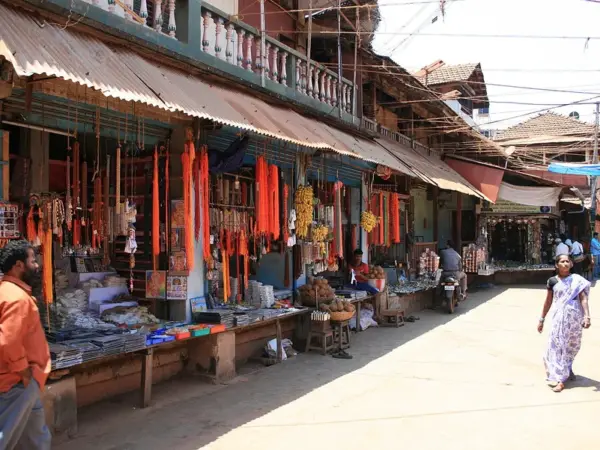
Pastel houses, narrow lanes and tiled nameplates make an easy, free family walk.
The fort looks west over Vagator and the Chapora river; go in the late afternoon and bring water for the short climb.
The breeze softens the heat, and street musicians add a soundtrack.
On 7 November 2026, villages and towns build huge Narkasur effigies and burn them before dawn on 8 November; Panaji and Mapusa draw big crowds.
A secluded cove that feels private even in peak season.
On Goa’s border with Karnataka and Maharashtra, it’s less visited than Dudhsagar and is still green and misty after the rains.
Perched on a cliff with sweeping sea views, it’s a perfect spot for photography without the tourist throng.
Ideal for first-timers who have just a weekend for Goa's beaches and heritage.
A balanced three‑day plan that mixes beach time, culture and a dash of adventure for most travellers.
A relaxed itinerary that adds day trips to nearby gems while still savoring Goa’s varied flavours.
A full week that covers Goa’s coasts, heritage, and nearby escapes for those who want to explore at leisure.
Ideal for parents with 6‑14 year olds who need short drives, frequent breaks and kid‑friendly stops
Tailored for two, mixing scenic romance, relaxed pacing and memorable dinners
Designed for solo adventurers on a shoestring, with hostels, buses and street food
For travellers who want private transfers, premium stays and curated experiences
Derivative work: UnpetitproleX, CC BY 4.0, via Wikimedia Commons
North Goa’s Calangute and Baga are lined with budget guesthouses popular with groups, and the nights can be loud. Simple beach huts and guesthouses start at about ₹1,000–2,500 a night in October, though many beach-hut camps only reopen later in the season. South Goa’s Colva and Palolem suit couples seeking calm; boutique resorts blend Portuguese-style arches with sea views, while farmstays in the hinterland add a touch of rural peace. Panaji works for families, with mid-range hotels near the river and within easy reach of museums and markets. For first-timers, a mid-range Panaji hotel is a good pick: comfortable, central and easy to explore on a rented scooter.
Order kingfish or prawns at a beach shack in Anjuna, Calangute or Palolem; the catch of the day is usually the best choice. Try prawn balchão, chicken xacuti and Goan fish curry rice at local restaurants in Panaji, where vegetarians can ask for vegetable xacuti or a veg thali. In Mapusa, small local eateries serve simple fish curry rice; ask for pickle on the side. For dessert, look for bebinca, Goa’s layered coconut cake. Vegetarian and Jain-friendly options are easy to find if you ask.

The Anjuna flea market, held on Wednesdays from around November, is the place for crochet tops and silver jewellery; haggle, as prices near the main gate can be steep. Mapusa’s Friday market runs year-round and is great for spices, Goan sausages and whole peppercorns, often cheaper than city stores. Old Goa’s souvenir shops stock small statues of saints; skip them unless you want religious décor, as they tend to be overpriced.
October is quiet for big events, but Dussehra falls on 20 October in 2026. The bigger celebrations come just after: Narkasur night on 7 November, with effigies burned before dawn on 8 November, then the International Film Festival of India (IFFI) in Panaji from 20 to 28 November, and the Feast of St Francis Xavier in Old Goa on 3 December, after a nine-day novena. Carnival follows in February (6–9 February in 2027). Book ahead for any of these, as rooms fill fast.
Below is a rough daily spend per person, as of October 2026, grouped into three comfort levels so you can see where your money goes. Stay costs assume two people sharing a room.
| Category | Budget | Mid-range | Luxury |
|---|---|---|---|
| Stay | ₹600-₹1,500 (hostel dorm or basic guesthouse) | ₹2,500-₹5,000 (boutique guesthouse or 3-star) | ₹12,000-₹30,000 (5-star resort) |
| Food | ₹400-₹800 (thalis, local eateries) | ₹800-₹1,500 (cafés, beach shacks) | ₹2,000-₹4,000 (fine dining) |
| Local transport | ₹300-₹500 (scooter rental or buses) | ₹500-₹1,500 (scooter plus the odd taxi) | ₹2,500-₹4,000 (car with driver) |
| Activities | ₹100-₹300 (museums, ferries; churches are free) | ₹500-₹1,500 (river cruise, spice farm) | ₹1,500-₹4,000 (private guide, spa, diving) |
| Total per day | ≈₹1,400-₹3,100 | ≈₹4,300-₹9,500 | ≈₹18,000-₹42,000 |
A few pitfalls trip up first-timers. Unlicensed boat and water-sports operators sometimes skip safety checks, so stick with vendors who display official permits and provide life jackets. Early in October, late showers can still cause small landslides or fallen trees on ghat roads, so avoid driving in heavy rain. Busy beaches and markets around Calangute and Baga see pickpocketing; keep wallets in front pockets. Swim only between the lifeguard flags and stay out when red flags are up, as the sea can still be rough after the monsoon. Raw cashew nuts in their shell contain an irritant that can cause a rash, so buy only processed ones. In an emergency, dial 112.
Do carry enough cash for the little stalls; most of them still run on cash only. Do respect temple dress codes – sleeves and knees covered, even at the beachside shrines. Don’t leave bags or phones unattended on beach chairs; a quick glance can save you a hassle. Don’t drink tap water – stick to bottled or filtered bottles, especially after a salty sea breeze.
When you step into a church, pull off your hat, keep the chatter low and dress modestly – a simple shirt and long pants do the trick. A small tip, about ten per cent, is nice if the service feels attentive, though it’s never forced. Snap photos in markets or on the promenade, but always ask before pointing the lens at the altar or inside a temple.
Myth: Goa is only for party animals.
Fact: Villages like Assolna and Britona serve quiet heritage walks and homely meals.
Myth: Monsoon bans beach fun.
Fact: Swimming is risky during the monsoon, but by October the beaches reopen; the sea can still be rough early in the month, so swim only where lifeguards have flagged it safe.
Myth: Every plate is seafood.
Fact: Vegetarian thalis and Jain-friendly dishes are easy to find in most eateries.
Start with a light rain jacket or poncho for the odd shower, plus breathable cotton shirts and trousers for the humidity. Add swimwear and a quick-dry towel, then sunscreen, sunglasses and a wide-brim hat. Heading to the mangroves in the evening? Pack insect repellent.
No visa is required for Indian citizens; Goa is a domestic destination.
Only foreigners need an International Driving Permit if they plan to drive; locals are fine with a regular licence.
Mid-November to mid-February is dry and comfortable. October is post-monsoon: green, a little humid, with the odd shower early in the month and far fewer crowds.
A long weekend covers the highlights of one area, but a full week lets you explore both north and south comfortably.
Yes. Swim only between lifeguard flags, avoid the sea during the monsoon and on red-flag days, and keep children away from river mouths where currents are strong.
Goan fish curry rice, pork vindaloo, chicken xacuti, prawn balchão and bebinca for dessert. Cashew feni is the local spirit.
Flights land at Dabolim (GOI) and Mopa (GOX) airports, trains stop at Madgaon and Thivim, and long-distance buses run from Mumbai, Pune, Mangaluru and Bengaluru.
As of October 2026, plan roughly ₹1,400–3,100 per person per day on a budget, ₹4,300–9,500 mid-range and ₹18,000 upwards for luxury; see the budget table above.
Buy only processed cashew nuts, as raw ones in the shell contain an irritant; drink bottled or filtered water, and carry mosquito repellent after the rains.
Scooter rentals are common and cheap, and public buses link most beaches and towns, making a car unnecessary for most itineraries.
Background facts were researched from the Wikimedia pages below, used under Creative Commons Attribution-ShareAlike. This guide is an original work written and edited for BuzzyTrip; prices, visa rules and timings change, so verify before you travel.
Photos:
Derivative work: UnpetitproleX, CC BY 4.0, via Wikimedia Commons
Been here recently? Share a tip (and a photo) in the comments below and tick “This is a travel tip”. Tips are reviewed before they appear — we never show your email.
Short, useful travel ideas and new guides. Straight to your inbox every Friday.
Message us with your dates and budget and we’ll reply with suggestions.
Chat on WhatsApp
4 comments