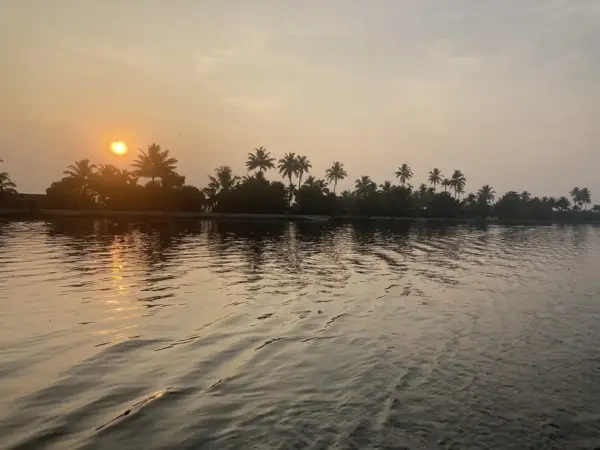
Alleppey backwaters
Serene houseboat rides, 3‑hour cruise
Own a stay, café or cab? List your place on BuzzyTrip — free starter listing after we review.
List your placeKerala blends lush hills, sandy beaches and dense forests. It’s a coastal state with a tropical climate and a mix of cultures.
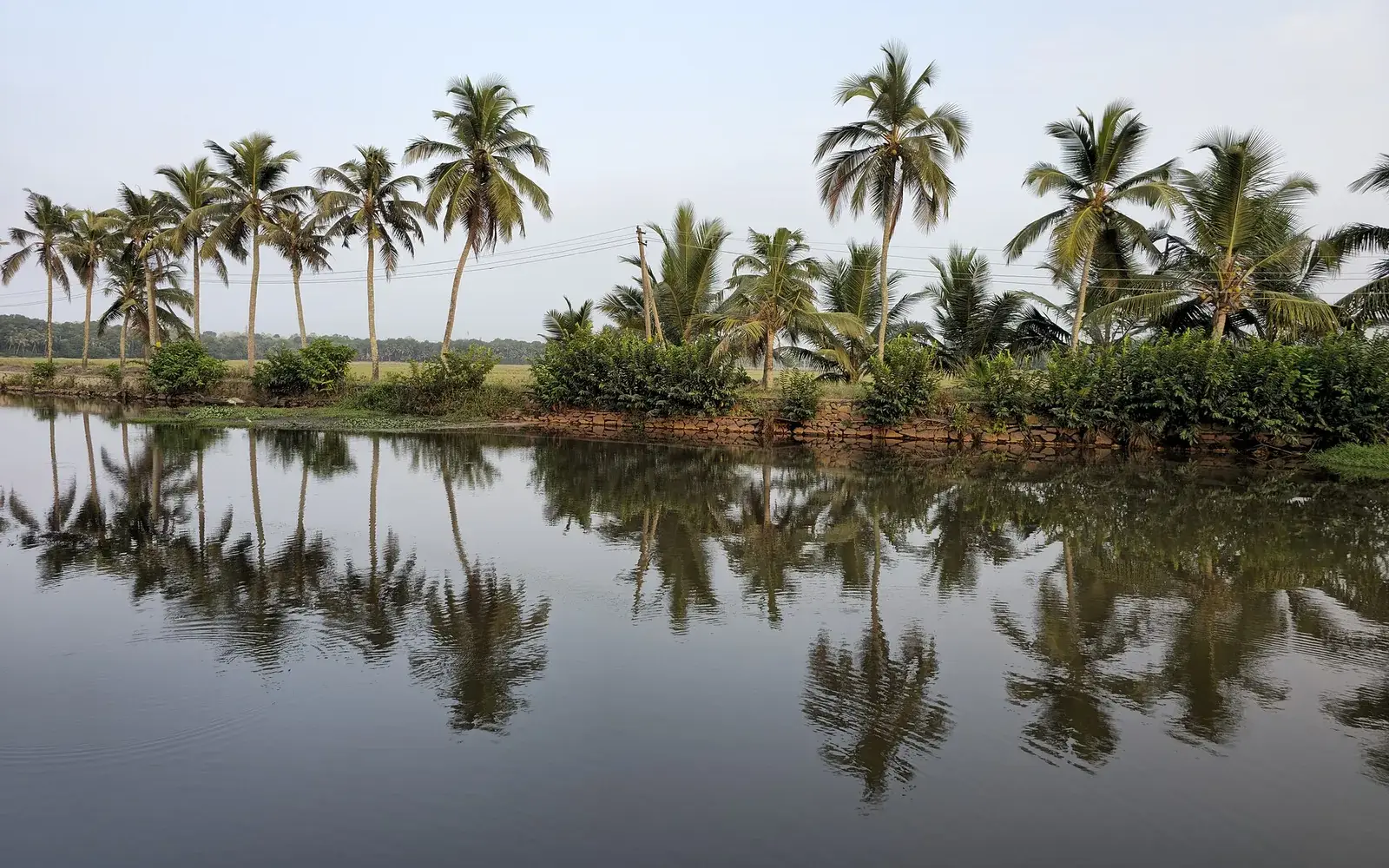
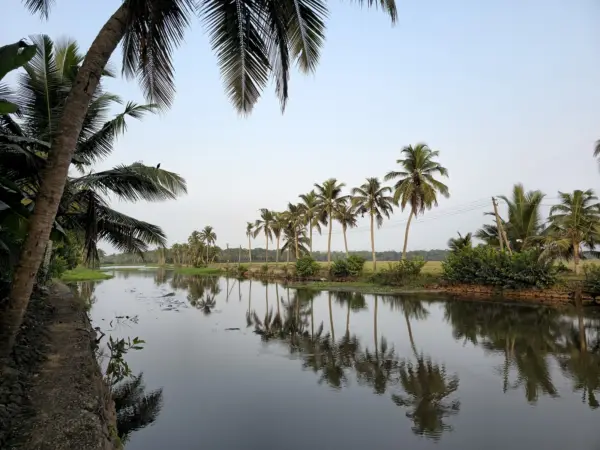
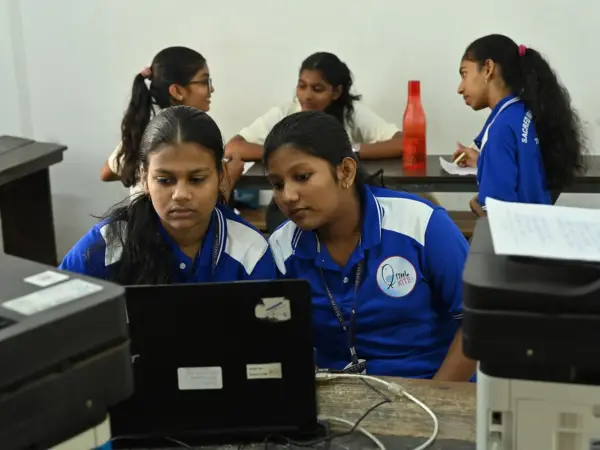
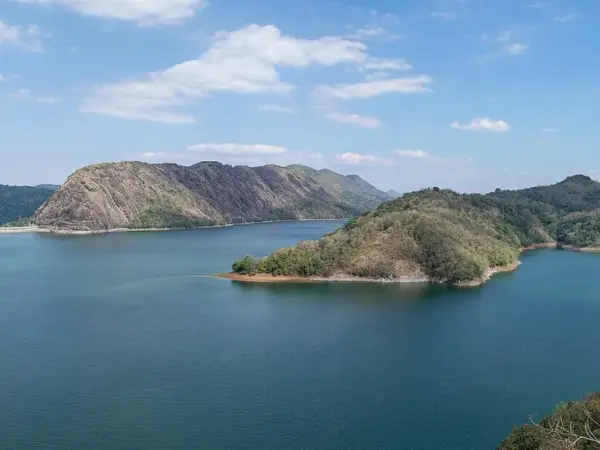
Serene houseboat rides, 3‑hour cruise
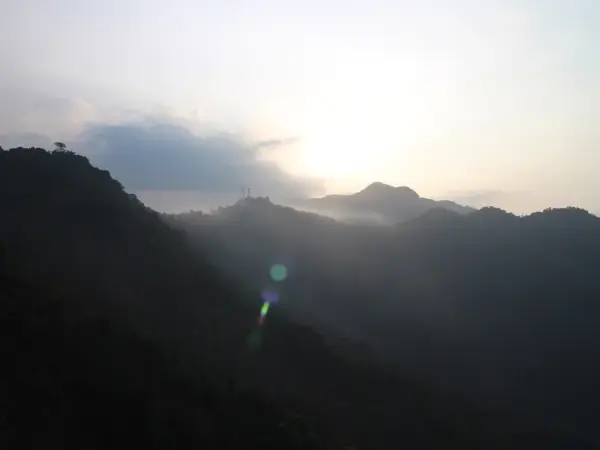
Tea estates, misty mornings
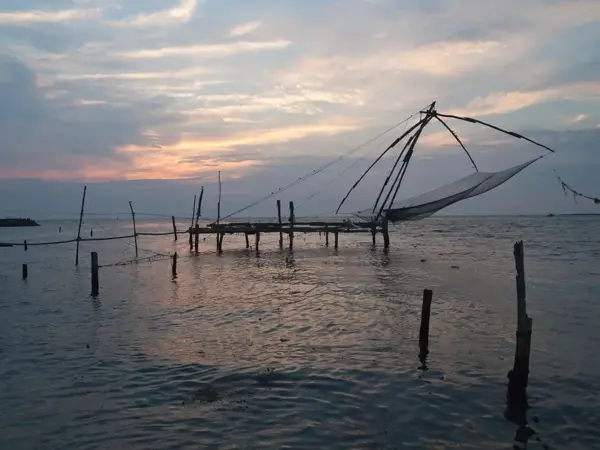
Historical Dutch colonial site
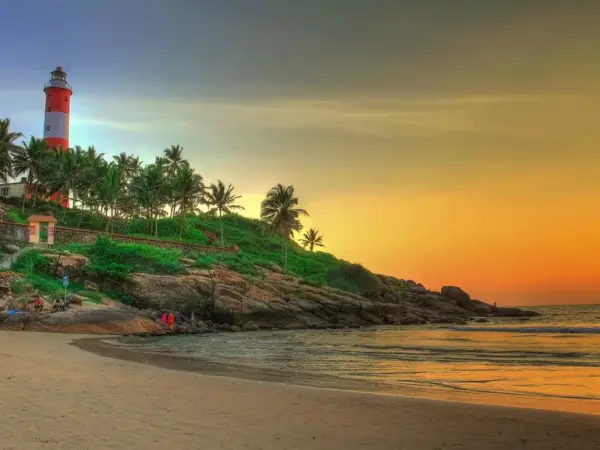
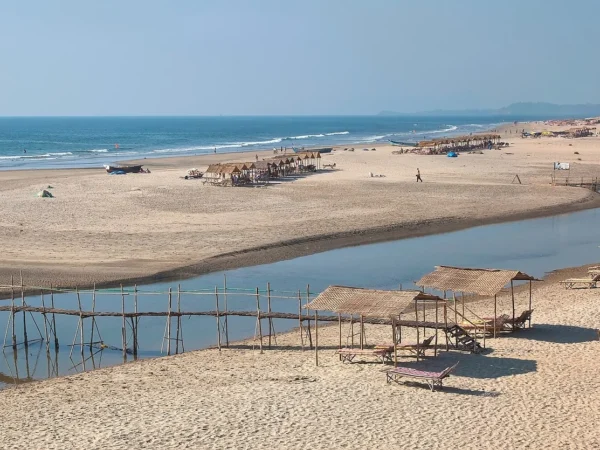
Golden sands, sunset views

Rolling green terraces
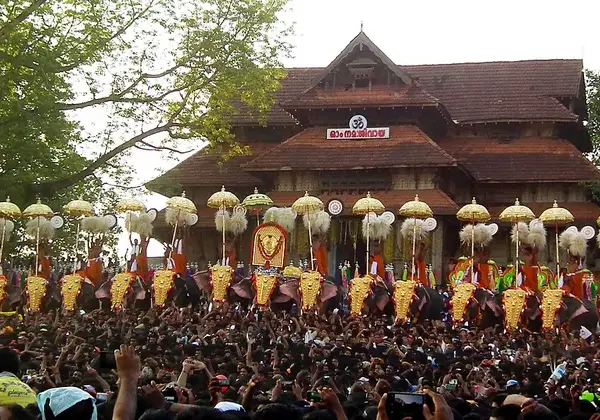
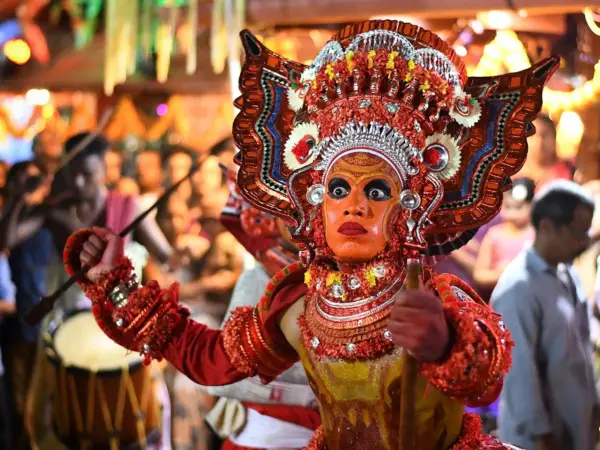
Colorful festival, 3rd Jan
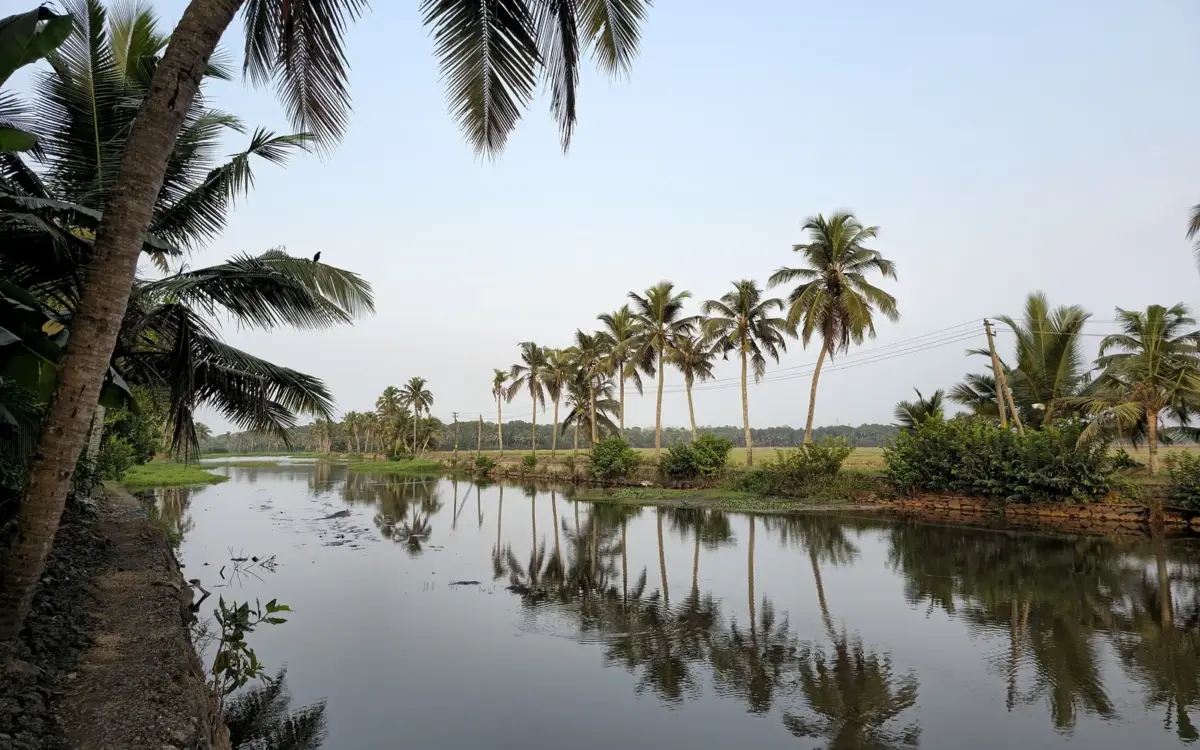
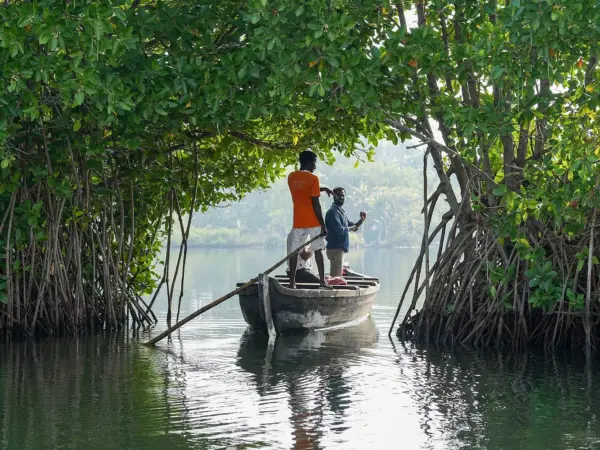
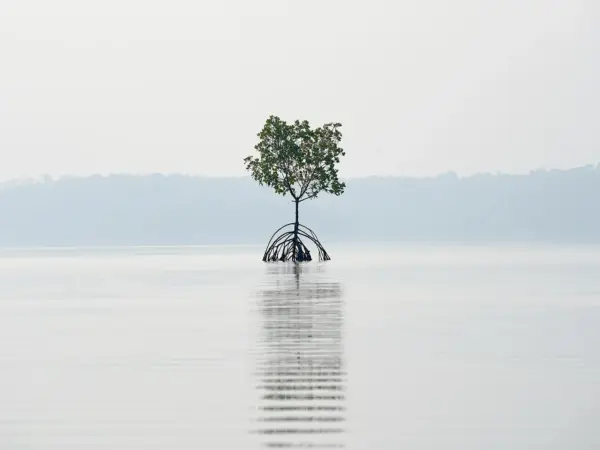

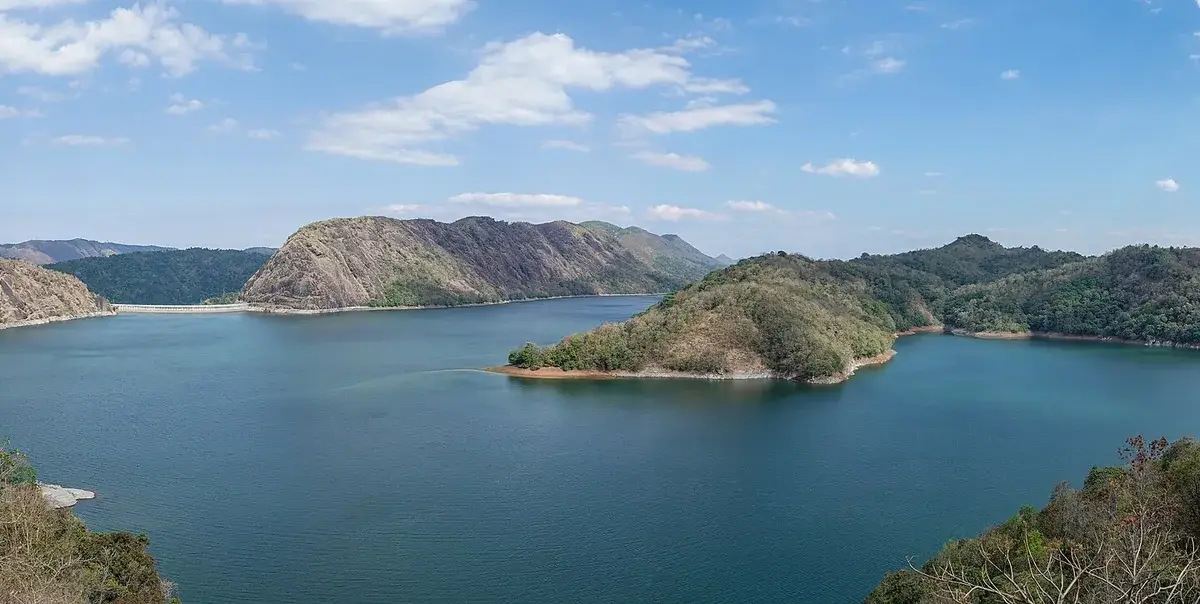
Morning mist, boat angle
Sunrise over terraces
Golden sand, sunset
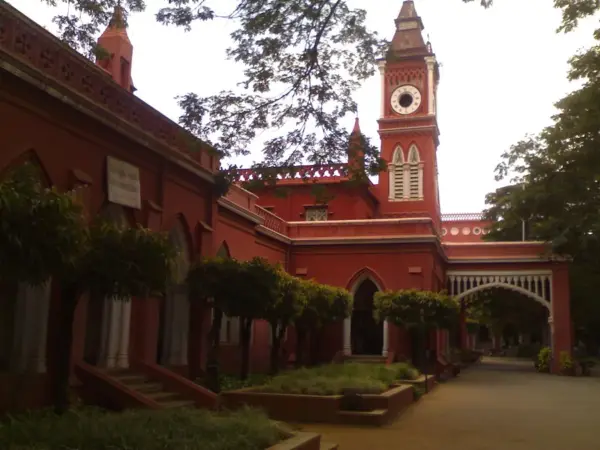
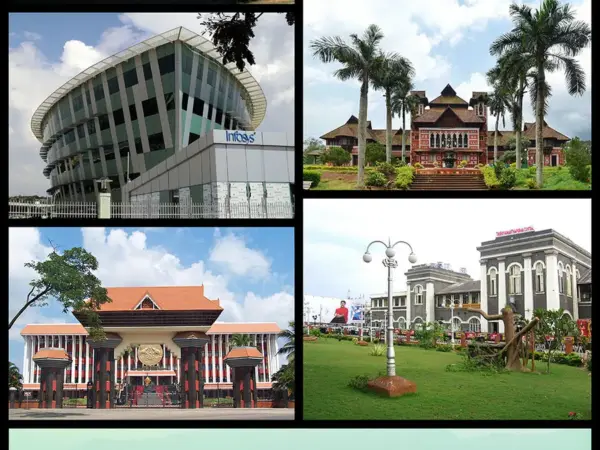
Blue sky, historic view
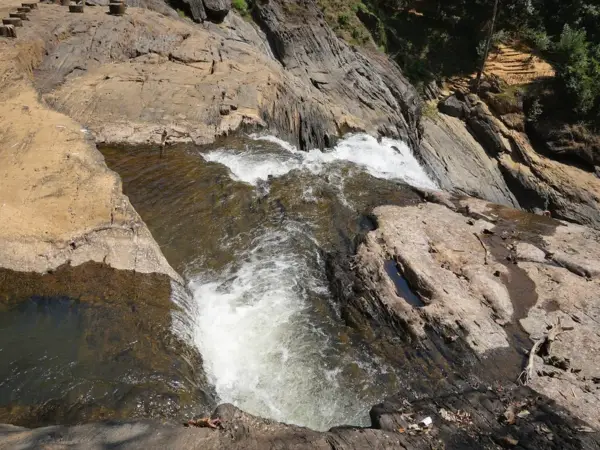
Rainy day spray
Evening calm, palm shade

Spicy coconut base
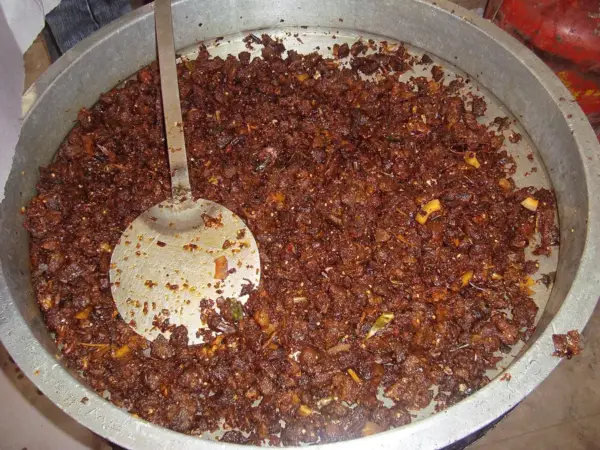
Coconut oil, fiery

Rice pancake, sweet
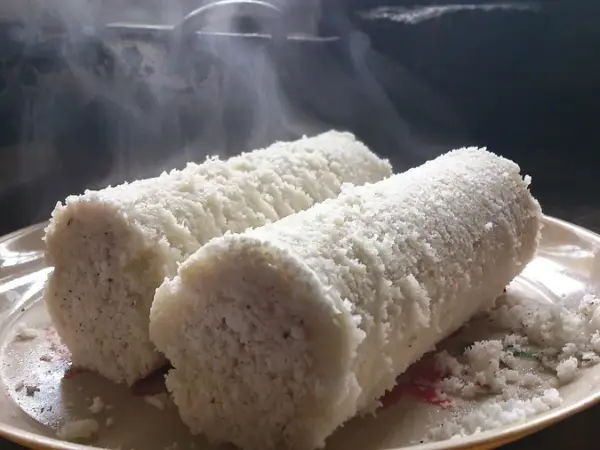
Steamed rice cakes
Boiled tapioca, curry
Pomegranate chutney
The full guide
October sits in Kerala’s sweet spot between the heavier southwest monsoon and the busy winter holidays: hills stay green, backwaters are full, and daytime heat is usually kinder than peak summer. Kochi’s Cochin International Airport is well known for running largely on solar power (an operations win for the airport, not a passenger fare scheme), while domestic tickets still move with demand — book early for weekends and festival weeks. If wellness travel is on your list, Ayurveda centres across the state take guests year-round; confirm dates on the operator’s site rather than chasing unverified “festival sell-outs.” Skip Kerala only if you want deserts or high-altitude treks — the state’s pull is waterways, food, and well-kept hill roads.
Kerala is a narrow strip of coast that slopes into the Western Ghats, giving you backwaters, hills and tea estates all in one bite. It’s ideal for families craving clean, safe facilities; couples who want a romantic houseboat night; and solo trekkers who love spice markets, temple art and easy public transport. Think of it as a relaxed road‑trip that never feels rushed.
The ancient Chera Kingdom left stone temples such as Padmanabhaswamy in Thiruvananthapuram. Portuguese forts at Fort Kochi showcase colonial architecture, while Dutch and British remnants pepper the shoreline. Kathakali performances at Kottayam’s Kerala Kalamandalam keep the classical dance alive, and the state’s diverse religions—Hindu, Muslim, Christian and even Jewish, are reflected in its temples, mosques, churches and synagogues.
In the 9th‑century, the Chera dynasty’s capital at Kodungallur still shows its legacy in the ancient Shiva‑temple, the 12th‑century‑old Pazhassi‑Kuttan‑Pattom shrine. The Portuguese left their mark on the 16th‑century fort at Fort Kochi, now a museum of cannons and old ships. The Dutch built the St. George Church in Mattancherry, and the British era is visible in the colonial mansions of Fort Kochi’s “Coco‑Town” quarter. If you stroll the narrow lanes, you’ll hear the echo of cannon fire from the old Dutch fort, a reminder of the region’s maritime past.
Monsoon (June‑September) drapes the backwaters in green and trims hotel prices, making cruises a bargain. Winter (mid‑October‑February) keeps the hill stations like Munnar crisp, ideal for trekking without the heat. Summer (March‑May) is blistering on the coast, yet beach lovers can still soak up the sun if they’re ready for the humidity. Festivals line up with these seasons, so you can time your visit for a local mela or a Kathakali show if that’s your thing.
No Inner Line Permit is required for Kerala; every Indian citizen can roam freely. If you plan to trek in Periyar Tiger Reserve, a forest entry permit is mandatory – apply online through the Kerala Forest Department.
| From | Road distance (est.) | Driving time (est.) | Best way |
|---|---|---|---|
| Delhi | ~2670 km | — | Fly |
| Mumbai | ~1390 km | 31.0 h | Fly |
| Bangalore | ~330 km | 7.2 h | Drive |
Estimates calculated by BuzzyTrip from map coordinates; check live maps before you leave.
Co‑chin International Airport (COK) gets daily flights from Delhi (≈2 hrs) and Mumbai (≈1.5 hrs). From the rail side, Kochuveli and Thiruvananthapuram stations sit on the Bangalore–Kanyakumari line; a sleeper from Bangalore takes about 14 hrs. Driving from Mumbai on NH 66 covers roughly 1,300 km – expect 24 hrs with stops at Goa and Mangalore.
From Delhi, a daily flight to Cochin takes about 2 hours; the same applies from Mumbai, though the flight time is slightly shorter at 1.5 hours. If you prefer trains, the Bangalore–Kanyakumari line connects to Thiruvananthapuram; a sleeper from Bangalore starts at ₹1,200 and covers the 650 km in 14 hours. For a more scenic route, take the overnight express from Chennai; the fare is ₹1,800 and you’ll arrive at Thiruvananthapuram by dawn. Once in Kerala, the state’s network of buses is extensive; a local bus from Kochi to Alappuzha costs about ₹30 and takes 1.5 hours. For a private hire, a 4‑seater car from Cochin to Munnar runs between ₹4,000 and ₹5,000 for a day, depending on the season. If you’re an adventure seeker, consider a boat ride from Kochi to the backwaters; a 4‑hour cruise costs roughly ₹2,000 per person. Remember to verify all fares and timings on the official transport portals before you set out.
From Delhi to Kochi you’ll head south on NH 44, hit Hyderabad, then jump onto NH 66 hugging the coast. The drive is a mix of highway and back‑country roads; watch out for slick stretches near Kozhikode when the monsoon rolls in. Leave Bangalore by 5‑6 am to dodge the traffic jam and the Western Ghats fog that settles by evening. Pune offers a quick bite, Kolhapur a hearty Maharashtrian thali, and Kasaragod a lighthouse view that’s worth the detour.
The Netravati Express from Mumbai to Thiruvananthapuram takes about 24 hrs; book AC 2‑tier two to three months ahead. Bangalore travelers can catch the Kochuveli‑Mysore Express, which runs sleeper and 3‑tier options. Tatkal quota opens ten days before departure; keep a standby for AC Chair Car if a faster ride is your preference.
Auto‑rickshaws rule the streets; a 5 km hop in Kochi costs roughly ₹80‑₹120. KSRTC buses start at ₹150 for a 100 km intercity stretch, while Volvo services run at a premium. For houseboat lovers, apps like BoatBuddy let you book a 24‑hour cruise from Alappuzha for ₹4,500‑₹7,000. A 5‑km taxi ride in Kochi averages ₹80‑₹120, but negotiate before you hop in.
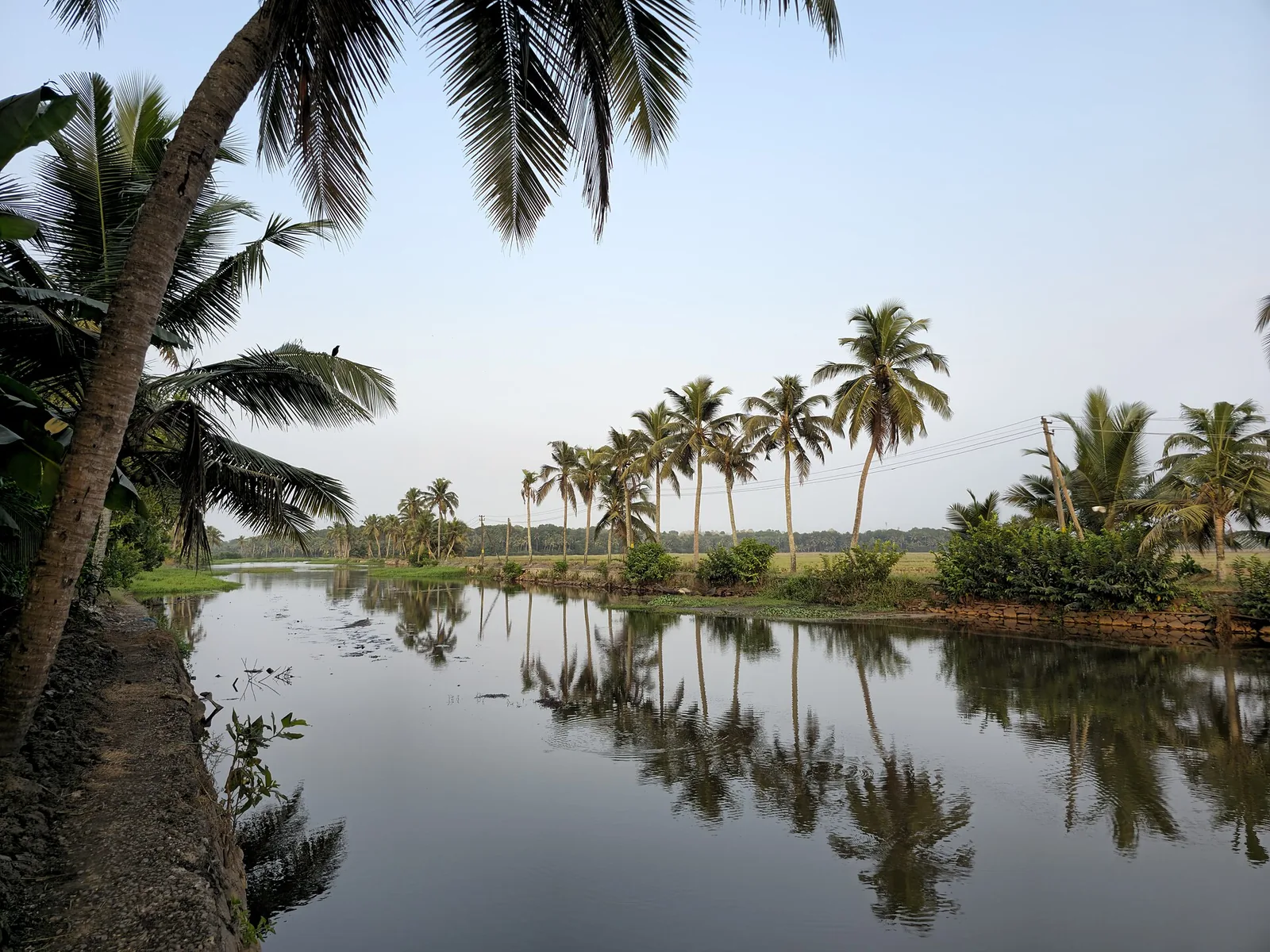
Glide through palm‑lined canals; the sunset view over the paddy fields is worth the early‑morning wake‑up.
Sip fresh tea at a tea‑factory; the misty hills feel like a living postcard.
Stroll past Chinese fishing nets and the Dutch Palace; the street art scene adds a modern twist.
Boat along the lake at dawn; spotting a herd of elephants is surprisingly common.
Watch the Arabian Sea dip below red cliffs; the beach below is quieter than Kovalam.
Pedal from Kottayam to Alappuzha on a dedicated bike trail; the air smells of fresh coconut.
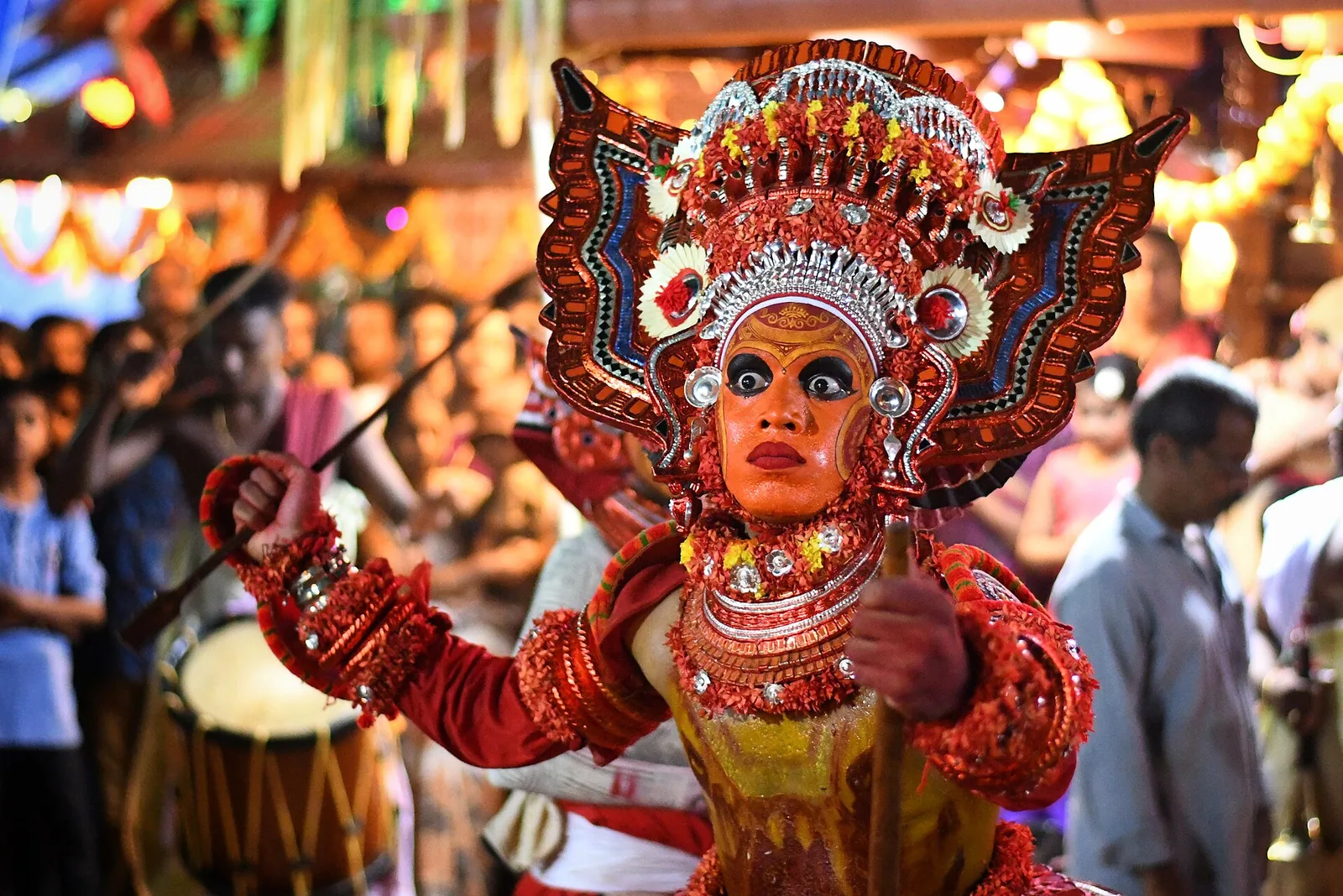
Experience the dramatic makeup and drums; the performance at Kairali Centre is affordable.
Explore ancient petroglyphs; the climb is steep but the view over the valley rewards you.
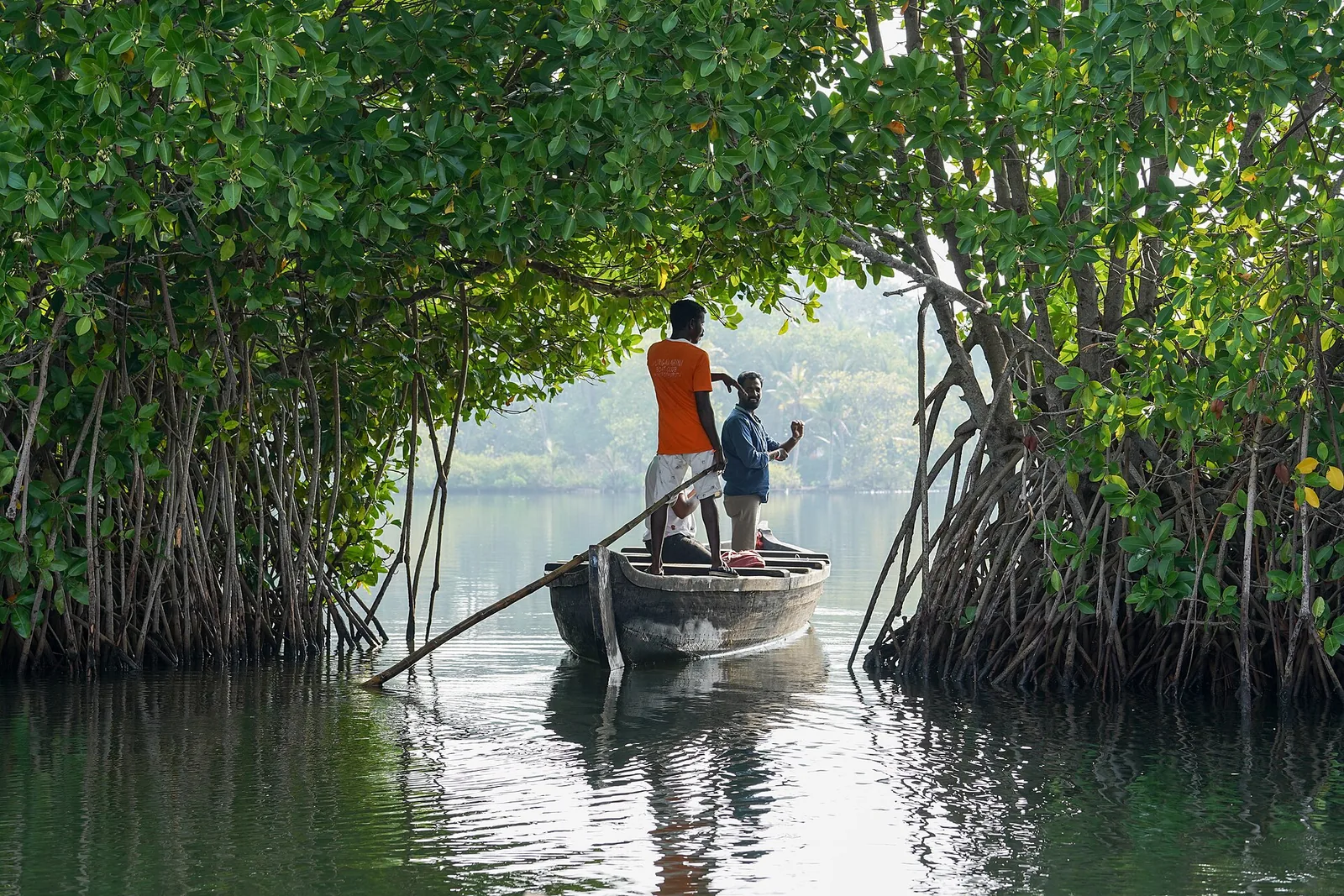
Backwater sunrise boat at Kumarakom – best before 7 am when mist hugs the water.
Munnar tea‑plantation tea‑tasting – late afternoon when the sun softens the hills.
Varkala cliff sunset – grab a seat at the cliff‑top café around 6 pm for an unobstructed view.
At Kumarakom, book a 12‑hour houseboat at ₹6,500–₹8,500, and ask the captain to start before 6:30 a.m. For the mist‑kissed sunrise. In Munnar, the tea‑plantation tour at the Tea Museum runs from 2:00 p.m. To 4:00 p.m., and the guide will sample a fresh brew for you. For Varkala, the cliff‑top viewpoint is best between 5:30 p.m. And 6:30 p.m.; a quick stop at the beachside café for a coconut water will round off the sunset.
The quiet village of Kappil near Varkala, where you can swim in a secluded lagoon.
Silent Valley National Park – a rain‑forest untouched by mass tourism; only guided treks allowed.
Alleppey’s ‘Nadodikkara’ fishing village – watch traditional dhoni boats being repaired.
In Kappil, the lagoon’s water is so clear you can see the sand at the bottom; the best time to swim is early morning when the light hits the water just right. At Silent Valley, the only way to experience the untouched rainforest is through a guided trek that starts at 6 am; the guide will point out rare orchids and the occasional spotted deer. In Nadodikkara, the fishing community still uses hand‑crafted bamboo nets; a visit to a local fisher’s house lets you taste freshly caught fish grilled over an open fire, seasoned with a pinch of black pepper and a splash of toddy. If you’re willing to travel a bit, the village of Aralam offers a quiet tea‑leaf farm where you can learn about the traditional processing of Nilgiri tea. For those who love history, the ancient fort at Kottayam is often overlooked; the stone walls still echo the tales of the 18th‑century battles, and the museum inside houses a collection of old naval maps.
Quick intro to Kerala for those pressed for time
Balanced mix of backwaters and hill stations for the average traveler
Slow‑paced journey with a side trip to the Western Ghats
Full week exploring southern Kerala, the backwaters, hill stations, and a coastal detour
Short drives, kid‑friendly backwater cruise and easy city walks for parents and children aged 6‑14
Scenic hill station, backwater cruise and romantic dinners for a relaxed, intimate getaway
Hostels, public transport and free activities for solo travelers on a tight budget
Private transfers, premium stays and curated experiences for comfort‑first travelers
In Kochi families gravitate to budget homestays from ₹1,200 a night, mid‑range boutique hotels sit between ₹3,500 and ₹5,000, and waterfront luxury resorts start at ₹8,000. Munnar offers cosy cottages for ₹2,000‑₹3,000, tea‑estate inns from ₹4,500 to ₹6,500, and high‑end lodges with spa views at ₹9,000+. Alappuzha is ideal for solo travellers: dorm‑style hostels cost ₹800‑₹1,200, houseboats range ₹4,500‑₹7,000 per night, and premium villas on the backwaters begin at ₹10,000.
In Munnar, cosy cottages such as the Green Leaf Retreat offer rooms from ₹3,200 a night, while the heritage‑style Eravikulam Viewhouse starts at ₹4,500. For a budget stay near Varkala, the Varkala Guesthouse charges ₹1,800 per night, and the beachfront Varkala Resort begins at ₹7,500. In Thiruvananthapuram, the historic Hotel Padmanabha Palace, a heritage property, runs ₹6,000 a night, while the newer, eco‑friendly The Greenhouse offers rooms from ₹5,000.
Try karimeen fry at a beachside dhaba in Kozhikode – a fresh sardine with a crisp coating; it’s vegetarian‑friendly if you skip the side fish curry. Order avial, a mixed‑veg stew, at a Kerala‑cuisine café in Kochi; the coconut‑laden gravy suits Jain travellers when you ask for no onion. Sample puttu and kadala curry at a morning stall in Kottayam – a steaming rice cake with black chickpea gravy, perfect with tea.
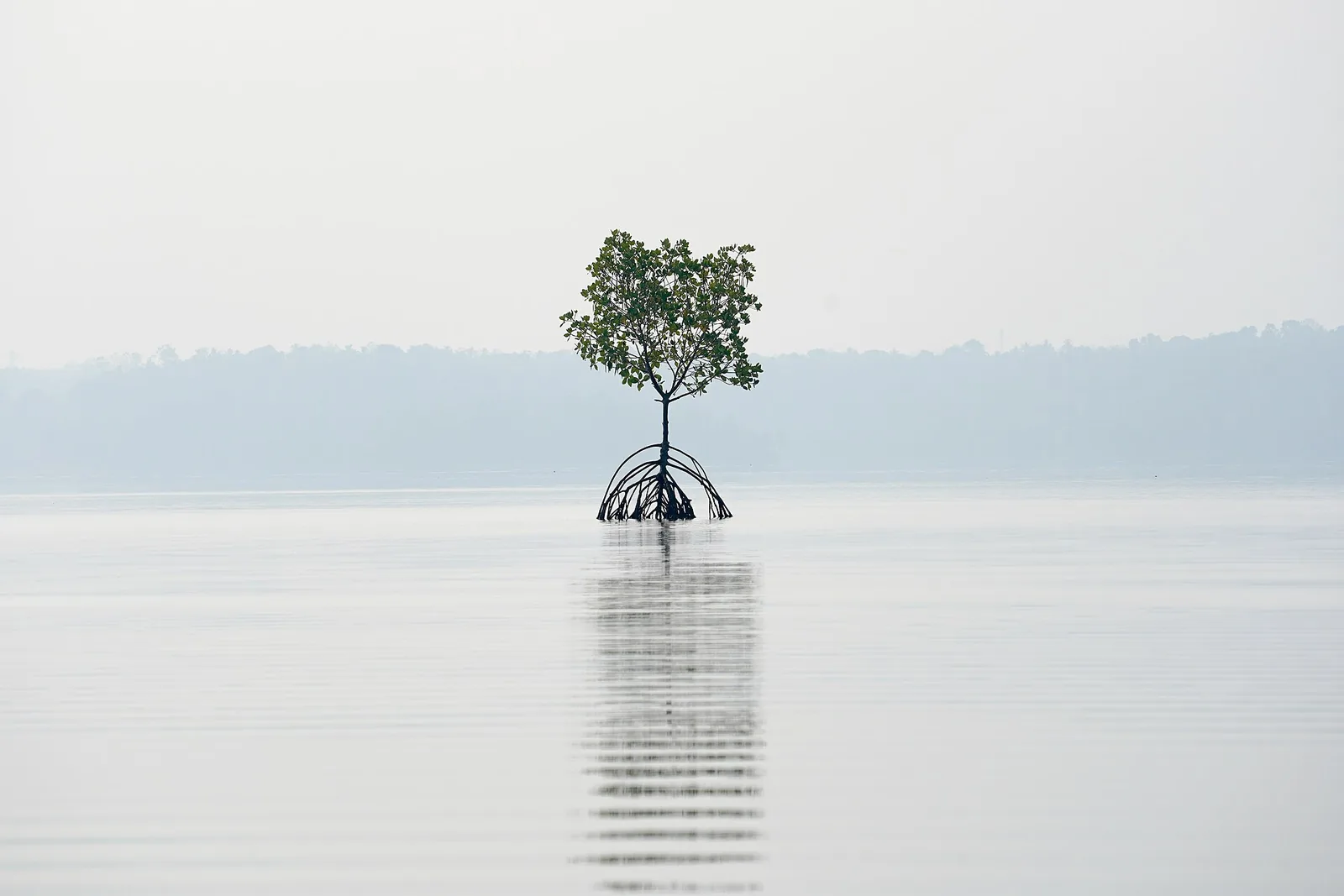
Spice markets in Kochi sell pepper, cardamom and clove in sealed packets; avoid overpriced packaged mixes aimed at tourists. Hand‑loom kasavu saris from Kannur start bargaining at 30% off the sticker price. Traditional brass lamps from Thiruvalla temple bazaar can be negotiated on weight and finish.
Onam, the harvest festival, lands in August‑September. The highlight is the snake‑boat races on Vembanad Lake; seats on the boats sell fast, so book early through the Kerala Tourism portal. April brings Thrissur Pooram, a grand elephant parade that draws crowds; tickets go on sale weeks in advance and are usually snapped up quickly. In August the Nehru Trophy Boat Race lights up the backwaters; the best viewing spots are the riverbanks at sunset where the sleek snake boats glide past.
| Category | Budget (₹/day) | Mid‑range (₹/day) | Comfort (₹/day) |
|---|---|---|---|
| Stay | 1,200‑2,000 | 3,500‑5,500 | 8,000‑12,000 |
| Food | 300‑500 | 800‑1,200 | 1,800‑2,500 |
| Local transport | 150‑250 | 300‑500 | 600‑900 |
| Activities | 400‑800 | 1,200‑2,000 | 3,000‑5,000 |
| Total | 2,050‑3,550 | 5,900‑9,200 | 13,400‑20,400 |
When you book a dhothi, the gold threadwork on the waist tells you how much you’re paying. A thin thread costs around ₹200, while a thick band can push the price up to ₹800. For a 7‑night tour package, expect a range of US$3,000–7,000, which translates to roughly ₹2.4–5.6 lakh, depending on season and inclusions. If you’re flying in, SpiceJet and IndiGo run daily flights from Delhi and Mumbai to Cochin, with fares from ₹3,000 to ₹7,000 for a one‑way economy ticket. A sleeper train from Bangalore to Thiruvananthapuram starts at about ₹1,200 and takes roughly 14 hours; the overnight AC option is around ₹3,000. Accommodation varies from ₹1,200 per night in a budget homestay to ₹12,000 for a luxury resort on the backwaters. Food costs stay in line with the stay: a local thali at a dhaba is ₹300–₹500, while a fine‑dining thali at a boutique hotel runs ₹1,800–₹2,500. Local transport in a rented auto‑taxi is ₹150–₹250 per day for a budget traveler, while hiring a private car for a day trip can cost ₹3,000–₹5,000. Activities such as a houseboat cruise start at ₹4,000, while a full‑day trekking tour in the Western Ghats can run ₹8,000–₹12,000. Prices shift with the tourist season, so check the latest rates on official sites before you book. The key is to mix a few splurges with everyday savings to keep the trip enjoyable without breaking the bank.
Beware of unofficial boat operators on the backwaters; always insist on a licensed ‘Houseboat Permit’. During the monsoon, landslides can block roads near Wayanad; check local news before heading out. Keep a copy of your ID and a small cash reserve; rural clinics may lack 24‑hour services. The state is generally safe, but pickpockets can be found in crowded areas and it’s wise to keep valuables secure.
Do try local toddy at a licensed bar in Alleppey; do not drink from roadside stalls.
Do wear breathable cotton when visiting temples; don’t wear shorts inside prayer halls.
When you step into a temple, the first rule is to remove shoes and carry a small cloth to wipe your feet; a few temples even ask you to bring a towel for the inner sanctum. For the backwater cruises, bring a waterproof bag for your electronics and a light jacket – the evening breeze can turn a sunny day into a misty one. If you’re planning a trek in Silent Valley, book a guide through the Kerala Forest Department; the park’s entrance fee is about ₹200 and a day pass is ₹400, but the real value is the safety and knowledge the guide provides. On the roads, always check the weather before heading to the highlands; monsoon can turn a simple drive into a treacherous one. And when you’re in a dhaba, ask the owner if the food is freshly made – the best meals come from places that cook on the spot. Finally, never leave valuables unattended on public transport; a quick glance at the nearest guard can save you from a petty theft.
Remove shoes before entering any temple; a small donation of ₹10‑₹20 is appreciated.
When photographing Kathakali, ask permission; flash is discouraged during performances.
Tipping 5‑10% in restaurants is customary; hand it directly to the server.
When you enter a temple, look for the small brass plate on the door that says ‘Sthapana’. A quick nod to the temple priest before you sit is polite. If you’re in a public kitchen, ask for a spoon before taking a bite of the spicy fish curry. In the backwaters, keep your shoes off the wooden planks and bring a small towel for the boat‑deck. Finally, if you’re photographing a local festival, a quick “Namaskaram” before you take the shot goes a long way.
Myth: Kerala is always rainy. Fact: Winters are dry and pleasant, especially in the highlands.
Myth: All food is spicy. Fact: Kerala cuisine balances heat with coconut milk, and many dishes are mild.
Myth: Houseboats are only for the rich. Fact: Budget houseboats start at ₹4,500 per night, making them accessible.
Pack a light cotton shirt or two, a pair of shorts, and flip‑flops for the beach. If you’re heading in June‑Sept, bring a rain jacket or poncho; a small umbrella is a lifesaver. For the hill stations like Munnar, a warm sweater for evenings keeps the chill at bay. Don’t forget insect repellent and sunscreen – both are essential. A reusable water bottle and a compact first‑aid kit complete the list.
Kerala is within India, so no visa is required for Indian citizens. As of October 2026, Indian passports are valid for entry without any additional permits.
No special permit is needed for a standard houseboat stay in Kerala. If you plan to stay in a private or eco‑houseboat that requires a special license, check with the Kerala Tourism Department; fees can range from ₹2,000 to ₹5,000.
A 7‑night/8‑day Kerala package can cost between ₹200,000 and ₹500,000 (USD 3,000‑7,000) depending on class and season. Flights from Delhi to Kochi can be ₹10,000‑₹20,000 round‑trip as of October 2026; verify on airline sites.
The dry season from November to February offers pleasant weather. From March to May the temperature can hit 35 °C, and from May to September heavy monsoon showers prevail.
A minimum of 7 days lets you cover the backwaters, hill stations, and a beach town. For a relaxed pace, 10‑12 days is ideal.
Kerala is generally safe, but stay alert in crowded markets and avoid late‑night solo walks. Keep valuables in a hotel safe and use registered taxis.
Yes, families are welcome. Child safety is good in hotels and tourist spots, but keep an eye on children in crowded areas and avoid local street food until they are older.
Taste appam with stew, seafood curries, and banana chips at a dhaba. The state’s spice market in Thiruvananthapuram offers fresh cardamom and pepper.
Kerala has major stations at Thiruvananthapuram, Ernakulam, and Kozhikode. Second‑class express fares are about ₹70 for a 200 km journey as of October 2026.
Local KSRTC buses cost around ₹7 for 3 km, and Volvo services cover longer routes. For scenic routes, hire a private taxi or book a houseboat.
Background facts were researched from the Wikimedia pages below, used under Creative Commons Attribution-ShareAlike. This guide is an original work written and edited for BuzzyTrip; prices, visa rules and timings change, so verify before you travel.
Photos:
Been here recently? Share a tip (and a photo) in the comments below and tick “This is a travel tip”. Tips are reviewed before they appear — we never show your email.
Short, useful travel ideas and new guides. Straight to your inbox every Friday.
Message us with your dates and budget and we’ll reply with suggestions.
Chat on WhatsApp