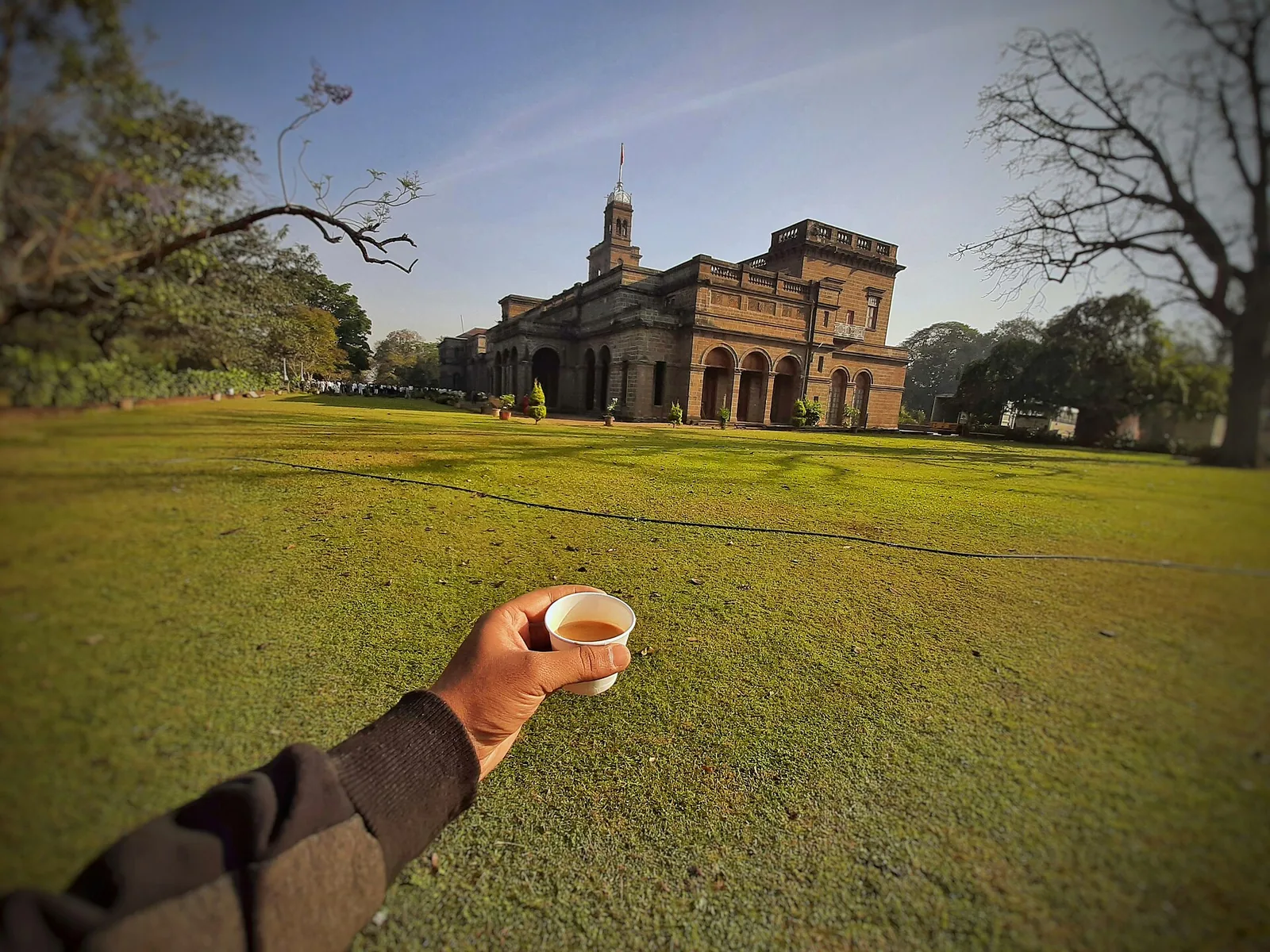
Aga Khan Palace
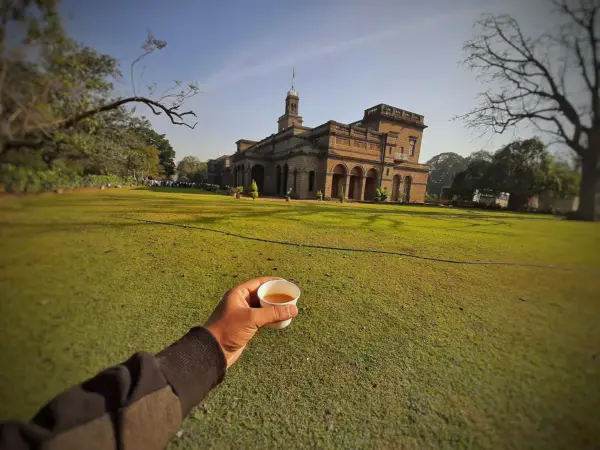
Historic palace with lush lawns
Own a stay, café or cab? List your place on BuzzyTrip — free starter listing after we review.
List your placePune blends colonial architecture with busy markets and hill‑top views. October offers cool evenings, clear skies and lively cultural events.
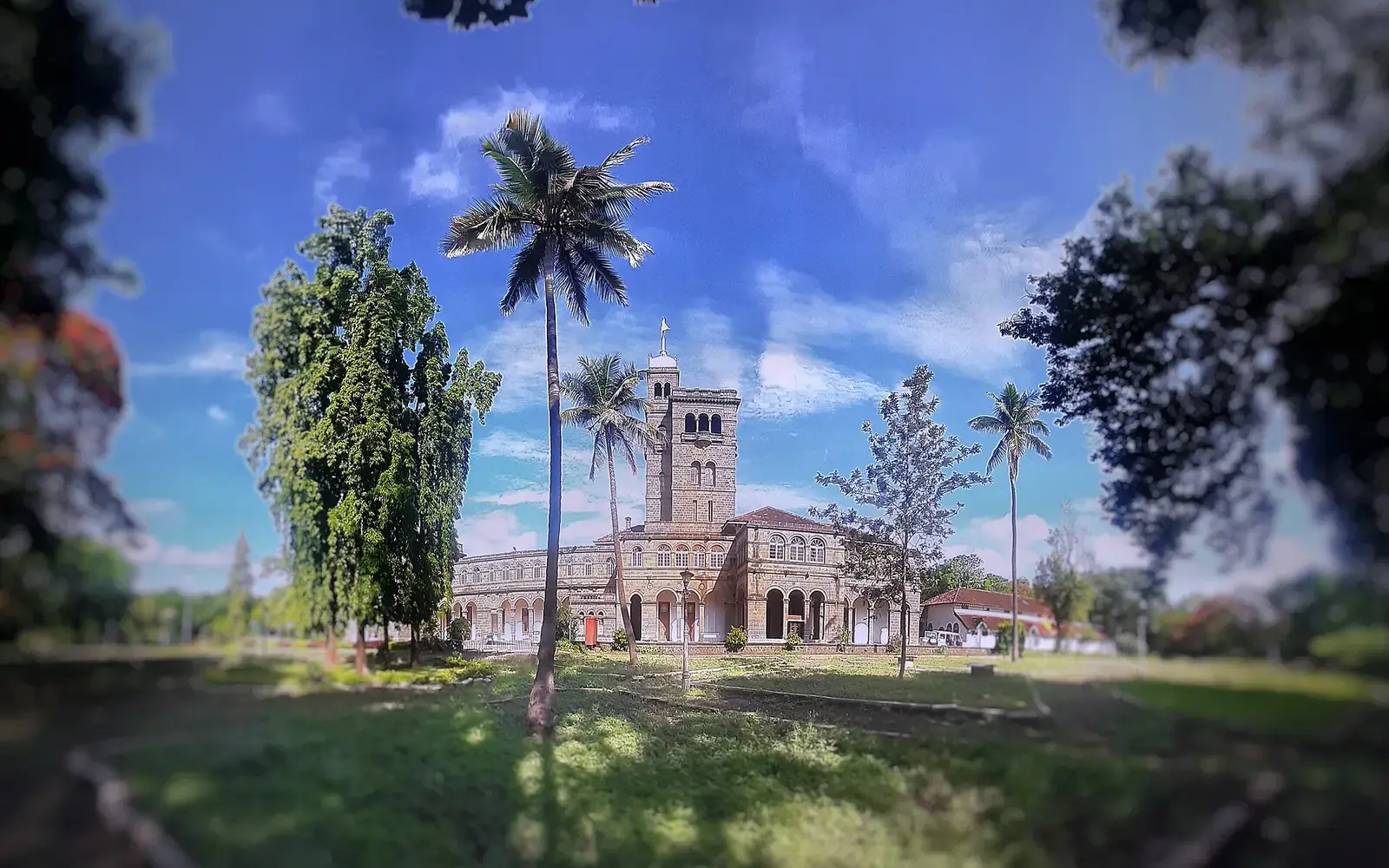
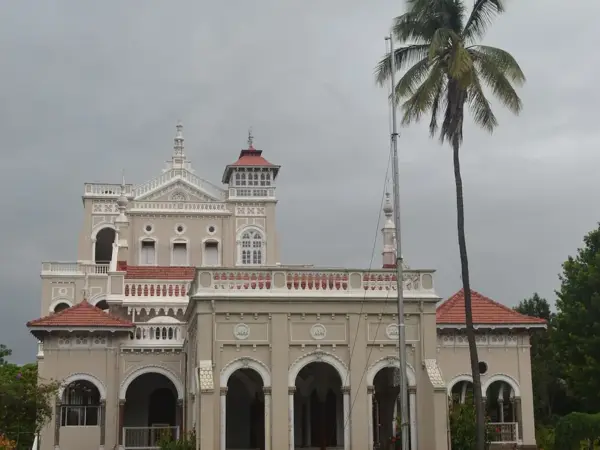
Historic palace with lush lawns
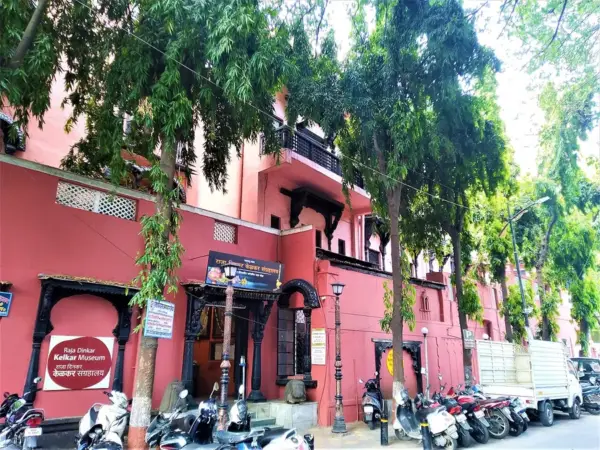
Eclectic artefacts in a mansion
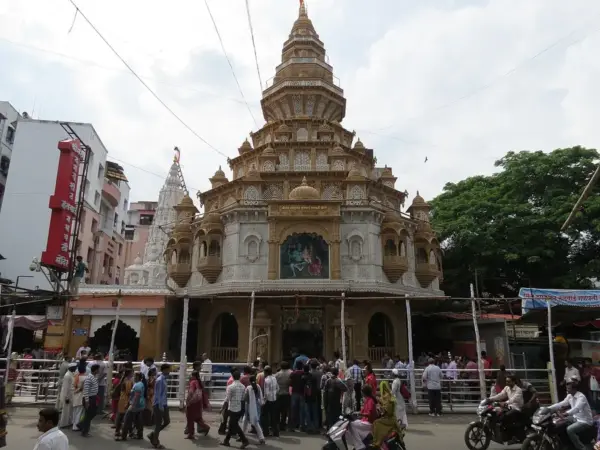
Popular Ganesha shrine

Panoramic city views

Ancient rock‑cut temple
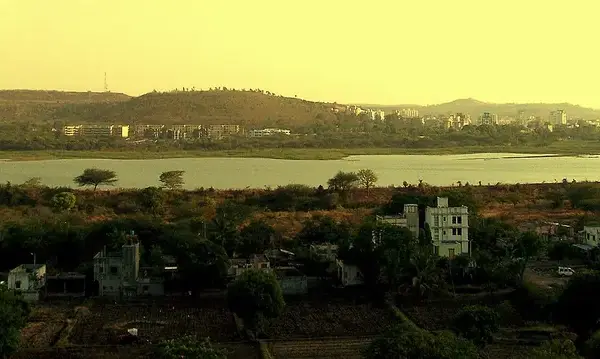
Serene spot for sunrise walks
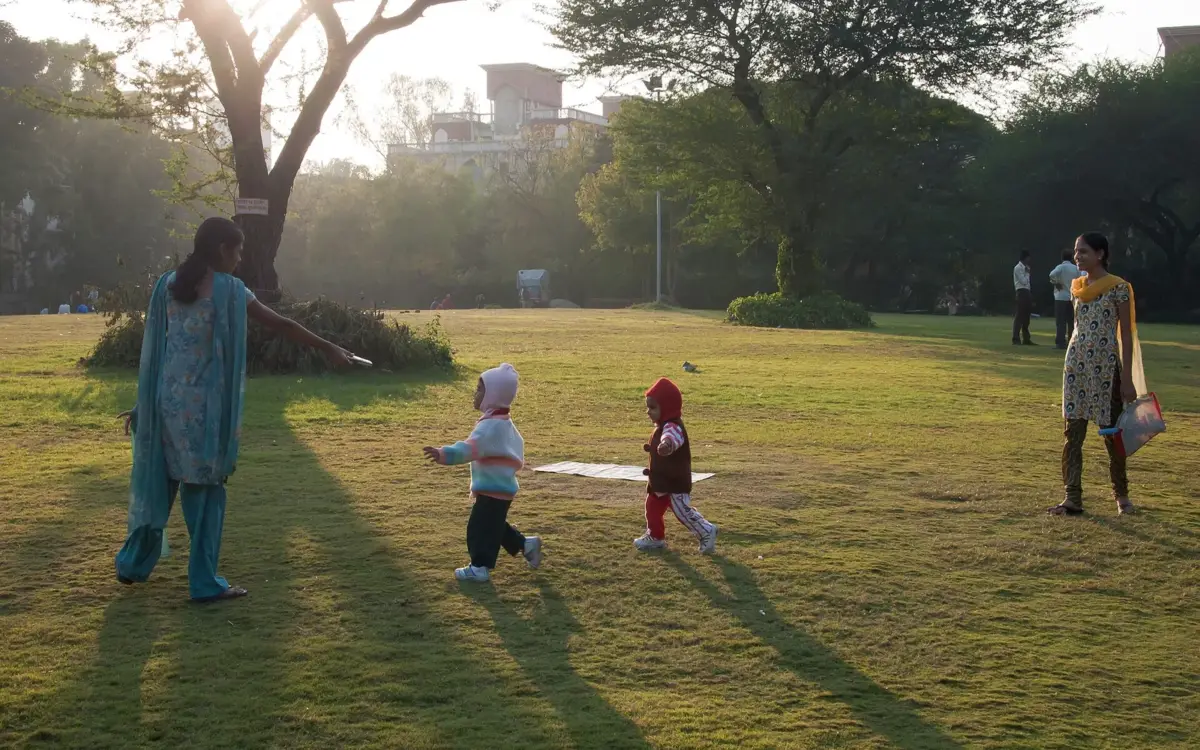
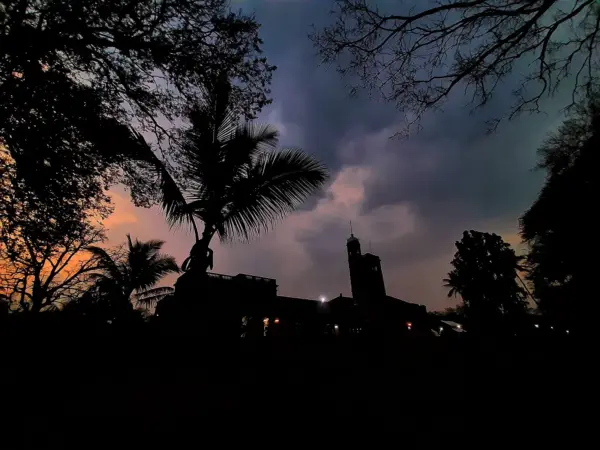
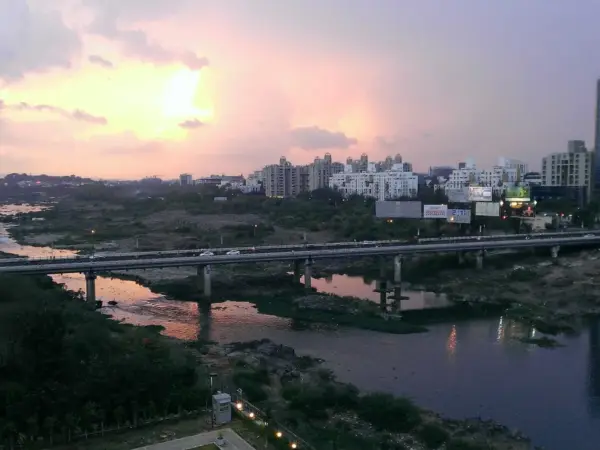
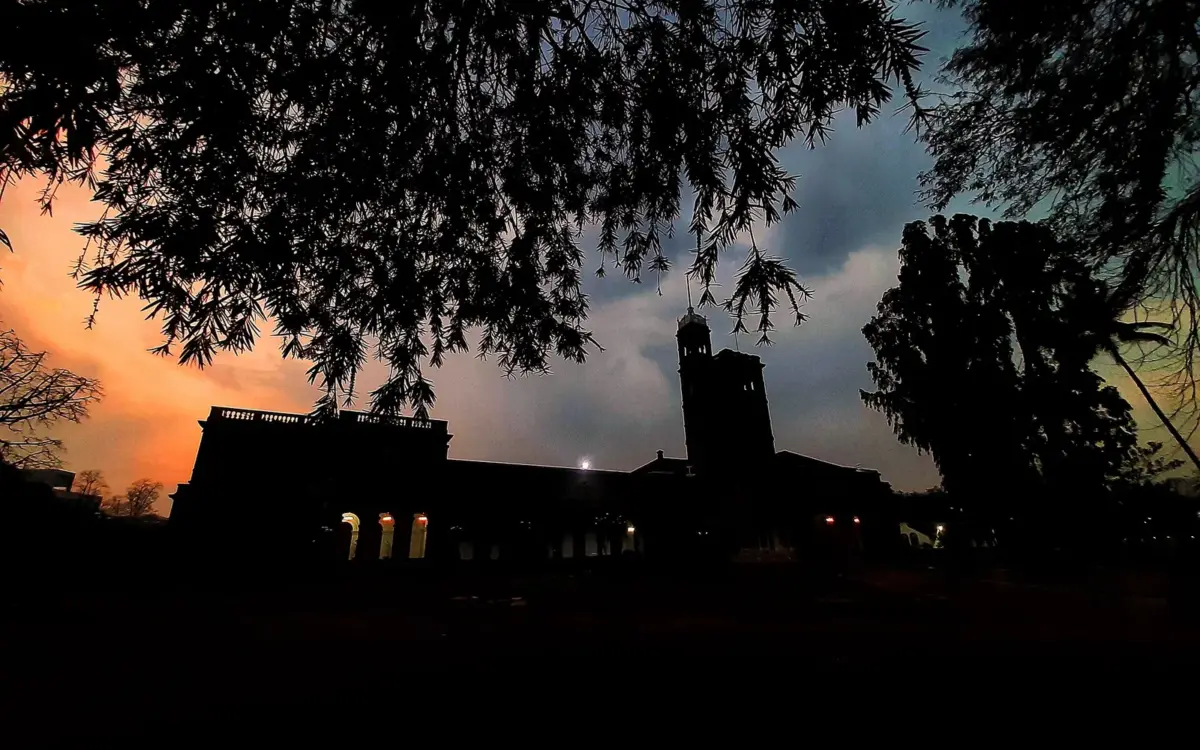

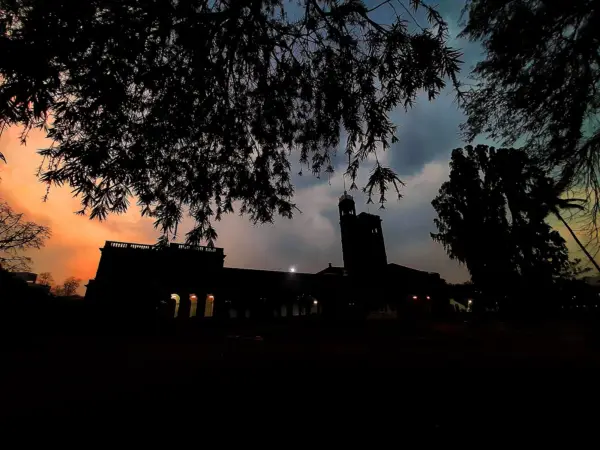
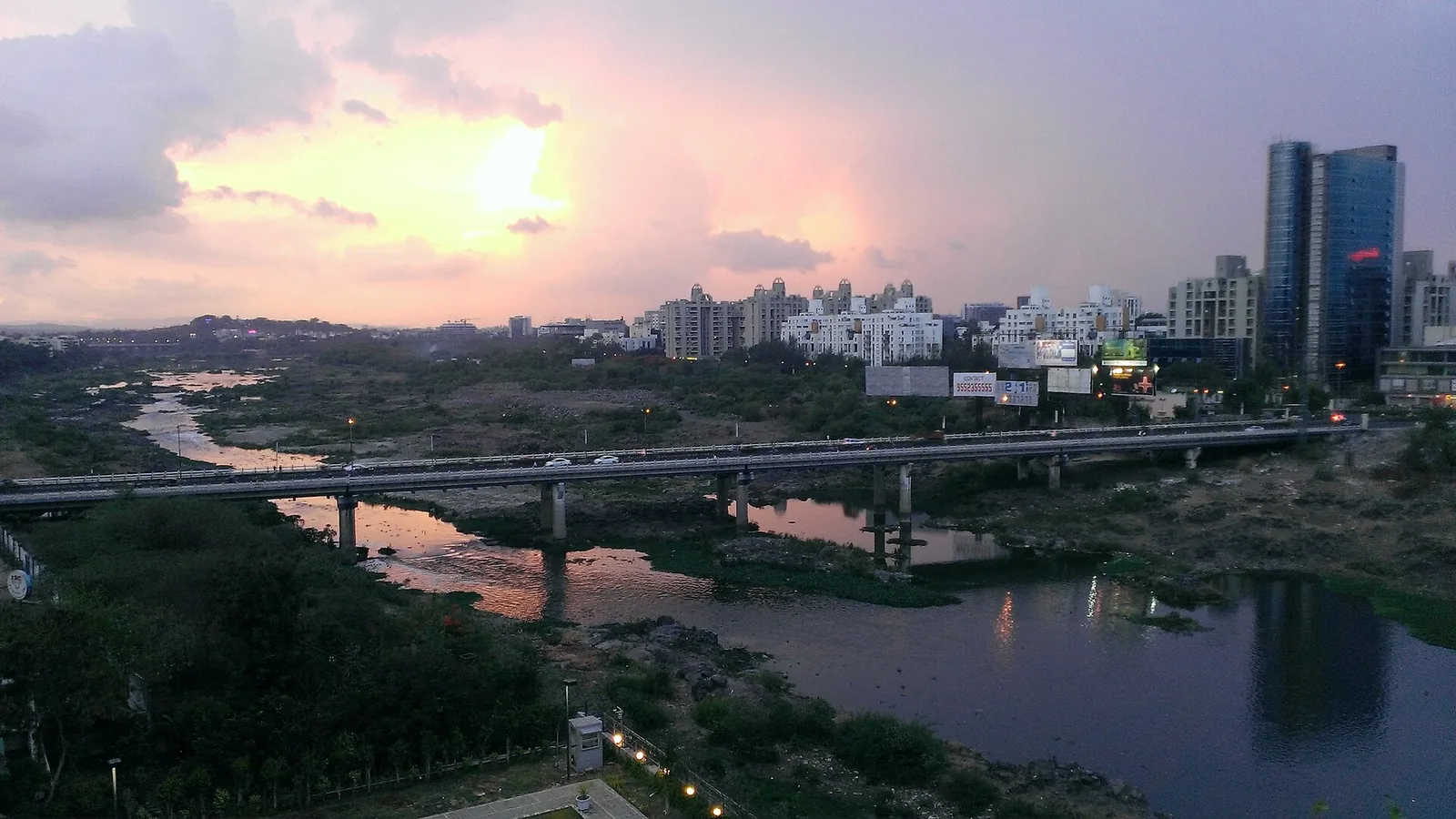
Evening lights, river view
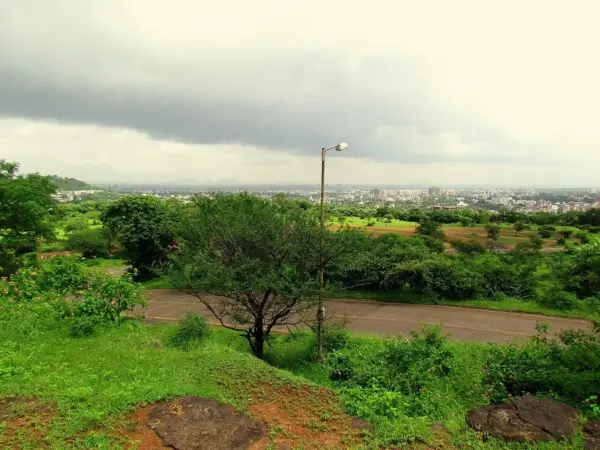
Sunset over cityscape
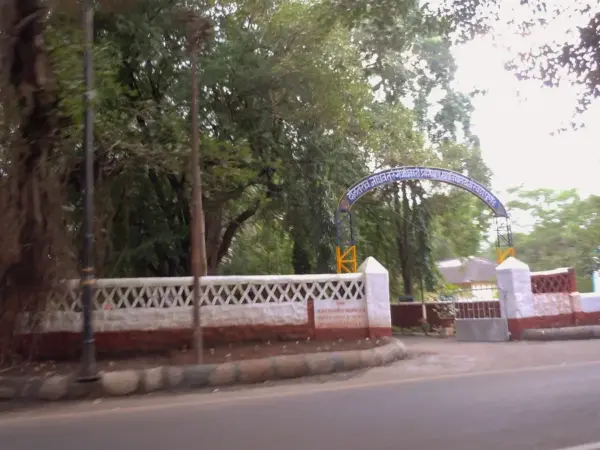
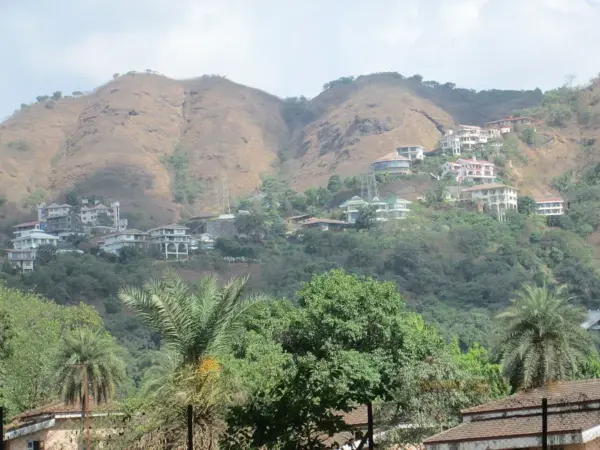
Neighbourhood in Pune, Maharashtra, India

Church in Pune, India

Hill in Pune, India
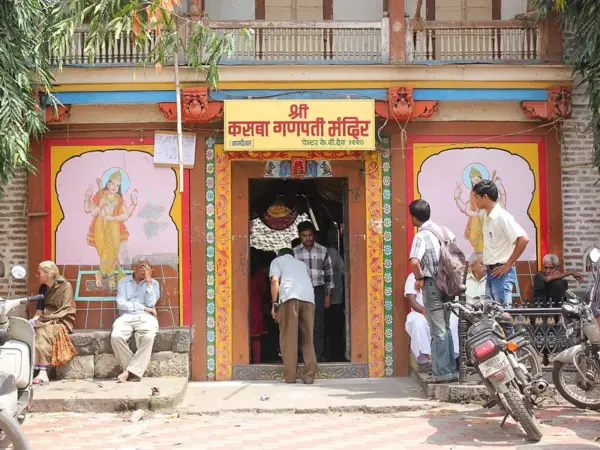
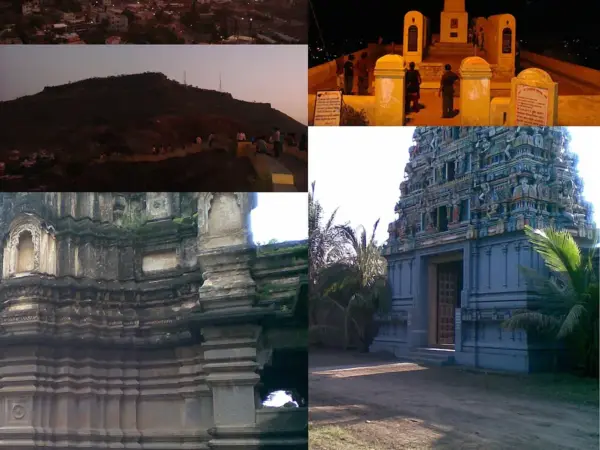
Hindu Temple
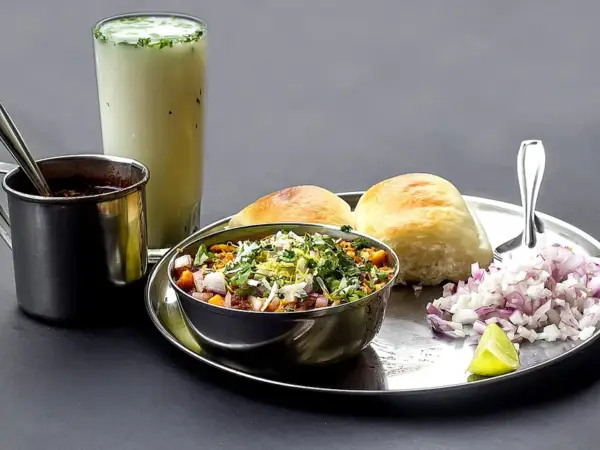
Spicy lentil curry with bread

Fried potato patty in bun

Crispy sweet‑spicy snack

Assorted regional dishes
The full guide
October in Pune feels like the city is exhaling after the monsoon. The rain has thinned, leaving the streets glossy and the gardens still a deep green. Daytime highs settle around thirty degrees, so a stroll through the old Peths doesn’t feel like a sauna. Ganeshotsav and the main Pune Festival wrap up in mid‑to‑late September, so by October the big mandal crowds have eased while Navratri nights and the Chaturshringi fair still keep the cultural calendar warm. It’s a sweet spot for us – comfortable weather, clearer roads, and the city’s pulse still lively.
We think Pune is a city that wears two hats at once. The campus buzz around Fergusson College Road mixes with the echo of Maratha drums at Shaniwar Wada, making it a playground for history lovers and food junkies alike. Its spread across the Deccan plateau lets us zip from crowded markets to hill forts in a flash, then unwind in a park when the city gets too loud. Nightlife buzzes around the college lanes, yet you can slip into a quiet garden any time you need a breather. In short, Pune feels like a big, friendly campus that also happens to be a living museum.
We’re drawn to Pune’s layers of history, starting with the 5th‑century Pataleshwar Caves tucked behind Jangli Maharaj Road – a quiet, stone‑carved reminder of early rock‑cut art. A short ride away, Aga Khan Palace stands solemn, its marble corridors whispering stories from the 1940s freedom struggle. The Maratha legacy dominates at Shaniwar Wada, where the old fort walls still hold the faint scent of sandalwood incense from centuries of rituals. On the cultural front, the Marathi film world hums around Balgandharva Rangamanch, adding a cinematic flair to the city’s everyday rhythm. Together, these sites stitch a mix of religion, architecture, and living traditions that we find both rich and approachable.
| Month | Avg high | Avg low | Rain/precipitation |
|---|---|---|---|
| Jan | 29.8°C | 11.2°C | 1 mm |
| Feb | 32.2°C | 12.7°C | 0 mm |
| Mar | 35.6°C | 16°C | 3 mm |
| Apr | 37.9°C | 19.9°C | 7 mm |
| May | 37.3°C | 22.9°C | 20 mm |
| Jun | 32°C | 23.1°C | 184 mm |
| Jul | 28.3°C | 22.4°C | 190 mm |
| Aug | 27.8°C | 21.7°C | 156 mm |
| Sep | 29.5°C | 21°C | 140 mm |
| Oct | 31.5°C | 19°C | 105 mm |
| Nov | 30.7°C | 15.1°C | 28 mm |
| Dec | 29.5°C | 11.8°C | 7 mm |
We point you to the month‑by‑month table above for a quick glance, but here’s the feel of each season. Summer stretches from March to May, the heat can climb into the low 40s, yet evenings drop enough for a breezy walk under a mango tree. Monsoon rolls in June and sticks around September, drenching the city with heavy downpours that cool the streets but can leave the sky grey for days. Winter, from November to February, is where Pune shines – daytime warmth sits around 25 °C while nights can dip to single digits, perfect for a chai by a fireplace. October lands right between the lingering monsoon greenery and the crisp winter, making it our sweet‑spot pick. Festivals pepper the calendar, especially Ganeshotsav in August‑September and the Pune Festival in October, so plan accordingly if you love crowds and cultural buzz.
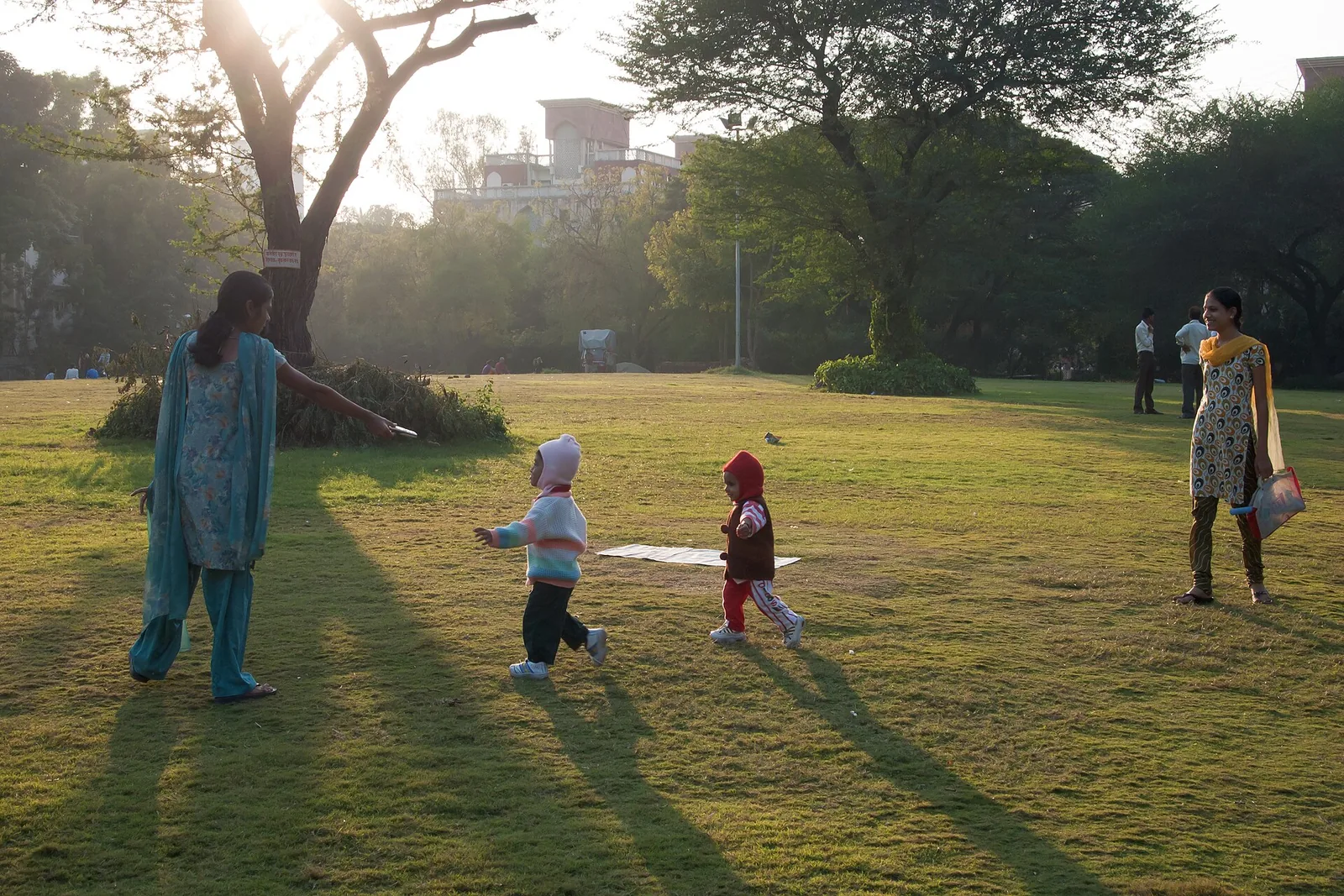
No Inner Line Permit or special forest clearance is needed for Pune – it’s an open Indian city, so you can stroll from the airport to the old market without paperwork.
| From | Road distance (est.) | Driving time (est.) | Best way |
|---|---|---|---|
| Delhi | ~1580 km | 35.2 h | Fly |
| Mumbai | ~160 km | 3.6 h | Drive |
| Bangalore | ~990 km | 22.1 h | Fly |
Estimates calculated by BuzzyTrip from map coordinates; check live maps before you leave.
We land most travellers at Pune Airport (Lohegaon), about ten kilometres from the city core. A prepaid taxi or an app‑based ride will get you there in half an hour to an hour, depending on traffic. Pune Junction is the main rail hub; a short auto‑rickshaw ride drops you at the busy platforms, and from there the city spreads out. For road‑trippers, the Mumbai‑Pune Expressway shaves the drive to under three hours, though peak‑hour traffic can stretch it. Expect a realistic door‑to‑door time of around three to four hours from Mumbai, whether you fly, hop a train, or hit the road.
We love hitting the Mumbai‑Pune Expressway before sunrise; the traffic eases and the mist lifts off the Sahyadri foothills. A quick pull‑over at the Lonavala toll plaza lets us grab a steaming cup of chai and the scent of fresh vada pav. From Hyderabad, the stretch on NH 65 snakes through the Western Ghats, and a pause at Bhimashankar offers a cool, pine‑scented breath before the climb continues. The road to Panchgani via Deccan Gymkhana feels smooth at first, but after Katraj the hill climb sharpens – we recommend keeping the engine light and enjoying the view rather than racing uphill. Early departure beats the afternoon heat, and the roads stay dry through most of the year.
Pune Junction is the main hub for trains arriving from Delhi, Chennai and Kolkata. Several trains appear in the timetable and offer a classic rail experience. Our tip: book a second‑class seat well ahead to lock in a spot; the tatkal window opens a day before departure, though it can fill fast. Always double‑check the current schedule on the official rail portal, as timings shift.
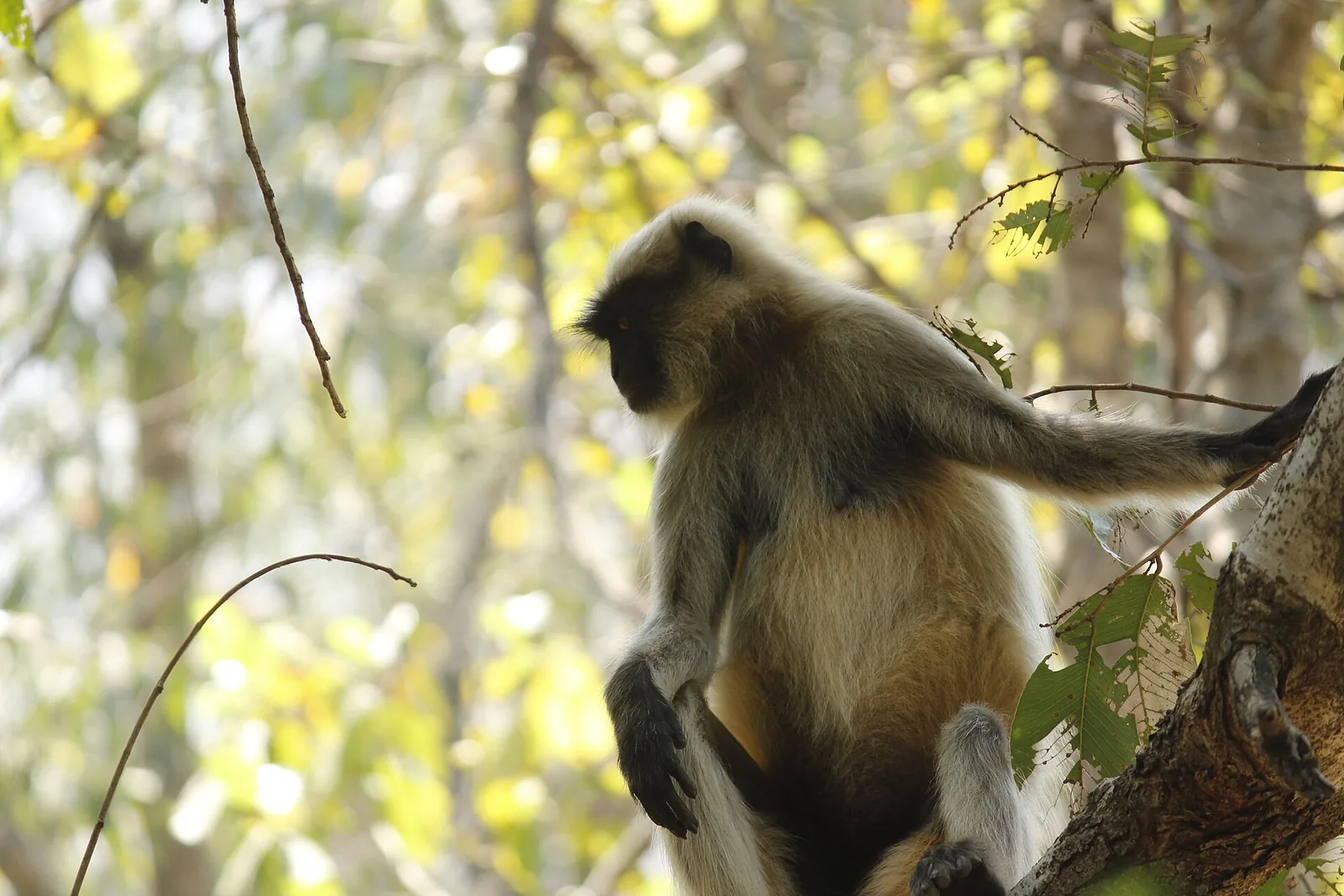
Auto‑rickshaws dominate short hops; we always ask for the meter rate before the ride, especially after dusk when drivers may try to add extra. Uber and local app‑based cabs are reliable, but expect surge spikes on festival evenings. City buses run on numbered routes from stands like Shivaji Nagar and Swargate; a daily pass trims a few rupees if you’re hopping around a lot. For those who prefer wheels of their own, self‑drive rentals are available near the airport, though traffic can be dense during peak hours.
We start the day with a quiet stroll among the ancient stone carvings; the cool air feels like stepping back in time.
Exploring the ruins, we can hear the echo of historic drums reverberating through the courtyards – a reminder of Pune’s regal past.
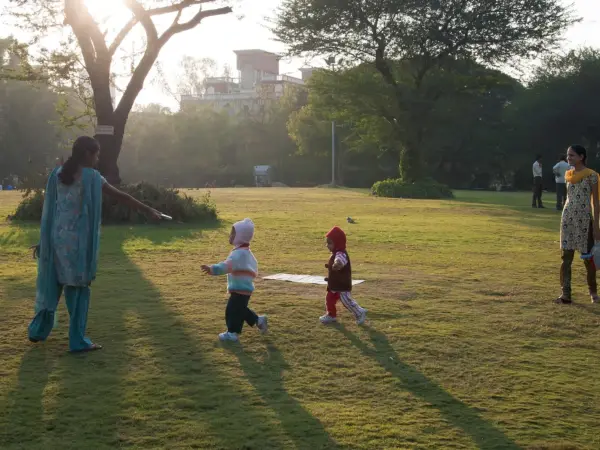
Wandering the marble corridors, we pause to reflect on Gandhi’s legacy; the spacious lawns invite a brief rest.
Climbing to the temple, we catch a panoramic sunset that turns the city gold; the view is worth the gentle climb.
Joining the evening aarti, we find ourselves swept up in a lively crowd, the incense thick and the chants resonant.
In the cosy courtyard we admire eclectic artefacts – a quirky stop that sparks conversation.
Trekking at dusk, the city lights sparkle below; the evening breeze cools us faster than any air‑con.
Sampling misal, vada pav and fresh masala chai, we discover why locals call this stretch a culinary runway.
Aga Khan Palace at sunrise – the soft light on marble makes photography rewarding.
Parvati Hill just before sunset – the city turning gold is unbeatable.
Ganapati Temple during the night aarti – chants and incense create an electric atmosphere.
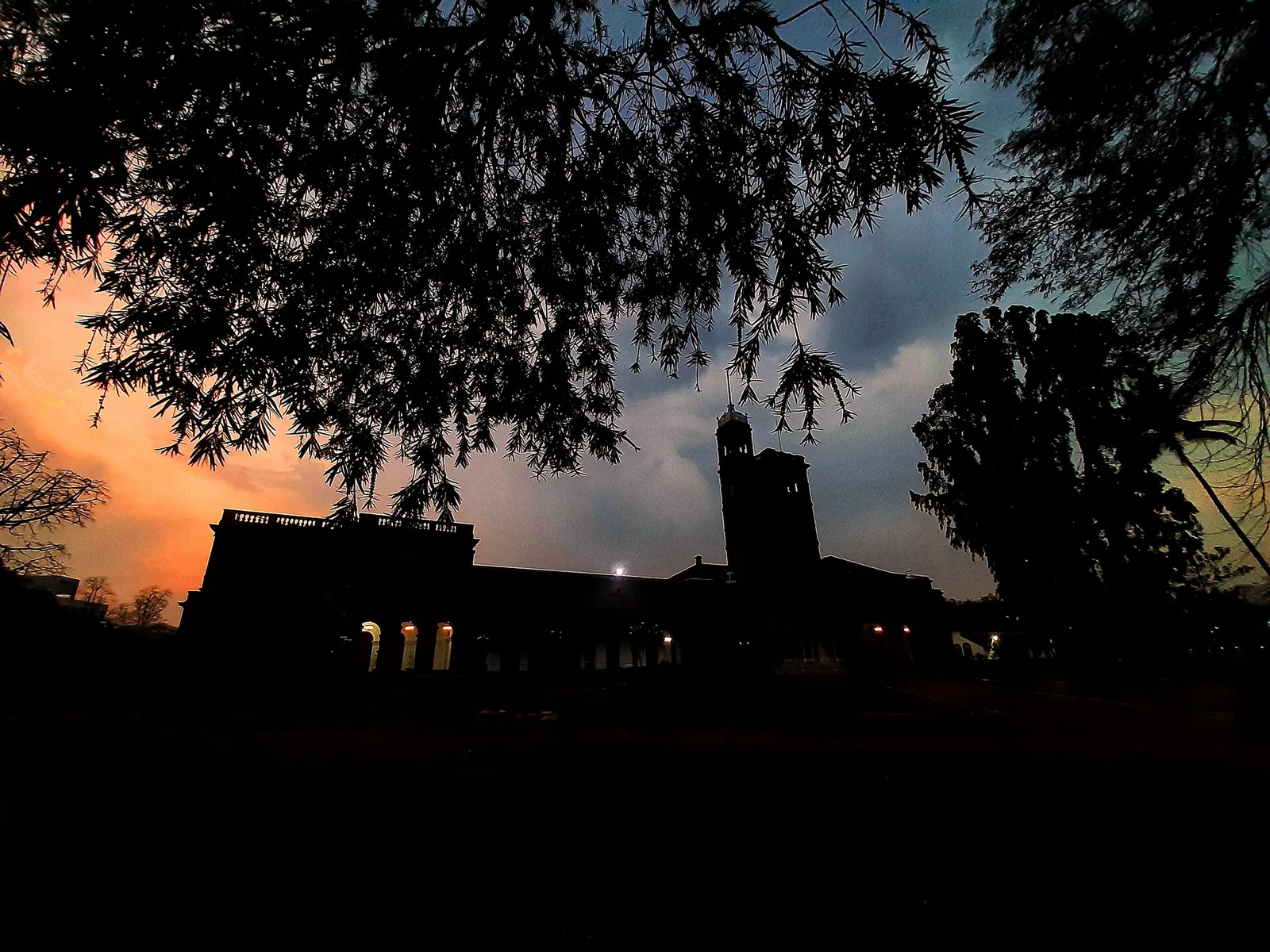
Katraj Lake’s quiet promenade offers an early‑morning jog away from traffic; the water’s mirror‑like surface steadies the mind.
The lesser‑known Pashan Museum, tucked in a leafy suburb, provides a calm art break without the crowds.
St. Patrick’s Cathedral’s gothic arches give a peaceful contrast to the busy streets, perfect for a reflective pause.
Ideal for first‑timers who have only a weekend in Pune.
A balanced plan for most travellers, mixing heritage, food and a hill‑side breath.
A slower pace that adds nearby nature spots and a splash of coastal charm.
A full week that covers Pune’s highlights and stretches to the Western Ghats and a coastal dip.
Ideal for parents who want short drives, frequent breaks and activities that keep kids smiling.
Tailored for two, with scenic spots, relaxed pacing and romantic dinner options.
Designed for solo wanderers on a shoestring, using hostels, rickshaws and public spots.
For comfort‑first travellers seeking private transfers, premium stays and curated experiences.
In Koregaon Park we lean toward boutique hotels that spill onto tree‑lined lanes; they feel right for couples who want a leafy backdrop and a quick stroll to the cafés on North Main Road. Viman Nagar, being close to the airport, hosts a mix of budget hostels and mid‑range inns – families stepping off a flight find the convenience hard to beat. Near the university campus, the Camp area offers dorm‑style rooms that suit solo backpackers looking to keep the night‑cap budget low. For a splurge, the upscale properties in Deccan and Shivaji Nagar deliver polished service, while mid‑range choices peppered across Baner and Hinjawadi give decent comfort without the price tag. Our pick is to match the vibe to the traveler – a leafy boutique for romance, a practical nest for families, and a cheap dorm for the lone wanderer.
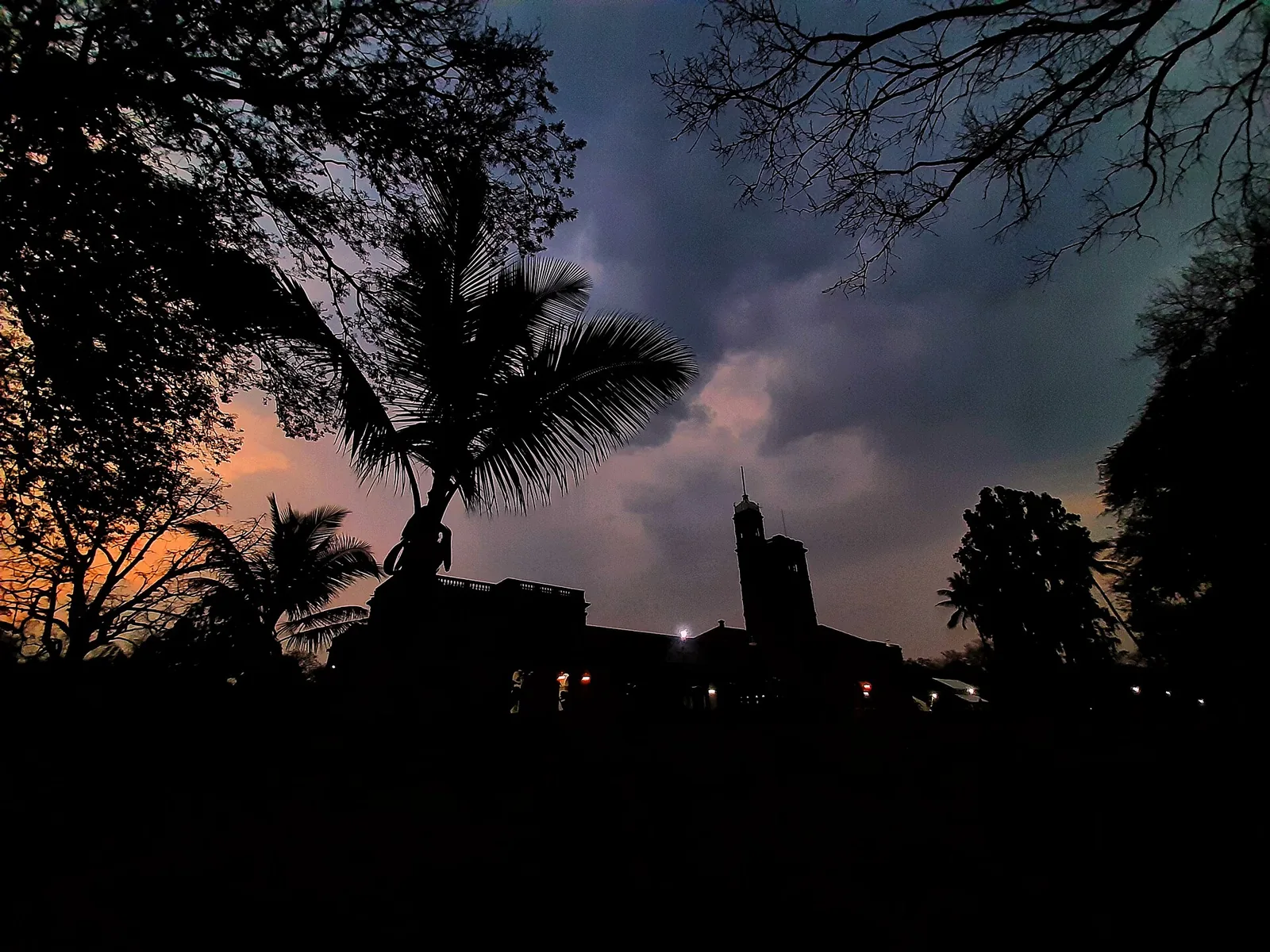
Morning cravings often lead us to Bedekar Misal in Tulsi Baug – the classic misal with poha hits the spot and fuels a day of exploring. For a quick bite on JM Road, Shree Upahar Gruha’s vada pav arrives crisp, drenched in tangy chutney; veg and Jain diners can ask for the fried version without onion. A lazy brunch finds us at German Bakery, Koregaon Park, where the cheese toast melts into a buttery bite and the filter coffee steadies the mind. Near Sarasbaug, street stalls wrap pav bhaji in newspaper – the aroma of butter‑fried veg mingles with the chatter of locals. We’d skip the touristy chains if you’re after authentic flavours; the modest joints serve up the city’s true palate.
Laxmi Road is the go‑to for traditional Paithani sarees; start bargaining a little below the first offer and watch the price dance down. The Maharashtra State Handloom Emporium stocks hand‑woven blankets, though the tags hint at higher price points than the street stalls. FC Road’s boutique lanes showcase quirky accessories, but many are mass‑produced, so don’t expect pure craftsmanship. Our tip: keep an eye on the sparkle – genuine handloom feels heavier and smells of natural dye.
Ganeshotsav and the city‑wide Pune Festival peak in mid‑September (in 2026 they ran roughly 14–25 Sep), so October is more about the afterglow than peak processions. Early‑to‑mid October still brings Navratri nights and the Chaturshringi fair along Senapati Bapat Road – think wheels, snack stalls and temple crowds rather than full Ganesh mandal routes. If you want the biggest cultural surge, plan for September; if you want milder weather and easier movement, October is the calmer window.
Here’s a quick glance at daily costs as of October 2026. We’ve grouped them into three comfort levels so you can pick what feels right for your wallet.
| Budget | Mid‑range | Comfort | |
|---|---|---|---|
| Stay | ₹1,000‑₹2,000 | ₹3,000‑₹5,000 | ₹6,000‑₹10,000 |
| Food | ₹300‑₹600 | ₹800‑₹1,500 | ₹2,000‑₹4,000 |
| Local transport | ₹150‑₹300 | ₹400‑₹800 | ₹1,000‑₹1,500 |
| Activities | ₹200‑₹500 | ₹600‑₹1,200 | ₹1,500‑₹3,000 |
| Total per day | ₹1,650‑₹3,400 | ₹4,800‑₹8,500 | ₹10,500‑₹18,500 |
Our pick for solo travellers on a shoestring is the budget column; families who want a bit more comfort usually land in the mid‑range.
We’ve spotted a few scams that pop up near the major temples – touts hawking ‘fast‑track’ aarti tickets are always a red flag. Nighttime auto‑rickshaw rides on isolated roads feel risky; we’d rather hop into an app‑cab after dark. During the lingering monsoon, some hill‑fort trails get slippery, so sturdy shoes are a must. Keep your valuables close, especially on Fergusson and JM Roads where petty theft is reported. If anything goes wrong, dial the local police; the number is listed on most hotel cards.
Do carry a reusable water bottle and sunscreen; the October sun can still bite, especially on open market lanes. Do try the local misal at Bedekar Misal – even if you’re not a spice fan, the tangy garnish balances the heat.
Don’t flash large amounts of cash in crowded spots like JM Road; pickpockets often target tourists. Don’t ignore temple dress codes – shorts and sleeveless tops raise eyebrows and may bar entry.
When stepping into any shrine, cover shoulders and knees; a simple scarf does the trick. Slip off shoes before crossing the marble floor – a pair of lightweight slippers saves you the scramble later.
Tipping around ten percent at restaurants is appreciated but not compulsory. A friendly “Namaste” goes a long way; locals respond best to warm greetings.
Myth: Pune is always hot. Fact: By October evenings turn mild and nights can feel quite cool.
Myth: Only students roam Pune. Fact: Families and retirees flock to the hill‑forts and gardens for leisurely afternoons.
Myth: Street food is unsafe. Fact: Stalls like Bedekar Misal follow strict hygiene, and locals swear by them.
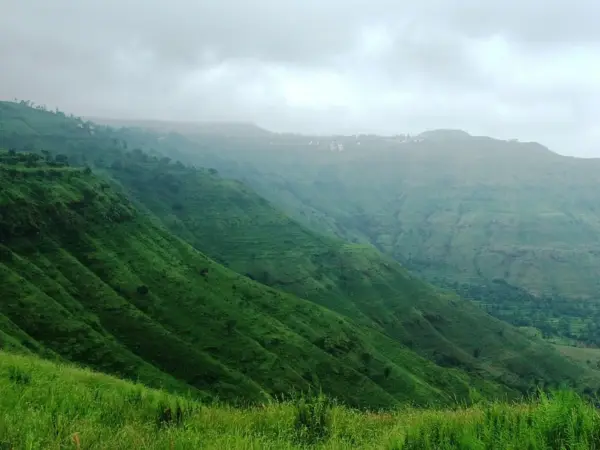
Myth: The city is a concrete jungle. Fact: The surrounding hills and green belts offer a refreshing escape just a short drive away.
We’ve boiled our checklist down to what really matters for Pune’s changeable climate.
We’d skip heavy rain gear unless you’re traveling in monsoon; a compact umbrella usually does the trick.
No visa is required for Indian citizens traveling domestically to Pune; it’s a regular internal journey.
October offers pleasant weather with cooler evenings, making it ideal for exploring forts and city sights.
We recommend a long weekend to cover the museums, hill forts and a taste of the food scene without feeling rushed.
Pune is generally safe; keep an eye on personal belongings in crowded spots and politely decline any unsolicited assistance.
Yes, the city’s parks and museums are kid‑friendly, though it helps to carry a small snack and stay hydrated.
Don’t miss the spicy misal, buttery bhakri and the iconic vada pav from street stalls.
Flights land at Lohegaon Airport, and there are frequent trains and MSRTC buses that connect the city with major metros.
City buses and shared autos run regularly; for more flexibility a prepaid taxi from the airport works well.
Dress modestly when visiting temples, and it’s courteous to remove shoes before entering a shrine.
Carry a light jacket for cool evenings, sunscreen for daytime walks, and comfortable shoes for hill‑top climbs.
Background facts were researched from the Wikimedia pages below, used under Creative Commons Attribution-ShareAlike. This guide is an original work written and edited for BuzzyTrip; prices, visa rules and timings change, so verify before you travel.
Photos:
Been here recently? Share a tip (and a photo) in the comments below and tick “This is a travel tip”. Tips are reviewed before they appear — we never show your email.
Short, useful travel ideas and new guides. Straight to your inbox every Friday.
Message us with your dates and budget and we’ll reply with suggestions.
Chat on WhatsApp