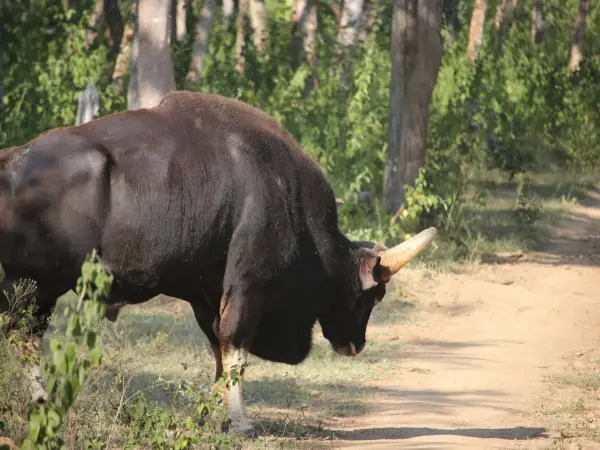
Bandipur safari
Forest Department safaris from the reception
Own a stay, café or cab? List your place on BuzzyTrip — free starter listing after we review.
List your placeOne of South India’s great tiger reserves, a weekend away from Bengaluru and Mysuru. Late October brings green forest after the rains; book official safaris and plan around the night highway closure.
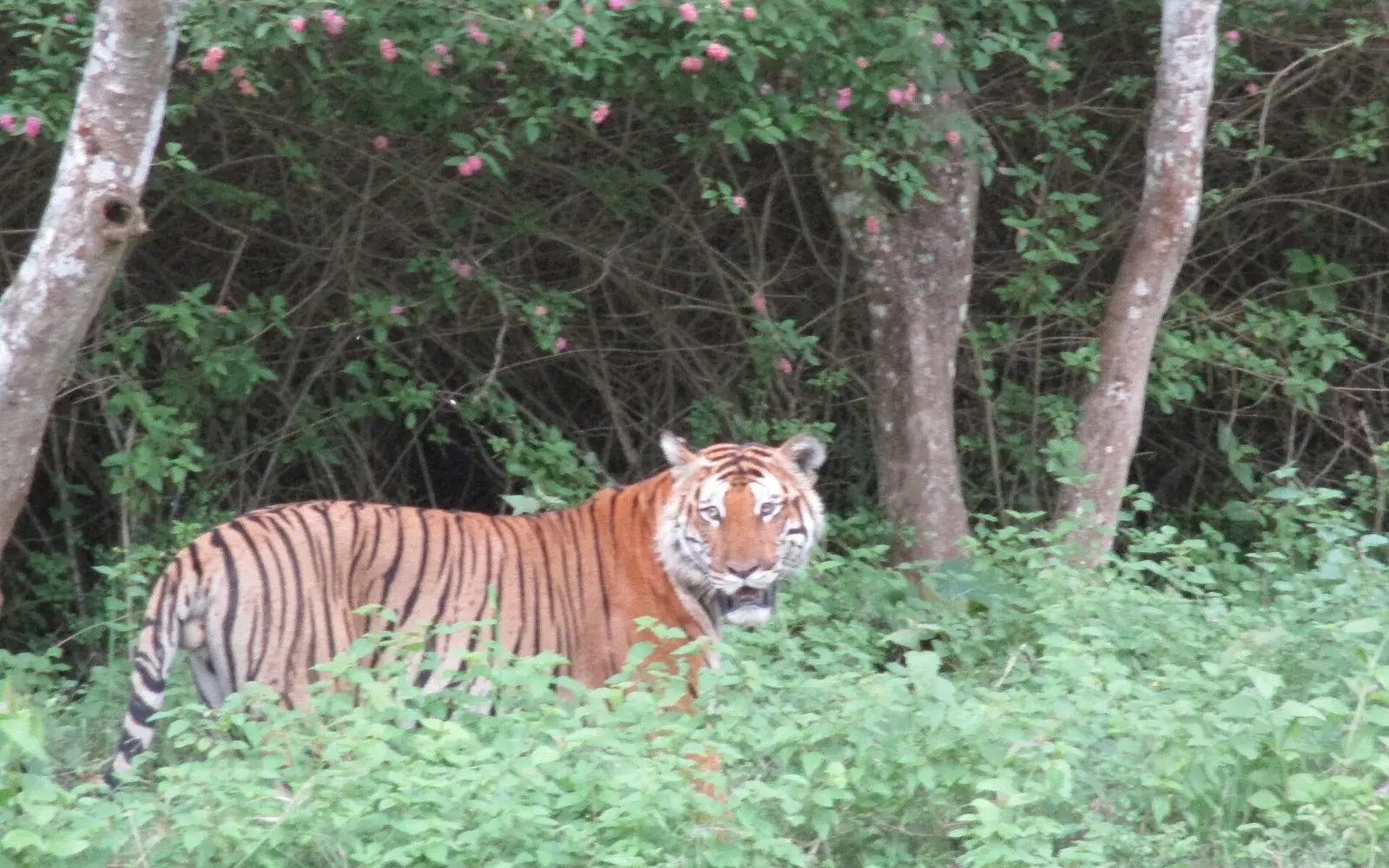
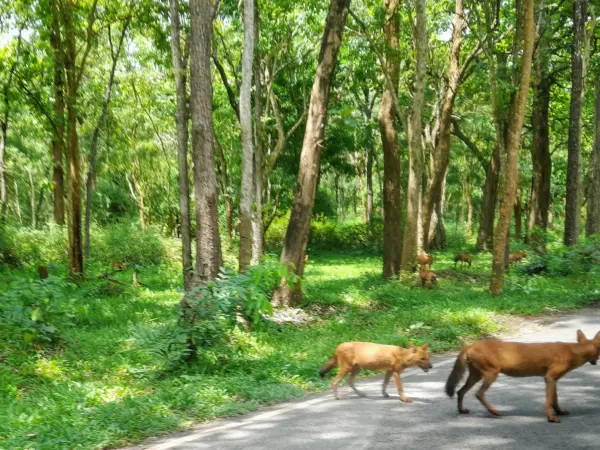


Forest Department safaris from the reception
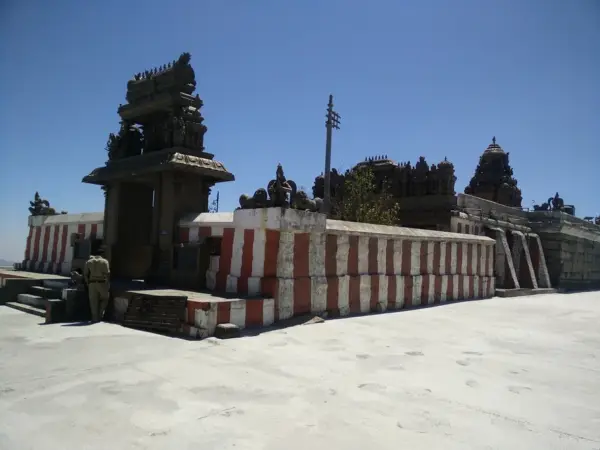
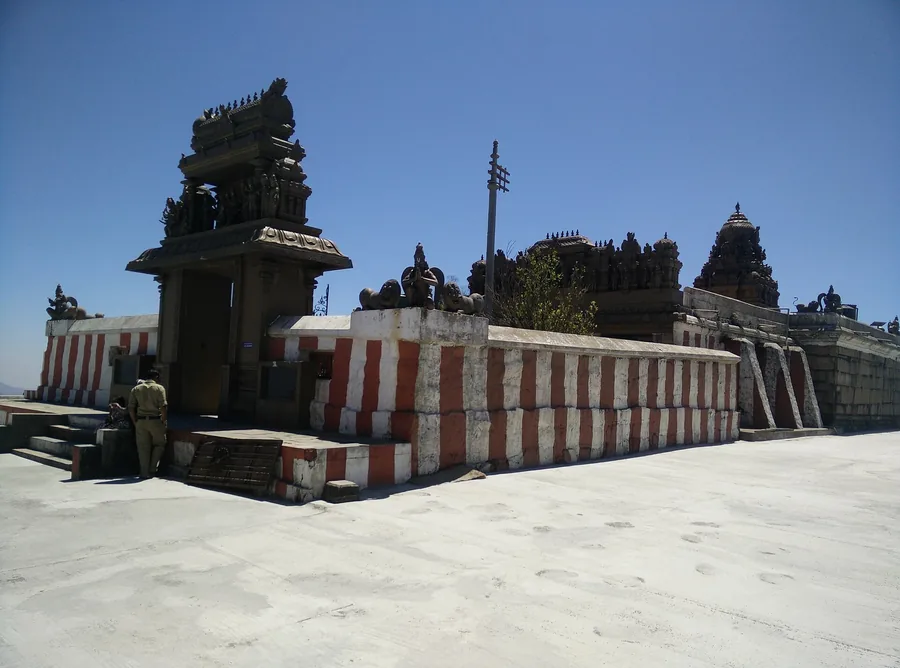
Hilltop temple, the park’s highest point
Tamil Nadu’s side of the same forest
Temple town on the Kabini, on the way in
Palace city and the best food stop


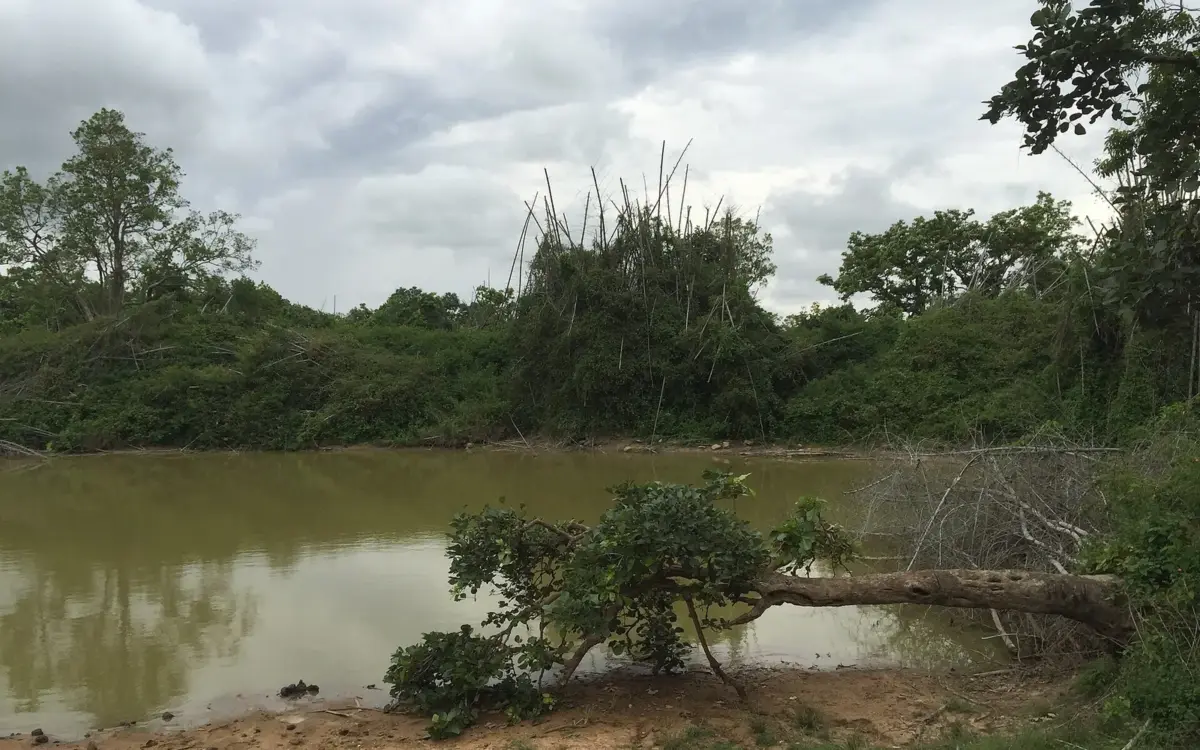
Mist and wide views over the forest
Soft morning light and dust in the air (camera only)
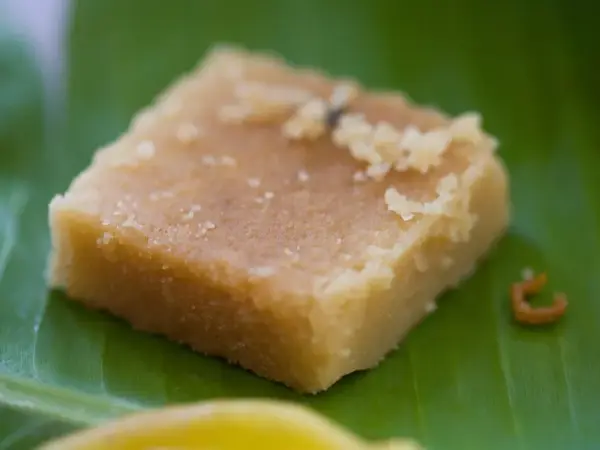
Rich ghee-and-gram-flour sweet from Mysuru
Spiced rice and lentils, a Karnataka favourite
Finger-millet balls eaten with saaru or curry
Mysuru breakfast classic
The full guide
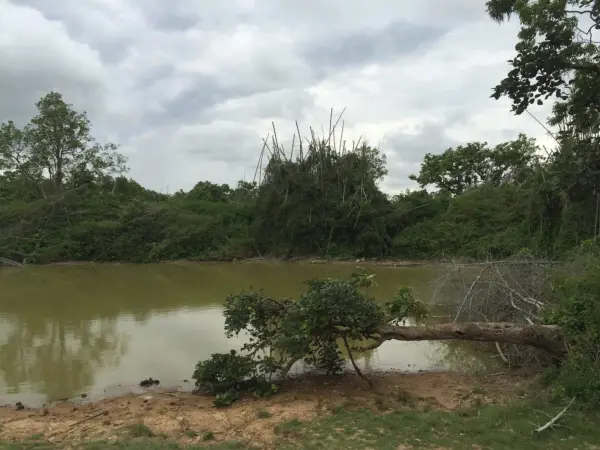
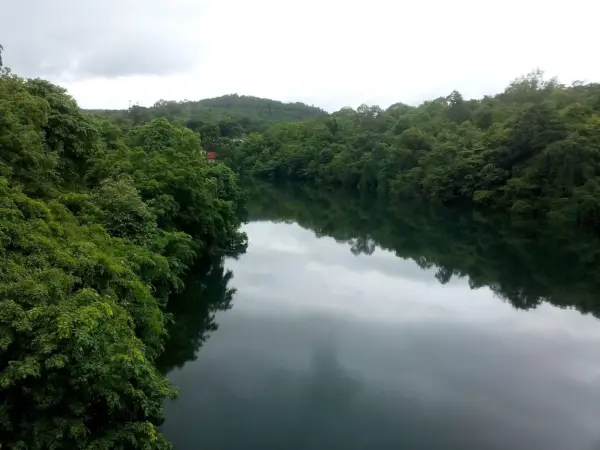
Bandipur National Park lies in Chamarajanagar district in southern Karnataka, where the Deccan Plateau meets the Western Ghats. It is one of India’s best-known tiger reserves and part of the Nilgiri Biosphere Reserve, and it joins up with Nagarhole in Karnataka, Mudumalai in Tamil Nadu and Wayanad in Kerala to form one of the largest stretches of protected forest in South India. The park is mostly dry and moist deciduous forest, teak and bamboo, with the Kabini river to the north and the Moyar to the south.
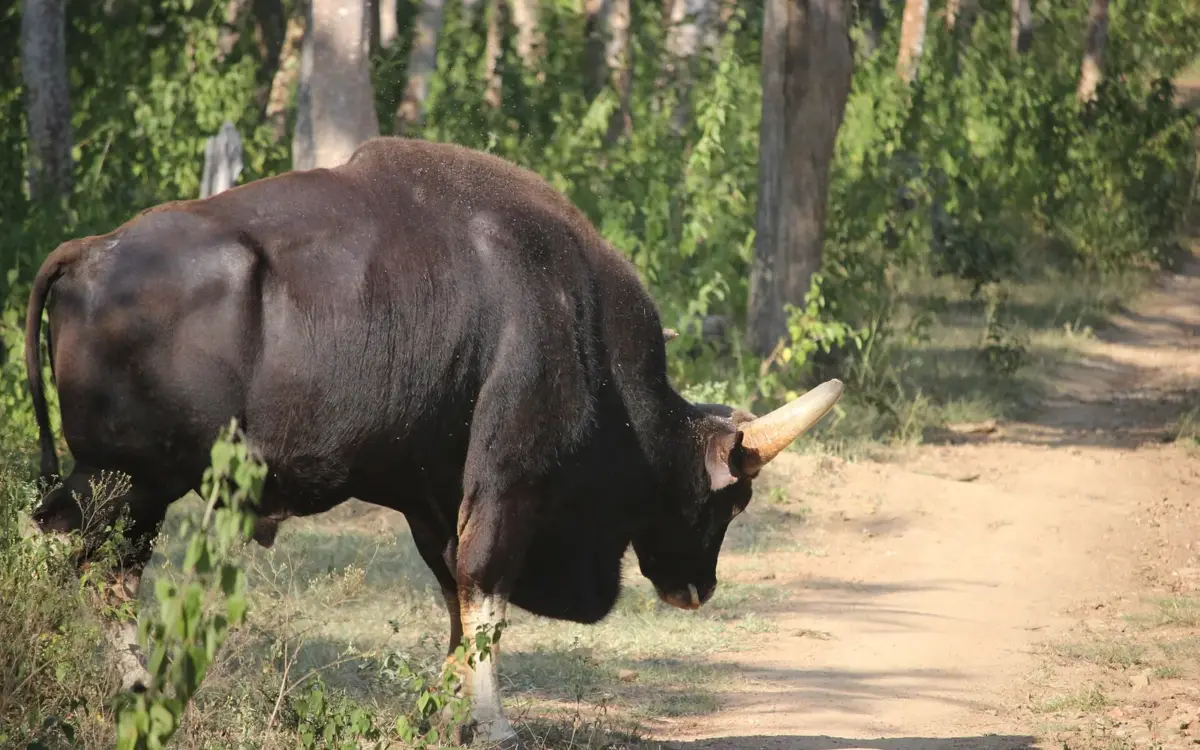
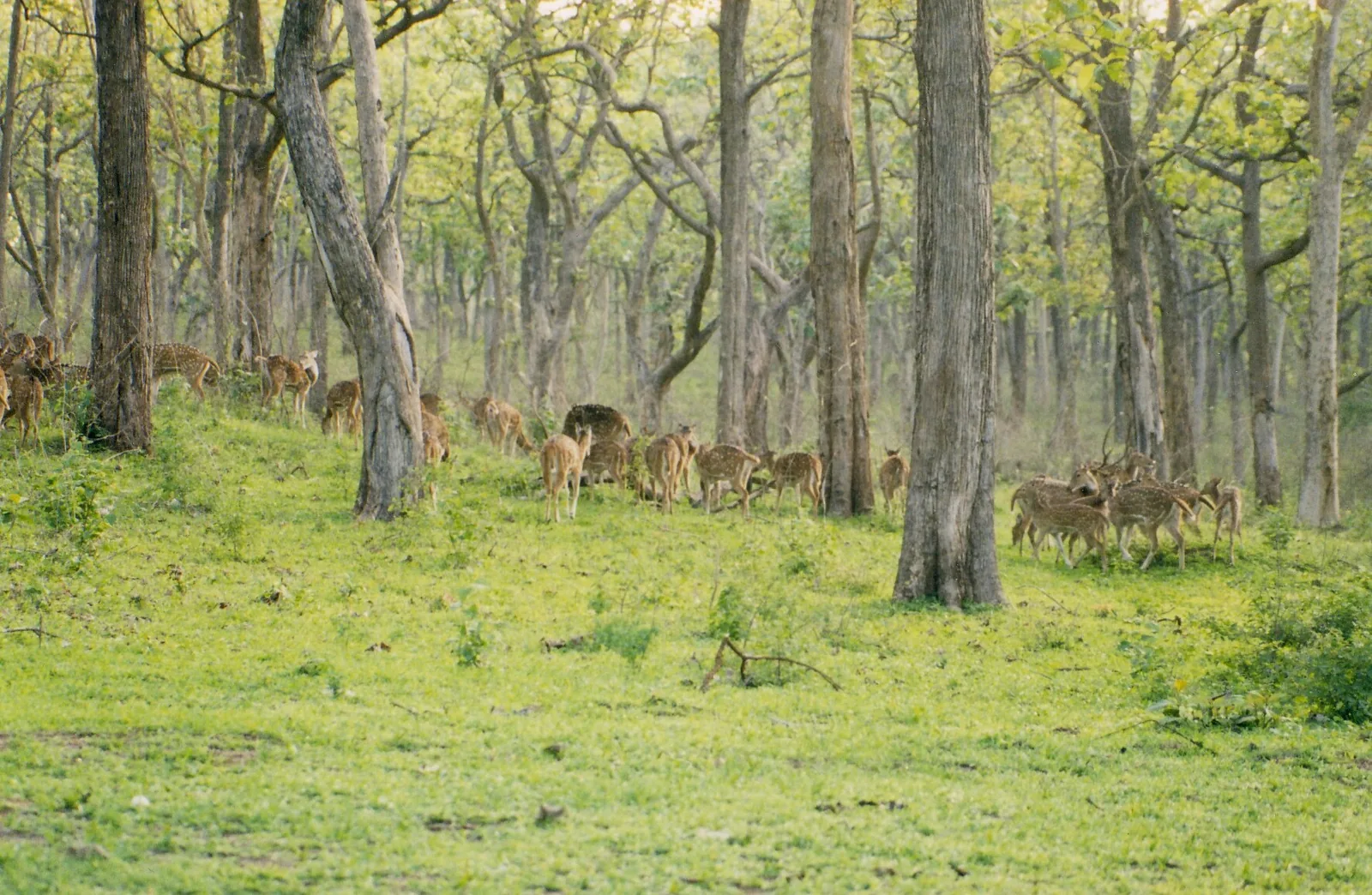
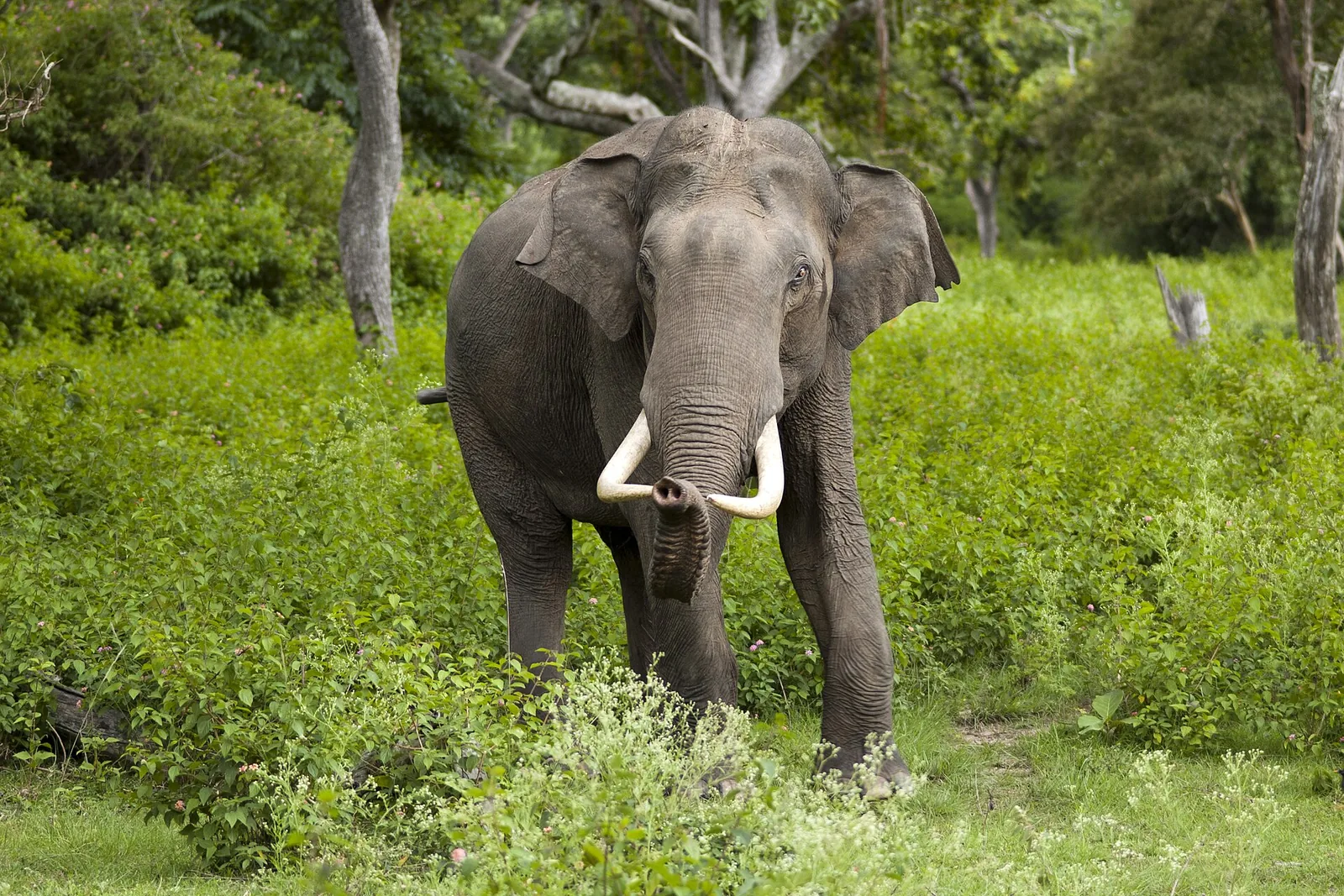
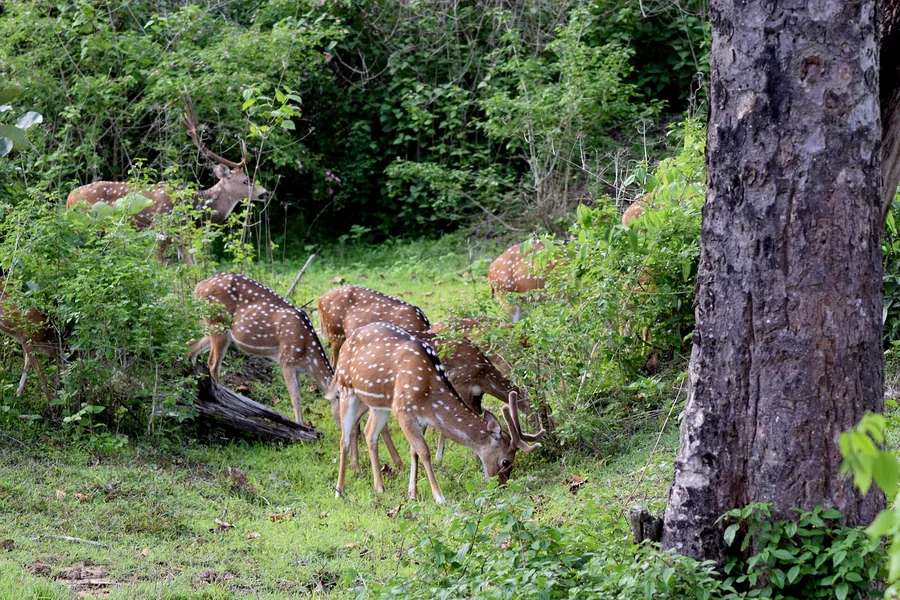
Most visitors come for a safari. Tigers are here, but the animals you are most likely to see are Asian elephants, gaur, chital, sambar, langurs and peafowl, with leopards, dholes and sloth bears for the lucky. Bandipur is an easy weekend from Bengaluru or Mysuru, and it suits families, first-time wildlife travellers and photographers who are happy with early starts. It is not a trekking destination: walking in the forest is not allowed, and almost everything happens on an official safari or from the highway.

Late October sits right after the monsoon. The forest is green, the waterholes are full, and the cooler, drier months from November to February are just ahead. Animals are spread out across the forest at this time of year, so sightings can be patchier than in the dry summer months, but the light, the greenery and the comfortable temperatures make it a lovely time for a short trip. Mysuru Dasara has just finished, so the roads and hotels are quieter, and Deepavali on 8 November 2026 will make that weekend busier, so book early if you want to go then.
One thing to know before you plan: in October 2026 the Forest Department banned mobile phones on safaris at Bandipur, so you deposit your phone at the counter before boarding. Cameras are still allowed.
The Maharaja of Mysore set aside about 90 km² of this forest as the Venugopala Wildlife Park in 1931. In 1973 it became one of India’s first tiger reserves under Project Tiger, with close to 800 km² added, and in 1986 it became part of the Nilgiri Biosphere Reserve. The reserve has grown since then and now covers a much larger area.
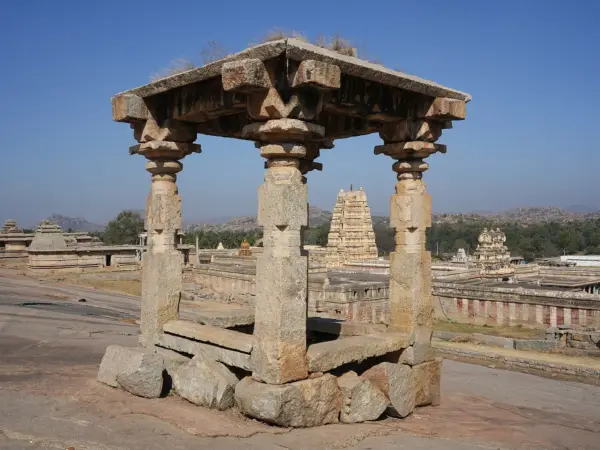
The best-known landmark is Himavad Gopalaswamy Betta, the highest hill in the park. Its Venugopalaswamy (Krishna) temple is centuries old and was later supported by the Wodeyars of Mysore, and the hill takes the prefix “Himavad” from the mist that often wraps it. The villages around the park are home to farming communities and to Adivasi groups such as the Jenu Kuruba and Soliga.
Bandipur is open for safaris most of the year, but the experience changes with the seasons. October to February is the most comfortable time, with green forest after the rains and pleasant days, though mornings on safari can be cool. March to May is hot and dry; the forest thins out and animals gather near water, which many wildlife photographers prefer, but the heat is tiring in the middle of the day. The southwest monsoon from June to September brings rain, very green forest and fewer visitors, with some tracks muddy. Safaris can be suspended or changed at short notice for conservation or safety reasons, as happened between November 2025 and February 2026, so always check the current status before you go.
Indian travellers do not need any special permit. You can only go into the forest on an official safari, run by the Karnataka Forest Department from the Bandipur safari point (reception) on the Mysuru–Ooty road, and by Jungle Lodges and Resorts for its guests. Book through the Forest Department’s official booking channels or at the reception, carry ID, and check the current fees and timings when you book, because both change.
When safaris resumed in February 2026 after a three-month suspension, the Forest Department ran them only in a morning slot from about 6.30 to 9 am and an afternoon slot from about 3.30 to 6 pm, with fewer vehicles than before. Since October 2026, phones are not allowed on safari. The Himavad Gopalaswamy Betta temple has its own rules: private vehicles stop at the forest check post at the foot of the hill, and KSRTC buses take visitors up during the day, roughly 8.30 am to 4 pm. Plastic is not allowed beyond the check post, and you may not leave the temple area.
| From | Road distance (approx.) | Driving time (approx.) | Best way |
|---|---|---|---|
| Mysuru | ~80 km | 1.5–2 h | Drive or KSRTC bus |
| Bengaluru | ~220 km | 4.5–5.5 h | Drive, or train to Mysuru |
| Ooty | ~80 km | 2–3 h (ghat road) | Drive |
| Kozhikode | ~140 km | 3.5–4.5 h | Drive |
| Chennai | ~545 km | 9–11 h | Fly or train to Bengaluru/Mysuru |
| Mumbai | ~1,120 km | 18–22 h | Fly to Bengaluru |
| Delhi | ~2,160 km | 2 days+ | Fly to Bengaluru |
Road distances are BuzzyTrip routing estimates (OSRM on OpenStreetMap data) to the Bandipur safari point; driving times are ranges allowing for traffic. Check live maps before you leave.
Most travellers fly into Kempegowda International Airport in Bengaluru, which has the most flights from across India, and drive down via Mysuru and Gundlupet. Mysuru Airport has a few domestic flights and is closer, so check current schedules. The nearest major railway station is Mysuru Junction, about 80 km away; from there a taxi or a KSRTC bus towards Gundlupet, Ooty or Sulthan Bathery reaches the park. The safari point and the forest department cottages are on the Mysuru–Ooty road (NH 181), a few kilometres past Melkamanahalli.
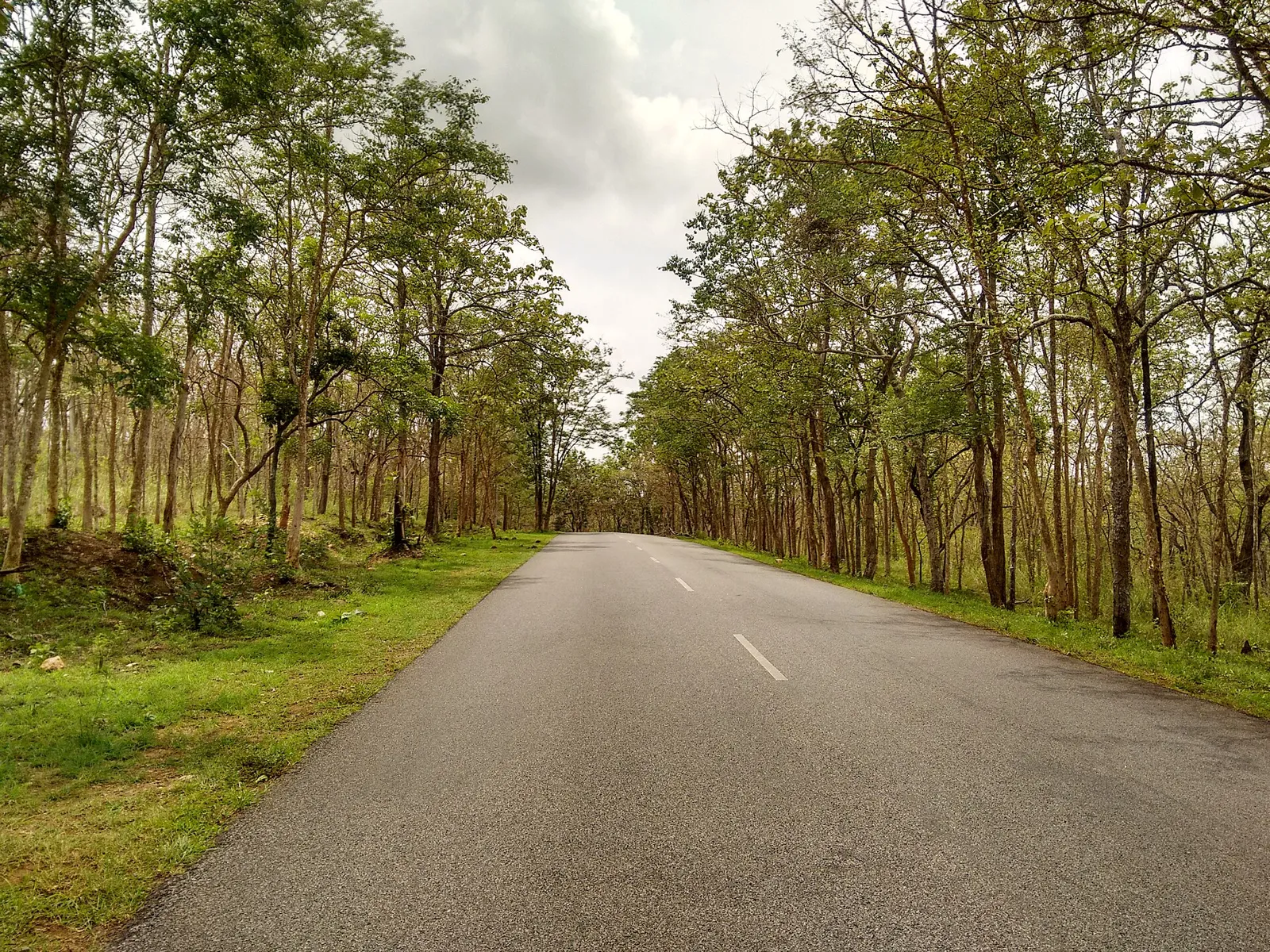
From Bengaluru, the drive goes down the Bengaluru–Mysuru expressway, then on to Nanjangud and Gundlupet, where the road splits: NH 766 continues to Sulthan Bathery and Kerala, and NH 181 runs through the Bandipur safari area to Mudumalai and Ooty. We like to leave early, have breakfast in Mysuru and reach the park by lunch, in time for an afternoon safari.
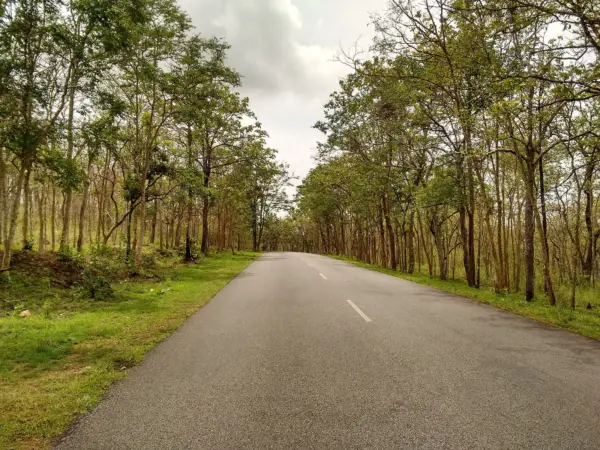
The most important rule: the stretches of NH 766 and NH 181 through the tiger reserve are closed to most traffic from 9 pm to 6 am, a ban that has been in place since 2009 to protect wildlife. Plan to cross the forest well before 9 pm. Even in daytime, drive slowly, do not stop or get out of your car to photograph animals, and never feed them; elephants regularly cross these roads.
There is no railway station at Bandipur. Mysuru Junction is the practical railhead, with frequent trains from Bengaluru, including Shatabdi and Vande Bharat services that take about two to three hours, and direct trains from Chennai. From Mysuru, a taxi takes about one and a half to two hours, or a KSRTC bus can drop you on the highway near the safari point; check with the conductor before you board.
Your own car or a hired taxi is the easiest way to get around, since the safari point, the resorts near Mangala and Melkamanahalli, Gundlupet town and the Gopalaswamy Betta check post are spread along the highways. Inside the forest you can only travel on an official safari vehicle, and on the national highways through the reserve you must keep moving. KSRTC buses link Gundlupet, Mysuru, Ooty and Sulthan Bathery and stop near the park, but they are slow for sightseeing.
The main reason to come. Safari buses and other approved vehicles leave from the Bandipur safari point in the morning and afternoon slots. Elephants, gaur and deer are common; tigers and leopards are a bonus. Keep quiet, follow the guide, and remember phones stay behind.
If you stay at Jungle Lodges and Resorts’ Bandipur property, safaris with their naturalists are usually part of the package. Check what is included when you book.
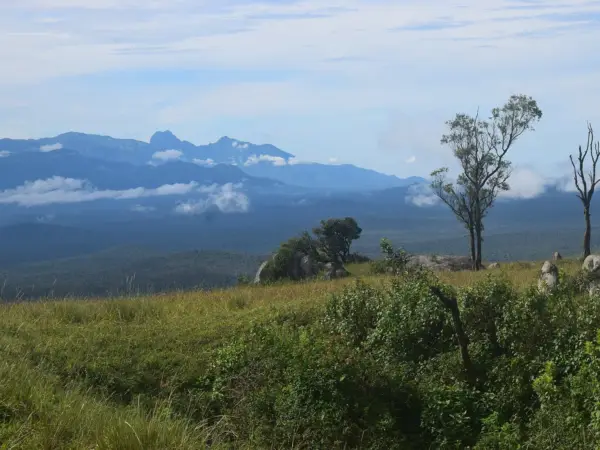
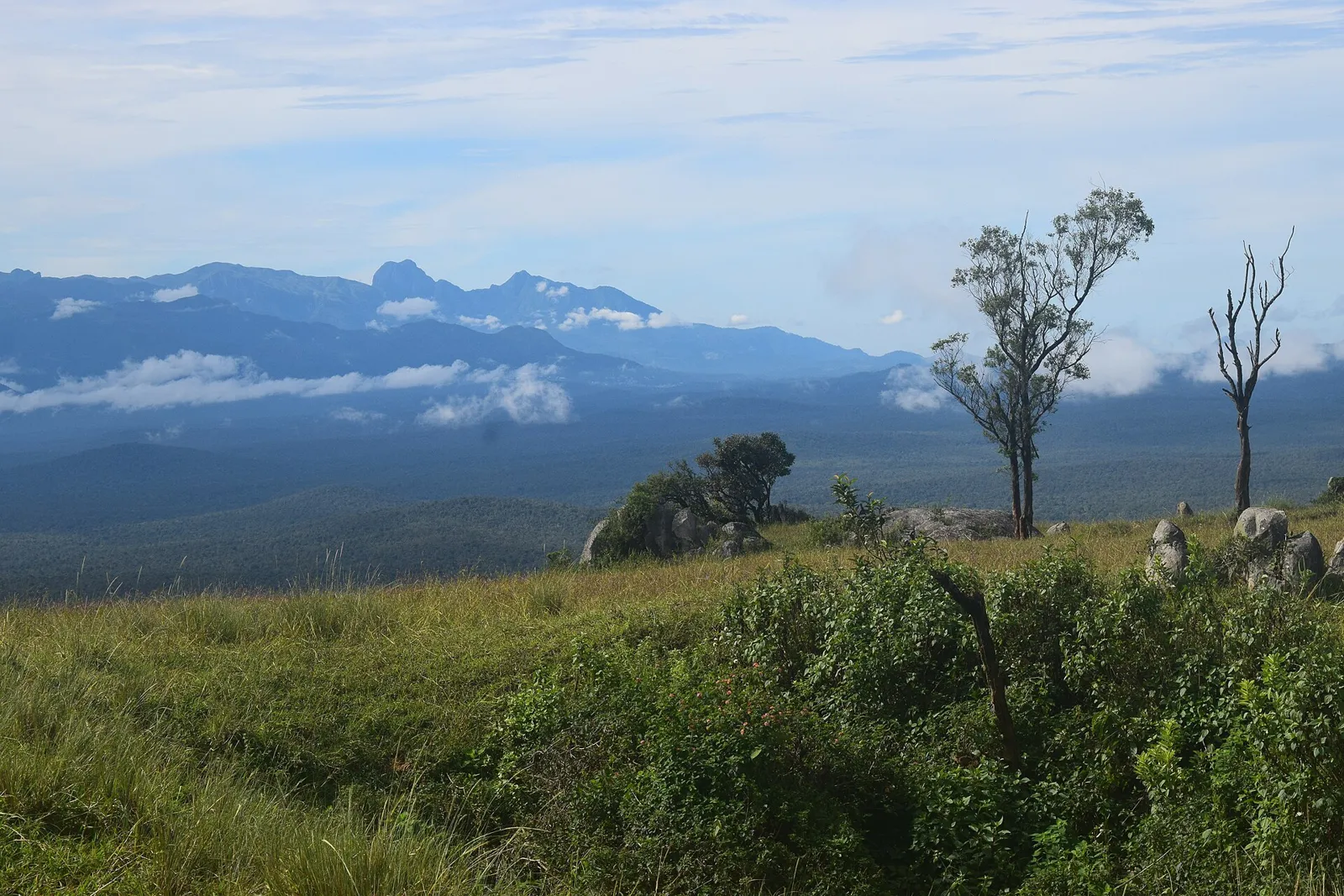
The highest point in the park, about 1,450 m, with an old Krishna temple and wide views over the forest when the mist clears. Leave your car at the check post and take the KSRTC bus up. Wild elephants are often seen on the slopes.
Bandipur has more than 200 recorded bird species, from peafowl and junglefowl to hornbills, bee-eaters, kingfishers and raptors such as the crested serpent eagle. Winter is a good time for birds, and resort grounds on the forest edge are great for an early morning walk.
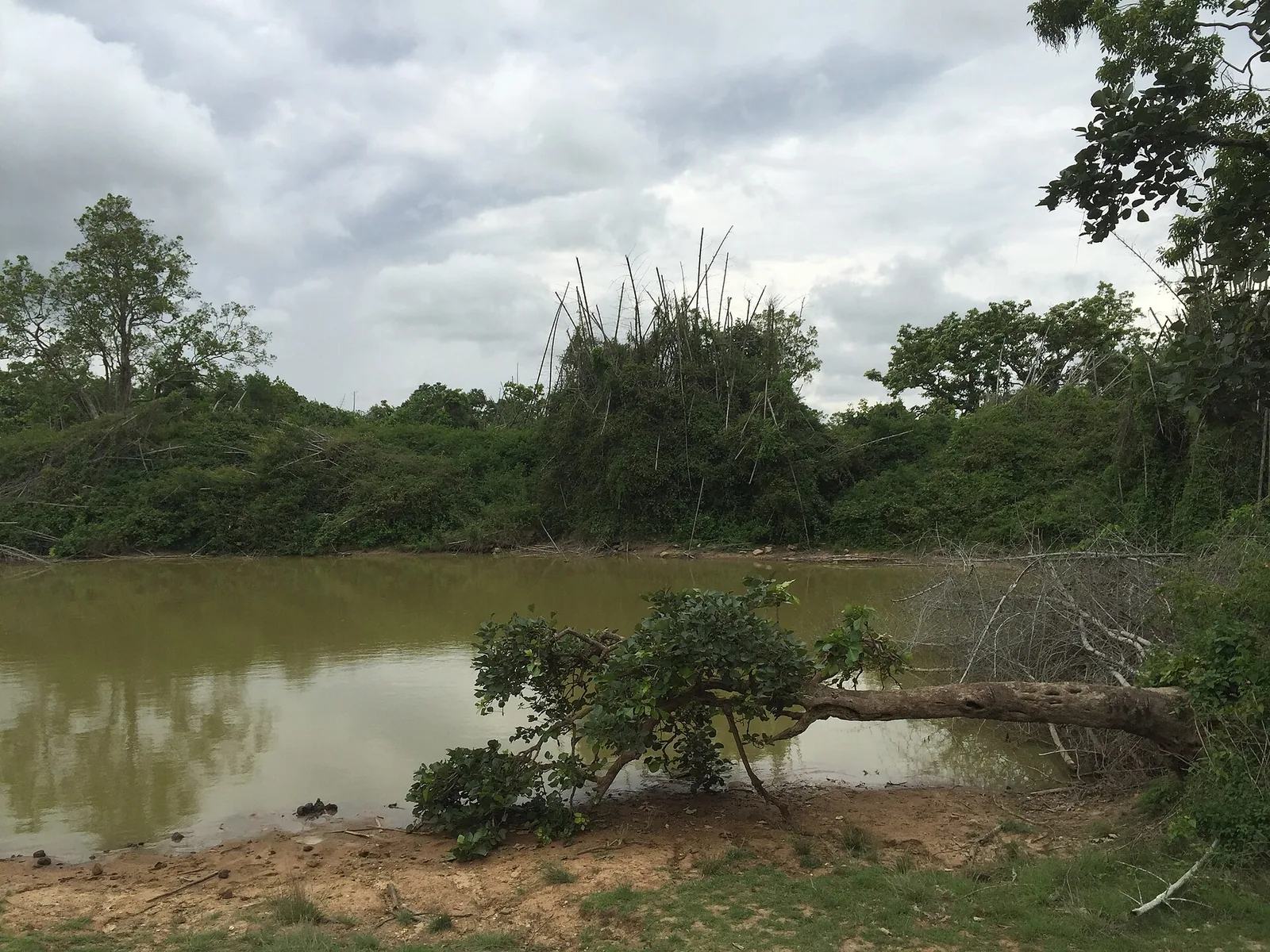
Just across the Moyar river in Tamil Nadu, Mudumalai Tiger Reserve has its own safaris from Theppakadu. Check Tamil Nadu Forest Department timings, and remember the night closure if you plan to drive back.
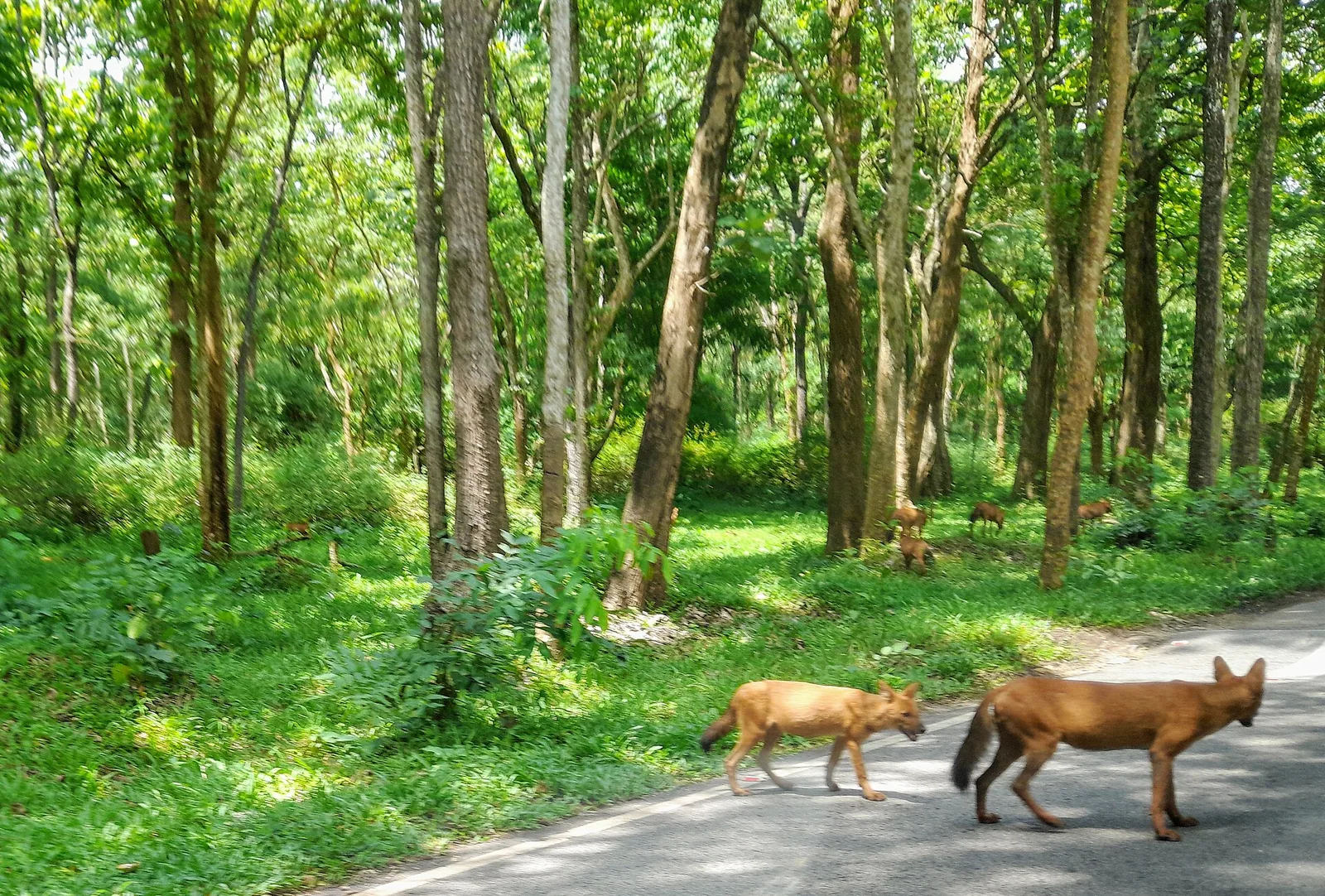
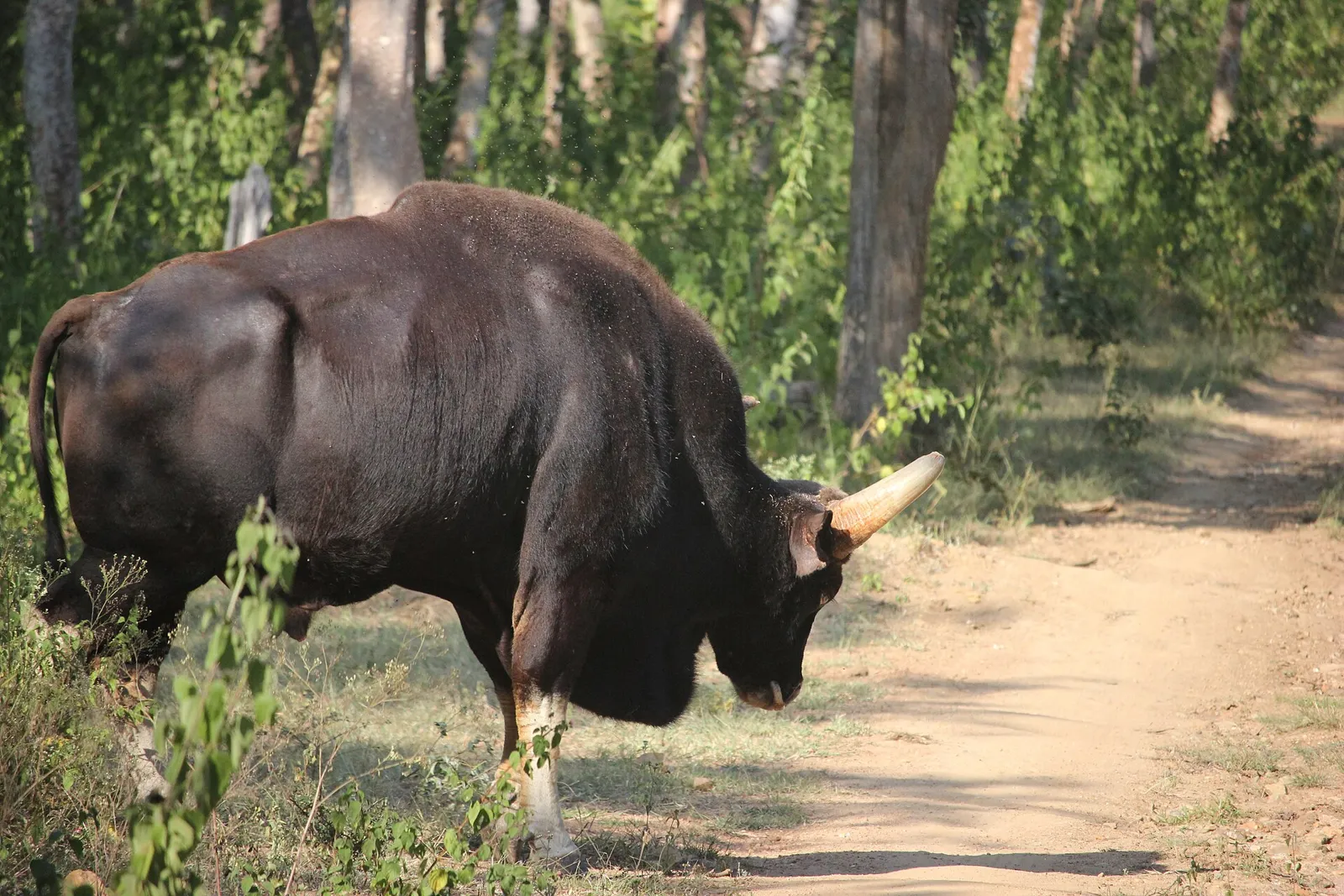
If time is short, we would do two safaris, one morning and one afternoon, since every drive is different, and spend a morning on Himavad Gopalaswamy Betta for the views. Add a slow breakfast in Mysuru on the way in or out.
The fields around Gundlupet, on the edge of the reserve, are planted with sunflowers, marigolds and other crops at different times of year. When they are in bloom they make a pretty roadside stop, but respect the farmers’ land and ask before walking in.
On the way from Mysuru, the temple town of Nanjangud has the large Srikanteshwara temple on the Kabini river, an easy stop on the drive.
The northern edge of the same forest system, around the Kabini reservoir, is known for elephant herds in the dry months and boat safaris. It makes a good add-on for a longer trip.
A weekend from Bengaluru or Mysuru with two safaris.
Two safaris plus Himavad Gopalaswamy Betta, at an easy pace.
Bandipur, Mudumalai and Mysuru in one loop.
The closest stays are the Forest Department’s cottages and dormitories at the Bandipur campus, which you book through the department’s official channels, and Jungle Lodges and Resorts’ Bandipur property, where safaris and meals are usually part of the package. Several private resorts and homestays sit along the highway near Mangala, Melkamanahalli and towards Gundlupet, from simple rooms to comfortable resorts with naturalists. Gundlupet town has basic hotels for budget travellers, and Mysuru, about two hours away, has the most choice if you only want a day trip, though you will need a very early start for the morning safari.
Food is mostly at your resort, so check whether meals are included when you book. On the road, Mysuru is the best place to eat: try masala dosa, idli-vada, bisi bele bath and a filter coffee for breakfast, and pick up some Mysore pak, the city’s famous ghee sweet. Gundlupet has simple local restaurants serving South Indian meals, rice, sambar and ragi mudde. There is little food near the safari point beyond a small canteen, so carry water and snacks, and keep them inside the vehicle.
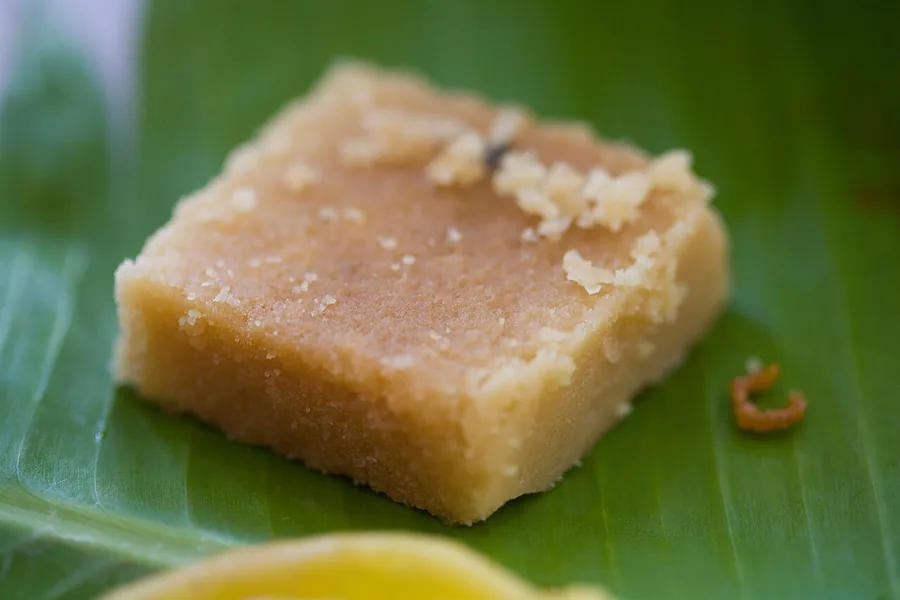
There is not much shopping at Bandipur itself. Mysuru is the place to buy Mysore silk saris, sandalwood soap and oils from the government-run outlets, incense, and Mysore pak. Buy sandalwood products only from government emporiums or licensed shops, since sandalwood trade is tightly regulated.
Mysuru Dasara, the region’s biggest festival, has just ended for 2026, and Deepavali falls on 8 November 2026, when the weekend gets busy. The Himavad Gopalaswamy temple holds its annual car festival (rathotsava) and jatra in March, when KSRTC runs extra buses up the hill. Around Sankranti in January, villages around Gundlupet celebrate the harvest.
Here is a rough idea of daily costs per person, excluding travel to Bandipur. These are our estimates, not quotes, and safari fees are set by the Forest Department, so check current rates when you book.
| Budget | Mid-range | Comfort | |
|---|---|---|---|
| Stay | ₹800 – ₹1,500 | ₹2,500 – ₹5,000 | ₹7,000 – ₹15,000 |
| Food | ₹300 – ₹600 | ₹700 – ₹1,500 | Often included in the stay |
| Local transport | ₹200 – ₹500 | ₹1,500 – ₹3,000 (taxi) | ₹3,000 – ₹5,000 (car with driver) |
| Safaris and entry | ₹500 – ₹1,500 | ₹1,000 – ₹3,000 | Often included in the stay |
| Total per day | ₹1,800 – ₹4,100 | ₹5,700 – ₹12,500 | ₹10,000 – ₹20,000 |
Sharing a car and a room keeps costs down a lot; resort packages that include safaris and meals are the biggest cost but save planning.
Book safaris only through the Forest Department, at the reception or its official booking channels, or through your resort, and ignore anyone on the road offering “private jungle safaris” or a guaranteed tiger; driving into the forest off the highway is illegal. Never get out of your car or stop to take photos of elephants on the highway: wild elephants can charge, and people have been hurt doing exactly this. Keep windows up near animals and never feed monkeys or deer. Respect the 9 pm to 6 am night closure on the highways. Carry mosquito repellent and a basic first-aid kit, and note the national emergency number, 112.
At the Gopalaswamy temple, dress modestly, take off your shoes and follow the queue; only puja items are allowed up the hill. In villages, ask before photographing people or farms. Kannada is the main language, and a few words such as “namaskara” (hello) and “dhanyavada” (thank you) are always welcome.
Myth: You will definitely see a tiger. Fact: Tigers are shy and sightings are never guaranteed; elephants, gaur and deer are far more common.
Myth: You can walk or drive into the forest on your own. Fact: Only official safari vehicles go into the forest, and walking off the road is not allowed.
Myth: You can drive through Bandipur any time. Fact: The highways through the reserve are closed to most traffic from 9 pm to 6 am.
No special permit is needed for Indian travellers. You need a safari ticket, booked through the Karnataka Forest Department’s official channels or at the Bandipur reception, and ID. You cannot enter the forest except on an official safari.
When safaris resumed in February 2026, the Forest Department ran a morning slot from about 6.30 to 9 am and an afternoon slot from about 3.30 to 6 pm. Timings and fees change, so confirm when you book.
No. Since October 2026, mobile phones are banned on safaris at Bandipur and have to be deposited before boarding. Digital cameras are still allowed.
Yes. The stretches of NH 766 and NH 181 through the tiger reserve are closed to most traffic from 9 pm to 6 am. Plan your drive to cross the forest before 9 pm.
October to February is the most comfortable, with green forest after the monsoon. March to May is hot but animals gather near water, and June to September is wet and very green.
About 220 km from Bengaluru, roughly four and a half to five and a half hours by road, and about 80 km from Mysuru, roughly one and a half to two hours.
Not in your own vehicle. Private vehicles stop at the forest check post at the foot of the hill, and KSRTC buses take visitors up to the temple during the day, roughly 8.30 am to 4 pm.
We do not include them. The way to see Bandipur is on an official safari, and we recommend watching elephants in the wild rather than riding them.
Two days and one night is enough for two safaris. With three days, add Gopalaswamy Betta, Mudumalai or a slower stop in Mysuru.
Yes, older children usually love the safaris. Pick a stay with space to walk around, carry snacks and warm layers for early mornings, and keep them close on the highway.
We researched background facts from the pages below (Wikimedia text is used under Creative Commons Attribution-ShareAlike) and checked them against official sources where we could. This guide is our own work; prices, visa rules and timings change, so verify before you travel.
Photos:
Been here recently? Share a tip (and a photo) in the comments below and tick “This is a travel tip”. Tips are reviewed before they appear — we never show your email.
Short, useful travel ideas and new guides. Straight to your inbox every Friday.
Message us with your dates and budget and we’ll reply with suggestions.
Chat on WhatsApp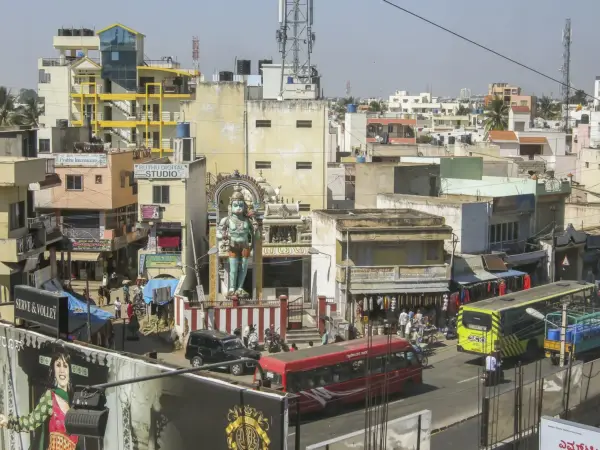
1 comment