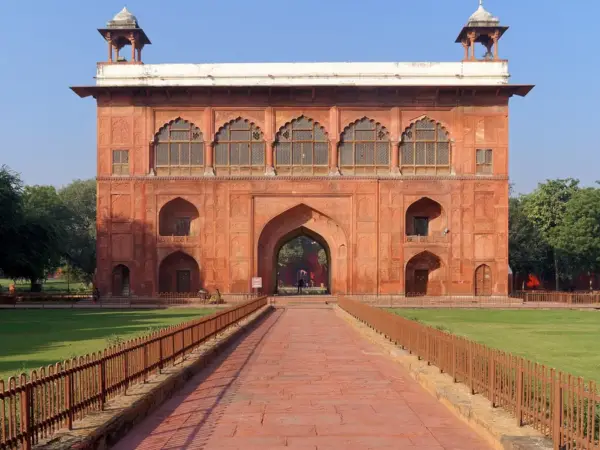
Red Fort
Mughal stronghold, sunrise tours
Own a stay, café or cab? List your place on BuzzyTrip — free starter listing after we review.
List your placeDelhi blends imperial ruins with modern hustle. Autumn cools the air, making street food and monuments more enjoyable.




Mughal stronghold, sunrise tours
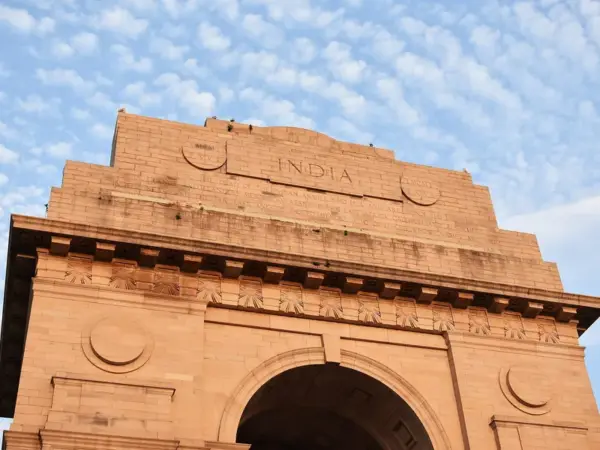
War memorial, evening lights
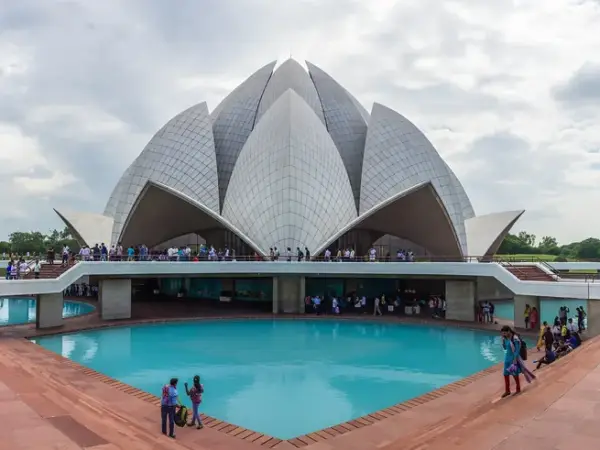
White lotus, quiet meditation
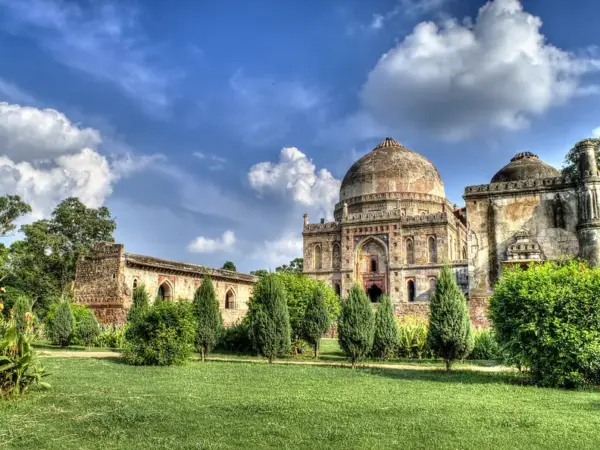
Tombs amid landscaped paths
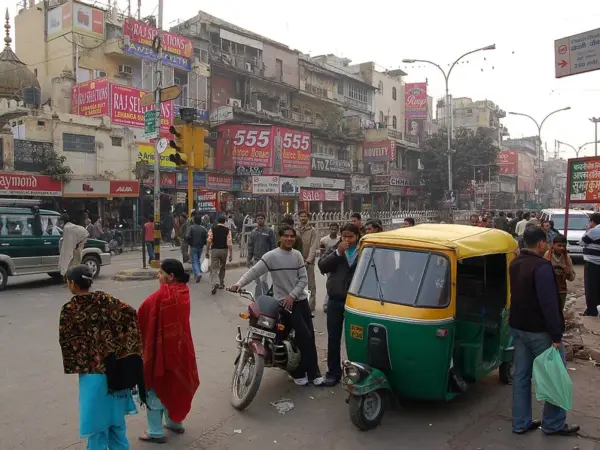
Narrow lanes, street‑food frenzy
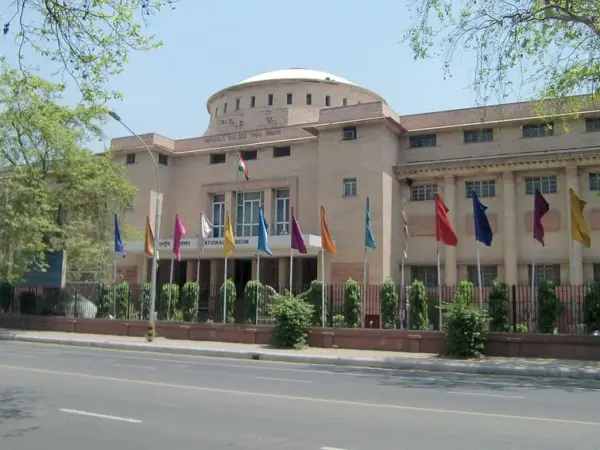
Artifacts spanning millennia


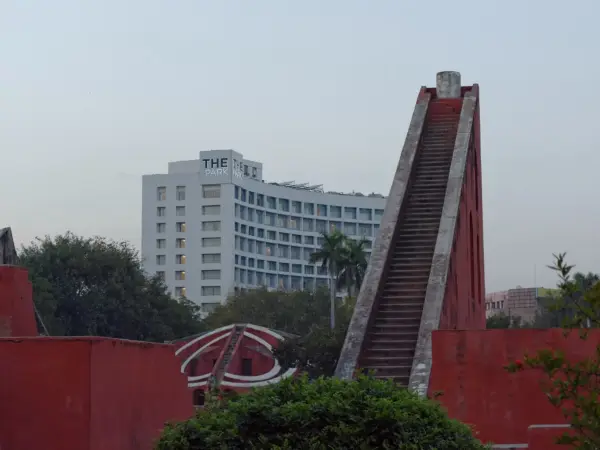


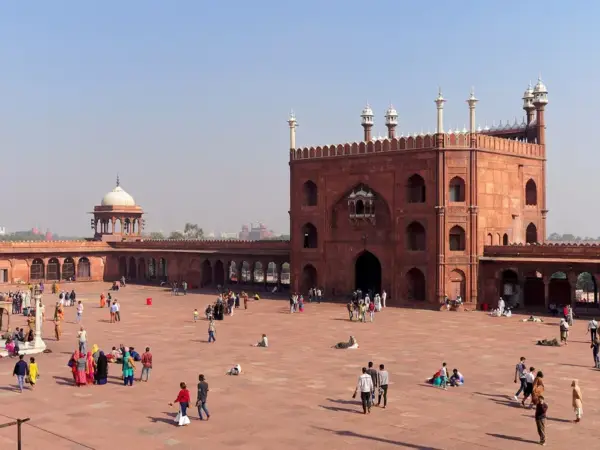

Mosque in Delhi, India
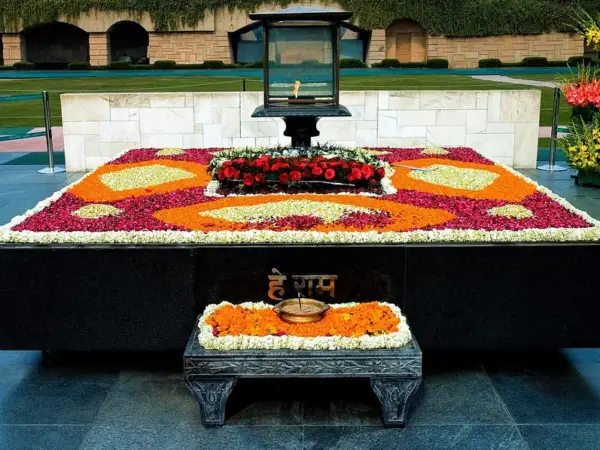
Memorial in Delhi, India
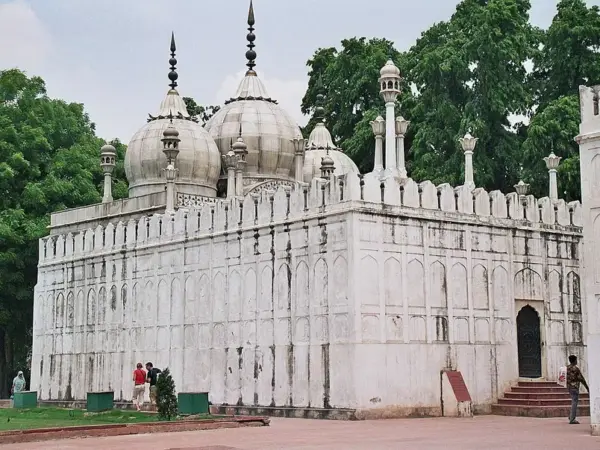
Preserved mosque in Delhi, India
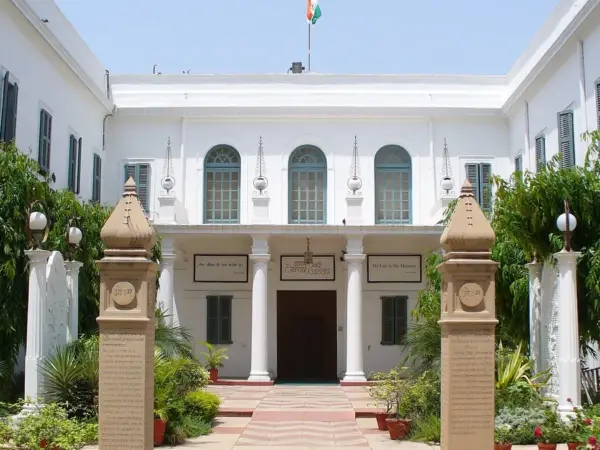
Museum and death place of Mahatma Gandhi
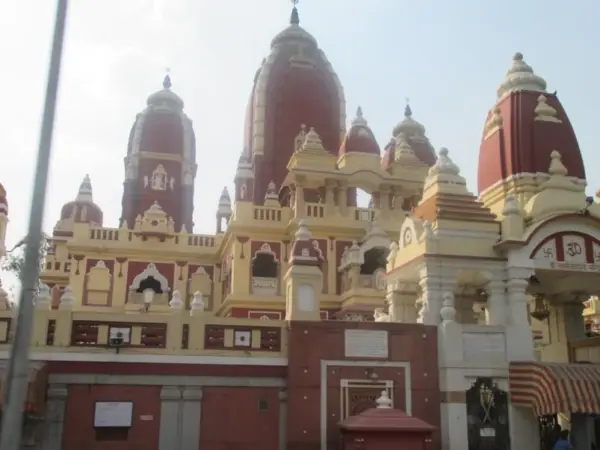
Hindu temple in India
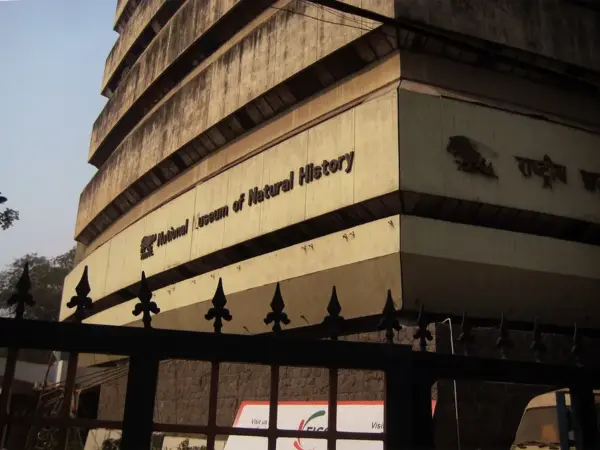
Museum in New Delhi, India

Stuffed flatbread, street style
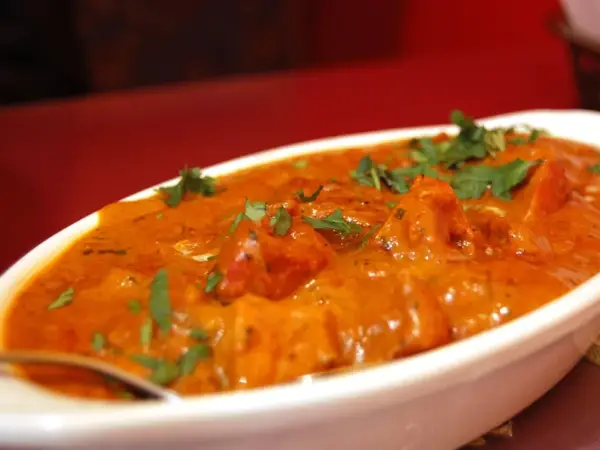
Creamy tomato curry
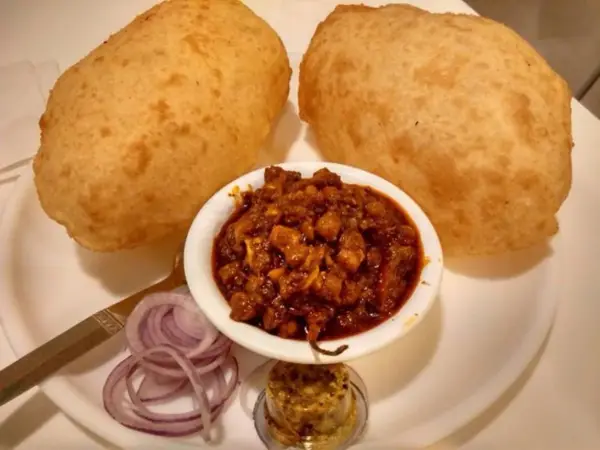
Spicy chickpeas, fried bread
Grilled meat, tangy marinades
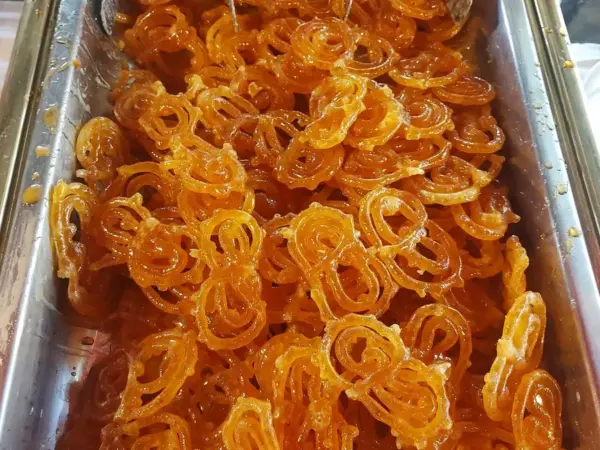
Sweet syrup‑soaked coils
The full guide
Delhi is a megacity where Mughal forts sit beside glass‑clad ministries, turning every street into a living museum. It works for families who crave a blend of educational sites and easy‑going markets, and for friends hunting street‑food thrills. The city’s energy is infectious – you’ll hear honking, temple bells and street vendors shouting in the same breath – but the air can be heavy, so we recommend carrying a mask and keeping your itinerary flexible.
October lifts Delhi out of monsoon humidity; days stay warm, evenings grow crisp and the sky clears. The festive season (Dussehra and Diwali, which falls on 8 November in 2026) brings markets and lights. One honest caveat: air quality usually worsens from late October into November, so we check the live AQI (for example on the CPCB SAMEER app) and plan indoor options for bad days.
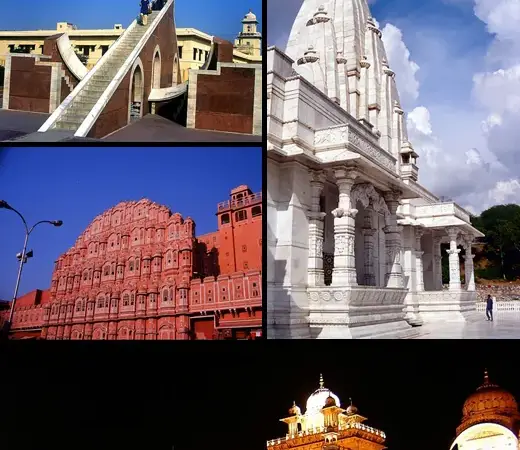
Red Fort’s sandstone walls whisper of the 17th‑century Mughal empire, and inside the fort complex the small marble Moti Masjid, built for Aurangzeb, is a quieter corner. Jama Masjid, one of India’s largest mosques, displays Indo‑Islamic arches and a lively courtyard where vendors hawk chaat and incense. From the modern marble petals of the Lotus Temple in the south-east to the 12th-century Qutub Minar in Mehrauli, the city layers Hindu, Muslim, Sikh and Baháʼí traditions. A stroll through Lodi Gardens lets centuries settle around 15th- and 16th-century Sayyid and Lodi tombs, reminding us the city never truly sleeps on its past.
Worth the early rise – the morning light paints the walls gold and the crowds are minimal.
A sensory overload that’s essential, but prepare for narrow lanes and honking horns.
Great for a rainy afternoon; the exhibits are well‑curated and air‑conditioned.
Perfect for a relaxed walk; the illuminated arches feel patriotic without the parade crowds.
Hip cafés and medieval ruins coexist – a good spot for coffee lovers who also crave history.
Fast, air-conditioned and the easiest way to hop between Old Delhi, Connaught Place and Hauz Khas.
The performances are top‑notch and the ticket price is modest.
A breath of fresh air; the themed gardens are quieter than the central parks.
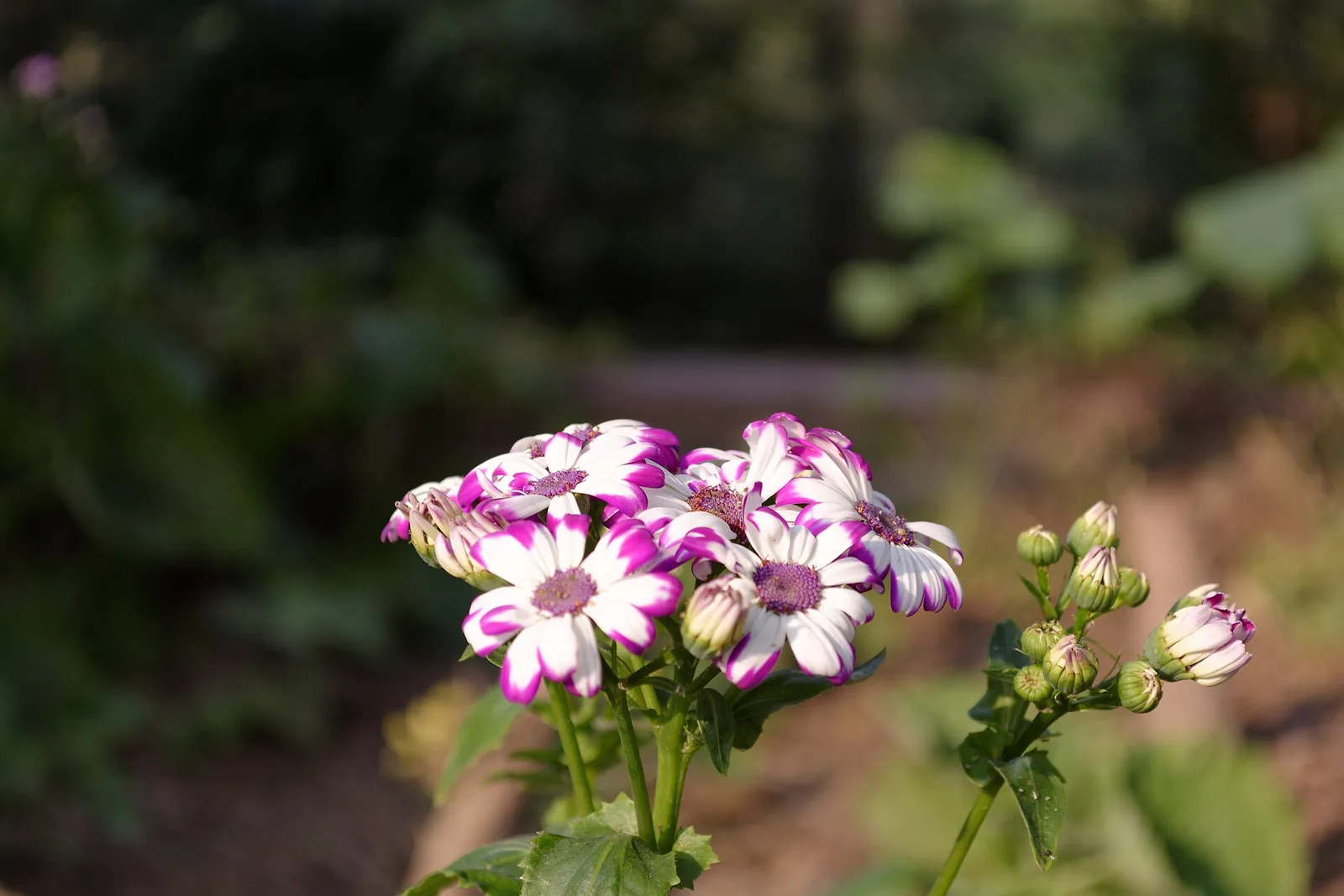
Sanjay Van’s forest trails offer a green escape just a short drive from the city centre.
The Agrasen ki Baoli stepwell hides in a quiet lane of Old Delhi – perfect for a quick photo stop.
Mehrauli Archaeological Park’s ruins are less crowded than Qutub Minar, letting you linger over each stone.
Red Fort at sunrise – the light is unmatched; go early.
Paranthe Wali Gali in Chandni Chowk for buttery parathas – we recommend an early visit to dodge the lunch rush.
Lotus Temple at dusk – the reflected lights create a serene ambience.
We start at Paranthe Wali Gali in Chandni Chowk, where the scent of ghee‑fried dough greets you at every turn. The aloo and paneer‑filled parathas are our go‑to; ask for extra butter and the stall owners will grin and oblige. The lane is known for vegetarian parathas; Jain travellers should ask each stall about onion, garlic and potato before ordering.
Just a short auto‑rickshaw ride away, Karim’s near Jama Masjid is famous for Mughlai meat dishes like mutton korma and kebabs; it is very much a non-vegetarian spot, so vegetarians are better off sticking to the Chandni Chowk stalls.
For a retro pause, the Indian Coffee House at Mohan Singh Place, Connaught Place, lets us sip filter coffee over a simple dosa or veg sandwich. The no-frills, old-school interiors give the place a timeless feel, perfect for a quick breather between market strolls.

Diwali (8 November 2026) lights up the city; markets stay open late and homes glow with diyas. Delhi has repeatedly restricted firecrackers around Diwali because of air pollution, so check the current rules. Durga Puja pandals in areas like Chittaranjan Park and Ramlila performances around Dussehra are worth catching if your dates line up.
Dilli Haat is our favourite spot for hand‑loom scarves and terracotta; bargaining is expected, but watch out for tourist‑price traps. Sarojini Nagar’s fast‑fashion stalls deliver budget finds, though the quality can be hit‑or‑miss – we’d skip the ultra‑cheap tees if you’re after durability. Janpath’s handicraft stalls sell brassware; negotiate politely and you’ll walk away with a decent deal.
| Month | Avg high | Avg low | Rain/precipitation |
|---|---|---|---|
| Jan | 20.1°C | 7.5°C | 19 mm |
| Feb | 24.2°C | 10.6°C | 21 mm |
| Mar | 29.9°C | 15.4°C | 17 mm |
| Apr | 36.3°C | 21.3°C | 16 mm |
| May | 39.9°C | 25.8°C | 31 mm |
| Jun | 39°C | 27.7°C | 74 mm |
| Jul | 35.6°C | 27.5°C | 210 mm |
| Aug | 34.2°C | 26.7°C | 233 mm |
| Sep | 34.1°C | 25°C | 124 mm |
| Oct | 33°C | 19.4°C | 15 mm |
| Nov | 28.4°C | 13°C | 6 mm |
| Dec | 22.8°C | 8.4°C | 8 mm |
Our table above already shows the month‑by‑month swing, but we’ll point out the sweet spot. Autumn – October and November – offers milder air, the kind that lets you stroll past the Red Fort without breaking a sweat, and the city isn’t packed with tourists yet. Spring in February and March feels pleasant too, though the evenings can get a bit crisp. Summer spikes into scorching heat, so unless you love oven‑like mornings, we’d skip it. Winter brings cold nights that can drop to the low single digits and a thick smog blanket that sometimes grounds flights; it’s not the best for outdoor sightseeing. In short, aim for the shoulder months if you want comfortable weather and manageable crowds.

| From | Road distance (est.) | Driving time (est.) | Best way |
|---|---|---|---|
| Mumbai | ~1550 km | 34.5 h | Fly |
| Bangalore | ~2350 km | 52.3 h | Fly |
Estimates calculated by BuzzyTrip from map coordinates; check live maps before you leave.
Landing at Indira Gandhi International Airport drops you in Delhi’s south‑west fringe. The Airport Express metro whisks you straight to New Delhi station in a smooth ride, so we usually recommend it over a taxi if you’re chasing speed. For rail fans, New Delhi and Old Delhi stations welcome long‑distance trains from across the country; a short auto‑rickshaw can bridge that final kilometre to your accommodation. If you’re driving, the Delhi‑Gurgaon Expressway offers a wide, well‑kept lane into the city, but remember rush‑hour can add hours to your journey. From Gurgaon or Noida, allow an hour or more door to door at peak times, factoring in traffic and the metro hop.
From Gurgaon, we set off early on the Delhi‑Gurgaon Expressway; the road is broad and the traffic light at dawn, letting us reach the city gates before the commuter surge. A weekend drive down NH 44 to Agra lets you catch the Taj Mahal at sunset – the highway is smooth, though occasional construction detours pop up, so keep an eye on the signs. Heading west on NH 48 toward Jaipur offers desert‑edge vistas; departing after sunrise helps dodge the midday heat and the occasional cattle herd crossing. These routes are our go‑to picks for a quick change of scenery without the hassle of long train bookings.
New Delhi station handles the premium Shatabdi‑type services; if you’re cutting it close, a tatkal ticket can rescue you. Old Delhi (Delhi Junction) is the hub for regional expresses, and a quick auto‑rickshaw can drop you into the historic market lanes nearby. Second‑class sleeper coaches stay surprisingly comfortable for budget travellers, but they fill up fast, so we recommend reserving a berth a few days ahead for certainty. The conductor will check tickets once the train is moving, so keep yours handy.
The Delhi Metro is our go‑to for speed and air‑conditioning, stitching together most attractions across its many lines. Single-journey QR tickets can be bought on the DMRC Momentum app or at station counters, and fares are modest. Auto‑rickshaws pepper every corner – always confirm the fare or ask for the meter, because drivers love to quote higher rates to tourists. Uber and other app‑based cabs run city‑wide, but peak‑hour traffic can double travel time, so we suggest padding your schedule.
Connaught Place is our pick for first‑time visitors who crave central access; budget hostels sit beside heritage hotels, making it easy to step out onto the lively streets. South Delhi’s Hauz Khas appeals to couples seeking boutique stays amid leafy lanes and art galleries – the vibe feels more relaxed than downtown rush. Karol Bagh suits families that want market proximity; mid‑range hotels here often include kitchenettes, a lifesaver with kids. For the thrifty, budget rooms range from a few hundred rupees up to the low‑thousands, while mid‑range options sit comfortably in the middle band. If you’re ready to splurge, the upscale hotels around Connaught Place, Aerocity and the diplomatic areas offers rooms that start well above the eight‑thousand‑rupee mark, delivering space and service that feel worth the extra spend.
Our quick‑hit plan for first‑timers who can’t spare more than a weekend.
Our balanced itinerary for most travellers, mixing heritage, culture and a taste of modern Delhi.
Our slower‑pace route, adding a day trip to Agra while still savoring Delhi’s neighborhoods.
Our full‑week plan, covering Delhi’s breadth and adding trips to Agra and Jaipur for a taste of the Golden Triangle.
We’ve stitched together gentle drives, playground pauses and kid‑friendly sights for parents with children aged six to fourteen.
We’ve curated three days of romantic strolls, scenic spots and intimate dining for two.
We’ve mapped a thrifty three‑day loop of hostels, street eats and public transport for solo wanderers.
We’ve designed a three‑day indulgent itinerary with private transfers, premium stays and curated experiences.
We’re happy to tell you that Delhi doesn’t ask for any Inner Line or forest permits – the city is open to all domestic travellers. As of October 2026 you can walk straight from the airport to the metro without filling out a form.
We break the daily spend into five buckets so you can see where the rupee goes.
| Budget | Mid‑range | Comfort | |
|---|---|---|---|
| Stay | ₹400‑2,500 | ₹2,500‑6,000 | ₹6,000‑12,000+ |
| Food | ₹200‑500 | ₹500‑1,200 | ₹1,200‑3,000+ |
| Local transport | ₹100‑200 | ₹200‑500 | ₹500‑1,000 |
| Activities | ₹150‑300 | ₹300‑800 | ₹800‑2,000+ |
| Total per day | ≈₹850‑3,500 | ≈₹3,500‑8,500 | ≈₹8,500‑18,000+ |
Our take: if you’re travelling with family, the mid‑range column feels comfortable without breaking the bank; solo backpackers can thrive in the budget lane.
We recommend covering shoulders and knees when you step into mosques or temples – a quick scarf does the trick. Shoes come off at the shrine; a small donation in the box is appreciated. Tipping 5‑10 % at restaurants is the norm, and a warm ‘dhanyavaad’ goes a long way. A friendly nod and a smile are the best greetings.
Myth: Delhi is only about traffic.
Fact: The metro weaves through the city, whisking you past the snarls, so you can skip the jam and still reach Connaught Place on time.
Myth: All Delhi food is meat‑heavy.
Fact: Vegetarian stalls dominate the bazaars, and many eateries will prepare Jain food if you ask – just confirm no onion, garlic or root vegetables.
Myth: The city is unsafe after dark.
Fact: Well‑lit arteries like Connaught Place, India Gate and the metro stations stay busy well into the night; we feel comfortable strolling there after dinner.
Myth: Air quality is always terrible.
Fact: It varies a lot by season. Right after the monsoon the air is often clearer, but from late October through winter it usually gets much worse, so we check the live AQI daily and carry an N95 mask.

Unlicensed taxi drivers often quote flat rates that far exceed the market norm. Insist on a meter or a trusted app before you hop in – it saves both time and cash.
Walking alone in dimly lit lanes of Old Delhi after midnight is risky; stick to main thoroughfares where streetlights and occasional patrols keep the area safer.
At monument ticket counters, you may encounter a “service fee” that isn’t official. Verify the counter’s signage and ask for a receipt before handing over money.
Keep cash, passport and cards in a secure money belt, and carry only enough cash for a few hours. A decoy wallet with a few ten‑rupee notes can distract pickpockets.
In emergencies, dial ☏ 112 – it connects you to police, fire, ambulance and women‑and‑child helplines.
We’ve boiled down the essentials for an October Delhi jaunt:
No visa is required for domestic travellers. As of October 2026, a valid Indian ID or passport is enough to move around.
We recommend February or March when the days are warm and evenings are cool. The city feels alive without the extreme heat of summer.
Three to four days let us cover the forts, markets and a couple of museums without rushing. Anything less feels cramped, especially with kids.
Many women travel solo in Delhi, but we recommend extra caution after dark: stick to busy, well-lit areas, use the metro (which has women-only coaches) or app cabs, share your trip details and keep 112 saved.
We love the street‑side chaat, buttery naan and a steaming bowl of dal makhani. A quick stop at a dhaba near Connaught Place gives you the full flavour punch.
Flights land at Indira Gandhi International Airport and the terminal’s shops keep you busy. Trains arrive at New Delhi Railway Station, and you can hop a prepaid auto rickshaw for the final leg.
Agree the fare before you set off or ask for the meter; booking an auto through a ride-hailing app or using official prepaid booths at stations avoids most surprise charges.
Air quality often worsens sharply from late October into winter, so check the live AQI each day, carry an N95 mask and plan indoor time on bad days. Staying hydrated and carrying a basic kit keeps you comfortable.
The Delhi Metro runs frequently and is patrolled by CISF, making it a comfortable choice for families. We find the stations clean and the announcements clear.
Dial 112 for police, fire, ambulance or women and child helplines. It works across the city and connects you quickly.
Background facts were researched from the Wikimedia pages below, used under Creative Commons Attribution-ShareAlike. This guide is an original work written and edited for BuzzyTrip; prices, visa rules and timings change, so verify before you travel.
Photos:
Been here recently? Share a tip (and a photo) in the comments below and tick “This is a travel tip”. Tips are reviewed before they appear — we never show your email.
Short, useful travel ideas and new guides. Straight to your inbox every Friday.
Message us with your dates and budget and we’ll reply with suggestions.
Chat on WhatsApp