China first-trip guide:karst, palaces & street snacks
China offers a mix of ancient architecture, dramatic karst scenery and busy night‑markets. Autumn brings clear skies and comfortable temps for city tours and outdoor hikes.
Do I need a visa?Yes, Indian passport holders need a tourist (L) visa; apply before travel.Best currency to carry?CNY cash for markets, cards for hotels; exchange INR at banks.Is English spoken?Limited outside major hotels and tourist sites; learn basic Mandarin phrases.How safe is street food?Generally safe; choose stalls with high turnover and clean prep areas.Can I use my Indian SIM?Roaming works but expensive; buy local SIM or eSIM on arrival.What voltage plugs?220 V, plug types A, C, I; bring a universal adapter.Are there vegetarian options?Yes; many dishes can be ordered without meat, ask for ‘vegetarian’.Is travel insurance needed?Strongly recommended for medical coverage and trip disruptions.When is peak tourist season?Summer holidays; autumn (Oct‑Mar) is quieter.How to get from Beijing to Shanghai?High‑speed train (≈5 h) or domestic flight (≈2 h).Do I need to register my hotel?Hotels usually register you with local police automatically.Are credit cards widely accepted?Yes in cities, malls and upscale restaurants; less in rural stalls.
Plan my trip
Go-now score
Budget calculator
The full guide
China in Autumn: Karst Views, Street Snacks and Ancient Palaces
By BuzzyTrip · Updated October 29, 2026
China at a glance
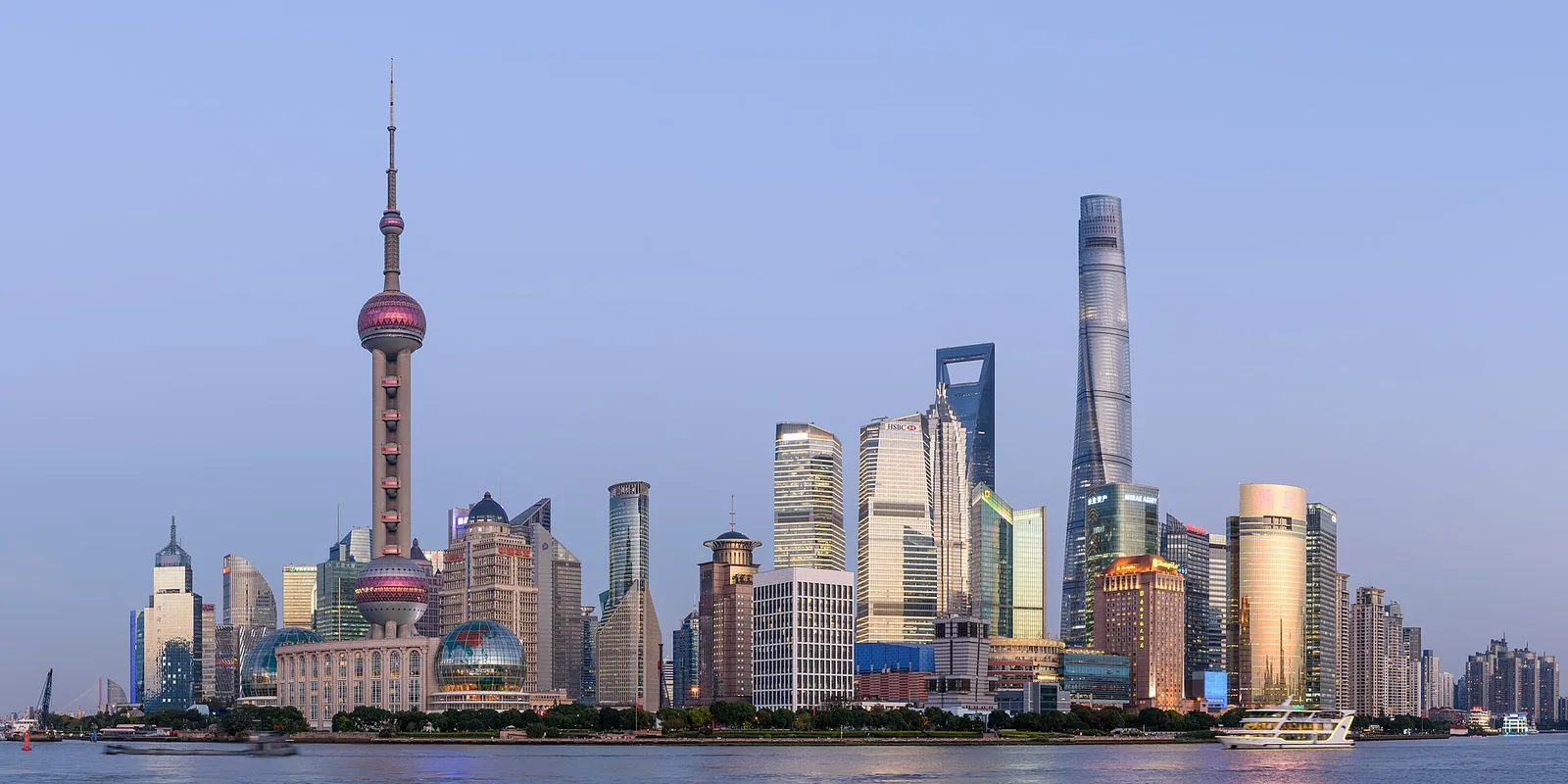
China stretches from the Gobi desert’s stark dunes to the mist‑shrouded karsts of Guilin, offering a canvas that satisfies both history buffs and nature lovers. Our pick is the contrast of Shanghai’s glass‑clad skyline with the ancient hush of the Forbidden City in Beijing – a living dialogue between past and future. We’d skip a frantic two‑week sprint that tries to cram every province; a slower pace lets you taste the tea houses of Chengdu or the sunrise over Huangshan without feeling rushed.
Why go now
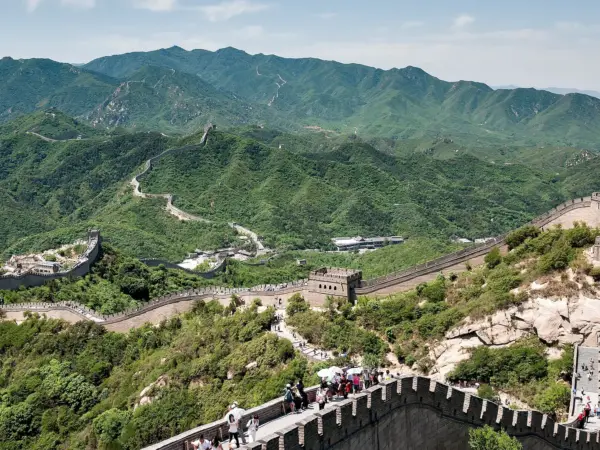
October gifts the north with crisp, clear air while the south stays gently warm, making hikes in the Great Wall region or river cruises in Yangtze‑Delta comfortable. Crowds have thinned after the summer rush, especially at popular mountain parks. A lantern festival lights up several towns, adding a splash of colour and cultural sparkle to the evenings.
Best time to visit
Refer to the month‑by‑month table for a quick snapshot of weather and festivals. Our advice leans toward the shoulder months – late September to early November in the north, and April to May in the south – where temperatures are pleasant and the tourist swell is manageable. If you can’t stand the sweltering heat that beats down on the Forbidden City in midsummer, steer clear of those months in the north. Conversely, the winter chill up in Harbin can be a draw if you’re after ice sculptures, but it’s a hard sell for most historic site visits.
Visa for Indian passport holders
Indian passport holders can apply for a tourist visa or a multi‑entry visa, depending on how many cities they plan to hop between. Processing usually stretches over a few weeks, though the exact window can shift, so we always tell readers to double‑check the official Chinese embassy portal before starting. Getting all the paperwork in order early saves you from a last‑minute scramble – a simple checklist goes a long way. As of October 2026, the rules are still evolving, so verify everything on the embassy site.
The official currency is the Chinese yuan, called renminbi (¥). Prices are quoted in yuan, and cash still rules the street stalls and small eateries. International cards glide through big hotels, but a local prepaid card or some cash is safer for the modest places. We suggest swapping a modest amount at the airport and topping up at reputable banks once you’re in the city. The conversion sits at roughly ₹1 = ¥0.07, as of October 2026.
Budget breakdown
Item
Budget
Mid‑range
Comfort
Stay
₹2,000‑₹3,000
₹4,000‑₹6,000
₹7,000‑₹10,000
Food
₹500‑₹800
₹1,200‑₹2,000
₹2,500‑₹4,000
Local transport
₹200‑₹400
₹500‑₹800
₹1,000‑₹1,500
Activities
₹300‑₹600
₹800‑₹1,500
₹2,000‑₹3,500
Total per day
≈₹3,000
≈₹7,500
≈₹15,000
These figures are rough guides as of October 2026; actual spend can vary with season and personal taste. We find the budget tier works well for solo travellers, while families might prefer the mid‑range comfort level.
Flights from Indian cities
From Delhi a handful of non‑stop flights touch down in Shanghai, giving us a quick gateway to the east. From Mumbai we usually hop onto a Gulf hub – Doha or Dubai – before the runway in Shanghai or Beijing. Bangalore travellers often thread through Bangkok or Kuala Lumpur before arriving in Beijing. Fares tend to ease after the Chinese New Year rush, so October offers decent value.
Estimates calculated by BuzzyTrip from map coordinates; check live maps before you leave.
Beijing Capital, Shanghai Pudong and Guangzhou Baiyun serve as the main portals, all well‑served by the airlines mentioned. If rail appeals to you, the high‑speed network stitches together the key eastern cities, shaving days off a coast‑to‑coast trek. For road‑trip lovers, the Karakoram crossing stays off‑limits, so air or train are the realistic options. In practice, a Delhi‑to‑Beijing door‑to‑door journey will consume a full day once airport transfers and immigration queues are factored in.
Getting around
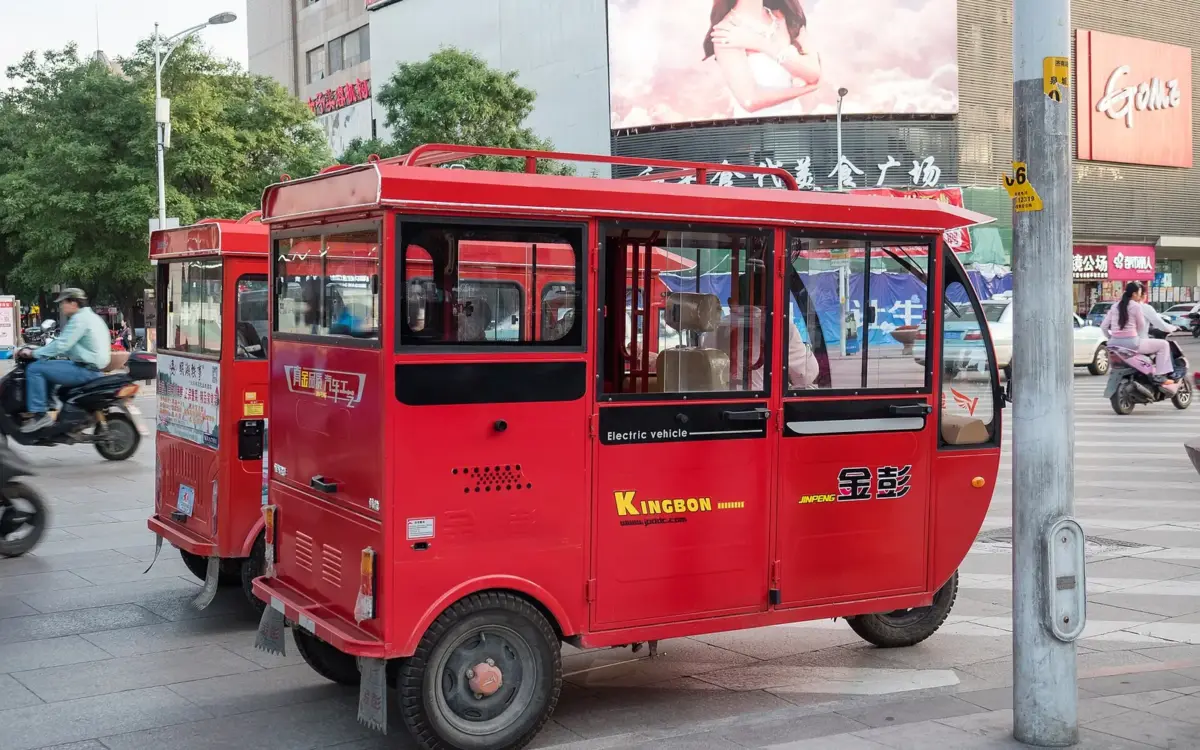
Beijing and Shanghai boast metro maps that read like a friend’s handwritten guide – stations are clearly marked in English and the trains run like clockwork. In smaller towns, ride‑hailing apps dominate the taxi scene, though a few cash‑only drivers still linger. We suggest picking up a transport card; it glides you through buses and subways without hunting for change. Fares sit in a modest range, making daily hops easy on the wallet.
China itineraries: pick your trip
2 days
Ideal for first‑timers who can only spare a weekend and want the iconic highlights.
Day 1: Beijing – Classics
Morning: We start at Tiananmen Square, feeling the buzz of traffic and the echo of history before strolling into the Forbidden City.
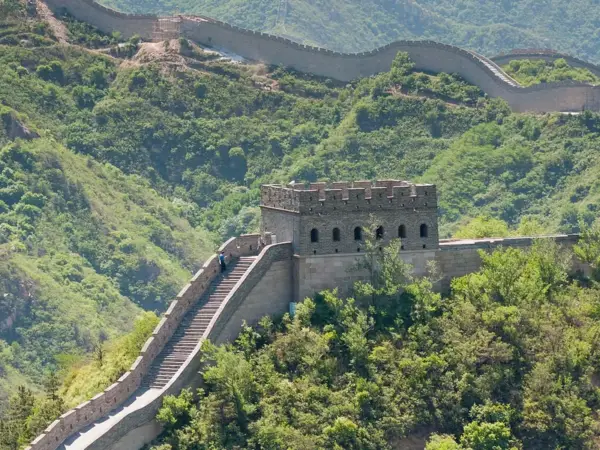
Afternoon: After a quick dumpling lunch in a nearby hutong, we hike the Mutianyu Great Wall section, the air crisp and the views endless.
Evening: We unwind with a foot massage on Wangfujing, then sample Peking duck at a busy restaurant.
Est. cost: ₹4,500–6,500 per person (approx.)
Day 2: Beijing to Shanghai – Fast Track
Morning: A high‑speed train whisks us south; we watch the countryside blur past while sipping tea.
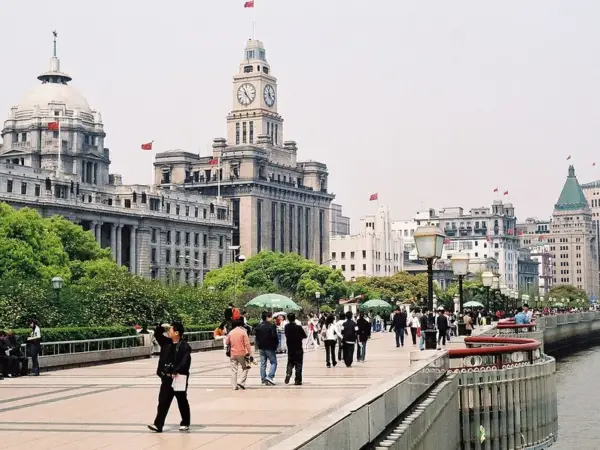
Afternoon: Landing in Shanghai, we wander the Bund, hearing ferry horns and feeling the river breeze against the skyscrapers.
Evening: We cap the day with xiaolongbao at a lively spot in Yuyuan Bazaar, then stroll the neon‑lit Nanjing Road.
Est. cost: ₹5,000–7,000 per person (approx.)
3 days
A balanced pace for most travellers, mixing history, modernity and a touch of nature.
Day 1: Beijing – Imperial Day
Morning: We explore the Forbidden City’s courtyards, the lacquered doors and the scent of incense lingering in the air.
Afternoon: A short taxi ride takes us to Jingshan Hill for a panoramic city view, then we nibble on jianbing from a street stall.
Evening: We treat ourselves to a traditional tuīná massage in a quiet alley before dinner at a hutong eatery.
Est. cost: ₹4,000–5,500 per person (approx.)
Day 2: Beijing – Wall & Culture
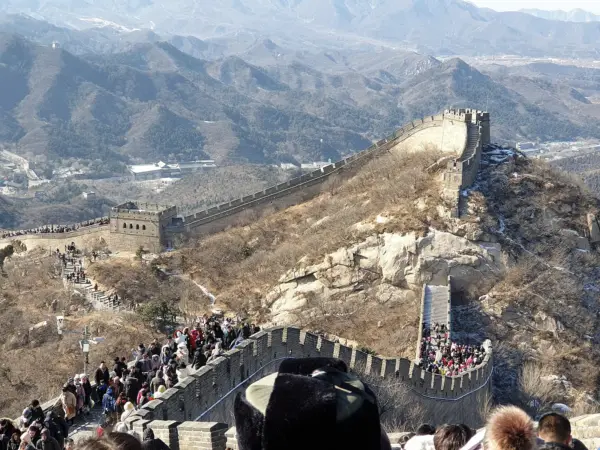
Morning: We catch a bus to Badaling Great Wall; the stone steps feel warm under our soles as we climb.
Afternoon: Back in the city, we visit the 798 Art District, hearing indie music echo from converted factories.
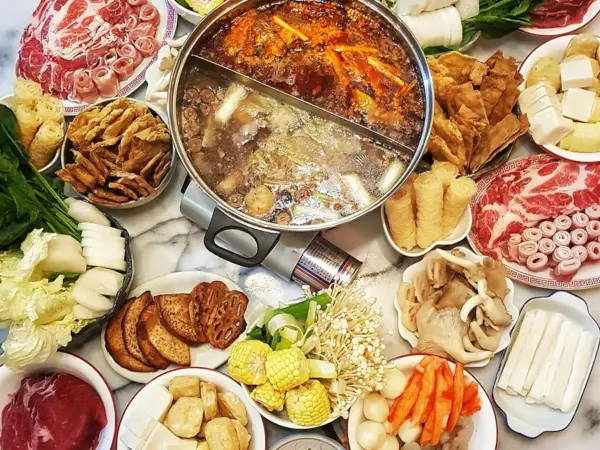
Evening: We savor hot pot in Chaoyang, the broth bubbling and the spice tickling our noses.
Est. cost: ₹4,500–6,000 per person (approx.)
Day 3: Shanghai – River & Nightlife
Morning: A quick flight lands us in Shanghai; we start with a walk through the French Concession’s leafy lanes.
Afternoon: We cruise the Huangpu River, the skyline reflecting like a mirror, then sip tea in a teahouse on the Bund.
Evening: We end with street‑food snacks at Shouning Road, the sizzle of skewers and the glow of lanterns.
Est. cost: ₹5,000–7,000 per person (approx.)
5 days
A slower itinerary that adds a nearby natural excursion for a breath of fresh air.
Day 1: Beijing – Arrival & Old Town
Morning: We land, drop bags at a boutique hotel in Dongcheng, and wander the narrow lanes of Nanluoguxiang.
Afternoon: A quick bite of baozi at a local stall fuels our stroll to the Lama Temple, the incense thick and soothing.
Evening: We relax with a blind‑staff foot massage near the hotel, then try stir‑fried noodles at a nearby eatery.
Est. cost: ₹4,200–5,800 per person (approx.)
Day 2: Beijing – Great Wall
Morning: We board a coach to Jinshanling, the stone steps cool under our feet as we ascend.
Afternoon: After a picnic of local fruits, we descend and head back, catching the sunset over the city walls.
Evening: We dine on zhajiangmian at a busy market, the sauce rich and hearty.
Est. cost: ₹4,800–6,200 per person (approx.)
Day 3: Xi’an – Terracotta Warriors
Morning: A high‑speed train whisks us to Xi’an; we step onto the platform and feel the excitement in the air.
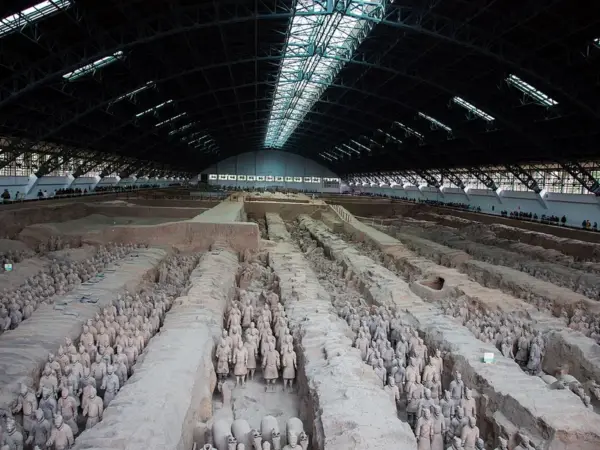
Afternoon: We visit the Terracotta Army, the clay soldiers standing in silent rows, each face uniquely weathered.
Evening: We wander the Muslim Quarter, tasting roujiamo and the sweet scent of cumin‑spiced kebabs.
Est. cost: ₹5,000–6,500 per person (approx.)
Day 4: Chengdu – Panda Day
Morning: A short flight lands us in Chengdu; we head straight to the Panda Base, watching cubs munch bamboo.
Afternoon: We sip tea in a courtyard café, the aroma of jasmine mingling with distant traffic.
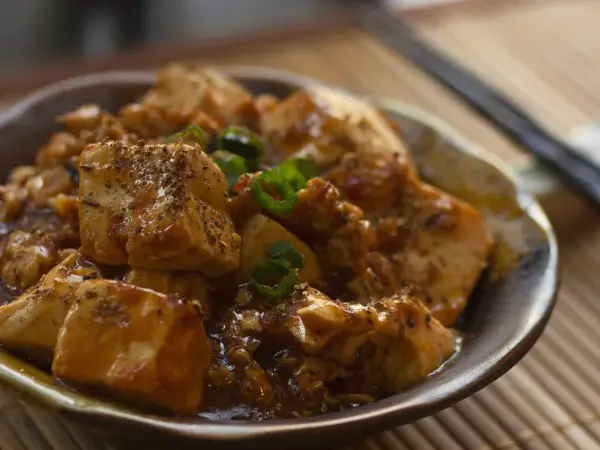
Evening: We indulge in mapo tofu at a local restaurant, the heat lingering on our tongues.
Est. cost: ₹5,200–7,000 per person (approx.)
Day 5: Chengdu – Departure
Morning: We stroll Jinli Ancient Street, hearing the clink of tea cups and the chatter of artisans.
Afternoon: We grab a quick bite of dan dan noodles before heading to the airport.
Evening: We board the flight back home, the city’s skyline shrinking behind us.
Est. cost: ₹4,000–5,500 per person (approx.)
7 days
A full week that covers the north, east and a scenic side‑trip, perfect for a comprehensive taste of China.
Day 1: Beijing – Arrival & Hutong Walk
Morning: We land, check in to a boutique stay in Dongcheng, then wander the brick‑lined hutongs, hearing bicycles ring.
Afternoon: We stop for scallion pancakes at a street stall, then visit the Temple of Heaven, the echo of drums resonating.
Evening: We unwind with a tuīná massage near the hotel, followed by hot pot in a crowded pot‑luck hall.
Est. cost: ₹4,300–5,900 per person (approx.)
Day 2: Beijing – Great Wall Adventure
Morning: We catch a coach to Simatai; the stone steps feel cool as we walk the wall’s crest.
Afternoon: A lunch of grilled lamb kebabs on the wall’s edge fuels us for a cable‑car ride back.
Evening: We dine on Peking duck at a historic restaurant, the skin crisp and the scent intoxicating.
Est. cost: ₹4,800–6,300 per person (approx.)
Day 3: Xi’an – History Immersion
Morning: A high‑speed train rolls us to Xi’an; we step onto the platform and feel the city’s pulse.
Afternoon: We explore the Terracotta Warriors, each soldier’s gaze fixed, the silence profound.
Evening: We wander the Muslim Quarter, tasting biang biang noodles and the sweet aroma of roasted nuts.
Est. cost: ₹5,100–6,800 per person (approx.)
Day 4: Chengdu – Panda & Tea
Morning: A short flight lands us in Chengdu; we head straight to the Panda Base, watching cubs tumble over bamboo.
Afternoon: We sip jasmine tea in a teahouse, the steam curling like clouds over the courtyard.
Evening: We relish spicy mapo tofu at a local eatery, the heat lingering pleasantly.
Est. cost: ₹5,300–7,200 per person (approx.)
Day 5: Jiuzhaigou – Scenic Escape
Morning: We board a coach to Jiuzhaigou; the road climbs through pine forests, the air growing pine‑scented.
Afternoon: We hike around Five Flower Lake, the turquoise water reflecting multi‑coloured cliffs like a painting.
Evening: We stay in a guesthouse, the night quiet except for distant waterfalls, and enjoy a simple noodle soup.
Est. cost: ₹6,000–8,000 per person (approx.)
Day 6: Jiuzhaigou – More Nature
Morning: We trek to Pearl Waterfall, the mist cooling our faces as we approach.
Afternoon: We visit the Mirror Lake, the surface still enough to see the sky’s reflection.
Evening: We return to the guesthouse, enjoying a foot massage offered by the inn’s staff.
Est. cost: ₹5,500–7,500 per person (approx.)
Day 7: Shanghai – Farewell
Morning: We fly to Shanghai, the city’s skyline greeting us as we land.
Afternoon: We stroll the Bund, hearing ferry horns and feeling the river breeze against the glass towers.
Evening: We cap the trip with xiaolongbao at a busy spot in Yuyuan, then head to the airport for departure.
Est. cost: ₹5,800–7,500 per person (approx.)
Family with kids
Designed for parents with children aged 6‑14, with short drives, frequent breaks and kid‑friendly sights.
Day 1: Beijing arrival & palace stroll
Morning: After landing, we take a private transfer to the hotel near Tiananmen, letting the kids stretch on the plaza.
Afternoon: We explore the Forbidden City, pausing at the children’s museum where interactive displays keep them curious.
Evening: A gentle walk to a nearby dumpling house lets everyone try jiaozi while we watch street performers.
Est. cost: ₹6,000–8,500 per person (approx.)
Day 2: Beijing parks and hands‑on culture
Morning: We board a short subway ride to Beihai Park, renting paddle boats for a quick splash on the lake.
Afternoon: A visit to the Beijing Zoo lets the kids spot pandas; we snack on roasted sweet potatoes from a stall.
Evening: We unwind with a family foot‑massage (足疗) at a reputable shop, letting the little ones nap on the cushions.
Est. cost: ₹5,500–7,500 per person (approx.)
Day 3: Great Wall glimpse & return
Morning: A private minivan whisks us to the Mutianyu section, where a cable car eases the climb for younger legs.
Afternoon: We walk a short stretch of the wall, then enjoy a picnic of baozi and fruit under pine trees.
Evening: We head back to Beijing, catching the flight home, with the kids already dreaming of dragons.
Est. cost: ₹7,000–9,500 per person (approx.)
Couples
A romantic three‑day escape with scenic spots, relaxed pacing and memorable dinners.
Day 1: Beijing charm & night lights
Morning: We check into a boutique hotel near the Forbidden City, letting the courtyard garden set a calm tone.
Afternoon: A leisurely stroll through the historic hutongs ends at a tea house where we sip jasmine while watching locals play mahjong.
Evening: We dine at a rooftop restaurant overlooking the illuminated palace roofs, the city glittering like a lantern festival.
Est. cost: ₹9,000–12,000 per person (approx.)
Day 2: Lake serenity and spa
Morning: A short drive to the Summer Palace lets us glide across Kunming Lake in a wooden rowboat.
Afternoon: We wander the Long Corridor, then treat ourselves to a couple’s tuīná massage at a quiet clinic near the palace grounds.
Evening: A candlelit dinner at a restaurant in the Shichahai area serves Peking duck, perfect for sharing.
Est. cost: ₹10,500–13,500 per person (approx.)
Day 3: Jiuzhaigou day‑trip & farewell
Morning: We catch a short flight to Chengdu, then a private transfer to Jiuzhaigou’s entrance, the valley’s turquoise lakes glimmering.
Afternoon: A guided walk along the Five Flower Lake trail offers photo‑ops, and we pause for a light snack of yak cheese.
Evening: We return to Chengdu for a final hot‑pot dinner, then board our night flight home, hearts full of colour.
Est. cost: ₹12,000–15,000 per person (approx.)
Budget backpacker
Solo travellers on a tight budget, using hostels, public transport and affordable eats.
Day 1: Beijing basics
Morning: We hop off the airport shuttle to a downtown youth hostel, storing our backpacks in the shared locker.
Afternoon: A free walking tour of Tiananmen Square and the outer Forbidden City walls keeps costs low and spirits high.
Evening: We grab street‑style jianbing from a night‑market stall, sharing a table with fellow travelers.
Est. cost: ₹3,500–5,000 per person (approx.)
Day 2: Culture on a dime
Morning: We catch the subway to the 798 Art District, admiring graffiti and indie galleries without paying entry.
Afternoon: A public bus drops us at the Temple of Heaven; we picnic on steamed buns bought from a nearby vendor.
Evening: We end the day with a low‑cost foot‑massage at a local shop that offers student discounts.
Est. cost: ₹3,000–4,500 per person (approx.)
Day 3: Outbound on a budget
Morning: We board an overnight train to Guangzhou, enjoying the rhythmic clatter as we drift off.
Afternoon: The train’s pantry serves simple noodle soup; we chat with fellow backpackers about upcoming routes.
Evening: We arrive in Guangzhou, hop on a city bus to the airport and catch our flight back home, wallets still intact.
Est. cost: ₹4,000–6,000 per person (approx.)
Luxury
Comfort‑first itinerary with private transfers, premium stays and curated experiences.
Day 1: Grand Beijing welcome
Morning: We are met at the terminal by a chauffeur in a black sedan, whisked to a five‑star hotel overlooking the Forbidden City.
Afternoon: A private guide leads us through the palace’s inner courts, sharing stories while we sip premium green tea.
Evening: We dine in a Michelin‑starred restaurant on Wangfujing, where the chef presents a tasting menu of modern Chinese cuisine.
Est. cost: ₹18,000–22,000 per person (approx.)
Day 2: Silk Road serenity
Morning: A luxury SUV takes us to the Summer Palace; we enjoy a private boat ride on Kunming Lake, the water glassy and still.
Afternoon: We indulge in a bespoke tuīná session at an exclusive spa, followed by a high‑tea in the palace’s tea house.
Evening: A curated dinner in a historic courtyard restaurant serves Peking duck carved tableside, paired with fine Chinese wine.
Est. cost: ₹20,000–24,000 per person (approx.)
Day 3: Jiuzhaigou private retreat
Morning: We fly first‑class to Chengdu, then a private helicopter whisks us to Jiuzhaigou, landing near the turquoise lakes.
Afternoon: A personal naturalist guides us along the Five Flower Lake trail, pointing out rare flora while we sip chilled jasmine.
Evening: We return to a boutique resort in Chengdu for a gourmet hot‑pot dinner, then relax in a private jacuzzi before the night flight home.
Est. cost: ₹25,000–30,000 per person (approx.)
Top things to do
Mutianyu Great Wall – sunrise stroll
We love the early light that gilds the bricks; the crowd thins out and the view feels private.
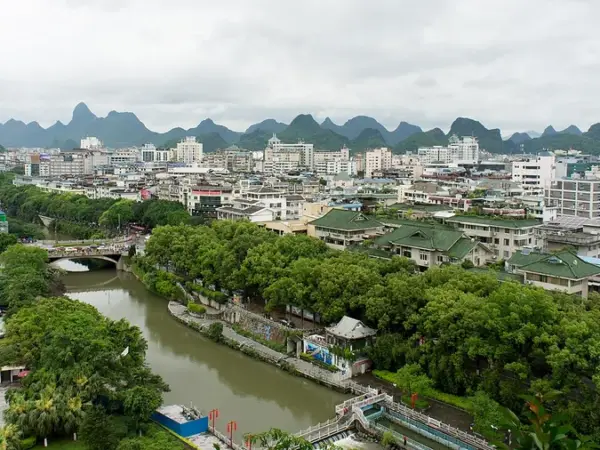
Li River cruise, Guilin
The mist clings to limestone peaks, making every photo look like a painting.
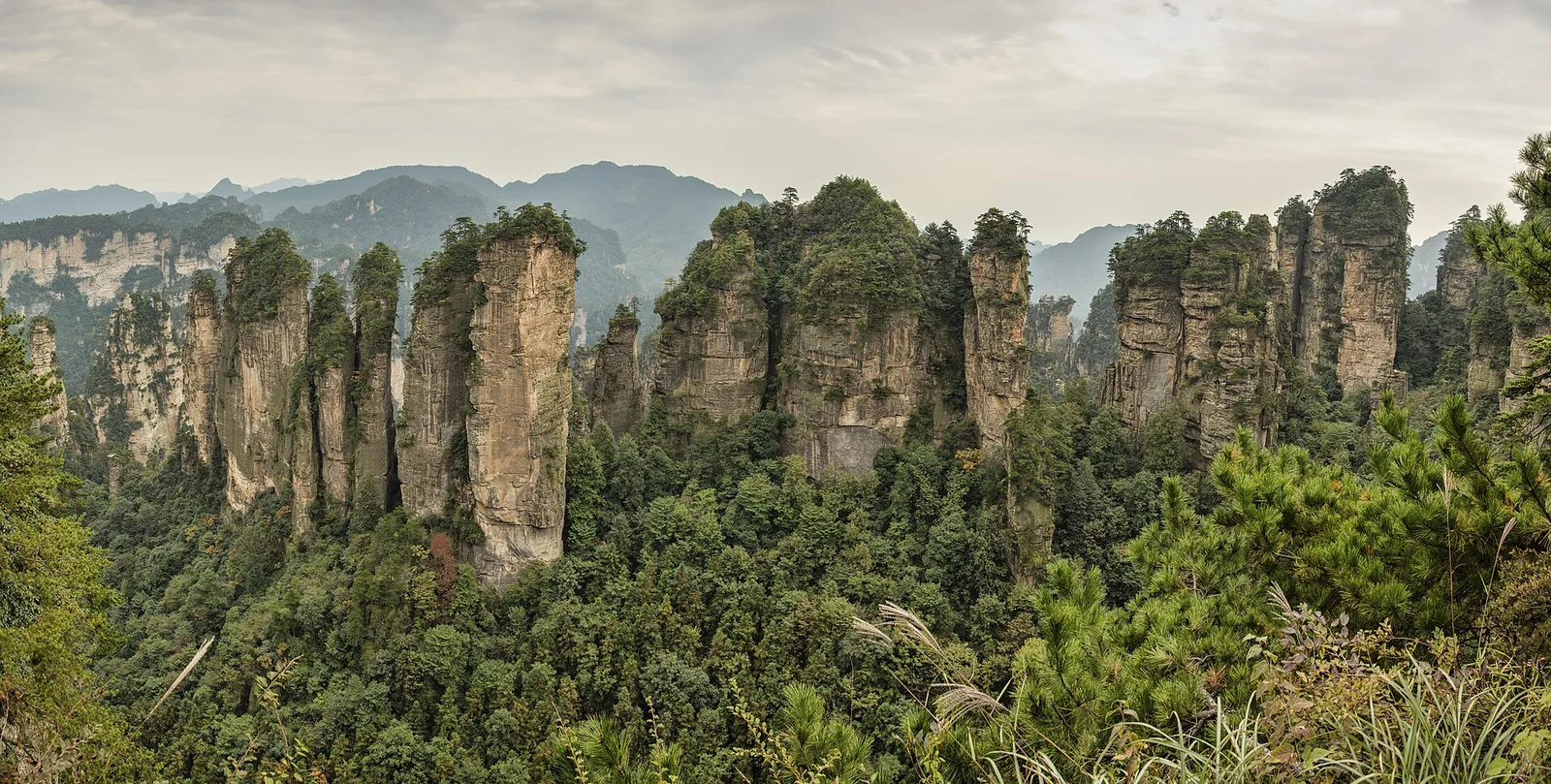
Zhangjiajie National Forest
Those soaring sandstone pillars look like the floating mountains from the movies – worth the hike.
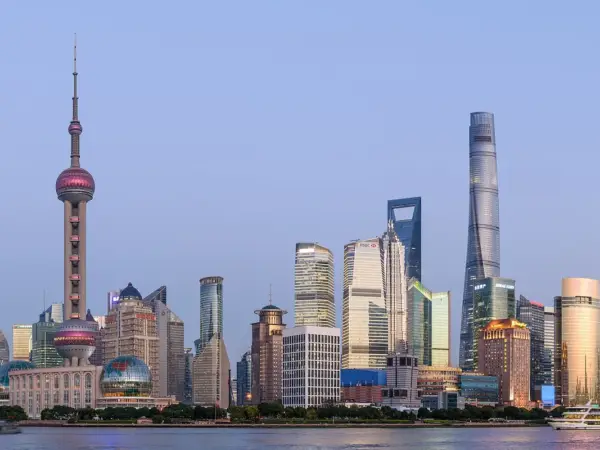
Shanghai Bund at dusk
Neon reflections ripple on the Huangpu; the city’s pulse feels tangible.
Lijiang Old Town evening walk
Cobblestones echo under lantern light while Naxi tunes drift from courtyards.
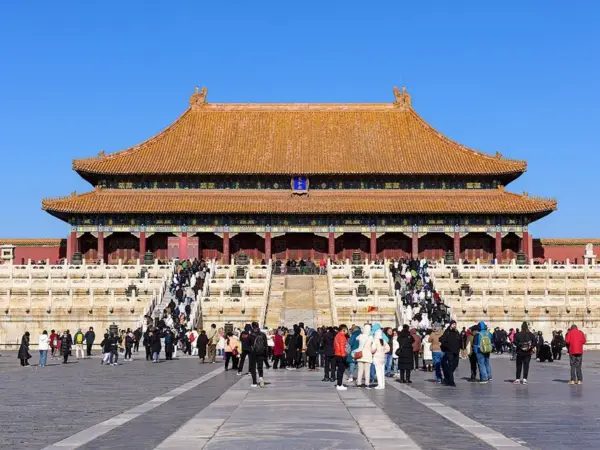
Forbidden City, Beijing
Walking the vast courtyards reminds us why imperial China still fascinates.
Jiuzhaigou Valley
Turquoise lakes and forested cliffs offer a tranquil contrast to the cities.
Chengdu tea house afternoon
We sip jasmine while locals tap mahjong tiles – a soothing glimpse of daily life.
Sunrise at Mutianyu – the stones turn gold as the day awakens.
Evening walk along the Shanghai Bund – city lights turn the river into a silver ribbon.
Late‑afternoon tea in a Chengdu tea house – watch mahjong battles while the sun mellows.
Lesser-known corners worth your time
Pingyao’s ancient walls enclose quiet courtyards where time seems to pause.
Kanas Lake in Xinjiang offers turquoise water edged by alpine forests – a photographer’s dream.
Fenghuang Ancient Town clings to cliffs, far from the big tour buses, letting you soak in local rhythm.
Where to stay
Beijing’s Dongcheng district feels like a living museum – the hutongs whisper stories, and the Forbidden City looms nearby. It’s our pick for history buffs, and budget hostels line the lanes just a stone’s throw from Tiananmen, making the nightly spend easy on the wallet. In Shanghai, the tree‑lined avenues of the French Concession host boutique hotels that whisper romance; couples will love the quiet courtyards and art‑deco facades. Guilin’s riverside guesthouses sit on the banks of the Li, offering families modest rooms with views of limestone peaks; the gentle river breeze makes the modest price feel like a splurge. We’d skip anything farther from these neighbourhoods if you want to soak up the local vibe.
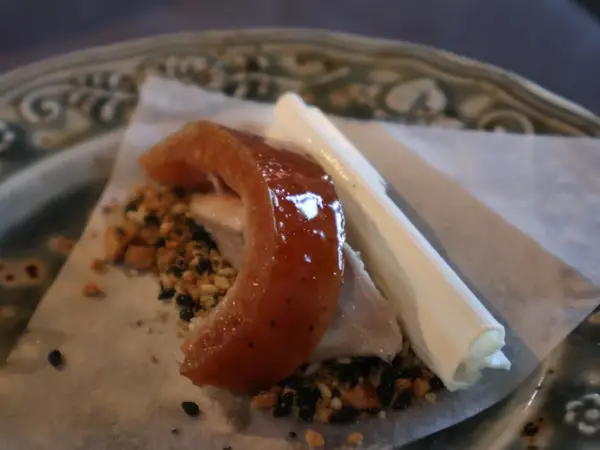
For a true taste of the capital, we recommend a courtyard eatery where the Peking duck arrives crisp‑skinned, the crackle audible as you slice through it. In Shanghai, a dim sum hall serves Xiaolongbao that burst with steaming broth at the first bite – a delight for anyone who loves a surprise. Chengdu’s market stalls fire up vegetarian hotpot, the broth scented with Sichuan pepper and fresh mushrooms, proving spice can shine without meat. Veg‑friendly travellers will find plenty of tofu‑based dishes; just ask for “no meat” in Mandarin and the cooks are happy to oblige.
Finding Indian and vegetarian food
Major metros like Beijing and Shanghai host a handful of Indian restaurants that serve familiar curries, so a taste of home isn’t hard to find. City food courts often carry vegetarian stalls – a quick fix if you’re on the move. In Guangzhou, large supermarkets stock staples such as basmati rice and paneer, letting you whip up a simple meal in your hotel kitchen. We think it’s worth scouting these spots early, especially if you’re traveling with Jain friends.
What to shop and where
Silk from Suzhou and tea from Hangzhou make our top picks, while Beijing’s jade stalls add a sparkle to any suitcase. In street bazaars the art of bargaining is a friendly dance – start low, flash a smile and watch the price melt. We’ve learned that stalls right beside the tourist magnets tend to overcharge; wander a few lanes deeper and you’ll find the same quality for a fraction.
Local SIM cards are cheap and work across the country, so we usually recommend grabbing one on arrival. ESIMs are popping up in the bigger cities, but coverage can be patchy elsewhere. Indian roaming works at airports yet quickly drains the wallet, making a data‑plan the safer bet. We rely on WeChat for payments and maps, and a VPN is essential for any blocked services.
Plugs and voltage
China plugs are Type A and Type I, running on a 220 V supply. Your Indian plug will fit the Type I sockets, but we suggest carrying a universal adapter for the occasional Type A outlet. Double‑check that your charger is rated for 220 V – otherwise you risk overheating. A small adapter kit saves space and spares you a frantic search for a compatible socket.
Packing list
We split the list by climate and activity, so you won’t overpack.
Northern evenings: a light jacket or fleece; evenings in Harbin can drop fast.
Southern days: breathable shirts and loose trousers; the heat in Hainan feels like summer all year.
Footwear: sturdy, comfortable walking shoes for the Forbidden City and for mountain trails like Zhangjiajie.
Essentials: reusable water bottle, sunscreen, and a small first‑aid kit. We find the kit saves a lot of hassle.
Travel insurance
Medical cover is non‑negotiable – big‑city hospitals accept international policies, but rural clinics may not. We always check that cancellation protection is included, because travel restrictions can pop up unexpectedly. If you’re eyeing a hike in Zhangjiajie or any adventure sport, make sure the policy explicitly mentions those activities; otherwise you’ll be left paying out of pocket.
We’ve heard too many travellers fall for strangers who promise “special tours” that end at overpriced souvenir stalls – politely decline.
Mountain roads become slick after rain, especially in the western provinces; we recommend hiring a local driver who knows the hairpin turns.
Keep photocopies of your passport separate from the original and note the public security police (gōng’ān) badge colours – light blue shirts, navy caps – in case you need assistance. Having the local police number handy can be a lifesaver if you lose something or face any untoward incident.
Do's and don'ts
Do learn a few Mandarin greetings – locals light up when you say nǐ hǎo or thank them with xièxiè. Do carry enough cash for street stalls and small shops; cards often fumble in remote markets. Don’t point your camera at military sites – it draws unwanted attention. Don’t treat traffic lights as suggestions; pedestrians usually win the right of way.
Local etiquette
When stepping into a temple, keep shoulders and knees covered – a simple scarf or long trousers works fine. Slip off shoes before entering a traditional home or an inner‑court museum; it shows respect for the space. Tipping isn’t expected, but a modest token feels nice at upscale eateries. A soft handshake, perhaps with a slight nod, is the common greeting; a gentle bow is reserved for formal occasions.
Myth: All Chinese food is fiery. Fact: Flavour ranges from the mild dim sum of Guangdong to the peppery hot pots of Sichuan. Myth: Everyone speaks English. Fact: Tourist hubs have some English, but rural towns rely on Mandarin. Myth: The Great Wall is one endless line. Fact: It’s a patchwork of restored sections and rugged stretches. Myth: China freezes everywhere in winter. Fact: The south stays mild while the north can be brutally cold.
History and culture
We think the Forbidden City in Beijing reads like a stone‑bound storybook of the Ming and Qing dynasties – every courtyard, golden tile and red wall echoing imperial power. A stroll through the Hall of Supreme Harmony feels like stepping into a living museum, where the scent of incense still lingers. In Xi’an, the ancient Silk Road relics whisper of caravans that once linked China with the Mediterranean; the terracotta warriors stand guard over those trade memories. Up in Lijiang, the Naxi musicians play melodies that have survived modernisation, their reed instruments weaving the old world into today’s streets. And in Sichuan, Buddhist temples showcase delicate stone carvings and tranquil gardens that invite quiet reflection – a reminder that spirituality still shapes daily life. Those sites are worth the time; the rest of the city can wait.
Do Indian citizens need a visa to travel to China?
Yes, Indian passport holders must obtain a visa before entering China; the process is detailed and requires all documents to be complete as of October 2026.
Can I enter China visa‑free for a short stay?
Visa‑free entry is only possible under very specific transit conditions; most travelers will need a proper visa as of October 2026.
What is the best season for autumn colours in China?
The northern and central provinces showcase their foliage in the cooler months, making late autumn the sweet spot for karst views and palace walks as of October 2026.
How many days should I allocate for a balanced trip?
A mix of city, nature and heritage sites works well in about ten days, giving enough breathing space without feeling rushed as of October 2026.
Is China safe for solo Indian women travellers?
The country is generally safe for tourists, but it’s wise to stay discreet about sensitive topics and keep personal documents secure as of October 2026.
Can I travel with kids and still enjoy the food scene?
Street snacks are delicious but can be spicy; we recommend choosing milder stalls and carrying familiar snacks for younger palates as of October 2026.
What currency should I carry and how easy is it to exchange?
The renminbi is the official currency; major airports and city banks offer exchange services, though rates fluctuate so check before you go as of October 2026.
How do I get from Delhi to Beijing most efficiently?
A direct flight from Delhi to Beijing remains the fastest route; connecting options via Gulf carriers also exist, so compare schedules before booking as of October 2026.
Are there any health precautions I should take?
Standard vaccinations are advised, and carrying a basic medical kit helps with minor stomach upsets that can happen with street food as of October 2026.
Do I need any special permits for the karst regions?
National parks like the Guilin karst area are open to tourists, but some protected zones may require an additional permit, so verify the latest rules as of October 2026.
Sources and credits
Background facts were researched from the Wikimedia pages below, used under Creative Commons Attribution-ShareAlike. This guide is an original work written and edited for BuzzyTrip; prices, visa rules and timings change, so verify before you travel.
Been here recently? Share a tip (and a photo) in the comments below and tick “This is a travel tip”. Tips are reviewed before they appear — we never show your email.