Golden Bridge
Scenic walk with mountain backdrop
Own a stay, café or cab? List your place on BuzzyTrip — free starter listing after we review.
List your placeOctober brings Hanoi’s dry autumn and the Mekong’s high-water season, while the central coast sees heavy rain. A good month for first-time Indian travellers who focus on the north and south.
Scenic walk with mountain backdrop
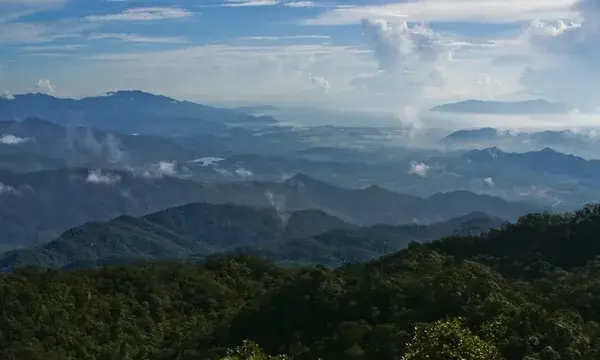
Cable‑car rides and French‑style village
Limestone islands, calm October seas
Historic lanes and street food
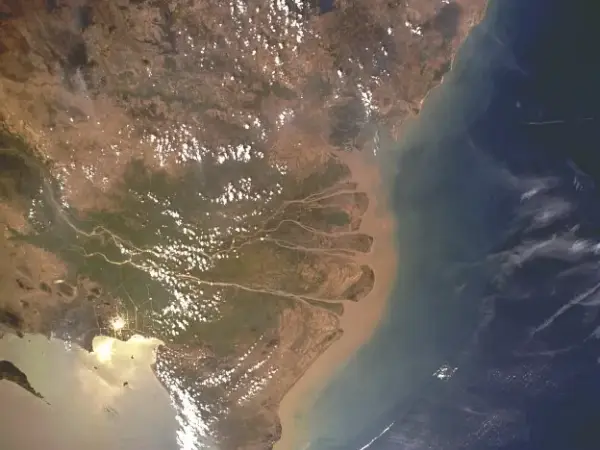
River life and floating markets
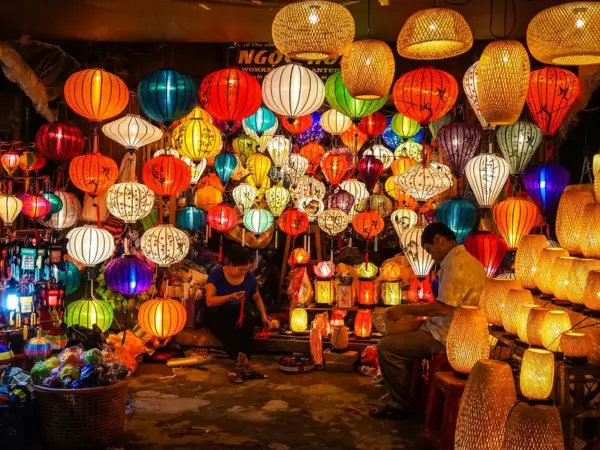
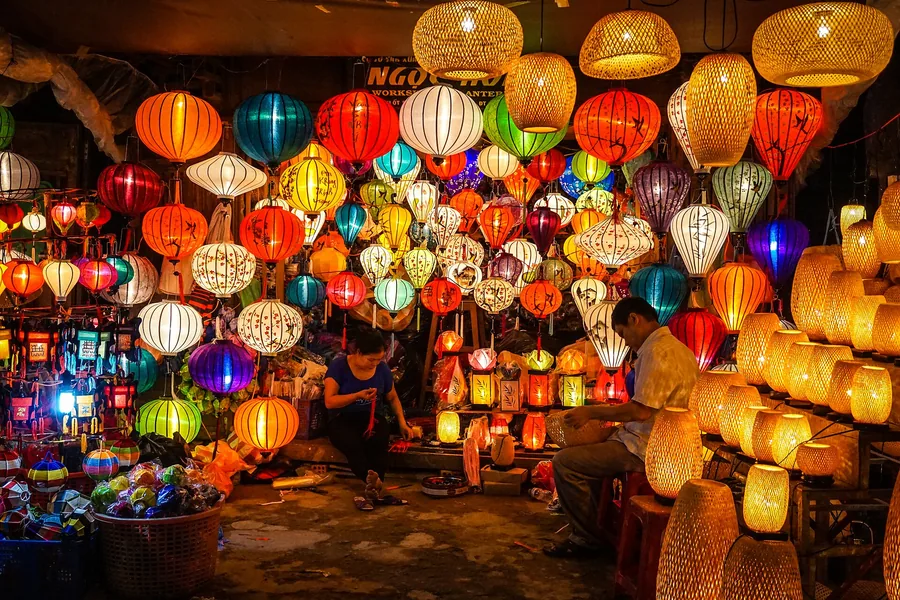
Evening stroll among lanterns
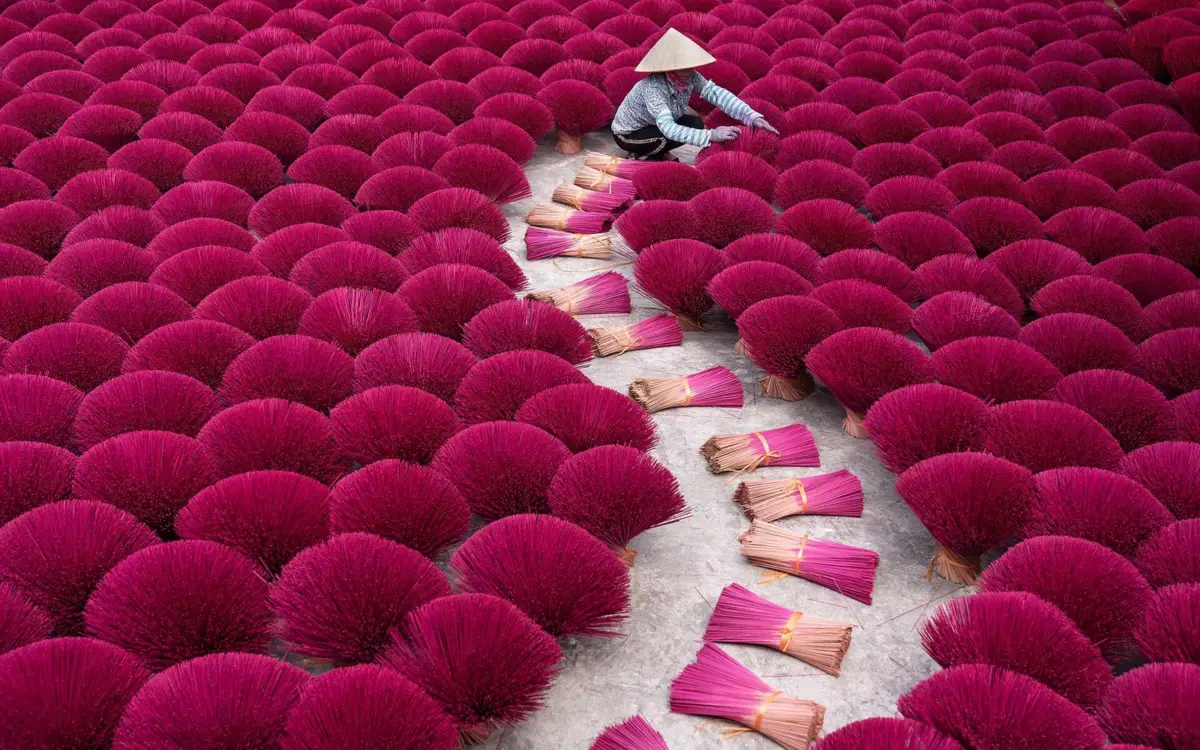
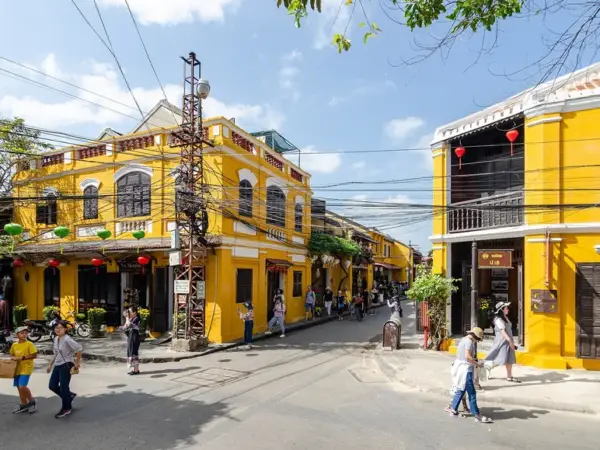
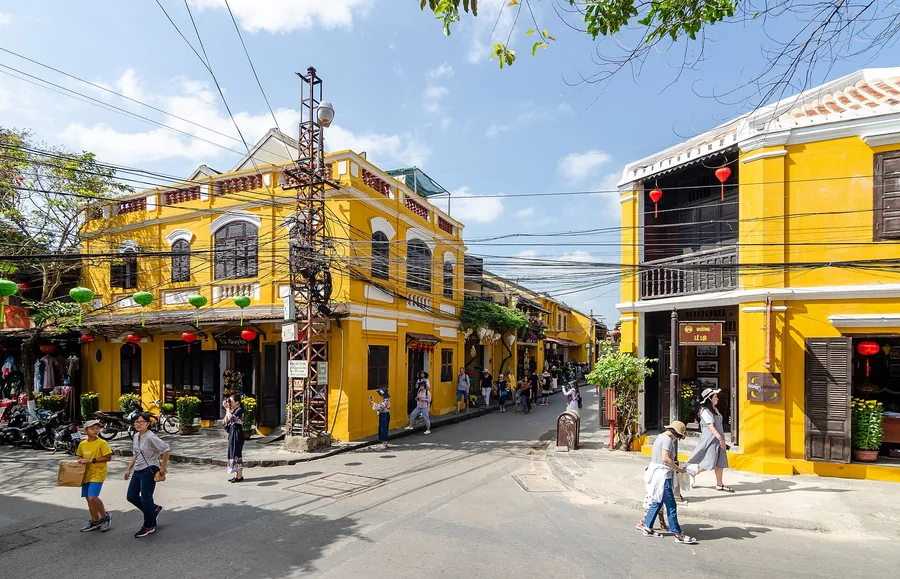
Early morning, before the crowds
Sunset over cable car
Karst islands from the boat deck
Weekend night market glow
Floating market at dawn
Night lantern reflections
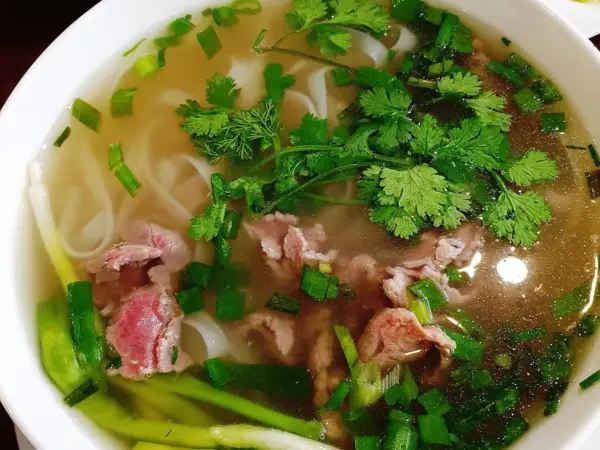
Rice‑noodle soup, beef
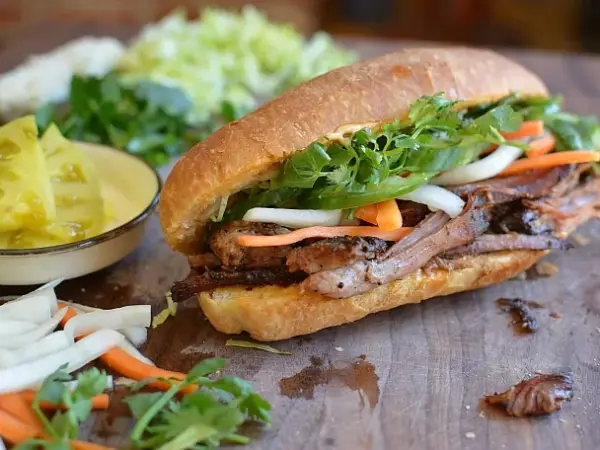
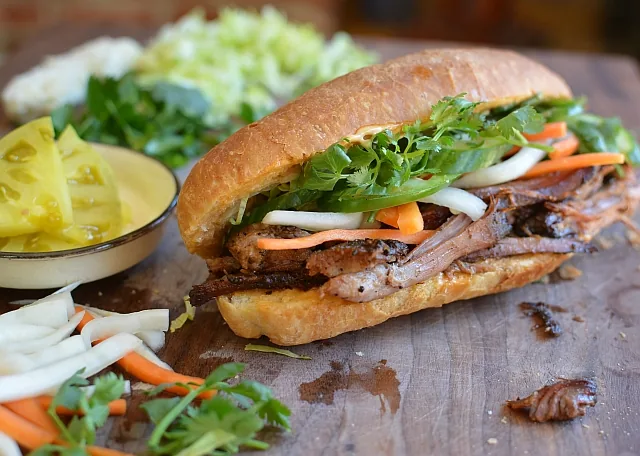
Crisp baguette, fillings
Hoi An noodles, pork
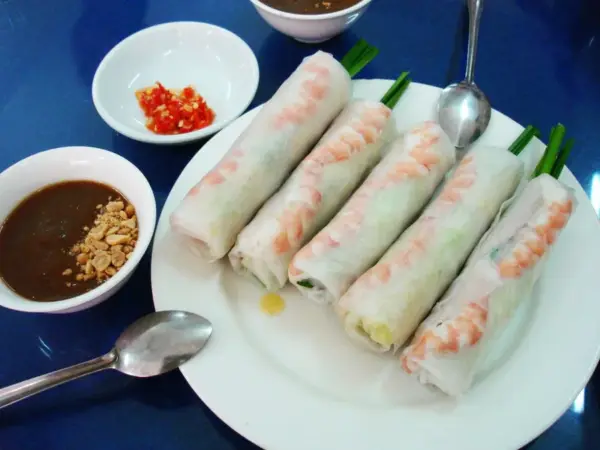
Fresh spring rolls
Grilled pork, noodles
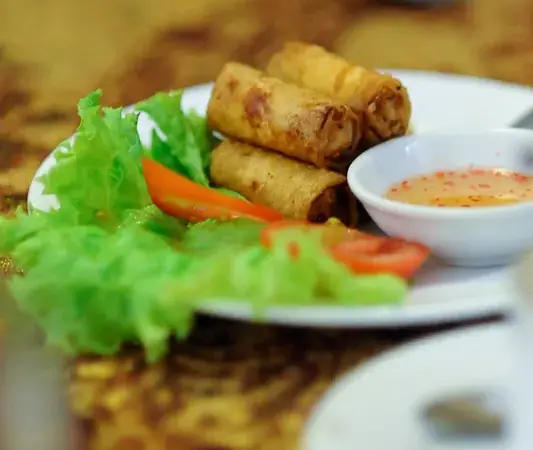
Fried spring rolls
The full guide
Vietnam stretches from the karst mountains of the far north to the rice fields and rivers of the Mekong Delta, with a long coastline in between. Families will love the variety – a boat ride through limestone caves, a water-puppet show, then a night-market feast – while couples can watch the sun set over the karsts of Ninh Bình or the lanterns of Hoi An. Indian travellers will feel at home with the busy markets and street-food stalls full of fresh herbs, chillies and noodles at pocket-friendly prices. And if you want a splurge, Da Nang, Ha Long Bay and Phú Quốc have plenty of polished resorts and cruises.
October is autumn in the north and one of the best months of the year there: Hanoi is mostly dry, with days around 26°C, Sa Pa is clear and good for trekking after the rice harvest, and Ha Long Bay is usually calm. The south is at the end of its rainy season, with short afternoon downpours that ease as the month goes on, and the Mekong Delta is in its high-water season, when the floating markets and canals are at their liveliest. The catch is the central coast: Hue, Da Nang and Hoi An get their heaviest rain and highest flood and typhoon risk in October and November, so keep any central leg flexible.
The Champa kingdom left its mark at Mỹ Sơn near Hoi An, a Hindu temple complex largely dedicated to Shiva – a link Indian travellers will notice. Hue was the seat of the Nguyễn emperors, Vietnam’s last dynasty, until 1945. French colonial rule left Ho Chi Minh City and Hanoi with wide boulevards, an opera house in each city and grand façades such as Saigon’s Central Post Office. In Hanoi, you’ll often spot older people gathering in public parks for Chinese chess, a living tradition that reflects the Confucian roots of Vietnamese social etiquette. Together these layers of empire, religion and everyday life give the country a depth that’s easy to miss if you rush.
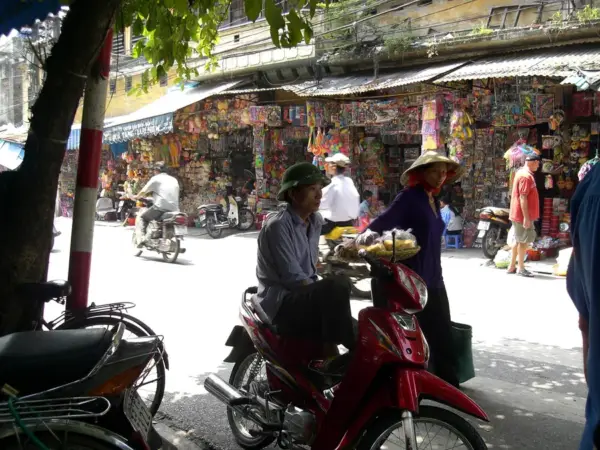
Motorbikes, grilled-pork smoke and streets still named after the goods once sold on them make Hanoi’s Old Quarter feel like a living film set. From Friday to Sunday evening the streets around Hoàn Kiếm Lake become a pedestrian zone.
Thousands of limestone islands rise from the water about 2.5 hours from Hanoi. October is usually one of the calmest months; choose a day trip or an overnight boat, and consider quieter Lan Hạ Bay.
Cái Răng near Cần Thơ is busiest from roughly 5 to 8 am, so stay overnight in Cần Thơ. October is high-water season, when the canals are full and the delta is at its greenest.
The terraces are usually harvested by early October, and the cooler, drier weather is ideal for trekking. Trails can still be muddy after rain, so hire a local guide and wear proper shoes.
The walled citadel of the Nguyễn emperors sits on the Perfume River, a few kilometres from the Thiên Mụ Pagoda. October is Hue’s wettest month, so check the forecast and keep a museum day in reserve.
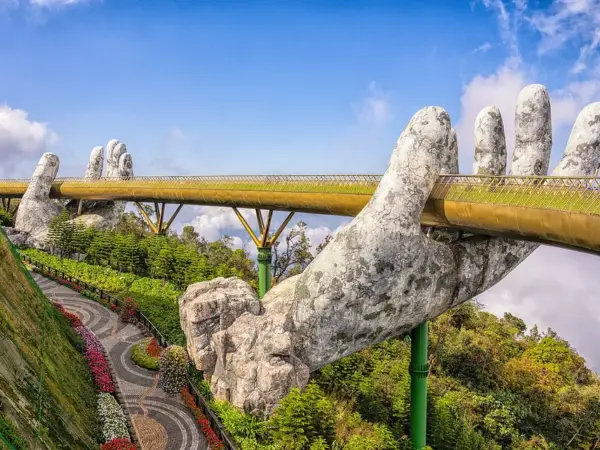
The Golden Bridge, held up by two giant stone hands, sits in the hills above Da Nang. Go early to beat the crowds, and in October expect cloud and rain to hide the views on some days.
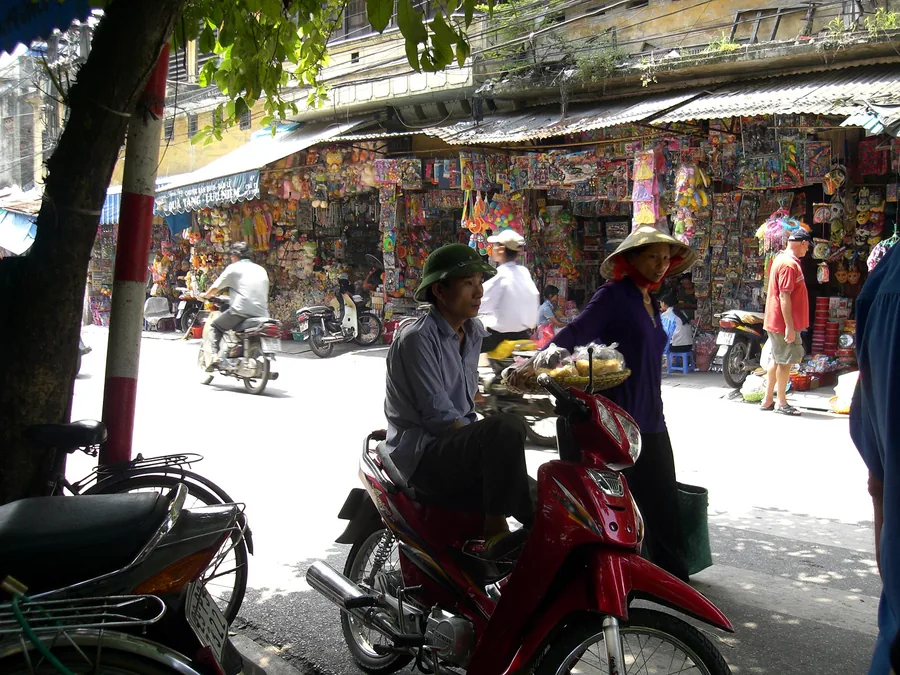
Đường Lâm, about 50 km west of Hanoi, is an old village of laterite-brick houses and communal halls that sees far fewer visitors than the Old Quarter. In Ninh Bình, the boat ride at Tràng An is calmer than busier Tam Cốc, and the climb up Hang Múa gives a sweeping view over the karsts. In the Mekong Delta, Cần Thơ’s smaller canals and orchards are a quieter alternative to day-trip hubs like Mỹ Tho.
Hoàn Kiếm Lake in the early morning, when locals gather for tai chi, dancing and badminton. The Temple of Literature, Vietnam’s first university, with courtyards of stone stelae. The weekend night market on Hàng Đào street in Hanoi’s Old Quarter, from Friday to Sunday evening, for snacks and souvenirs.
Start with a bánh mì from a street stall in Hanoi’s Old Quarter: a crisp baguette with pâté, pickles and fresh coriander. Hanoi is also the home of phở and bún chả, grilled pork with rice noodles and herbs. In Ho Chi Minh City, try cá kho tộ, fish caramelised in a clay pot, whose sweet-savoury sauce may remind you of tamarind chutney. In Hoi An, order cao lầu, the town’s chewy local noodles. Vegetarians should look for “quán chay”, vegetarian restaurants often found near pagodas, and say “tôi ăn chay” (I eat vegetarian); fish sauce goes into many dishes, so ask for “không nước mắm” (no fish sauce). Eateries on the busiest tourist lanes near big hotels tend to be overpriced.
Indian restaurants are easy to find in Ho Chi Minh City’s District 1 and around Hanoi’s Old Quarter, serving familiar curries, dal and naan, and many have vegetarian and Jain-friendly options on request. Buddhist vegetarian restaurants are common across the country, and supermarkets in the big cities stock basmati rice, lentils and spices.
Hanoi’s Hàng Gai street is known for silk scarves and embroidery, and Hoi An is famous for its tailors, who can make clothes to measure in a day or two. Vietnamese coffee and lacquerware make good gifts; Vietnam is one of the world’s biggest coffee producers. In Ho Chi Minh City, Bến Thành Market has everything from snacks to souvenirs, though prices near big hotels and tourist hubs tend to be inflated. At street stalls, bargaining is expected; start well below the quoted price, smile and enjoy the back-and-forth.
Vietnam’s weather varies a lot from north to south. The north (Hanoi, Sa Pa, Ha Long Bay) is best from October to April, though December to February can be chilly and grey. The central coast (Hue, Da Nang, Hoi An) is best from about February to August; its rainy and typhoon season runs roughly September to December, peaking in October and November. The south (Ho Chi Minh City, the Mekong Delta, Phú Quốc) is dry from about December to April and rainy from May to November. In October, plan around the north and south, and keep a central leg flexible with refundable bookings. A light rain jacket and quick-dry sandals will handle the showers.
| From | Air distance (est.) | Flight time (est.) | Best way |
|---|---|---|---|
| Delhi | ~3450 km | ~4.6 h | Fly |
| Mumbai | ~3734 km | ~5.0 h | Fly |
| Bangalore | ~3288 km | ~4.4 h | Fly |
Estimates calculated by BuzzyTrip from map coordinates; check live maps before you leave.
Most international flights land at Noi Bai (HAN) in Hanoi or Tan Son Nhat (SGN) in Ho Chi Minh City, with some routes to Da Nang and Phú Quốc. There are now direct flights from several Indian cities, taking about 4 to 5.5 hours; one-stop options via Bangkok, Singapore or Kuala Lumpur are often cheaper. There’s no practical overland route from India. All the main international airports accept e-visa holders.
Delhi has nonstop flights to Hanoi and Ho Chi Minh City on IndiGo, Air India, VietJet and Vietnam Airlines, taking about 4–4.5 hours to Hanoi and 5–5.5 hours to Ho Chi Minh City. Mumbai has direct flights to both cities, and Kolkata, Bengaluru, Hyderabad, Ahmedabad and Kochi also have direct links on some days of the week. Schedules change often, so check the airlines’ own sites for your dates. Many flights leave India late at night and land early in the morning, so plan an easy first day.
In the cities, Grab works well for cars and motorbike taxis, and Xanh SM electric taxis are common; both show the fare upfront. Domestic flights link Hanoi, Da Nang and Ho Chi Minh City in one to two hours and are usually the best way to cover long distances. Sleeper buses and the Reunification Express train are cheaper but slow – the train takes well over a day from Hanoi to Ho Chi Minh City. Renting a motorbike yourself means riding in heavy traffic and needs a licence valid in Vietnam, and travel insurers often refuse claims for unlicensed riding, so most visitors are better off with Grab.
Hanoi’s Old Quarter is packed with budget hostels and small hotels, perfect for solo travellers who want to meet other backpackers. The streets around Hoàn Kiếm Lake and the French Quarter have mid-range and luxury hotels within walking distance of the sights. In Ho Chi Minh City, District 1 is the most convenient base. Da Nang’s beachfront and Hoi An suit couples and families, though October is their rainy season. For a beach splurge later in the year, Phú Quốc island in the Gulf of Thailand, about an hour’s flight from Ho Chi Minh City, has resorts with private pools and spas.
Ideal for first-timers with just a weekend: Hanoi plus a day on Ha Long Bay.
A short northern loop: Hanoi, the karst scenery of Ninh Bình and an evening on Hoàn Kiếm Lake.
Northern Vietnam at its October best, then a hop south for a day in the Mekong Delta.
A full week from the mountains of Sa Pa and the bays of the north to a dawn floating market in the Mekong Delta.
Short transfers, boat rides and hands-on museums that keep children curious and parents relaxed.
Romantic corners, sunset viewpoints and slow dinners for a relaxed three-day escape.
Hostels, public buses and street food that keep costs low without missing the highlights.
Private transfers, a premium bay cruise and fine dining for a comfortable three days.
Indian passport holders need a visa. The simplest option is Vietnam’s e-visa, valid for up to 90 days, with single entry for US$25 or multiple entry for US$50. Apply only on the official portal (evisa.gov.vn) with a scan of your passport bio page and a photo; processing usually takes about three working days but can take longer, so apply at least a week or two ahead and carry a printout. Your passport must be valid for at least six months after arrival. Phú Quốc island allows visa-free stays of up to 30 days if you fly there directly and stay on the island. Rules change, so check the official portal before you book.
Vietnam’s currency is the đồng (VND). Cash is king in markets and small eateries, while most hotels, bigger restaurants and shops take cards. Indian rupees are hard to exchange in Vietnam, so carry some US dollars or a forex card and withdraw đồng from ATMs as needed. The rate is about ₹1 = 272 VND as of October 2026; check before you fly.
Below is a rough daily spend per person, as of October 2026, excluding international and domestic flights. Stay costs assume two people sharing a room.
| Category | Budget | Mid-range | Luxury |
|---|---|---|---|
| Stay | ₹800-₹1,500 (hostel or guesthouse) | ₹2,500-₹5,000 (3-4 star hotel) | ₹10,000-₹25,000 (5-star hotel or resort) |
| Food | ₹500-₹900 (street food, local eateries) | ₹1,000-₹2,000 (restaurants) | ₹2,500-₹5,000 (fine dining) |
| Local transport | ₹200-₹500 (buses, Grab bikes) | ₹500-₹1,200 (Grab cars, taxis) | ₹1,500-₹3,000 (private car) |
| Activities | ₹300-₹800 (museums, temples) | ₹800-₹2,000 (day tours, boat trips) | ₹2,000-₹5,000 (private guides, cruises) |
| Total per day | ≈₹1,800-₹3,700 | ≈₹4,800-₹10,200 | ≈₹16,000-₹38,000 |
Tourist SIM cards from Viettel, Vinaphone and Mobifone are sold at the airports with generous data packs, and you’ll need your passport to register one. eSIMs are widely available if your phone supports them. Free Wi-Fi is common in cafés and hotels, though it can be patchy in rural areas. Download offline maps and a translation app before you go.
Vietnam runs on 220 V at 50 Hz, close to India’s 230 V, so phone and laptop chargers work fine. Sockets are mostly Type A (two flat pins) and Type C (two round pins), with some F and G. Indian two-pin plugs usually fit Type C sockets, but three-pin plugs won’t, so pack a universal adapter, ideally one with USB ports to charge several devices at once.
When you visit a temple or pagoda, cover your shoulders and knees, and take off your shoes if others do. A handshake or a slight nod is fine when meeting people, and passing things with both hands is polite with older people. Tipping isn’t expected, but leaving some small change for good service is appreciated. A smile goes a long way in everyday interactions.
Myth: Vietnam is only street food. Fact: UNESCO-listed heritage sites and world-class museums sit alongside the stalls. Myth: Everyone speaks English. Fact: Rural towns appreciate a few Vietnamese words. Myth: It’s always hot. Fact: October mornings and evenings can be cool in the northern highlands, especially Sa Pa. Myth: Visa paperwork drags on. Fact: The e-visa is usually processed within days, making it a breeze for most Indian travellers.
Do keep a stash of small change for market stalls – the vendor will thank you for not hunting for a note. Do learn a few Vietnamese greetings; a simple “xin chào” opens doors. Do watch where you point your feet – religious statues don’t appreciate it.
Don’t rely on credit cards at street food carts; they often refuse or add a surprise surcharge. Don’t assume every ride is fair – motorbike rentals can overcharge if you haven’t nailed the price first.
Scam alert: agree on the price before any cyclo, motorbike-taxi or boat ride, or book through Grab, which shows the fare upfront. In October, heavy rain can flood parts of Hue and Hoi An and typhoons can disrupt travel on the central coast, so follow the forecast and keep bookings flexible. In Ho Chi Minh City, afternoon downpours can briefly flood low-lying streets; avoid wading through standing water.
Health tip: drink bottled or filtered water rather than tap water. Save the emergency numbers: 113 for police, 114 for fire and 115 for ambulance.
Buy a solid travel insurance policy for Vietnam. Look for medical cover that includes evacuation, since remote highland clinics have limited facilities. Check whether the policy covers motorbike riding, which usually needs a valid licence, and add trip-cancellation and delay cover, as October storms on the central coast can upend plans.
Yes. Apply online for an e-visa on the official portal (evisa.gov.vn) before you fly; it allows stays of up to 90 days.
As of October 2026, the e-visa costs US$25 for single entry and US$50 for multiple entry. Avoid unofficial websites that charge extra.
It depends on the region. October is excellent for the north (Hanoi, Sa Pa, Ha Long Bay), while the central coast is at its wettest. For a whole-country trip, February to April is the safest bet.
A week covers the north and a taste of the south without rushing, while ten days or more lets you add central Vietnam. Anything less works best if you stick to one region.
Vietnam is generally safe, with petty theft (such as bag snatching from motorbikes) the main risk in big cities. Stay in well-reviewed hotels and use Grab or reputable taxis at night.
Yes. Boat rides, water-puppet shows and museums keep children busy. Pack mosquito repellent and sun protection, and avoid the central coast if heavy rain is forecast.
Try phở, bún chả, bánh mì and fresh spring rolls. Many places do vegetable versions, and vegetarian restaurants (look for “chay”) are common; ask for no fish sauce if you’re strict.
Fly. There are direct flights from Delhi, Mumbai, Kolkata and several other Indian cities to Hanoi and Ho Chi Minh City, taking about 4 to 5.5 hours, plus one-stop options via Southeast Asian hubs.
Unexploded ordnance remains in some rural areas, especially in central provinces such as Quảng Trị. Tourist routes are safe; stick to marked paths and go with a guide if you head off the beaten track.
No. Vietnam uses the đồng, and rupees are hard to exchange there. Carry US dollars or a forex card and use ATMs for đồng.
Background facts were researched from the Wikimedia pages below, used under Creative Commons Attribution-ShareAlike. This guide is an original work written and edited for BuzzyTrip; prices, visa rules and timings change, so verify before you travel.
Photos:
Been here recently? Share a tip (and a photo) in the comments below and tick “This is a travel tip”. Tips are reviewed before they appear — we never show your email.
Short, useful travel ideas and new guides. Straight to your inbox every Friday.
Message us with your dates and budget and we’ll reply with suggestions.
Chat on WhatsApp
3 comments