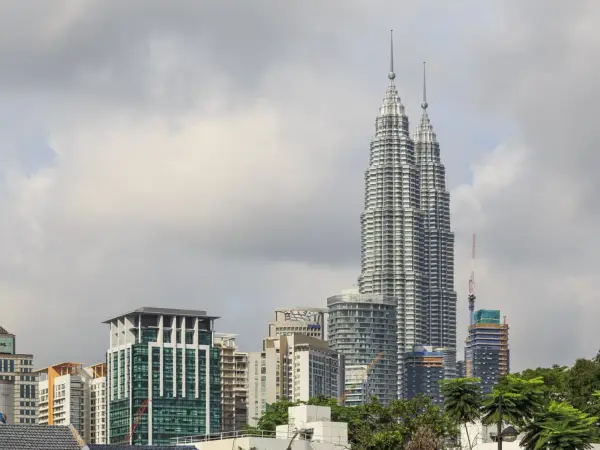
Petronas Twin Towers
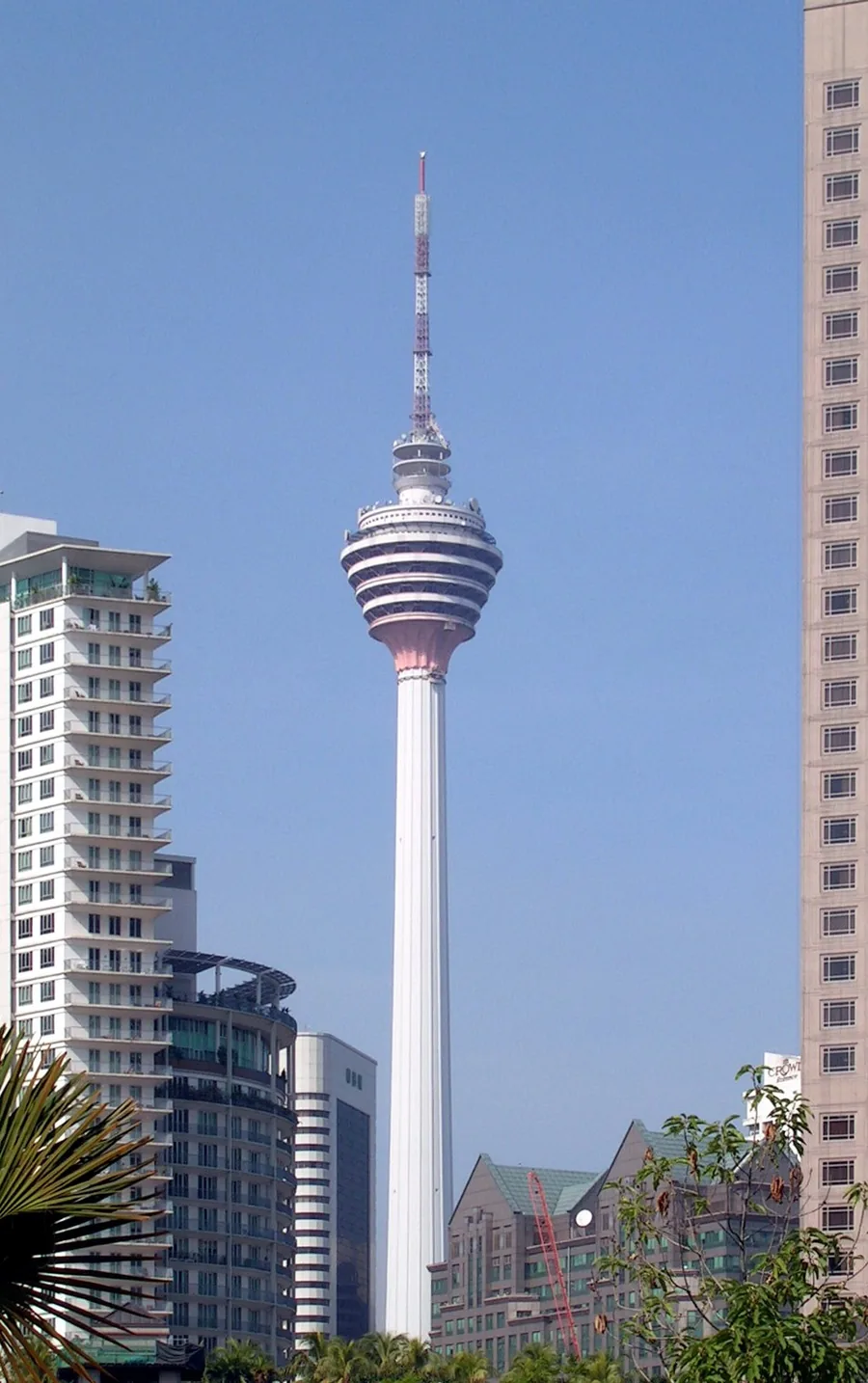
KL’s 88-floor icon
Own a stay, café or cab? List your place on BuzzyTrip — free starter listing after we review.
List your placeShort nonstop flights, visa-free entry for Indians until the end of 2026 and some of Asia’s best food. October is wet on the west coast, so plan around afternoon storms.
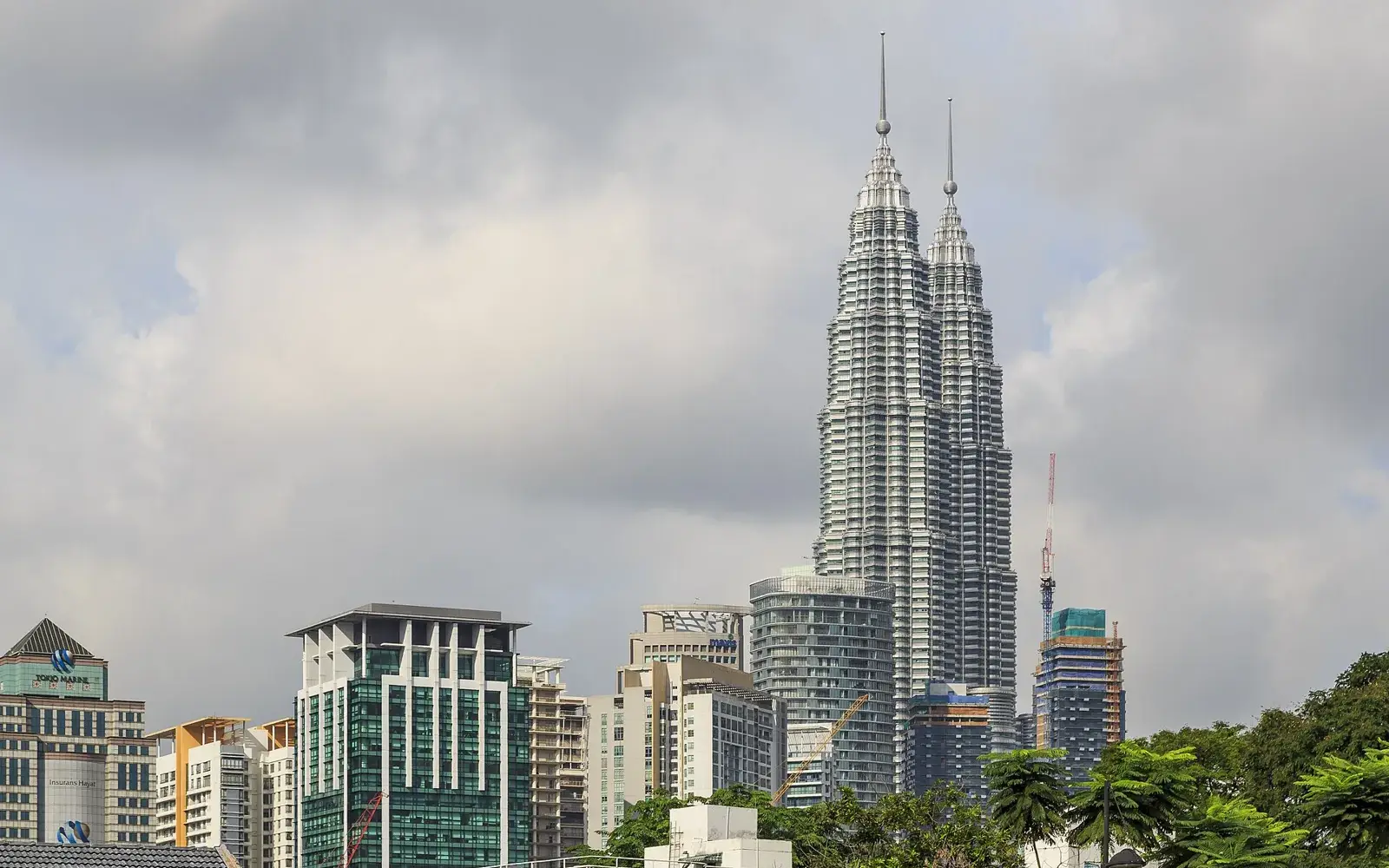
KL’s 88-floor icon
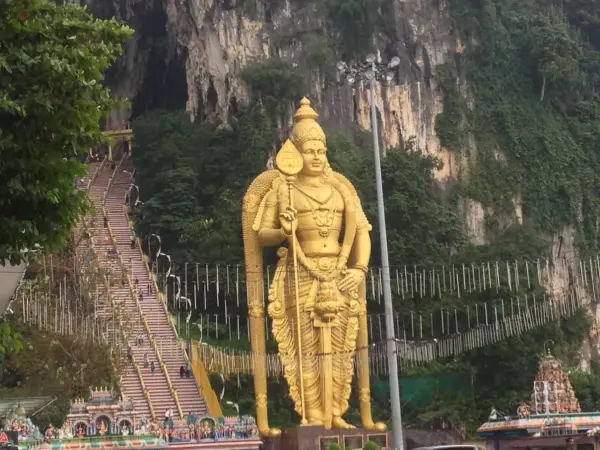
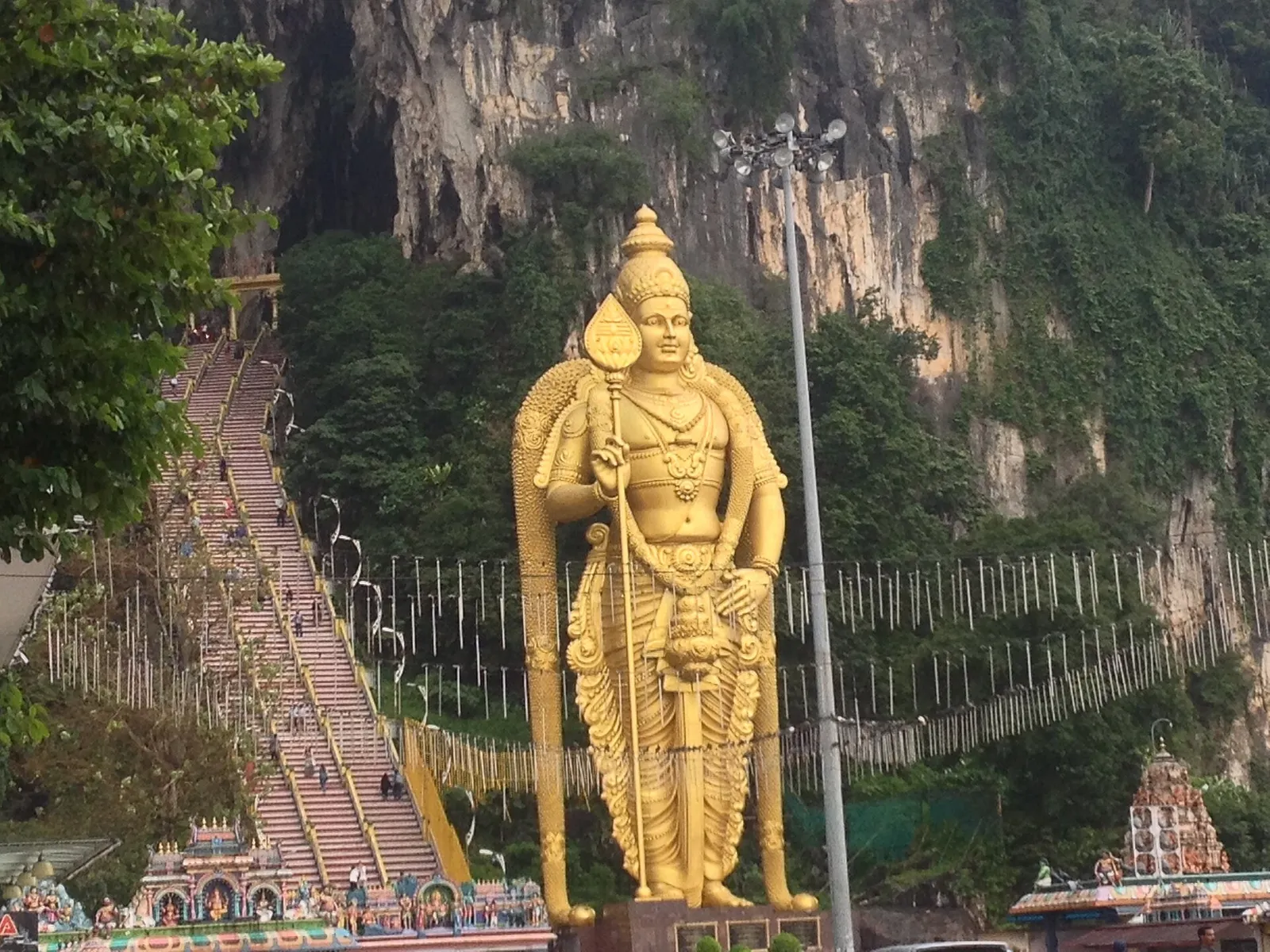
Hindu temple caves up 272 steps
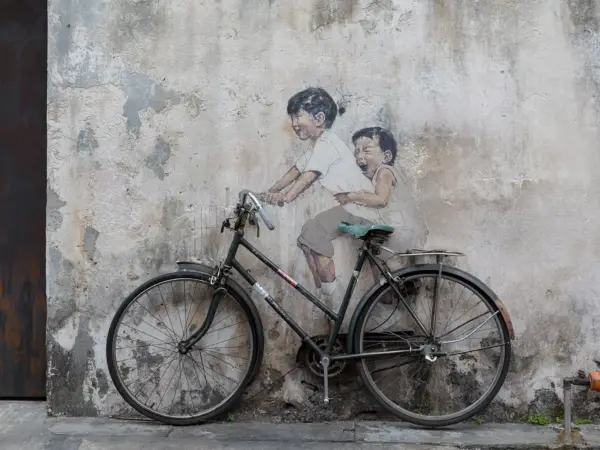
Street art and hawker food
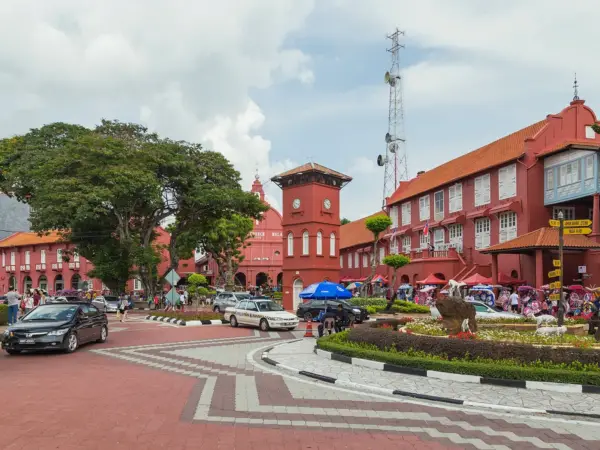
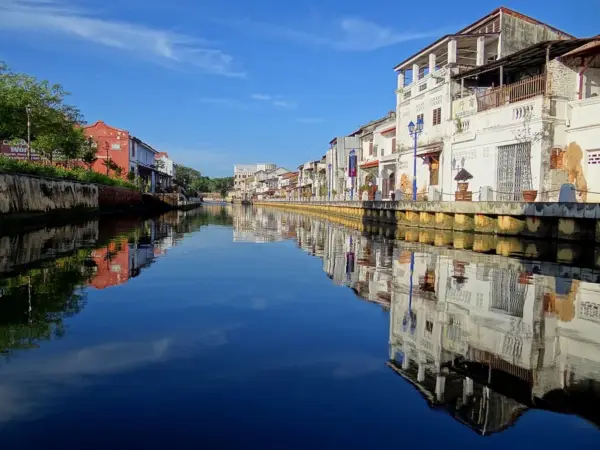
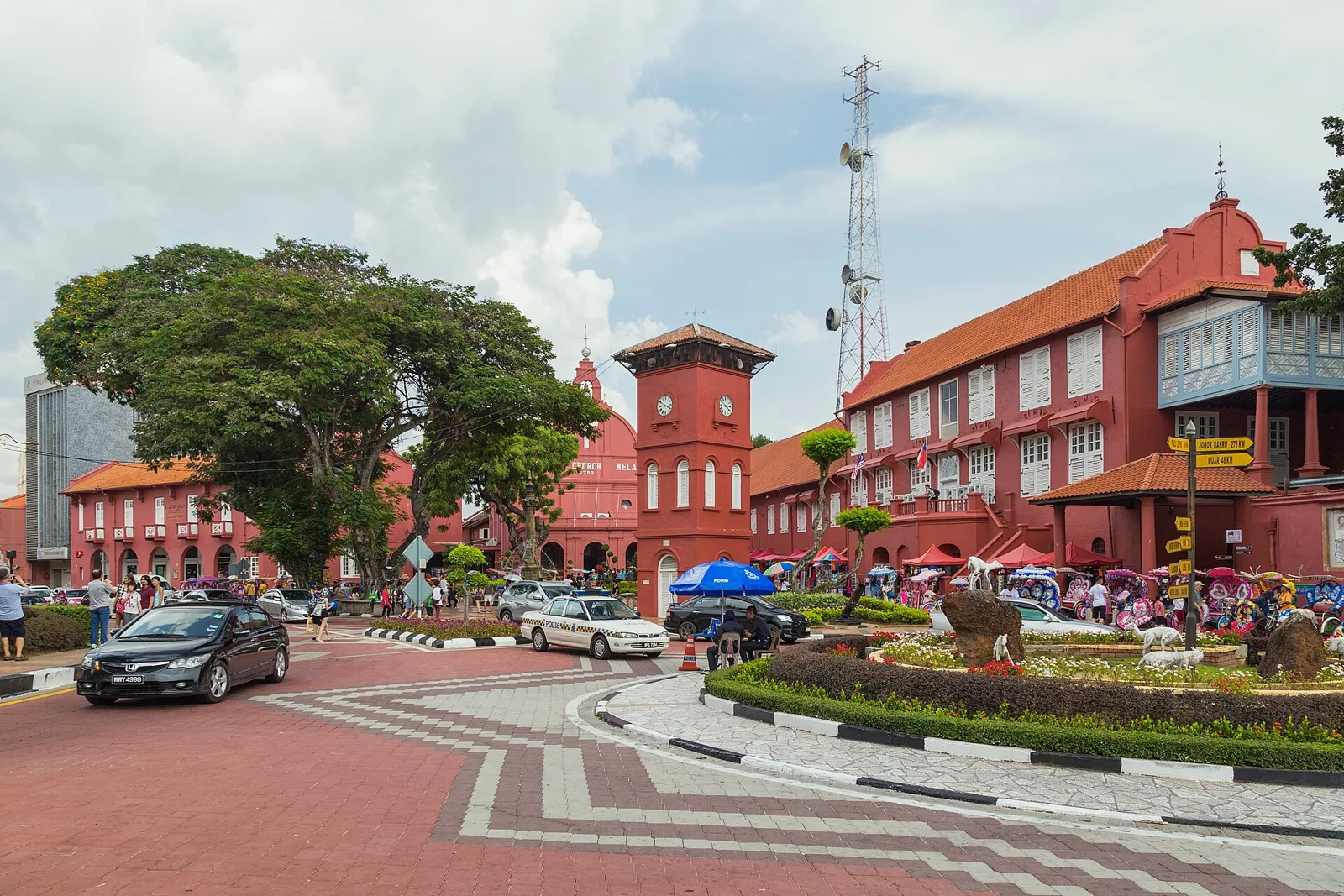
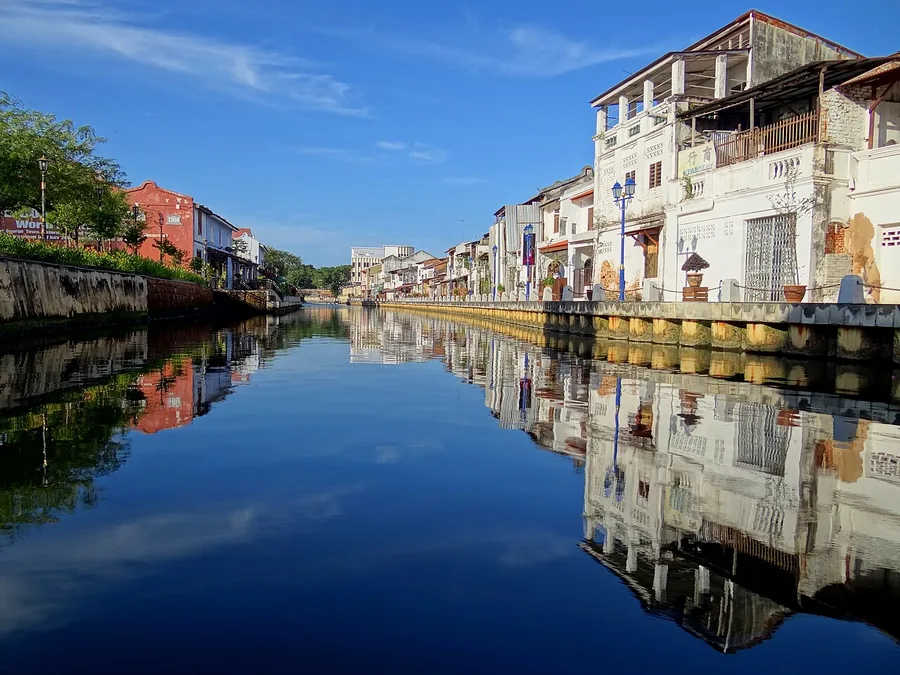
UNESCO-listed trading town
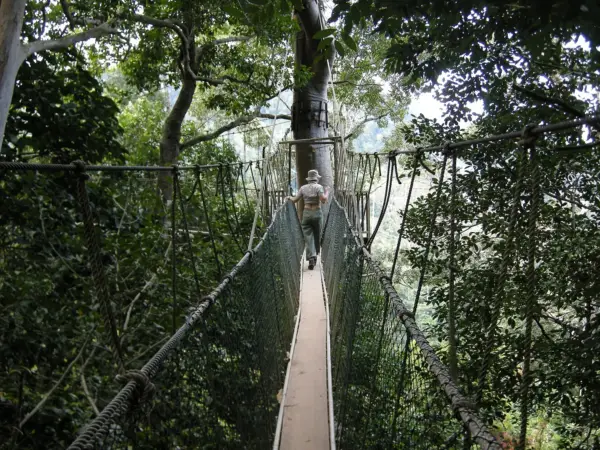
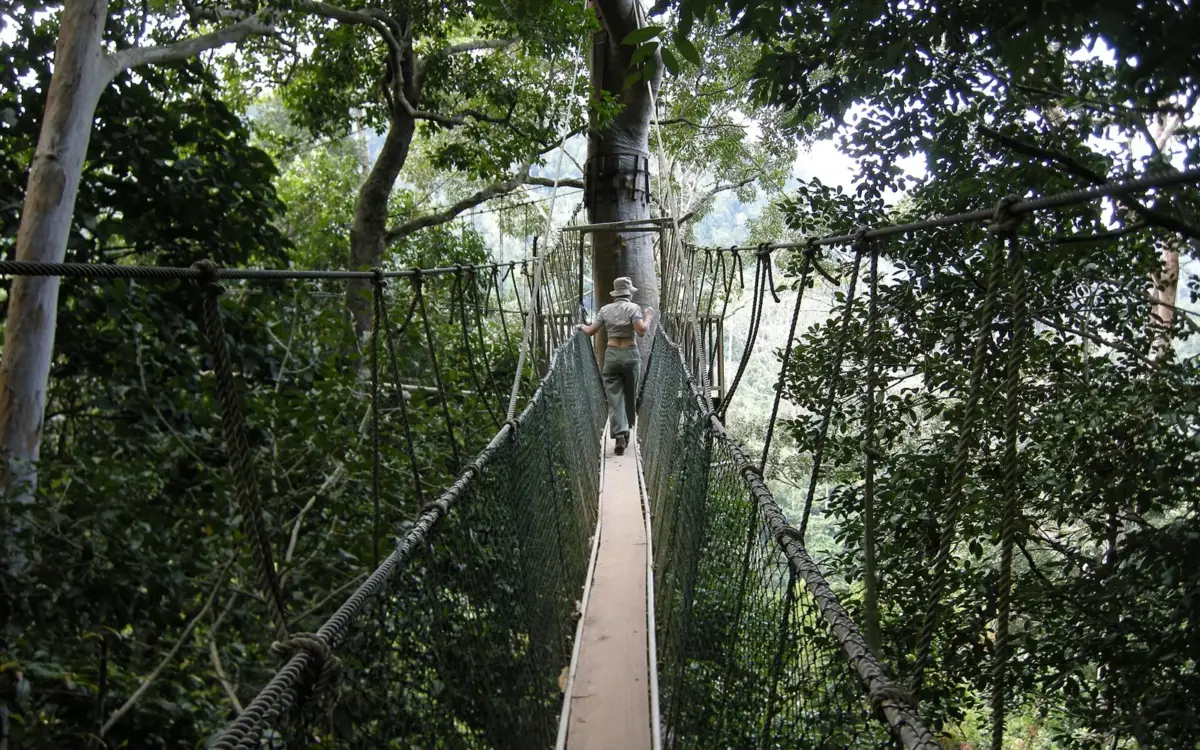
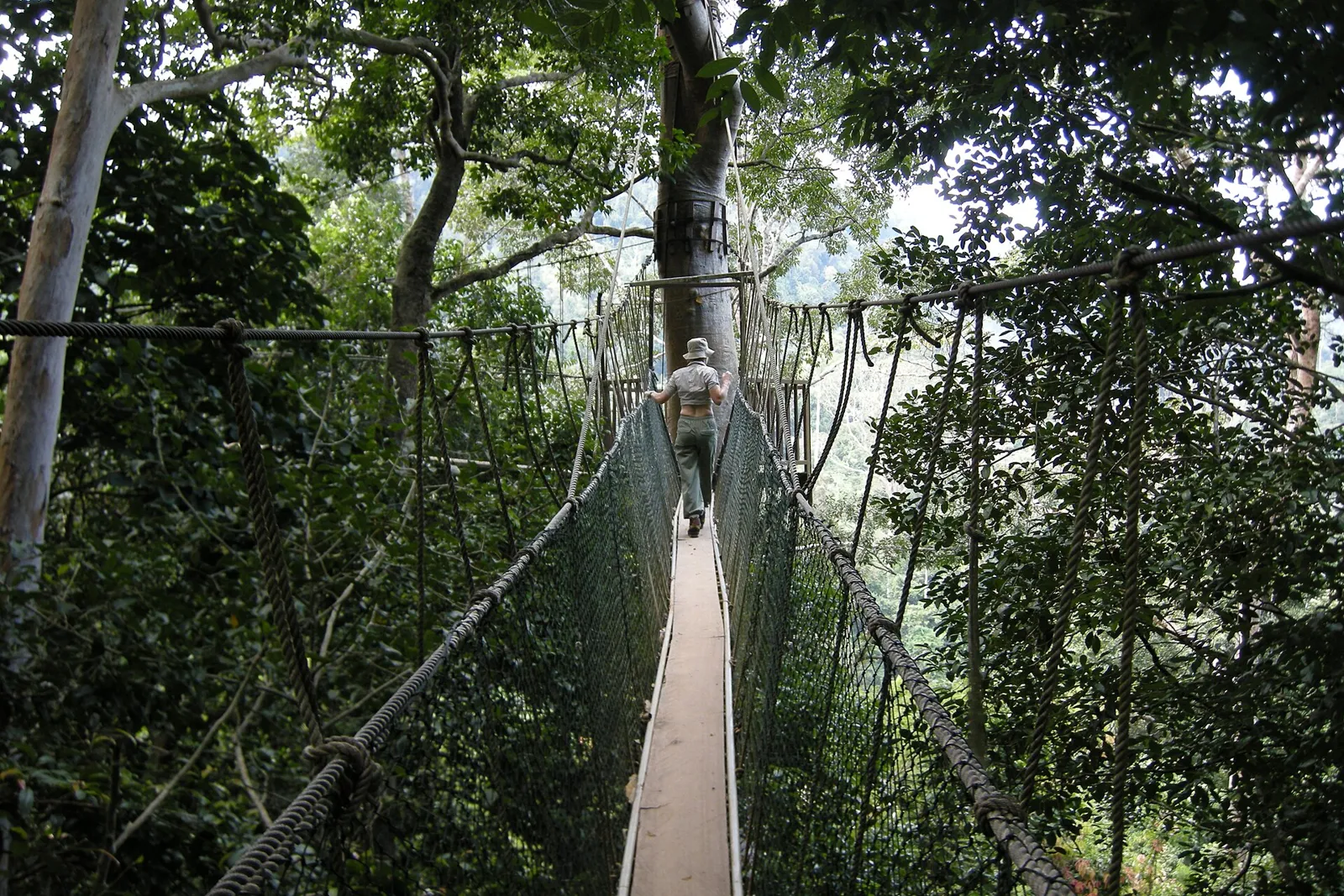
Ancient rainforest and canopy walk
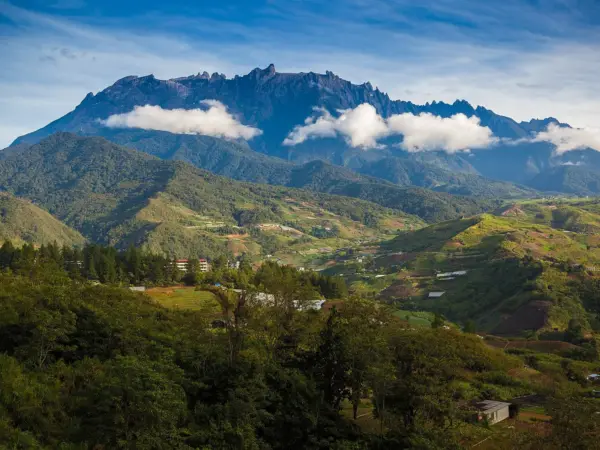
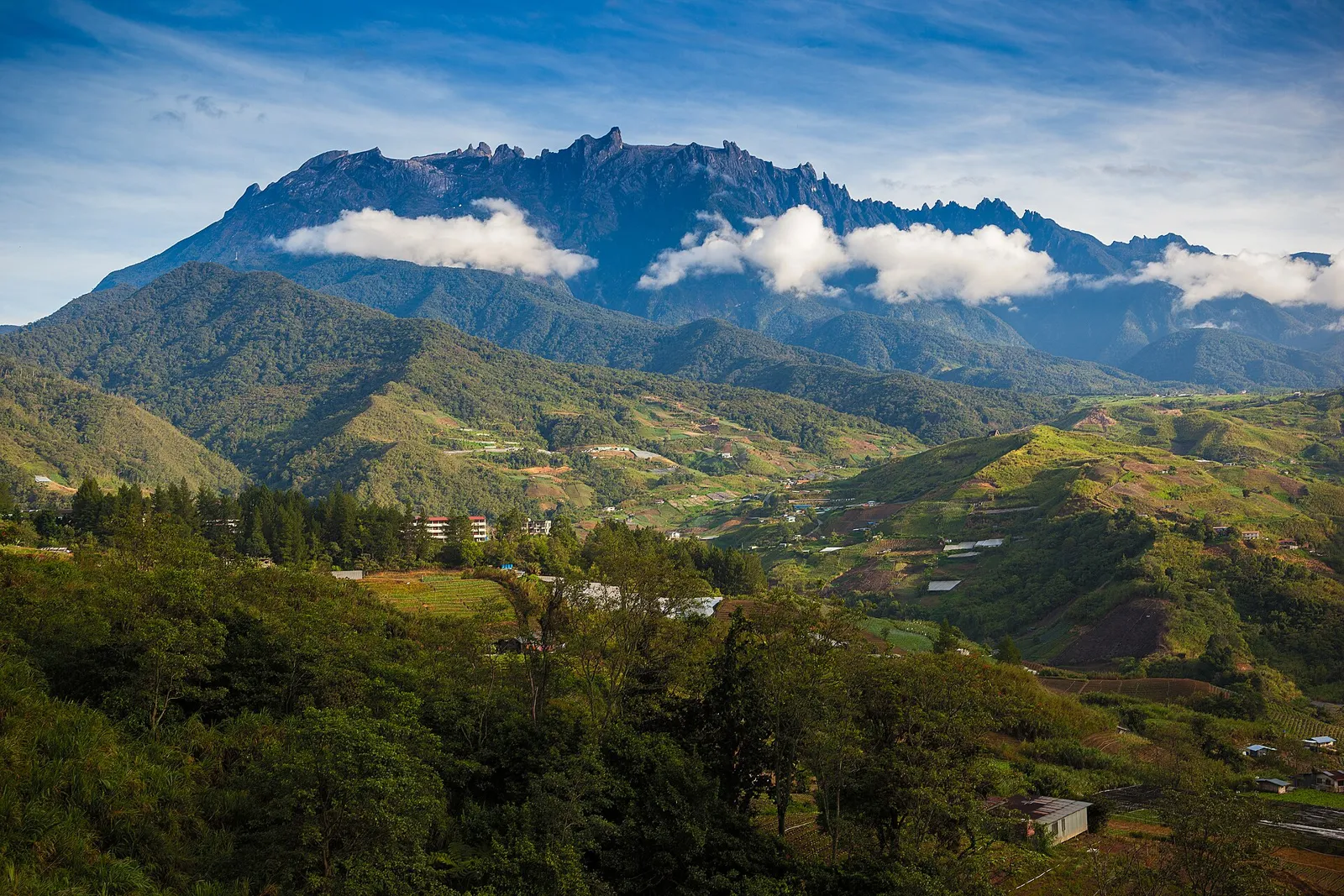
Sabah’s 4,095 m peak

The twin towers from the lake at dusk
The rainbow staircase and Murugan statue
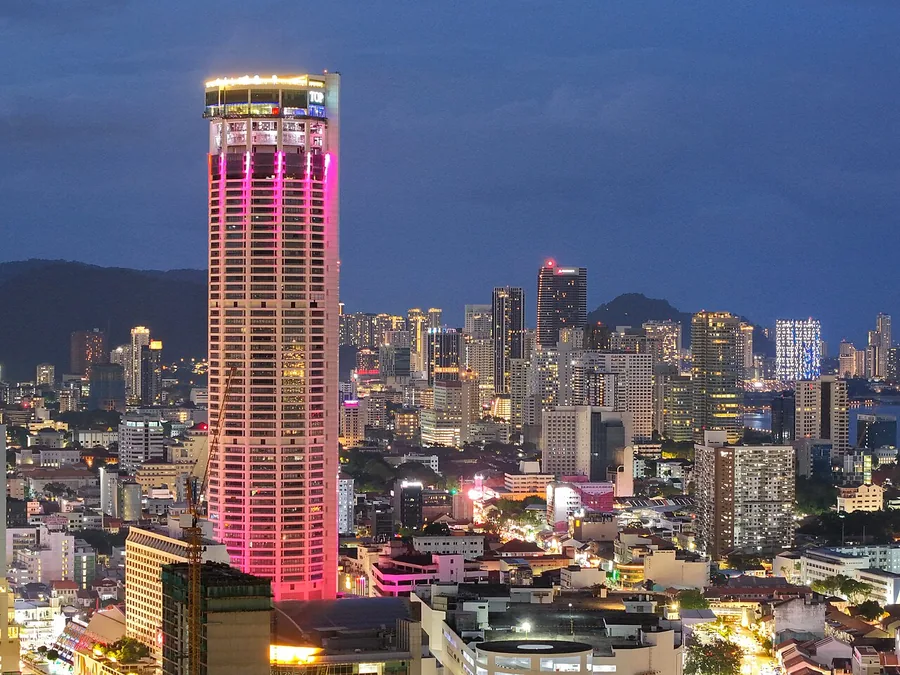
Street art and shophouses
The red Stadthuys and Christ Church
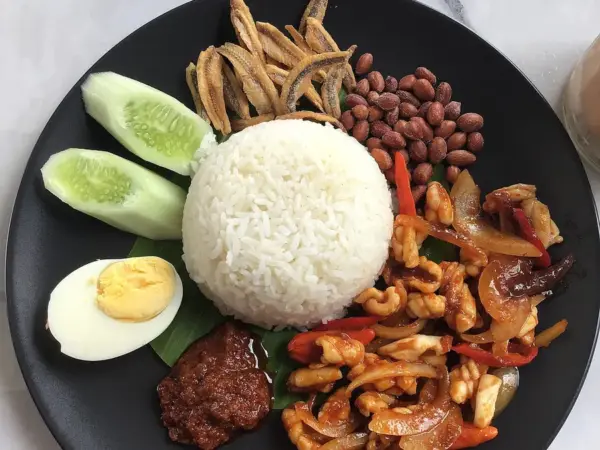
Coconut rice with sambal, egg and anchovies
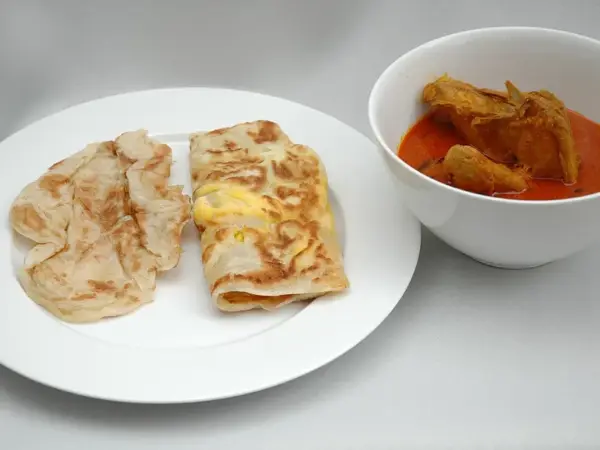
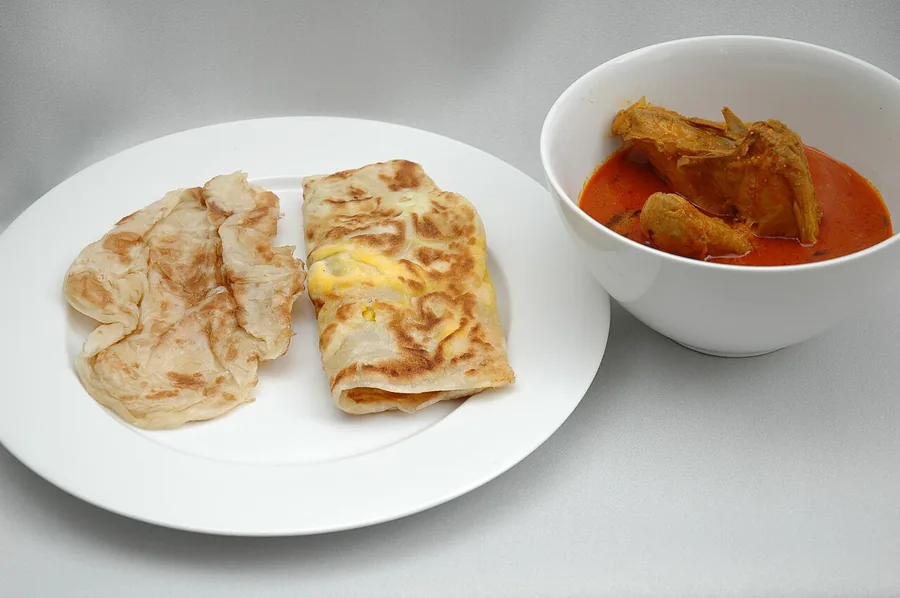
Flaky flatbread with curry at mamak stalls
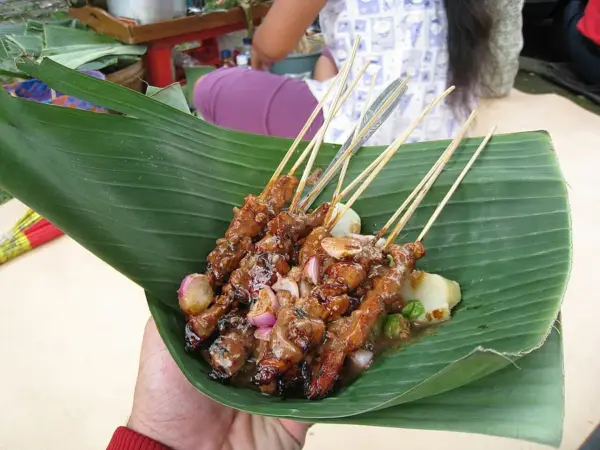
Grilled skewers with peanut sauce
Wok-fried flat noodles, a Penang favourite
Penang’s sour fish noodle soup
The full guide
Malaysia is split between the Malay Peninsula and the northern part of Borneo, with thirteen states and three federal territories. It is one of the easiest international trips from India: nonstop flights take four to six hours, Indian passport holders can currently visit visa-free, and Indian food is everywhere, thanks to a large Malaysian Indian community. In one trip we can combine Kuala Lumpur’s towers and Batu Caves, the heritage streets and hawker food of George Town in Penang and Melaka, the beaches of Langkawi, the rainforest of Taman Negara and, with a domestic flight, Mount Kinabalu in Sabah.
It suits food lovers, families, first-time international travellers and anyone who likes cities and nature in the same trip. If you are after guaranteed dry beach days, though, October is not the month, as we explain below. For another Southeast Asian option this season, see our Vietnam guide.
We will be straight about October: it is a wet month. It falls between the two monsoons, and on the west coast it usually means hot, sunny mornings and heavy afternoon or evening thunderstorms; Kuala Lumpur averages close to 284 mm of rain in October and even more in November. The upside is that cities, food, museums and caves work well in any weather, flights from India are short, and the Deepavali build-up is a great time to be in Little India in Kuala Lumpur or Penang: in 2026 Deepavali falls on Sunday 8 November. On the east coast, islands such as the Perhentians and Redang come to the end of their season in October, and many resorts close from about November to February when the northeast monsoon arrives.
Melaka was a powerful sultanate and trading port in the 15th century, then passed to the Portuguese in 1511, the Dutch in 1641 and the British in the 19th century. The British also set up Penang and Singapore, together called the Straits Settlements. Malaya became independent on 31 August 1957, and Malaysia was formed on 16 September 1963 with Sabah, Sarawak and, briefly, Singapore.
Today the country is a mix of Malay, Chinese, Indian and indigenous cultures, and you can see it in the food, the festivals and the streets. Melaka and George Town were inscribed together as a UNESCO World Heritage Site in 2008 for their multicultural trading-town architecture. Tamil is widely spoken by Malaysian Indians, and English is common in cities.
Malaysia is hot and humid all year, with highs around 32–34 °C in Kuala Lumpur, so the real question is rain. Here are the averages for KL:
| Month | Avg high | Avg low | Rain/precipitation |
|---|---|---|---|
| Jan | 32.6°C | 23.8°C | 227 mm |
| Feb | 33.3°C | 24.0°C | 193 mm |
| Mar | 33.7°C | 24.5°C | 270 mm |
| Apr | 33.7°C | 24.7°C | 302 mm |
| May | 33.6°C | 25.0°C | 230 mm |
| Jun | 33.3°C | 24.8°C | 146 mm |
| Jul | 32.8°C | 24.4°C | 165 mm |
| Aug | 32.8°C | 24.5°C | 174 mm |
| Sep | 32.7°C | 24.2°C | 220 mm |
| Oct | 32.6°C | 24.2°C | 284 mm |
| Nov | 32.3°C | 24.1°C | 356 mm |
| Dec | 32.0°C | 24.0°C | 281 mm |
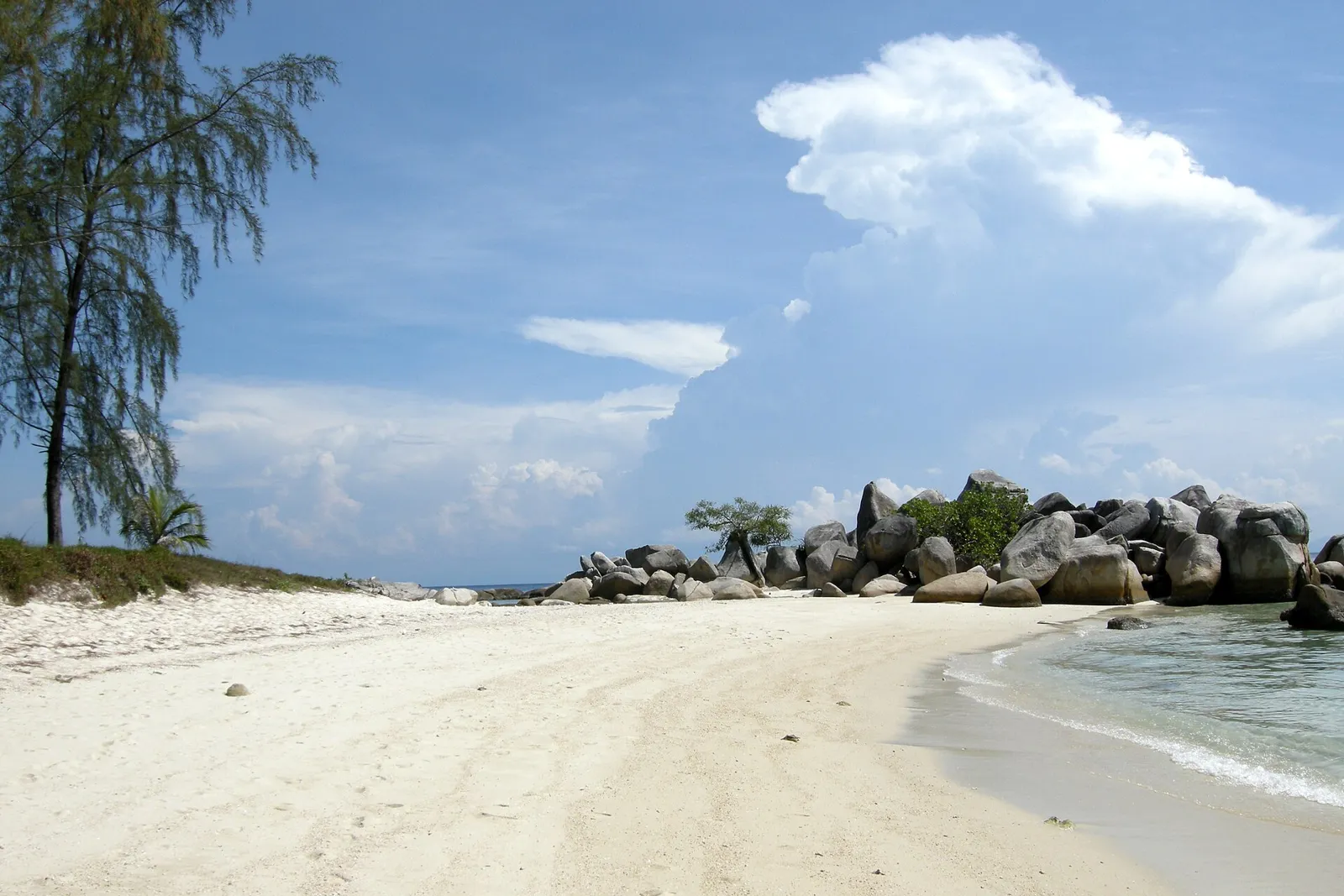
The west coast, including Kuala Lumpur, Penang and Melaka, gets rain all year, with the wettest months usually around October–November and March–April. Langkawi is wettest around September and driest from December to February, the best time for its beaches. The east coast islands, such as the Perhentians, Redang and Tioman, are best from about March to October and largely close in the northeast monsoon. In Sabah, rainfall in Kota Kinabalu peaks in October, so climbs and dives there are better planned for the drier months. For a city and food trip, any month works.
As of October 2026, Indian citizens can enter Malaysia visa-free for tourism for up to 30 days, under an exemption that runs until 31 December 2026; the stay cannot be extended. Before you fly, fill in the free Malaysia Digital Arrival Card (MDAC) online within three days of arrival. Your passport should be valid for at least six months, and you should carry your return or onward ticket, hotel bookings and proof of funds, as immigration can ask for them. If you travel after 2026, or for longer than 30 days, check the rules again on the official immigration and High Commission websites before booking.
| From | Air distance to KUL (approx.) | Typical nonstop flight |
|---|---|---|
| Delhi | ~3,880 km | ~5.5 h |
| Mumbai | ~3,630 km | ~5 h |
| Bengaluru | ~2,880 km | ~4–4.5 h |
| Chennai | ~2,630 km | ~4 h |
| Kolkata | ~2,640 km | ~4 h |
Air distances are great-circle estimates to Kuala Lumpur International Airport; flight times vary by airline and season.
Most travellers arrive at Kuala Lumpur International Airport (KLIA), about 55 km south of the city. The KLIA Ekspres train runs to KL Sentral in roughly 30 minutes; Grab cars and taxis also work. Penang also has some direct flights from India.
Malaysia Airlines, AirAsia, Batik Air and IndiGo between them fly nonstop to Kuala Lumpur from Delhi, Mumbai, Bengaluru, Chennai, Kolkata, Hyderabad, Kochi and other Indian cities, so there is no need to route via the Gulf or Singapore. Budget airlines often charge separately for checked bags and meals, so compare total fares. Fares rise in school holidays and around Deepavali, so book early for those dates.
Kuala Lumpur has a good network of LRT, MRT, Monorail and KTM Komuter trains; a Touch ’n Go card or contactless bank card works for fares. Grab is the main ride-hailing app and is widely used. For longer journeys, the ETS electric trains run from KL Sentral north to Ipoh and Butterworth, from where ferries cross to George Town, and comfortable express buses link most cities. Langkawi, Sabah and Sarawak are best reached by domestic flights, and Langkawi also has ferries from Kuala Perlis and Kuala Kedah.
The 88-floor towers have a skybridge and observation deck (book tickets ahead), and the KLCC Park fountains are free to enjoy in the evening.
A Hindu temple complex in a limestone hill north of KL, reached by 272 colourful steps and watched over by a giant gold statue of Lord Murugan. Dress modestly; shorts and short skirts are not allowed in the temple area. Watch out for the monkeys.
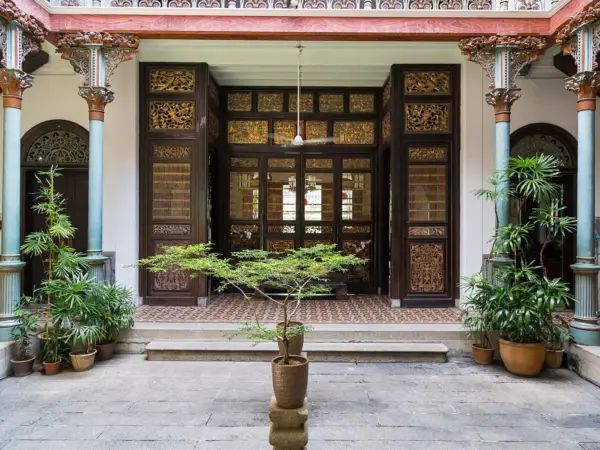
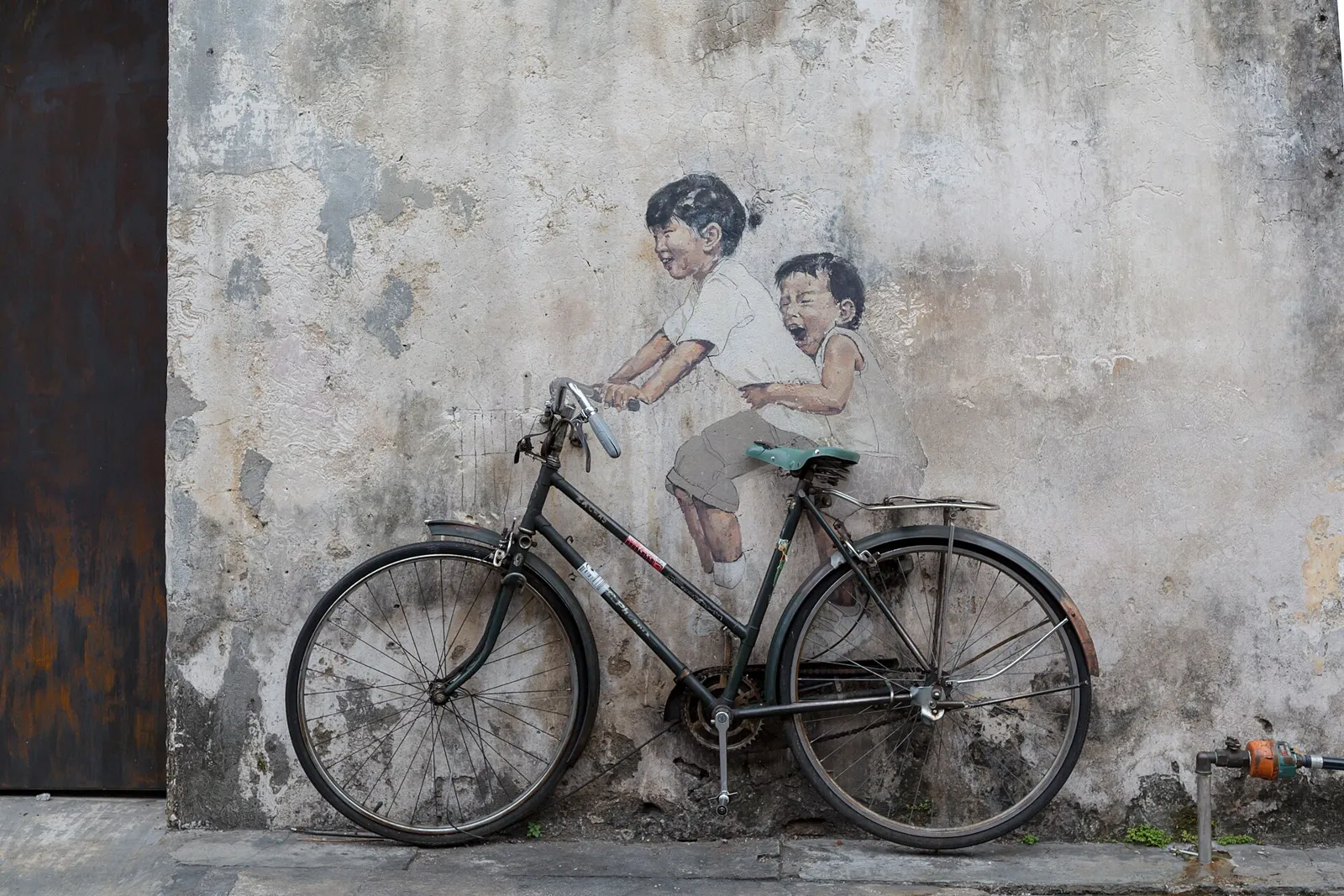
Shophouses, clan houses, temples and street art, including the famous mural of children on a bicycle, plus some of the country’s best hawker food.
The red Dutch Square, the riverside, Jonker Street and Peranakan food make an easy day or overnight trip from KL.
One of the world’s oldest rainforests, with a canopy walkway, river trips and jungle walks from Kuala Tahan. Buy the park permit when you arrive.
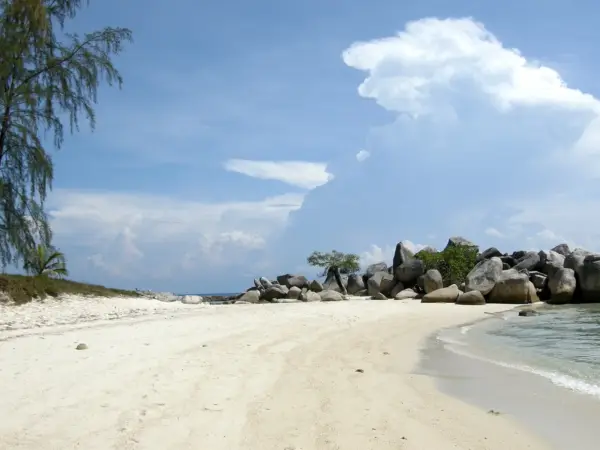
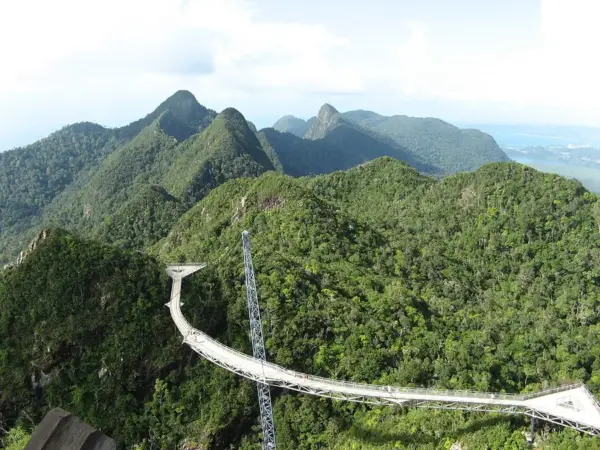
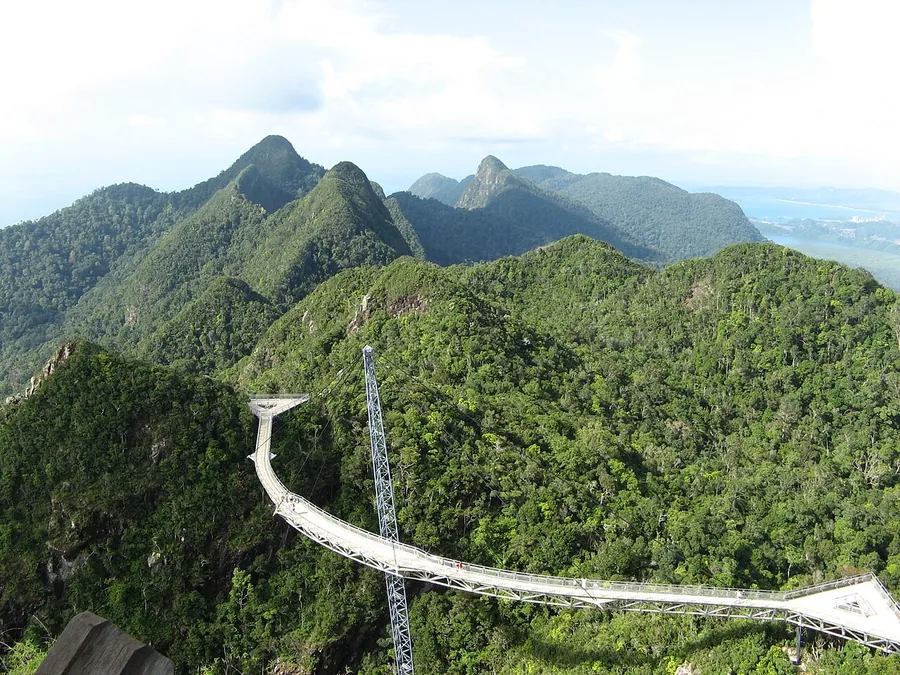
An archipelago of 99 islands with beaches, mangrove trips, duty-free shopping, the cable car and the Sky Bridge.
Sabah’s 4,095 m peak can be climbed only with a permit and licensed guide, booked well ahead. The cool highland around Kundasang is beautiful even if you do not climb.
If time is short, we would pick three: an evening at the Petronas Towers and a morning climb up Batu Caves, two days eating our way around George Town, and a day in Melaka. Everything else depends on the season and how far you want to go.
After dark, boat rides on the river near Kampung Kuantan pass mangroves lit up by fireflies, about 1.5–2 hours from KL.
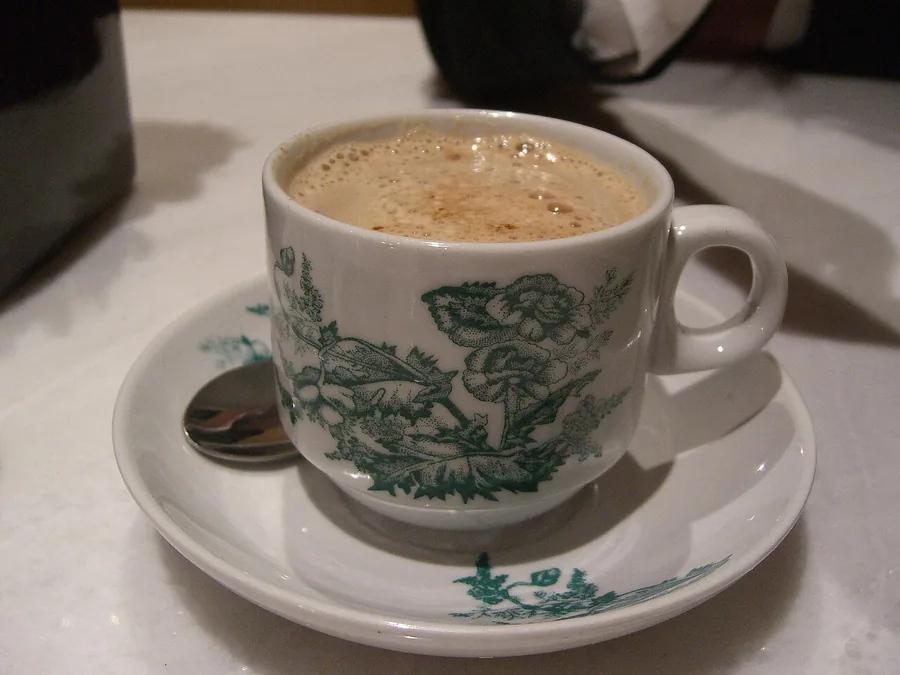
Colonial-era old town, cave temples and Ipoh white coffee, about two and a half hours from KL by ETS train.
Tea plantations and cooler weather in the hills of Pahang.
Near Ipoh, a base for white-water rafting and caving trips.
Kuala Lumpur and Melaka: the easiest first trip.
Kuala Lumpur, Ipoh and Penang by train.
KL, Penang and Langkawi, with time for rain days.
In Kuala Lumpur, Bukit Bintang is the lively shopping and street-food area, KLCC is close to the towers and parks, and Brickfields, home to KL’s Little India, is next to KL Sentral station and handy for trains to the airport. In Penang, stay inside the George Town heritage area to walk to the food and the sights, or at Batu Ferringhi for the beach. In Langkawi, Pantai Cenang has the most choice. Melaka’s heritage area around Jonker Street is ideal for one night.
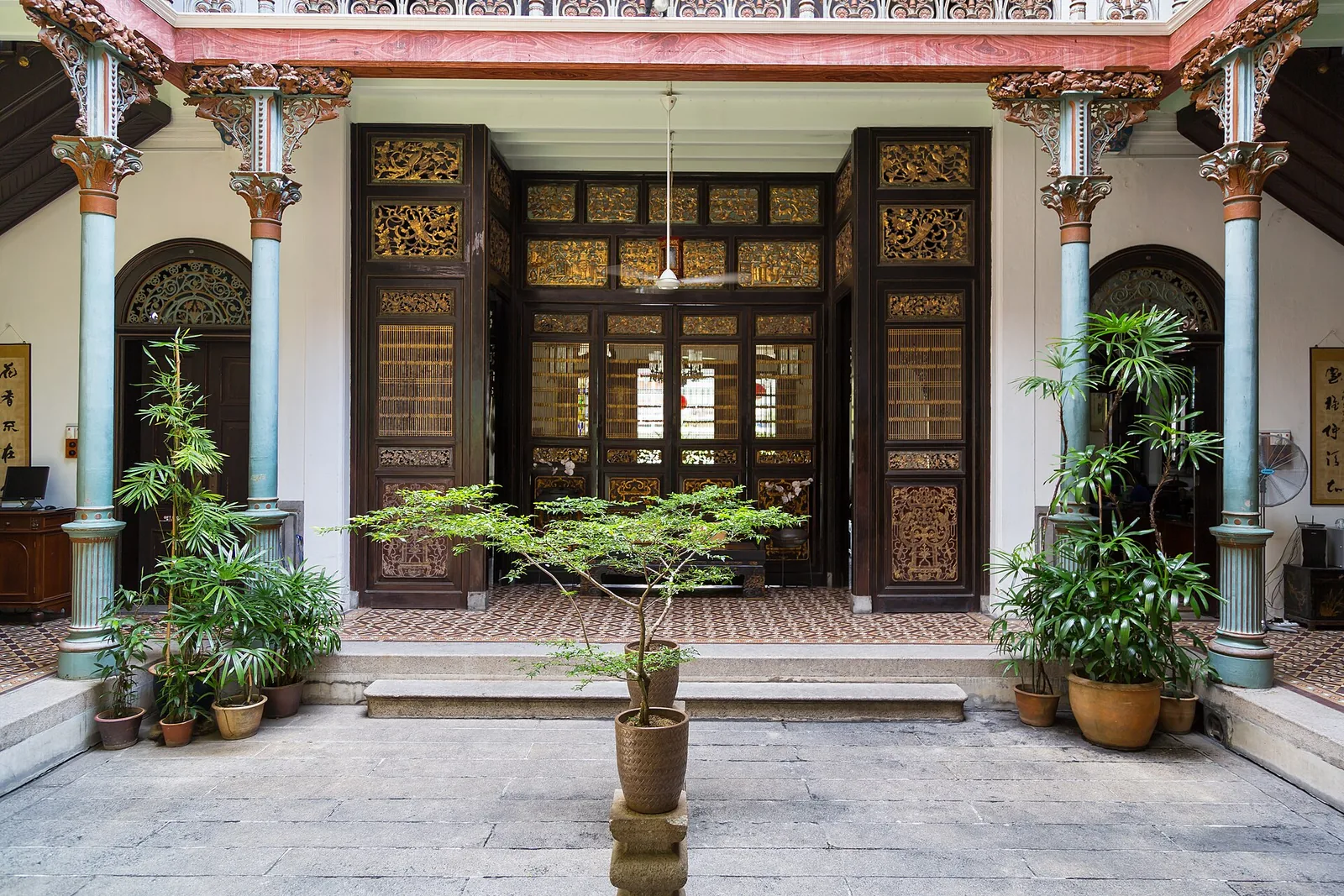
Malaysian food is one of the best reasons to go. We look for nasi lemak (coconut rice with sambal), char kway teow, Penang asam laksa, curry laksa, satay, roti canai at a mamak (Indian Muslim) stall, and banana leaf rice. In KL, Jalan Alor in Bukit Bintang is a popular food street in the evening. In Penang, hawker centres such as Gurney Drive and New Lane come alive at night. Ipoh is known for its bean sprout chicken and white coffee, and Melaka for Nyonya (Peranakan) dishes and chicken rice balls.
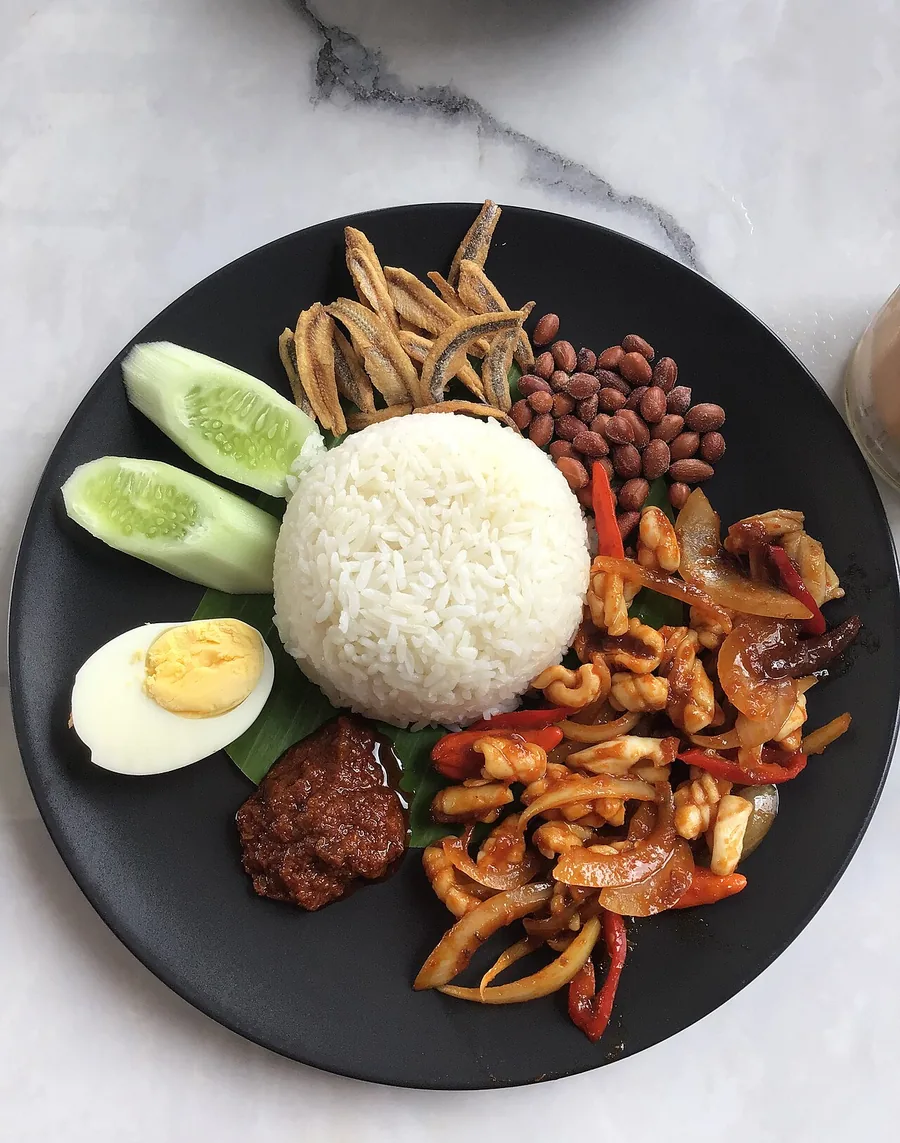
This is one of the easiest countries for Indian travellers to eat well. Brickfields and Jalan Masjid India in KL, and Little India in George Town, are full of South Indian restaurants serving banana leaf meals, dosa and thali, and mamak stalls are open late in every town. Vegetarians will also find Chinese Buddhist vegetarian restaurants. Much of the food is halal; if you avoid beef or pork, ask, since both are used in Chinese and Malay cooking.
Deepavali is a public holiday in most states (not Sarawak); in 2026 it falls on Sunday 8 November, with a replacement holiday on Monday 9 November in most of the country. Little India in KL and Penang fill with stalls and lights in the weeks before. Thaipusam, in January or February (1 February in 2026), brings huge crowds to Batu Caves. Chinese New Year (17–18 February in 2026), Hari Raya Aidilfitri at the end of Ramadan (21–22 March in 2026), National Day on 31 August and Malaysia Day on 16 September are the other big dates.
Look for batik and songket textiles, pewter, Ipoh white coffee, kaya and local chocolate. KL’s Central Market and Petaling Street are good for souvenirs, and Langkawi is a duty-free island. Bargaining is normal at street stalls, not in shops with fixed prices.
The currency is the Malaysian ringgit (MYR or RM). On 22 October 2026, 1 MYR was about ₹23.2 (European Central Bank reference rate), so RM100 is roughly ₹2,300. Cards and contactless payments are widely accepted in cities, and QR payments are common, but carry some cash for hawker stalls, markets and smaller towns. ATMs are easy to find; check your Indian bank’s foreign transaction fees before you go. Many restaurants add a 10% service charge and service tax to the bill, and tipping is not expected.
Here is a rough idea of daily costs per person, excluding international flights. These are our estimates, not quotes, so check current rates when you book.
| Budget | Mid-range | Comfort | |
|---|---|---|---|
| Stay | ₹1,500 – ₹3,000 | ₹4,000 – ₹7,000 | ₹10,000 – ₹20,000 |
| Food | ₹700 – ₹1,200 | ₹1,500 – ₹2,500 | ₹3,000 – ₹6,000 |
| Local transport | ₹300 – ₹700 | ₹800 – ₹1,500 | ₹2,000 – ₹4,000 |
| Activities | ₹300 – ₹1,000 | ₹1,500 – ₹3,000 | ₹4,000 – ₹8,000 |
| Total per day | ₹2,800 – ₹5,900 | ₹7,800 – ₹14,000 | ₹19,000 – ₹38,000 |
Hawker food keeps meal costs low anywhere in the country; islands, Sabah and guided activities are where budgets climb.
Prepaid tourist SIMs from operators such as Maxis (Hotlink), CelcomDigi and U Mobile are sold at KLIA and in malls, and you need your passport to register. Many travellers use an international eSIM instead. Wi-Fi is common in hotels, cafés and malls. Indian roaming packs work but compare prices first.
Malaysia uses Type G sockets, the three square-pin British type, at 240 V and 50 Hz. Indian plugs, round-pin Type C, D and M, do not fit, so bring an adapter. Most phone and laptop chargers handle 240 V without a converter.
Malaysia is generally safe for visitors. Use Grab or metered taxis rather than touts at the airport and bus stations, and watch for bag snatching on busy streets in KL. Drug laws are extremely strict, with severe penalties including the death penalty for trafficking, so never carry anything for anyone. In October, check weather and sea conditions before boat trips and jungle treks, and avoid rivers and waterfalls after heavy rain. The emergency number is 999 (112 also works from mobiles).
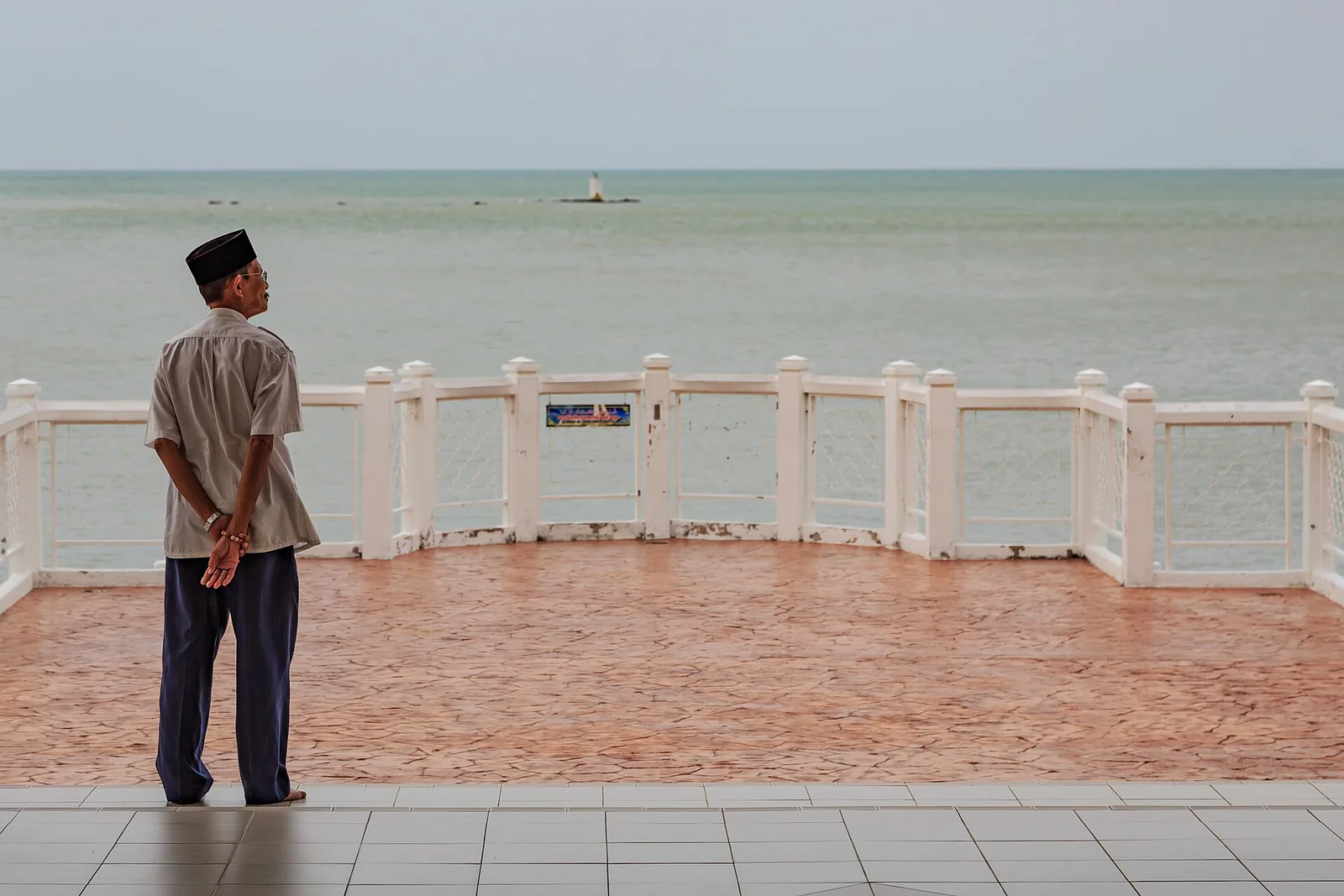
Malaysia is a Muslim-majority, multicultural country, and people are friendly and fairly conservative. Take off your shoes before entering homes, mosques and temples, and dress modestly away from the beach. Public displays of affection are frowned upon. A simple “terima kasih” (thank you) goes a long way.
Myth: Indians need a visa for Malaysia. Fact: As of October 2026, Indian citizens can visit visa-free for up to 30 days until 31 December 2026, with an MDAC filed before arrival.
Myth: October is dry season. Fact: It is one of the wettest months on the west coast, with afternoon storms; Langkawi’s beach season starts around December.
Myth: You need to fly via Singapore or the Gulf. Fact: There are nonstop flights from most Indian metros.

Insurance is not required for visa-free entry, but we strongly recommend it. Make sure it covers medical treatment, trip delays from storms and any adventure activities, such as diving, rafting or climbing Kinabalu.
Not for now. As of October 2026, Indian passport holders can visit visa-free for tourism for up to 30 days, until 31 December 2026. Fill in the Malaysia Digital Arrival Card online within three days before arrival, and carry an onward ticket and proof of funds.
It is good for cities, food and culture, but it is a wet month on the west coast, with afternoon thunderstorms. For beaches, Langkawi is best from December to February, and the east coast islands from about March to October.
About four to five and a half hours nonstop, depending on the city. There are direct flights to Kuala Lumpur from most Indian metros.
The Malaysian ringgit (MYR). On 22 October 2026, 1 MYR was about ₹23.2.
No. Malaysia uses Type G three square-pin sockets at 240 V, so bring an adapter.
Very easy. Brickfields and Jalan Masjid India in KL and Little India in Penang have many South Indian restaurants, and mamak stalls are everywhere.
Five days covers KL and Melaka or Penang; seven to ten days lets you add Langkawi, the Cameron Highlands or Taman Negara, and Sabah needs extra days.
Yes. Public transport, food and hotels are easy, and the Petronas Towers, Batu Caves, aquariums and beaches work for children. Watch the heat and plan indoor afternoons.
Tipping is not expected. Many restaurants add a 10% service charge plus tax.
Sunday 8 November 2026, with a replacement public holiday on Monday 9 November in most states.
We researched background facts from the pages below (Wikimedia text is used under Creative Commons Attribution-ShareAlike) and checked them against official sources where we could. This guide is our own work; prices, visa rules and timings change, so verify before you travel.
Photos:
Been here recently? Share a tip (and a photo) in the comments below and tick “This is a travel tip”. Tips are reviewed before they appear — we never show your email.
Short, useful travel ideas and new guides. Straight to your inbox every Friday.
Message us with your dates and budget and we’ll reply with suggestions.
Chat on WhatsApp
3 comments