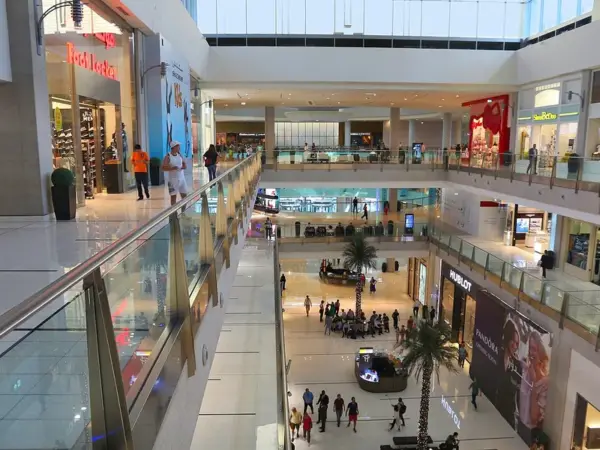
Dubai Mall
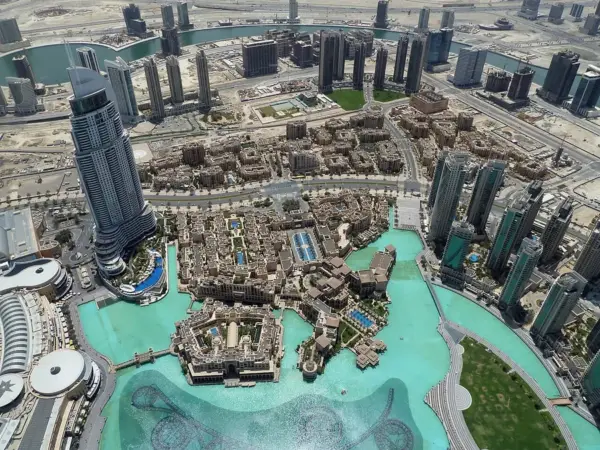
Huge mall; Dubai Fountain outside
Own a stay, café or cab? List your place on BuzzyTrip — free starter listing after we review.
List your placeDubai mixes high‑tech skyscrapers with historic souks. It offers a clear, fast‑paced experience for Indian travellers.

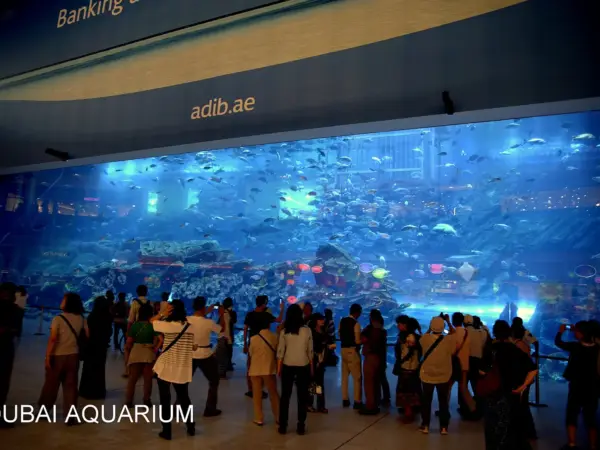
Huge mall; Dubai Fountain outside
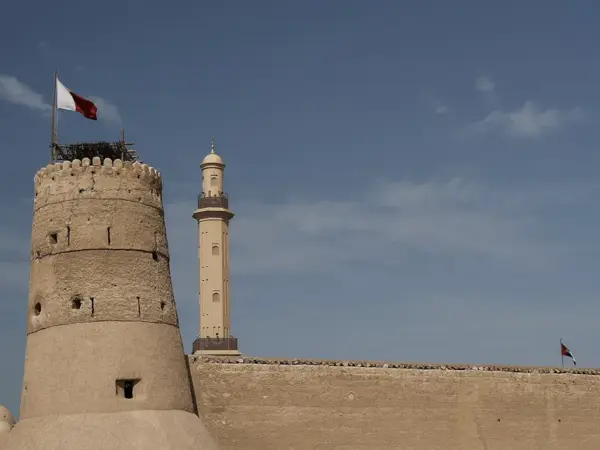
In Al Fahidi Fort; closed for restoration, reopening soon
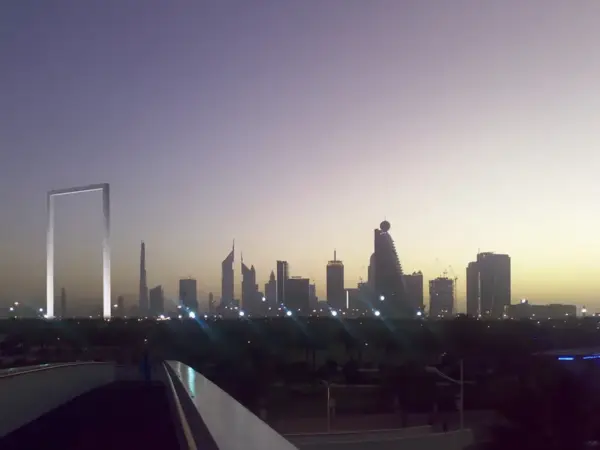
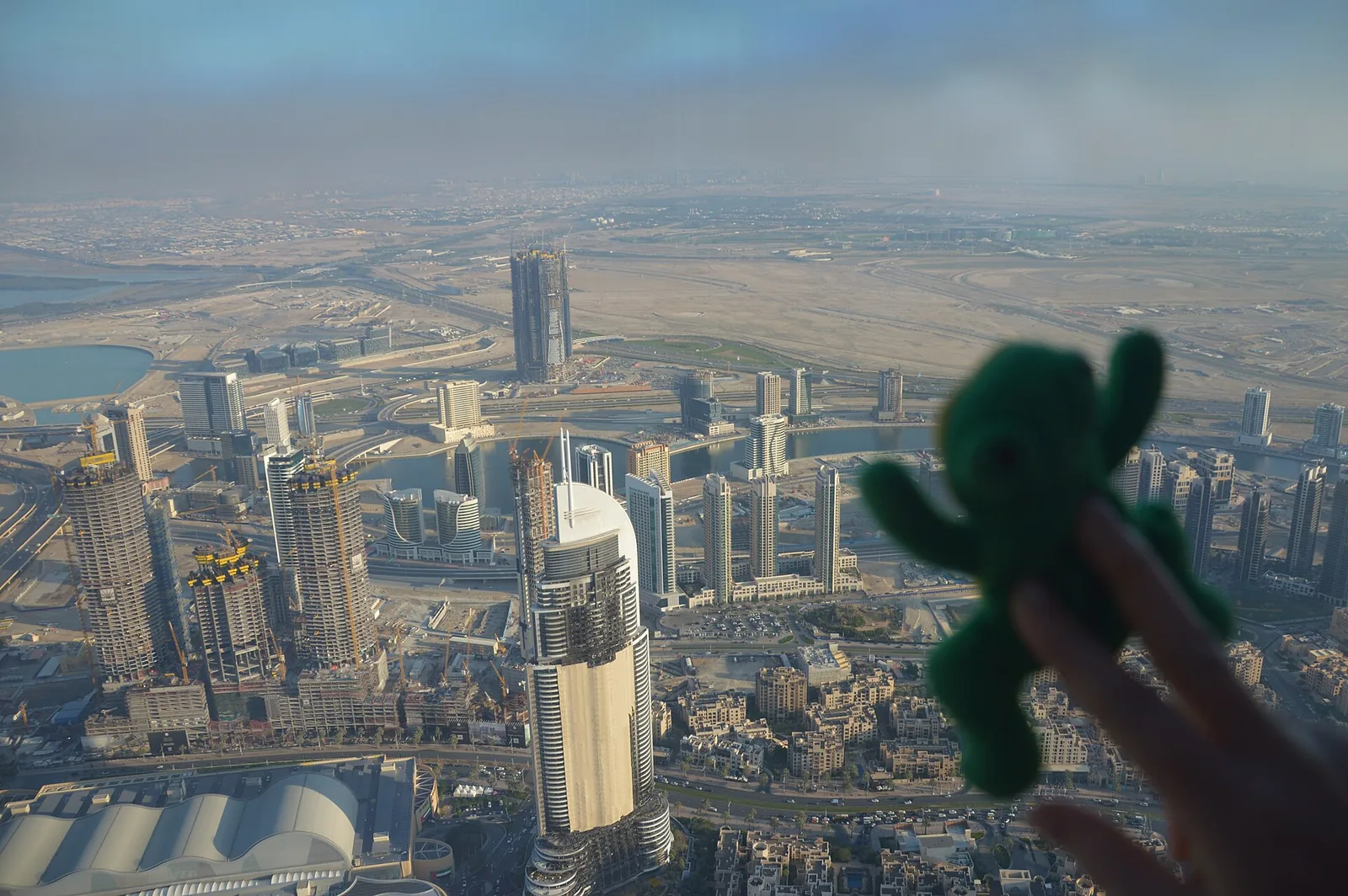
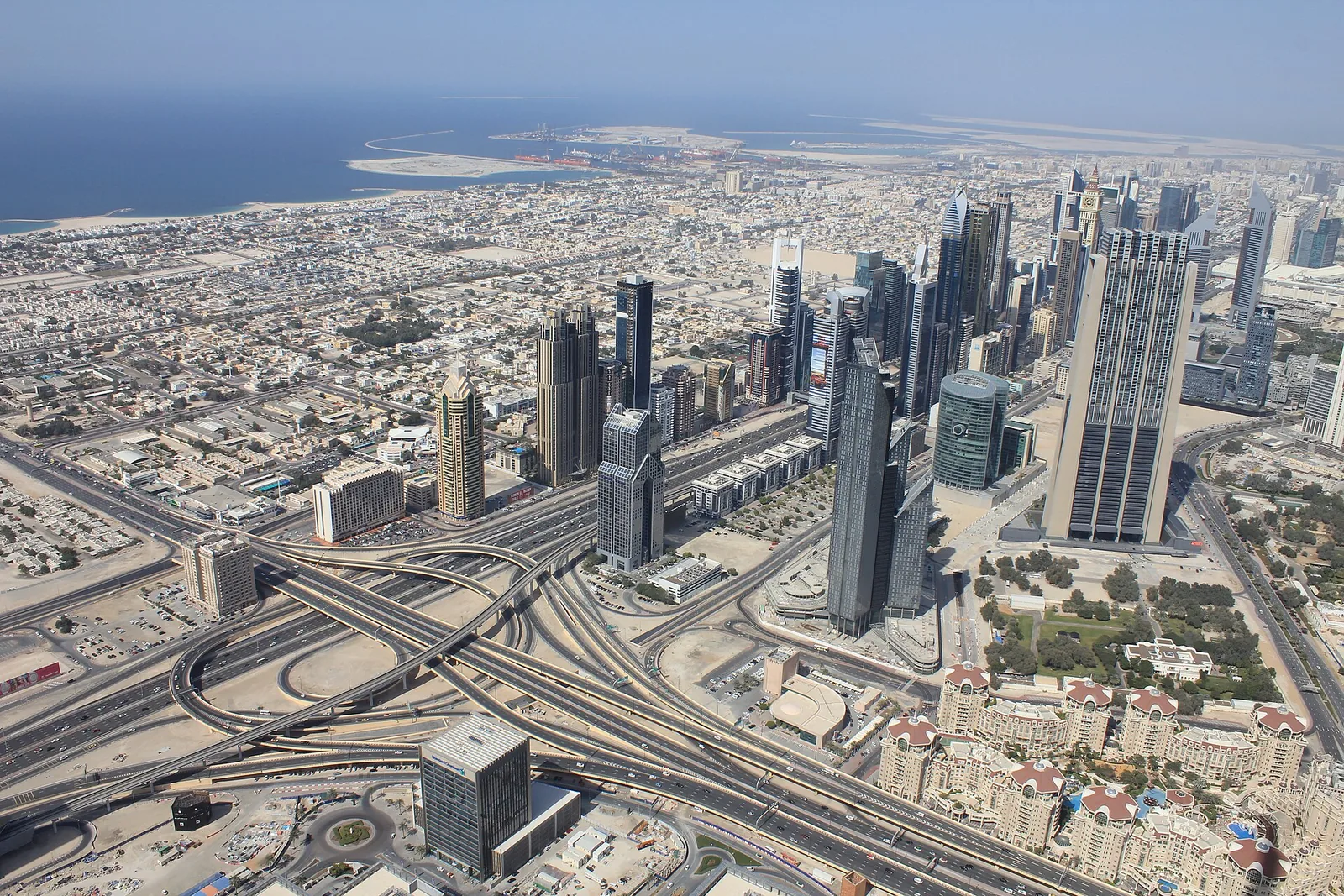
Panoramic city views, 150m tall
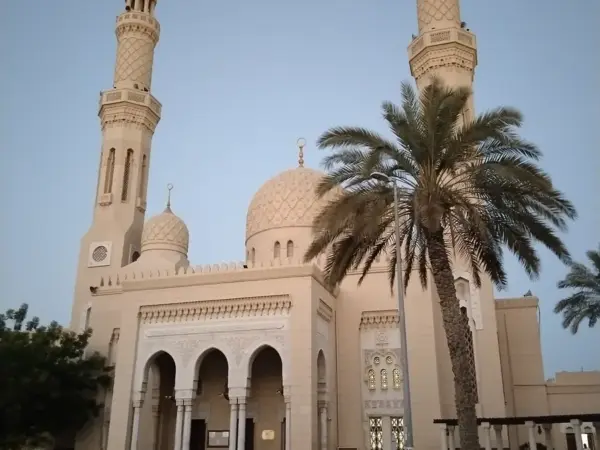
Landmark mosque; check visitor tours before going
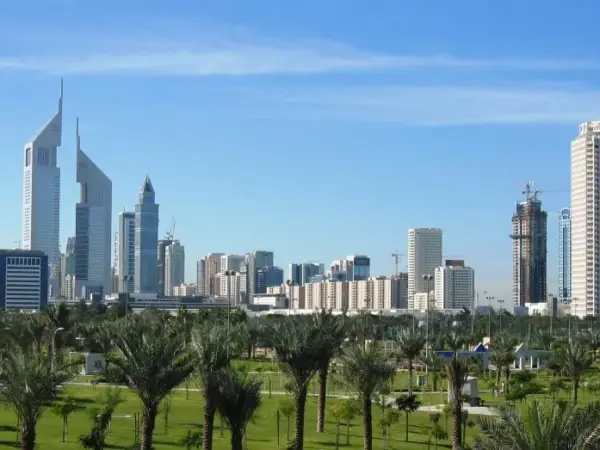
Urban green space, cultural events
Morning calm, blue sea
Old‑world alley, early light
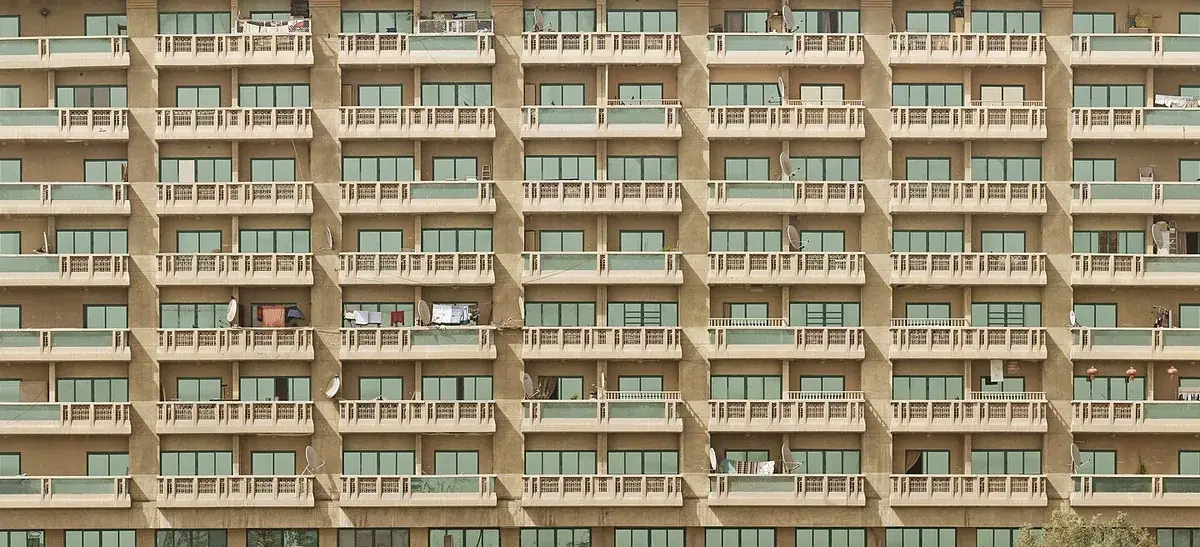
Hotel tower in Dubai, United Arab Emirates

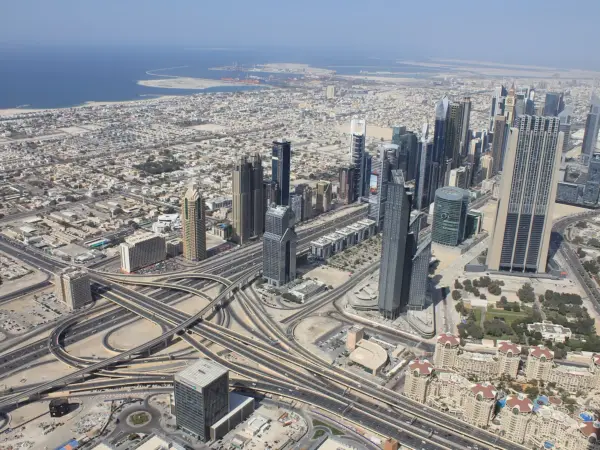
Skyscraper in the United Arab Emirates

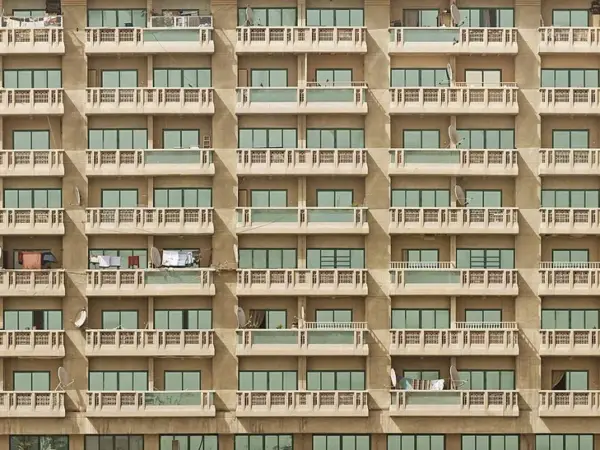
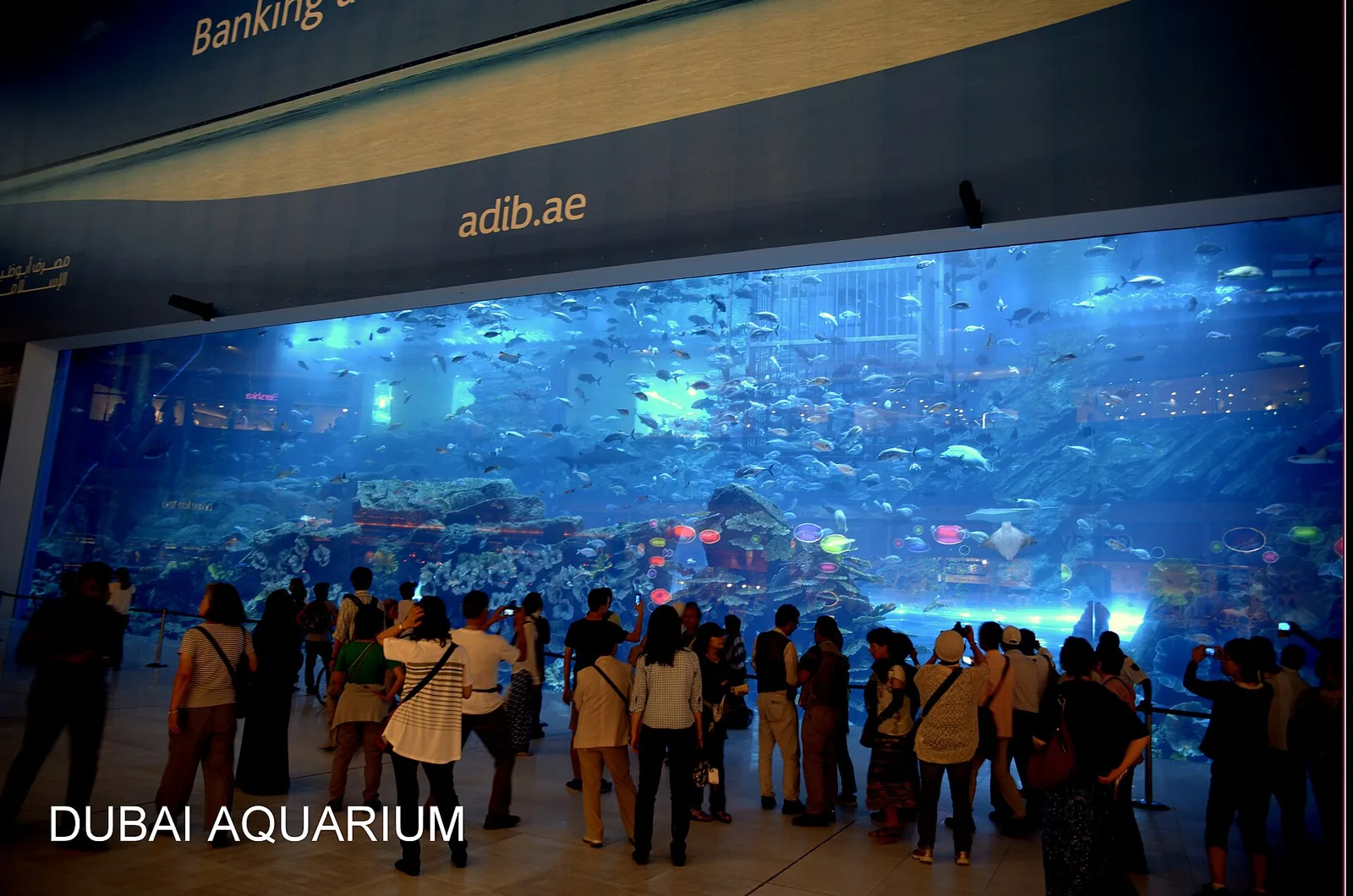
Exhibition space in Dubai, UAE

Spicy meat in pita

Crunchy chickpea bites
Spiced rice with meat

Smooth chickpea dip
Grilled skewers, aromatic

Sweet filo pastry
The full guide
Dubai is a cosmopolitan metropolis on the Persian Gulf, known for its rapid shift from pearl fishing to luxury real estate and skyscrapers. With about 4 million residents, 92 % of whom are expatriates, it feels like a living mosaic of cultures. The nickname City of Gold hints at its historic trade links with India and Africa, where gold and spices once moved through its docks. If you like a city that mixes old souks with glass towers, Dubai is the place to go.
October is when Dubai starts to make sense again. The worst of the summer is over, the outdoor attractions and desert camps reopen for the cooler months, and flight fares from Indian cities are still reasonable before the December rush. Days in late October can still touch 35 °C, so plan outdoor sightseeing for mornings and evenings; from November to March, highs settle in the mid-20s to around 30 °C, which is the most comfortable stretch of the year.
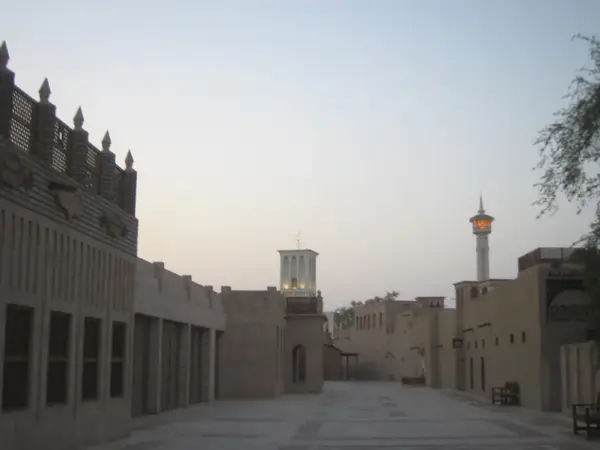
What began as a small fishing and pearl-diving settlement on the Creek grew into a trading port linking the Gulf with India, Iran and East Africa. Al Fahidi Fort, built in 1787 and long home to the Dubai Museum, has been closed for restoration since 2021 and is due to reopen as a new museum; check its status before you go. Next door, the Al Fahidi Historical Neighbourhood (the old Bastakiya quarter) keeps its wind-tower houses, small galleries and cafés, while glass towers rise a short drive away.
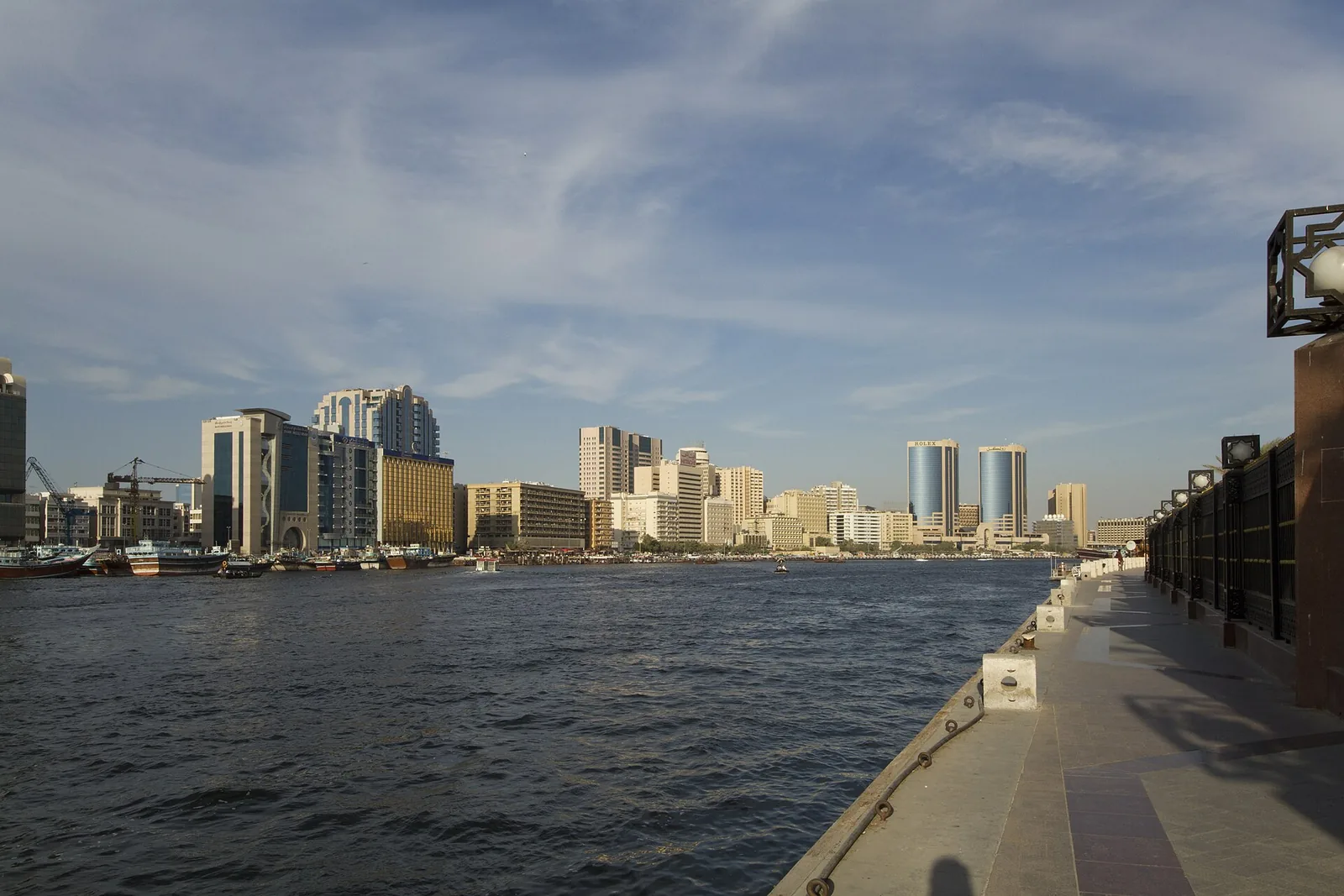
Along the Creek, the Al Seef promenade is a modern development built in a heritage style, with restaurants and shops, and at the mouth of the Creek the Al Shindagha Museum tells the story of the city and its trade. Abras still cross the water for a dirham or two, much as they have for decades, and the Deira side keeps the busy gold and spice souks.
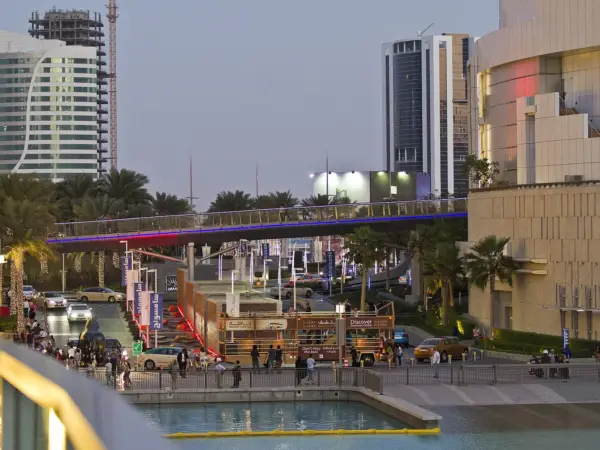
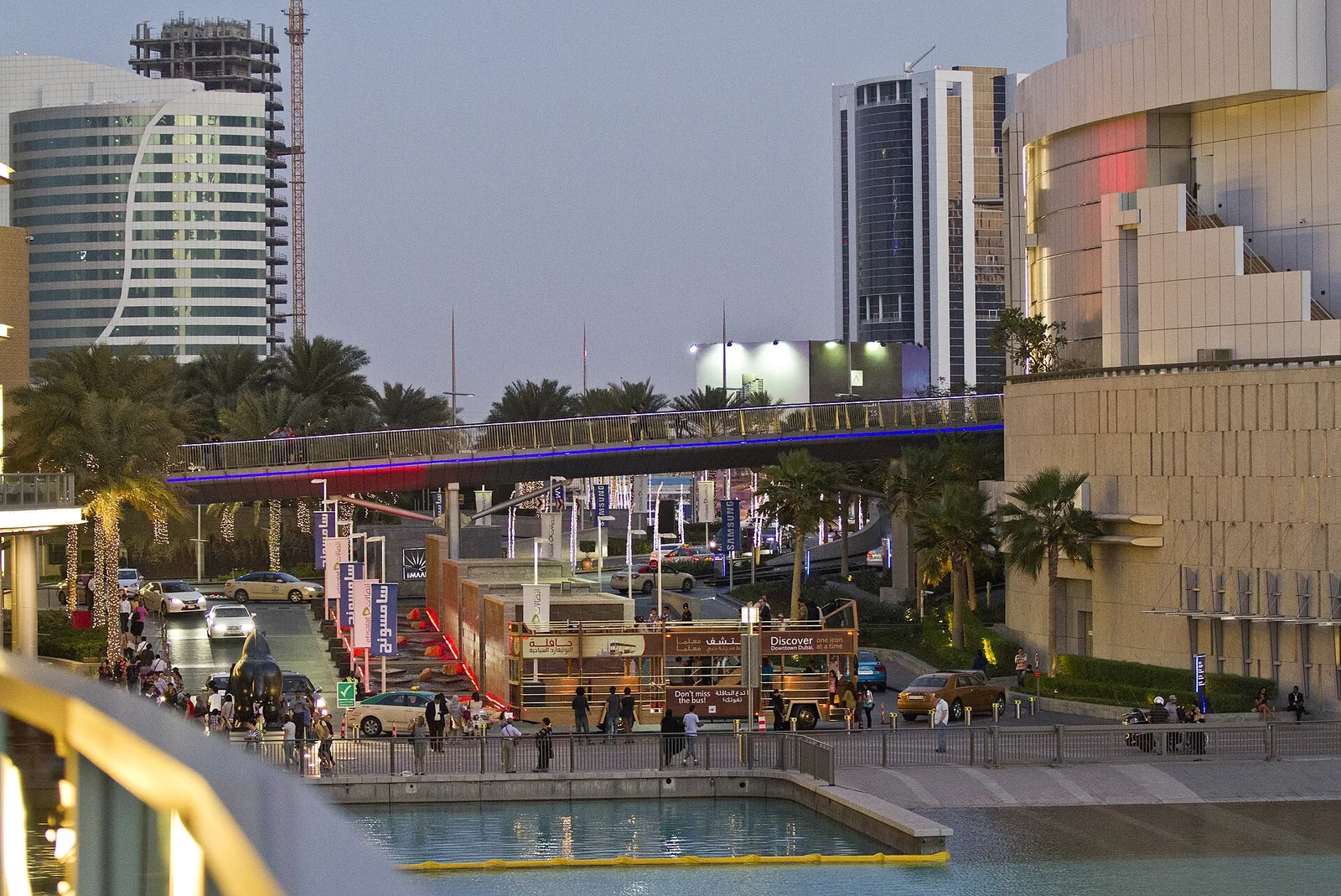
Shop, eat and step outside after dark for the Dubai Fountain show on Burj Lake. The mall is huge, so it works for families who want air-conditioning and space to roam.
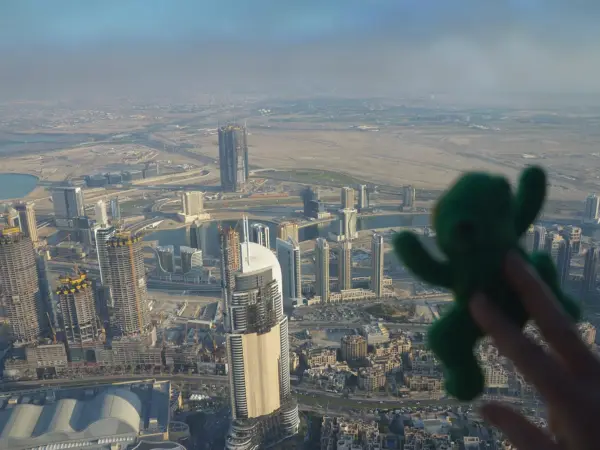
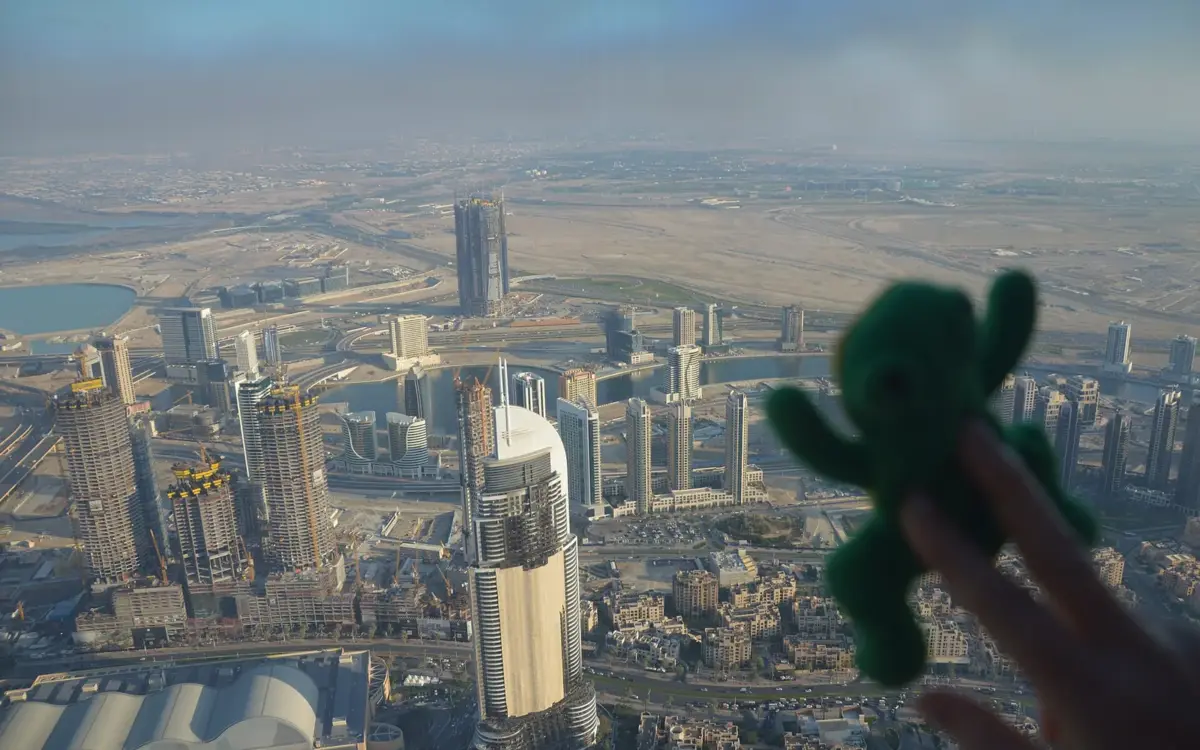
The observation decks on levels 124–125 (and higher, at a premium) give a view that turns the whole city into a map. Book a time slot online.
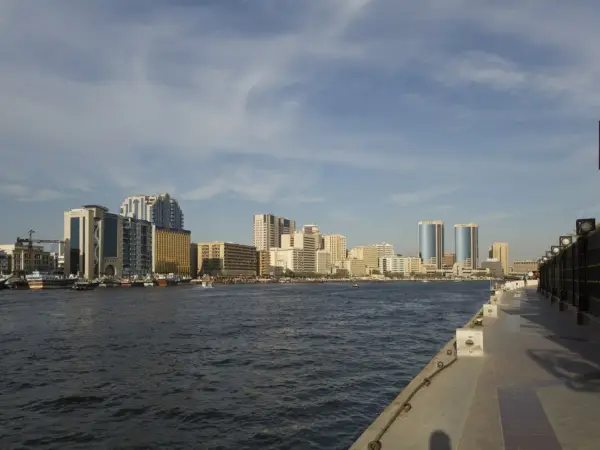
The old wooden water taxis cross between Bur Dubai and Deira for a dirham or two. Go around sunset for the best light and cooler air.
A 150-metre picture frame in Zabeel Park with old Dubai on one side and the new skyline on the other, plus a glass-floored bridge at the top.
Interactive exhibits on tomorrow’s tech that keep both kids and tech-savvy adults hooked. Tickets sell out, so book ahead.
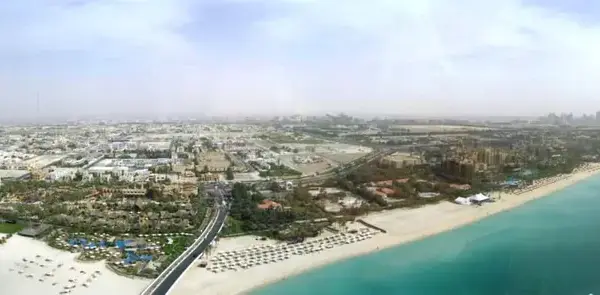
Sun, sand and the Burj Al Arab silhouette make for a classic beach day; the public beaches are free.
Bargain for jewellery in a maze of shops in Deira; prices are tied to the day’s gold rate, so compare the making charges.
Indoor snow inside Mall of the Emirates, a strange and fun escape from the heat.
Man-made lakes in the desert about 45 minutes from the city, good for picnics, birdwatching and sunsets away from the towers.
A Creek-side promenade built in old-Dubai style, with cafés and shops; quieter than the main souks in the evening.
Art galleries and cafés tucked behind wind towers offer a relaxed stroll through history.
At the mouth of the Creek, the Al Shindagha Museum covers Dubai’s history, from pearling to the Creek trade, and has a separate perfume house that is worth the extra half hour. If you have a car or a guide, Hatta, in the Hajar Mountains about 90 minutes away, has kayaking on the dam, mountain biking and a heritage village.
Early morning to avoid crowds; the city is still breathing.
Sunset abra for the best light; the sky turns a buttery orange.
Evening for the full spectacle; lights and music sync like a choreographed dance.
Sunrise for calm waves; the beach is quiet before the sun rises.
A shawarma from one of the small cafeterias around Satwa, Karama or Jumeirah is the go-to for a quick, cheap bite; they usually beat the mall food courts on flavour and price.
Around the Gold Souk and the Deira souks, small Arab and Iranian eateries serve falafel, hummus and fresh juices for very little.
Al Seef’s waterfront restaurants are a good bet for grilled fish and seafood with a Creek view.
For vegetarian and Jain food, head to Meena Bazaar in Bur Dubai, close to Al Fahidi, where Gujarati, Rajasthani and South Indian restaurants sit side by side.
Indian food is everywhere in Dubai, from fine dining in Downtown to cheap thali places.
Bur Dubai (around Meena Bazaar) and Karama have the densest spread of vegetarian and Jain-friendly restaurants, along with Kerala, Gujarati and Punjabi places.
Supermarkets in Karama, Bur Dubai and Al Barsha stock Indian staples if you are self-catering.
The Gold Souk remains the epicentre for traditional jewellery and gold bullion, where bargaining is part of the experience.
Dubai Mall houses flagship brands and luxury boutiques; expect higher prices and a no-haggle policy.
Souk Madinat Jumeirah blends boutique shops with art studios, offering unique textiles and handcrafted items.
In traditional souks, haggling is expected, whereas malls maintain fixed prices.
| Month | Avg high | Avg low | Rain/precipitation |
|---|---|---|---|
| Jan | 23.9°C | 14.3°C | 21 mm |
| Feb | 25.4°C | 15.5°C | 10 mm |
| Mar | 28.9°C | 18.3°C | 22 mm |
| Apr | 33.3°C | 21.7°C | 3 mm |
| May | 37.7°C | 25.1°C | 0 mm |
| Jun | 39.8°C | 26.9°C | 0 mm |
| Jul | 40.9°C | 30°C | 1 mm |
| Aug | 41.3°C | 30.4°C | 0 mm |
| Sep | 38.9°C | 27.7°C | 0 mm |
| Oct | 35.4°C | 24.1°C | 2 mm |
| Nov | 30.6°C | 20.1°C | 6 mm |
| Dec | 26.2°C | 16.3°C | 15 mm |
The most comfortable months are November to March, with daytime highs of about 23–31 °C and nights around 14–20 °C. October and April are warm (mid-30s by day) but still workable if you keep the middle of the day for indoor sights. From May to September the city is very hot, often above 40 °C, and humid along the coast, so malls, museums and indoor attractions take over. Rain is rare and falls mainly between December and March, usually in a few short bursts. Hotel rates are highest from December to February and during big events, and lowest in summer. For the best balance of weather and price, aim for November, February or March and book flights a few weeks to two months ahead.
| From | Air distance (approx.) | Flight time (nonstop) | Best way |
|---|---|---|---|
| Delhi | ~2,200 km | 3.5–4 h | Fly |
| Mumbai | ~1,930 km | about 3 h | Fly |
| Bangalore | ~2,700 km | about 4 h | Fly |
Straight-line distances calculated by BuzzyTrip from map coordinates; flight times vary by airline and season.
Nonstop flights reach Dubai International Airport (DXB) from most large Indian cities, including Delhi, Mumbai, Bengaluru, Hyderabad, Chennai, Kochi, Kolkata and Ahmedabad. DXB is only about 5 km from Deira and around 15 km from Downtown. A taxi to Downtown usually costs around AED 50–80 depending on traffic and the time of day, while the Red Line metro from Terminals 1 and 3 is far cheaper. Sharjah International Airport, about 25–30 km from Downtown Dubai, often has lower fares on budget airlines, but allow 40–60 minutes or more by road at busy times. There are no direct trains or buses from India; flying is the only practical option.
Nonstop flights take about 3.5–4 hours from Delhi, around 3 hours from Mumbai and about 4 hours from Bengaluru. Emirates, flydubai, Air India, Air India Express, IndiGo and SpiceJet fly the main routes, and connecting via Doha or Abu Dhabi rarely saves money. Fares usually jump around Diwali, Christmas and New Year, and during Indian school holidays; booking a few weeks to two months ahead usually gets the best rates.
The Dubai Metro’s Red Line runs from the airport through Deira, Bur Dubai and Downtown (Burj Khalifa/Dubai Mall station) to Dubai Marina, and the Green Line covers the older parts of the city. With a Silver Nol card, fares are AED 3 within one zone, AED 5 across two zones and AED 7.50 for longer trips; the card itself costs AED 25 including AED 19 of credit. Careem and Uber work well, and metered taxis are everywhere. Walking is pleasant in Downtown, Al Fahidi and the Marina in the cooler months, less so in summer. If you rent a car, Salik toll gates on Sheikh Zayed Road and other highways charge about AED 4–6 per pass (plus VAT), depending on the time of day.
Downtown Dubai suits couples and families who want to be near Burj Khalifa and Dubai Mall, but it is pricey; expect roughly AED 600–1,500 a night for a good mid-range or upscale room, more in peak season. Jumeirah and Jumeirah Beach Residence (JBR) work for beach lovers, with a wide spread from mid-range apartments to big resorts. Dubai Marina has the most nightlife and dining and plenty of splurge options.
For a tighter budget, Deira and Bur Dubai have older, cheaper hotels near the metro, the souks and the Creek, and many include breakfast. Al Barsha is handy for Mall of the Emirates and has good-value family hotels and serviced apartments. If you want a heritage feel, a few boutique hotels in the Al Fahidi quarter and at Al Seef sit right by the Creek. Rates are lowest in summer (June to August) and highest from December to February, so check prices across a few dates and read the room description carefully before you pay.
First-timers with tight clocks
Standard exploration with a touch of leisure
Pace relaxed, includes a day trip to Abu Dhabi
Full week, covers Dubai and nearby emirates
Short drives, kid-friendly spots, and plenty of breaks for parents and 6-14 year olds
Scenic walks, relaxed dinners and a touch of romance for two
Hostels, metro and free attractions for the money-savvy solo traveler
Private transfers, premium stays and exclusive experiences for the comfort-first traveler
Most Indian passport holders need a visa arranged before they fly. A 30-day single-entry tourist visa is the usual choice; you can apply online through the UAE’s official ICP or GDRFA Dubai channels, through an airline such as Emirates or flydubai once you have booked with them, or through a travel agent. Processing usually takes a few working days. Fees depend on the channel, so compare before you pay and check the official site for the latest rules.
There is one shortcut: Indians with an ordinary passport who also hold a valid US visa or green card, or a residence permit from the UK, an EU country, Canada, Australia, New Zealand, Japan, South Korea or Singapore, can get a visa on arrival (14 days, extendable once), as long as both the passport and that document are valid for at least six months. Everyone else should have the visa approved before boarding, and should carry a printout along with the return ticket and hotel booking.
Dubai’s currency is the UAE dirham (AED); 1 AED is roughly ₹26 (October 2026). Cards and phone payments work almost everywhere, but carry some cash for abras, small souk shops and tips. Airport exchange counters are convenient but rarely the best rate; licensed exchange houses in the city usually do better, and a multi-currency forex card avoids most fees.
ATMs are easy to find. Your Indian bank and the local ATM may both charge a fee for foreign withdrawals, so take out larger amounts less often. The dirham is pegged to the US dollar at about 3.67 AED per USD, so rates do not swing much.
| Category | Budget | Mid-range | Comfort |
|---|---|---|---|
| Stay | ₹2,000–₹4,000 | ₹4,000–₹8,000 | ₹8,000–₹15,000 |
| Food | ₹700–₹1,500 | ₹1,500–₹3,000 | ₹3,000–₹6,000 |
| Local transport | ₹300–₹700 | ₹700–₹1,500 | ₹1,500–₹3,000 |
| Activities | ₹500–₹1,500 | ₹1,500–₹4,000 | ₹4,000–₹10,000 |
| Total per day | ₹3,500–₹7,700 | ₹7,700–₹16,500 | ₹16,500–₹34,000 |
Per person per day, assuming two people share a room; flights and visa extra.
Both du and e& (formerly Etisalat) sell tourist SIMs and eSIMs at the airport and in malls, and some packs include data, local minutes and a few days’ validity, so pick one that matches your trip length. Indian roaming packs work too but cost more per GB. Free Wi-Fi is common in malls and on the metro. Handy apps: Google Maps, Careem, Uber and RTA S’hail for public transport.
Dubai uses Type G (three square-pin, British-style) sockets at 230 V, 50 Hz. Indian plugs do not fit them, although many hotels provide universal sockets or adapters on request. Carry a Type G or universal adapter; Indian chargers work fine on the local voltage.
When you step into a mosque, cover shoulders and knees; women should carry a headscarf. Dress is relaxed in malls and on beaches, but keep swimwear for the beach and pool. Ask before photographing people, and never photograph government buildings or security staff. Many restaurants add a service charge; if not, 10 % is a generous tip, and rounding up a taxi fare is common. A friendly “Salam” or “Assalamu alaikum” goes a long way.
Myth: Dubai is all luxury. Fact: Traditional souks, abra rides and cheap cafeterias give a taste of everyday life.
Myth: It’s unbearably hot all year. Fact: From November to March daytime highs are mostly in the mid-20s to around 30 °C.
Myth: Indian food is scarce. Fact: Bur Dubai and Karama are packed with Indian restaurants, many fully vegetarian.
Myth: Indians can just turn up and get a visa. Fact: Most Indians need a visa before flying; visa on arrival is only for those holding certain US, UK, EU or other visas or residence permits.
Do’s and don’ts
Do: Carry a reusable water bottle – hydration is key in the desert climate.
Do: Use sunscreen with SPF 30+ when outdoors.
Do: Keep small change for abras; you pay on board.
Don’t: Display affection openly in public places.
Don’t: Drink alcohol in public; it is allowed only in licensed venues.
Don’t: Eat, drink or chew gum on the metro; fines apply.
What to avoid: scams and safety
Book desert safaris and city tours through your hotel or a well-reviewed licensed operator rather than street touts offering cheap deals.
Only use visa services from official channels, airlines or registered agents; fake visa websites do exist.
Dubai is very safe, but use normal care with bags in crowded souks and on busy metro trains.
If you need help, dial 999 for police or 998 for an ambulance.
Packing list
Travel insurance is essential when you’re heading to Dubai. Make sure the policy covers medical evacuation and trip cancellation – you never know when a sudden storm or a flight delay might force you to cut your plans short. If you’re planning to hit the slopes at Ski Dubai or ride a dune buggy on a desert safari, check that adventure activities are included. Finally, verify that high-value electronics and other valuables are protected under the policy limits, just in case your gadgets get lost or damaged during the trip. Verify all limits and coverage details on the insurer’s website before you sign up.
Most Indian citizens need a tourist visa before travelling. Apply online through the UAE’s official ICP or GDRFA Dubai channels, through an airline such as Emirates or flydubai, or via a travel agent. Processing usually takes a few working days; verify fees and rules on official sites before you apply.
Only if you hold a valid US visa or green card, or a residence permit from the UK, an EU country, Canada, Australia, New Zealand, Japan, South Korea or Singapore, each valid for at least six months. Everyone else must have a visa approved before departure.
Prices fluctuate with demand. As of October 2026, a round-trip economy fare ranges from ₹12,000 to ₹28,000. Book early or use fare-comparison sites to spot deals.
November to March, when daytime highs are about 23–31 °C. June to September is very hot, often above 40 °C.
Four or five days covers the Burj Khalifa, a desert safari, the old Creek area and a day trip to Abu Dhabi. Add a day or two if you want beach time.
Dubai ranks high on global safety indices. Street crime is rare; keep usual travel vigilance. Local police can be reached at 999.
No. Children need their own passport and visa, just like adults. Apply for the whole family together so the dates match.
Try Emirati dishes such as machboos and luqaimat at Al Fanar, shawarma from any busy cafeteria, and fresh dates in the souks. Small eateries near the Creek serve falafel and hummus.
Dubai International Airport (DXB) has Red Line metro stations at Terminals 1 and 3, plus taxis and ride-hailing apps. The metro is cheapest: about AED 5–7.50 with a Silver Nol card, depending on how many zones you cross.
Daily expenses vary: a budget meal costs AED 30–50, mid-range around AED 70–120, and luxury dining exceeds AED 200. Accommodation ranges from AED 200/night for hostels to AED 2,000+ for 5-star hotels.
Background facts were researched from the Wikimedia pages below, used under Creative Commons Attribution-ShareAlike. This guide is an original work written and edited for BuzzyTrip; prices, visa rules and timings change, so verify before you travel.
Photos:
Been here recently? Share a tip (and a photo) in the comments below and tick “This is a travel tip”. Tips are reviewed before they appear — we never show your email.
Short, useful travel ideas and new guides. Straight to your inbox every Friday.
Message us with your dates and budget and we’ll reply with suggestions.
Chat on WhatsApp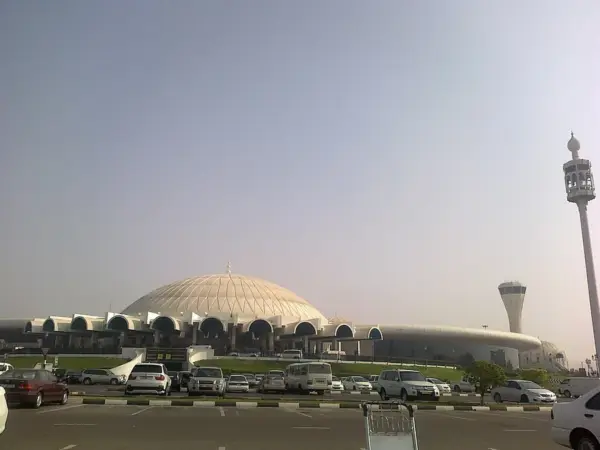

2 comments