
Angkor Wat
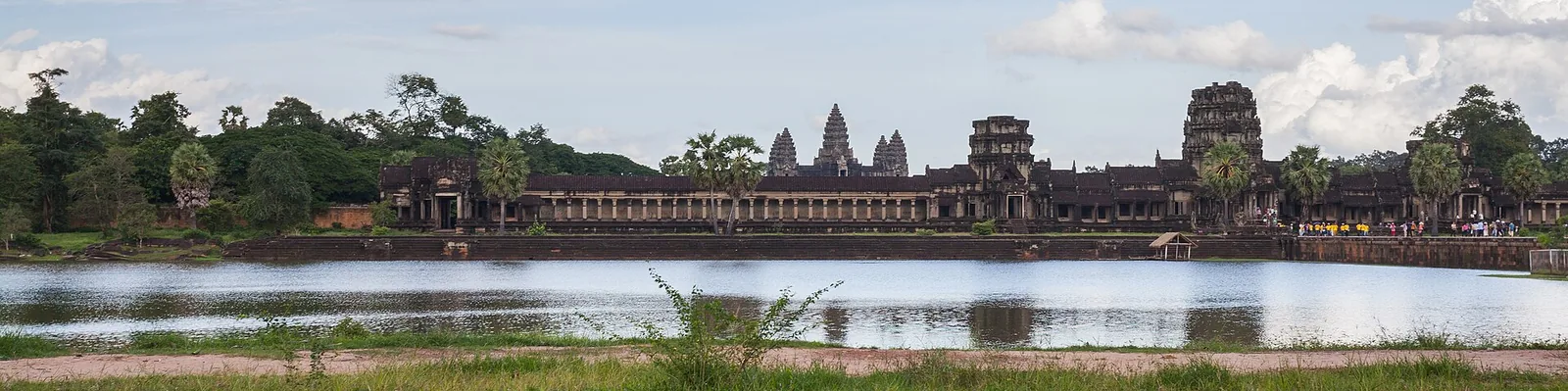
The world’s largest religious monument
Own a stay, café or cab? List your place on BuzzyTrip — free starter listing after we review.
List your placeLate October brings green temples, a brimming Tonle Sap and thinner crowds at Angkor. Nonstop flights now link Delhi and Kolkata with Cambodia.
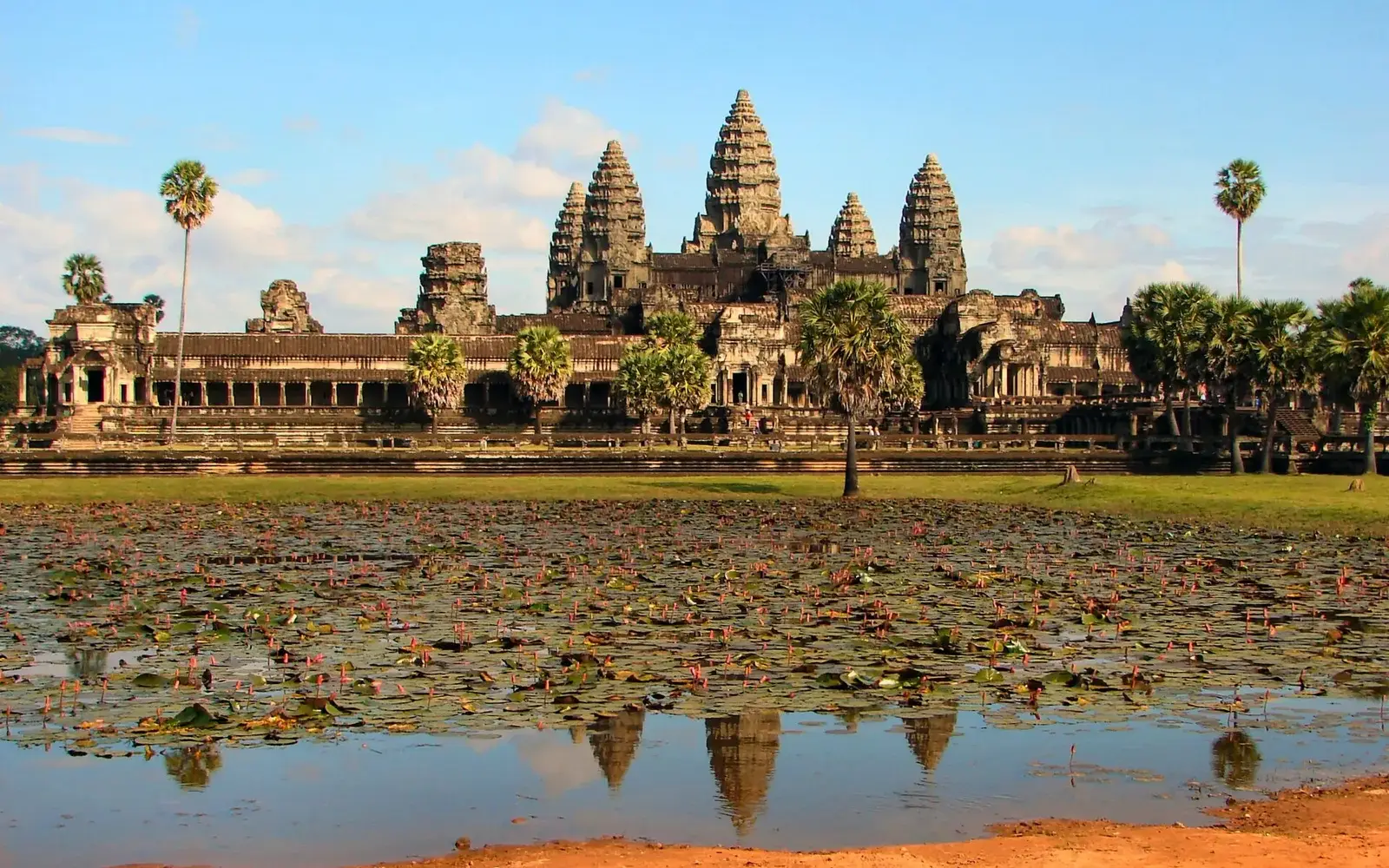

The world’s largest religious monument
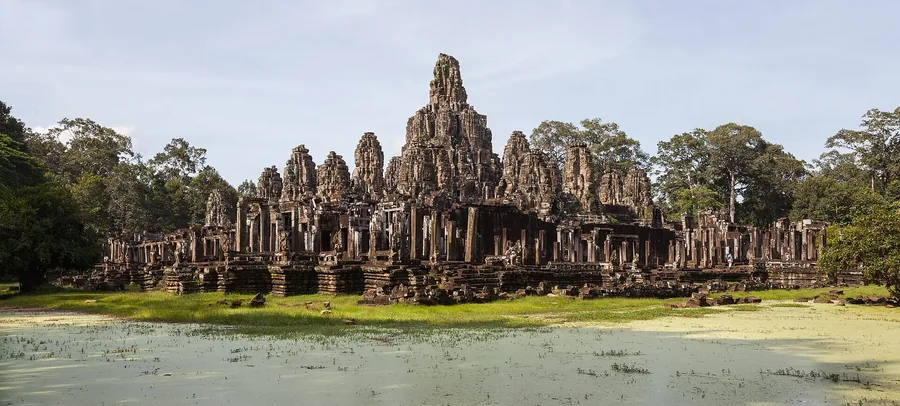
Stone faces in Angkor Thom
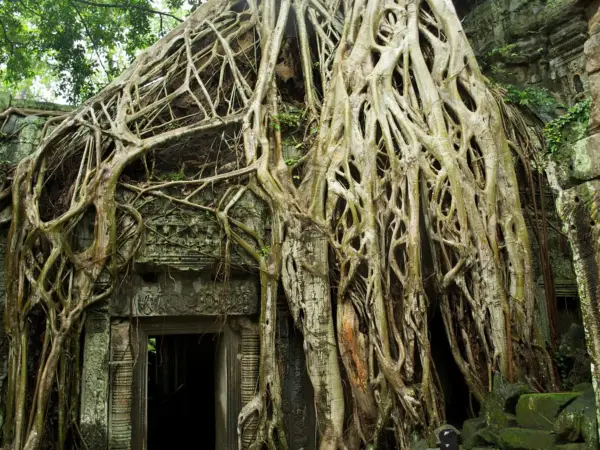
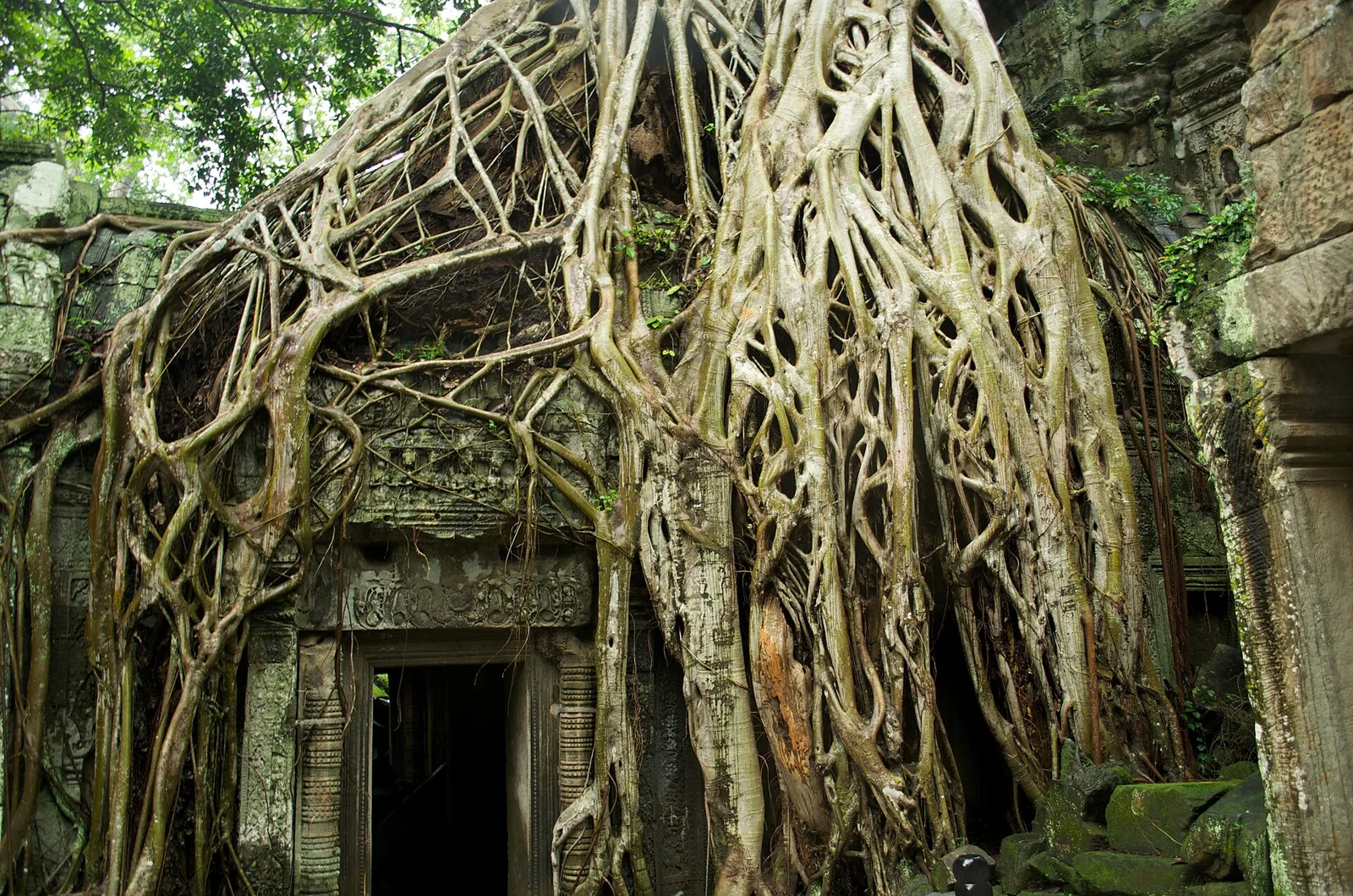
Temple held in the grip of tree roots
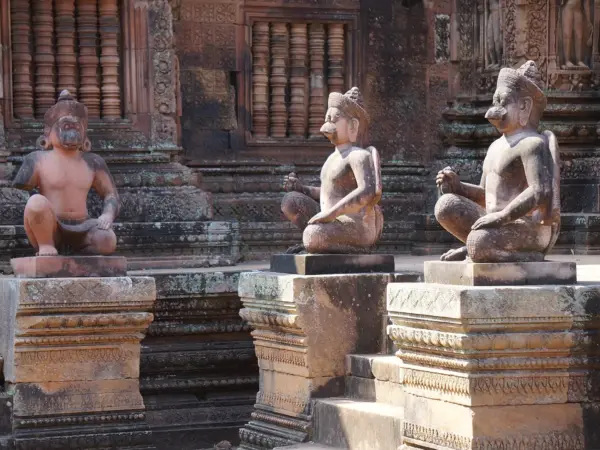
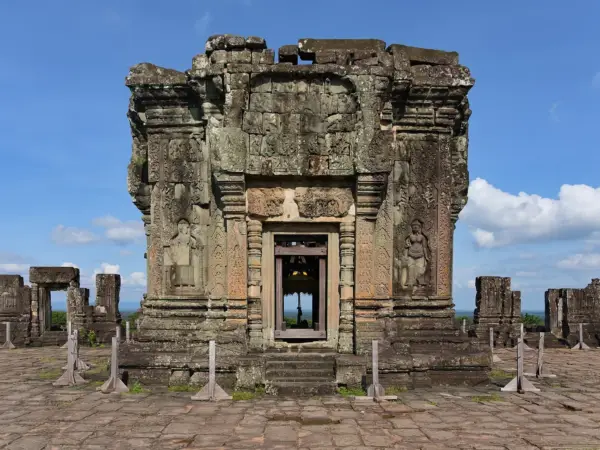
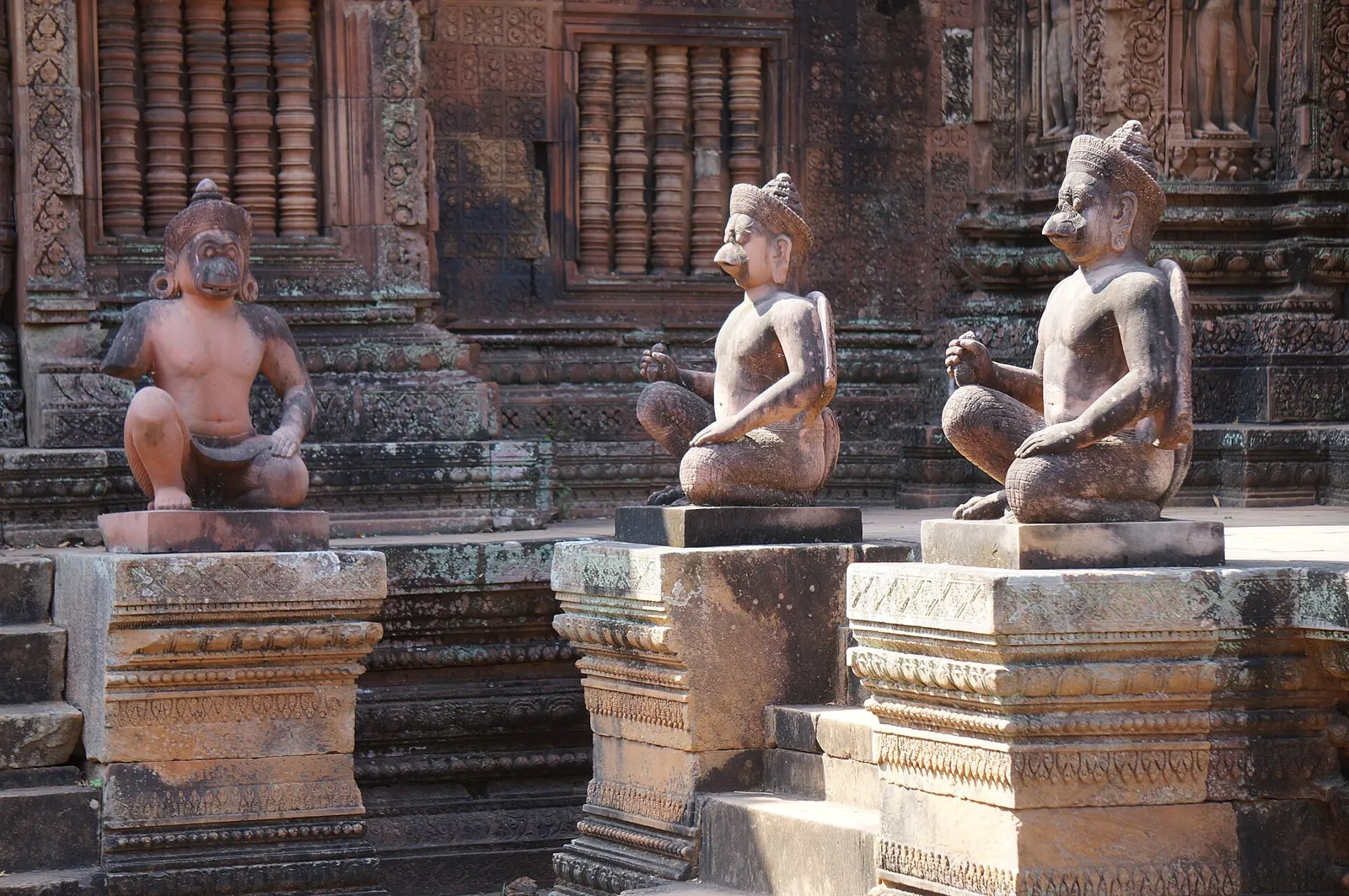
Finely carved pink sandstone temple
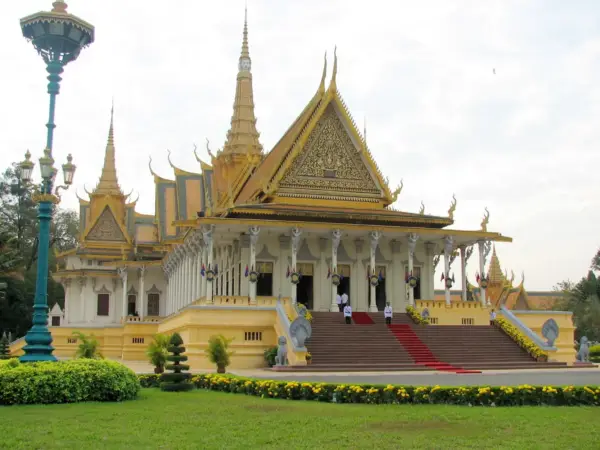
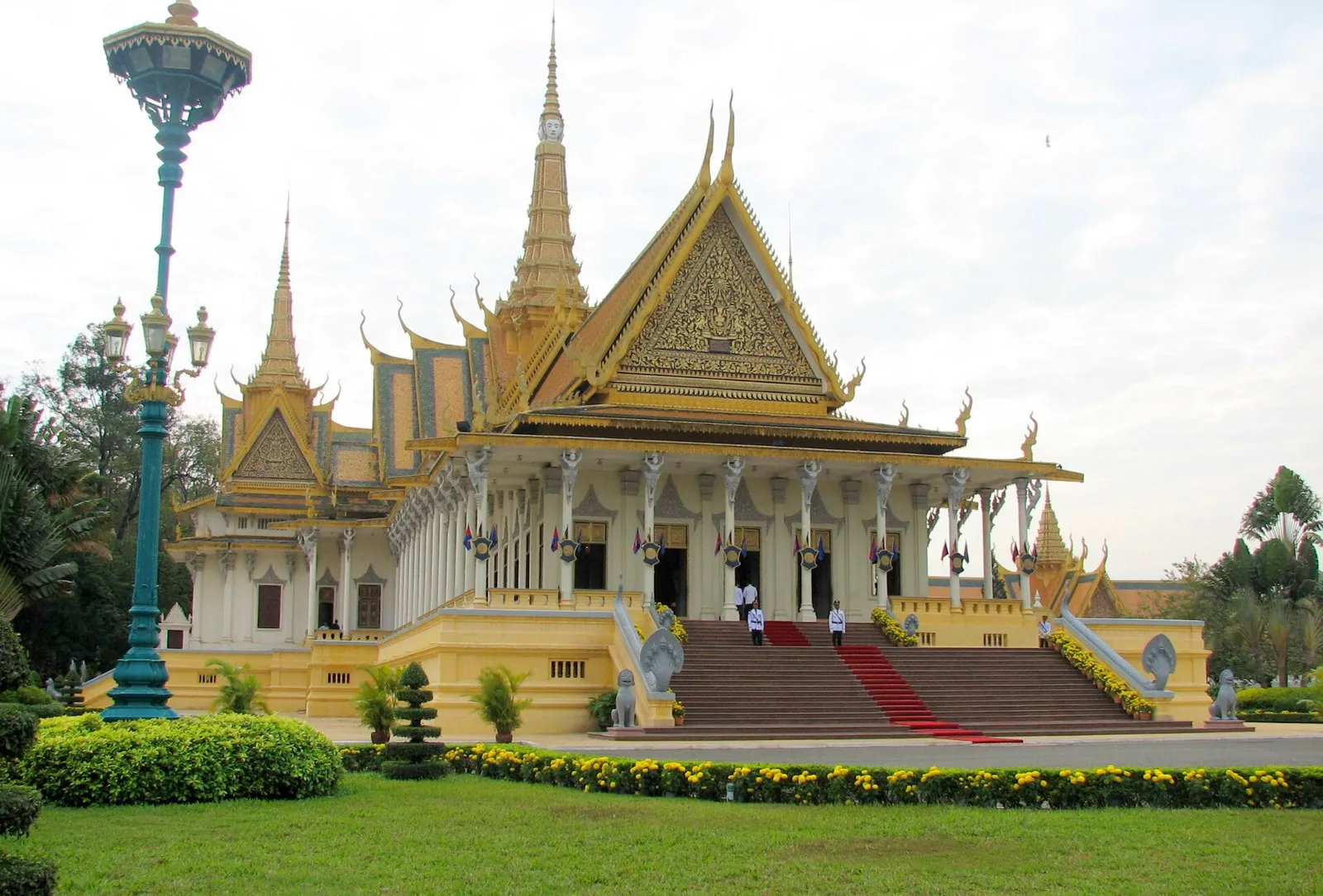
Royal Palace, museums and riverside
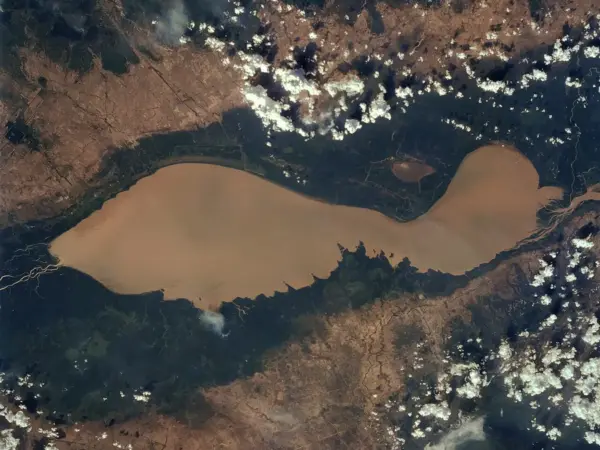
Southeast Asia’s largest lake

Pepper farms and a sleepy riverfront
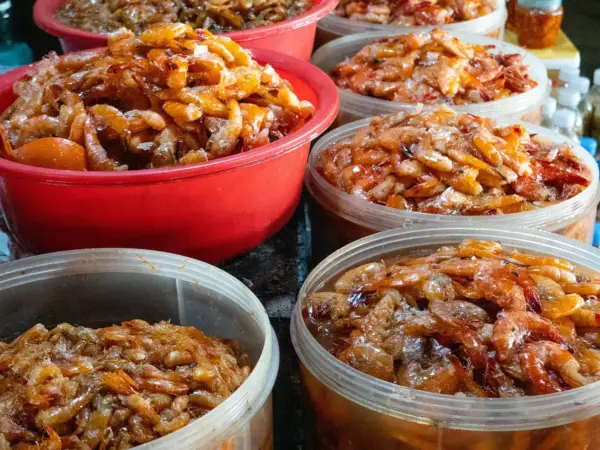
Crab market by the sea

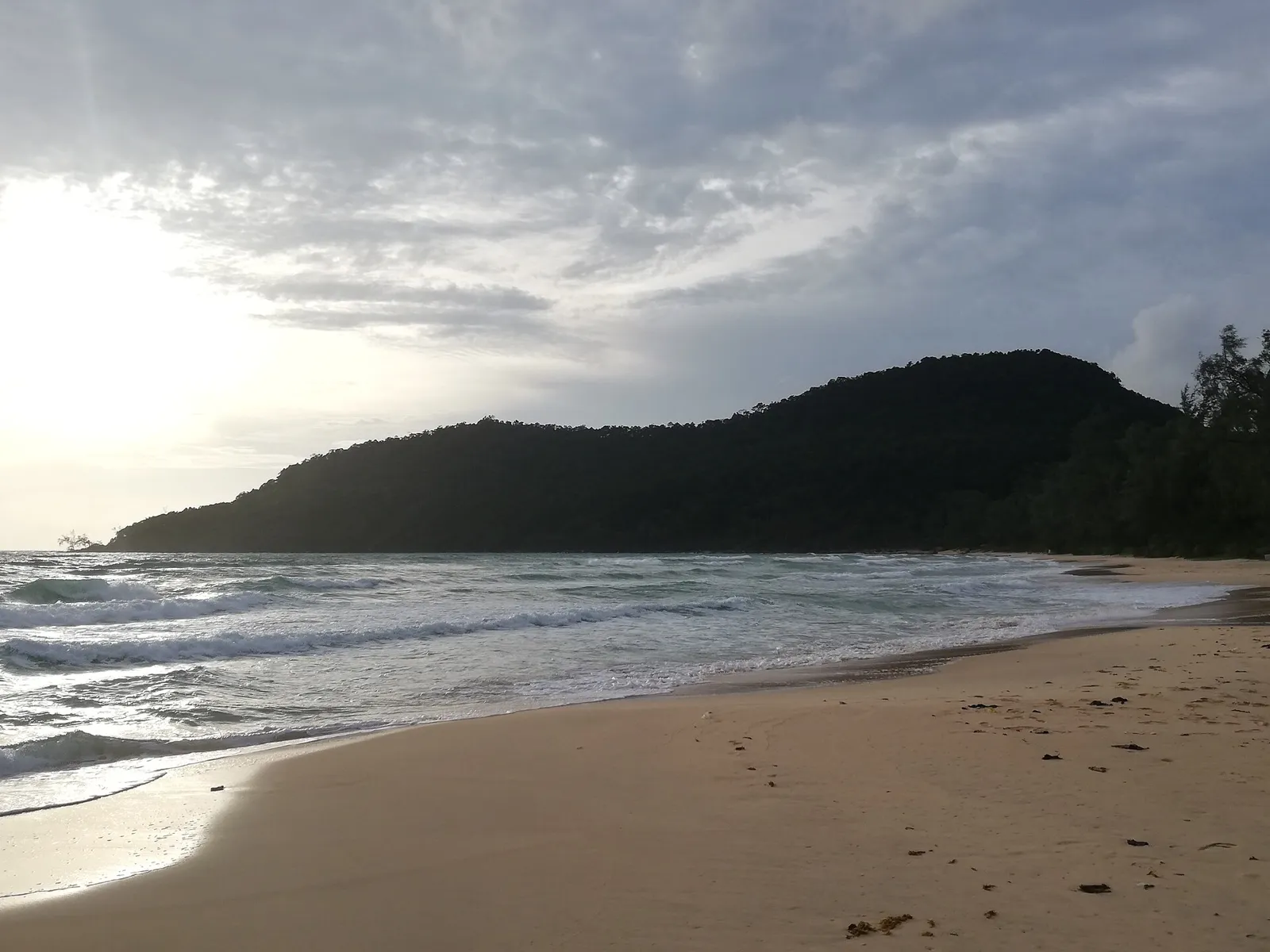
Island beaches off Sihanoukville

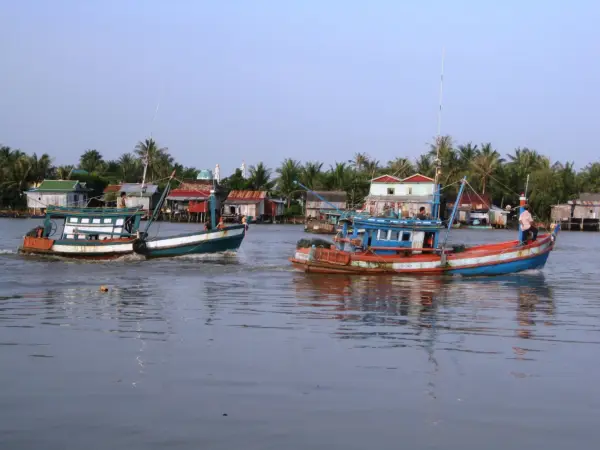

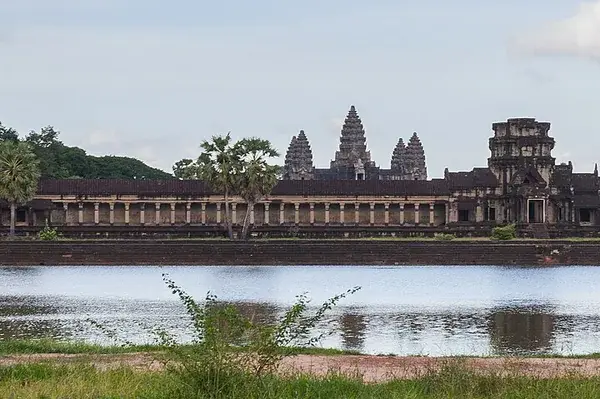

Sunrise behind the towers from the ponds in front
Stone faces in soft morning light
Sunset over the Angkor plain
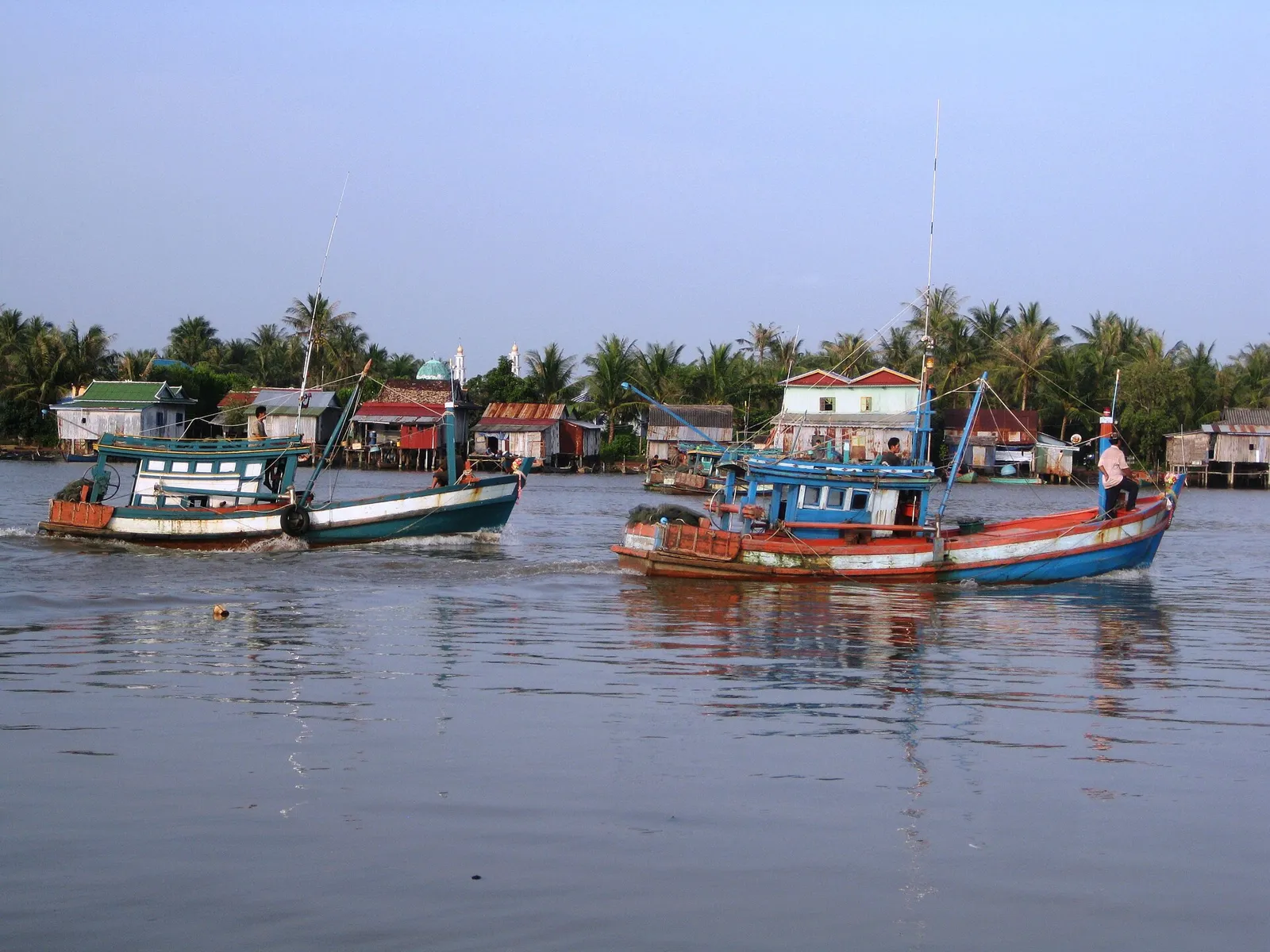
Boats and sunsets on the Praek Tuek Chhu
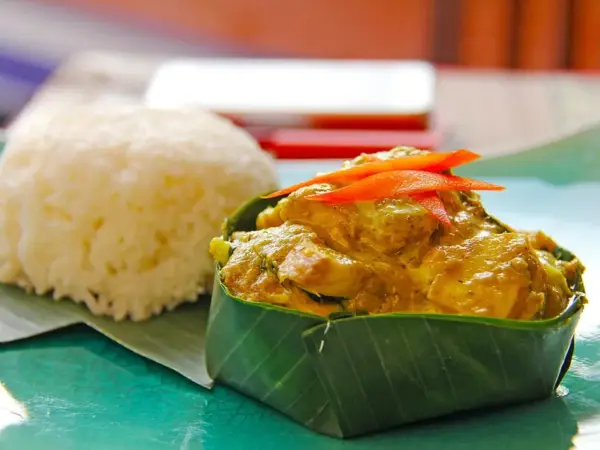
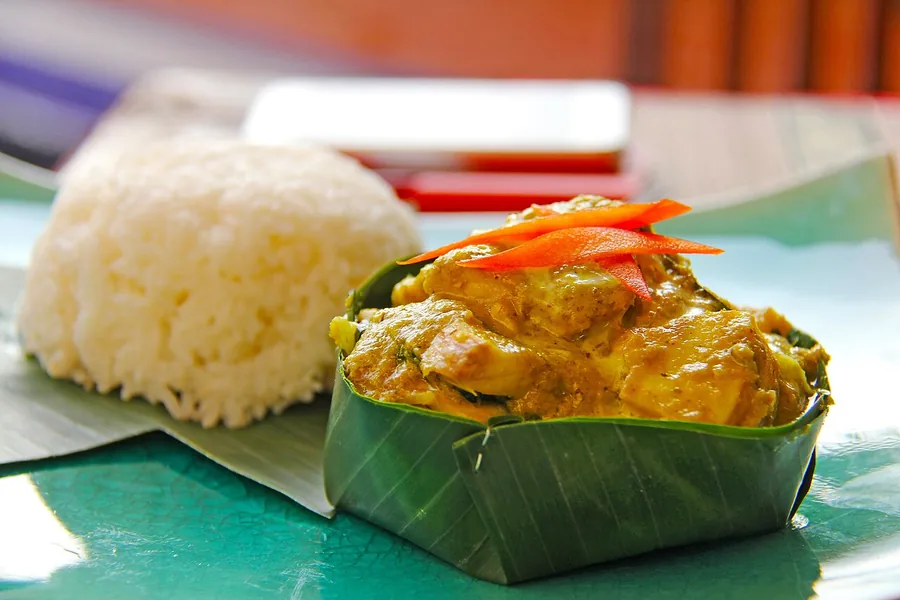
Coconut fish curry steamed in banana leaf
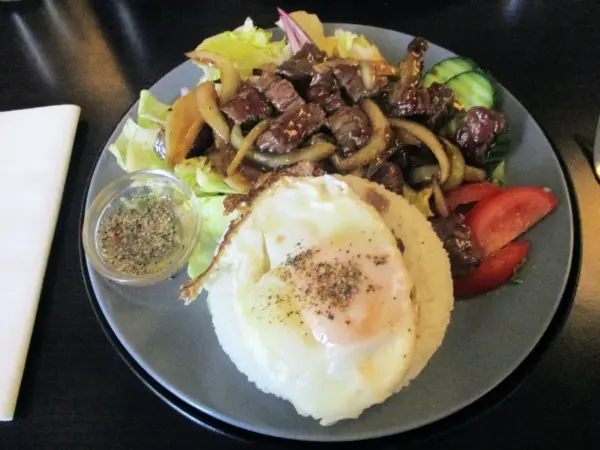
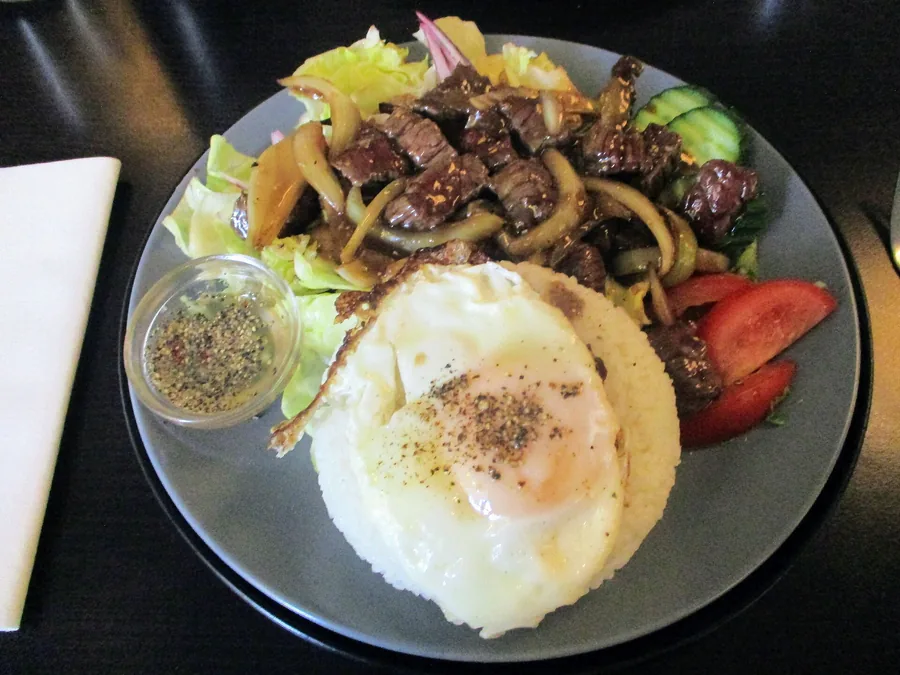
Stir-fried beef with a lime-and-pepper dip
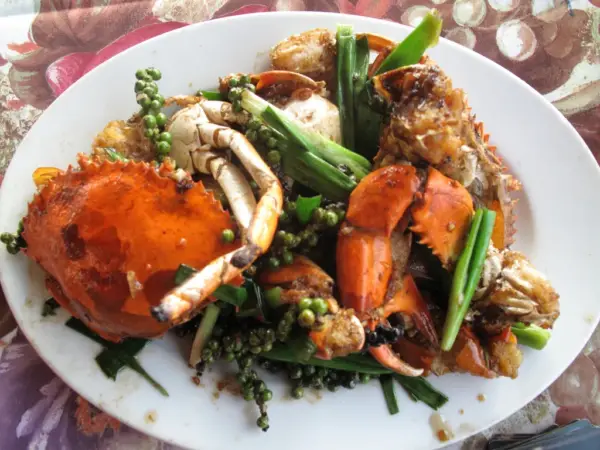
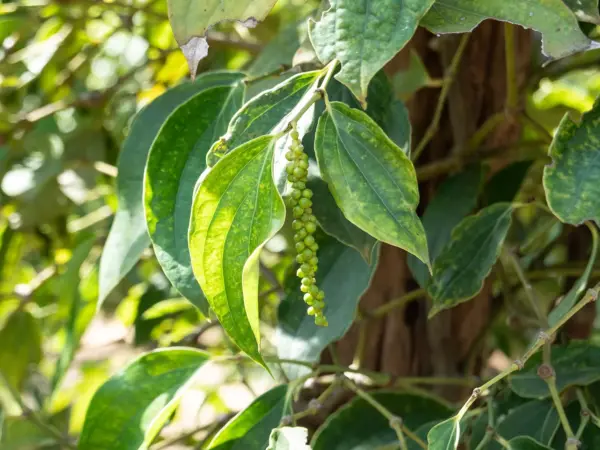
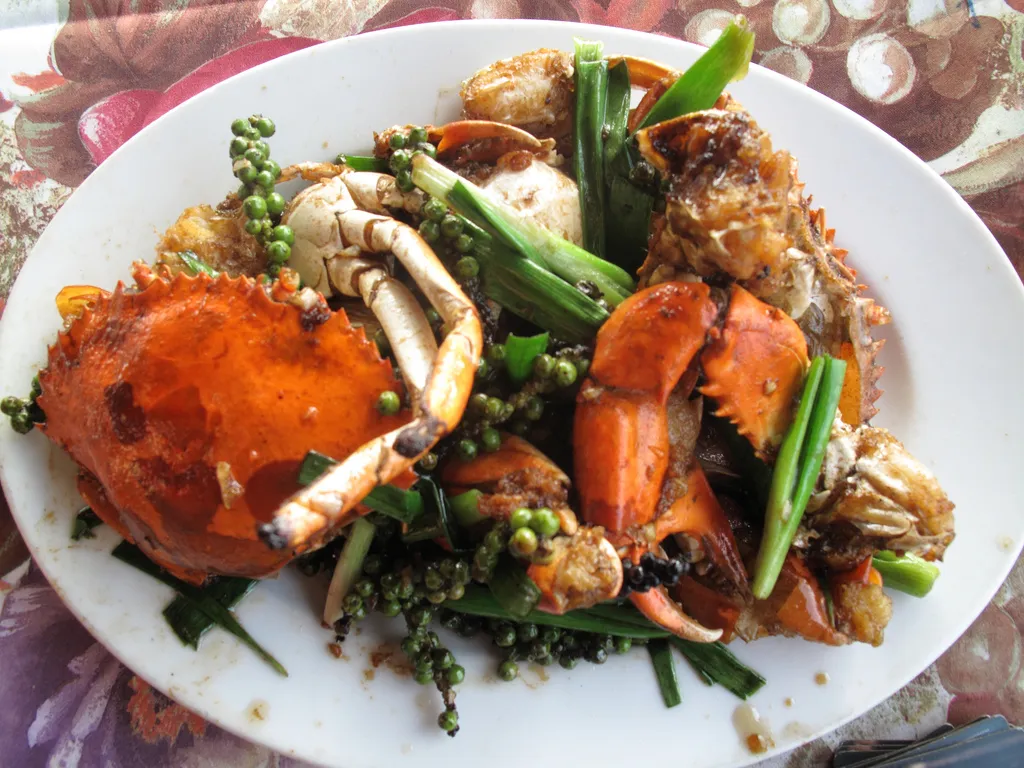
Crab stir-fried with green Kampot peppercorns
Rice noodle soup, a breakfast favourite
The full guide
Cambodia is a compact kingdom on the Mekong, bordered by Thailand, Laos and Vietnam, with a short coastline on the Gulf of Thailand. For most of us the draw is Angkor, the vast temple city of the Khmer Empire near Siem Reap, with Angkor Wat, the Bayon and the root-wrapped Ta Prohm. Beyond it there is Phnom Penh, the capital on the Mekong, with its Royal Palace, museums and sobering genocide memorials; the Tonle Sap, Southeast Asia’s largest lake; riverside Battambang; and in the south, sleepy Kampot and Kep, home of the famous Kampot pepper, plus islands such as Koh Rong and Koh Rong Sanloem.
Cambodia suits travellers who love history, temples, food and a relaxed pace. It is not a luxury-shopping or nightlife destination, and roads between towns take time. Indians need a visa, which is easy to get online or on arrival, and there are now nonstop flights from Delhi and Kolkata.
Late October is the tail end of the wet season. It still rains (Siem Reap averages about 200 mm in October), but showers tend to come in bursts rather than all day, the rice fields and temple forests are deep green, the moats are full, and the Tonle Sap is near its largest after the monsoon, which makes it a good time for a boat trip to the floating and stilt villages. Crowds at Angkor are thinner than in the November to February peak, and the cool, dry season is just ahead.
Getting there has also become easier. IndiGo resumed its nonstop Kolkata–Siem Reap flights on 1 October 2026, and Air Cambodia flies nonstop between Delhi and Phnom Penh. The big Pchum Ben festival has already passed this year (10–12 October 2026), and the main Water Festival (Bon Om Touk) celebrations in front of the Royal Palace in Phnom Penh, which would have been on 23–25 November 2026, have been suspended by the government; the three-day public holiday stays, and provinces may still hold local celebrations. Other public holidays ahead are King Sihamoni’s Coronation Day on 29 October and Independence Day on 9 November.
Cambodia is hot all year, with two main seasons. Here are the averages for Siem Reap, the base for Angkor:
| Month | Avg high | Avg low | Rain/precipitation |
|---|---|---|---|
| Jan | 31.7°C | 20.4°C | 4 mm |
| Feb | 33.5°C | 22.4°C | 5 mm |
| Mar | 34.9°C | 24.1°C | 29 mm |
| Apr | 35.8°C | 25.4°C | 57 mm |
| May | 34.8°C | 25.4°C | 150 mm |
| Jun | 33.6°C | 25.1°C | 214 mm |
| Jul | 32.9°C | 24.9°C | 193 mm |
| Aug | 32.4°C | 25.1°C | 209 mm |
| Sep | 31.7°C | 24.7°C | 288 mm |
| Oct | 31.5°C | 24.5°C | 200 mm |
| Nov | 31.2°C | 22.6°C | 51 mm |
| Dec | 30.6°C | 20.7°C | 7 mm |
November to February is the cool, dry season and the most popular time to visit, with the most comfortable temple days and the highest prices. March to May is the hottest stretch, with highs around 35°C. The wet season runs roughly from May to October, with the heaviest rain usually in September and October; travel still works, the landscape is green and prices are lower, but some rural roads and boat trips can be affected. Late October to early November is a good shoulder if you can live with some rain.
Indian citizens need a visa for Cambodia, and there are two easy options for a 30-day tourist stay.
Your passport must be valid for at least six months from arrival. Separately, everyone arriving by air must also fill in the free Cambodia e-Arrival card at arrival.gov.kh (or in its app) within seven days before arrival; it replaces the old paper immigration, health and customs forms and is not a visa. Rules and fees change, so check the official portals before you travel.
Cambodia runs on two currencies. The official currency is the riel (KHR), but US dollars are used everywhere for hotels, tours, entry tickets and most restaurant bills, and change below a dollar usually comes back in riel. On 25 October 2026, ₹1 was worth about 43 riel and US$1 cost about ₹95, so a US$10 meal is roughly ₹950. ATMs are common in Phnom Penh, Siem Reap, Battambang and Kampot and usually dispense US dollars, with a fee per withdrawal. Cards work in mid-range and upmarket hotels and restaurants, but markets, tuk-tuks and small eateries want cash.
We bring US dollars from India in small and medium notes, in good condition, since torn or worn notes are often refused. Indian rupees are not accepted in Cambodia and are hard to exchange, so change money before you leave home.
Here is a rough idea of daily costs per person in Indian rupees, excluding international flights, the visa and the Angkor pass. These are our estimates, not quotes.
| Budget | Mid-range | Comfort | |
|---|---|---|---|
| Stay | ₹900 – ₹2,000 | ₹2,500 – ₹5,500 | ₹8,000 – ₹20,000 |
| Food | ₹600 – ₹1,200 | ₹1,500 – ₹2,500 | ₹3,000 – ₹6,000 |
| Local transport | ₹300 – ₹800 | ₹1,000 – ₹2,000 | ₹2,500 – ₹5,000 |
| Activities and entry | ₹300 – ₹1,000 | ₹1,000 – ₹2,500 | ₹2,500 – ₹6,000 |
| Total per day | ₹2,100 – ₹5,000 | ₹6,000 – ₹12,500 | ₹16,000 – ₹37,000 |
The one big fixed cost is the Angkor pass, sold by the official Angkor Enterprise: US$37 for one day, US$62 for three days and US$72 for seven days (about ₹3,500, ₹5,900 and ₹6,800 at the rate above). A tuk-tuk driver or guide for the temples is usually hired by the day.
Cambodia now has nonstop flights from India, but only from two cities. Air Cambodia flies nonstop between Delhi and Phnom Penh’s Techo International Airport, currently on Tuesdays and Saturdays, with a third weekly flight on Thursdays from 17 December 2026. IndiGo flies nonstop between Kolkata and Siem Reap Angkor International Airport three times a week (Mondays, Thursdays and Saturdays), a route that resumed on 1 October 2026 after a seasonal break. From Mumbai, Bengaluru, Chennai and other cities, we connect via Bangkok, Kuala Lumpur, Singapore, Hanoi or Ho Chi Minh City. Schedules change, so always check the airline’s own site before booking.
| From | Air distance to Phnom Penh (approx.) | Usual routing |
|---|---|---|
| Kolkata | ~2,140 km | Nonstop to Siem Reap (IndiGo), or one stop |
| Chennai | ~2,680 km | One stop, via Bangkok, KL or Singapore |
| Bengaluru | ~2,970 km | One stop, via Bangkok, KL or Singapore |
| Delhi | ~3,450 km | Nonstop to Phnom Penh (Air Cambodia), or one stop |
| Mumbai | ~3,530 km | One stop, via Bangkok, KL or Singapore |
Air distances are great-circle estimates between city centres. Siem Reap is slightly closer than Phnom Penh from every Indian city.
Most of us fly into Siem Reap Angkor International Airport (SAI), which opened in 2023 well outside the town, so allow about an hour by road to your hotel, or Phnom Penh’s Techo International Airport (KTI), which opened in 2025 south of the city and replaced the old airport. Flying into one and out of the other saves backtracking.
Overland from Thailand is not possible right now. All land crossings between Thailand and Cambodia, including the classic Bangkok–Aranyaprathet–Poipet route to Siem Reap, have been closed since June 2025 after the border dispute and the fighting later that year, and were still closed in October 2026; a ceasefire was signed in December 2025. If you are combining the two countries, fly between Bangkok and Siem Reap or Phnom Penh. Crossings with Vietnam (such as Bavet) and Laos remain the overland options.
Between the big towns we use buses and minivans, private cars or short domestic flights. Phnom Penh to Siem Reap is roughly five to six hours by road or under an hour by air; the Phnom Penh–Sihanoukville Expressway has made the run to the coast much quicker, and Kampot and Kep are a few hours south of the capital by road. Ferries link Sihanoukville with Koh Rong and Koh Rong Sanloem. In towns, tuk-tuks and ride-hailing apps such as Grab and PassApp are the easiest way around, and for Angkor most visitors hire a tuk-tuk or car with a driver for the day, or cycle the closer temples.
Siem Reap and the temples of Angkor, ideal with the nonstop flight from Kolkata.
Angkor, Phnom Penh and the pepper country of Kampot and Kep.
Angkor, Battambang, Phnom Penh, Kampot–Kep and an island.
The largest religious monument in the world was built in the early 12th century under King Suryavarman II and was first dedicated to Vishnu, which gives Indian visitors a special connection to its Ramayana and Mahabharata carvings. Angkor became a UNESCO World Heritage Site in 1992. The temple faces west, so sunrise rises behind its towers, as seen from the ponds in front of it; afternoon light is best for the long galleries of bas-reliefs.
The walled royal city of Angkor Thom holds the Bayon, with its many serene stone faces, plus the Baphuon and the Terrace of the Elephants.
Left partly to the jungle, with giant silk-cotton and strangler fig roots splitting its walls, Ta Prohm is the most atmospheric of the temples. Go early to beat the crowds.
About an hour’s drive north-east of Siem Reap, this small 10th-century temple in pink sandstone has some of the finest carving in Angkor and is covered by the Angkor pass.
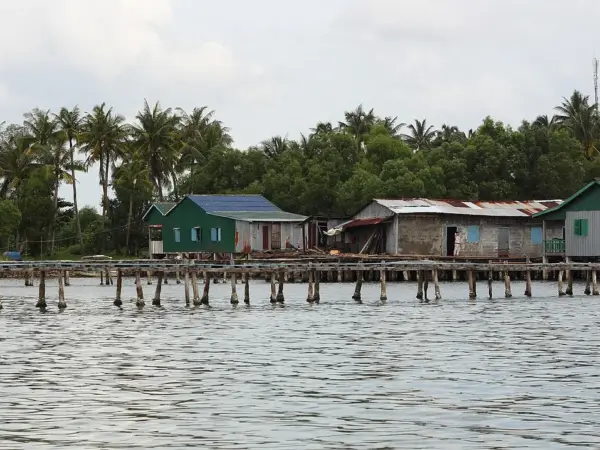
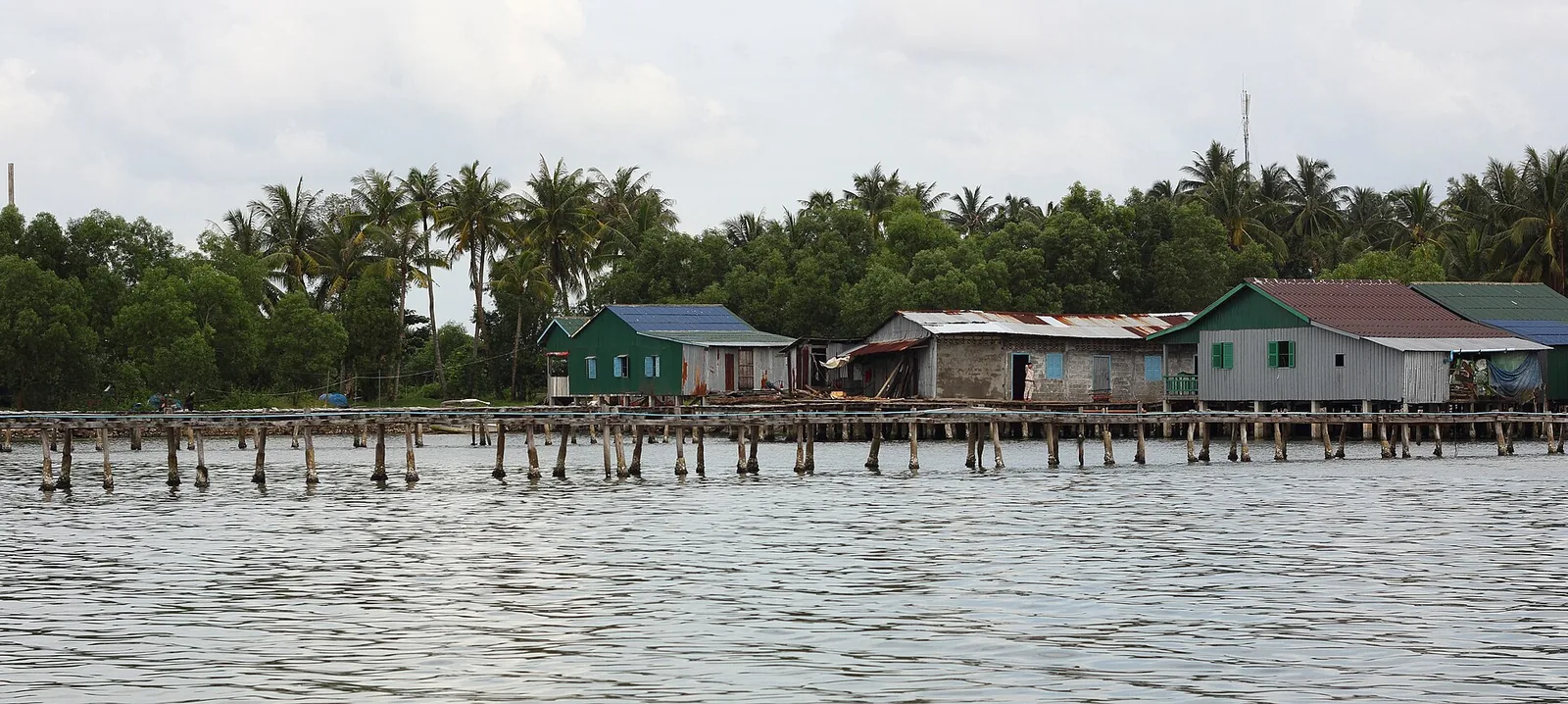
After the rains, the lake swells to many times its dry-season size. From Siem Reap, boat trips visit stilt and floating villages such as Kampong Phluk and Kampong Khleang; we book through a reputable operator and agree what is included.
See the Royal Palace and Silver Pagoda, the National Museum’s Khmer sculpture, the Tuol Sleng Genocide Museum and the Choeung Ek memorial (the “Killing Fields”), and walk the riverside along Sisowath Quay at sunset. The Central Market and the Russian Market are good for browsing.
Here is the “pepper twist” in our title. Kampot pepper is grown on small farms in Kampot and Kep provinces in the south and is protected as a geographical indication; in 2016 it was registered as a Protected Geographical Indication in the European Union, so only pepper from the designated area, grown and processed there, can carry the name. It comes as black, red (fully ripened) and white peppercorns, and in season the green peppercorns are cooked fresh. Many farms around Kampot welcome visitors to see the vines and taste the different kinds; we buy sealed packs with the Kampot pepper certification mark from the farm shop rather than unlabelled market pepper.
Khmer cooking leans more on pepper, lime, lemongrass, kaffir lime and fermented fish than on chilli heat; chillies are usually served on the side, so dishes can be made milder or hotter to taste. Do not leave without trying Kep’s pepper crab, stir-fried with green peppercorns, and lok lak with its lime-and-pepper dipping sauce.
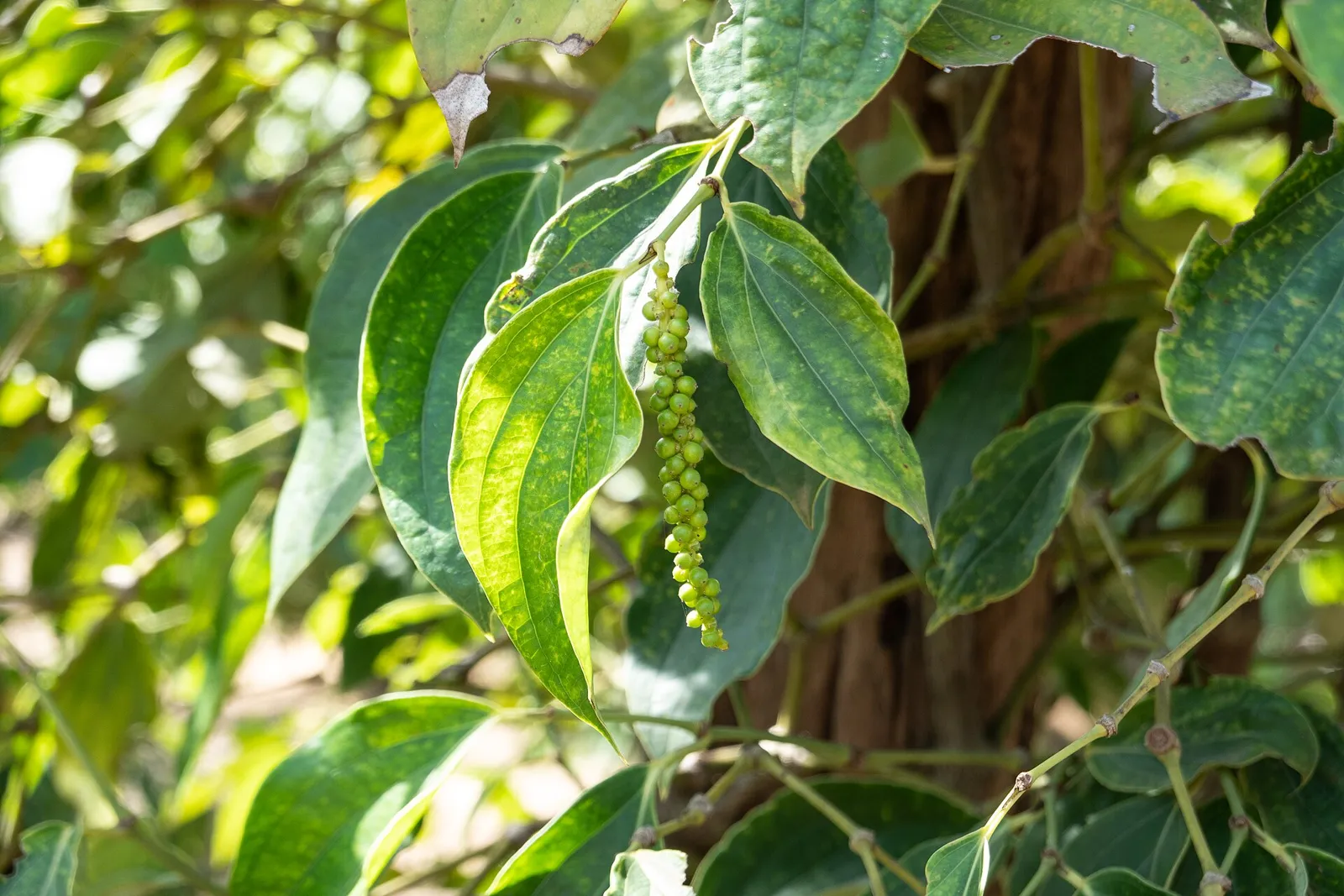

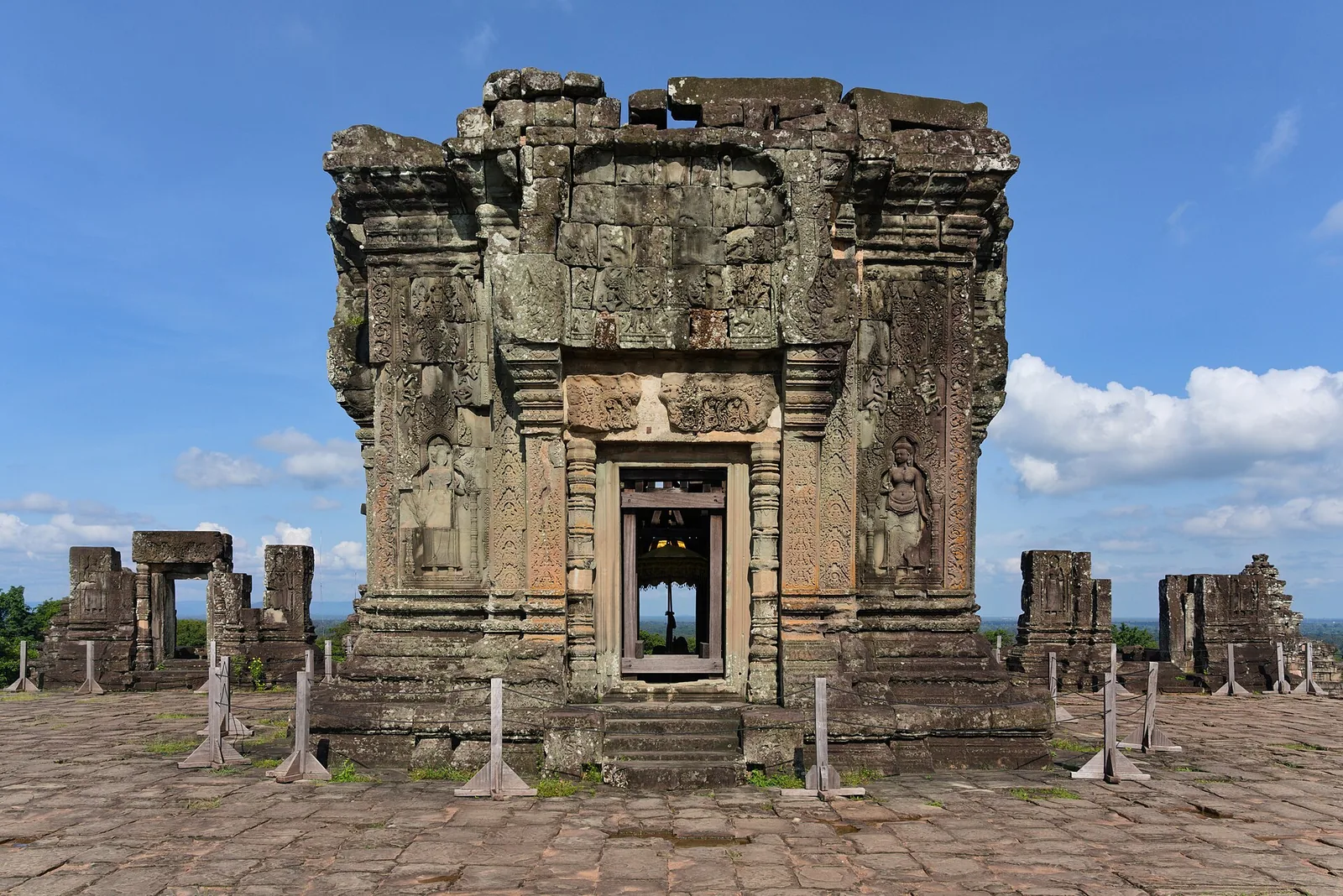
If time is short, we would pick three: a sunrise at Angkor Wat followed by Ta Prohm before the crowds, a day in Phnom Penh at the Royal Palace and Tuol Sleng, and a slow day in Kampot and Kep with a pepper farm visit and crab at the Kep crab market. Phnom Bakheng, a temple-mountain near Angkor Wat, is a popular sunset spot; visitor numbers on the summit are limited, so go early.
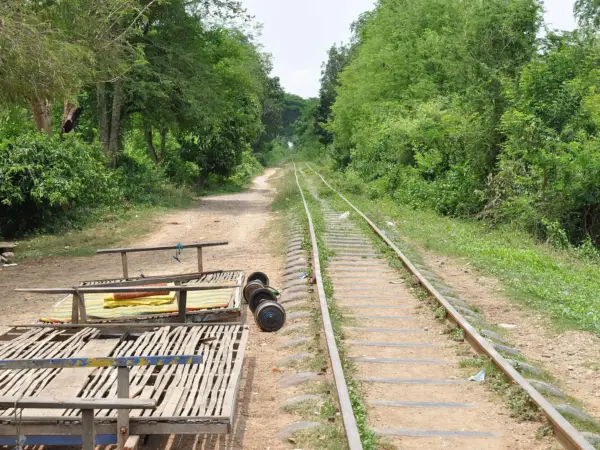
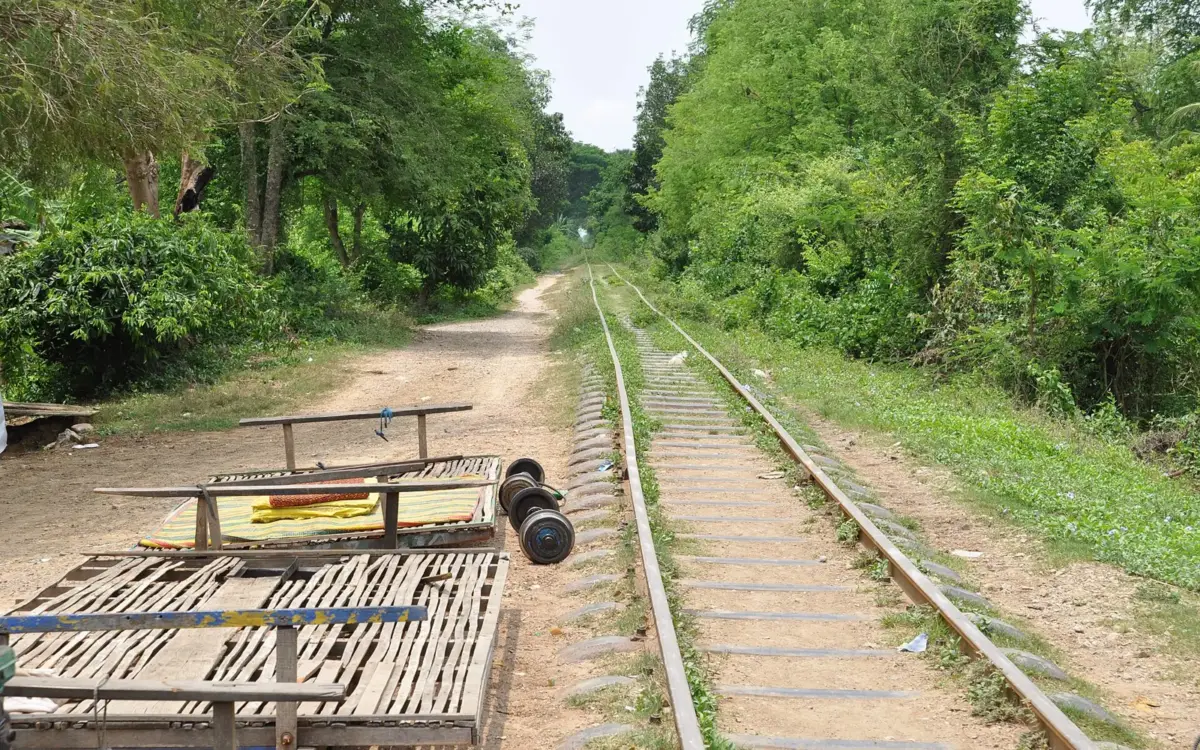
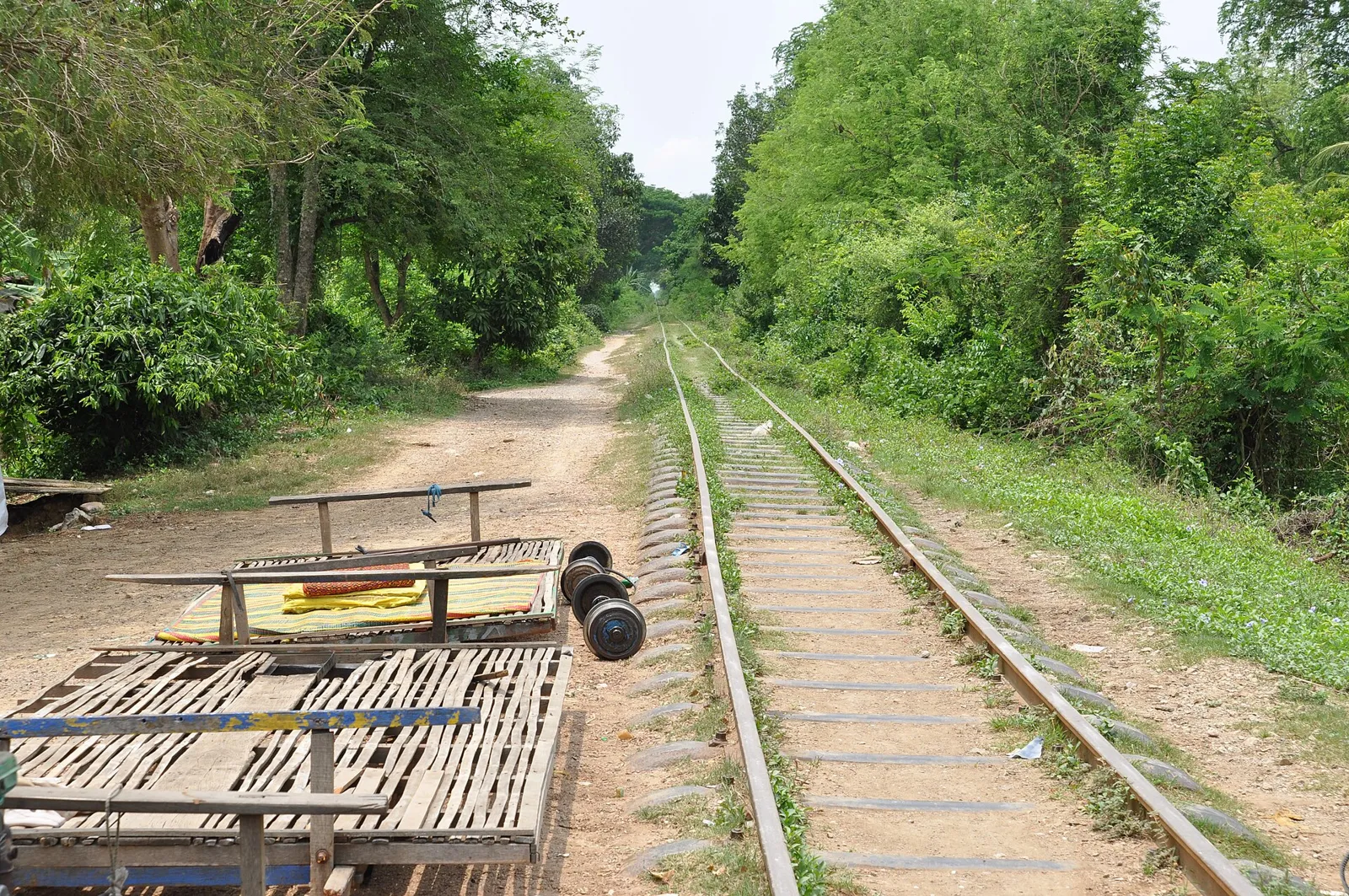
Cambodia’s second-largest city has well-preserved French-era shophouses, a lively art scene and countryside temples such as Wat Banan. Its famous bamboo train (norry) no longer runs on the old main line, but a rebuilt tourist ride near Wat Banan has operated since 2018; check that it is running before you go.
About 13 km east of Siem Reap, these early temples, including Bakong, pre-date Angkor Wat, are covered by the Angkor pass and are much quieter.
The sacred mountain north-east of Siem Reap has a riverbed carved with lingas, a reclining Buddha and waterfalls. It needs a separate ticket, not the Angkor pass.
A small seaside town near Kampot, best known for its crab market, where crabs are sold straight from the sea and cooked to order with Kampot pepper.
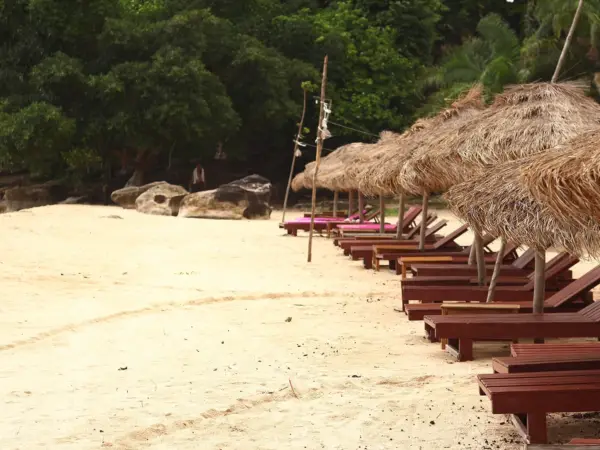
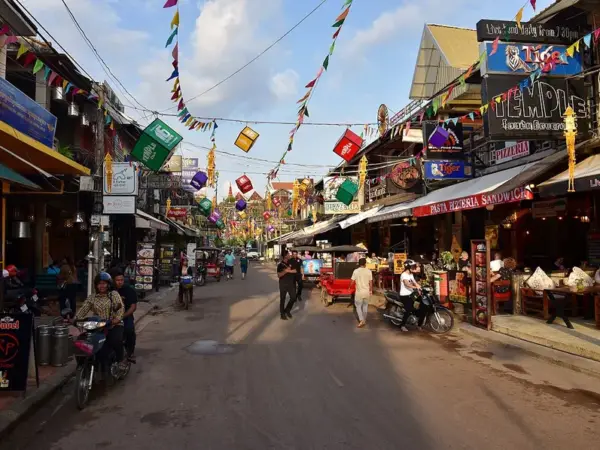
In Siem Reap, most hotels and guesthouses are around the Old Market, Pub Street and the river, within a short tuk-tuk ride of the Angkor ticket centre; quieter garden hotels sit a little outside the centre. In Phnom Penh, we stay near the riverside and the Royal Palace, or in the BKK area for cafés and restaurants. Kampot has guesthouses and riverside lodges along the Praek Tuek Chhu river, and Kep has small resorts in its hills. For beaches, Sihanoukville has changed a lot with rapid casino-led development, so many travellers use it mainly as the ferry gateway to the islands, where Koh Rong and Koh Rong Sanloem have simple bungalows and a few resorts. Book ahead for November to February.
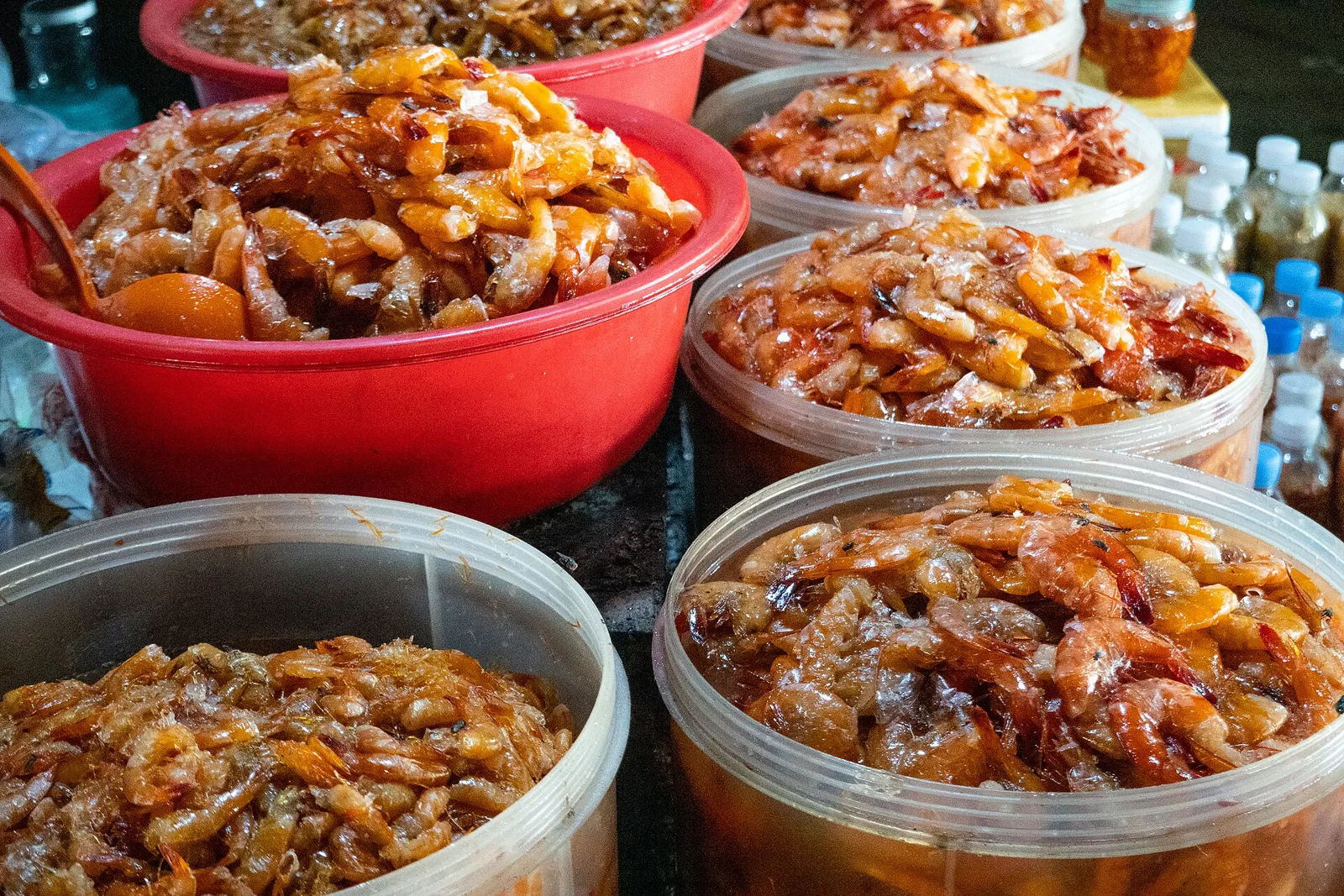
Khmer food is fresh, herby and sour-savoury rather than fiery. Try fish amok, a coconut curry steamed in banana leaf; lok lak, stir-fried beef with a lime-and-pepper dip; kuy teav, a rice noodle soup popular at breakfast; num banh chok, rice noodles with a green fish curry; and bai sach chrouk, grilled pork with rice. In Kep, the crab with green Kampot pepper is the dish to order. Markets and night markets are easy places to graze, and the French legacy lives on in baguettes and strong coffee.
Phnom Penh and Siem Reap have a handful of Indian restaurants, mostly serving North Indian dishes, and tourist cafés in both cities offer vegetarian options. In local food, fish sauce, shrimp paste and the fermented fish paste prahok are common, even in dishes that look vegetarian, so ask clearly; “I don’t eat meat or fish” and a translation app help. Fruit, rice, vegetable stir-fries and baguettes are easy fallbacks. Strict vegetarians and Jains may want to carry some ready-to-eat food for long journeys.
Look for Khmer silk and cotton scarves (krama), silverwork, stone and wood carvings, and of course Kampot pepper in certified packs. In Siem Reap, the Old Market and the night markets are full of souvenirs, and Artisans Angkor sells work made by local artisans. In Phnom Penh, try the Central Market and the Russian Market. Bargain politely in markets. Never buy antiquities or temple fragments; their export is illegal.
The main mobile operators are Smart, Metfone and Cellcard, and tourist SIM cards are sold at the airports and in town shops; bring your passport for registration. An international eSIM is another easy option. Coverage is good in towns and along main roads but patchy on the islands and in remote areas. Most hotels and cafés have Wi-Fi.
Cambodia uses 230 V at 50 Hz, with Type A, C and G sockets. Indian two-pin Type C plugs usually fit, but the heavier three-pin Type D plugs do not, so we carry a universal adapter. Most phone and laptop chargers work without a converter.
We strongly recommend travel insurance that covers medical treatment and evacuation. Private hospitals in Phnom Penh and Siem Reap can be expensive, and serious cases may be transferred to Bangkok or Singapore. Check that scooter riding, boat trips and any diving or snorkelling are covered, and that the policy does not exclude areas near the Thai border.
Cambodia is generally welcoming, but a few things matter. Stay away from the Thai border area: the UK government advises against all but essential travel within 20 km of the land border with Thailand after the 2025 fighting, and border temples such as Preah Vihear are closed. Landmines and unexploded ordnance remain in rural areas, so stick to marked paths. Bag snatching from passing motorbikes is the most common crime in Phnom Penh, Siem Reap and Sihanoukville, so carry bags on the side away from the road. Road safety is poor, especially at night, so if you rent a scooter, wear a helmet and check your licence and insurance. Drug laws are very strict. Be wary of unusually generous job offers, and check that dollar notes you receive as change are genuine and not torn.
Cambodians are polite and reserved, and losing your temper in public gets you nowhere. Say “choum reap suor” (hello) and “orkun” (thank you). At temples and pagodas, dress modestly, keep your voice down, and sit with your feet tucked away from Buddha images. If you want to make an offering at a pagoda, use the donation box rather than handing money to a monk. Tipping is not traditional but is appreciated in tourist areas, especially for guides and drivers.
Myth: Cambodia is only about Angkor. Fact: Phnom Penh, Battambang, the Tonle Sap and the Kampot–Kep coast are worth days of their own.
Myth: There are no direct flights from India. Fact: In October 2026 there are nonstop flights from Delhi to Phnom Penh and from Kolkata to Siem Reap.
Myth: The easiest way in is overland from Bangkok. Fact: All Thailand–Cambodia land crossings have been closed since June 2025; fly instead.
Myth: Khmer food is very spicy. Fact: It is herby and peppery; chillies usually come on the side.
From the 9th to the 15th century, the Khmer Empire ruled much of mainland Southeast Asia from Angkor, building temples first to Hindu gods and later to the Buddha. After Angkor declined, the capital moved south towards Phnom Penh. Cambodia became a French protectorate in 1863 and gained independence on 9 November 1953. The Khmer Rouge regime of 1975–79 caused the deaths of a huge share of the population, and the genocide sites in Phnom Penh explain this history with care. Today Cambodia is a constitutional monarchy under King Norodom Sihamoni, crowned on 29 October 2004.
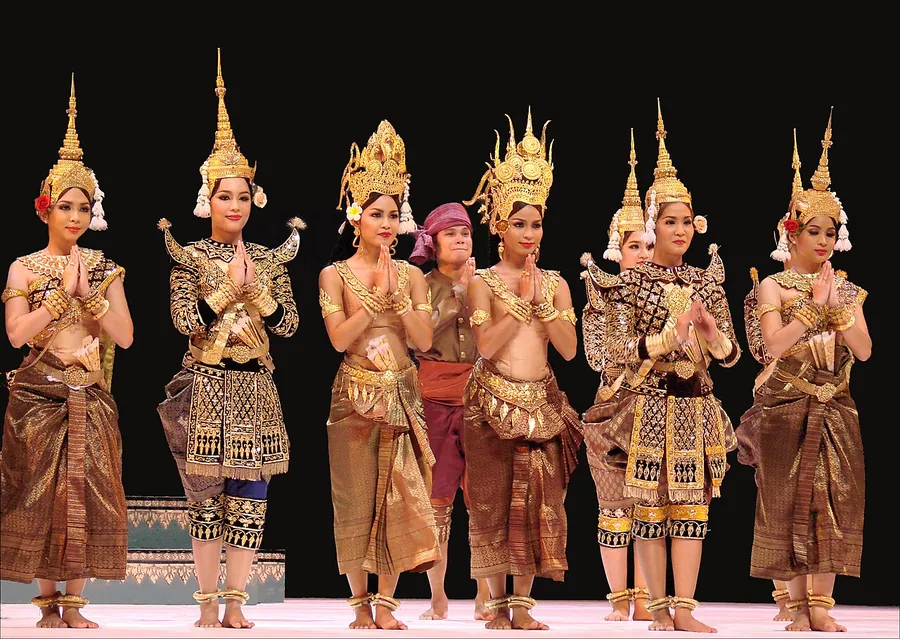
Theravada Buddhism shapes daily life, with saffron-robed monks, pagoda festivals and the ancestor-honouring Pchum Ben. The classical Apsara dance of the Royal Ballet of Cambodia is on UNESCO’s list of intangible cultural heritage, and we can watch dance performances in Siem Reap and Phnom Penh.
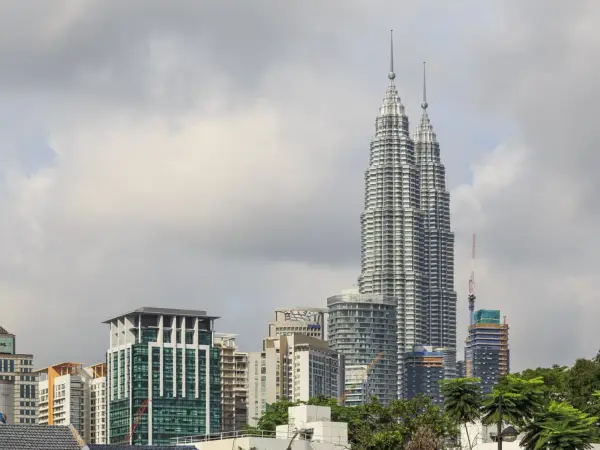
Planning a longer Mekong trip? Cambodia pairs naturally with southern Vietnam and with Laos, which both have open land borders with Cambodia, and Malaysia is visa-free for Indians until the end of 2026.
Yes. Indian citizens can apply online for the official tourist e-Visa at evisa.gov.kh (US$30 government fee, about US$36 with processing) or get a 30-day visa on arrival at the international airports for US$30 in cash.
A free online form at arrival.gov.kh that everyone arriving by air must submit within seven days before arrival. It replaces the paper immigration, health and customs forms and is separate from the visa.
Yes. Air Cambodia flies nonstop Delhi–Phnom Penh (Tuesdays and Saturdays, plus Thursdays from 17 December 2026), and IndiGo flies nonstop Kolkata–Siem Reap on Mondays, Thursdays and Saturdays. Other cities connect via Bangkok, Kuala Lumpur, Singapore or Vietnam.
Not at present. All Thailand–Cambodia land crossings, including Poipet, have been closed since June 2025 and were still closed in October 2026. Fly between Bangkok and Siem Reap or Phnom Penh instead.
US$37 for one day, US$62 for three days and US$72 for seven days, sold by the official Angkor Enterprise.
US dollars in good condition, which are used for most bills, plus riel for small change. On 25 October 2026, ₹1 was about 43 riel and US$1 was about ₹95. Indian rupees are not accepted.
The public holiday is 23–25 November 2026, but the main Phnom Penh celebrations in front of the Royal Palace have been suspended this year; provinces may still hold local events.
Pepper grown in Kampot and Kep provinces and protected as a geographical indication, including in the EU since 2016. It comes as black, red and white peppercorns, and green peppercorns are used fresh in dishes such as Kep crab.
Two-pin Type C plugs usually fit; three-pin Type D plugs do not. The supply is 230 V, so carry a universal adapter.
Four days covers Siem Reap and Angkor; seven adds Phnom Penh and Kampot–Kep; ten lets you add Battambang or an island.
We researched background facts from the pages below (Wikimedia text is used under Creative Commons Attribution-ShareAlike) and checked them against official sources where we could. This guide is our own work; prices, visa rules and timings change, so verify before you travel.
Photos:
Been here recently? Share a tip (and a photo) in the comments below and tick “This is a travel tip”. Tips are reviewed before they appear — we never show your email.
Short, useful travel ideas and new guides. Straight to your inbox every Friday.
Message us with your dates and budget and we’ll reply with suggestions.
Chat on WhatsApp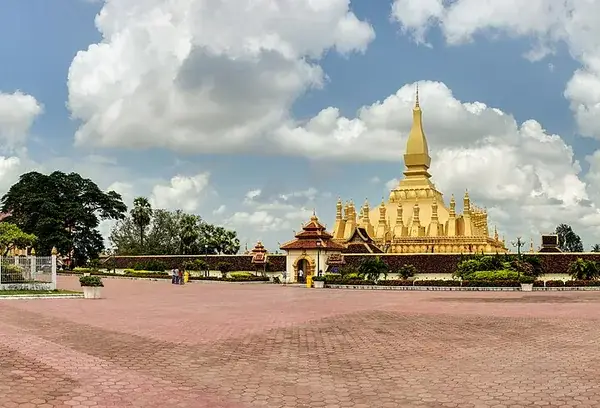

1 comment