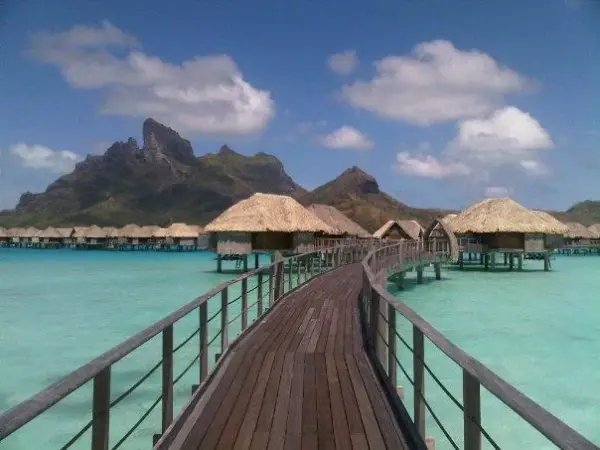
Four Seasons Resort Bora Bora
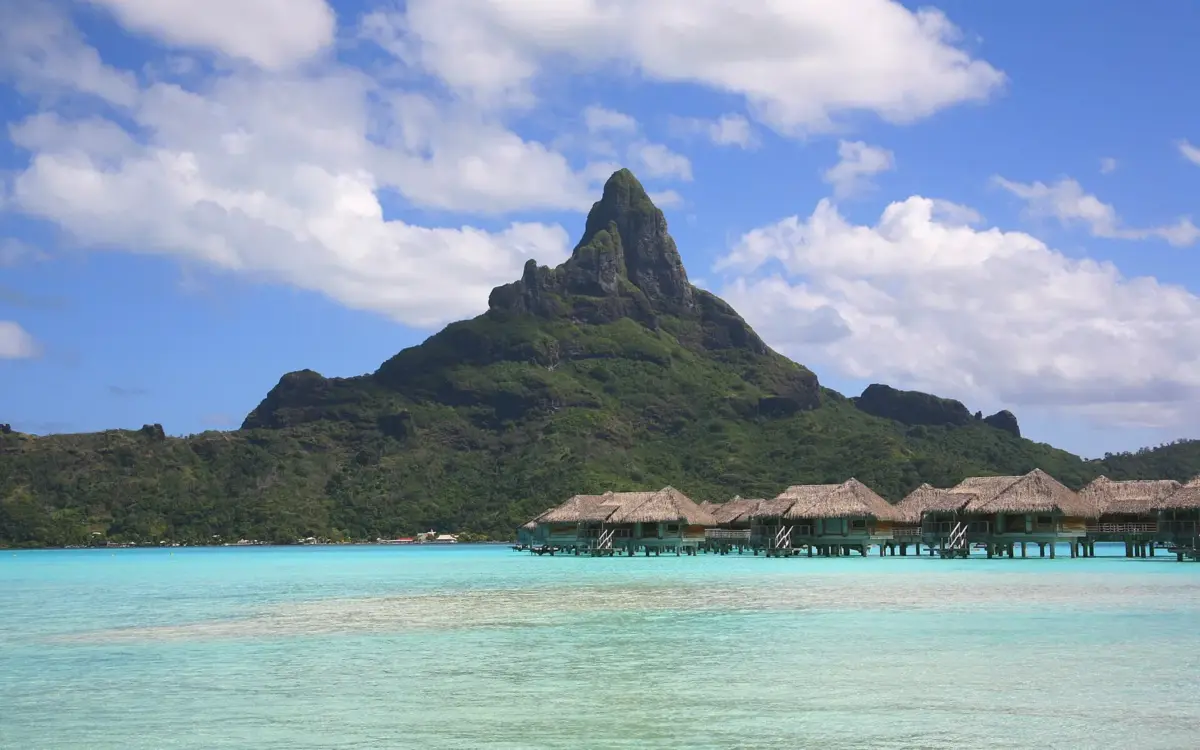
Iconic overwater villas
Own a stay, café or cab? List your place on BuzzyTrip — free starter listing after we review.
List your placeBora Bora sits in French Polynesia’s Society Islands, a volcanic island in the South Pacific ringed by a lagoon. Expect French-Polynesian food, boat transfers from the airport and a long journey from India.
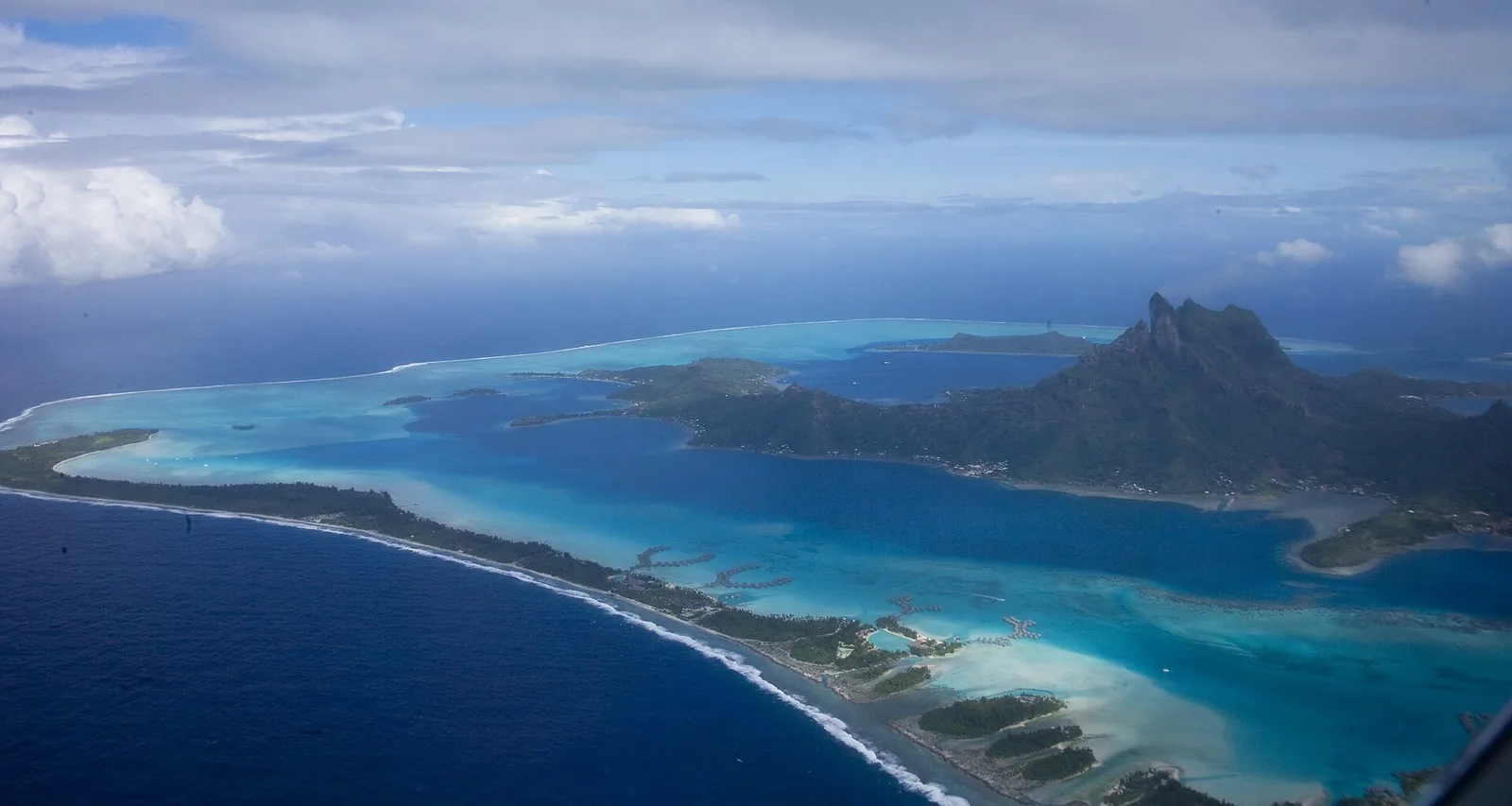

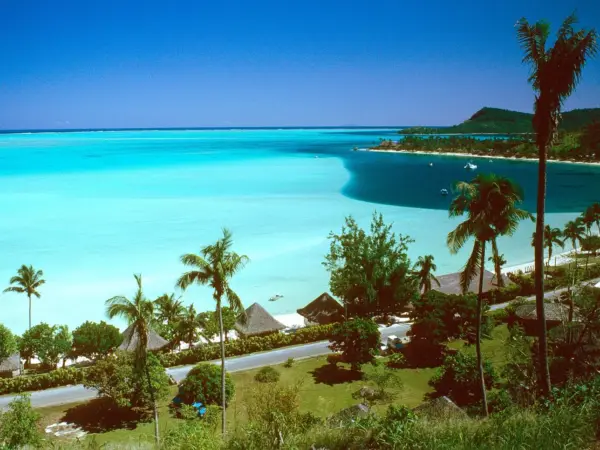
Iconic overwater villas

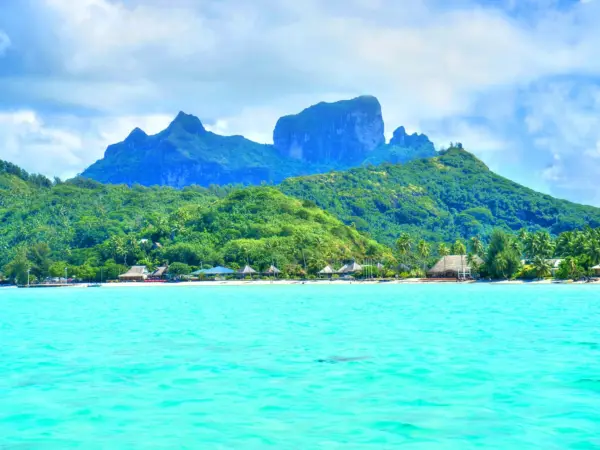
Secluded beach cove
Long motu on the eastern reef
Motu on the western reef

Main village market area


Low tide beach view
Colorful stalls at dusk
Small island in French Polynesia
Private motu – admire it from a boat
Private motu – admire it from a boat
Private motu – admire it from a boat

Fresh fish, citrus glaze
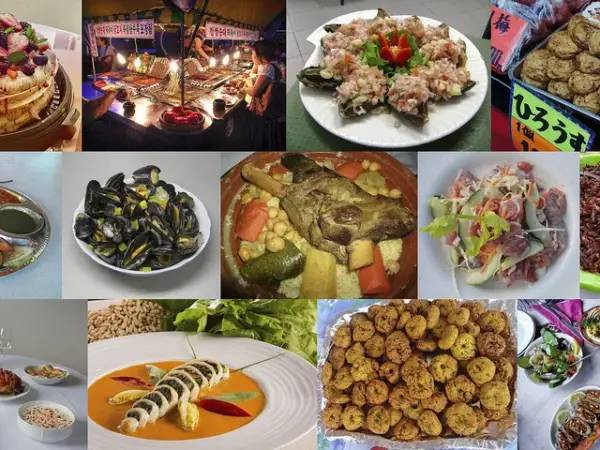
Tahitian raw fish salad
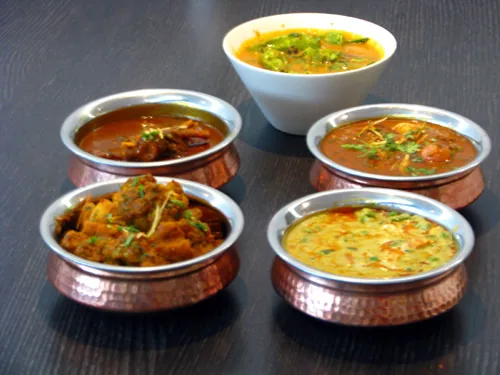
Mild, veggie‑friendly
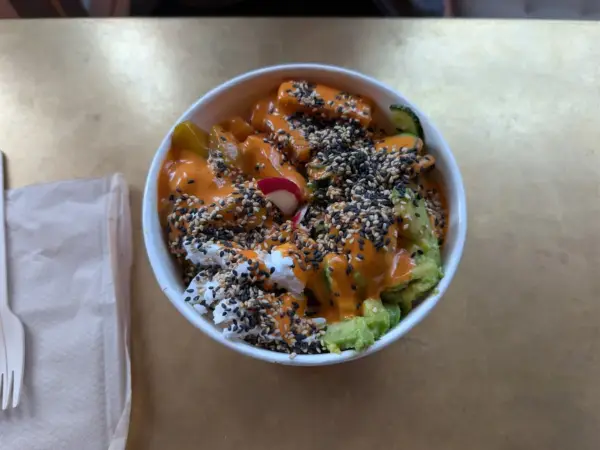
Tuna, rice, tropical toppings

Local sweet treat
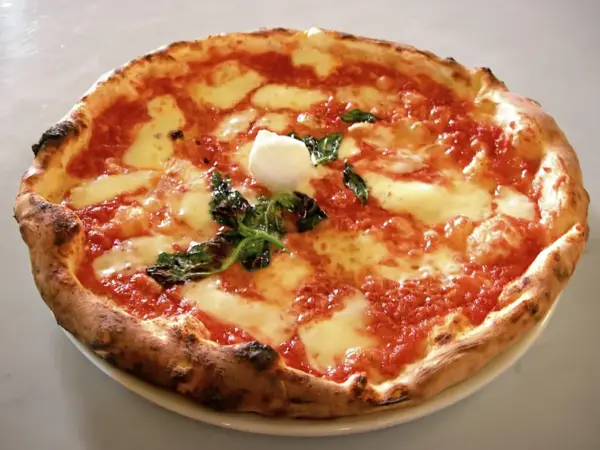
Italian classic, island twist
The full guide
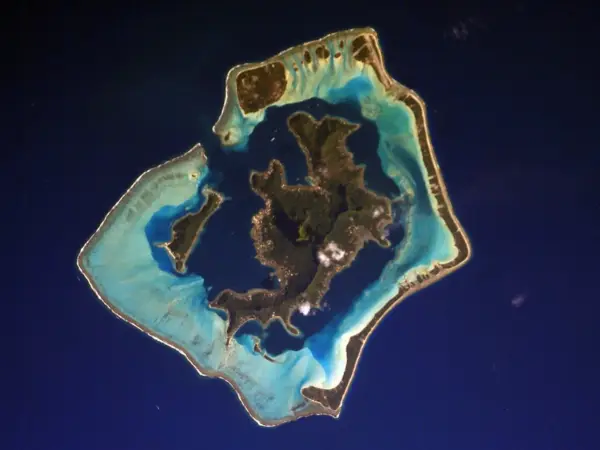
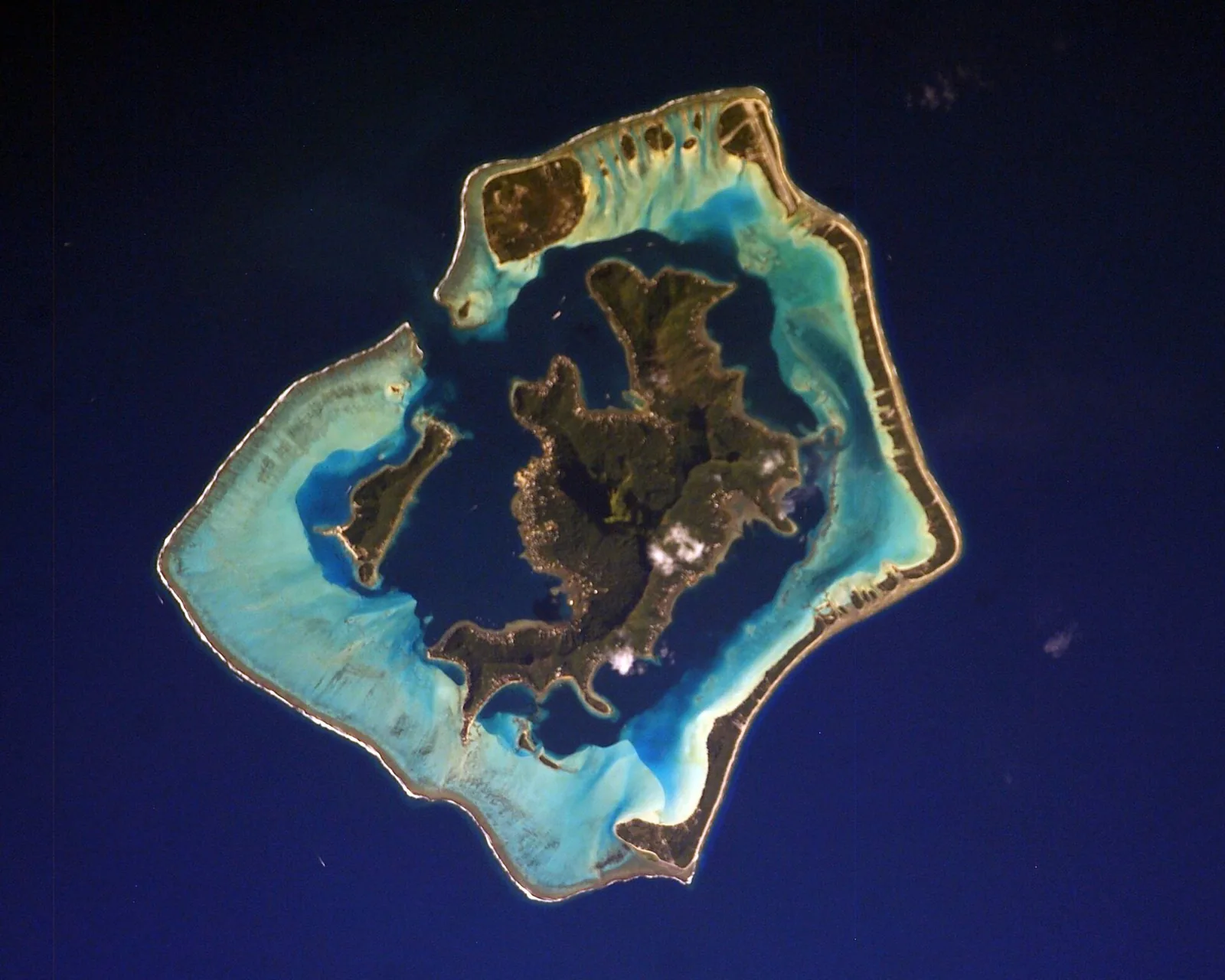
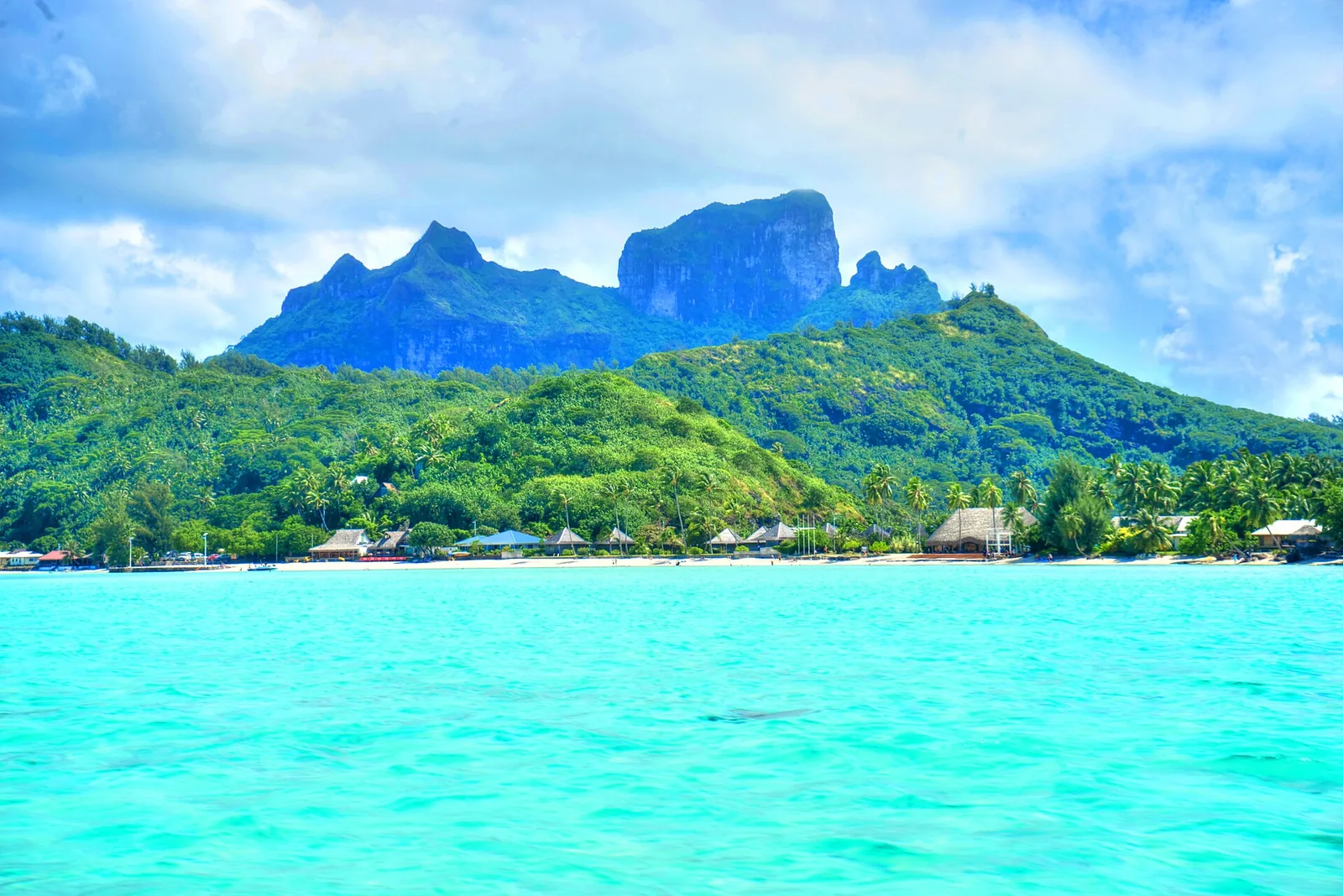
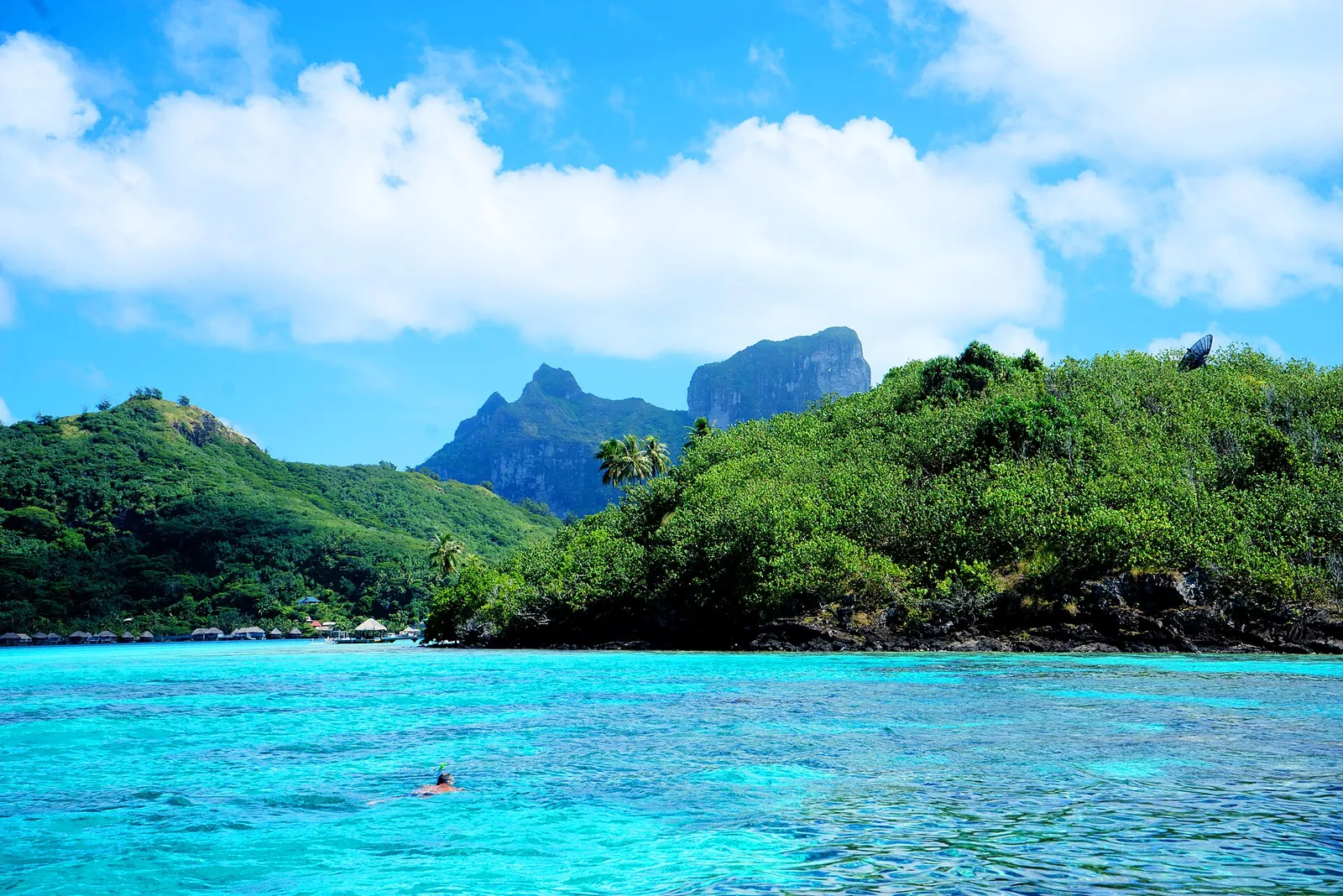
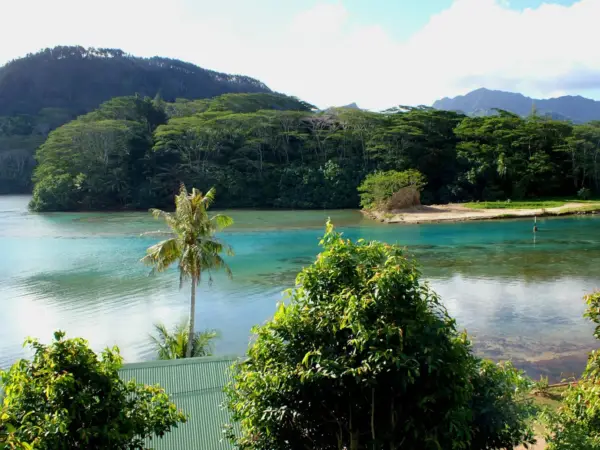
Bora Bora is a small volcanic island ringed by a wide lagoon and a chain of motus (reef islets), with Mount Otemanu rising 727 metres in the middle. It looks like the postcard, but it helps to know the layout: most of the famous over-water resorts sit out on the motus, while the main island has Vaitape, the small main village with shops, a pharmacy and the boat dock, plus Matira Beach and a scattering of family-run pensions. Our verdict: if you love the water and can stretch the budget for a few nights, it is worth the long journey; if you want cheap and easy, the cost and travel time can feel like a splash of cold water.
The drier months, roughly May to October, bring calmer seas, clearer water for snorkelling and less rain, which is why they are also the busiest and priciest. From November the wet season sets in, with more showers and humidity but also lower rates at many hotels. If you are planning for 2027, book flights and the Air Tahiti connection early, because seats on the short Tahiti–Bora Bora hop fill up fast in peak months.
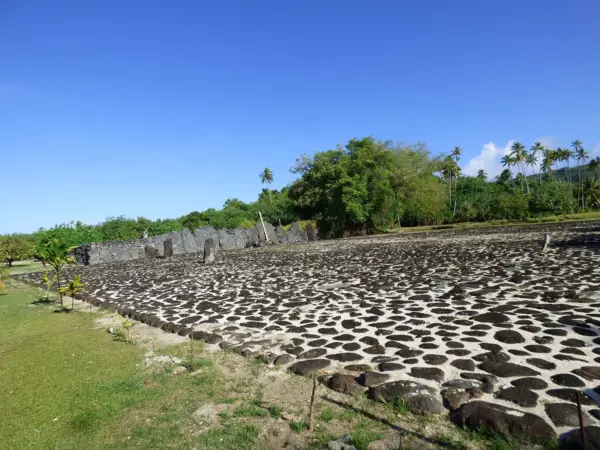
Polynesian settlers reached Bora Bora around the 3rd century, and the island still has the remains of marae, stone ceremonial platforms; the best preserved, Marae Fare Opu in Faanui Bay, has turtle carvings on its slabs. Bora Bora was an independent kingdom until France annexed it in 1888. During the Second World War the US used it as a supply base and built the airstrip on Motu Mute, which is still the island’s airport, and several old coastal guns still sit on the hillsides. Christianity arrived with the London Missionary Society in the 1820s, so you will see both Protestant and Catholic churches. Today, local artisans keep weaving and carving alive, and you will hear traditional drums at dance shows and community events.
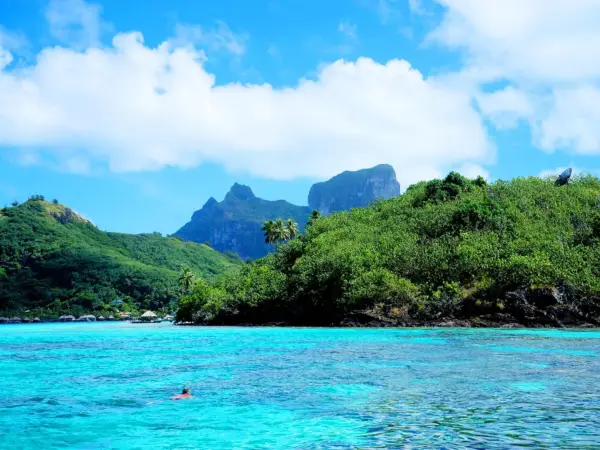
Lagoon tours stop at shallow coral spots where the water is clear enough to watch the fish swirl around you.
The sky turns molten gold, and the silhouette of the peak makes every click on your phone worth it.
Skimming the glassy surface feels like a cool whisper on a warm day – pure adrenaline without the crowds.
The climb tests your lungs, but the panoramic sweep of turquoise lagoon and green motus rewards every breath.
Most lagoon tours stop where blacktip reef sharks and stingrays glide past in shallow water; follow the guide’s rules and never touch the animals.
Floating above the lagoon gives you the full sweep of the reef and the motus; the view is surprisingly peaceful.
Several US coastal guns from the 1940s still sit on the hillsides; 4×4 island tours usually include one, and they add an unexpected layer of history.
Most resorts and a few spas on the main island offer Polynesian-style massages with monoi (coconut and tiare flower) oil.
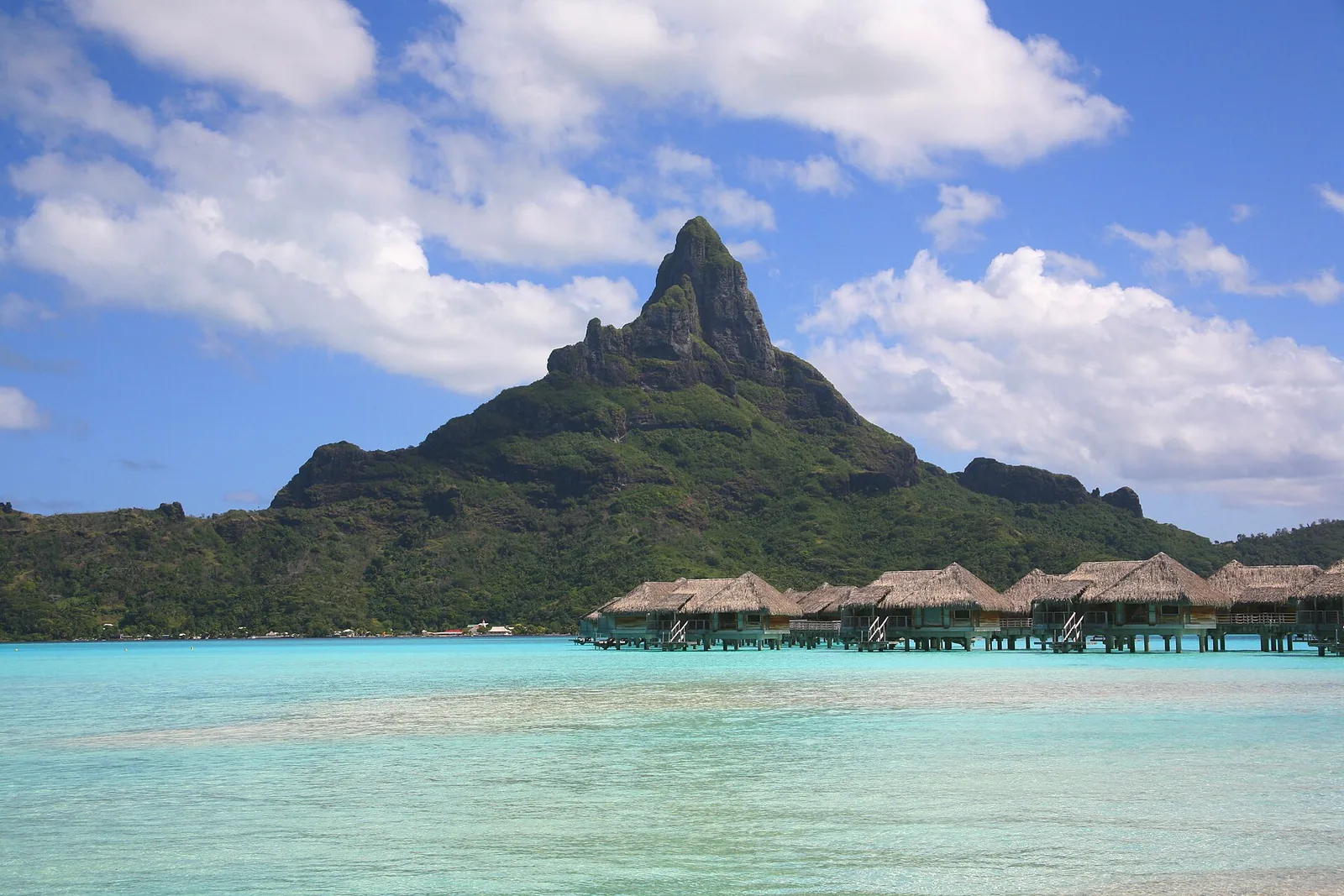
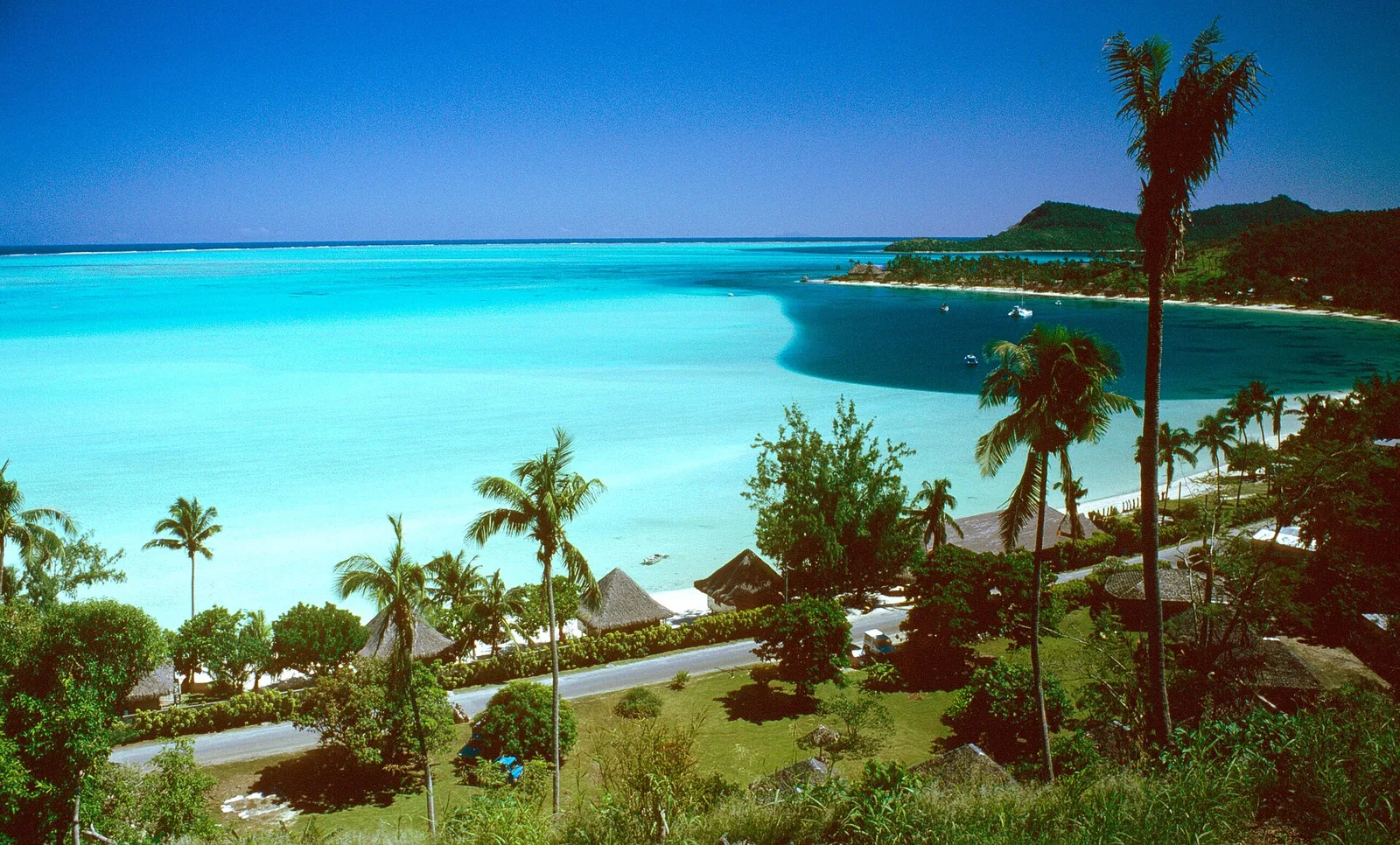
At the southern tip of the main island, you can wade a long way out on soft sand in knee-deep water, and the beach is public and free.
On the north-west side, the quiet bay of Faanui has the island’s best-preserved marae, right by the road, with turtle carvings on the stones.
The east side of the main island is quieter, with a small church, local homes and views across the lagoon to the motus. It is an easy bike or scooter ride on the coastal road.
Glass-like water and busy marine life give us the best underwater show.
Colours hit their peak just before night, perfect for that final photo.
The grill scent mingles with the sea breeze – a simple, unforgettable bite.
The roulottes (food trucks) near the Vaitape dock are the cheapest good meal on the island, with grilled fish, poisson cru (raw fish in lime and coconut milk), steak-frites and crêpes. Portions are generous and the mood is relaxed. For something familiar, Le Panda d’Or in Vaitape serves Chinese-style noodles and stir-fries without straining the wallet. Near Matira, Snack Matira does burgers, pizza and poisson cru, and Bloody Mary’s, a long-running bar and restaurant on the main road, is the classic splurge for fresh seafood. Resort restaurants are excellent but expensive.
There are no Indian restaurants on Bora Bora, so plan around that. Hotel chefs can often make a simple vegetable curry or dal-style dish if you ask a day ahead, and resort buffets usually have rice, salads, vegetables and fruit. Roulottes and snack bars do vegetable omelettes, crêpes, fries and fruit. If you are staying in a pension with a kitchen, small grocery stores in Vaitape stock rice, pasta, tinned beans and basic spices; bring a few ready-to-eat packets and your favourite masalas from home.
We wander into Vaitape’s pearl boutiques to admire cultured black pearls – a classic keepsake that feels weighty in the hand. The open stalls at the local market showcase woven hats and wooden carvings; a friendly haggle is part of the fun, just keep it light. We steer clear of the resort gift shops, where the price tags often outshine the craft.
| Month | Avg high | Avg low | Rain/precipitation |
|---|---|---|---|
| Jan | 31.1°C | 25.3°C | 245 mm |
| Feb | 31.1°C | 25.4°C | 212 mm |
| Mar | 31.4°C | 25.8°C | 168 mm |
| Apr | 31.1°C | 25.8°C | 144 mm |
| May | 30.2°C | 25.2°C | 112 mm |
| Jun | 29.3°C | 24.5°C | 86 mm |
| Jul | 28.9°C | 24.1°C | 62 mm |
| Aug | 29°C | 23.9°C | 64 mm |
| Sep | 29.4°C | 24°C | 65 mm |
| Oct | 29.9°C | 24.5°C | 109 mm |
| Nov | 30.7°C | 25°C | 138 mm |
| Dec | 30.8°C | 25.2°C | 251 mm |
The drier stretch from May through October is the sweet spot for sunny days and glass-like seas, perfect for paddle-boarding or a lazy snorkel. The trade-off is peak crowds and higher prices, especially from June to August. From November the island shifts into its wet season; showers are more frequent and humidity climbs, but many hotels ease up on rates and it feels quieter. The shoulder months, early May and late October, give a nice balance of warm water, fewer crowds and mostly manageable rain. For calm water without the peak crowds, aim for May or September; if your wallet needs a break, the wet months can work well.
| From | Air distance to Tahiti (approx.) | Typical journey | Best way |
|---|---|---|---|
| Delhi | ~15,100 km | 30–40 h with 2–3 connections | Fly |
| Mumbai | ~15,500 km | 30–40 h with 2–3 connections | Fly |
| Bangalore | ~14,900 km | 30–40 h with 2–3 connections | Fly |
Straight-line distances calculated by BuzzyTrip from map coordinates; journey times depend on connections.
There are no direct flights from India. Every route goes first to Faa’a International Airport (PPT) on Tahiti, near Papeete, and then on Air Tahiti’s domestic flight to Bora Bora (BOB), which takes about 50 minutes. Bora Bora’s airport sits on Motu Mute, a reef islet, so you finish with a boat: Air Tahiti runs a free shuttle boat to the Vaitape dock on the main island, and resorts send their own boats. All told, door to door from India is usually a day and a half or more, so plan a night in Tahiti if your connection is tight, and book the Air Tahiti leg early.
The practical routes from India to Tahiti go through a big hub: Tokyo Narita (Air Tahiti Nui flies Tokyo–Papeete in about 11 hours), Auckland (Air Tahiti Nui and Air New Zealand, about 5–6 hours to Papeete), Los Angeles (Air Tahiti Nui, Air France, Delta and others, about 8 hours), or Paris, where Air Tahiti Nui and Air France flights to Papeete stop in Los Angeles. Air Tahiti Nui is also due to start Sydney flights in mid-December 2026. You will usually need two or three flights to reach Tahiti, then the Air Tahiti hop. Check transit visa rules before booking: routing through the US needs a US visa, and New Zealand requires a transit visa for Indian passport holders. Fares tend to be lower in the wet season, and booking the whole trip on one ticket protects you if a connection is missed.
Resort boats handle transfers between the airport, Vaitape and the motus, and lagoon tours or water taxis take you around the lagoon. On the main island, a 32 km coastal road loops around the island, mostly flat and close to the water, so bicycles and e-bikes are a lovely way to get around. Scooters, small cars and two-seater buggies can be rented in Vaitape. Taxis exist but are few and expensive, so ask your hotel to book one, and there is no reliable public transport for visitors.
Split your choice by vibe. The over-water bungalows on the motus are the romantic splurge, perfect for couples who want sunrise from their deck, but you will rely on resort boats to reach the main island. Solo travellers and budget-minded couples will find family-run pensions and small guesthouses on the main island, around Vaitape and Matira, where a simple room with a fan and a garden view keeps costs (relatively) light. Friends and families often like the beach hotels and bungalows near Matira Beach, which sit in the mid-range and let you walk to snack bars and the public beach. Prices on Bora Bora are high in every tier, so verify current rates and what is included (breakfast, transfers) before booking.
Ideal for first-timers who want a taste of Bora Bora without a packed schedule
A balanced trip for most travellers, mixing relaxation with a few adventures
A relaxed pace with a side trip to nearby Maupiti for a quieter island feel
Full-week immersion covering Bora Bora’s highlights and a few off-beat islands nearby
We’ve pieced together a gentle three-day plan that keeps the little ones busy without long drives.
We’ve curated a romantic three-day escape with sunset views, fine meals and a touch of adventure.
We’ve mapped a thrifty three-day route that leans on hostels, public ferries and street food.
We’ve designed an indulgent three-day itinerary with private transfers, premium stays and curated experiences.
Indian passport holders need a visa for French Polynesia, applied for through the French consulate’s visa service in India (VFS Global handles applications). It is a separate short-stay visa for the French overseas territory: a standard Schengen visa for mainland France or Europe does not cover French Polynesia unless it is specifically marked as valid there. Expect to show your passport, photos, confirmed flights and hotel bookings, proof of funds and travel insurance, and allow a few weeks for processing. Remember transit visas too, for example if you connect in the US or New Zealand. Always check the latest requirements on the official French visa website before you book.
The local currency is the CFP franc (XPF), pegged to the euro at about 119 francs per euro; 1 XPF is roughly ₹0.89 (October 2026). Credit cards work in hotels, resorts and bigger restaurants, but roulottes, small shops and some pensions want cash, so keep some francs handy. Vaitape has banks and ATMs, and an international debit or forex card is the easiest way to get cash. Tipping is not expected in French Polynesia, though it is appreciated for great service.
Here’s a quick feel for what a day might cost per person, depending on how you like to travel. Bora Bora is one of the most expensive places in the Pacific.
| Budget | Mid-range | Comfort | |
|---|---|---|---|
| Stay | ≈ ₹8,000–15,000 | ≈ ₹25,000–50,000 | ≈ ₹80,000–2,00,000 |
| Food | ≈ ₹2,500–4,000 | ≈ ₹5,000–9,000 | ≈ ₹10,000–20,000 |
| Local transport | ≈ ₹500–1,500 | ≈ ₹1,500–3,000 | ≈ ₹3,000–8,000 |
| Activities | ≈ ₹3,000–6,000 | ≈ ₹8,000–15,000 | ≈ ₹20,000–40,000 |
| Total per day | ≈ ₹14,000–26,500 | ≈ ₹39,500–77,000 | ≈ ₹1,13,000–2,68,000 |
The budget column assumes a shared room in a family-run pension and some self-catering; mid-range is a beach hotel or simpler resort; the comfort tier covers over-water bungalows at the big resorts. Flights from India are extra and often cost ₹1.5–3 lakh return.
Vini, the main local operator, sells prepaid SIM cards and data packs, but they are not cheap, so compare them with an international eSIM that covers French Polynesia and set it up before you leave. Indian roaming works on some plans, but the rates can surprise you. Most hotels and resorts have Wi-Fi, though speeds on the motus can be patchy.
Most sockets are the French Type E, and the supply is 220 V at 60 Hz; some older hotels also have US-style sockets. Indian two-pin (Type C) plugs usually fit Type E sockets, but three-pin Indian plugs do not, so pack a small universal adapter. Phone and laptop chargers handle the voltage fine.
Cover shoulders and knees when you visit a church or a village event, and keep beachwear for the beach and the resort. Ask before taking a portrait of someone; a quick “Excusez-moi, je peux prendre une photo ?” or a smile and a gesture goes a long way. Tipping is not expected, but it is appreciated for great service, and a friendly “Ia ora na” (hello) and “Māuruuru” (thank you) always lands well.
Myth: Bora Bora basks in sunshine all day. Fact: The wet season (roughly November to April) brings heavy showers and sticky humidity. Myth: Only ultra-luxury resorts exist. Fact: Family-run pensions and small guesthouses on the main island cost a fraction of the resorts, and some still have lagoon views. Myth: The menu is all French cuisine. Fact: Roulottes and local markets serve fresh fish, poisson cru, taro and other Polynesian staples.
Do carry reef-safe sunscreen – it shields the coral while keeping you safe from the sun. Do sip the local fruit smoothies; fresh pineapple and mango make a perfect refresher after a swim. Don’t litter on the beaches – waste bins are few and the sea feels every bit of it. Don’t snorkel alone in remote spots; currents can surprise you.
Book boat trips through your hotel or a well-reviewed licensed operator rather than whoever offers the cheapest deal at the dock, and check there are life jackets on board. Storms roll in fast during the wet months, so keep an eye on weather alerts before heading out on the lagoon. Medical facilities on the island are basic (serious cases go to Tahiti), so pack a first-aid kit and any regular medicines. In an emergency, dial 17 for the police (gendarmerie) or 15 for medical help.
We always make sure our travel insurance can whisk us to the nearest major hospital on Tahiti if anyone falls ill – the cost of evacuation can be a real shock. Look for a policy that lists scuba diving and other water sports under adventure cover; otherwise that unforgettable night with manta rays could turn pricey. And because storms love to surprise the South Pacific, we check that cancellation clauses are generous enough to let us re-book without a headache.
Yes. You need a visa valid for French Polynesia, applied for through the French consulate’s visa service in India. A regular Schengen visa does not cover French Polynesia unless it is specifically marked as valid there, so apply well ahead and check the latest document list.
Fly to Tahiti’s Faa’a airport (PPT) via Tokyo, Auckland, Los Angeles or Paris, then take Air Tahiti’s 50-minute flight to Bora Bora. The island’s airport sits on a small motu, so you finish with the free shuttle boat or your resort’s boat.
May to October is the drier season, with sunnier days and lower humidity. May and September are good picks, with fewer crowds than June to August.
Because the journey from India takes a day and a half or more, plan at least four or five nights. That gives you time for the lagoon, a water activity and real rest, and adding a day or two leaves room for a side trip to Maupiti or Moorea.
The island is quiet and the locals are welcoming, so solo travellers feel comfortable. Just keep an eye on your belongings like you would anywhere else.
Family-friendly resorts offer shallow lagoons and kid-safe beaches, making it easy for little ones to splash around. We’d skip the high-adrenaline water sports if your kids are very young.
There are no Indian restaurants, but resort chefs can often make simple vegetarian dishes on request, and roulottes serve fish, fries, crêpes and fruit. Bring a few familiar snacks and masalas from home.
Swimming in the crystal lagoon and watching the sunset from the beach are completely free and worth doing daily. We love strolling along the shoreline at dusk – the colors are unforgettable.
A bicycle, scooter or small car is handy if you stay on the main island; rentals are in Vaitape. If you are staying on a motu, you will rely on resort boats and probably stay put.
Light, breathable clothing, a good sunscreen and a rain jacket for the occasional shower will keep you comfortable. We always carry a hat and reusable water bottle for the sunny afternoons.
Background facts were researched from the Wikimedia pages below, used under Creative Commons Attribution-ShareAlike. This guide is an original work written and edited for BuzzyTrip; prices, visa rules and timings change, so verify before you travel.
Photos:
Been here recently? Share a tip (and a photo) in the comments below and tick “This is a travel tip”. Tips are reviewed before they appear — we never show your email.
Short, useful travel ideas and new guides. Straight to your inbox every Friday.
Message us with your dates and budget and we’ll reply with suggestions.
Chat on WhatsApp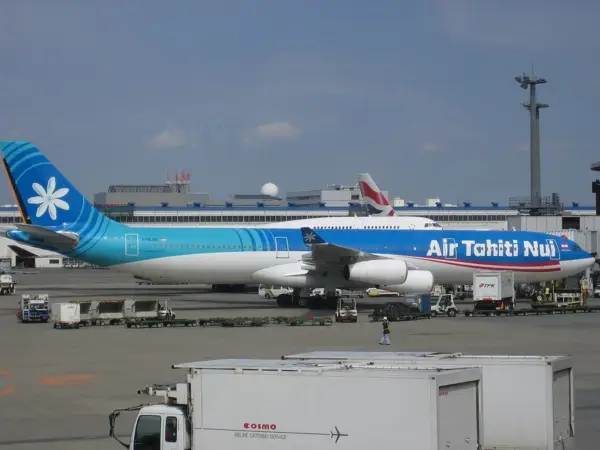
3 comments