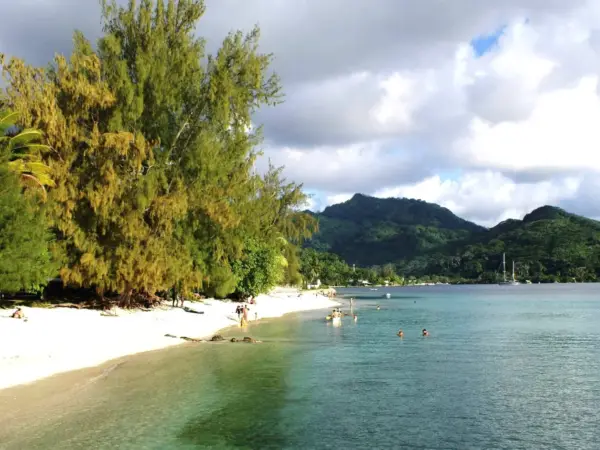
Fare
Main village and waterfront
Own a stay, café or cab? List your place on BuzzyTrip — free starter listing after we review.
List your placeHuahine pairs calm lagoons with the marae of Maeva, one of Polynesia’s richest archaeological areas. Expect a quiet pace, a long journey from India and an easy hop from Tahiti, Raiatea or Bora Bora.
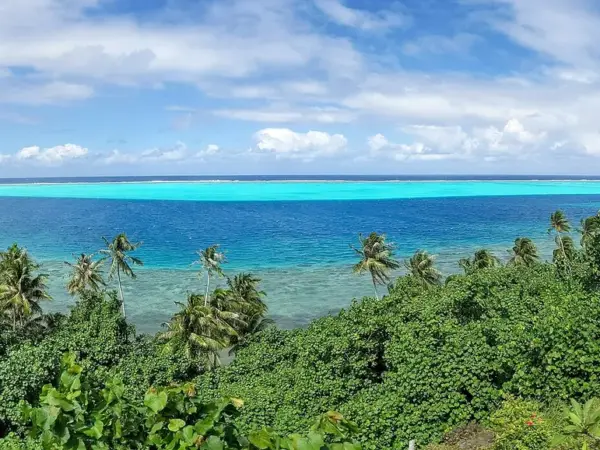
Main village and waterfront
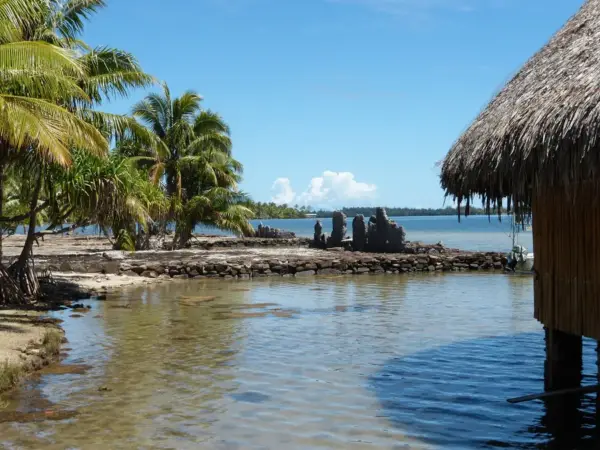
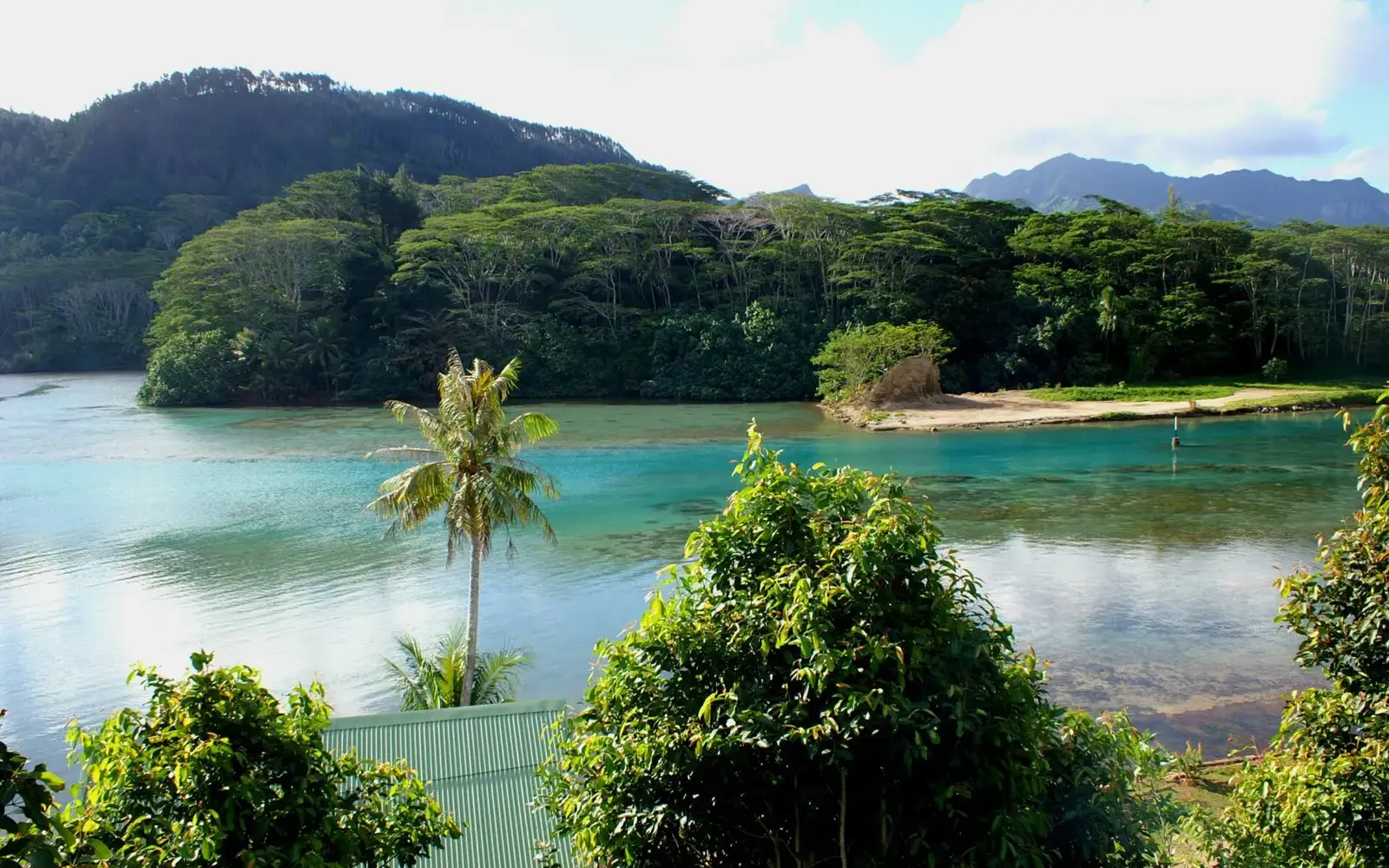
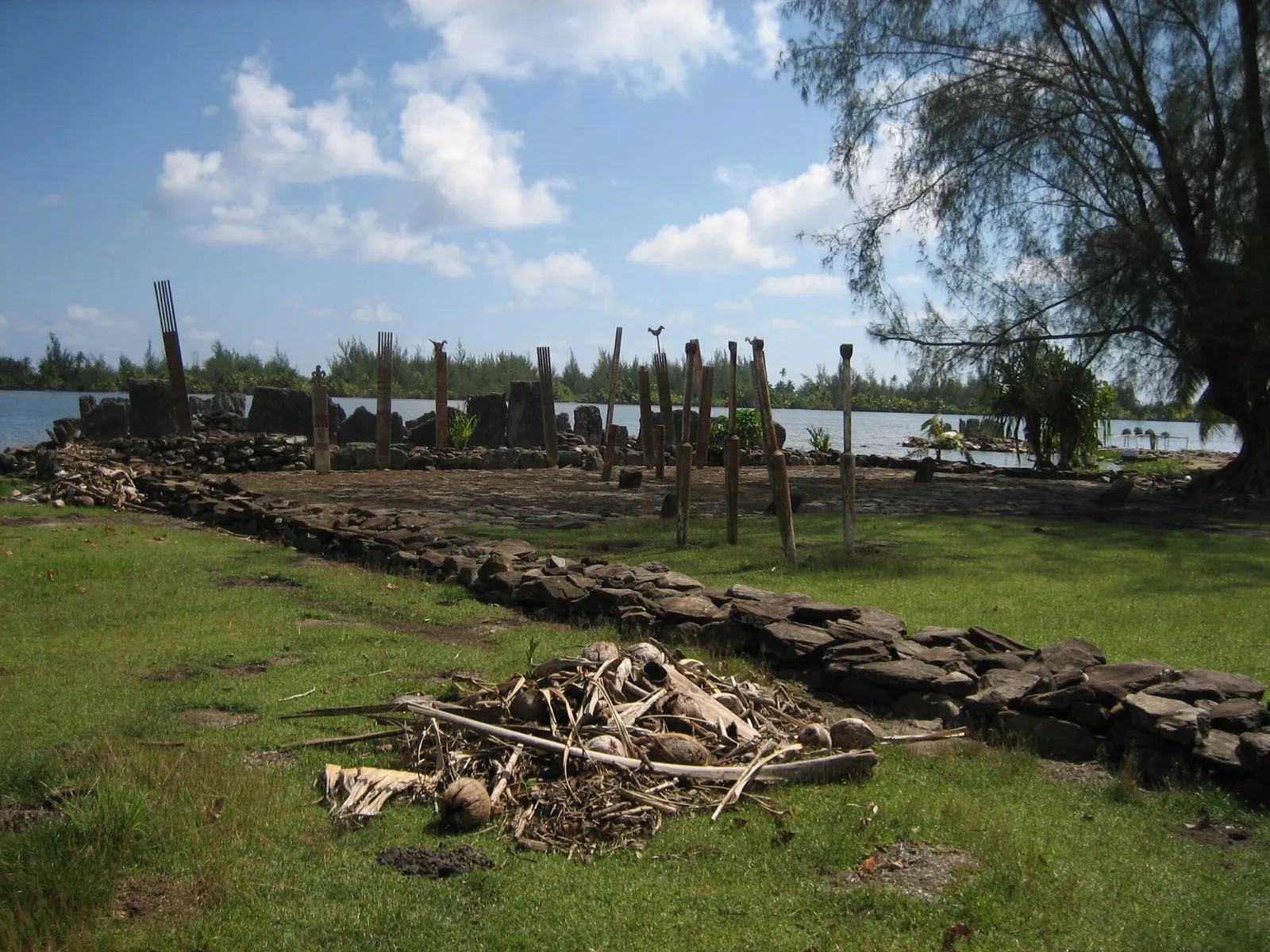
Marae, fish traps and Lake Fauna Nui
Sacred blue-eyed eels and a pearl farm
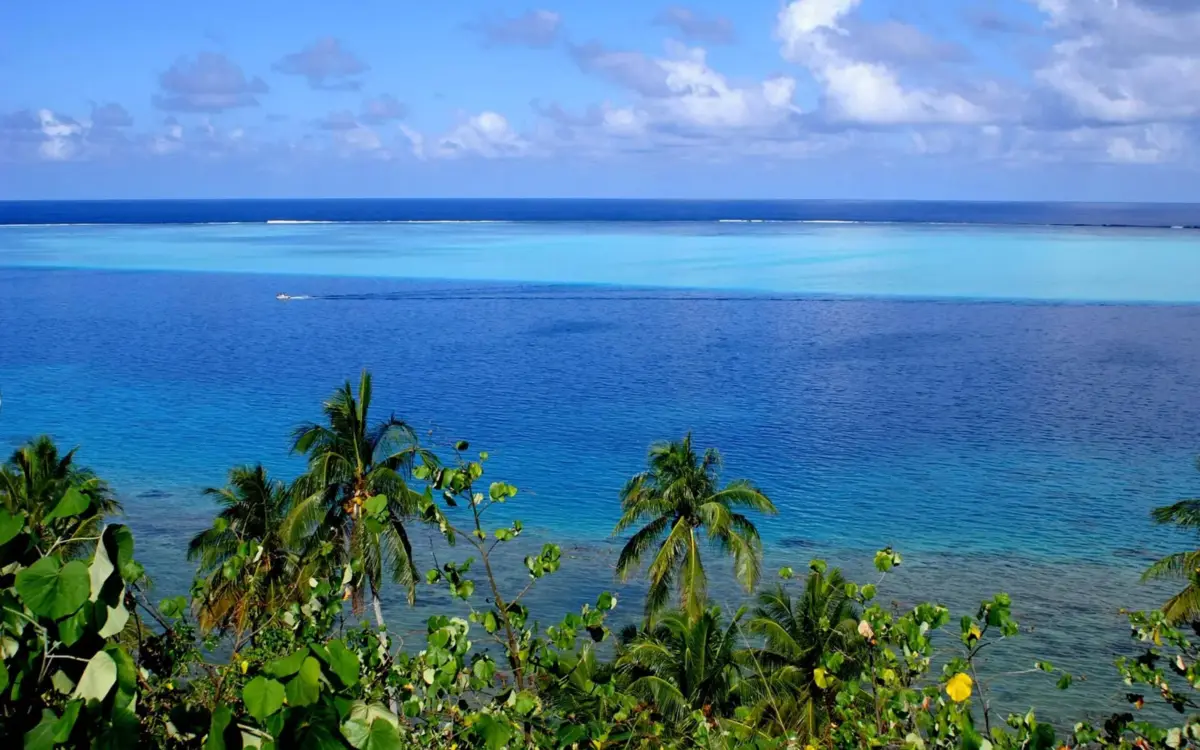
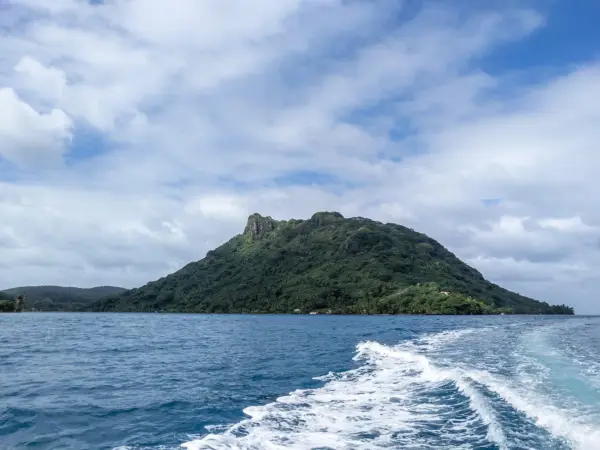
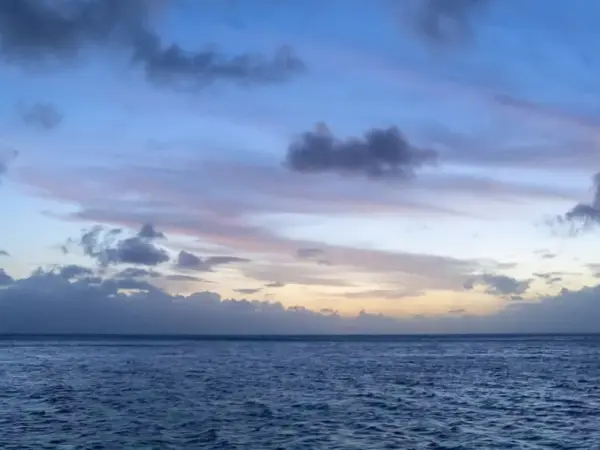
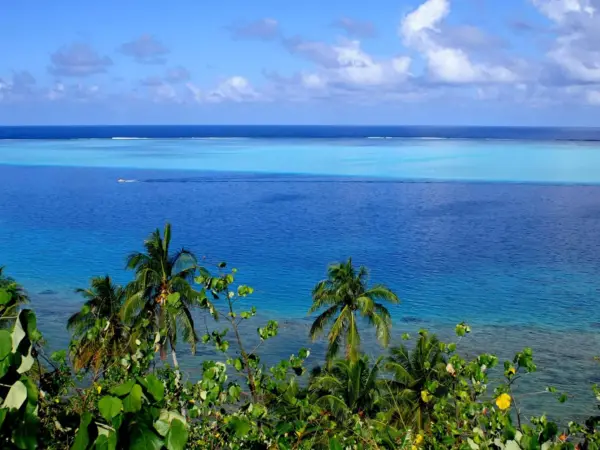
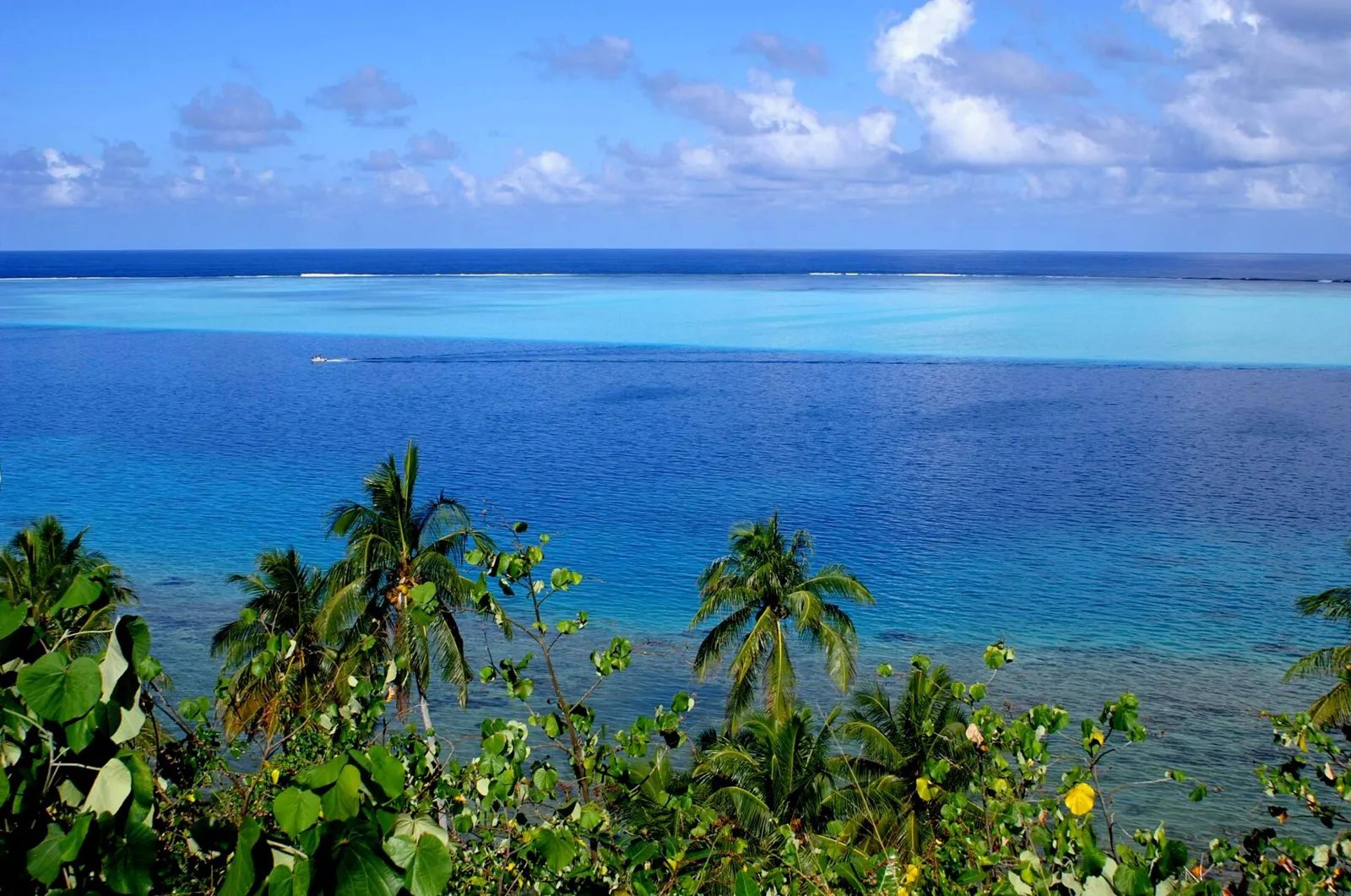
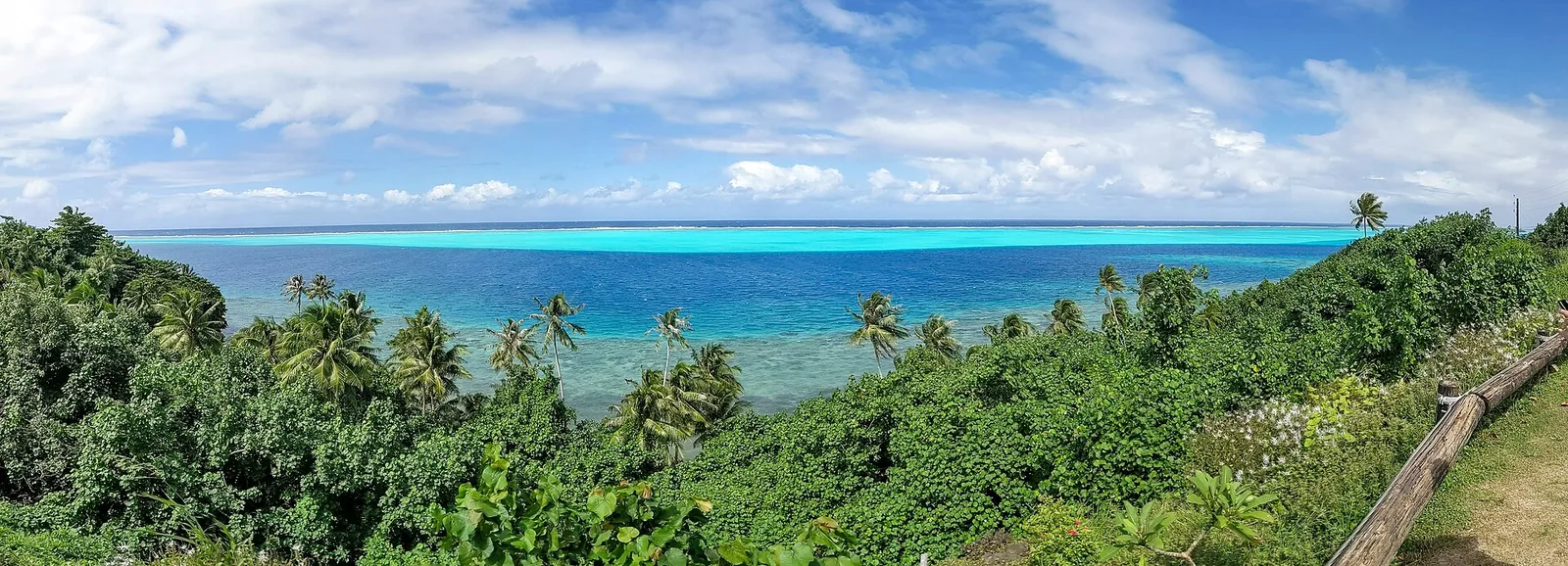
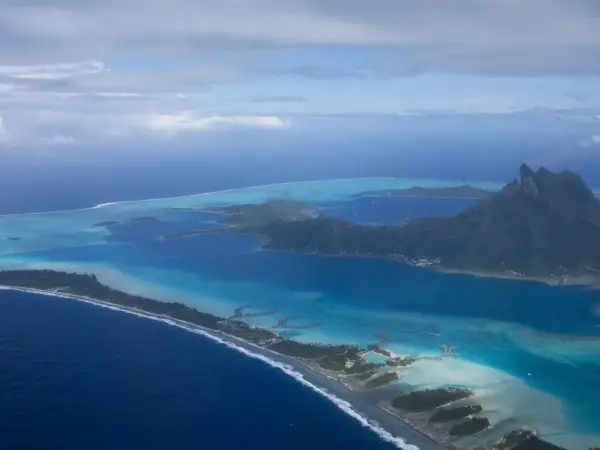
Wide view across the bay
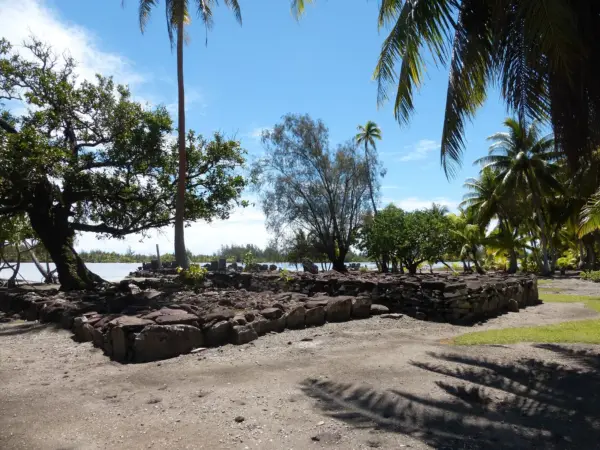
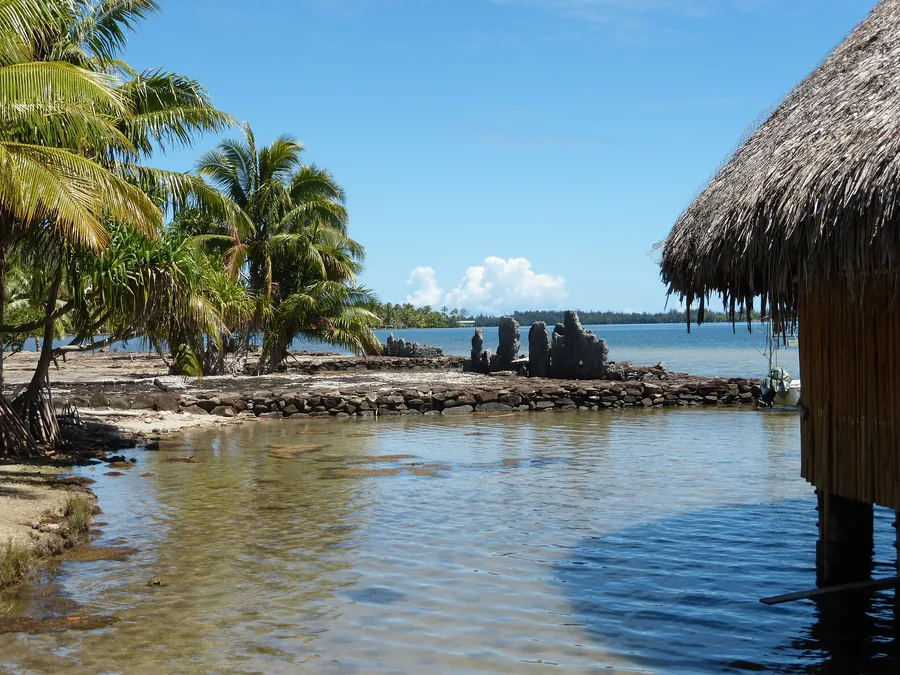
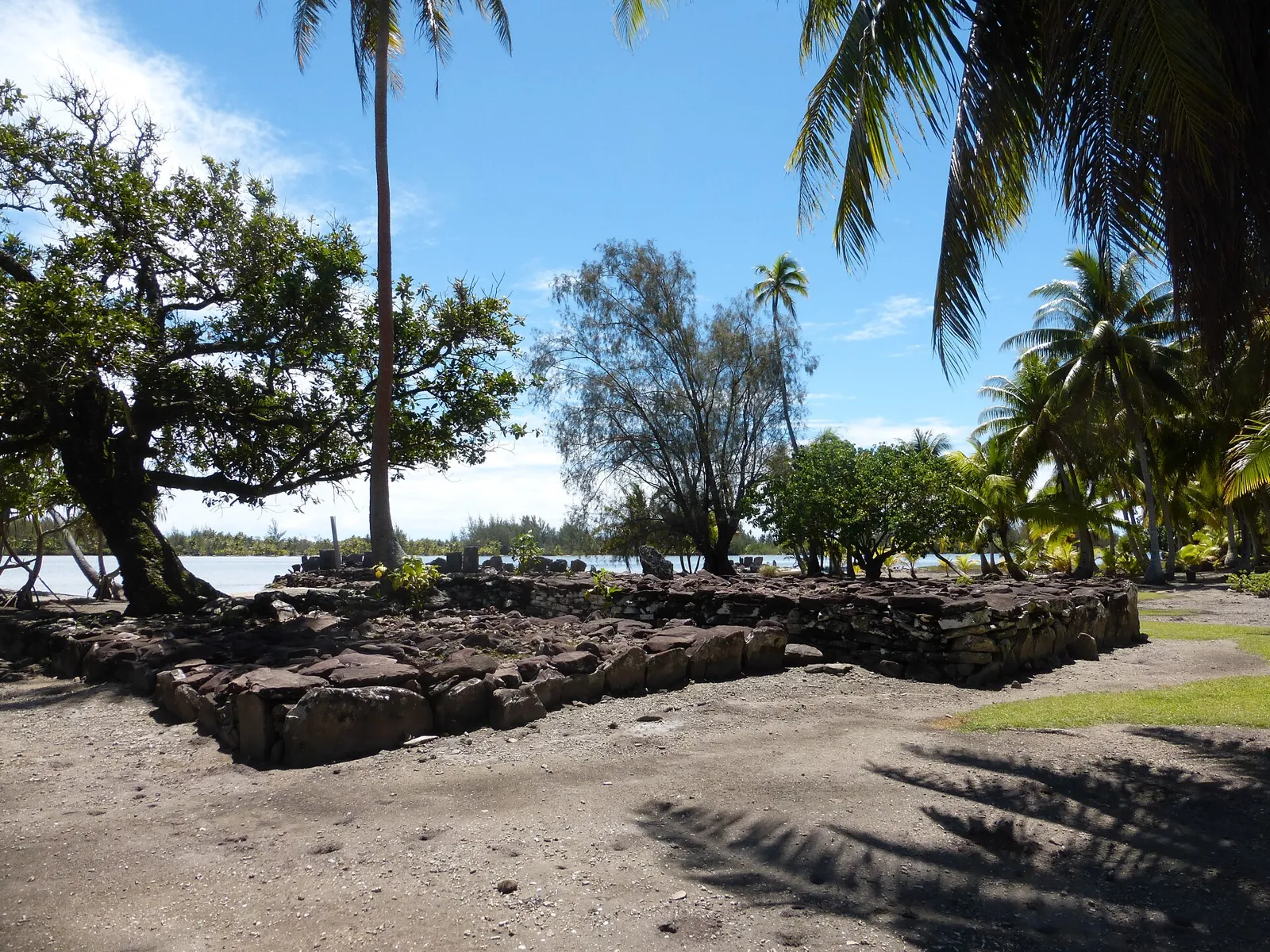
Marae and fish traps by the lake
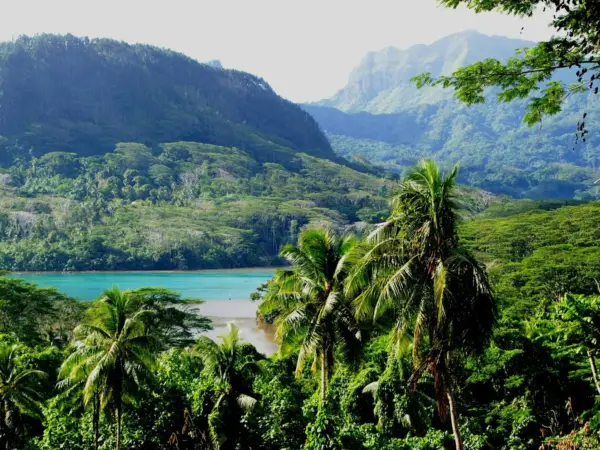
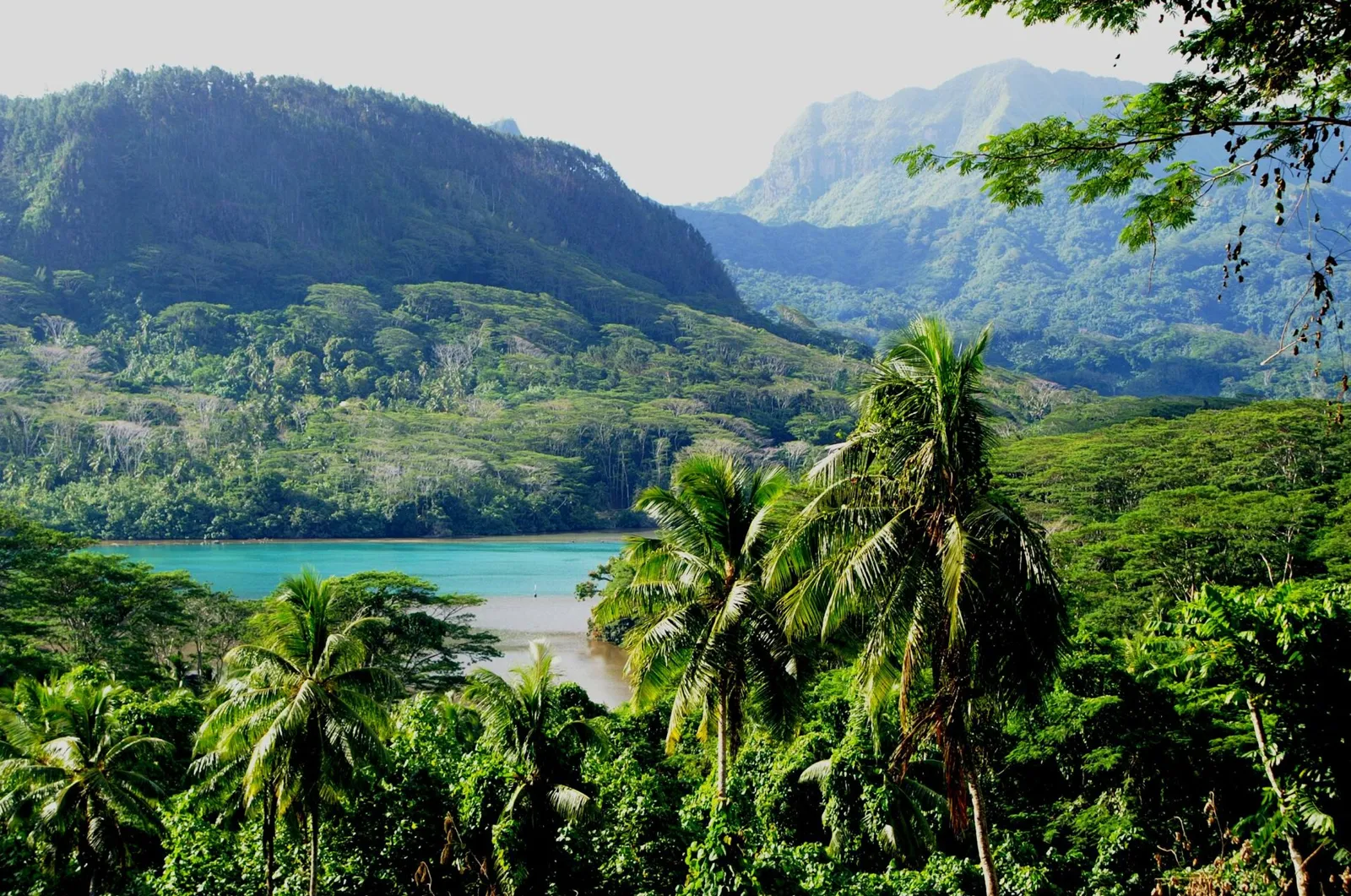
Turquoise water on Huahine Iti
Raw fish in lime and coconut milk
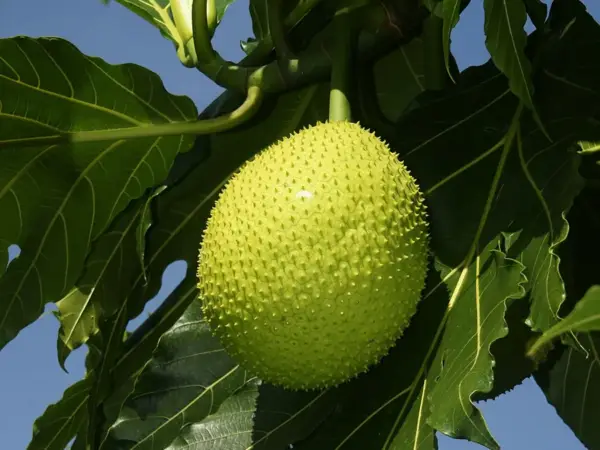
A Polynesian staple, often roasted
Baked fruit pudding with coconut milk
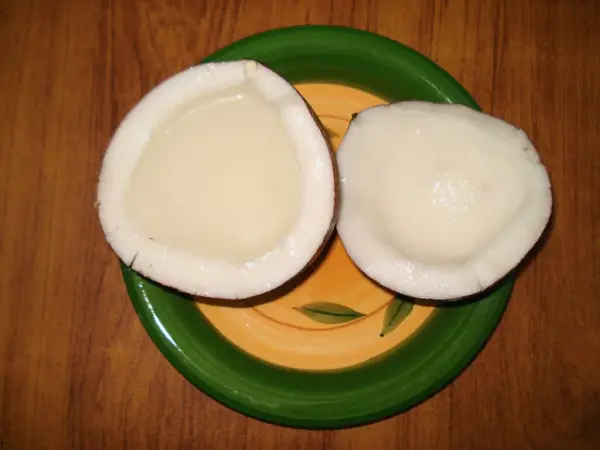
Easy to find around the island
The full guide
October sits at the end of Huahine’s drier months. The rain averages are lowest in July and August and start to climb again in October, so you still get plenty of good mornings, with more showers than in mid-winter. The bigger reason to come now is the Hawaiki Nui Va’a, French Polynesia’s best-known outrigger canoe race. Its 2026 edition starts on Huahine: the first stage, from Huahine to Raiatea, is on 28 October, and the race goes on to Taha’a and Bora Bora by 31 October. Watching the start from Fare is a big local occasion, so book flights and rooms early if your dates overlap.
Huahine is one of the Leeward Society Islands, a short flight from Tahiti and a little over 6,000 people strong. It is really two islands, Huahine Nui in the north and Huahine Iti in the south, separated by a narrow channel and joined by a small bridge, all inside one reef with a string of motu (reef islets). Fare, on the north-west coast, is the main village and where most visitors base themselves.
What makes Huahine special is the mix of easy lagoon days and some of the most important archaeological remains in Polynesia, most of them around the village of Maeva. There are no big crowds and very little nightlife, and that is exactly why we like it. If you are already flying to Bora Bora or Raiatea, Huahine is an easy add-on.
People have lived on Huahine for at least a thousand years, and archaeologists have found one of the largest concentrations of Polynesian remains dated between about AD 850 and 1100. Around Maeva, on the shores of Lake Fauna Nui, dozens of marae (stone ceremonial platforms) stand close together, along with stone fish traps that are still in use. Across the channel on the motu side is Marae Manunu, about 2 metres high and 40 metres long, and more sites are scattered on the slopes of Matairea hill behind the village.
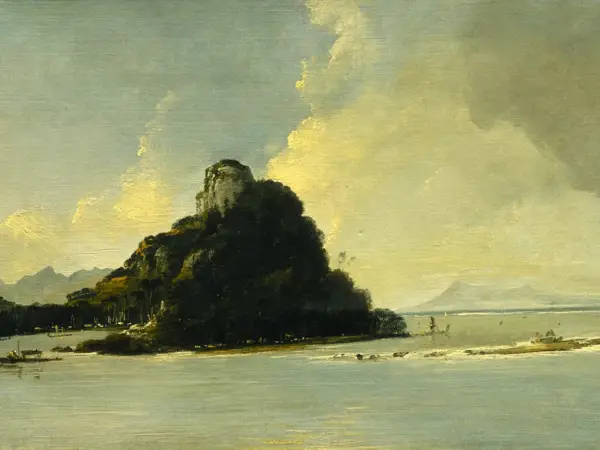
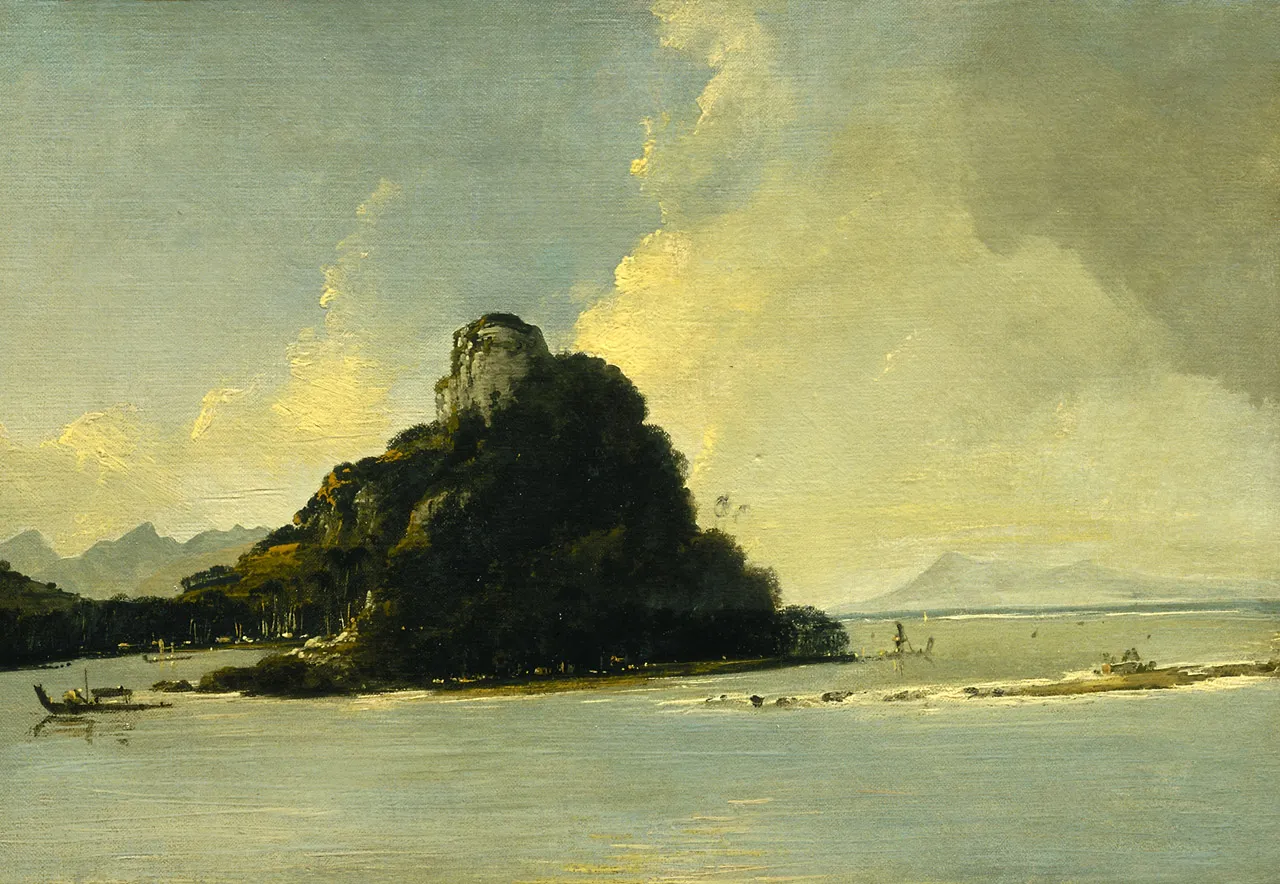
Until the late 19th century Huahine was an independent kingdom. Captain James Cook sailed into Fare harbour on 16 July 1769, with the Raiatean navigator Tupaia aboard, and came back in 1773; the painter William Hodges recorded the harbour on the second voyage. The island resisted French rule for decades: France annexed it in 1888, and the last queen was deposed in 1895. Today vanilla, copra, fishing and tourism keep the island going, and most people are Christian.
| Month | Avg high | Avg low | Rain/precipitation |
|---|---|---|---|
| Jan | 31.1°C | 23.7°C | 395 mm |
| Feb | 31.4°C | 23.7°C | 287 mm |
| Mar | 31.7°C | 24°C | 262 mm |
| Apr | 31.5°C | 23.7°C | 258 mm |
| May | 30.8°C | 23.3°C | 247 mm |
| Jun | 29.9°C | 22.6°C | 202 mm |
| Jul | 29.6°C | 22.1°C | 140 mm |
| Aug | 29.4°C | 21.9°C | 148 mm |
| Sep | 29.7°C | 22.3°C | 203 mm |
| Oct | 30.1°C | 22.9°C | 260 mm |
| Nov | 30.7°C | 23.3°C | 261 mm |
| Dec | 31°C | 23.7°C | 394 mm |
Huahine is hot and humid all year, with daytime highs of around 29–31 °C in every month. The difference is rain. July and August are the driest months, at roughly 140–150 mm each, while December and January are the wettest, at close to 400 mm. Showers usually come in short, heavy bursts.
For the calmest, sunniest weather, aim for June to September. May and October are good shoulder months, and late October has the bonus of the Hawaiki Nui Va’a start. The wetter months from November to April can still work if you keep boat days flexible.
Indian passport holders need a visa for French Polynesia, applied for through the French visa service in India (VFS Global handles applications). It is a separate short-stay visa for the French overseas territory: a regular Schengen visa for mainland France or Europe does not cover French Polynesia unless it is specifically marked as valid there. Expect to show your passport, photos, confirmed flights and hotel bookings, proof of funds and travel insurance, and allow a few weeks. If you connect through the US or New Zealand, check their transit visa rules too. The rules are the same on every island, so our Raiatea guide covers the same paperwork.
| From | Air distance (approx.) | Typical journey | Best way |
|---|---|---|---|
| Delhi | ~14,900 km | 30–40 h with 2–3 connections | Fly |
| Mumbai | ~15,400 km | 30–40 h with 2–3 connections | Fly |
| Bangalore | ~14,800 km | 30–40 h with 2–3 connections | Fly |
Straight-line distances calculated by BuzzyTrip from airport coordinates; journey times depend on your connections.
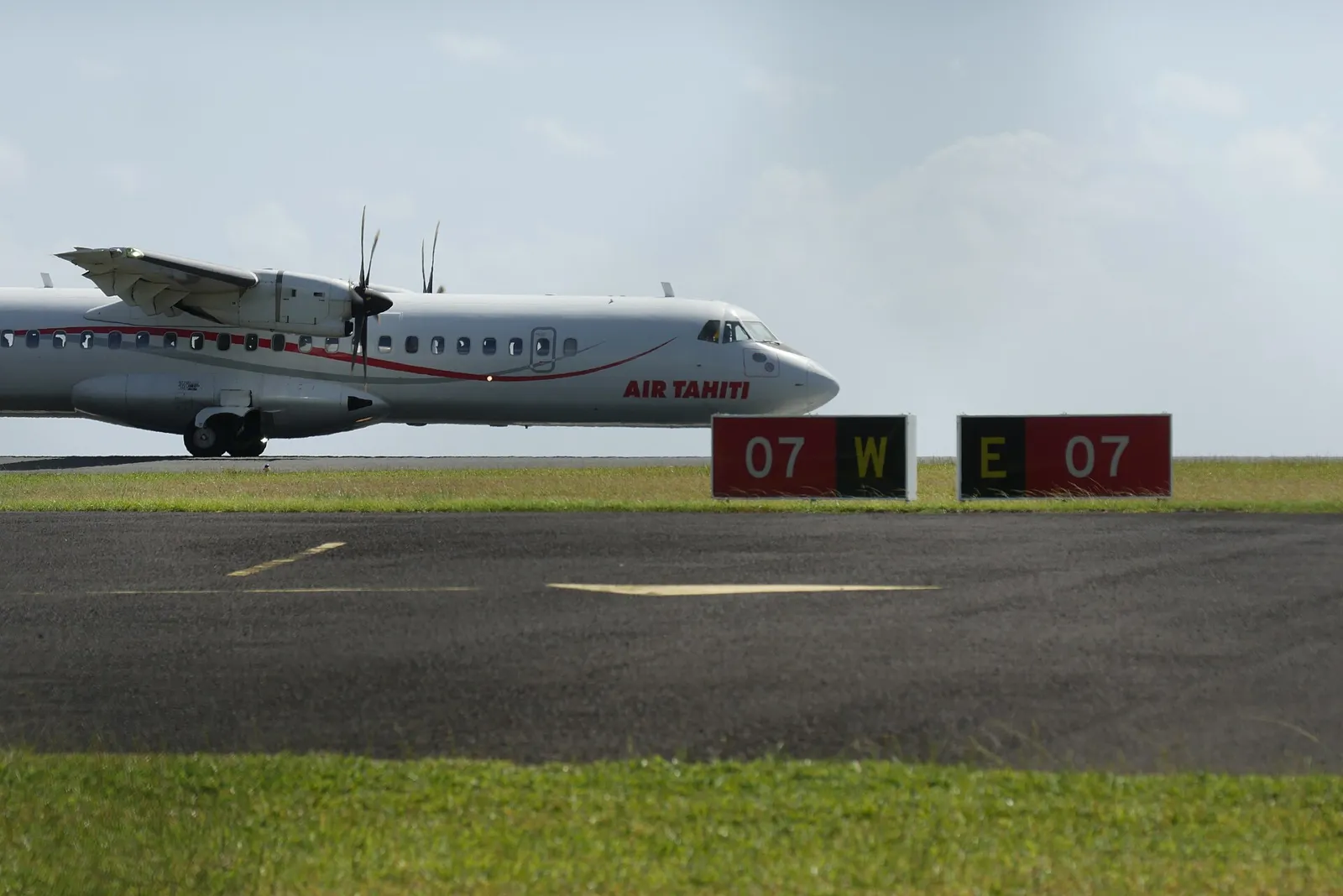
There are no direct flights from India. Every route goes to Faa’a International Airport (PPT) on Tahiti first, and from there Air Tahiti flies to Huahine (HUH) several times a day in ATR turboprops; Air Tahiti lists the flight at about 40 minutes. Huahine’s airport is on Motu Maeva, on the north shore, about 15 minutes by road from Fare. There is no airport shuttle bus: taxis meet the flights and many pensions and hotels pick up their guests, so arrange this before you land.
Air Tahiti also links Huahine with Raiatea and Bora Bora, which makes it easy to string two or three islands together.
From Delhi, Mumbai or Bengaluru you will usually need two or three flights to reach Tahiti. The practical hubs are Tokyo Narita (Air Tahiti Nui flies Tokyo–Papeete), Auckland (Air Tahiti Nui and Air New Zealand), Los Angeles (Air Tahiti Nui, Air France and others) or Paris, with a stop in North America on the way. Routing through the US needs a US visa, and New Zealand requires a transit visa for Indian passport holders. Book the whole journey on one ticket if you can, and consider a night in Papeete before the hop to Huahine so a late arrival does not cost you the connection.
A road circles both Huahine Nui and Huahine Iti, crossing the bridge between them, and the easiest way to see the island is to rent a car, scooter or bicycle in Fare. There is no island-wide bus service, so if you do not want to drive, a guided island tour is the simplest way to see the marae and the south. Lagoon tours and boat transfers take you out to the motu and the snorkelling spots.
The village of Maeva on Lake Fauna Nui has the island’s great concentration of marae, a reconstructed fare pote’e (a traditional meeting house) and stone fish traps in the channel. Walk the lakeshore sites, cross to the great platform of Marae Manunu, and if you have energy, follow the trail up Matairea hill.
In the village of Faie, large freshwater eels with striking blue eyes live in the stream under a small bridge. Locals regard them as sacred, and they are one of Huahine’s most unusual sights.
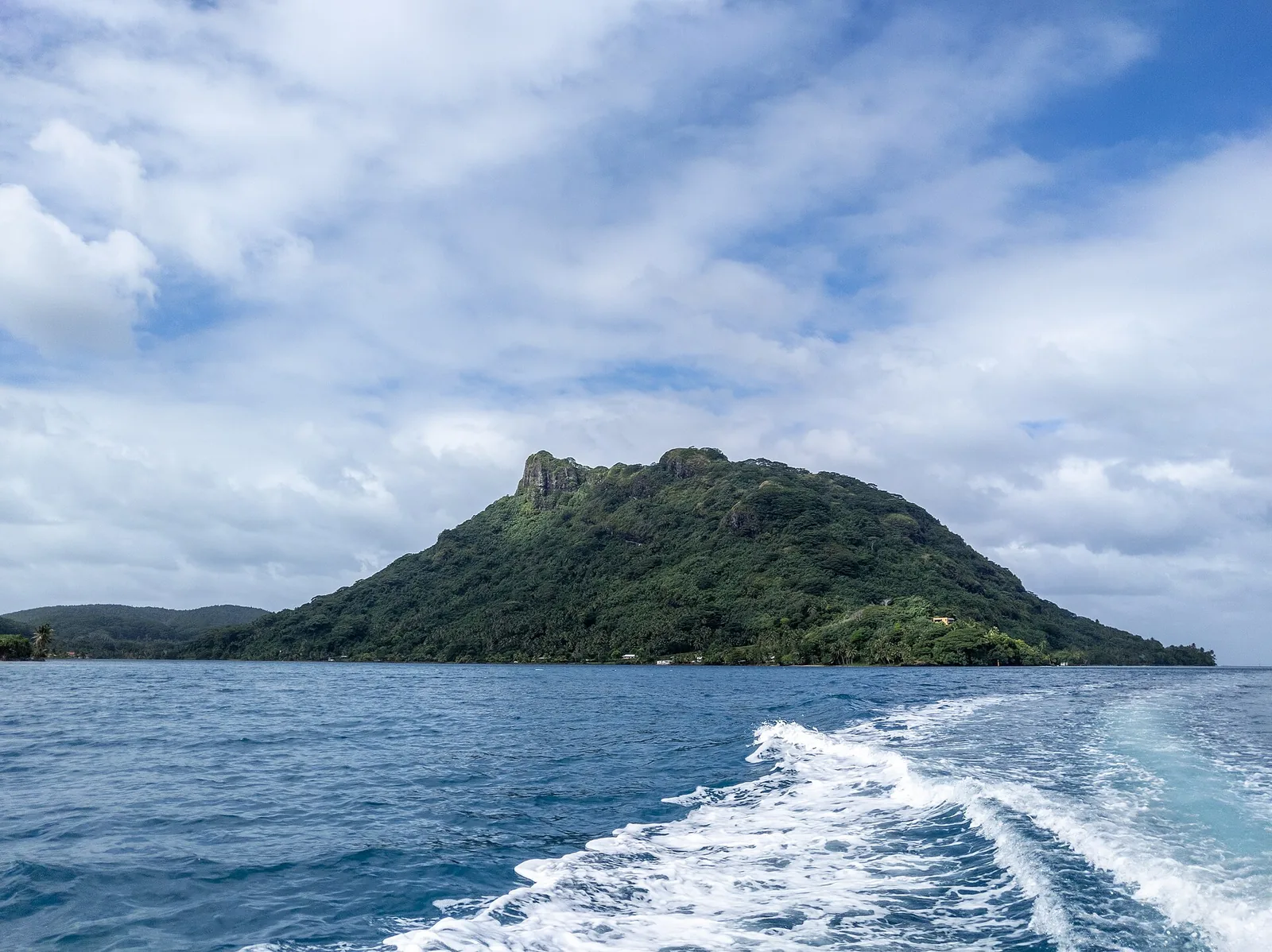
The lookout on the slopes of Mount Turi, the island’s highest peak at 669 metres, gives a wide view over Maroe Bay, the deep inlet that almost cuts the island in two.
A day on the water is the best way to see the reef, with snorkelling stops and lunch on a motu.
The south of the island has some of its best sand, and Avea Bay is the classic spot for a swim in calm, clear water.
On the lagoon near Faie, a pearl farm welcomes visitors and shows how Tahitian pearls are grown.
On the southern tip of Huahine Iti, this coastal marae is a quieter contrast to the Maeva sites.
Local guides lead walks into the green hills and valleys; ask in Fare for a guide who knows the trails and the history.
If time is short, we would do three things. Spend a morning at Maeva, walking the lakeshore marae and Marae Manunu before the heat builds. Drive over to Faie to see the eels, then up to the Belvédère for the view over Maroe Bay. And give a full day to the lagoon, either a tour with a motu picnic or a lazy swim at Avea Bay on Huahine Iti.
One of Huahine’s two botanical gardens, known for traditional Polynesian medicinal plants.
The island’s other garden grows fruit trees from around the world, a pleasant shady stop.
The small village of Haapu sits on a quiet bay on the west coast of Huahine Iti, a lovely stretch to drive slowly.
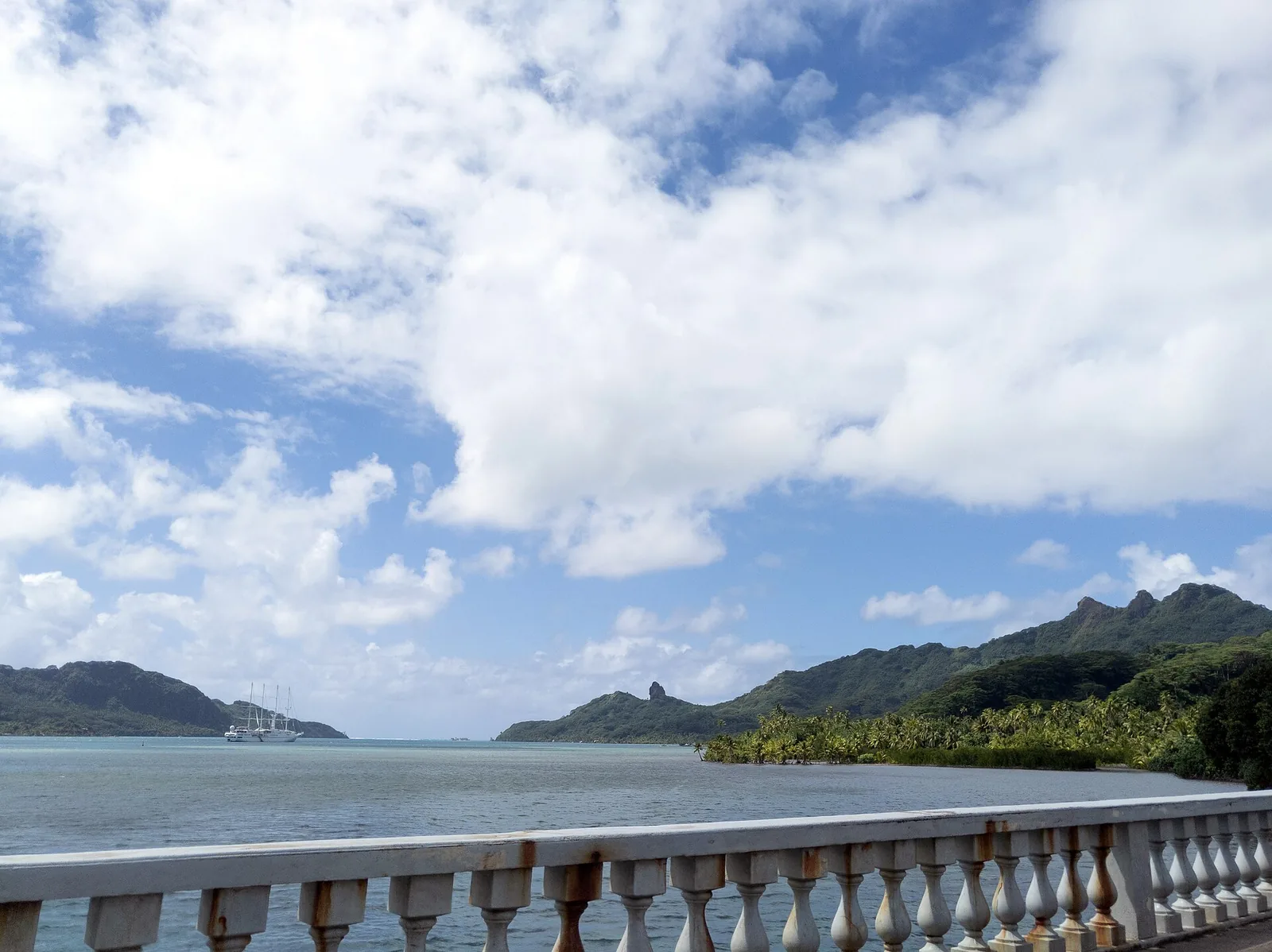
The waterfront in Fare is at its nicest in the late afternoon, when the boats come in and the light softens over the lagoon.
A short first visit: Maeva’s marae, the eels of Faie and a swim.
Huahine’s highlights plus a full day on the lagoon.
A slower pace with Huahine Iti, a pearl farm and time to do nothing.
A full week that combines Huahine with a few days on Raiatea.
Short drives, calm water and easy sights for three relaxed days.
Quiet beaches, a lagoon day and slow dinners for a three-day escape.
A pension in Fare, a bicycle and simple meals for three thrifty days.
Private guides and a private boat for three indulgent days.
Huahine’s places to stay are small and mostly family-run. Fare is the practical choice for first-timers, with the shops, the waterfront and the airport close by. The south and Huahine Iti are quieter, with a few hotels and pensions near the better beaches, which suits couples. Family-run pensions are the best value and often include breakfast or dinner, and a few have kitchens. Rooms are limited, so book early, especially for the end of October when the canoe race comes through.
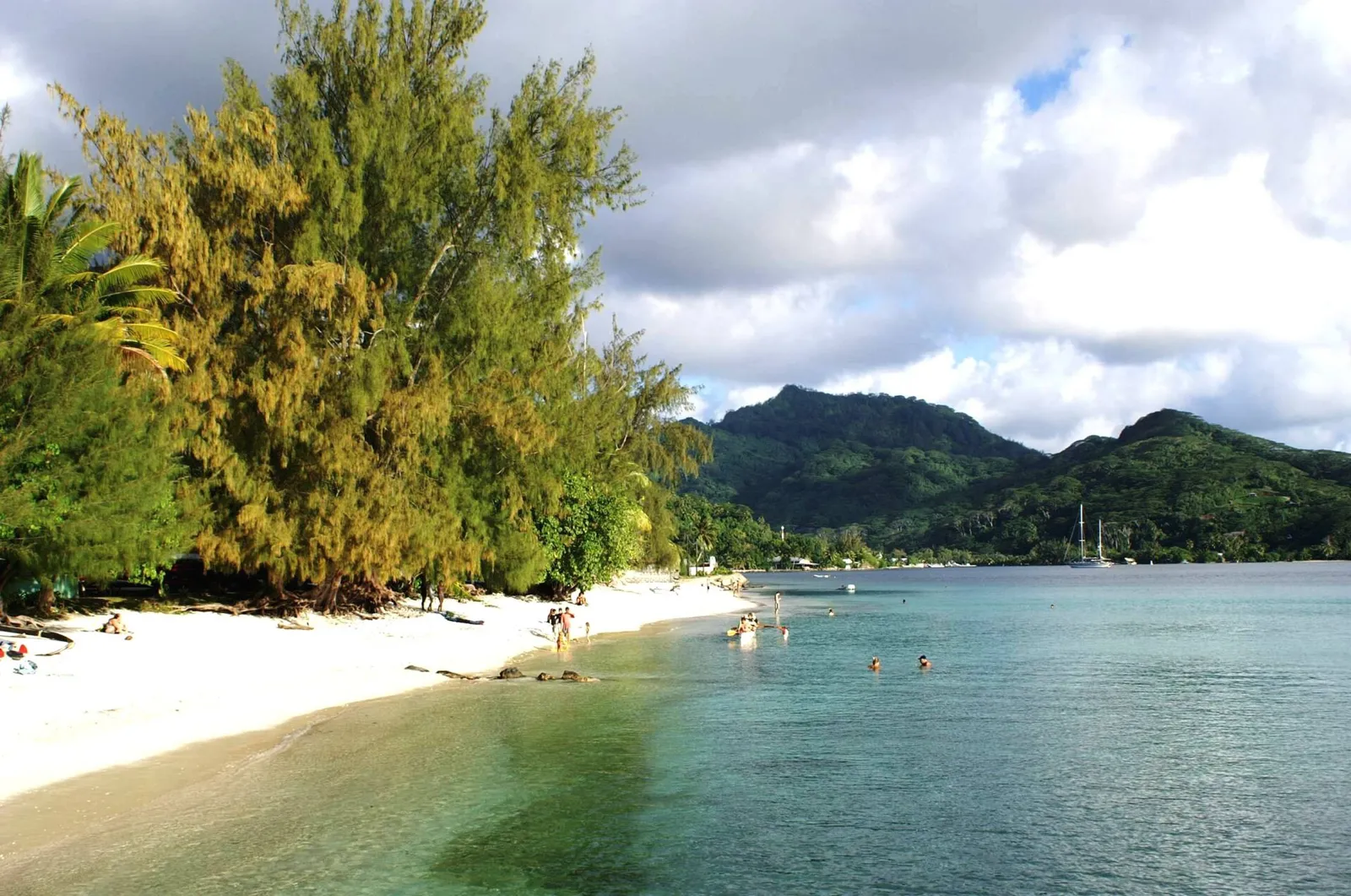
Eating out is expensive by Indian standards, so we lean on Fare’s “snacks”, the casual cafés and takeaway counters near the waterfront. Look for poisson cru (raw fish in lime and coconut milk), grilled fish, chow mein and steak-frites, the staples across French Polynesia. Bakeries are good for a cheap breakfast, and fresh fruit is easy to find. Hotel restaurants are the place for a sit-down dinner with a view.
We did not find any Indian restaurants on Huahine, so plan around that. The shops in Fare stock rice, pasta, tinned beans and basic spices, which helps a lot if your pension has a kitchen. Snacks can usually do omelettes, rice, salads, chips and vegetable stir-fries. Strict vegetarians should ask about fish or meat stock, and it is worth packing ready-to-eat meals and your own masalas from home.
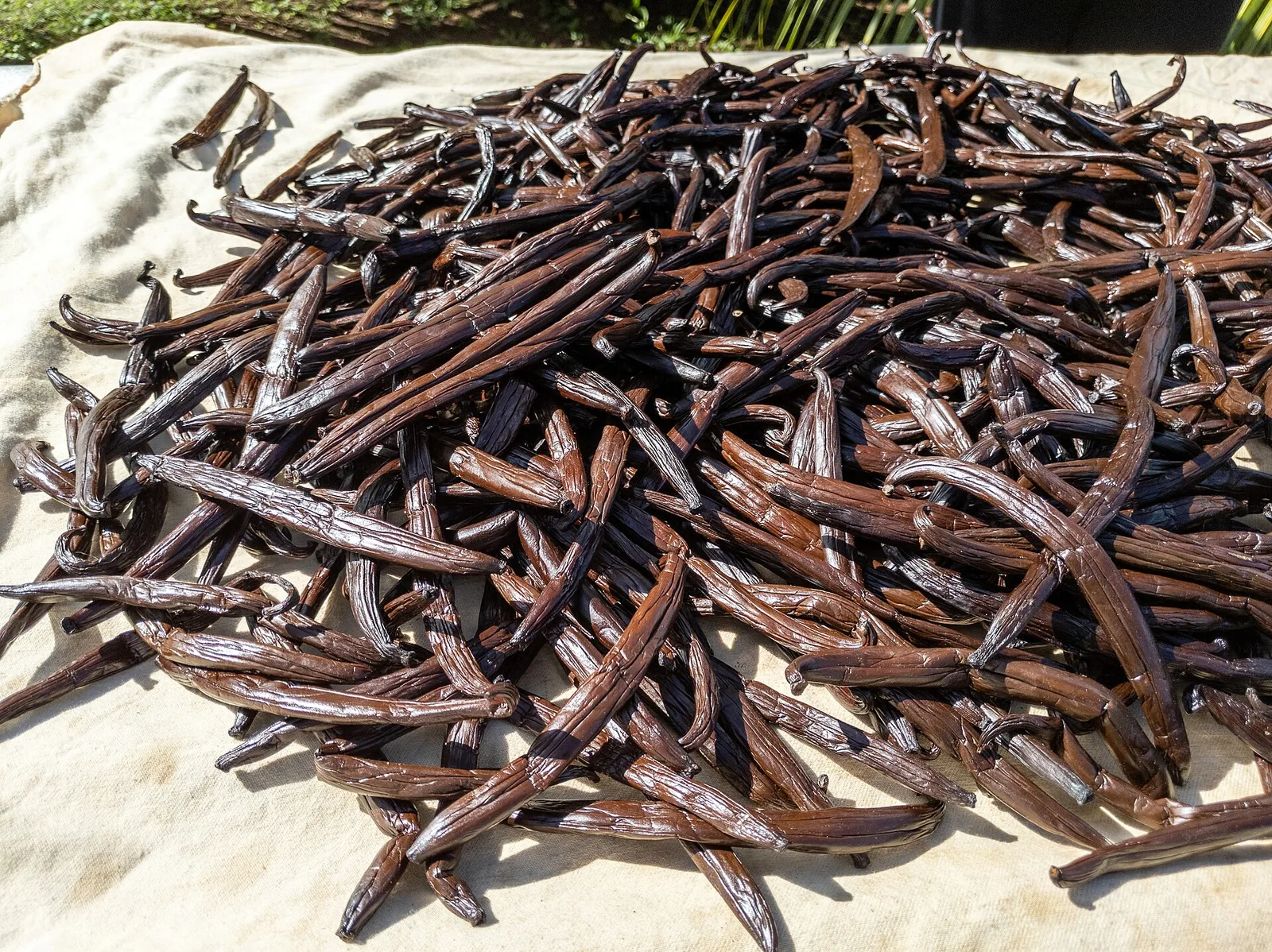
Vanilla is the natural souvenir, since the island grows its own. Tahitian black pearls are sold at the pearl farm and in shops; prices vary a lot, so buy from a seller who explains the grading. You will also find pareu (sarongs), woven hats and bags, and shell and wood crafts in Fare.
The currency is the CFP franc (XPF), not the euro, although it is pegged to the euro at about 119 francs per euro; 1 XPF is roughly ₹0.89 (October 2026). Fare is the place to get cash, and an international debit or forex card is the easiest way to do it. Hotels and larger shops take cards, but snacks, stalls and some pensions prefer cash, so carry francs when you head out of the village. Tipping is not expected.
Here is a rough idea of daily costs per person, excluding international flights. These are our estimates, not quotes, so check current rates when you book.
| Budget | Mid-range | Comfort | |
|---|---|---|---|
| Stay | ≈ ₹5,000–9,000 | ≈ ₹12,000–22,000 | ≈ ₹30,000–60,000 |
| Food | ≈ ₹2,500–4,000 | ≈ ₹4,500–8,000 | ≈ ₹9,000–15,000 |
| Local transport | ≈ ₹500–1,500 | ≈ ₹2,000–4,000 | ≈ ₹4,000–8,000 |
| Activities | ≈ ₹2,000–5,000 | ≈ ₹6,000–12,000 | ≈ ₹12,000–25,000 |
| Total per day | ≈ ₹10,000–19,500 | ≈ ₹24,500–46,000 | ≈ ₹55,000–1,08,000 |
The budget column assumes a family-run pension and some self-catering; mid-range is a hotel room, a rental car and a lagoon tour; comfort means a beachfront hotel and private excursions. The Tahiti–Huahine flight is extra unless it is on your international ticket.
Vini, the main local operator, sells prepaid SIMs and data packs, but they are not cheap, so compare them with an international eSIM that covers French Polynesia and set it up before you leave India. Indian roaming works on some plans; check the rates first. Most pensions and hotels have Wi-Fi, though speeds vary.
Most sockets are the French Type E, and the supply is 220 V at 60 Hz. Indian two-pin (Type C) plugs usually fit, but three-pin Indian plugs do not, so pack a small universal adapter. Phone and laptop chargers handle the voltage without trouble.
Huahine is quiet, and the main risks are the sea, the sun and the road. Book boat trips and snorkelling with established operators, ideally through your pension, and check that life jackets are on board. The coastal road is narrow, with dogs and children around the villages, so drive slowly, especially after rain. Do not leave valuables unattended on the beach or in a parked car. Medical facilities on the island are basic; serious cases are transferred to Raiatea or Tahiti, so good insurance matters. In an emergency, dial 17 for the police (gendarmerie), 15 for medical help and 18 for the fire service.
Life on Huahine is relaxed but respectful. Cover up when you leave the beach and dress modestly for church, where the Sunday singing is worth hearing. Treat the marae as you would a temple at home: speak quietly, stay on the paths and do not leave offerings unless invited. Ask before photographing people. French is the language of shops and offices, so a simple “Bonjour” helps; English is spoken in most places used to visitors.
Myth: You can visit on a Schengen visa. Fact: Indian passport holders need a visa valid for French Polynesia; a regular Schengen visa does not cover it.
Myth: The currency is the euro. Fact: It is the CFP franc (XPF), pegged to the euro.
Myth: Huahine is only about beaches. Fact: Maeva has one of the richest groups of archaeological sites in French Polynesia.
Myth: You need a full week. Fact: Three or four days cover the main sights, and many people pair Huahine with Raiatea or Bora Bora.
Insurance is usually required for the visa and worth having anyway. Make sure it covers medical treatment and evacuation, since serious cases go to Raiatea, Tahiti or beyond, plus missed connections on a long journey. If you plan to snorkel, kayak or hike, check those activities are included.
Yes. You need a visa valid for French Polynesia, applied for through the French visa service (VFS Global) in India. A regular Schengen visa does not cover French Polynesia unless it is specifically marked as valid there.
Fly to Tahiti (PPT) via a hub such as Tokyo, Auckland, Los Angeles or Paris, then take Air Tahiti to Huahine, about 40 minutes. The airport is about 15 minutes from Fare by road.
June to September is the driest and sunniest period, with July and August the driest months. May and October are good shoulder months; October is a little wetter but brings the Hawaiki Nui Va’a canoe race.
Three or four days cover Maeva, Faie, the Belvédère and a lagoon day. Because the journey from India is so long, most people combine Huahine with Raiatea or Bora Bora.
It is a quiet island. Take normal care with valuables, book boat trips with established operators and drive slowly on the narrow coastal road.
Yes. Calm lagoon swims, the eels at Faie and short walks at Maeva work well for children. Medical facilities are basic, so bring any medicines you need.
Poisson cru (raw fish in lime and coconut milk), grilled fish and po’e, a baked fruit pudding with coconut milk. Fare’s snacks are the cheapest places to eat.
The CFP franc (XPF), pegged to the euro. 1 XPF is roughly ₹0.89 (October 2026). Carry cash for snacks and small stalls.
No permits are needed to visit the marae at Maeva or to swim and snorkel. Stay off the platforms and leave the stones and fish traps alone.
It runs from 28 to 31 October 2026. The first stage starts on Huahine and finishes on Raiatea, then the race continues to Taha’a and Bora Bora.
We researched background facts from the pages below (Wikimedia text is used under Creative Commons Attribution-ShareAlike) and checked them against official sources where we could. This guide is our own work; prices, visa rules and timings change, so verify before you travel.
Photos:
Been here recently? Share a tip (and a photo) in the comments below and tick “This is a travel tip”. Tips are reviewed before they appear — we never show your email.
Short, useful travel ideas and new guides. Straight to your inbox every Friday.
Message us with your dates and budget and we’ll reply with suggestions.
Chat on WhatsApp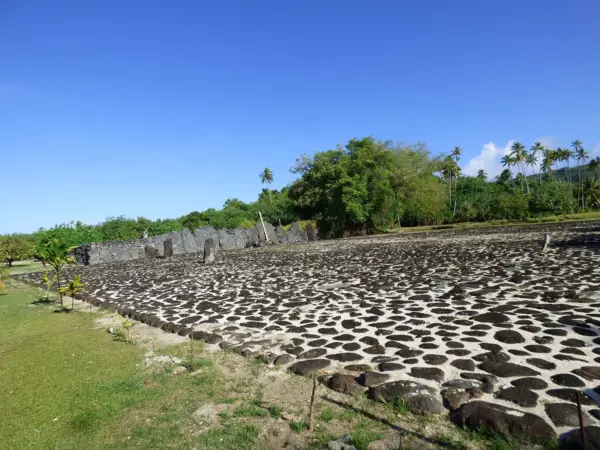
1 comment