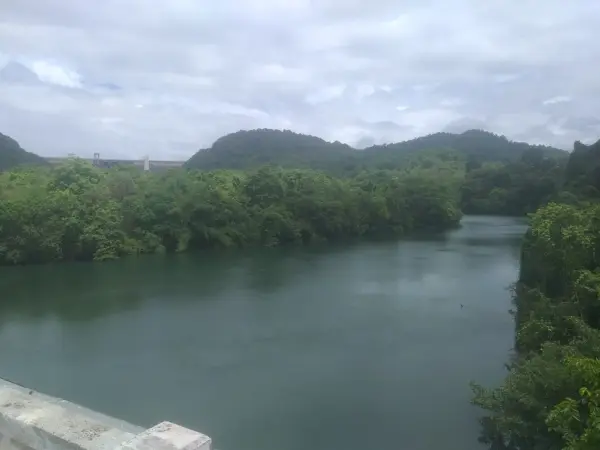
Supa Dam
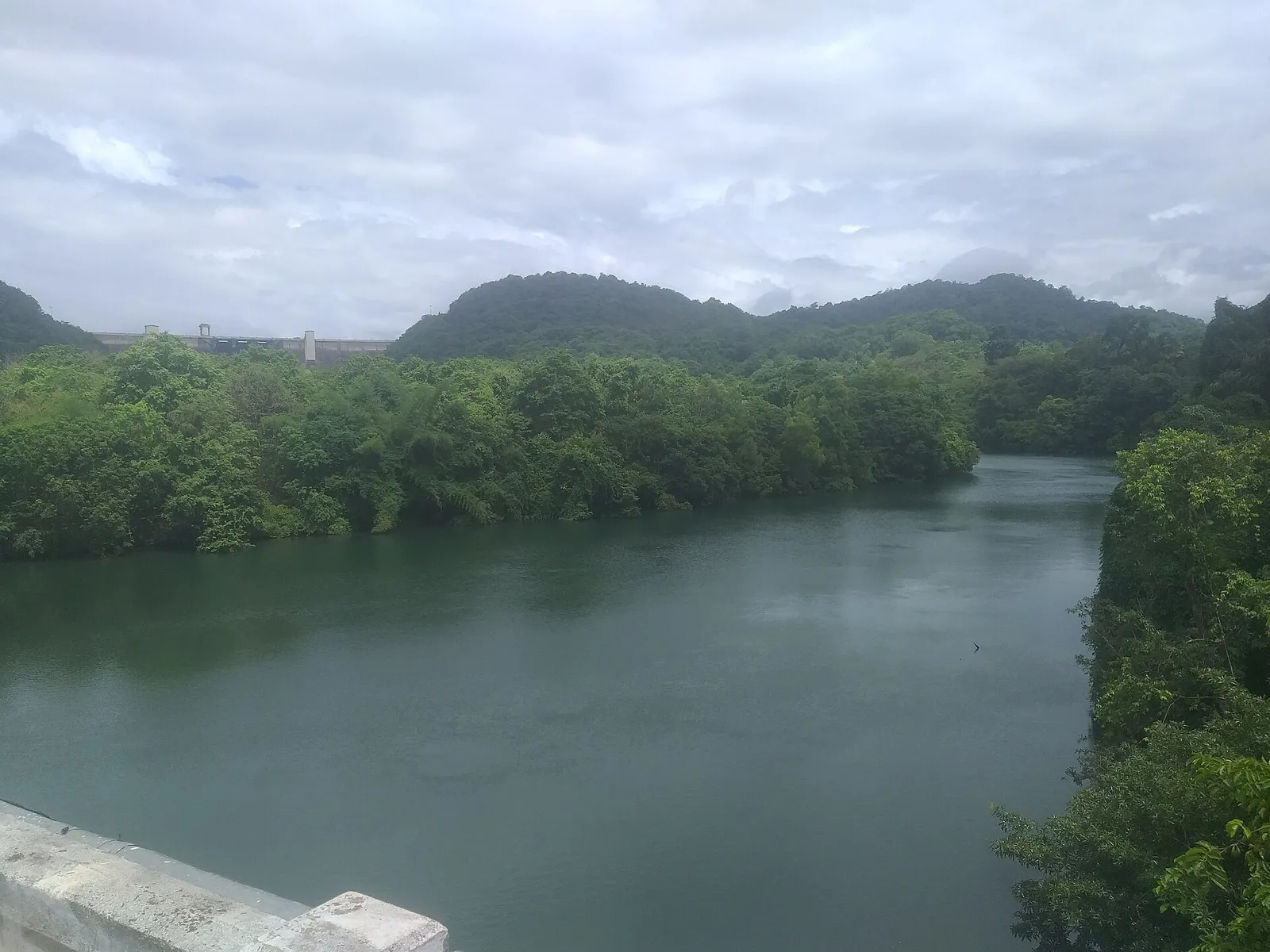
Karnataka’s tallest dam, 101 m
Own a stay, café or cab? List your place on BuzzyTrip — free starter listing after we review.
List your placeDandeli sits on the Kali River in Karnataka’s Western Ghats, with class III rafting, hornbills and safaris in the Kali Tiger Reserve. Come between October and May, and stay at a riverside camp.

Karnataka’s tallest dam, 101 m
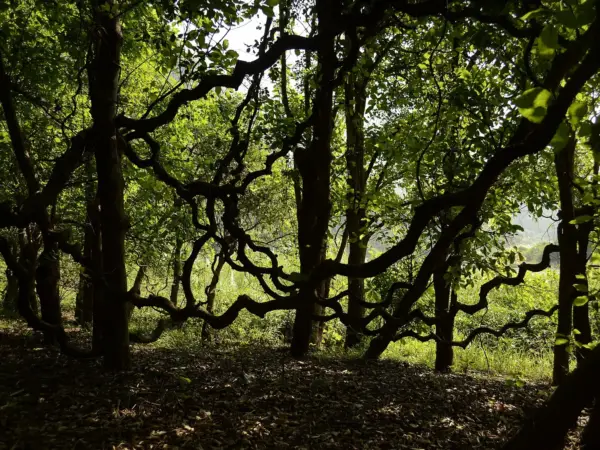
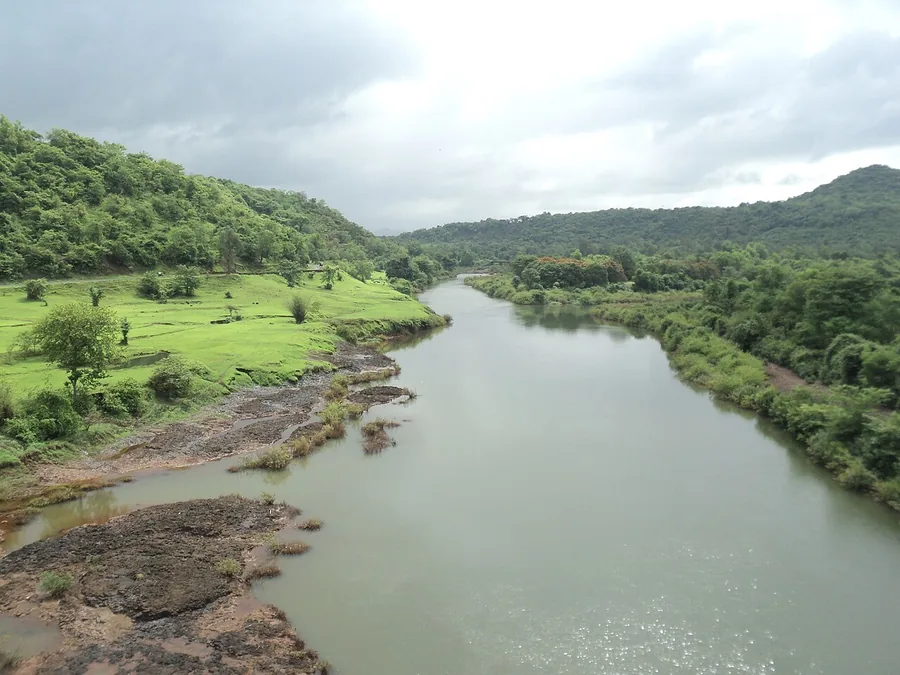
Striking rock formation by a river
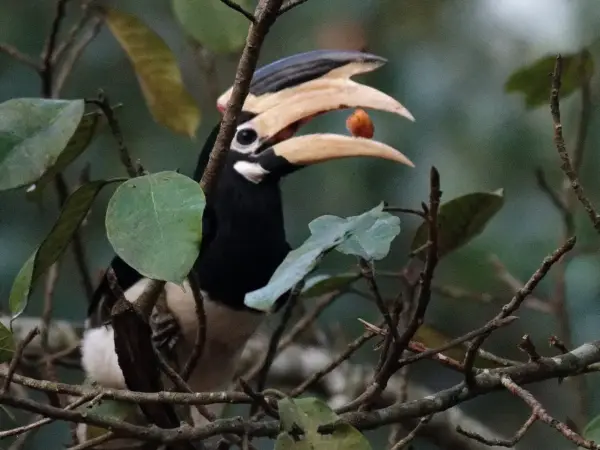
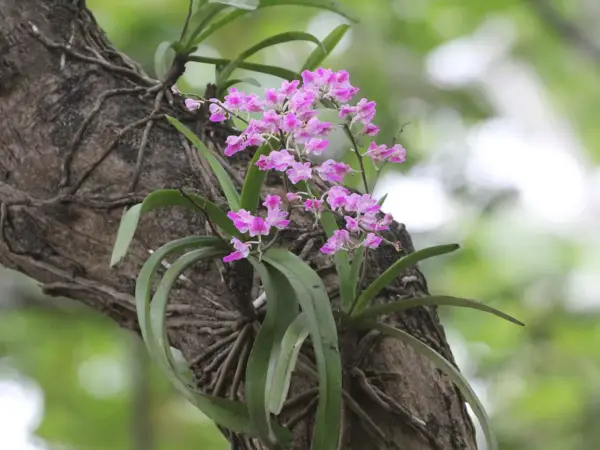
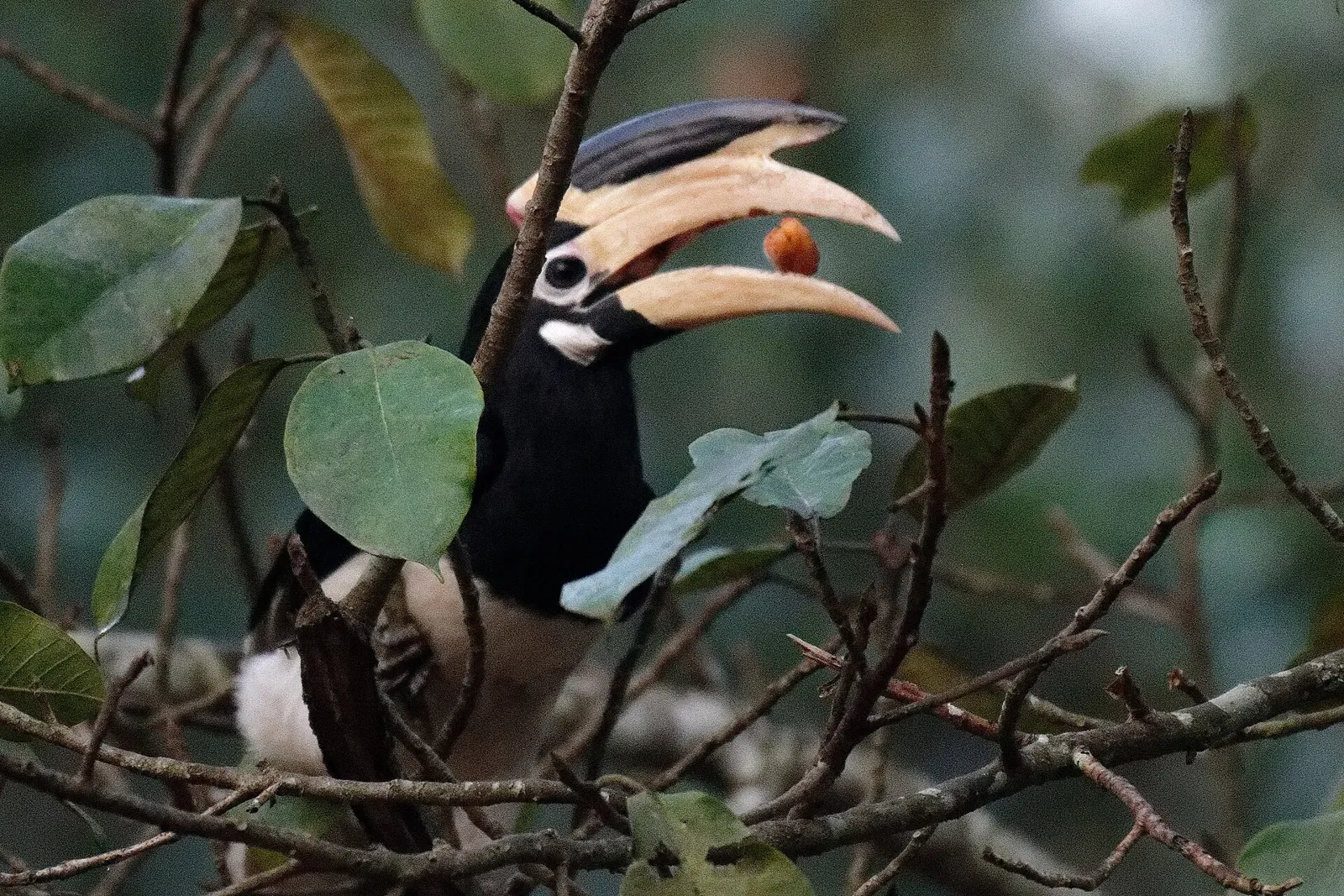
Hornbills, gaur and elusive black panthers
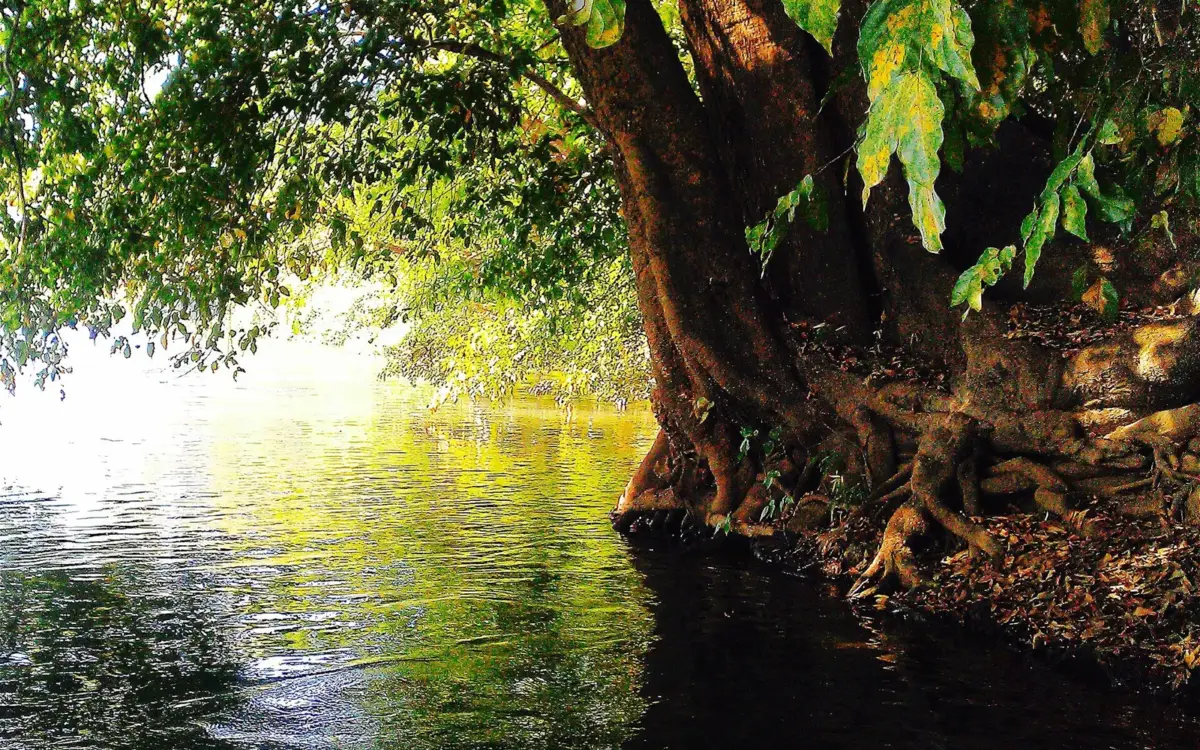


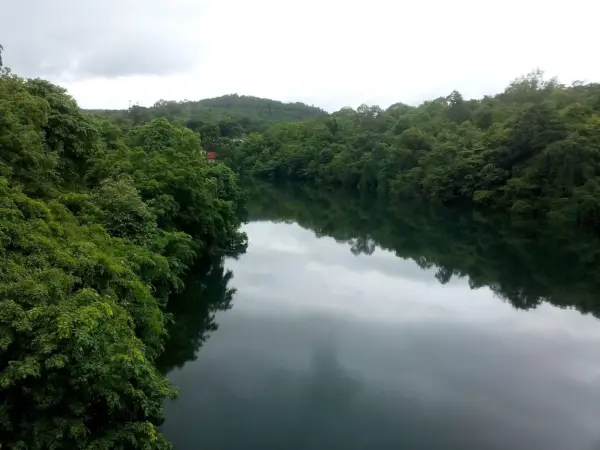


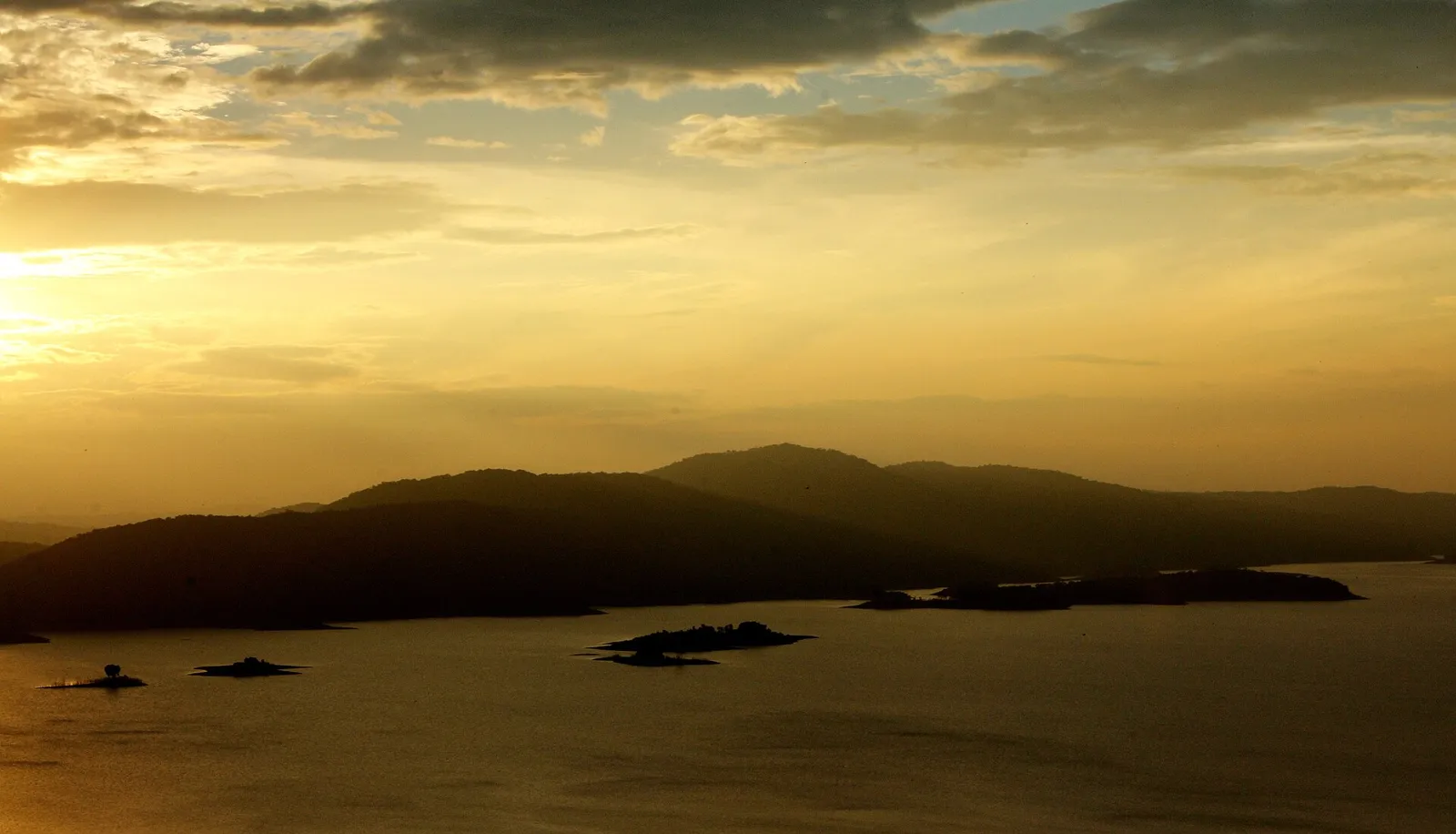
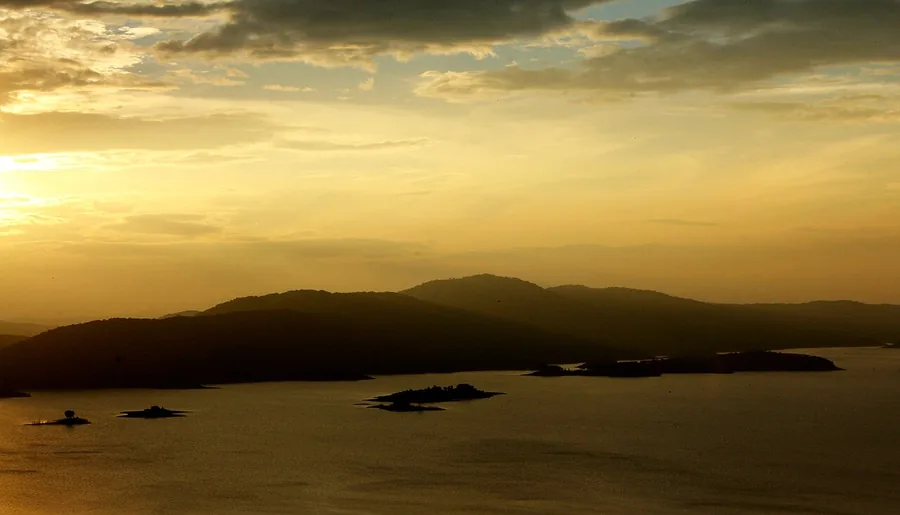
Backwaters at sunset
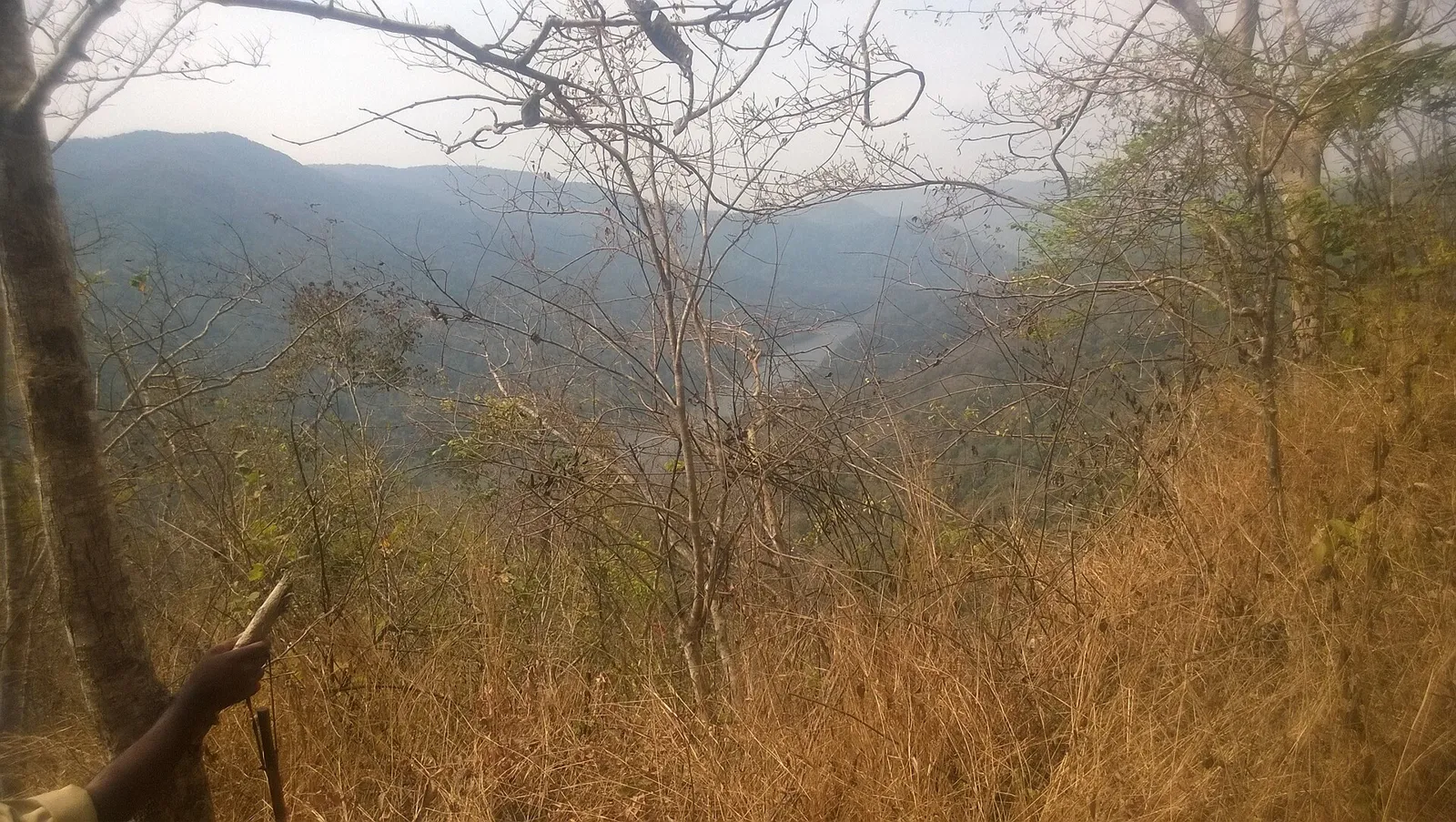
Rock face and river
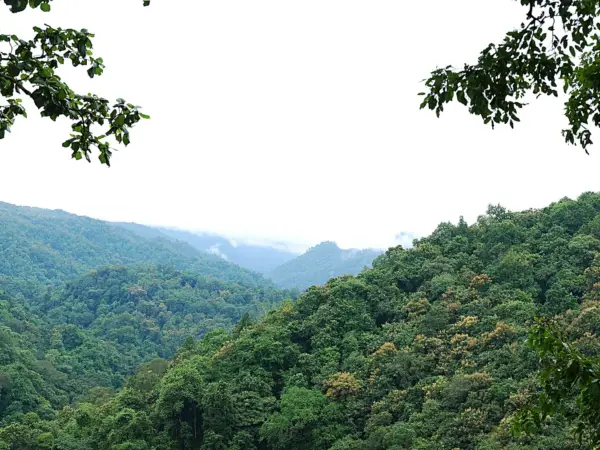
Evening light over the valley

Dandeli’s favourite snack

Fresh from town stalls
Tangy, cooling drink

Sweet stuffed flatbread
The full guide
Dandeli is a small town on the Kali River in Uttara Kannada district, in the forested Western Ghats of north-west Karnataka. It grew up around timber and industry, with the West Coast Paper Mill still in town, but most visitors come for what surrounds it: the Kali Tiger Reserve and some of South India’s best-known white-water rafting.
This is not a place for monuments or nightlife. It is a place for early-morning safaris, hornbills, river days and quiet evenings at a riverside camp. Groups of friends come for the rafting, families for the coracle rides and jungle stays, and birdwatchers for the forest. It also pairs well with a trip to Goa, about three hours away by road.
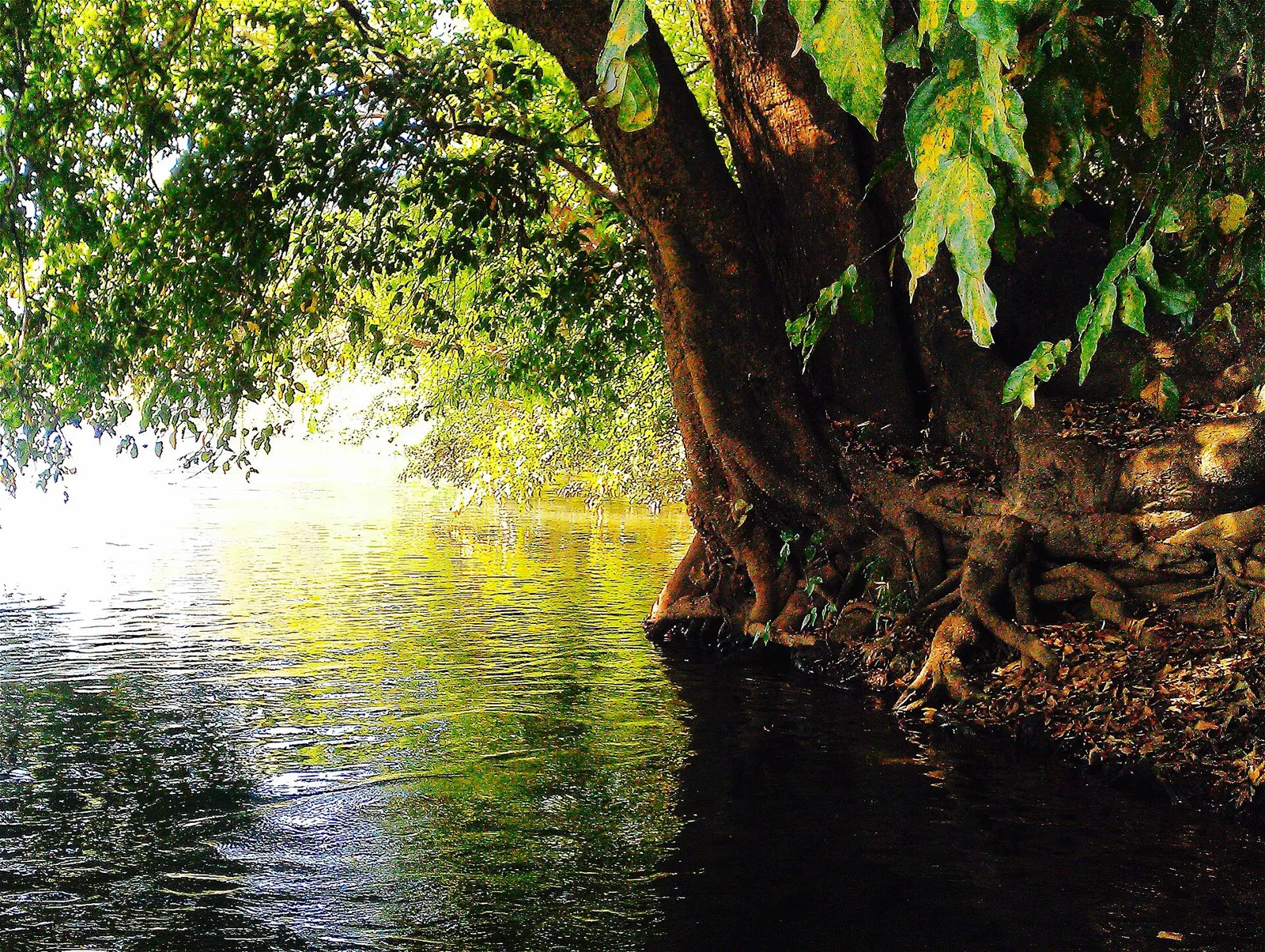
October is the start of Dandeli’s main season. The monsoon has eased, the forest is at its greenest, and the safari season picks up again after the rains. The river is still full, so check with your rafting operator about current conditions and which stretches are running. From October to May the weather is comfortable for being outdoors, with cooler mornings in the winter months.
In 1930 Dandeli was a tiny settlement of a little over 500 people, most of them working for the forest department and the government sawmill. Its residents included Konkani, Maratha, Kuruba and Lambani families, as well as communities of African descent. The town then grew into an industrial centre, with plywood and paper mills and the construction of a string of hydroelectric dams along the Kali. Local legend says the town takes its name from Dandelappa, a local deity.
The forests have been protected for a long time. The Dandeli Wildlife Sanctuary was declared in 1956, the neighbouring Anshi National Park in 1987, and together they became a tiger reserve, renamed the Kali Tiger Reserve in 2015 after the river that runs through it. Nearby, the Kavala caves are revered as an abode of Lord Shiva, and Ulavi is an important pilgrimage centre.
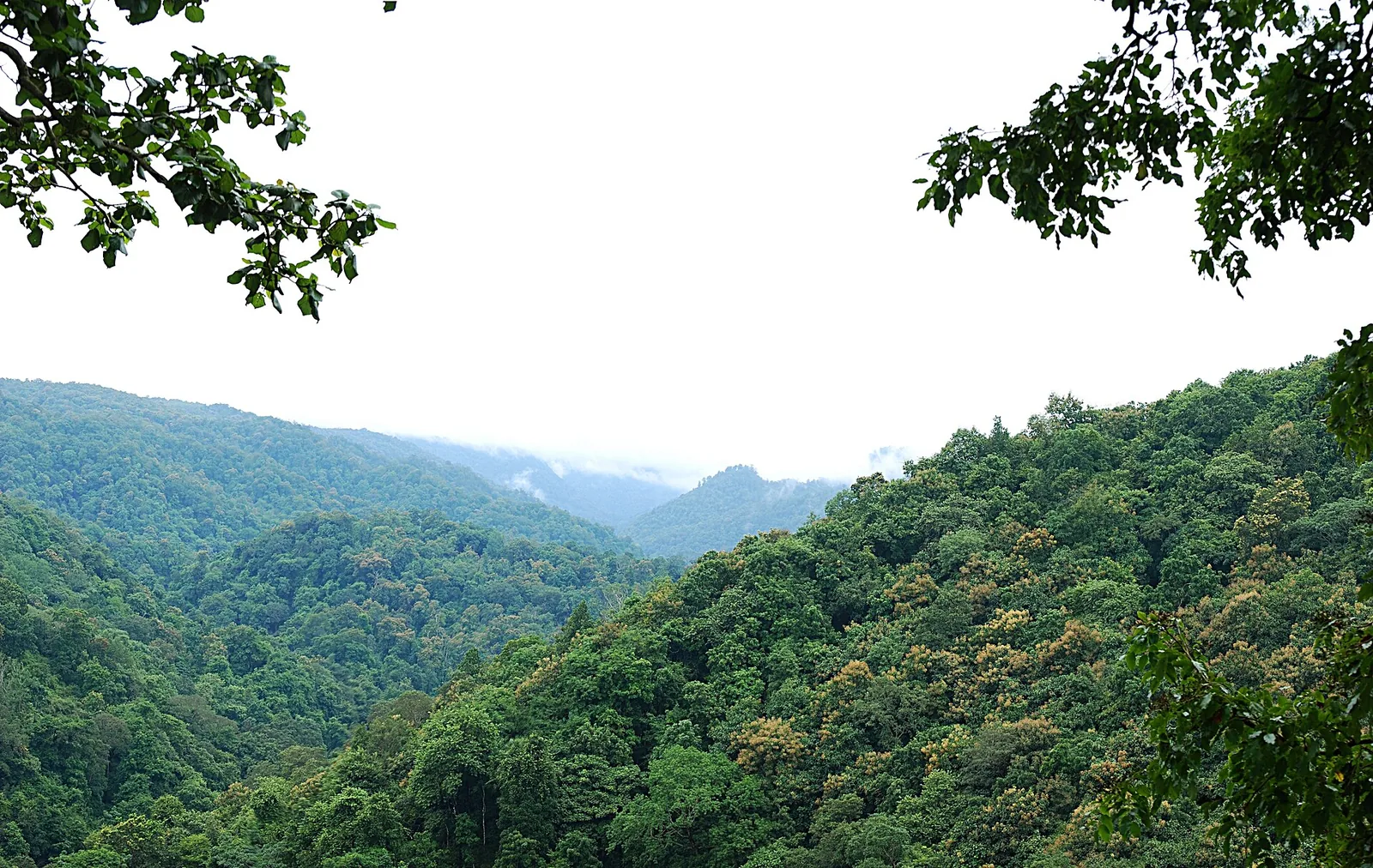
Thanks to its forest cover and moderate height, Dandeli has a mild climate, with average temperatures of about 27 °C in summer and 18 °C in winter. The southwest monsoon, from June to September, brings most of the year’s rain, and some forest areas and river activities may be restricted while it lasts.
October to May is the best window. October and November have the greenest forest and a full river; December to February is the coolest and most comfortable; March to May is hotter but a good time for wildlife, as animals come to the water. Unusually, rafting on the Kali is possible even in the summer months of March to June.
| From | Road distance (approx.) | Driving time (approx.) | Best way |
|---|---|---|---|
| Delhi | ~1,700 km | 20 h+ | Fly to Hubballi or Goa, then road |
| Mumbai | ~585 km | 8–10 h | Train to Londa or Alnavar, or fly to Hubballi |
| Bangalore | ~460 km | 7–8 h | Overnight bus, train or drive |
| Goa (Panaji) | ~135 km | 2.5–3 h | Drive |
Road distances and driving times are BuzzyTrip routing estimates without traffic or stops; check live maps before you leave.
The nearest airport is Hubballi (HBX), roughly 75–80 km away by road; taxis take you on to Dandeli. Goa’s airports are the other option, and Belagavi is about 85 km away. By train, the most useful stations are Alnavar (about 32 km) and Londa Junction (about 38 km), with Dharwad and Hubballi further out; buses and taxis cover the last stretch. Dandeli has its own small station, but as of 2026 it is served only by a DEMU shuttle to Alnavar, three times a day. KSRTC and NWKRTC buses run to Dandeli from Bengaluru, Hubballi, Dharwad, Belagavi, Mangaluru and Goa.
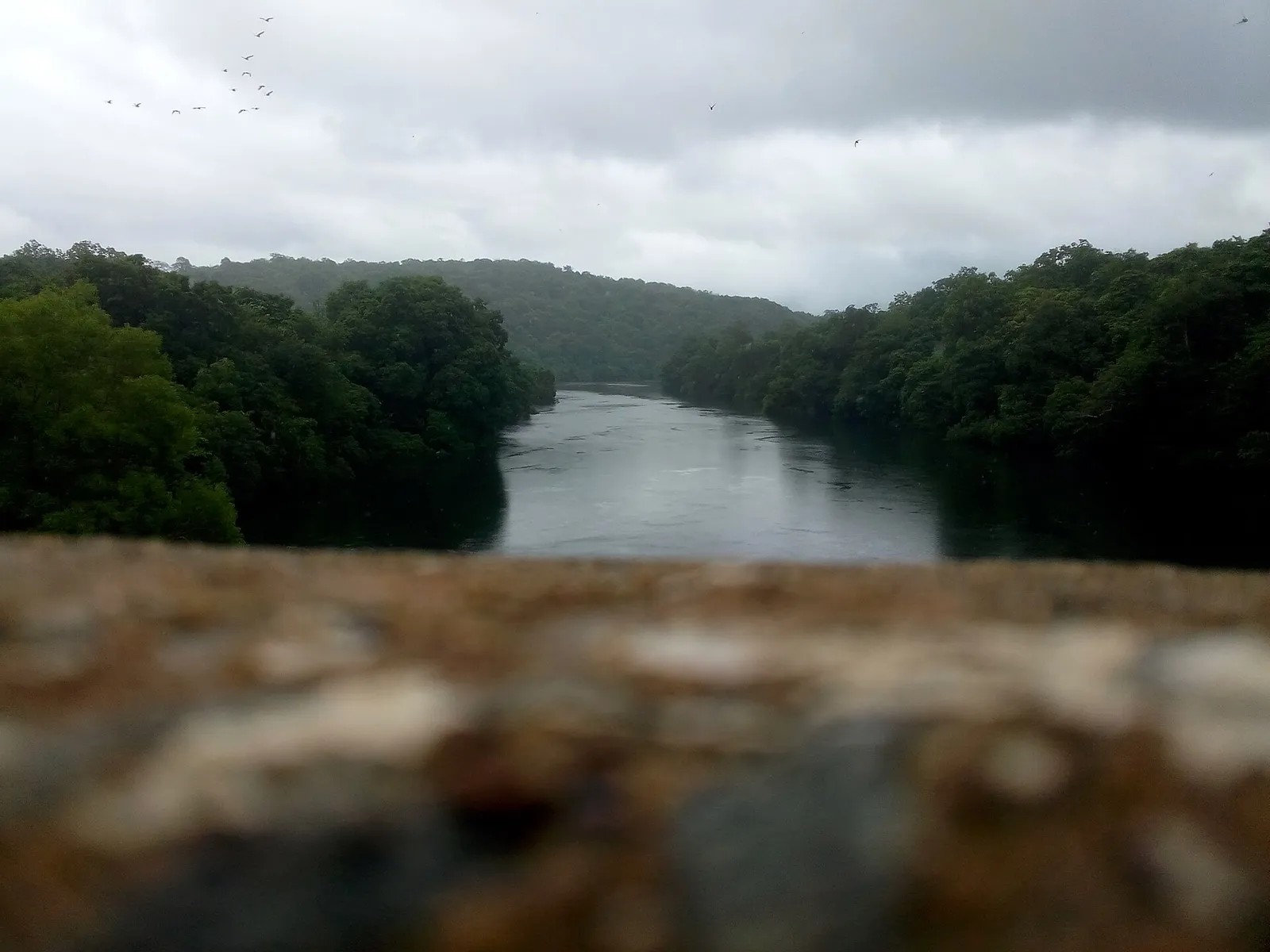
From Bengaluru, most people drive up the NH48 to Dharwad and Hubballi, then take the road west through the forest to Dandeli; the full trip is around 460 km, a long day. From Goa it is a much shorter drive, about 135 km, inland via Londa or Ramnagar. Hubballi is about 72 km away and Belagavi about 86 km. The last stretch runs through forest, so drive in daylight, watch for animals crossing and fill up before you leave the highway. If you are combining Dandeli with Hampi, Hubballi is the natural link between the two.
Alnavar Junction, about 32 km away, and Londa Junction, about 38 km away, are the best railheads; both are on the lines linking Bengaluru, Hubballi, Belagavi and Goa. From Londa, buses leave from Ramnagar bus stand, about 5 km from the station. Dandeli’s own station (DGD) has only a DEMU to Alnavar three times a day, so check the current timetable. Book ahead on weekends and holidays.
Autos cover the town, but the forest, the river camps and sights such as Syntheri Rocks and the Kavala caves are spread out, so a hired car or a taxi for the day is the practical choice. Many resorts and camps include transfers and activities in their packages. Safaris run in the sanctuary’s own vehicles, and forest trails should only be walked with a guide.
The Kali’s rafting stretch near Dandeli has class III rapids, including one recirculating rapid, and runs of around 9–14 km that take two to three hours. The Virnoli rapids are the best-known section. Go only with registered operators who provide helmets, life jackets and a safety briefing.
Morning and evening safaris head into the reserve. Tigers, black panthers and elephants live here but are rarely seen; gaur, deer, sloth bears and giant Malabar squirrels are more likely, along with plenty of birds.
The sanctuary has nearly 270 bird species, including the great hornbill and the Malabar pied hornbill, and Dandeli is a good place to look for them.
Round coracle rides on the calmer parts of the river are a gentle way to look for mugger crocodiles, kingfishers and hornbills.
At Ganeshgudi, Supa Dam is 101 metres high, the tallest dam in Karnataka, with large backwaters set among forested hills.
A striking rock formation by a river deep in the forest, and one of the area’s most photographed spots.
About 25 km from town, the caves are reached by a long climb through dense forest and are revered as an abode of Lord Shiva.
Around 14 km away on the Ambika Nagar–Yellapur road, the camp has a small museum and nature interpretation centre, best known for the preserved remains of a 13-foot king cobra, plus a 2 km birders’ trail.
On a short trip, we would put three things first. Take an early-morning safari or forest walk with a guide, when birds and animals are most active. Spend half a day on the Kali, either rafting or in a coracle, depending on your group. And make time for Syntheri Rocks or the Kavala caves to see the deeper forest.

A viewpoint over the forested valley, and a good place to watch the light change in the evening.
An important pilgrimage centre in the forest, a quiet change from the adventure camps.
A smaller park near the river, handy for an easy walk and a picnic.
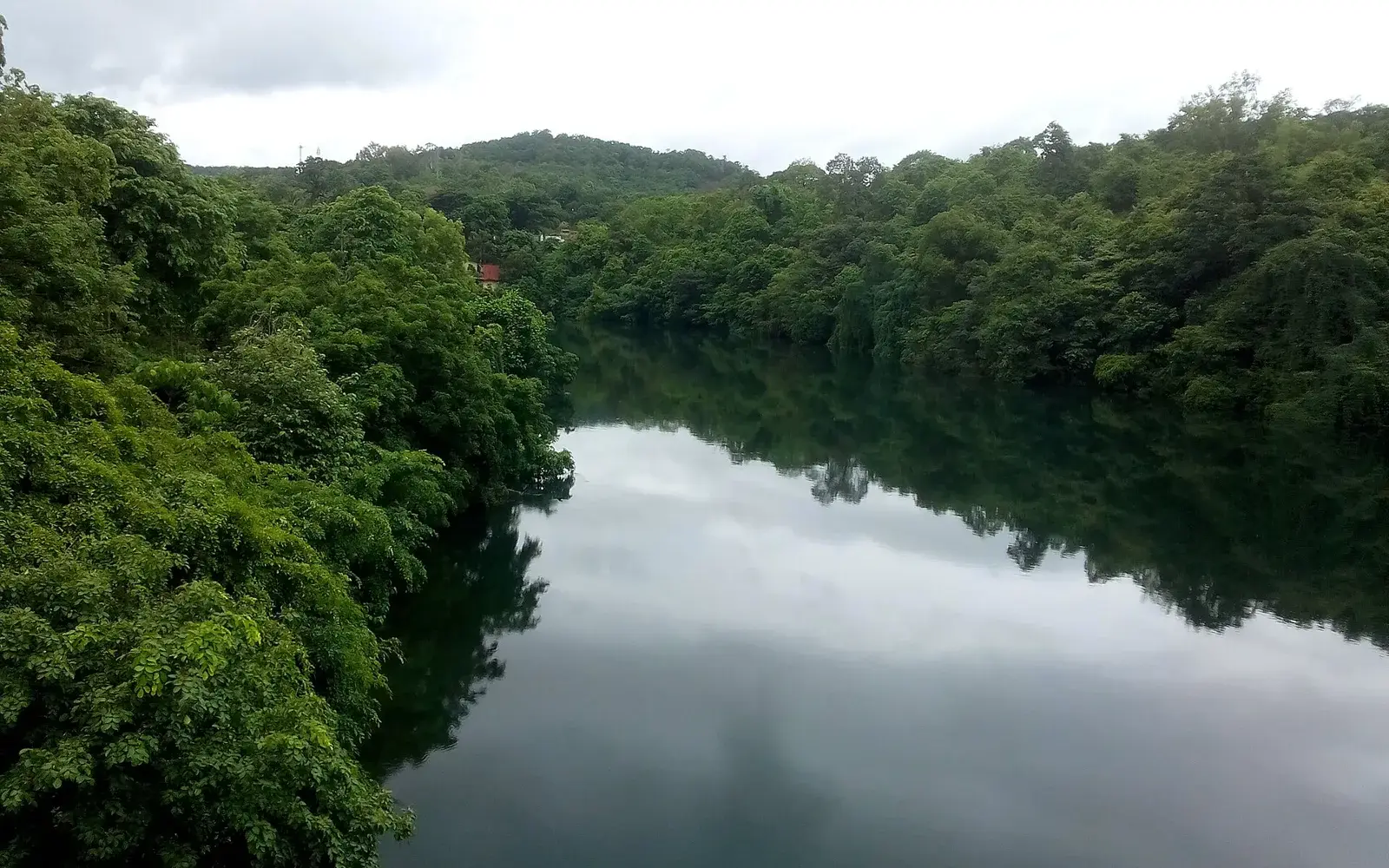
The reservoir behind Supa Dam stretches deep into the hills and is at its prettiest around sunset.
A weekend of river and forest: rafting, a safari and Syntheri Rocks.
River, forest and caves at a comfortable pace.
A slower trip with caves, a nature camp and time for birds.
A full week combining Dandeli’s forest with a few days in Goa.
Gentle river rides, a safari and a nature museum for two easy days.
A riverside resort, an early safari and sunset over the backwaters.
Train, bus and a simple lodge for two thrifty days.
A premium jungle resort with private guides and transfers.
Most visitors stay at riverside camps, homestays and resorts in and around Dandeli rather than in the town itself. The government-run Jungle Lodges & Resorts camp on the Kali offers packages that bundle stay, meals, a safari and a coracle ride, which makes logistics easy. Private resorts and homestays are spread along the river and around Ganeshgudi, near Supa Dam, and many sell similar activity packages. For a simple, cheap night, there are basic lodges near the bus stand in town. Rooms fill quickly on long weekends and in the Dasara and Diwali holidays, so book early.
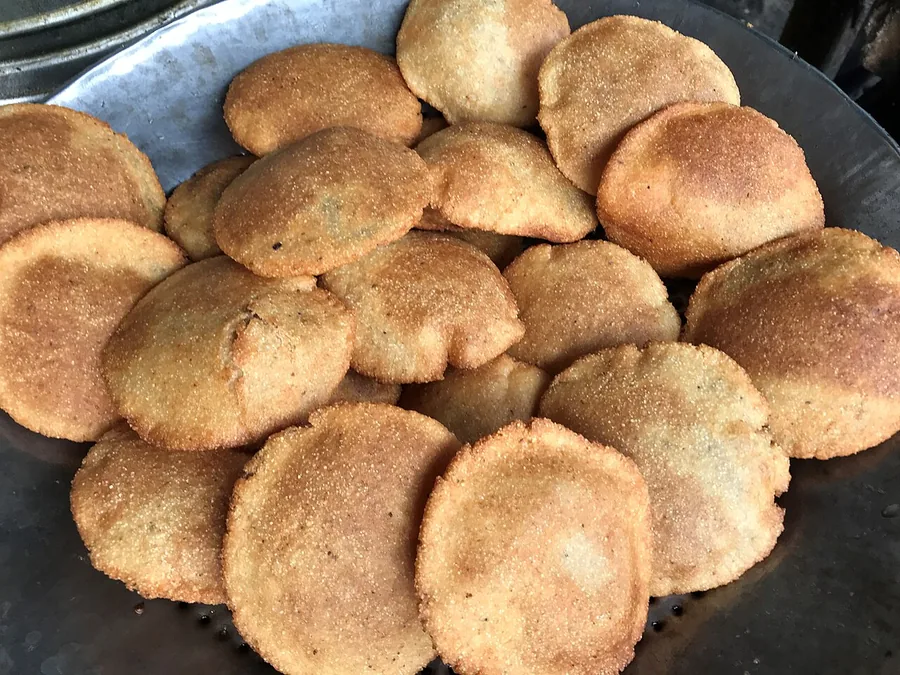
Kachori and samosa are what Dandeli is known for, and you will find them fresh at snack stalls in town. Wash them down with kokum sherbet or a masala soda, both local favourites. Restaurants serve North Karnataka meals with jolada rotti (jowar flatbread), along with South Indian breakfasts, and river fish appears on many menus. Most visitors eat at their camp or resort, where meals are usually part of the package.
Dasara (Navaratri) and Deepavali are the big autumn festivals here, as across Karnataka; in 2026 Deepavali falls in early November, so expect busier weekends and higher room rates. Ganesh Chaturthi, in August or September, is also widely celebrated.
Dandeli is not a shopping destination. The best souvenirs are edible: kokum, honey and local spices sold in town and at some resorts. Buy forest produce only from licensed shops, and never buy anything made from wild animals or protected plants.
No special permit is needed to visit Dandeli town. Entry to the Kali Tiger Reserve is controlled by the Karnataka Forest Department: safaris, nature camps and guided treks need tickets or bookings, usually through the forest department, Jungle Lodges & Resorts or your resort. Visiting hours in the sanctuary are generally from about 6 am to 6 pm, and some areas may close in the monsoon. Fees and rules change, so check the current details when you book.

Here is a rough idea of what a day costs per person, not counting the trip to Dandeli. These are our estimates, not quotes; many resorts sell all-inclusive packages, which can change the picture.
| Budget | Mid-range | Comfort | |
|---|---|---|---|
| Stay | ≈ ₹800–1,500 | ≈ ₹2,500–4,500 | ≈ ₹6,000–12,000 |
| Food | ≈ ₹400–700 | ≈ ₹800–1,500 | ≈ ₹1,500–3,000 |
| Local transport | ≈ ₹200–500 | ≈ ₹800–1,500 | ≈ ₹1,500–3,000 |
| Activities | ≈ ₹500–1,500 | ≈ ₹1,500–3,000 | ≈ ₹3,000–5,000 |
| Total per day | ≈ ₹1,900–4,200 | ≈ ₹5,600–10,500 | ≈ ₹12,000–23,000 |
The budget column assumes a basic lodge or homestay with one paid activity; mid-range is a riverside resort package with a safari or rafting; comfort is a premium jungle resort with private transfers and several activities.
Kannada is the main language, and Hindi, Marathi, Konkani and English are widely understood in tourist areas. Dress modestly at temples and the Kavala caves, and take your shoes off where asked. In the forest, keep your voice down, do not play music and follow your guide’s instructions. Ask before photographing people.
Myth: You will surely see a tiger. Fact: Tigers and black panthers live in the reserve but are rarely seen; birds, gaur and deer are far more likely.
Myth: Dandeli is only for adrenaline junkies. Fact: Coracle rides, birdwatching and nature walks suit families and slower travellers too.
Myth: The Kali is safe for a casual swim anywhere. Fact: The river has crocodiles and strong currents; swim only where your operator says it is safe.
The river is the main hazard. Use registered rafting and boating operators, check that life jackets and helmets are provided, and follow their briefing; crocodiles and strong currents make casual swimming risky. Drive the forest roads slowly, especially at dawn and dusk, when animals cross. Carry insect repellent, and keep your camp’s number saved, as mobile signal can be patchy. For serious medical care, the larger hospitals are in Hubballi and Dharwad. In an emergency, dial 112.
No permit is needed for the town. Safaris, nature camps and guided treks in the Kali Tiger Reserve need tickets or bookings through the Karnataka Forest Department, Jungle Lodges & Resorts or your resort.
October to May. October and November have the greenest forest; December to February is the most comfortable; March to May is hotter but good for wildlife.
Two to three days are enough for a safari, a river activity and a visit to Syntheri Rocks or the Kavala caves.
The rafting stretch has class III rapids, including one recirculating rapid. Runs of around 9–14 km take two to three hours.
Operators set their own age and swimming rules for white-water rafting. Younger children can usually enjoy coracle rides and nature walks instead; ask your operator in advance.
Hubballi airport is roughly 75–80 km away by road. The most useful railway stations are Alnavar (about 32 km) and Londa (about 38 km).
Unlikely. Tigers and black panthers live in the reserve but are rarely seen. Birds, gaur, deer and giant Malabar squirrels are much easier to spot.
Yes, with sensible care. Book activities through registered operators or your resort, avoid swimming in the river and drive slowly on forest roads.
Kachori and samosa are local favourites, with kokum sherbet or masala soda. North Karnataka meals with jolada rotti are widely available.
The sanctuary has nearly 270 bird species, including the great hornbill and the Malabar pied hornbill.
We researched background facts from the pages below (Wikimedia text is used under Creative Commons Attribution-ShareAlike) and checked them against official sources where we could. This guide is our own work; prices, visa rules and timings change, so verify before you travel.
Photos:
Been here recently? Share a tip (and a photo) in the comments below and tick “This is a travel tip”. Tips are reviewed before they appear — we never show your email.
Short, useful travel ideas and new guides. Straight to your inbox every Friday.
Message us with your dates and budget and we’ll reply with suggestions.
Chat on WhatsApp
1 comment