Skip to content

Own a stay, café or cab? List your place on BuzzyTrip — free starter listing after we review.

List your place

Hampi first-trip guide: boulders, ruins & coracle rides

Hampi is a spread‑out UNESCO site of Vijayanagara ruins and river‑side scenery. It’s cheap, walkable and offers a slow pace for most travellers.

  • Couple‑friendly
  • Backpacker‑ready
  • History‑buffs
  • Nature‑lovers
6.1 Go-now score · Good time
Shared 0 times
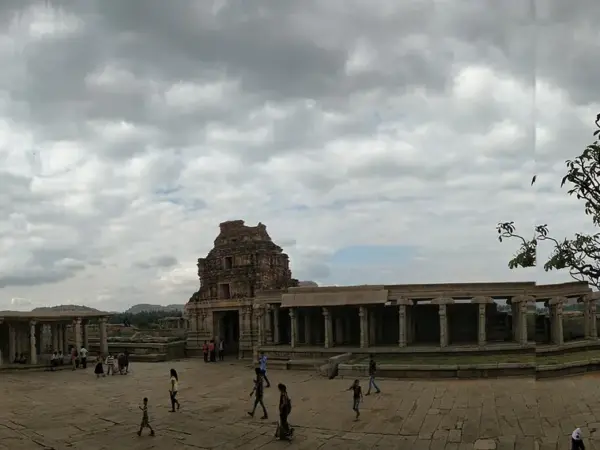
Shrine on Hemakuta Hill overlooking Virupaksha Temple in Hampi, Karnataka
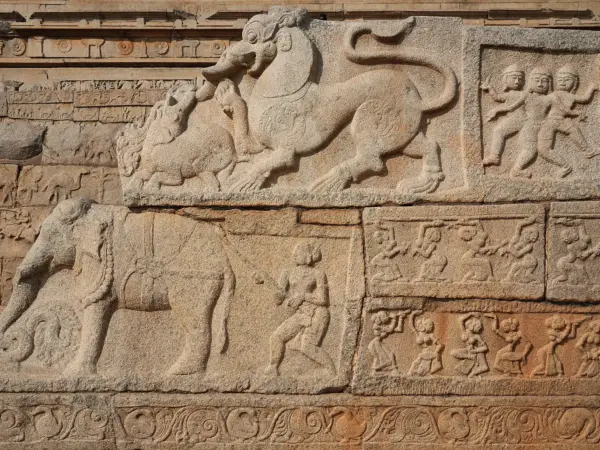
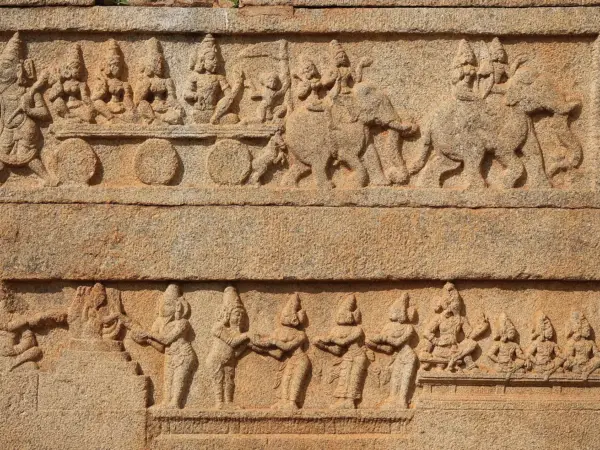
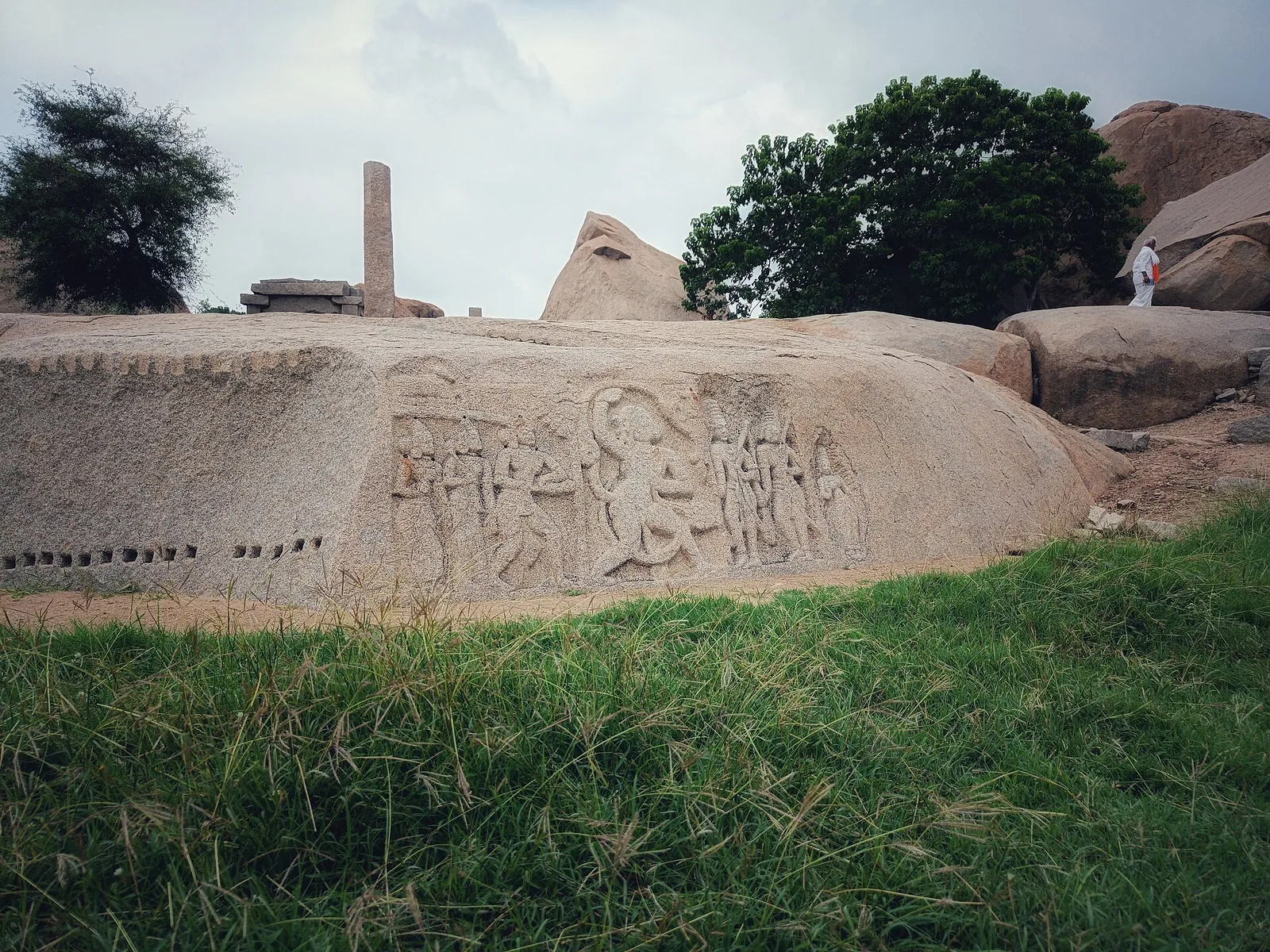
Carved reliefs on the Court Wall of Hazara Rama Temple, Hampi
Stone relief on the throne platform of the King's Palace, Hampi
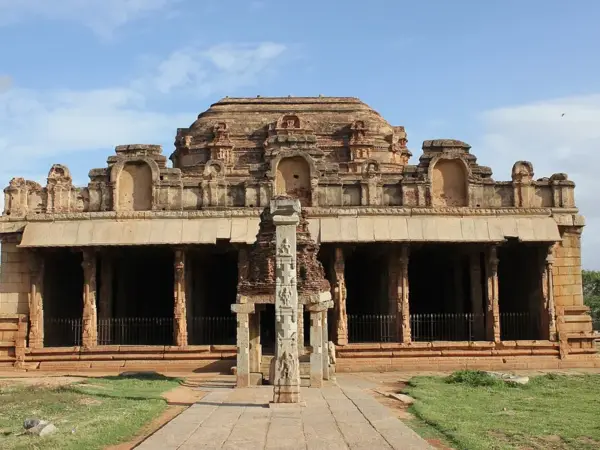
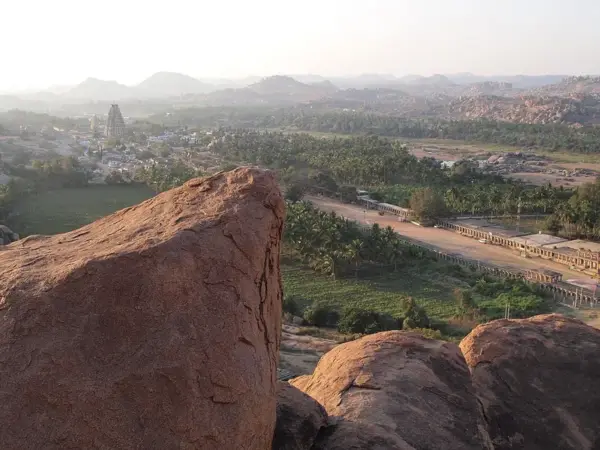
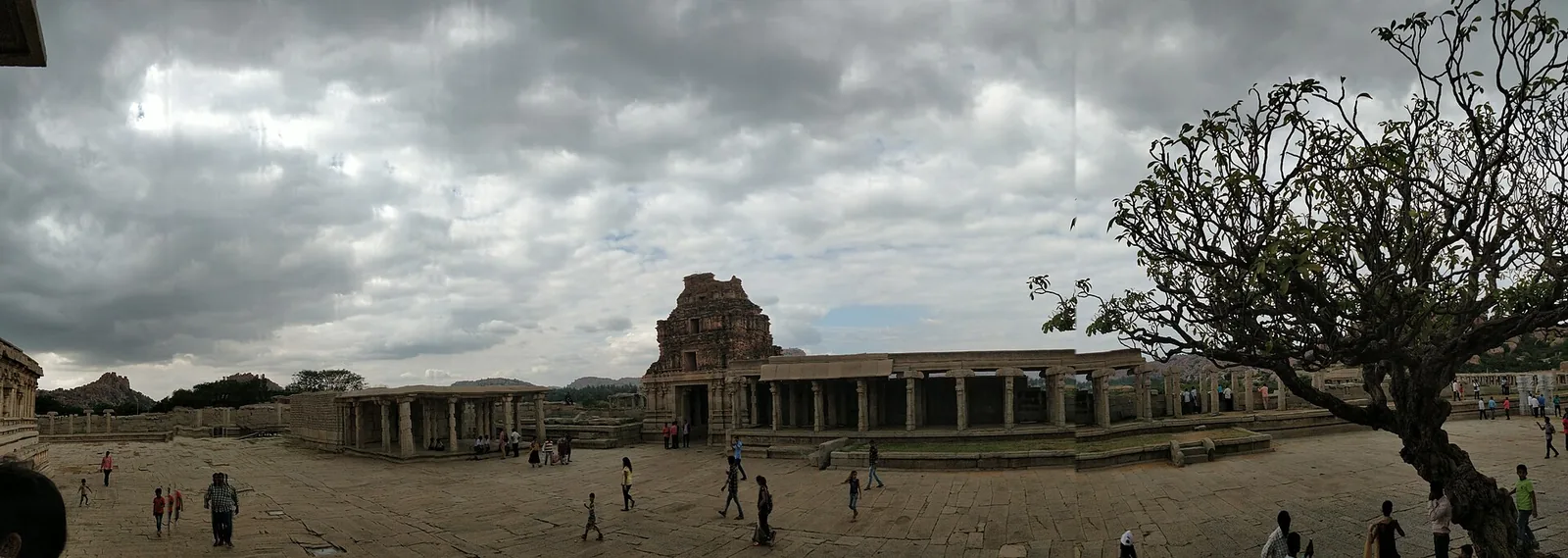
UNESCO Hampi site showing a cluster of Vijayanagara monuments

Why it’s buzzing

  • Post-monsoon greenery
  • Quieter before winter crowds
  • Coracle season resumes
  • Cooler mornings for climbs

Best for

  • Couples seeking quiet
  • Families with older kids
  • Solo backpackers
  • Cultural enthusiasts

Not ideal for

  • Kids under 5 (rough terrain)
  • Luxury seekers (limited 5‑star)
  • Rain‑y season travellers
Best time Oct – FebMild days, cool mornings
Ideal trip length 2 – 4 daysEnough for main sites
Budget sense (pp/day) ₹2,900 – ₹5,800Mid-range, per person (approx.)
Closest airport Vidyanagar (VDY)≈35–40 km; limited flights
Local vibe Kannada, HindiEnglish spoken in tourism
Best for Couples, familiesWide appeal

Highlights this trip is built around

Full list
Virupaksha Temple, Hampi

Virupaksha Temple

Living Shiva temple, centuries of worship
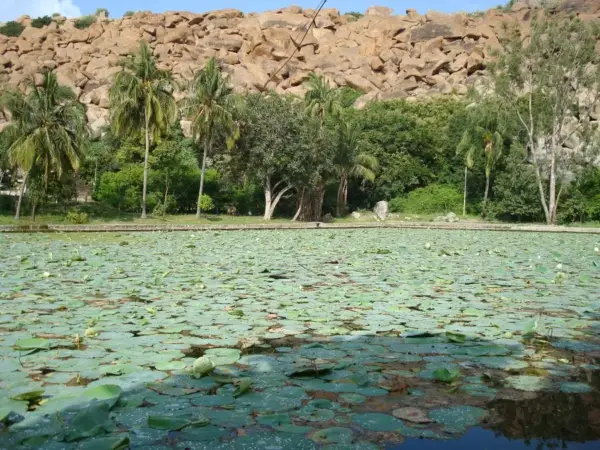
Pampa Sarovar, Hampi

Pampa Sarovar

Sacred lake near Anegundi

Ananthasayana Temple, Hampi

Ananthasayana Temple

1524 temple near Hosapete

Tungabhadra Otter Conservation Reserve

India's first otter reserve

Hampi Bazaar, Hampi

Matanga Hill

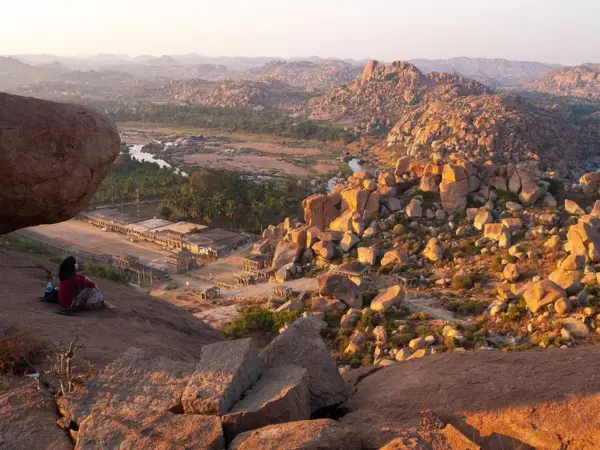
Sunrise over the boulders

See the mood before you plan

Read the full guide
Carved reliefs on the Court Wall of Hazara Rama Temple, Hampi
Stone relief on the throne platform of the King's Palace, Hampi
UNESCO Hampi site showing a cluster of Vijayanagara monuments
Vijayanagara Empire capital ruins in Hampi, Karnataka district
Carved octagonal ceiling of the Queen's Bath, Hampi
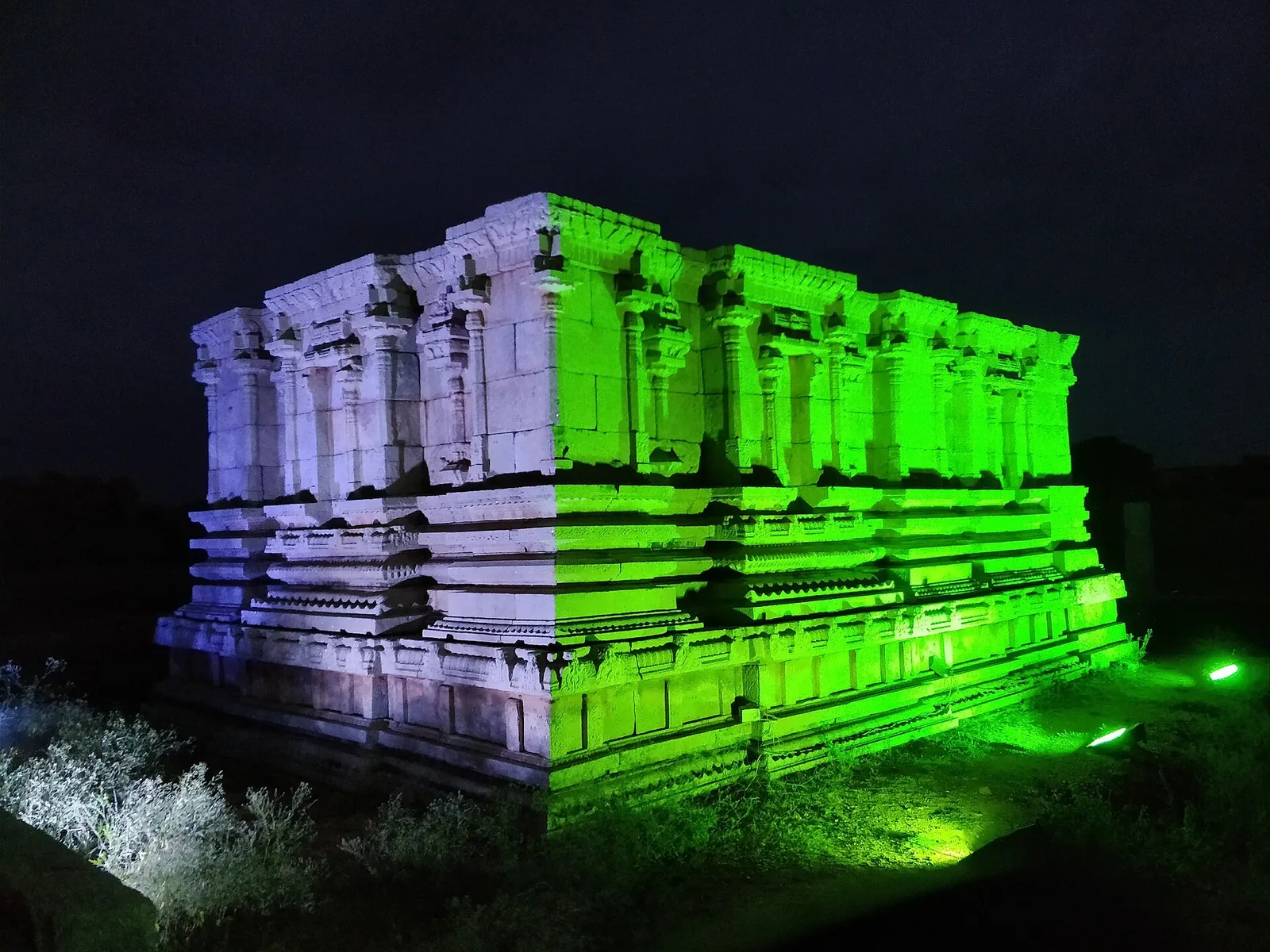
A Hampi temple lit up in colour at night
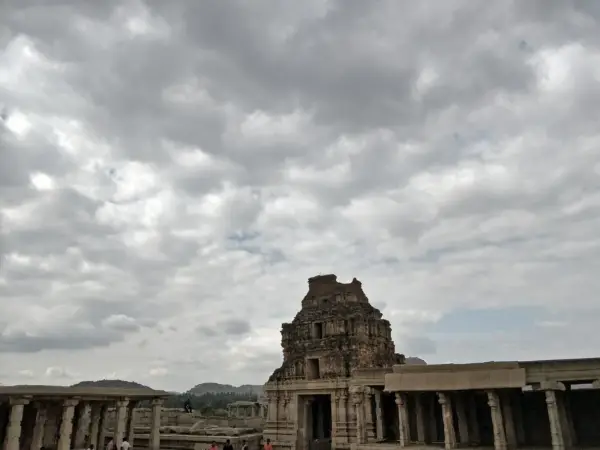
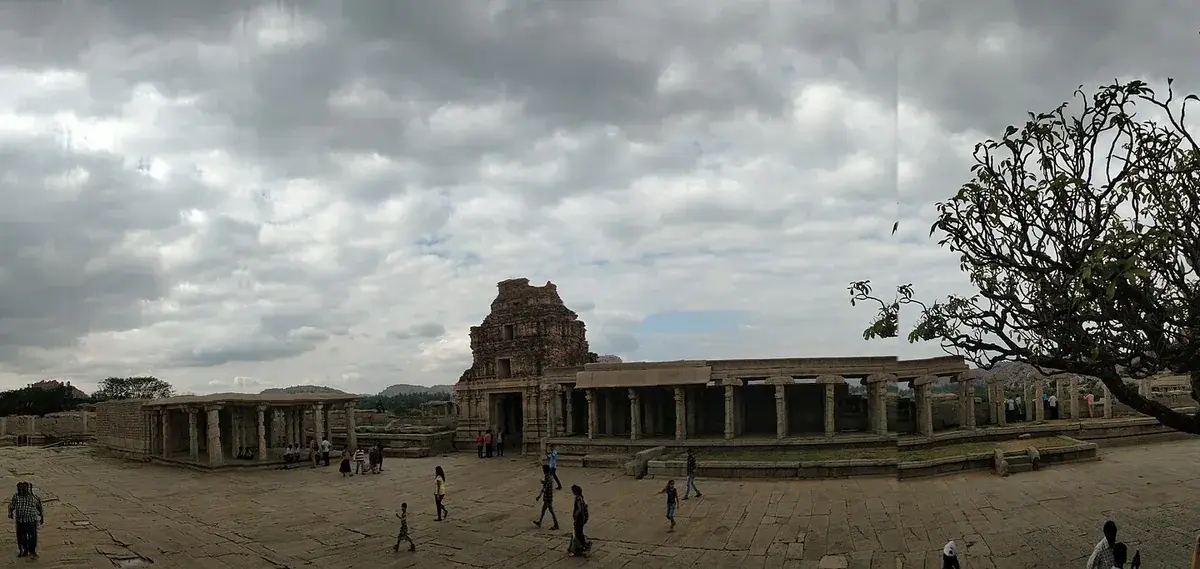
Group of Vijayanagara-era monuments at UNESCO Hampi site
Day 1

Day 1 – Arrival & Bazaar

  • Virupaksha Temple
  • Sunset on Hemakuta Hill
Virupaksha Temple, Hampi
Day 2

Day 2 – Vittala & Royal Enclosure

  • Stone chariot
  • Lotus Mahal
UNESCO Hampi site showing a cluster of Vijayanagara monuments
Day 3

Day 3 – River & Anegundi

  • Coracle ride (when the river is calm)
  • Pampa Sarovar
Pampa Sarovar, Hampi
Day 4 (Optional)

Day 4 – Sunrise & Depart

  • Matanga Hill sunrise
Matanga Hill, Hampi
UNESCO Hampi site showing a cluster of Vijayanagara monuments

Turn this guide into your own trip plan.

Pick what you love, skip what you don’t. Our free planner builds the days around your dates and budget.

Plan my personalised trip
  • Sources credited on every guide
  • Prices shown as dated ranges, not promises
  • Share or plan on WhatsApp

Practical information

Arrival options

  • Fly to VDY (limited flights), then taxi ≈1 h
  • Train to Hosapete (HPT), then auto ≈30 min
  • Frequent local buses from Hosapete
  • Drive from Bengaluru ≈6–7 h
View details

Getting around

  • Auto-rickshaws; agree fares first
  • Bicycle and scooter rentals
  • Walking is best for core sites
  • Hire an auto for a full-day circuit
View details

Best areas to stay

  • Near Virupaksha Temple – backpackers
  • Across the river – climbers, quiet stays
  • Kamalapura – families, resorts
  • Hosapete – bigger hotels, trains
View details

What & where to eat

  • South Indian breakfasts near the temple
  • Jolada rotti & palya – North Karnataka meals
  • Banana-leaf thalis
  • Cafés across the river for international food
View details

Movement tips

  • Start sites early to avoid heat
  • ASI monuments close around sunset
  • Coracle crossings pause when the river is high
  • Stay hydrated
View details

Clothing notes

  • Modest attire for temples
  • Avoid sleeveless tops in villages
  • Sandals okay on paved paths
  • Raincoat only monsoon (June‑Sept)
View details

Carry these

  • Aadhaar/ID, cash ₹2000‑3000, basic meds
  • Phone with offline maps
  • Small lock for lockers
  • Reusable bag for trash
View details

Family notes

  • Kids can explore open plazas
  • Bring snacks for long walks
  • Strollers only on flat paved paths
  • Plan midday break for heat
View details

Couple notes

  • Late-afternoon coracle ride if the river is calm
  • Dine on riverbank at sunset
  • Stay in boutique guesthouse near Virupaksha
  • Sunrise from Matanga Hill
View details

Permits & entry

  • No permits needed
  • ASI ticket ₹40 (₹35 online) for Indians
  • One ticket covers Vittala, Lotus Mahal & Elephant Stables
  • Virupaksha Temple: no ASI ticket
View details

Road routes

  • Bengaluru → NH 48 → Chitradurga → NH 50 → Hosapete (≈340 km)
  • Hubballi → Hosapete (≈160 km)
  • Hyderabad → Raichur → Hosapete (≈380 km)
  • Goa → Hubballi → Hosapete (≈330 km)
View details

Best photo spots

View all spots

Virupaksha Temple

Morning light on gopuram

Pampa Sarovar

Still water in the early morning

Matanga Hill, Hampi

Matanga Hill

Sunrise panorama from the top

Tungabhadra Otter Reserve

River and boulders at golden hour

Ananthasayana Temple

Late-afternoon light on the facade

Food you shouldn’t miss

View more food
Mysore Pak, Hampi

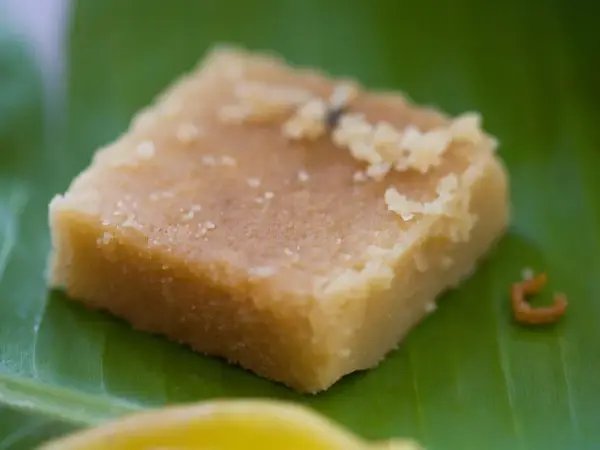
Mysore Pak

Butter‑rich sweet bite

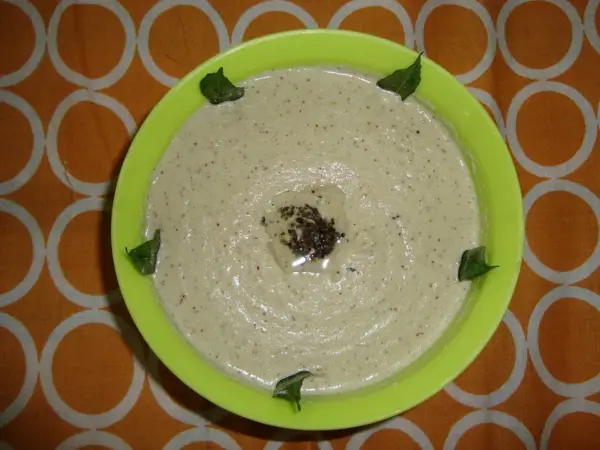
Coconut Chutney, Hampi

Coconut Chutney

Fresh, mild side

Jolada Rotti

Sorghum (jowar) flatbread

Quick answers to common questions

All FAQs
Best month to visit?October to March for clear skies and cool temps.
Nearest train station?Hosapete Junction (HPT), about 13 km away.
Entry fee for monuments?ASI ticket ₹40 for Indians (₹35 online) covers Vittala, Lotus Mahal and Elephant Stables; under-15s free.
Is Wi‑Fi available?Limited in cafés; buy a local SIM for reliable data.
Can I swim in the river?No. Currents are strong and the river has crocodiles.
Do I need a guide?Optional; signposts are clear, but guides add context.
Are there ATMs?A few in Hampi and Kamalapura, more in Hosapete; carry cash for small vendors.
Is Hampi safe at night?Generally safe; stick to lit areas and main streets.
What clothing is required at temples?Cover shoulders and knees; remove shoes before entry.
Can I rent a bike?Yes, bicycles and scooters are rented near the Virupaksha Temple and across the river.
Is there a night market?No, Hampi is quiet after dark; most shops and cafés close early.
Do I need a permit for the otter reserve?No permit is needed to visit the riverside areas; just don’t enter the water.

Plan my trip

Go-now score

Budget calculator

The full guide

Hampi 2026: Boulders, Ruins and a Slow Coracle Ride

Hampi at a glance

Hampi reads like an open-air museum: the ruined capital of the Vijayanagara Empire, spread among towering granite boulders beside the Tungabhadra River. History lovers can trace temples, palaces and bazaars across a huge site, while climbers come for some of India’s best bouldering. If you like to wander slowly, every temple, stone chariot and banana plantation invites a pause. It’s the blend of ancient stone and rugged landscape that makes the place feel like a storybook, and the sheer scale makes every detour worthwhile.

Why go now

October comes just after the monsoon, so the fields and banana groves are green and the Tungabhadra is full. Days are warm but mornings are pleasant for walking, and the big winter crowds haven’t arrived yet, so the Virupaksha Temple and the hilltop viewpoints are quieter. The river can still be high early in the month, so coracle rides may be paused until the water settles. Check the forecast, as late showers are possible.

Best time to visit

October to February is the most comfortable time to visit, with mild days and cool mornings; December and January are the busiest months. March to May is very hot, with temperatures above 40°C, and the exposed granite soaks up the heat. The monsoon (June to September) turns the landscape green but makes rocks slippery and often stops coracle rides. Hampi Utsav, the state’s cultural festival, has no fixed date: the 2026 edition was held in February, and a November date for later editions had not been announced as of October 2026, so check Karnataka Tourism before planning around it.

Permits and entry rules

No permits are needed to explore Hampi. Most of the site is free to walk around, but an ASI ticket (₹40 at the counter or ₹35 online for Indians, free for children under 15) is needed for the Vittala Temple and the Zenana Enclosure, including the Lotus Mahal and the Elephant Stables, and one ticket covers all of them on the same day. The Virupaksha Temple is a working temple with no ASI ticket.
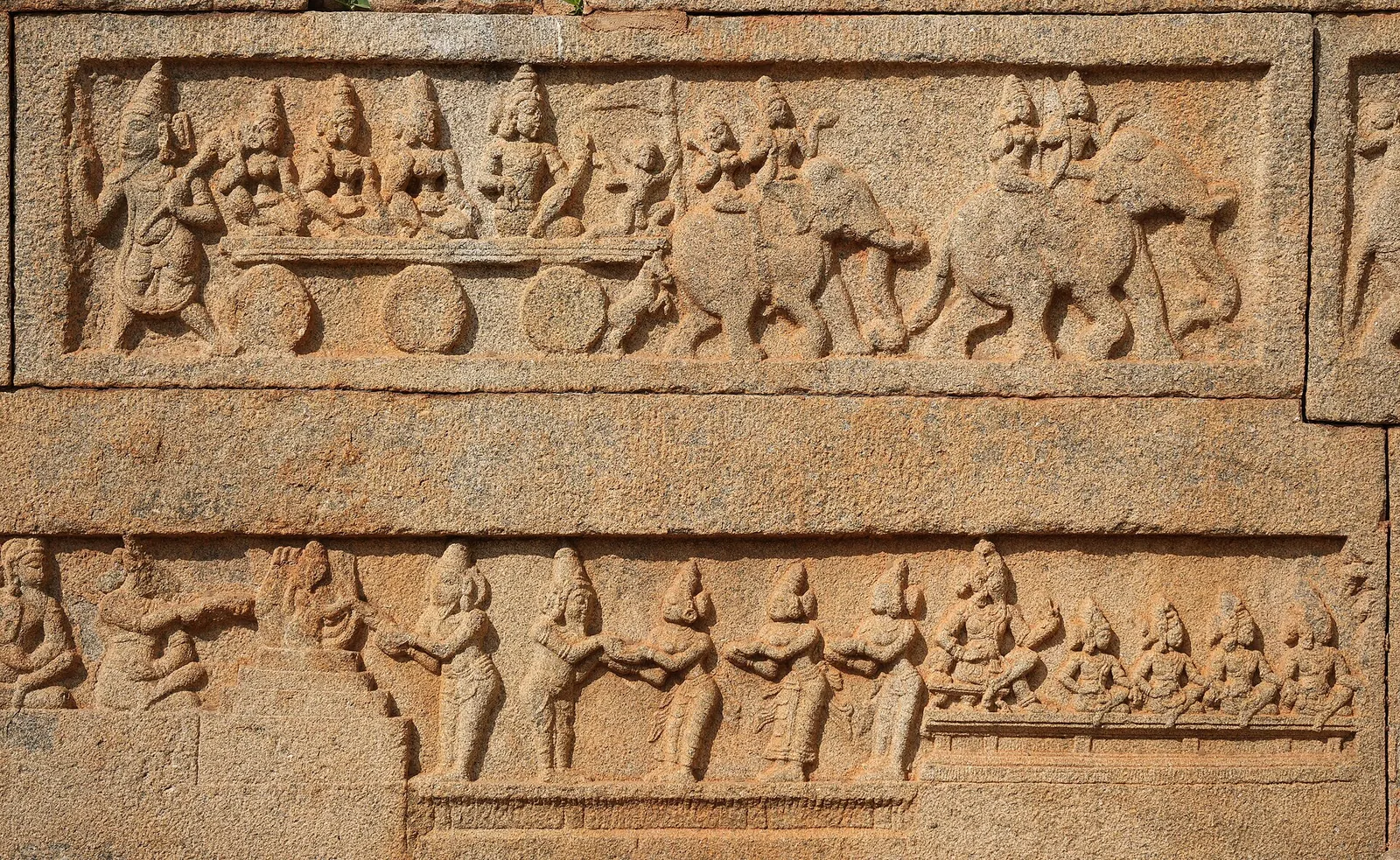
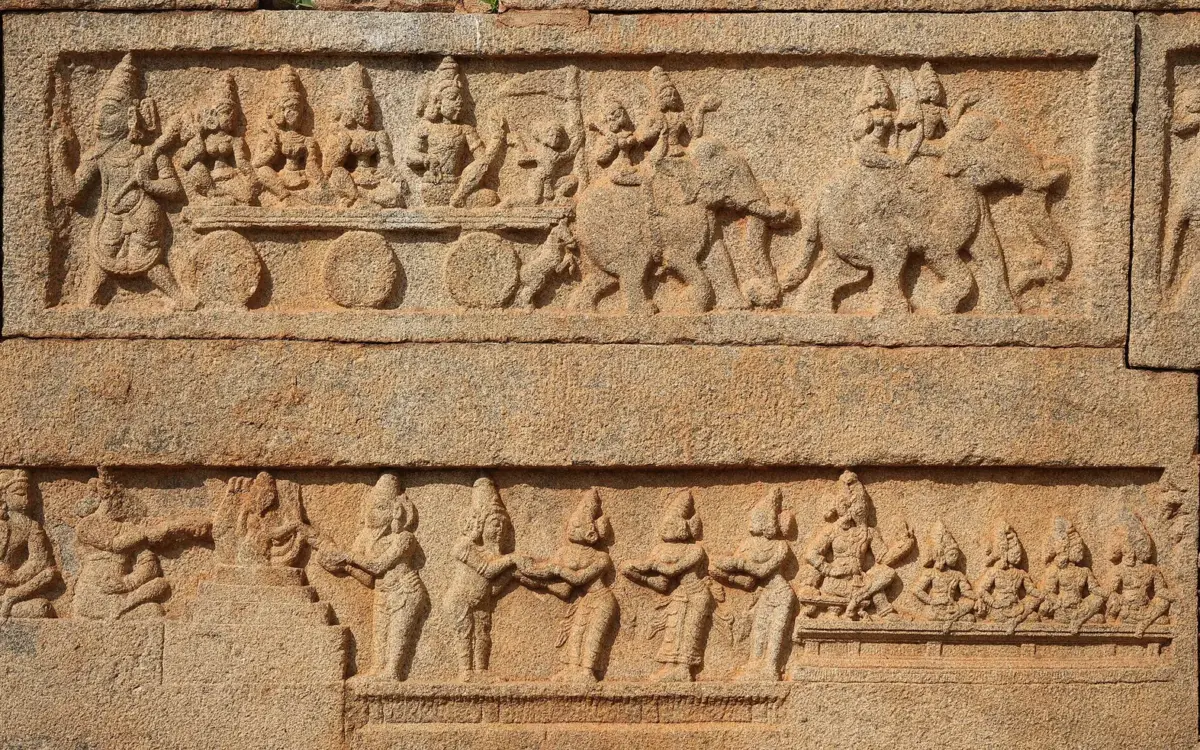
Carved reliefs on the Court Wall of Hazara Rama Temple, Hampi
Photo: Hampi – Hazara Rama Temple – Wall Reliefs – 2 by Ingo Mehling, CC BY-SA 4.0, via Wikimedia Commons

Budget breakdown

Below is a rough daily spend per person as of October 2026. Stay costs assume two people sharing a room; activities cover ASI tickets, guides and coracle rides.

Category Budget Mid-range Luxury
Stay ₹500-₹1,000 (basic guesthouse) ₹1,500-₹3,000 (comfortable guesthouse or hotel) ₹8,000-₹20,000 (heritage resort)
Food ₹300-₹600 (thalis, local cafés) ₹600-₹1,000 (cafés and restaurants) ₹1,500-₹3,000 (resort dining)
Local transport ₹200-₹400 (bicycle, buses) ₹500-₹1,000 (autos, scooter) ₹1,500-₹3,000 (car with driver)
Activities ₹100-₹300 (ASI ticket, short coracle crossing) ₹300-₹800 (guide, coracle ride) ₹1,000-₹2,500 (private guide)
Total per day ≈₹1,100-₹2,300 ≈₹2,900-₹5,800 ≈₹12,000-₹28,500

These ranges are as of October 2026; check current rates before you book.

How to reach Hampi

Distances from major Indian cities

From Road distance (est.) Driving time (est.) Best way
Delhi ~2000 km 44.4 h Fly
Mumbai ~760 km 16.9 h Train or drive
Bangalore ~390 km 8.7 h Drive

Estimates calculated by BuzzyTrip from map coordinates; check live maps before you leave.

The nearest airport is Jindal Vijaynagar Airport (VDY) at Toranagallu, about 35–40 km from Hampi, with a limited number of flights; most travellers fly into Bengaluru or Hubballi instead. From the airport, a taxi takes about an hour.

By rail, Hosapete Junction (HPT) is the closest station, about 13 km away. Overnight trains from Bengaluru, including the Hampi Express, arrive early in the morning, and there are connections from Hyderabad and from Goa via Hubballi. From the station, an auto-rickshaw to Hampi takes about 30 minutes.

Frequent local buses run from Hosapete bus stand to Hampi. A private taxi from Bengaluru takes about six to seven hours, while the overnight train is cheaper and saves a day of driving.

Road trips from nearby metros

From Bengaluru, take NH 48 to Chitradurga, then NH 50 to Hosapete, about 340 km in six to seven hours. The roads are good and there are plenty of dhabas and coffee stops along the way. Leave early to avoid Bengaluru’s traffic and reach Hampi in time for sunset. From Goa, the route via Hubballi takes about seven hours.
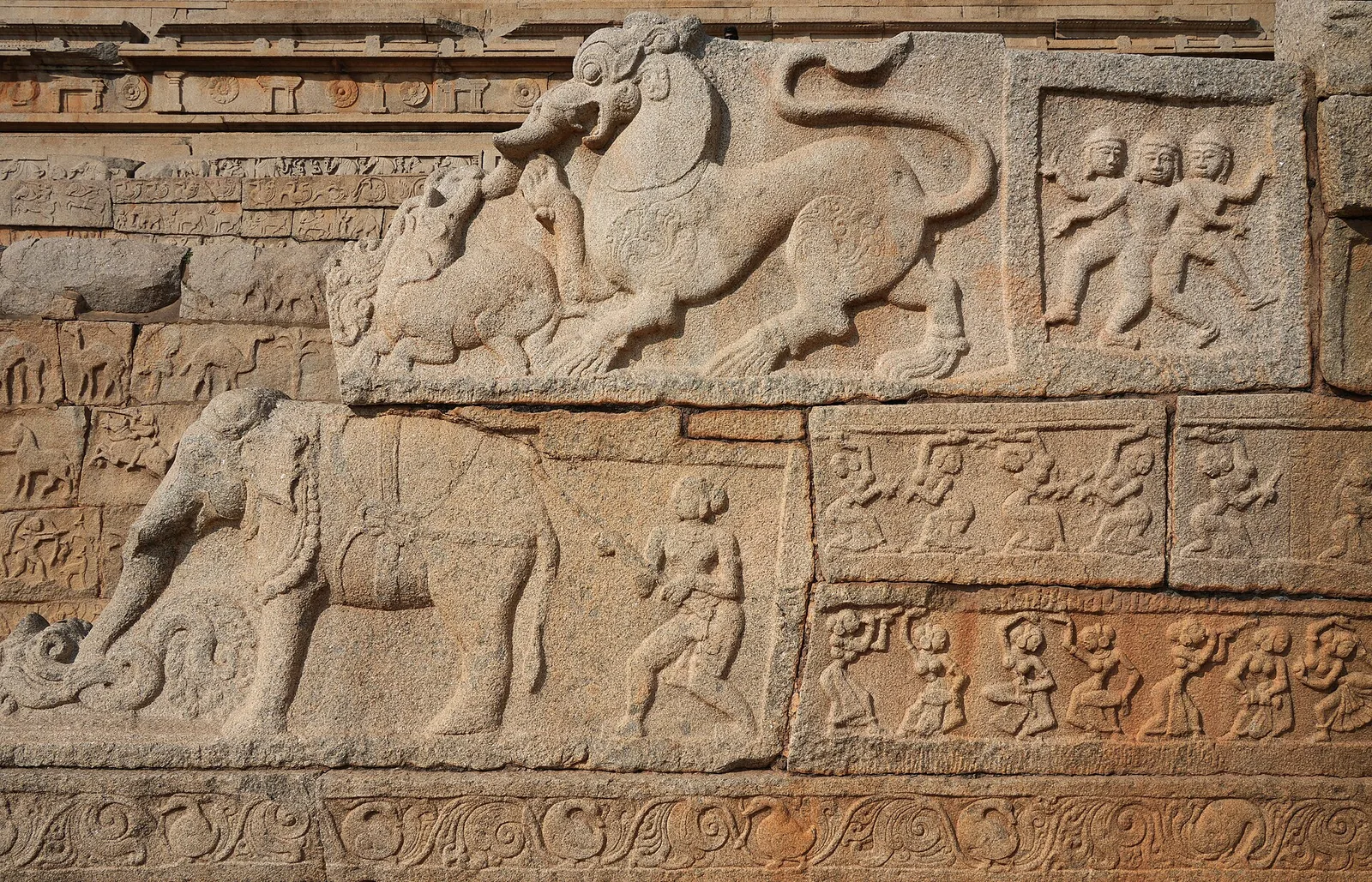
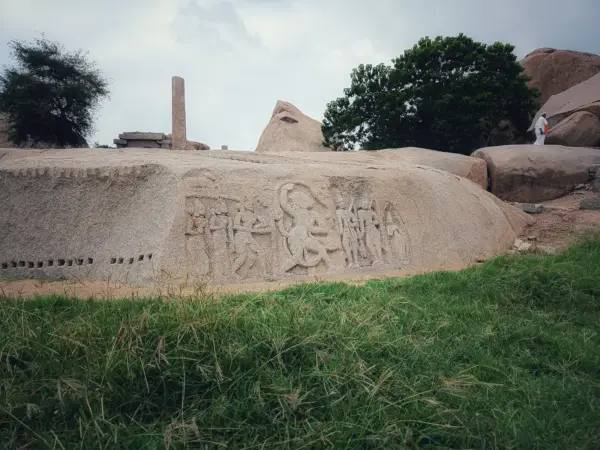
Stone relief on the throne platform of the King's Palace, Hampi
Photo: Hampi – King's Palace – Throne Platform – Relief – 15 by Ingo Mehling, CC BY-SA 4.0, via Wikimedia Commons

Train options

Hosapete Junction, about 13 km from Hampi, is the main rail gateway. Overnight sleeper trains from Bengaluru are a comfortable, budget-friendly way to arrive rested; book well ahead for weekends and the winter season. There are also trains from Hyderabad, and from Goa via Hubballi.

Getting around

Auto-rickshaws handle short hops between the river, the temples and the Royal Enclosure; for families, a negotiated full-day rate is good value. Bicycles and scooters can be rented near the Virupaksha Temple and across the river, and cycling is a great way to cover the spread-out site, although some stretches are hilly and hot by midday. Walking is best around the core temples. Coracles cross the river near Virupaksha in season; otherwise, the north bank is reached by road via Anegundi.

Hampi itineraries: pick your trip

2 days

Ideal for first-timers who want the highlights without feeling rushed.

Day 1: Sacred centre & Royal Enclosure

  • Morning: Drop your bags at a guesthouse near Virupaksha Temple, see the morning puja, then walk up Hemakuta Hill for the view.
  • Afternoon: Explore the Royal Enclosure, the Hazara Rama Temple, the Lotus Mahal and the Elephant Stables.
  • Evening: Watch the sunset from Hemakuta Hill, then have a South Indian thali near the temple.
  • Est. cost: ₹2,500–3,500 per person (approx.)

Day 2: Vittala Temple & departure

  • Morning: Reach Vittala Temple early to see the stone chariot before the crowds; the ASI ticket also covers the Lotus Mahal and Elephant Stables.
  • Afternoon: Walk or cycle back along the river past the Achyutaraya Temple and Kodandarama Temple.
  • Evening: Take an auto or bus to Hosapete for your onward train.
  • Est. cost: ₹2,000–3,000 per person (approx.)
3 days

A balanced pace for most travellers, mixing monuments, river views and a taste of bouldering.

Day 1: Heritage walk

  • Morning: Start with masala dosa for breakfast, then visit the Virupaksha Temple.
  • Afternoon: Explore the Royal Enclosure, the Lotus Mahal and the carved walls of the Hazara Rama Temple.
  • Evening: Climb Hemakuta Hill for sunset and have dinner at a local café.
  • Est. cost: ₹2,800–4,000 per person (approx.)

Day 2: Vittala & the river

  • Morning: Cycle to Vittala Temple early, when the light on the stone chariot is soft.
  • Afternoon: If the river is calm, take a coracle ride from the ghat near Virupaksha, or cross to Virupapura Gaddi for lunch and a look at the bouldering areas.
  • Evening: Have a thali and return before dark; boat crossings stop in the evening.
  • Est. cost: ₹3,000–4,200 per person (approx.)

Day 3: Matanga Hill & departure

  • Morning: Climb Matanga Hill for sunrise over the boulders and temples.
  • Afternoon: Visit the Underground Shiva Temple and the Queen’s Bath, then have lunch before heading to Hosapete.
  • Evening: Board the evening train or bus from Hosapete.
  • Est. cost: ₹2,200–3,300 per person (approx.)
5 days

A slower plan that adds Anegundi across the river and extra downtime.

Day 1: Settling in

  • Morning: Check into a guesthouse near Virupaksha Temple and have filter coffee and idli.
  • Afternoon: Visit the Virupaksha Temple and walk the old Hampi Bazaar street to the Nandi statue.
  • Evening: Watch sunset from Hemakuta Hill and have a relaxed dinner.
  • Est. cost: ₹2,500–3,800 per person (approx.)

Day 2: Royal Enclosure deep dive

  • Morning: Explore the Lotus Mahal, the Queen’s Bath and the Underground Shiva Temple.
  • Afternoon: Cycle to Vittala Temple to see the stone chariot and the musical pillars, which visitors can no longer tap.
  • Evening: Return for a simple dinner of jolada rotti (sorghum flatbread) and palya.
  • Est. cost: ₹3,000–4,500 per person (approx.)

Day 3: Bouldering & river

  • Morning: Cross to the north bank and join a beginner bouldering session with a local outfit that rents crash pads.
  • Afternoon: Cycle past the paddy fields towards Sanapur Lake, and stay out of the river, which has crocodiles.
  • Evening: Have dinner at a riverside café on the north bank.
  • Est. cost: ₹3,200–4,600 per person (approx.)

Day 4: Anegundi & Anjanadri Hill

  • Morning: Visit Anegundi, the older village across the river, and the craft workshops making banana-fibre bags and baskets.
  • Afternoon: Stop at Pampa Sarovar, the sacred lake linked to the Ramayana.
  • Evening: Climb the roughly 570 steps of Anjanadri Hill, believed to be Hanuman’s birthplace, for sunset.
  • Est. cost: ₹2,800–4,000 per person (approx.)

Day 5: Farewell to Hampi

  • Morning: Catch the sunrise from Matanga Hill.
  • Afternoon: See the Archaeological Museum at Kamalapura (closed on Fridays) and have lunch.
  • Evening: Head to Hosapete for your onward train or bus.
  • Est. cost: ₹2,300–3,500 per person (approx.)
7 days

A full week covering Hampi’s core plus Anegundi and a day trip to Badami, Aihole and Pattadakal.

Day 1: Arrival & sacred centre

  • Morning: Settle into a guesthouse near Virupaksha Temple and have breakfast of idli and vada.
  • Afternoon: Explore the Virupaksha Temple and Hemakuta Hill.
  • Evening: Watch the sunset over the temples from Hemakuta Hill.
  • Est. cost: ₹2,500–3,800 per person (approx.)

Day 2: Royal Enclosure highlights

  • Morning: Explore the Lotus Mahal, the Queen’s Bath and the Underground Shiva Temple.
  • Afternoon: Cycle to the Vittala complex for the stone chariot, which you can admire but not climb.
  • Evening: Have masala dosa for dinner near the bazaar.
  • Est. cost: ₹3,200–4,500 per person (approx.)

Day 3: Bouldering & otter country

  • Morning: Cross to the north bank for a beginner bouldering session with rented crash pads.
  • Afternoon: Walk along the river within the Tungabhadra Otter Conservation Reserve; otters are shy, so sightings are a bonus.
  • Evening: Have a simple dal-rice dinner back at your guesthouse.
  • Est. cost: ₹3,300–4,700 per person (approx.)

Day 4: Anegundi & Pampa Sarovar

  • Morning: Visit Anegundi village and its craft workshops.
  • Afternoon: Stop at Pampa Sarovar, then visit the Ananthasayana Temple near Hosapete on the way back.
  • Evening: Have an early dinner and rest before a long day.
  • Est. cost: ₹2,800–4,000 per person (approx.)

Day 5: Badami, Aihole & Pattadakal

  • Morning: Hire a car for a long day trip; Badami is about three hours away.
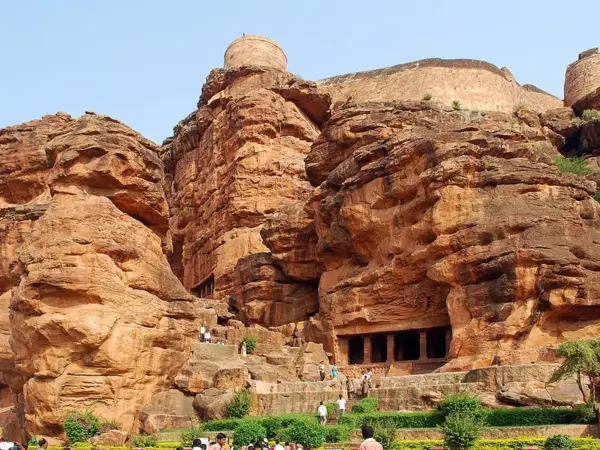
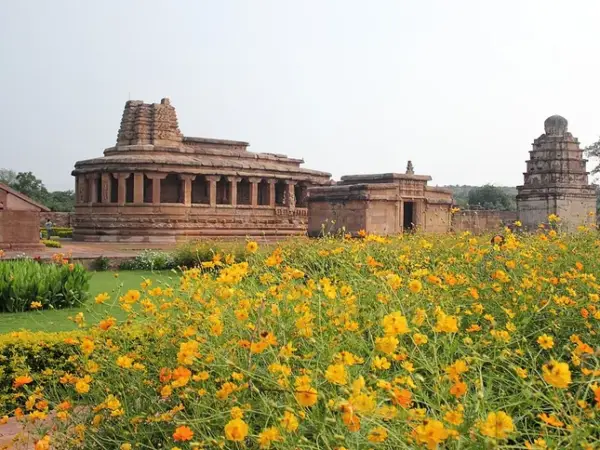
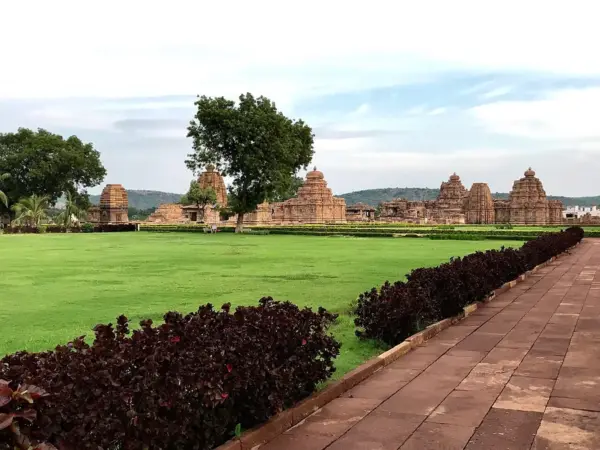
  • Afternoon: Explore the Badami cave temples, the Pattadakal temple group and Aihole’s Durga Temple.
  • Evening: Drive back to Hampi and have a quiet dinner.
  • Est. cost: ₹3,500–5,000 per person (approx.)

Day 6: Anjanadri Hill & Sanapur

  • Morning: Ride to Sanapur Lake for the boulder scenery, but skip the unauthorised coracle rides there.
  • Afternoon: Have a lazy lunch on the north bank, then climb Anjanadri Hill.
  • Evening: Watch the sunset from the top of Anjanadri Hill.
  • Est. cost: ₹3,000–4,400 per person (approx.)

Day 7: Final sunrise & departure

  • Morning: Wake before dawn to watch the sunrise from Matanga Hill.
  • Afternoon: Pack up and grab a quick snack.
  • Evening: Head to Hosapete for your onward train or bus.
  • Est. cost: ₹2,400–3,600 per person (approx.)
Family with kids

Short walks, shady breaks and kid-friendly sights for parents with children.

Day 1: Easy introductions

  • Morning: Start at Virupaksha Temple, where children can watch the temple elephant if she’s there that day.
  • Afternoon: Take a short auto ride to the Lotus Mahal and the Elephant Stables, with shady lawns for a break.
  • Evening: Have an early dinner near your guesthouse.
  • Est. cost: ₹2,500–3,500 per person (approx.)

Day 2: Playful ruins

  • Morning: Walk around the Royal Enclosure on mostly flat ground, with snack breaks on the way.
  • Afternoon: Visit the Hazara Rama Temple’s carved walls, then rest through the midday heat.
  • Evening: Have dinner at a family-friendly restaurant; ask for mild dosas for the kids.
  • Est. cost: ₹2,800–4,000 per person (approx.)

Day 3: Vittala & homeward

  • Morning: Take an auto to Vittala Temple early and walk around the stone chariot.
  • Afternoon: Watch the coracles from the riverbank, or take a short ride if the river is calm and life jackets are provided.
  • Evening: Head back to Hosapete for your onward journey.
  • Est. cost: ₹2,400–3,600 per person (approx.)
Couples

Sunset viewpoints, relaxed pacing and slow dinners for two.

Day 1: Temples & sunset

  • Morning: Walk through the Virupaksha Temple and its courtyards.
  • Afternoon: Cycle to the Lotus Mahal for a shady break and a light lunch.
  • Evening: Watch the sunset from Hemakuta Hill, then have a thali at a cosy local restaurant.
  • Est. cost: ₹4,000–5,500 per person (approx.)

Day 2: River & Vittala

  • Morning: Explore the Vittala Temple, pausing at the stone chariot.
  • Afternoon: Take a coracle ride near Virupaksha if the river is calm, then have a riverside picnic.
  • Evening: Have dinner at a quiet café on the north bank, getting back before the last boat.
  • Est. cost: ₹4,200–5,800 per person (approx.)

Day 3: Matanga sunrise & goodbye

  • Morning: Climb Matanga Hill for sunrise together.
  • Afternoon: Have a relaxed lunch and pick up banana-fibre crafts from Anegundi.
  • Evening: Catch the evening train or bus from Hosapete.
  • Est. cost: ₹3,800–5,200 per person (approx.)
Budget backpacker

Cheap stays, bicycles and buses, with time for bouldering.

Day 1: First impressions

  • Morning: Check into a budget guesthouse near Virupaksha Temple or across the river.
  • Afternoon: Rent a bicycle and visit the Royal Enclosure and the Lotus Mahal.
  • Evening: Watch sunset from Hemakuta Hill and grab a cheap thali.
  • Est. cost: ₹1,800–2,500 per person (approx.)

Day 2: Climb & explore

  • Morning: Cross to the north bank for a morning bouldering session with rented crash pads.
  • Afternoon: Cycle to Vittala Temple, stopping for snacks from a nearby stall.
  • Evening: Swap travel stories at your guesthouse over dinner.
  • Est. cost: ₹1,900–2,700 per person (approx.)

Day 3: Wrap-up & roll

  • Morning: Climb Matanga Hill for sunrise.
  • Afternoon: Have a light lunch, then take the local bus to Hosapete.
  • Evening: Board the overnight train to Bengaluru.
  • Est. cost: ₹1,700–2,400 per person (approx.)
Luxury

Private transfers, a heritage resort and guided visits for comfort-first travellers.
Day 1: Grand arrival

  • Morning: A private car brings you from Hosapete station or Vidyanagar airport to a heritage resort in Kamalapura.
  • Afternoon: Join a private guided walk through the Virupaksha Temple and Hemakuta Hill.
  • Evening: Dine at your resort’s restaurant, with a menu of regional specialities.
  • Est. cost: ₹15,000–25,000 per person (approx.)

Day 2: Curated culture

  • Morning: Visit the Lotus Mahal and the Royal Enclosure with a private guide at opening time.
  • Afternoon: Take a chauffeured trip to the Vittala Temple, then relax at the resort through the heat of the day.
  • Evening: Enjoy a candlelit dinner on the resort terrace.
  • Est. cost: ₹15,000–25,000 per person (approx.)

Day 3: Elegant exit

  • Morning: Climb Matanga Hill for sunrise with your guide.
  • Afternoon: Have a leisurely lunch at the resort.
  • Evening: Your driver takes you to Hosapete or Vidyanagar for the onward journey.
  • Est. cost: ₹15,000–25,000 per person (approx.)
UNESCO Hampi site showing a cluster of Vijayanagara monuments
Photo: Hampi group of monuments 16 by Darshanavenugopal, CC BY-SA 4.0, via Wikimedia Commons

Top things to do

Virupaksha Temple

A working temple dedicated to Shiva, with origins long before the empire; the morning and evening rituals bring the courtyards to life.

Vittala Temple

The stone chariot and the carved mandapas are Hampi’s most famous sights. The musical pillars can no longer be tapped, and the chariot is fenced off.

Bouldering across the river

The granite boulders around Hanumanahalli and Sanapur draw climbers from around the world. Local outfits rent crash pads and run beginner sessions.

Coracle ride on the Tungabhadra

The round basket boats run from the ghat near the Virupaksha Temple, either as a quick crossing or a longer ride past the ruins. They pause when the river is high, often until early October, and rides at Sanapur are unauthorised, so use the main ghat and ask for a life jacket.

Pampa Sarovar

A sacred lake near Anegundi linked to the Ramayana, with a small temple on its bank; it’s quiet in the early morning.

Elephant Stables

A long row of domed chambers built for the royal elephants, with a mix of Hindu and Indo-Islamic styles.

Hampi Bazaar stroll

The long colonnaded street in front of the Virupaksha Temple once held a busy market; walk it to the monolithic Nandi at the far end.

Tungabhadra Otter Conservation Reserve

India’s first otter reserve covers a stretch of the river around Hampi. Otters are shy, so treat a sighting as a bonus, and stay out of the water, which also has crocodiles.

What not to miss

Sunrise from Matanga Hill – the light spills over the boulders and the Achyutaraya Temple below; start the climb in the dark with a torch.

Sunset from Hemakuta Hill – an easy walk from the Virupaksha Temple, with views over the temple towers.

A coracle ride in the late afternoon – if the river is calm, the low light on the ruins is beautiful; boats stop before dark.

Lesser-known corners worth your time

Anegundi, across the river, is older than Hampi itself; its village lanes and banana-fibre craft workshops are far quieter than the main sites.

Anjanadri Hill, believed to be Hanuman’s birthplace, has about 570 steps to a hilltop temple and one of the best sunset views in the area.

The Achyutaraya Temple and the long Courtesan’s Street in front of it, tucked below Matanga Hill, see only a fraction of the Vittala crowds.
Vijayanagara Empire capital ruins in Hampi, Karnataka district
Photo: Hampi the forgotten empire by SHASHIDHAR11SASALATTI, CC BY-SA 4.0, via Wikimedia Commons

Where to stay

Most guesthouses near the monuments are small, family-run places around the Virupaksha Temple, with simple rooms and rooftop cafés, which suit backpackers who want to be close to the sights. Across the river, around Virupapura Gaddi, Hanumanahalli and Sanapur, guesthouses and resorts sit among paddy fields and boulders, popular with climbers and anyone after a quieter stay. Families who want more space and facilities often stay in Kamalapura or Hosapete, a short drive away.

Budget rooms are basic, usually fan-cooled with attached or shared bathrooms. Mid-range places add air-conditioning, better bathrooms and power backup. For a splurge, Kamalapura has a luxury heritage-style resort and a state tourism hotel, a short drive from the ruins.

Where to eat and what to order

Hampi’s cafés and guesthouse restaurants serve everything from South Indian breakfasts to pizza and Israeli dishes, and most of the area around the temple is vegetarian by tradition. Try a North Karnataka meal of jolada rotti (sorghum flatbread) with spicy palya and ennegai (stuffed brinjal), or a simple banana-leaf thali. Jain diners can ask for food without onion or garlic. Masala dosa and filter coffee make the best quick breakfast before a sunrise climb, and fresh coconut water is everywhere during the heat of the day.
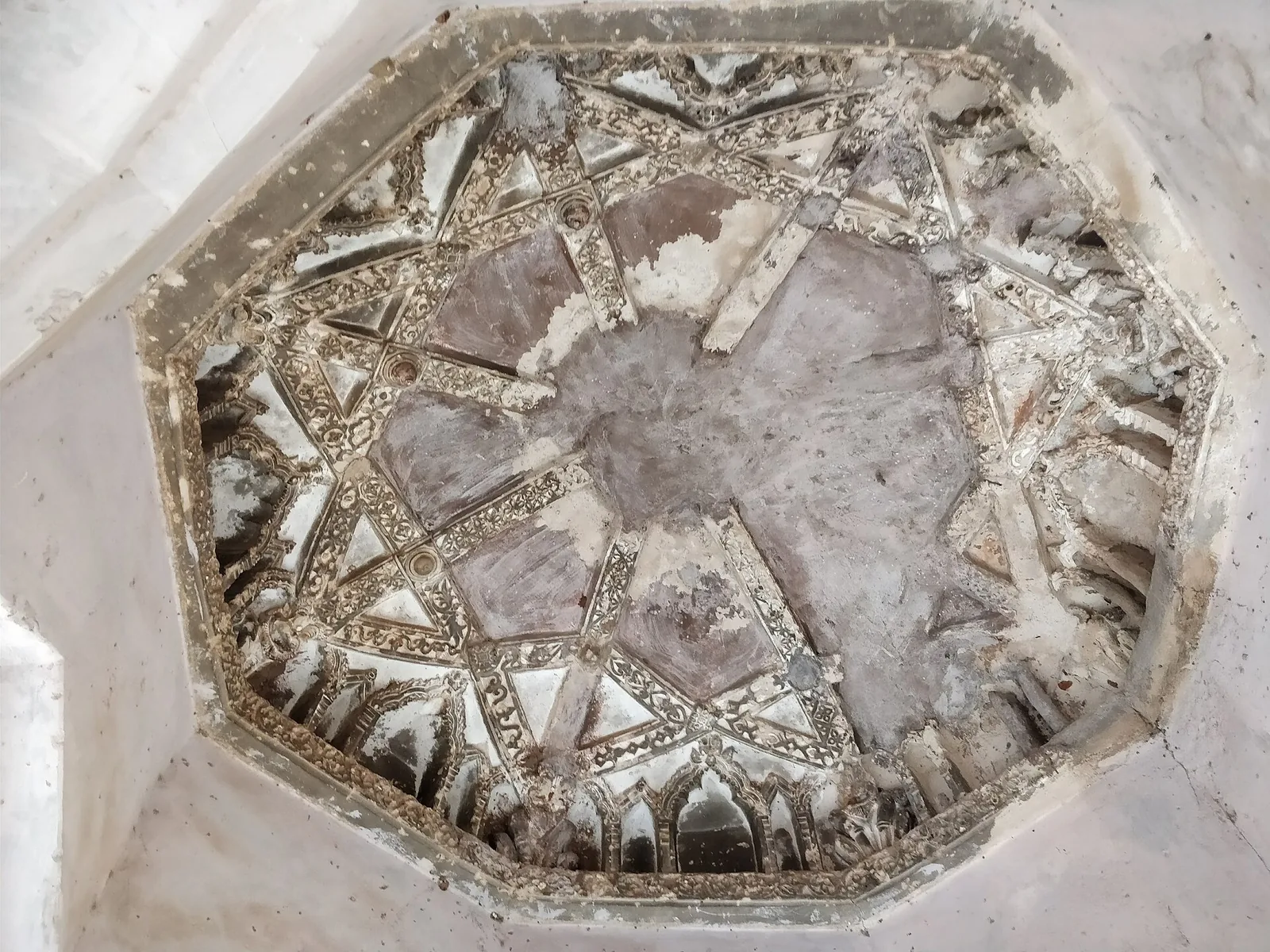
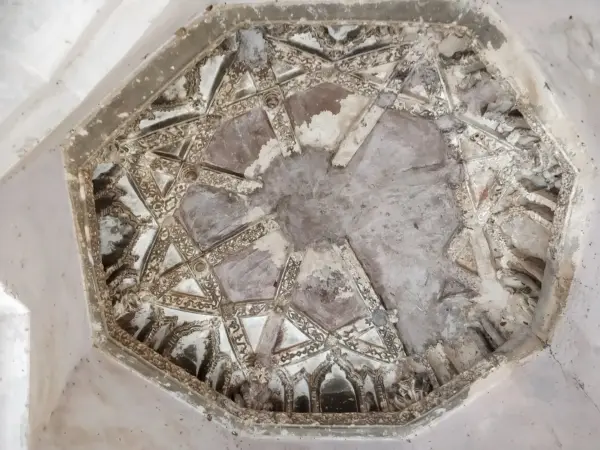
Carved octagonal ceiling of the Queen's Bath, Hampi
Photo: Hampi group of monuments 14 by Darshanavenugopal, CC BY-SA 4.0, via Wikimedia Commons

Local festivals and events

Hampi’s biggest event is Hampi Utsav, a state-run cultural festival of music, dance and illuminated monuments, but its dates change from year to year: it was held in February in 2026, and no date for the next edition had been announced as of October 2026. The Virupaksha Temple’s chariot festival (rathotsava) usually takes place in March or April, and Phala Puja, which marks the wedding of Virupaksha and Pampa, falls in December. In October, Dussehra (20 October in 2026) is celebrated at local temples.

What to shop and where

Look for banana-fibre bags, baskets and mats made by women’s craft groups in Anegundi, and colourful Lambani (Banjara) embroidery sold around Hampi. Small stalls near the Virupaksha Temple sell postcards, books on Vijayanagara history and souvenirs; bargain politely, as first prices near the temple can be high.
Packing list

  • Clothing: Light layers for cool mornings, breathable shirts for warm afternoons.
  • Footwear & Gear: Sturdy walking shoes for uneven stone steps; optional climbing chalk bag if you plan bouldering.
  • Sun & Hydration: Hat, sunglasses, sunscreen, reusable water bottle.
  • Health: Basic first-aid kit, mosquito repellent, small dry sack for electronics.
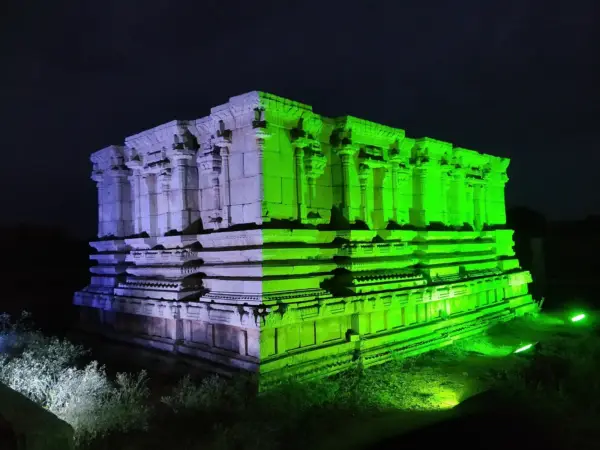
A Hampi temple lit up in colour at night
Photo: Hampi group of monuments 13 by Darshanavenugopal, CC BY-SA 4.0, via Wikimedia Commons

What to avoid: scams and safety

Agree on auto-rickshaw fares before you get in, or you may pay double. Don’t climb on protected monuments: it’s illegal, the stone can be slippery and the drops are real. Keep an eye on the monkeys, which grab bags and food the moment you put them down. Stay out of the river, which has strong currents and crocodiles, and use only coracles from the main ghat near the Virupaksha Temple, avoiding unauthorised rides at Sanapur. Carry a small first-aid kit for scrapes on the boulders, and in summer (March to May), plenty of water, as temperatures climb above 40°C.

Do's and don'ts

Do wear sturdy, comfortable shoes – the boulders bite and the stone steps are uneven. Do keep a small bundle of cash handy for the roadside stalls that don’t take cards. Do respect temple dress codes; a simple scarf or long trousers will cover shoulders and knees.

Don’t litter near the river; it’s part of a protected otter reserve. Don’t wander into the forest after dark unless you’ve hired a guide – the trails get slippery and the wildlife is less friendly at night.

Local etiquette

Before stepping inside any shrine, slip off your shoes – the stone floors stay cooler that way. Look for signs; many sanctums bar photography, and a quick glance saves awkward moments. A modest tip to priests during rituals is appreciated, though not obligatory. Greet locals with a warm ‘Namaste’; a smile often earns you a friendly nod.
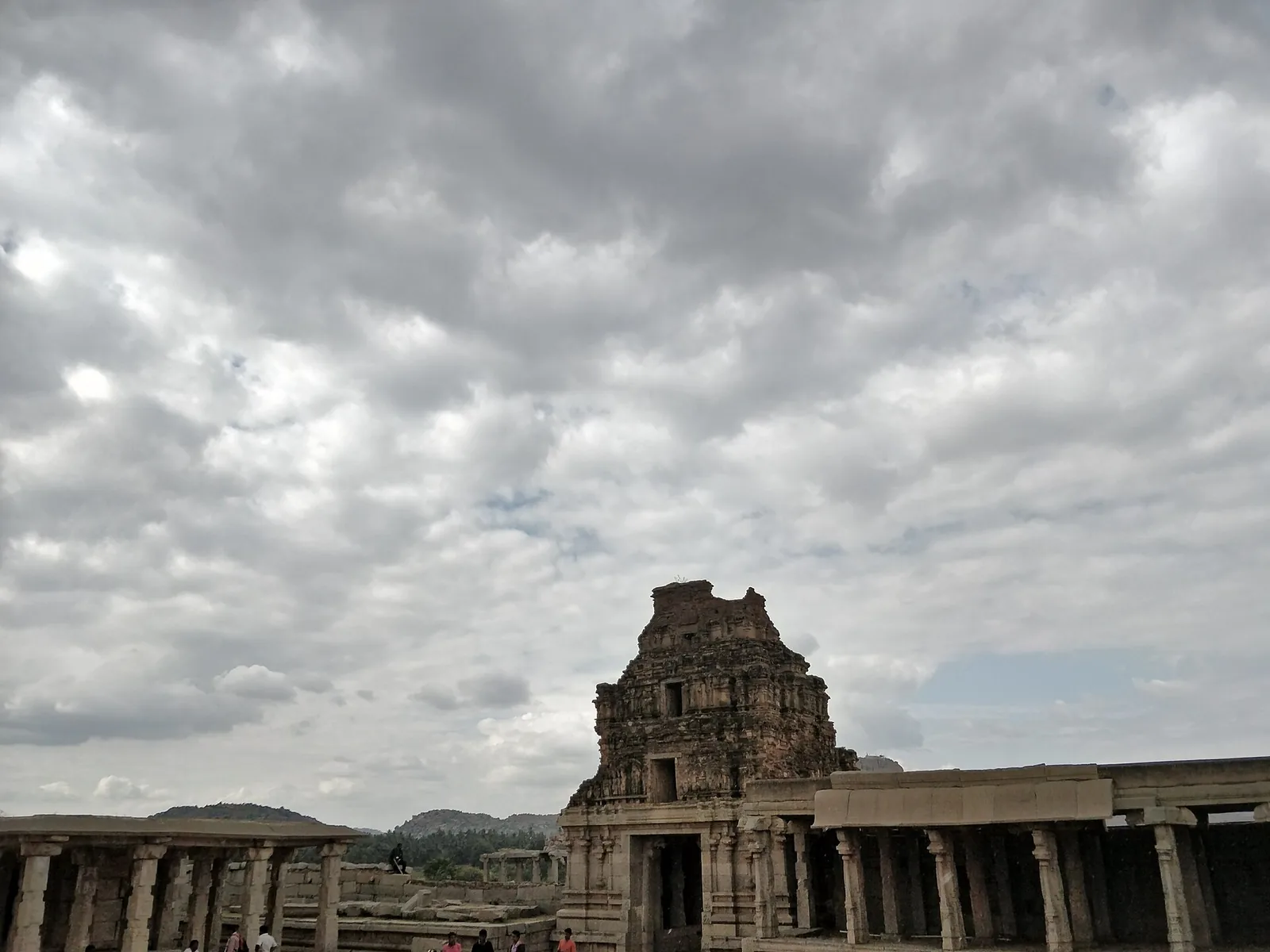
Group of Vijayanagara-era monuments at UNESCO Hampi site
Photo: Hampi group of monuments 04 by Darshanavenugopal, CC BY-SA 4.0, via Wikimedia Commons

Myths vs facts

Myth: Hampi is only for history buffs. Fact: The bouldering scene pulls adventure seekers from across the globe.

Myth: All ruins shut after sunset. Fact: The ASI monuments close around sunset, but the Virupaksha Temple holds evening rituals and the hills are open for sunset views.

Myth: The area is unsafe after dark. Fact: Main tourist spots remain well-lit and patrolled; remote trails are best avoided at night.

Myth: You need a special permit to walk the heritage zone. Fact: No permit is needed; most of the site is free, and one ASI ticket covers the Vittala Temple, the Lotus Mahal and the Elephant Stables.

History and culture

Hampi was the capital of the Vijayanagara Empire, founded in 1336, until the city was sacked in 1565 after the Battle of Talikota. The ruins are spread across a landscape of granite boulders, where Hindu temples sit beside buildings with Indo-Islamic arches and domes, such as the Lotus Mahal and the Elephant Stables, reflecting the empire’s mixed tastes. At the Virupaksha Temple, daily puja continues as it has for centuries, making the ritual feel like living history rather than a museum display. Stone carvers in the area still keep the craft alive. The mix of grand palaces, modest shrines and living traditions makes Hampi worth the trip, even if you shouldn’t expect a restored city.

Frequently asked questions

Do I need a visa or any special permit to visit Hampi?

Indian travellers don’t need a visa for Hampi. No special permit is required to explore the ruins, though you’ll need a standard entry ticket at the site.

What is the best time of year to visit?

October to February is the most comfortable time, with mild days and cool mornings; avoid the intense heat of March to May.

How many days should I allocate?

Two to three days covers the main monuments, a sunrise climb and a coracle ride; add a day or two for Anegundi or a trip to Badami.

Is Hampi safe for families with kids?

The open spaces are kid-friendly, but keep an eye on little ones around the rocky climbs and watch out for cheeky monkeys that love to snatch loose items.

What food options are available?

Cafés and guesthouse restaurants serve South Indian breakfasts, thalis and international dishes, and most places near the temple are vegetarian. Try North Karnataka dishes like jolada rotti with palya.

How do I get there from Bengaluru?

The overnight train to Hosapete is the most relaxed and affordable option; from Hosapete, an auto or local bus takes you to Hampi in about 30 minutes.

Is there public transport from the nearest railway station?

From Hosapete Junction you can catch a short rickshaw ride up to Hampi or hop on a local bus that drops you close to the main entrance.

Are there any health precautions I should take?

Carry mosquito repellent and plenty of water, especially if you’re traveling during the warmer stretch. Electricity can be patchy, so don’t count on chilled bottled water everywhere.

What should I watch out for in terms of safety?

Monkeys are notorious for snatching bags and cameras, so keep valuables strapped close. Also, be cautious on slippery rocks and boulders, especially after a rain.

Can I hire a guide, and is it worth it?

Government-approved guides are available near the Virupaksha Temple and at the main monuments, charging a fixed rate for a half or full day. Their stories add a lot of depth, so it’s worth it.


Sources and credits

Background facts were researched from the Wikimedia pages below, used under Creative Commons Attribution-ShareAlike. This guide is an original work written and edited for BuzzyTrip; prices, visa rules and timings change, so verify before you travel.

Photos:

Shared 0 times

Local tips

Been here recently? Share a tip (and a photo) in the comments below and tick “This is a travel tip”. Tips are reviewed before they appear — we never show your email.

3 comments

    Share a tip or ask a question

    Your email address will not be published. Required fields are marked *

    Tips are reviewed before they appear. Please don’t share personal contact details.

    Photo credits for this page

    The BuzzyTrip Weekend Drop

    Short, useful travel ideas and new guides. Straight to your inbox every Friday.

    No spam. Unsubscribe anytime.

    Plan your Hampi trip on WhatsApp

    Message us with your dates and budget and we’ll reply with suggestions.

    Chat on WhatsApp