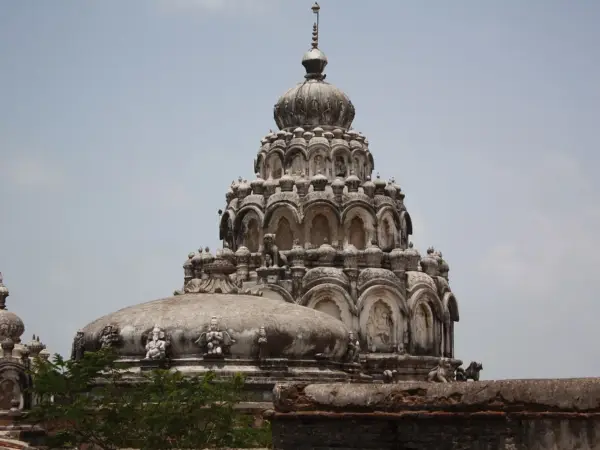
Kanakeshwar temple
Hilltop Shiva temple, about 650 steps
Own a stay, café or cab? List your place on BuzzyTrip — free starter listing after we review.
List your placeAlibag is Mumbai’s easy coastal escape: a sea fort you can walk to at low tide, a chain of beaches and Konkani fish thalis. Come by ferry from the Gateway of India and plan your day around the tides.
Hilltop Shiva temple, about 650 steps
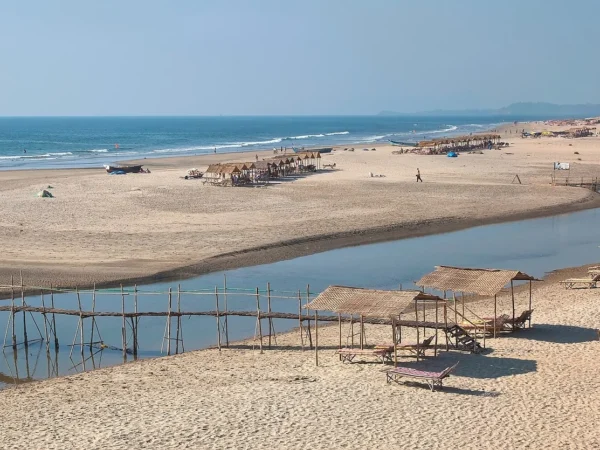
Curved beach on the Alibag–Murud road
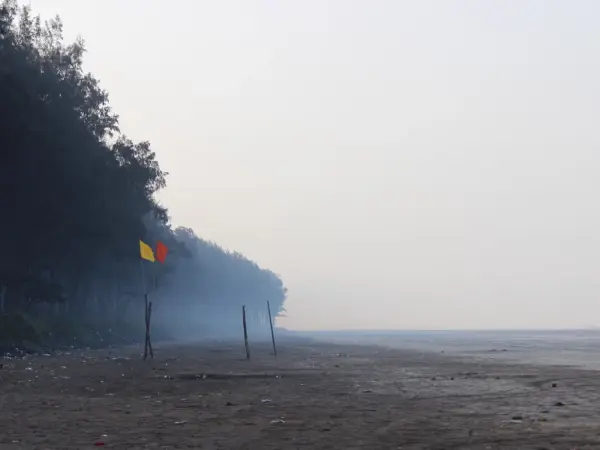
Busy beach with stalls and water sports
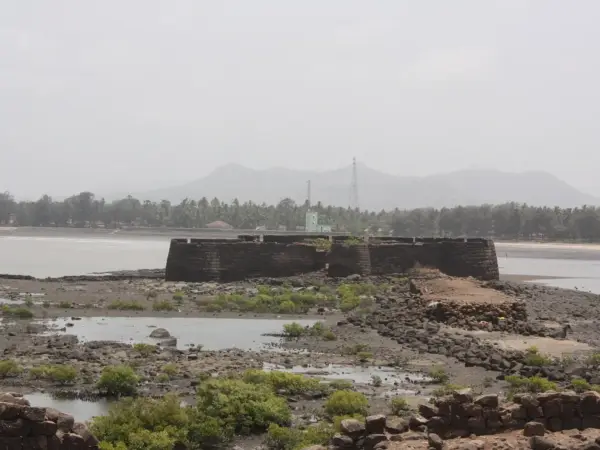
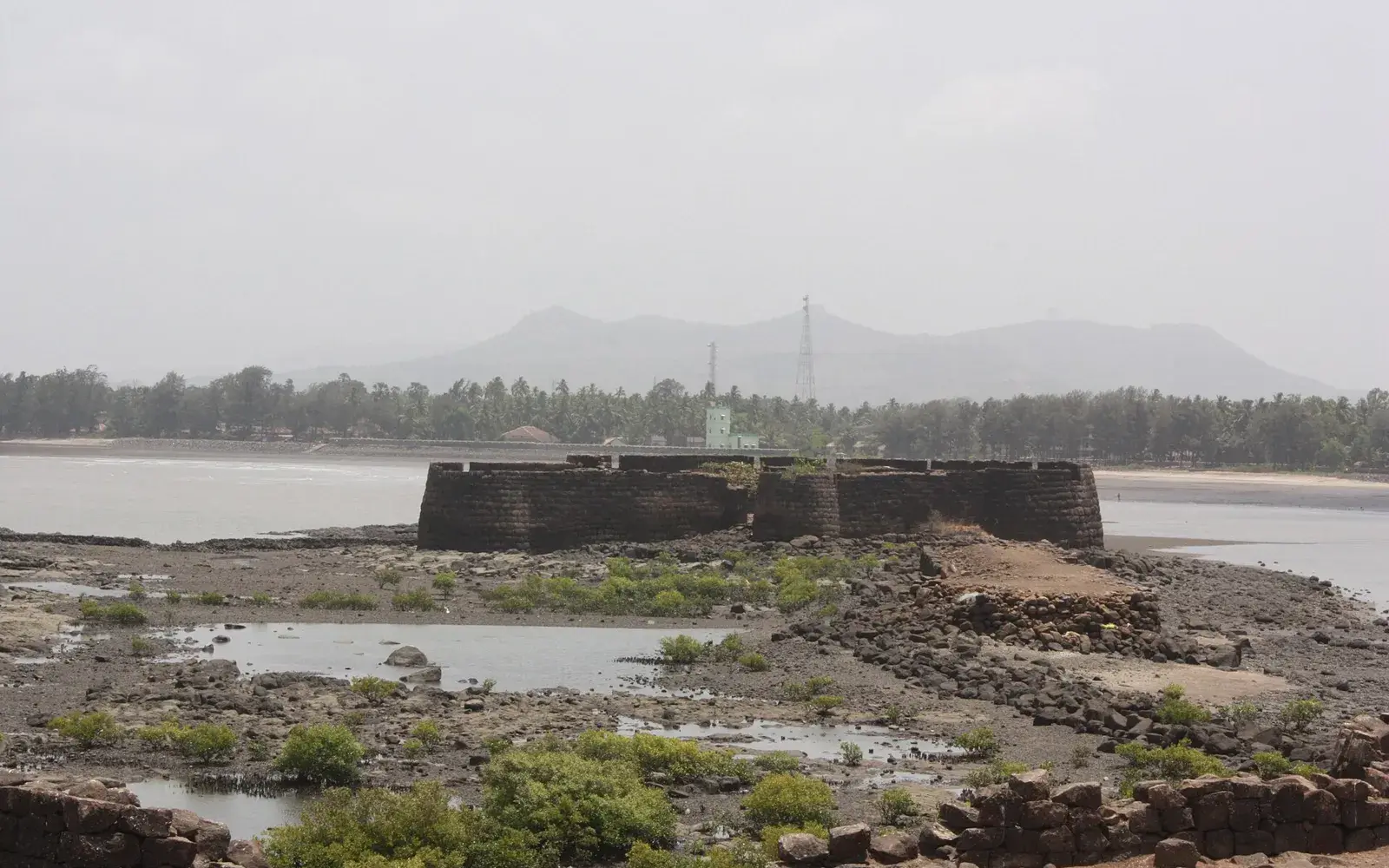
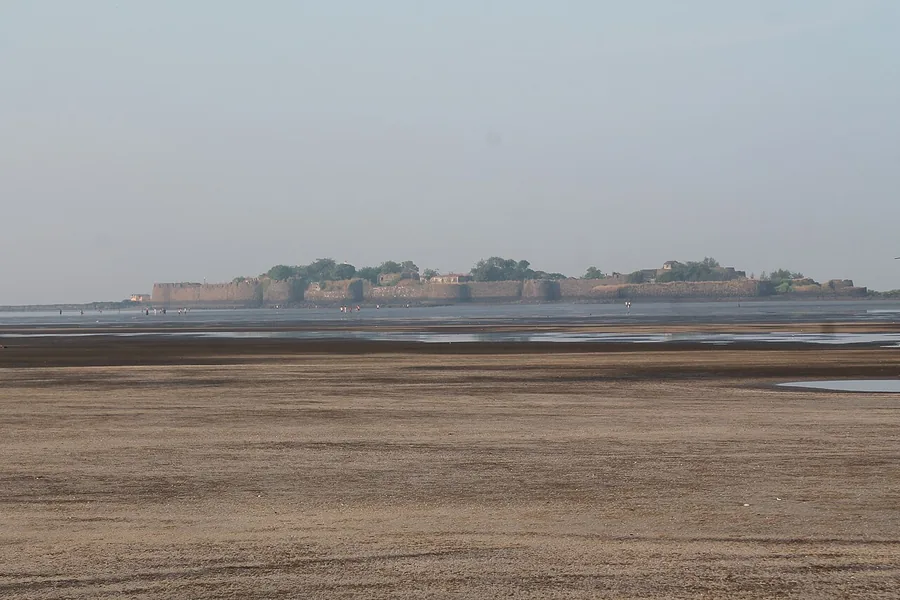
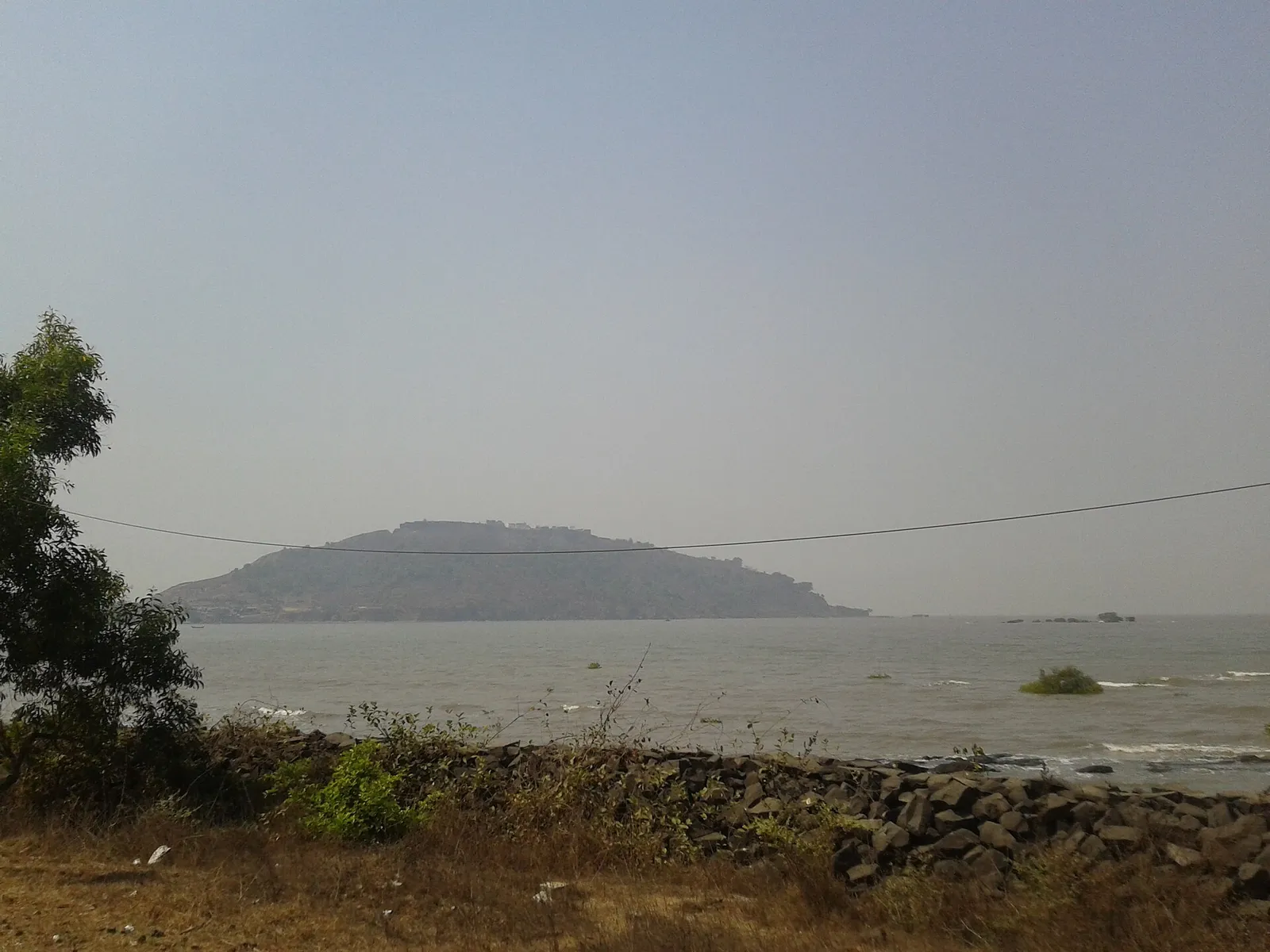
Sea fort you can walk to at low tide
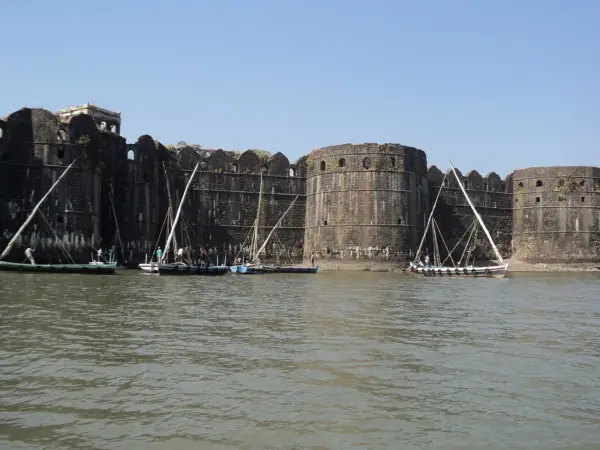
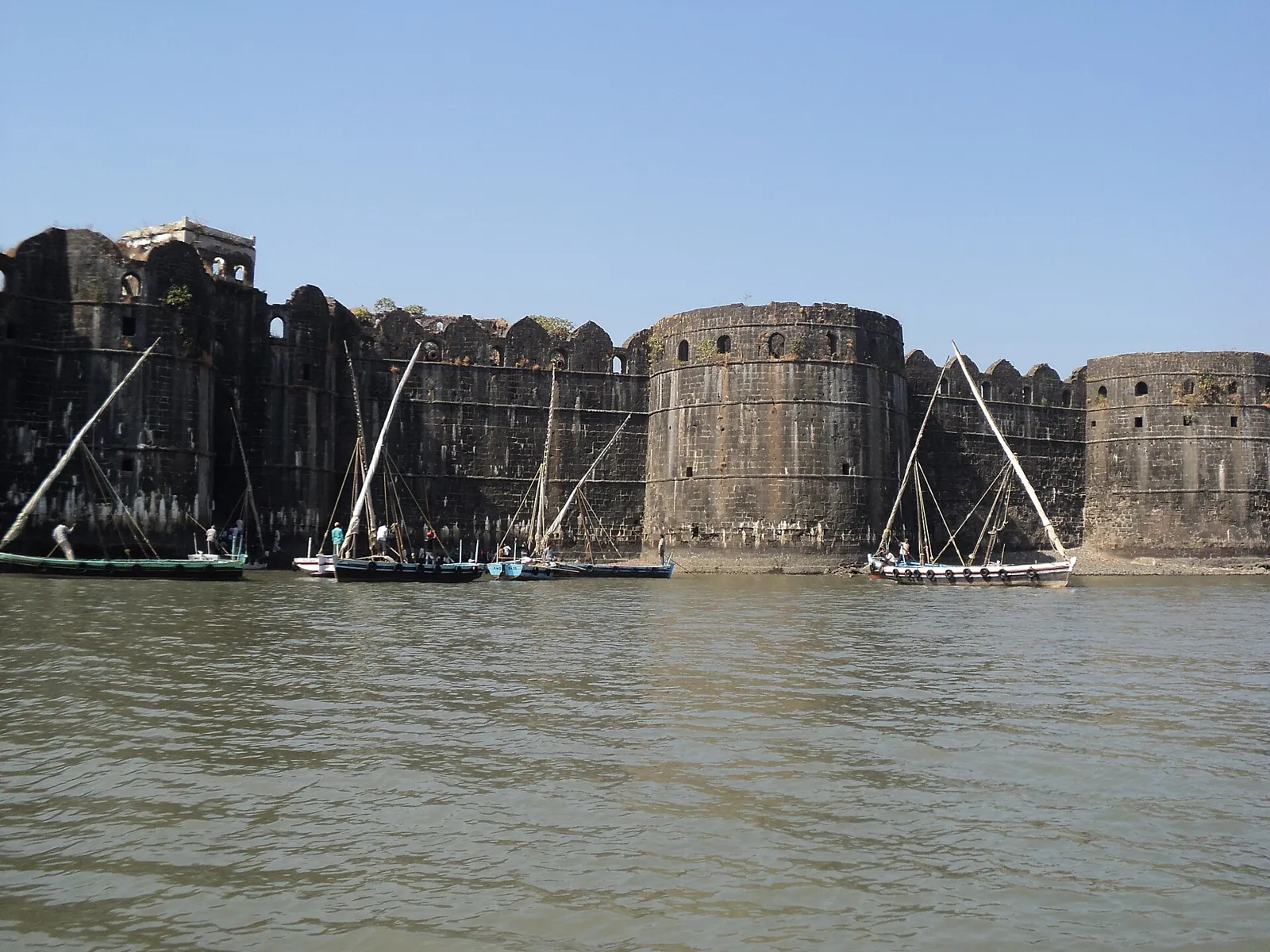
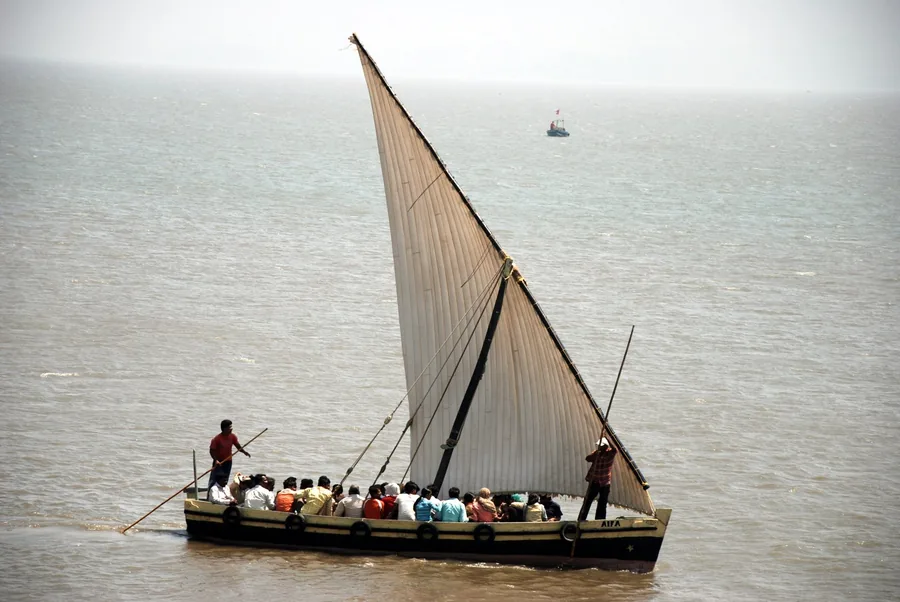
Island fort reached by sailboat
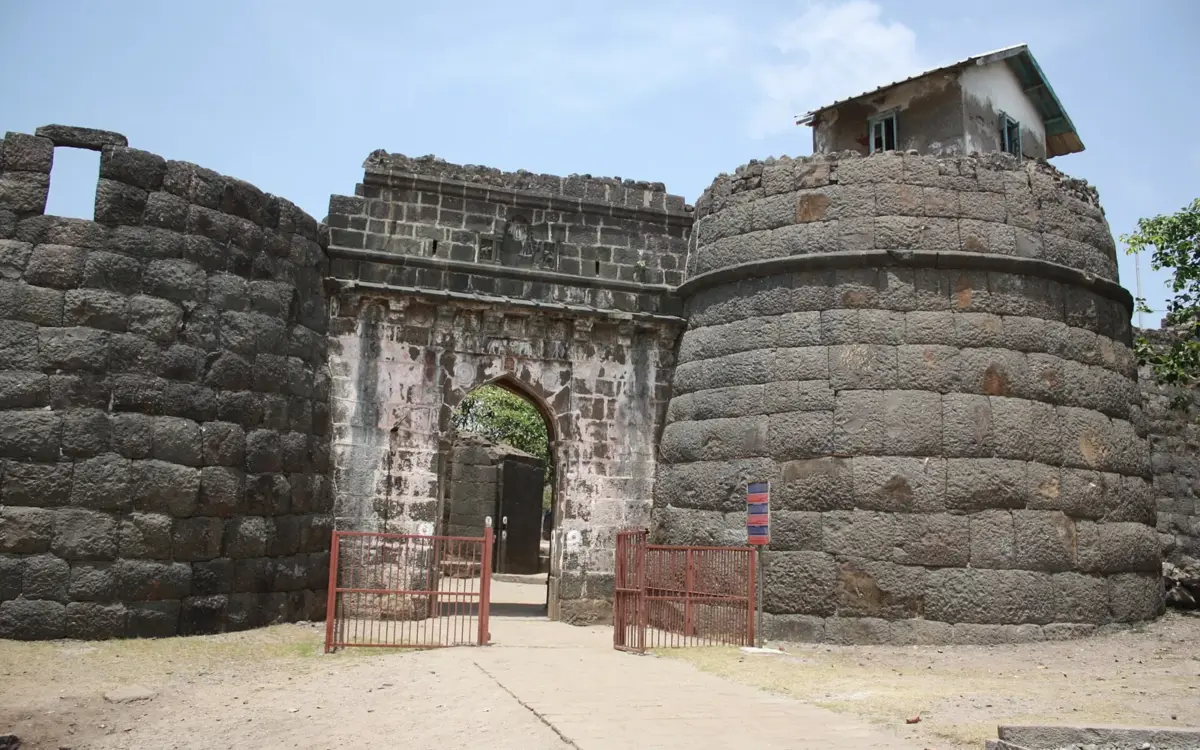
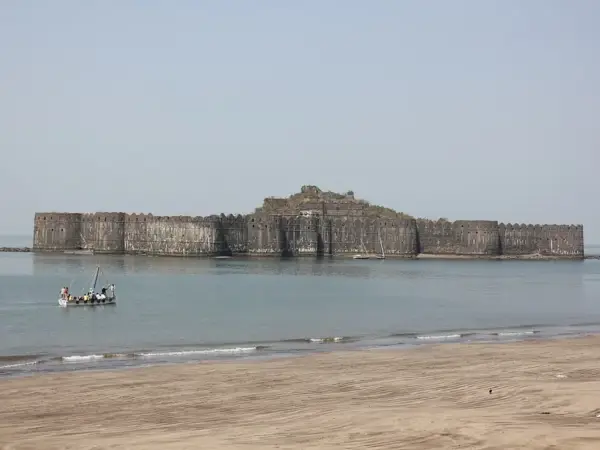

Low tide, morning light
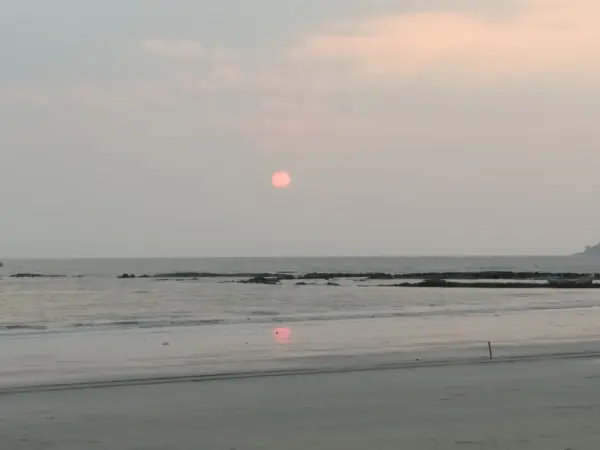
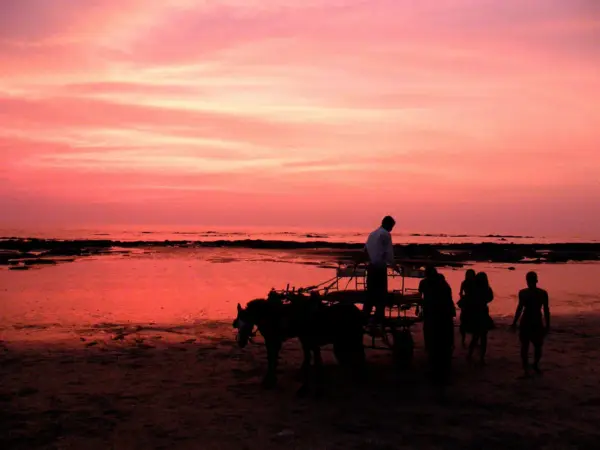
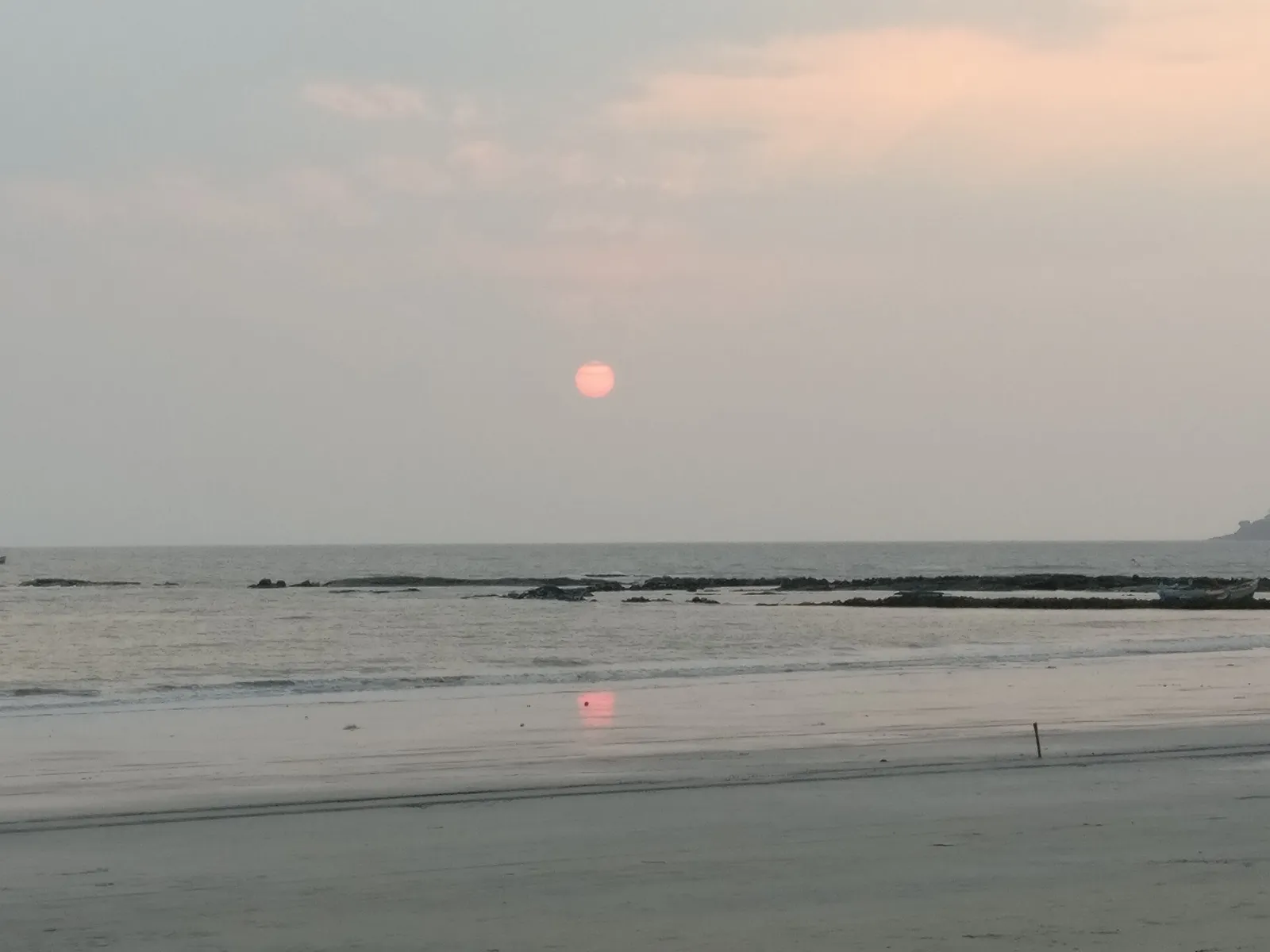
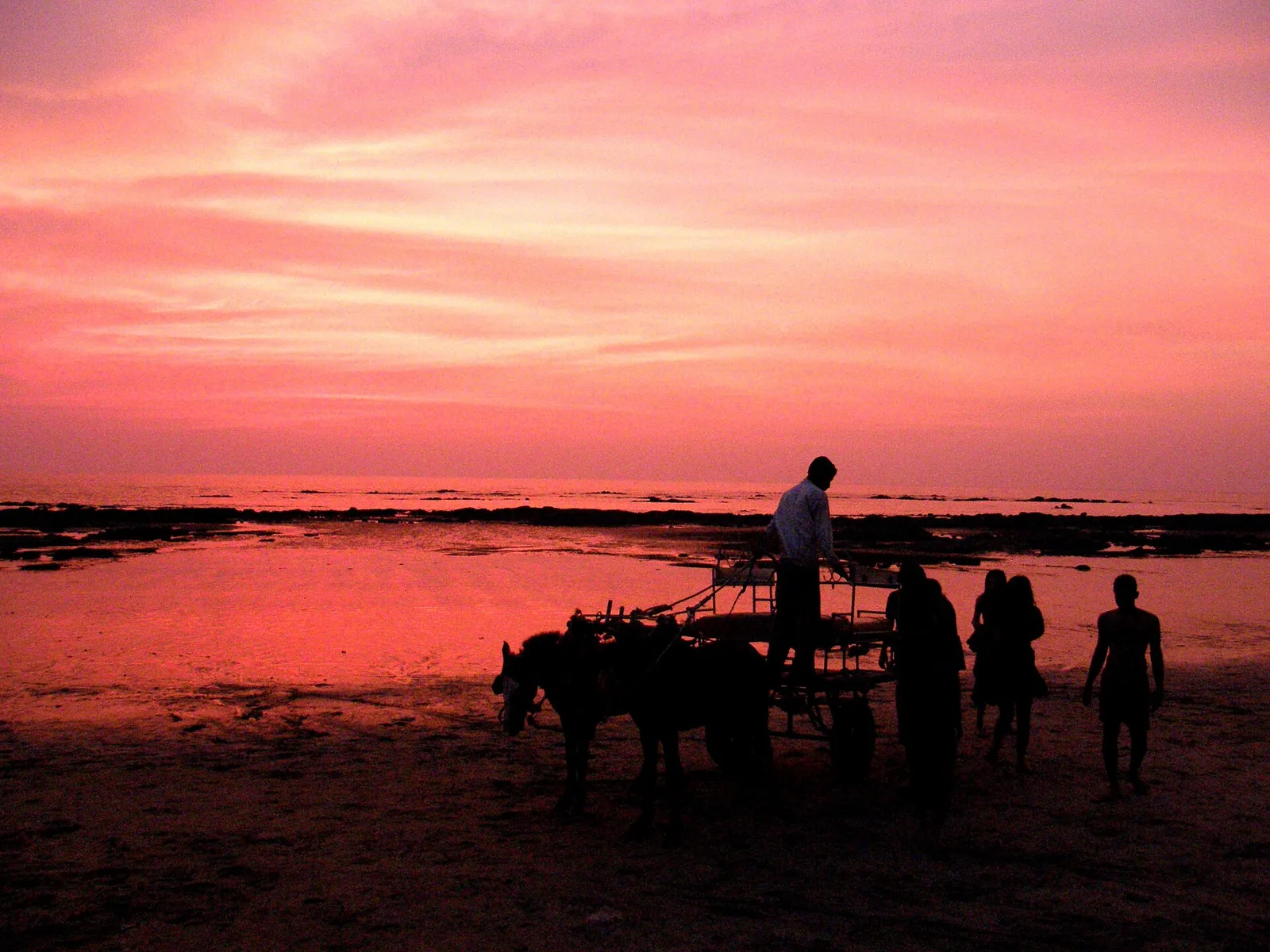
Sunset with the fort in view
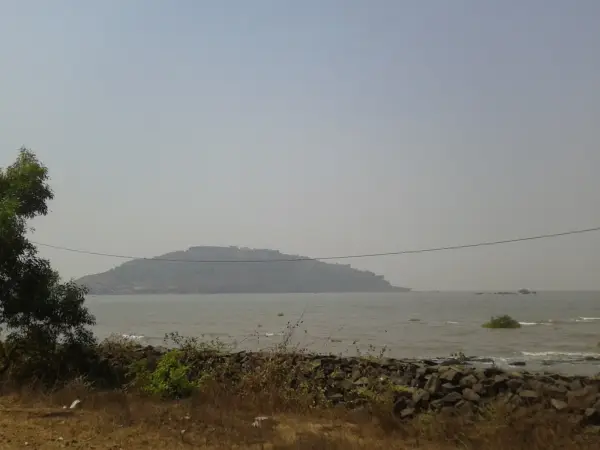
Curved bay between two hills
The approach by sailboat
Fried and curried fish with rice bhakri
Kokum and coconut-milk cooler
Mumbai’s favourite snack
The full guide
Alibag (also spelt Alibaug) is the headquarters of Raigad district, a small coastal town across the harbour from Mumbai. Mumbaikars have treated it as their weekend beach escape for decades, and it is easy to see why: a sea fort you can walk to at low tide, a chain of beaches running north and south of town, and a ferry ride that skips the city traffic entirely.
It is not a party destination, and the beaches are casual rather than postcard-perfect, but Alibag works well for a slow two or three days of forts, fish thalis and sunsets. Families, couples and anyone who wants a short, easy break from Mumbai or Pune will find plenty to do.
October is the turning point after the monsoon. Rain drops sharply from September, the countryside is still green, and the regular ferries from Mumbai are back after their monsoon break. The flip side is heat and humidity: October is one of the warmer months, with afternoon highs around 33 °C, so plan forts and walks for early morning and late afternoon. Weekdays are noticeably quieter than weekends, when Mumbai empties onto the ferries.
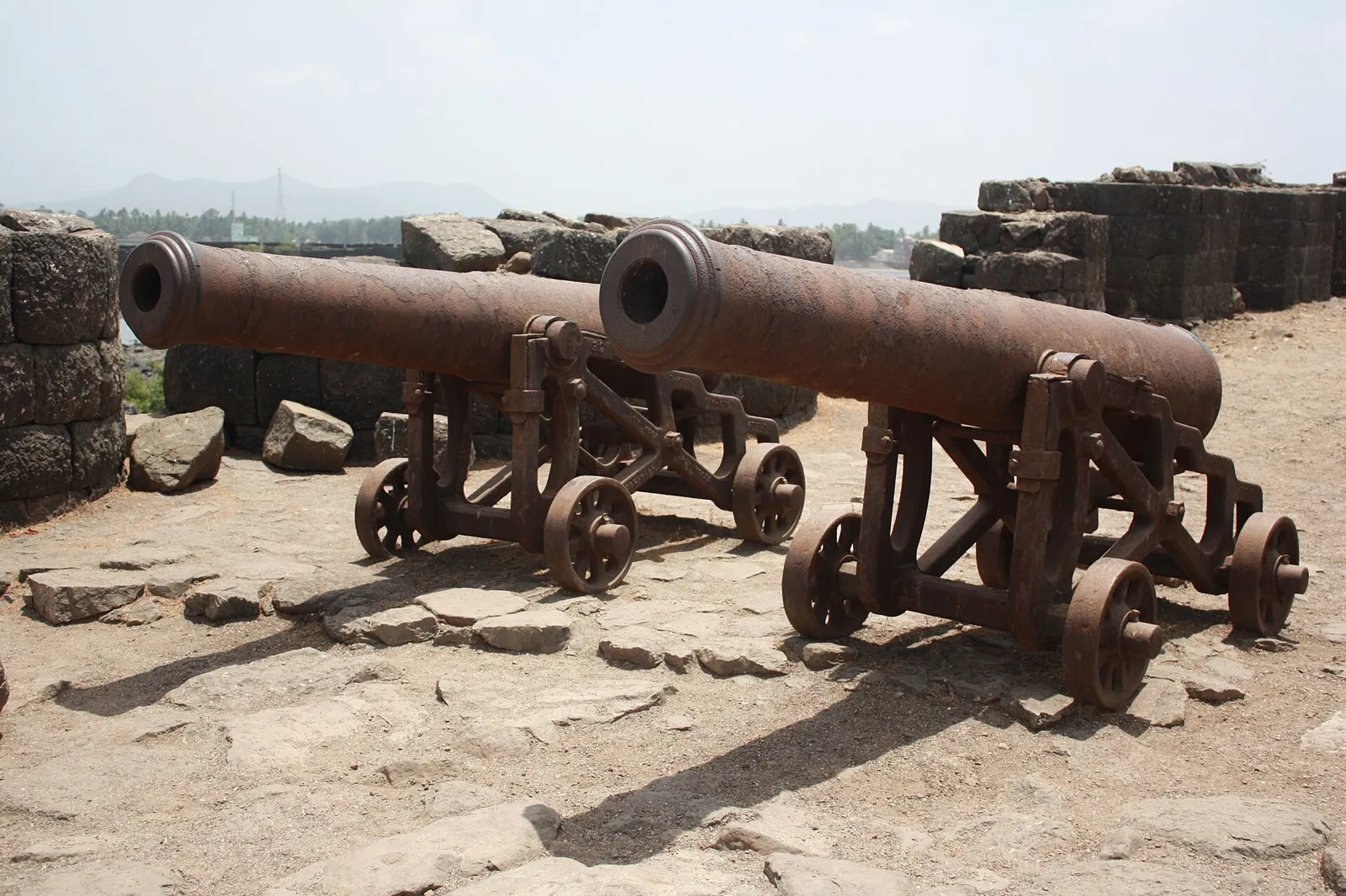
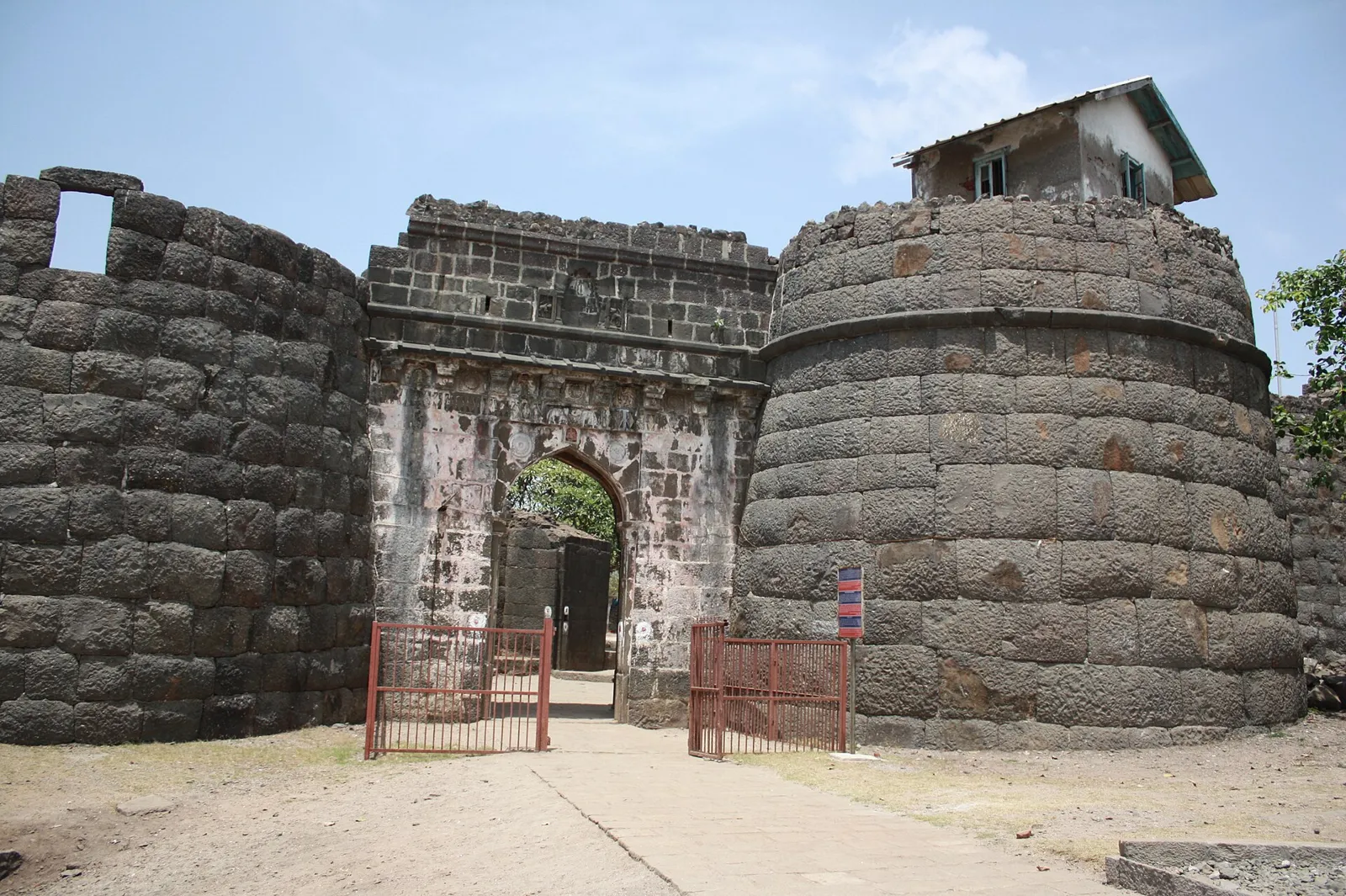
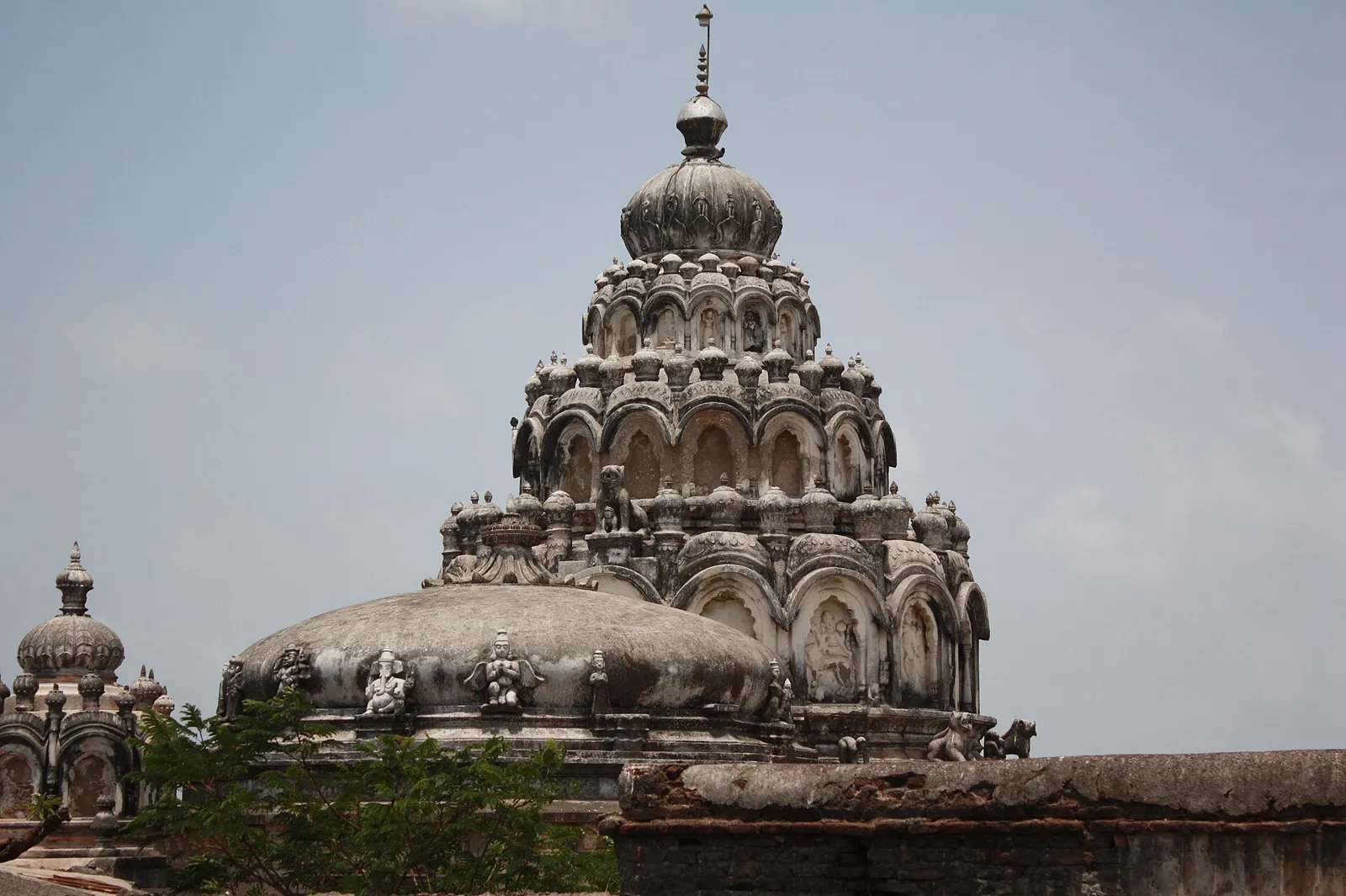
The coast around Alibag was a Maratha naval stronghold. Work on Kolaba Fort began in 1680 under Chhatrapati Shivaji Maharaj and was completed in 1681 under Sambhaji. From 1713 it became the main base of Sarkhel Kanhoji Angre, the Maratha admiral who raided British and Portuguese shipping along this coast; he died in the fort in 1729. Inside the walls you can still see the Siddhivinayak temple, built by Raghoji Angre in 1759, freshwater wells and two English-made cannons.
Alibag is also part of the historic heartland of the Bene Israel Jewish community, who worked here as oil-pressers and were known as Shanivar Telis because they kept the Sabbath. The Magen Aboth Synagogue still stands in the town’s Israel Alley. Other threads are more recent: a magnetic observatory set up in 1904 is still part of a global network, and the Alibag white onion received a GI tag in 2022.
| Month | Avg high | Avg low | Rain/precipitation |
|---|---|---|---|
| Jan | 29.1°C | 17.6°C | 1 mm |
| Feb | 29.5°C | 18.6°C | 0 mm |
| Mar | 31°C | 21.2°C | 0 mm |
| Apr | 32.3°C | 24.1°C | 0 mm |
| May | 33.6°C | 26.7°C | 12 mm |
| Jun | 32.1°C | 26.1°C | 573 mm |
| Jul | 30.3°C | 25.5°C | 801 mm |
| Aug | 30°C | 25.2°C | 530 mm |
| Sep | 30.6°C | 24.6°C | 388 mm |
| Oct | 32.9°C | 23.9°C | 86 mm |
| Nov | 33.4°C | 21.6°C | 10 mm |
| Dec | 31.2°C | 18.9°C | 7 mm |
The table above shows Alibag’s rhythm clearly. The monsoon, from June to September, is very heavy, with July alone averaging around 800 mm; the sea is rough, the ferries are cut back and fort visits are harder. From November to February the weather is at its best, with cooler nights, almost no rain and calm seas. March to May turns hot and humid.
October is a good shoulder month if you start early and rest in the afternoons. For the most comfortable weather overall, we would pick November to February.
No permits are needed to visit Alibag or its beaches. Kolaba Fort is a protected monument; you can walk across at low tide, and an entry ticket may be charged at the fort itself, so carry some cash. Murud-Janjira is reached only by the sailboats from Rajapuri jetty, which charge a fare. Check fort timings locally, as they can change.
| From | Road distance (approx.) | Driving time (approx.) | Best way |
|---|---|---|---|
| Delhi | ~1,400 km | 16 h+ | Fly to Mumbai, then ferry or road |
| Mumbai | ~95–110 km | 2–3 h | Ferry or drive |
| Bangalore | ~980 km | 12 h+ | Fly to Mumbai, then ferry or road |
| Pune | ~140 km | 2.5–3.5 h | Drive or bus |
Road distances and driving times are BuzzyTrip routing estimates without traffic or stops; check live maps before you leave.
The classic way in is by sea. Ferries and catamarans run from the Gateway of India to Mandwa jetty, and the ticket usually includes the bus on to Alibag; allow around two hours from the Gateway to town. The M2M Ro-Ro ferry carries cars from Ferry Wharf (Bhaucha Dhakka) to Mandwa, and fast water taxis also connect south Mumbai with Mandwa. Regular ferry services are suspended or reduced in the monsoon, so check the operator’s notices before you go, especially early in the season.
By road, Alibag is roughly 95–110 km from Mumbai, depending on where you start and your route. The usual way is down the Mumbai–Goa highway to Pen and then west to Alibag; Atal Setu, the Mumbai Trans Harbour Link opened in 2024, can shorten the drive from south Mumbai. MSRTC buses run from Mumbai Central and other depots. Flying in from Delhi or Bengaluru, land in Mumbai and take the ferry or a cab.
From Mumbai, the drive takes you onto the Mumbai–Goa highway past Panvel to Pen; a little beyond Pen, at the Wadkhal junction, you leave the highway and follow the road west to Alibag. From Pune, take the Mumbai–Pune Expressway to the Khopoli exit, drive on to Pen, cross the Mumbai–Goa highway and continue to Alibag, about 140 km in total. Weekend traffic leaving Mumbai on Friday evening and returning on Sunday can be slow, so start early. If you are heading further south, Alibag also makes an easy first stop on a coastal drive towards Murud and on to Goa; our Goa guide covers the far end.
There is no railway station in Alibag. The nearest is Pen, about 30 km away, from where buses and taxis run to town. In practice, most visitors from Mumbai find the ferry quicker and more pleasant than the train.
Shared and private auto-rickshaws cover the town and the nearby beaches, and MSRTC buses run along the main roads. Because the sights are spread along the coast, from Kihim in the north to Kashid and Murud in the south, having your own vehicle, a hired car with driver or an auto booked for the day makes things much easier. Ask your hotel or homestay; many can arrange local transport.
A classic weekend: the ferry, Kolaba Fort, Kanakeshwar and the beaches near town.
Alibag plus a day down the coast to Revdanda, Kashid and Murud-Janjira.
A slower coastal week with a night near Kashid.
A full week from Alibag down the Konkan coast to Murud.
Short hops, a fort walk and easy beaches for two relaxed days.
A quiet stay near the beach, a fort at sunrise and long seafood dinners.
Ferries, buses and homestays for two thrifty days.
A private villa, a driver and an unhurried coastal weekend.
The fort sits on a rocky island about a kilometre or two off Alibag beach. At low tide you can walk across the sand and rocks; at high tide you need a boat. Inside are the Siddhivinayak temple, old wells, a dargah and two English cannons on the northern wall.
About 12 km from Alibag, this old Shiva temple stands on a forested hill reached by around 650 steps. The climb is a good workout, and the views take in the coastline.
Kihim, north of town, is a quiet, tree-lined beach popular with weekenders; parasailing runs there in season. Varsoli, close to Alibag town, is handy for a quick evening walk.
South of town, Nagaon is one of the busier beaches, with snack stalls and seasonal water sports.
About 17 km south, Revdanda has the ruins of a Portuguese fort, part of the old Chaul harbour. Korlai fort lies across the Kundalika creek.
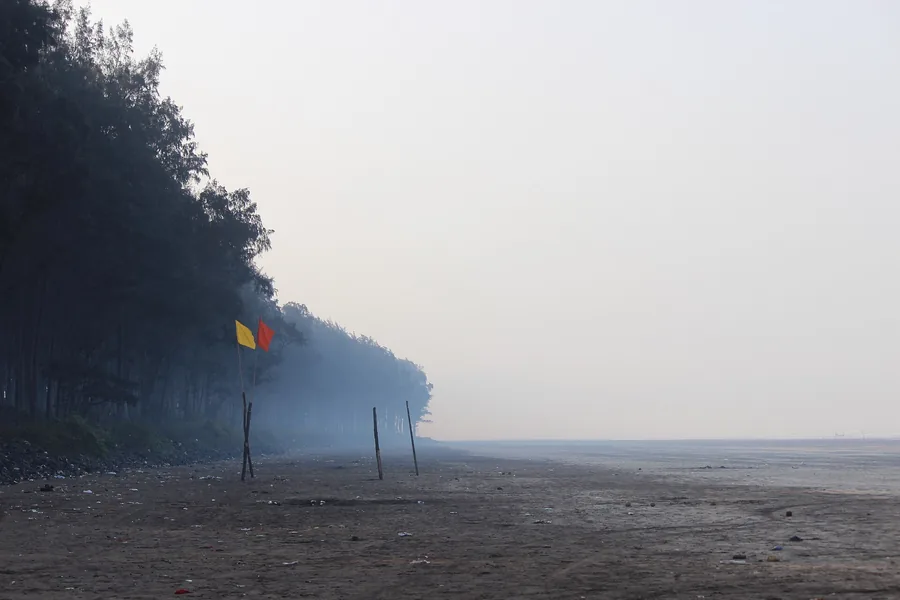
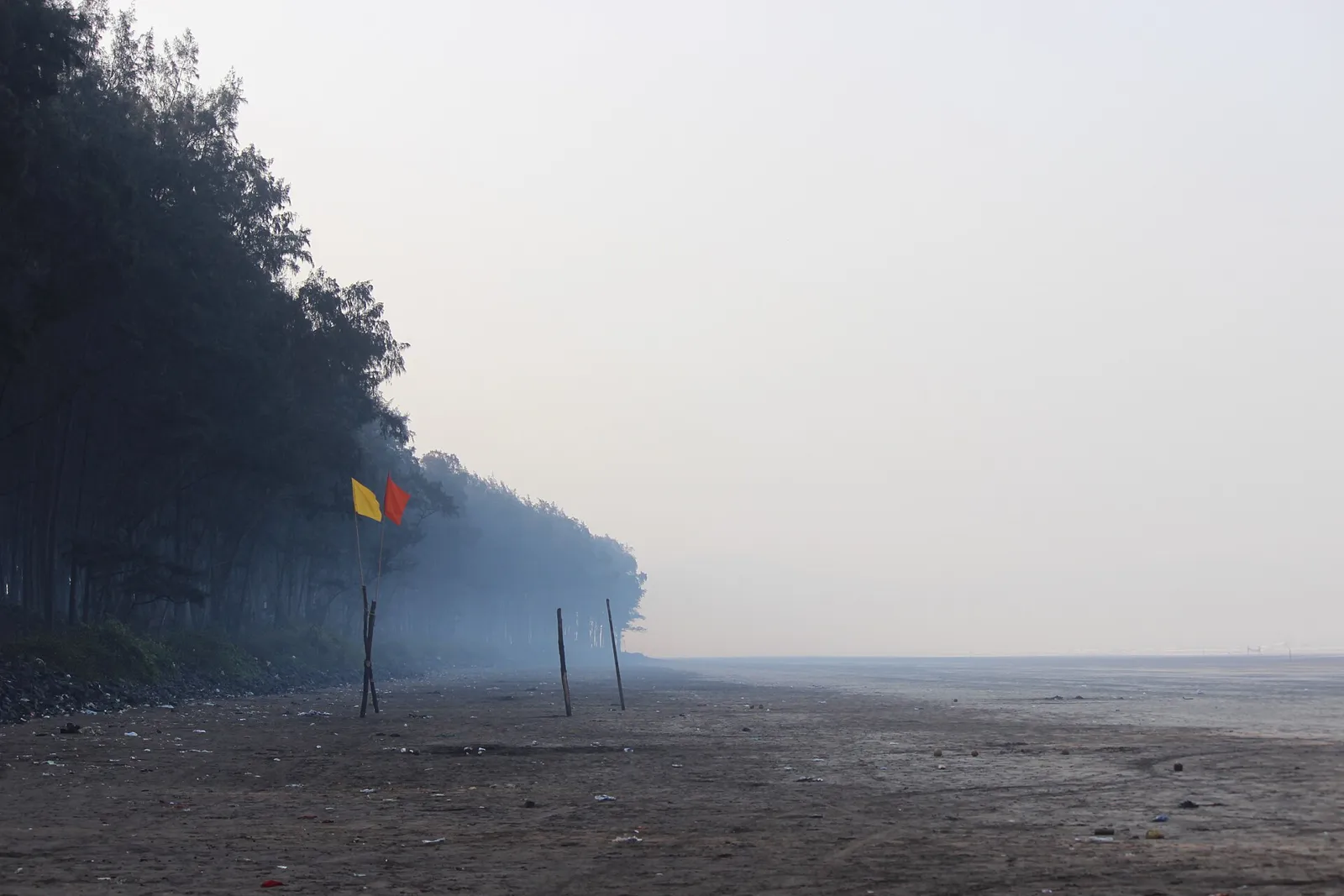
On the Alibag–Murud road, Kashid is a curved beach between two rocky hills, with water sports at busy times.
Further south, near Murud, the island fort of Janjira was the seat of the Siddis and withstood Maratha, Mughal and Portuguese attacks. Sailboats take visitors over from Rajapuri jetty, and 26 of its towers still stand.
A quiet reminder of Alibag’s Bene Israel history, in the town’s Israel Alley.
If you only have a weekend, we would do three things. Time a low-tide walk to Kolaba Fort, ideally in the morning before the heat. Spend a day driving south to Revdanda, Kashid and Murud-Janjira. And have at least one long Konkani fish thali, with solkadhi to finish.
Near Kashid, this forested sanctuary is a quiet contrast to the beaches, especially for birdwatchers.
Most people rush through the jetty, but the beach next to it is a pleasant place to wait for a later boat.
With Kolaba Fort in the foreground, the main beach is one of the simplest and best sunset spots on this coast.
Alibag has everything from simple homestays to private villas with pools. Alibag town and Varsoli are the practical base, close to Kolaba Fort, restaurants and buses. Nagaon and Kihim are quieter and closer to the sand, which suits families and couples. Further south, Kashid has beach resorts and hillside stays if you want to be near Murud-Janjira. Many homestays line the coastal road between Alibag and Murud; they are usually cheaper than hotels, with simple rooms and parking. Prices rise sharply on weekends and holidays, so book ahead or go midweek.
Alibag is a seafood town. Look for Konkani fish thalis with pomfret, surmai or bombil, usually served fried and in a coconut curry with rice bhakri, and a glass of solkadhi, the pink kokum and coconut-milk drink that cools you down after a spicy meal. Prawns and crab are common too. Beach stalls are good for vada pav, bhel and fresh coconut water.
Vegetarians will find plenty of options: most restaurants serve veg thalis with usal, bhaji, dal and rice, and the Maharashtrian staples are easy to find in town. If you are Jain, ask for no onion and garlic; simpler restaurants are usually happy to adjust.
Ganesh Chaturthi, in August or September, is the biggest festival on the Konkan coast, with idols in homes and public pandals and processions to the sea. Narali Purnima, in August, is when the fishing community offers coconuts to the sea to mark the end of the monsoon. Navratri and Dussehra fall in October, and in 2026 Diwali comes in early November, so expect busy weekends and higher room rates around those dates.

Here is a rough idea of daily costs per person, not counting the trip to Alibag. These are our estimates, not quotes; weekends and holidays cost more.
| Budget | Mid-range | Comfort | |
|---|---|---|---|
| Stay | ≈ ₹1,000–2,000 | ≈ ₹2,500–4,500 | ≈ ₹6,000–12,000 |
| Food | ≈ ₹500–800 | ≈ ₹1,000–1,800 | ≈ ₹2,000–3,500 |
| Local transport | ≈ ₹300–600 | ≈ ₹800–1,500 | ≈ ₹1,500–2,500 |
| Activities | ≈ ₹200–500 | ≈ ₹500–1,000 | ≈ ₹1,000–2,000 |
| Total per day | ≈ ₹2,000–3,900 | ≈ ₹4,800–8,800 | ≈ ₹10,500–20,000 |
The budget column assumes a shared room in a homestay and autos or buses; mid-range is a hotel or resort room with a hired auto or car for the day; comfort is a villa or beach resort with a private car.
The best things to take home are edible. The Alibag white onion, with its GI tag, is sold in braided bunches on the roadside in season. Kokum, dried fish, papads and local masalas make good gifts, and the town market has coconut sweets and seasonal fruit, including Alphonso mangoes in spring. Bargain gently at the market stalls.
The biggest risk at Alibag is the sea. Currents can be strong, so swim only where others do, stay out of the water when the sea is rough and never swim in the monsoon. On the walk to Kolaba Fort, watch the tide and start back well before it turns; at high tide you will need a boat. Use recognised ferries and boat operators, and wear the life jacket you are given. Agree on auto fares before you set off, keep an eye on bags on crowded beaches, and carry mosquito repellent. As the district headquarters, Alibag has the district hospital. In an emergency, dial 112.
Dress modestly at temples and the synagogue, with shoulders and knees covered, and take your shoes off where asked. Ask before photographing people, especially at fishing villages and jetties. Alibag is a lived-in town, not a resort, so keep beachwear for the beach. Marathi is the local language, and Hindi and English are widely understood.
Myth: Alibag is only for party weekends. Fact: Most visitors come for forts, beaches and food, and it is easy to find a quiet stay.
Myth: Ferries run all year. Fact: Regular ferry services are suspended or reduced in the monsoon; check before you go.
Myth: You can reach Kolaba Fort on foot any time. Fact: You can only walk across at low tide.
Myth: It is all seafood. Fact: Vegetarian thalis and Maharashtrian snacks are easy to find.
No. Alibag and its beaches need no permits. An entry ticket may apply at Kolaba Fort, and the boats to Murud-Janjira charge a fare.
November to February has the most comfortable weather. October is a good shoulder month once the monsoon has ended, though afternoons are hot and humid.
Two days cover Kolaba Fort, the nearby beaches and Kanakeshwar. Add a third for the drive south to Revdanda, Kashid and Murud-Janjira.
Take a ferry or catamaran from the Gateway of India to Mandwa jetty; the ticket usually includes the bus to Alibag. Allow around two hours. The M2M Ro-Ro from Ferry Wharf carries cars to Mandwa.
Regular ferries are suspended or reduced during the monsoon. Check the operator’s notices before you travel, especially in June and September.
Yes, at low tide you can walk across the sand and rocks from Alibag beach. At high tide you need a boat, so check the tide table and start back early.
No. The nearest station is Pen, about 30 km away, with buses and taxis to Alibag.
Yes, it is a busy, family-friendly destination. Take care in the sea, watch the tide on the walk to Kolaba Fort and agree on auto fares in advance.
A Konkani fish thali with pomfret, surmai or bombil, rice bhakri and solkadhi. Vegetarians will find veg thalis and Maharashtrian snacks easily.
Murud is roughly 50 km south of Alibag along the coastal road, past Revdanda and Kashid. Sailboats cross to the fort from Rajapuri jetty.
We researched background facts from the pages below (Wikimedia text is used under Creative Commons Attribution-ShareAlike) and checked them against official sources where we could. This guide is our own work; prices, visa rules and timings change, so verify before you travel.
Photos:
Been here recently? Share a tip (and a photo) in the comments below and tick “This is a travel tip”. Tips are reviewed before they appear — we never show your email.
Short, useful travel ideas and new guides. Straight to your inbox every Friday.
Message us with your dates and budget and we’ll reply with suggestions.
Chat on WhatsApp
2 comments