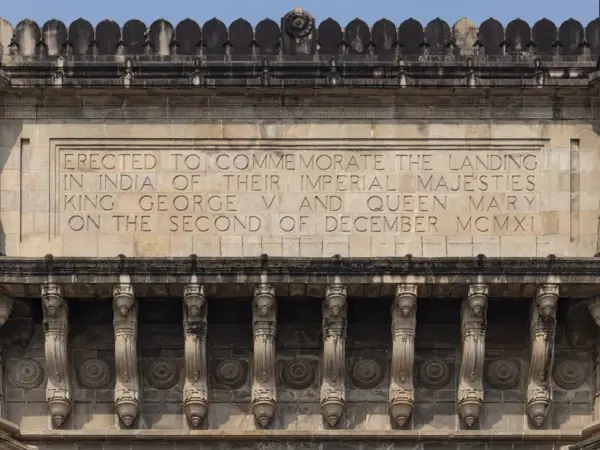
Gateway of India
Iconic arch on the harbour
Own a stay, café or cab? List your place on BuzzyTrip — free starter listing after we review.
List your placeMumbai blends sea‑front heritage with nonstop urban energy. It’s a compact base for culture, food and iconic skyline views.
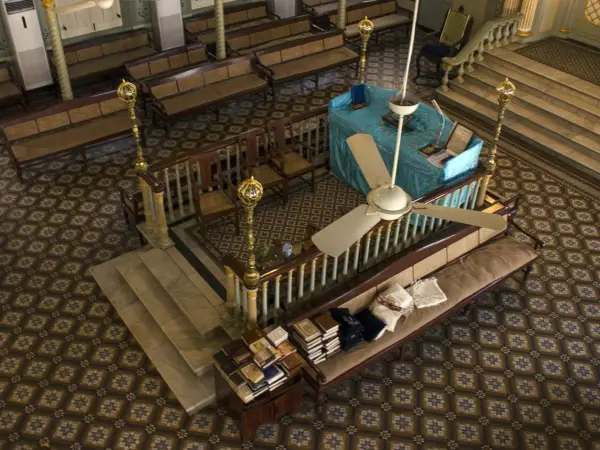
Iconic arch on the harbour
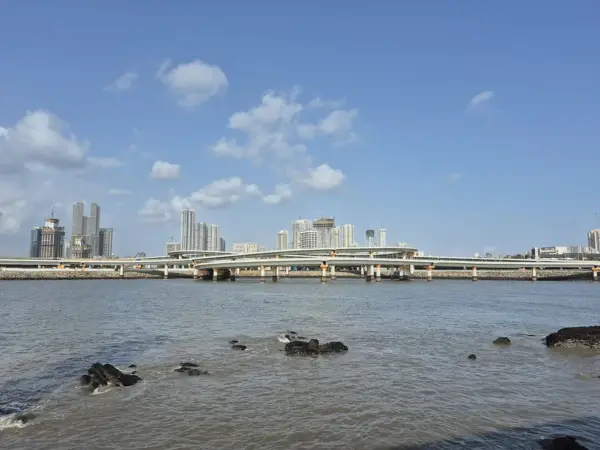
Seaside shrine on a causeway
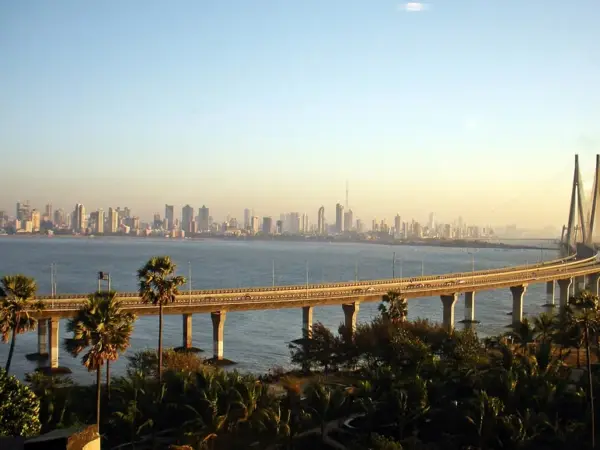
Cable‑stayed bridge with city vistas
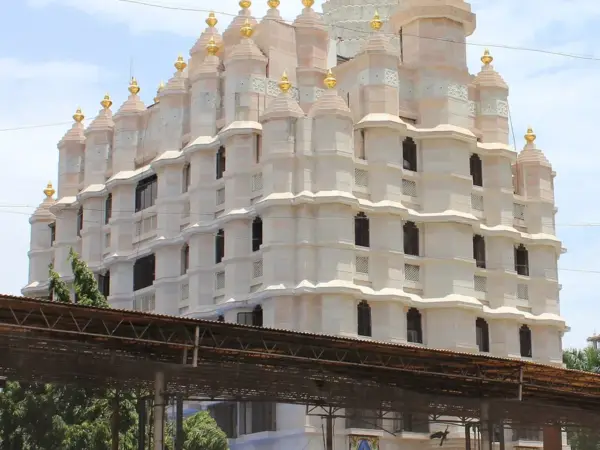
Ganesha worship hub
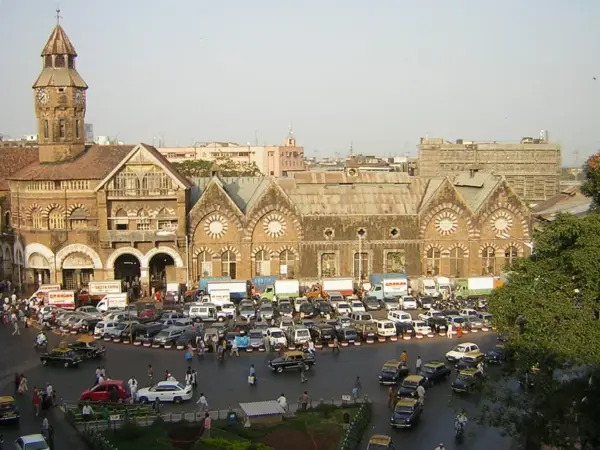
Busy colonial‑era bazaar

Gandhi’s Mumbai home, now a museum
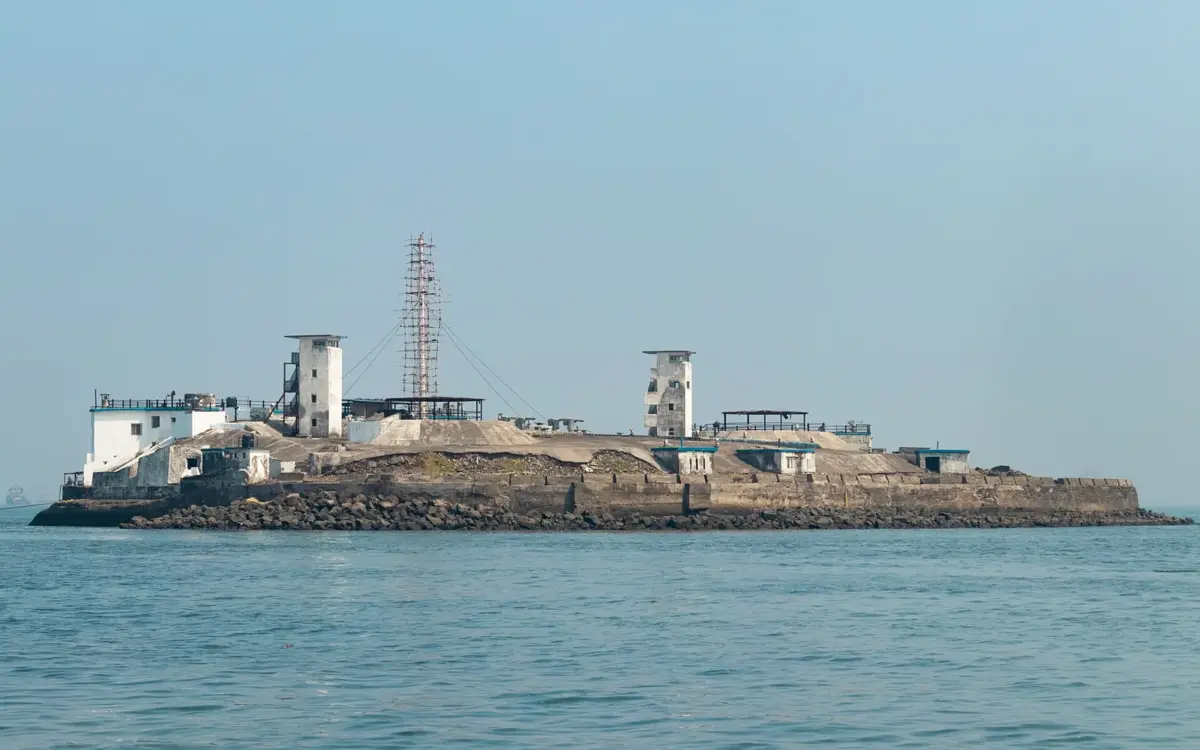
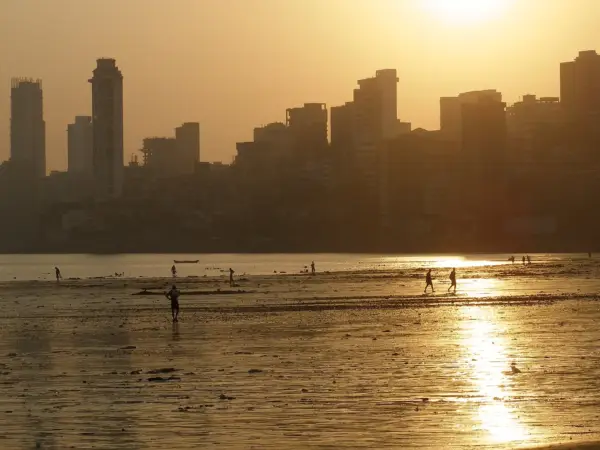
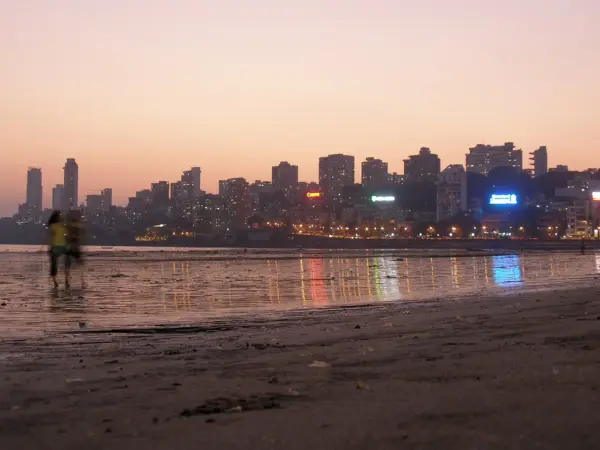
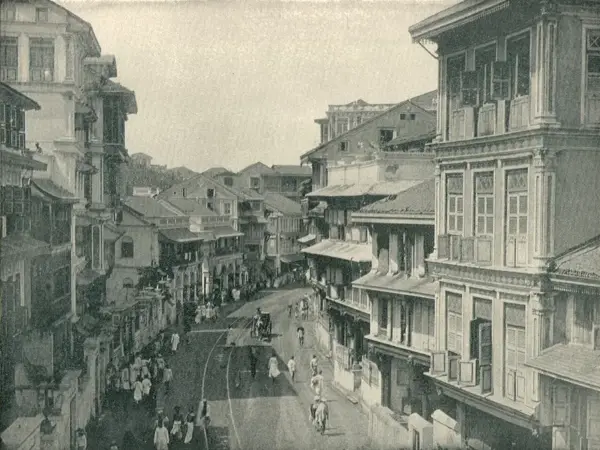
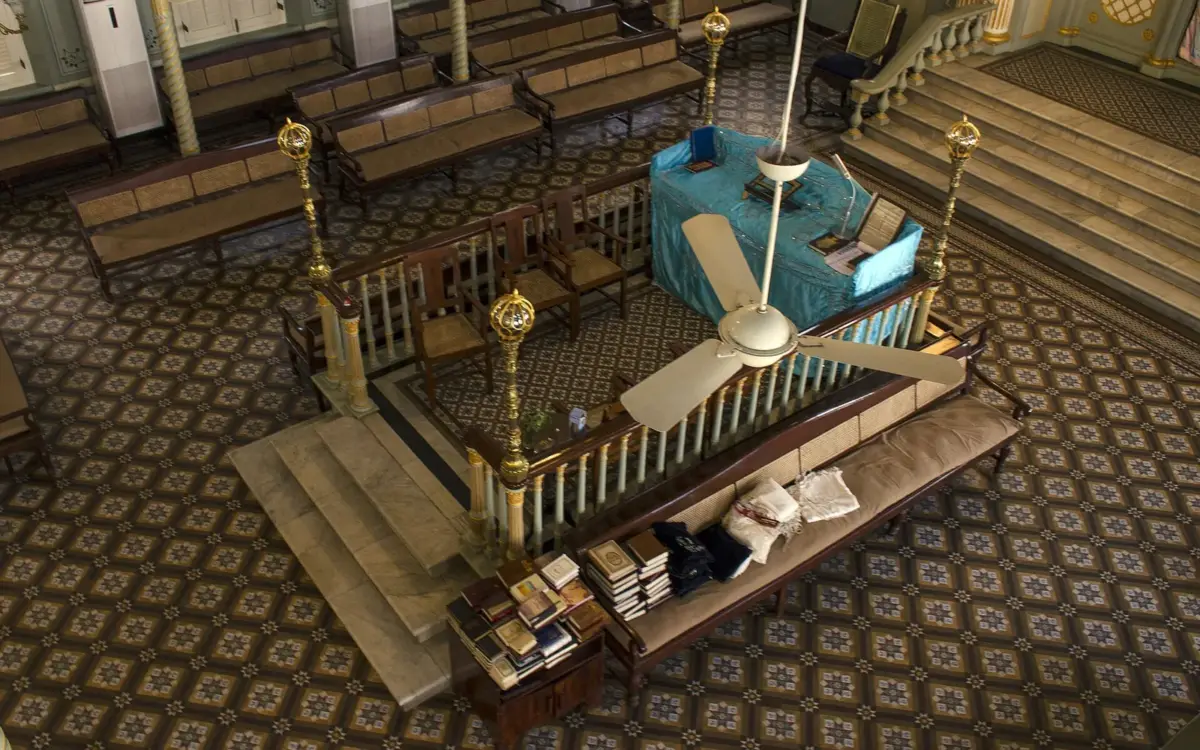
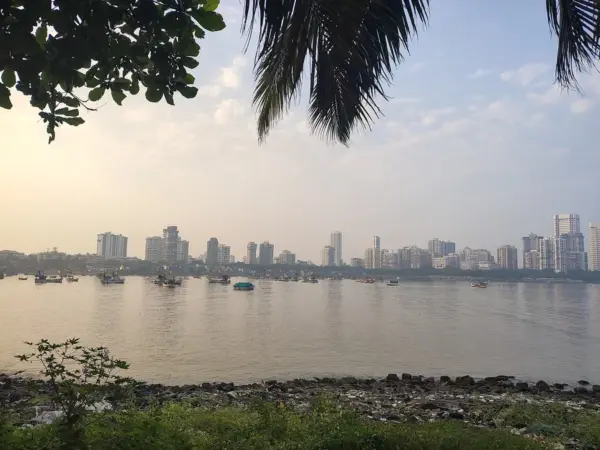
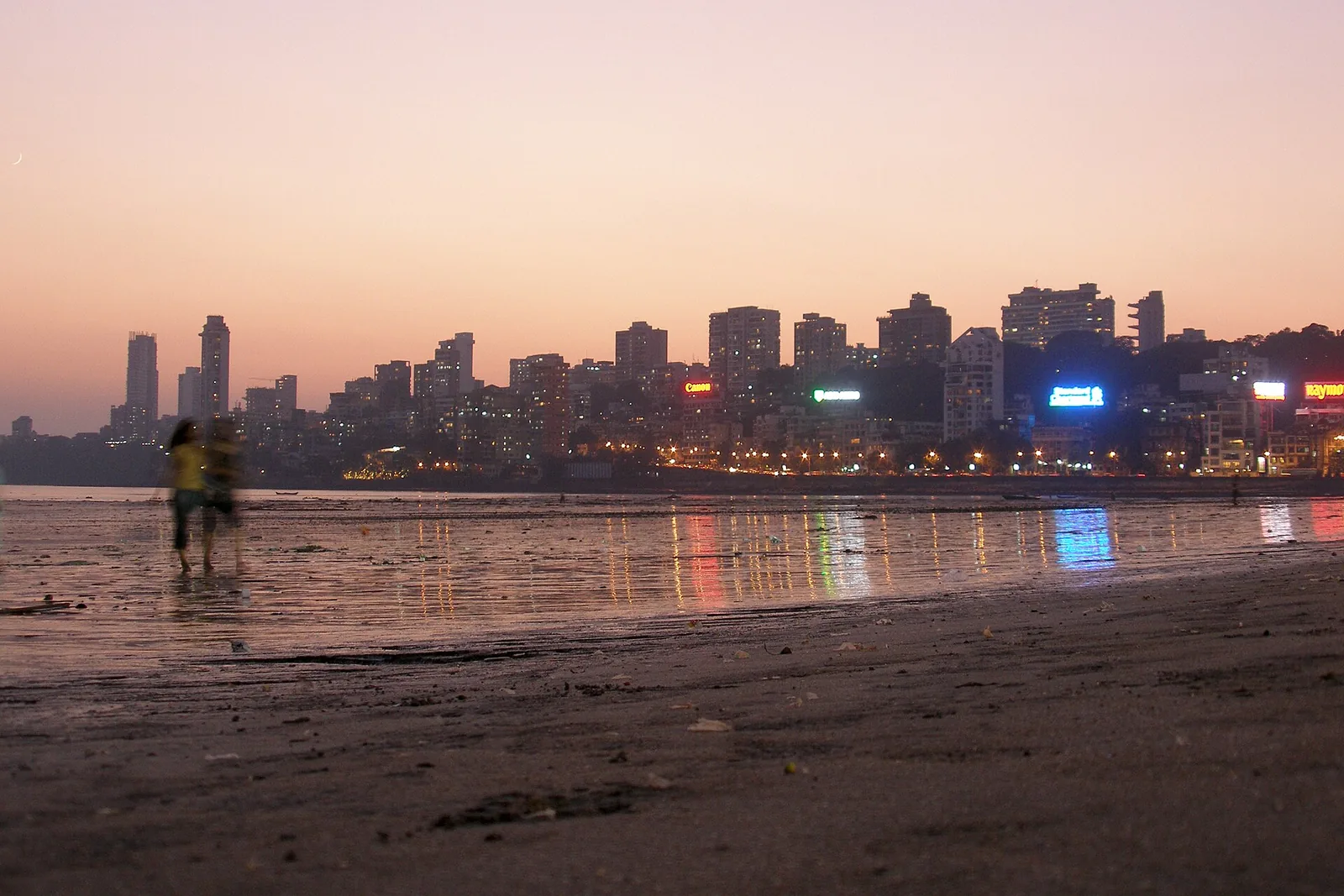
Twilight promenade view
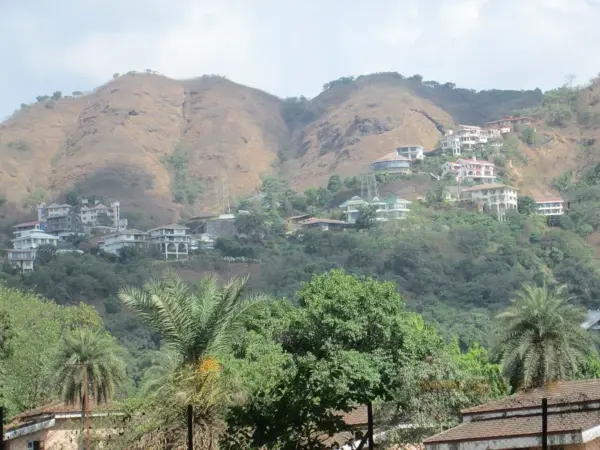
Panorama from hilltop
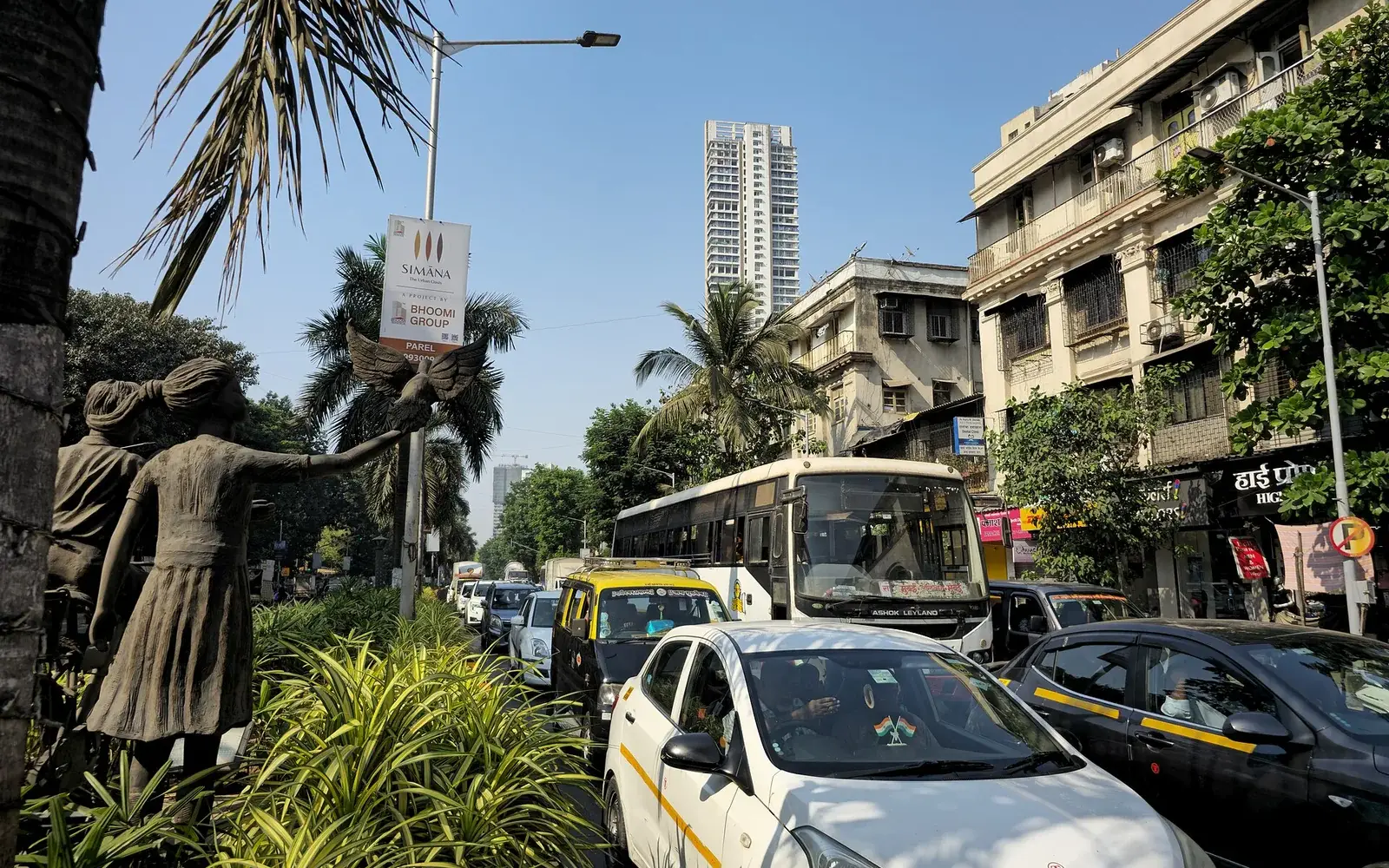
Busy lanes, early hour
Hindu temple dedicated to Ganesha in Mumbai
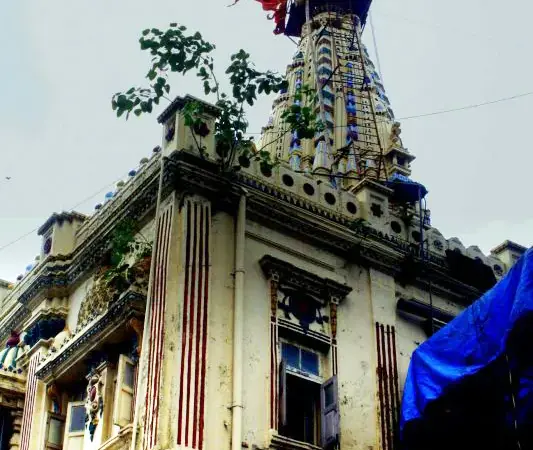
Hindu Temple in Mumbai, India

Spicy potato fritter bun
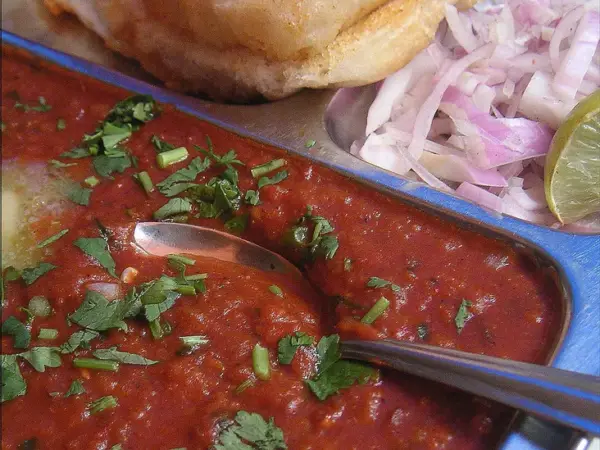
Mashed veg with buttered buns
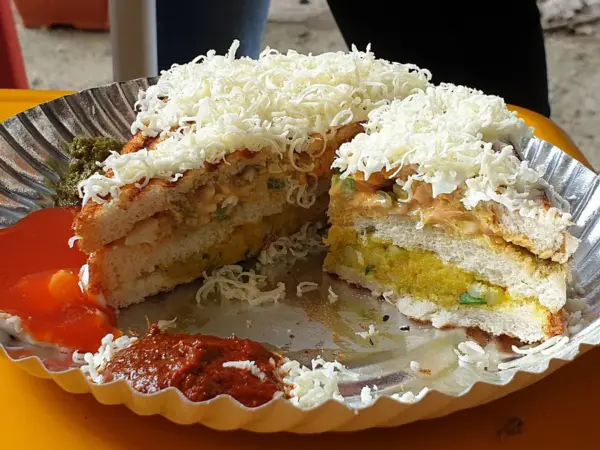
Layered veg with chutney
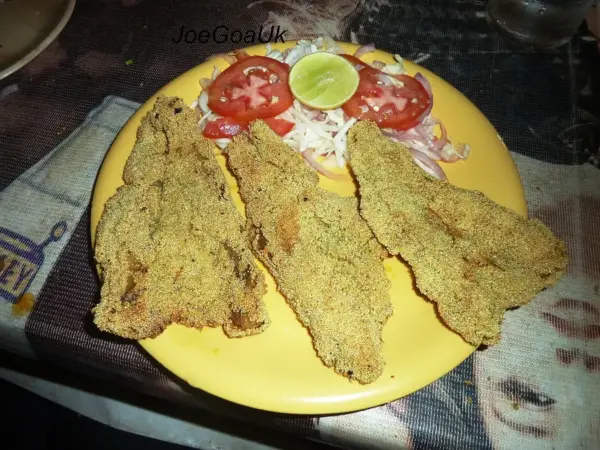
Crispy Bombay duck
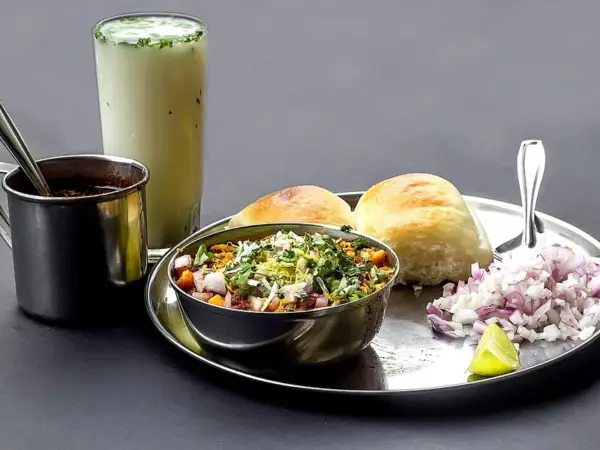
Spicy sprouted lentils
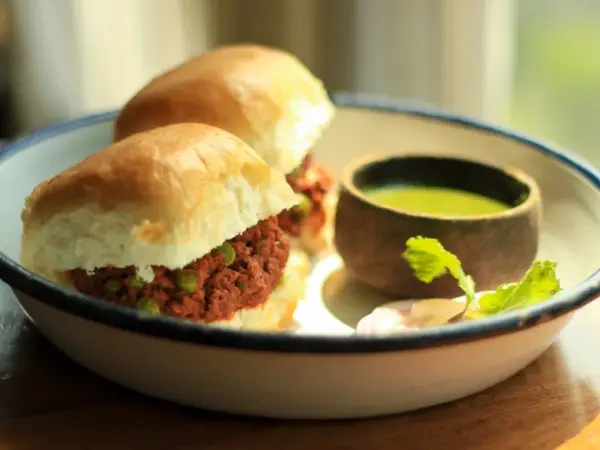
Minced meat with soft rolls
The full guide
We picture Mumbai as a kinetic canvas where colonial arches stand beside glass towers, a place that rewards anyone who thrives on contrast. It works for families who can tolerate the endless tide of people, couples chasing rooftop sunsets over the Arabian Sea, and solo wanderers hungry for street-food stories. Our honest pitch: the city will test your stamina, hand you endless flavors, and leave you with a soundtrack of honking horns and distant waves.
The monsoon has packed up, the skies are clearing and the city is in full festival mode. Navratri garba nights wrap up with Dussehra on 20 October, and Diwali falls on 8 November, when the markets fill with lanterns, sweets and lights. October can still be hot and sticky (the locals call it “October heat”), so plan walks along Marine Drive for the early morning or after sunset. From mid-November the humidity drops and evenings by the sea turn properly pleasant.
| Month | Avg high | Avg low | Rain/precipitation |
|---|---|---|---|
| Jan | 30.2°C | 19.4°C | 1 mm |
| Feb | 30.3°C | 20.4°C | 0 mm |
| Mar | 31.7°C | 23°C | 1 mm |
| Apr | 32.9°C | 25.3°C | 0 mm |
| May | 34°C | 27.3°C | 16 mm |
| Jun | 32.2°C | 26.6°C | 506 mm |
| Jul | 29.9°C | 25.5°C | 768 mm |
| Aug | 29.9°C | 25.2°C | 472 mm |
| Sep | 30.6°C | 25.1°C | 356 mm |
| Oct | 33.1°C | 25.1°C | 82 mm |
| Nov | 33.8°C | 23.6°C | 8 mm |
| Dec | 32.2°C | 21.2°C | 3 mm |
The table above shows the pattern: November to February is the most comfortable stretch, with lower humidity and pleasant evenings. The monsoon (June to September) paints the sky dramatic and turns the city green, but heavy rain can flood roads and slow trains. March to May is hot and humid, though early mornings are still good for temple visits before the city fully wakes.
We’re happy to report that you can wander from Bandra to Dadar without filling out any paperwork. No Inner Line or forest permits are required for the city or its nearby beaches. If you fancy a day at Elephanta Caves, just pay the entry fee at the ticket window – no advance forms needed.
We’ve sketched a rough daily spend range for a typical Mumbai stay as of October 2026:
| Budget | Mid-range | Comfort | |
|---|---|---|---|
| Stay | ₹1,500-₹2,500 | ₹3,000-₹5,000 | ₹6,000-₹10,000 |
| Food | ₹300-₹600 | ₹800-₹1,500 | ₹2,000-₹3,500 |
| Local transport | ₹100-₹200 | ₹300-₹500 | ₹600-₹1,000 |
| Activities | ₹200-₹400 | ₹500-₹1,000 | ₹1,200-₹2,500 |
| Total per day | ₹2,100-₹3,700 | ₹4,600-₹8,000 | ₹9,800-₹17,000 |
We think a modest budget still lets you taste vada pav from a stall and catch a ferry to Elephanta without breaking the bank.
| From | Road distance (est.) | Driving time (est.) | Best way |
|---|---|---|---|
| Delhi | ~1,400 km | 22–26 h | Fly or train |
| Pune | ~150 km | 3–4 h | Drive or train |
| Bangalore | ~985 km | 17–19 h | Fly |
Estimates from BuzzyTrip; check live maps before you leave.
Most visitors fly into Chhatrapati Shivaji Maharaj International Airport (BOM). Terminal 2 handles international flights and many domestic ones, while Terminal 1 serves several domestic airlines, so check your ticket. Metro Line 3 (the Aqua Line) now stops at both terminals and runs underground to Bandra-Kurla Complex, Worli, CSMT and Cuffe Parade, which is often quicker than a cab to South Mumbai at rush hour. A taxi or app cab to South Mumbai takes about 45 minutes to an hour in light traffic and much longer at peak times. The new Navi Mumbai International Airport also handles some domestic flights.
Long-distance trains arrive at Mumbai CSMT, Mumbai Central, Dadar, Lokmanya Tilak Terminus (Kurla) and Bandra Terminus, depending on the route. If you are driving, from Bengaluru the last stretch is the Mumbai–Pune Expressway; from Delhi it is NH 48 through Rajasthan and Gujarat, or sections of the newer Delhi–Mumbai Expressway. Either way, it is a long one or two-day drive, so most people fly or take the train.
The Mumbai–Pune Expressway is the classic road trip: set off at dawn and you can be in Pune in about three hours, with a breakfast stop at Lonavala and views over the Western Ghats, which turn brilliant green after the monsoon. Nashik is about four hours north-east via the Kasara ghat, and the vineyards around the city make a good weekend detour in the harvest season. Heading north to Ahmedabad on NH 48 takes eight to nine hours; an early start spares you the heat and the trucks. Coming back into the city, avoid the evening rush at the Vashi and Sion entry points, where a short hop can turn into a crawl.
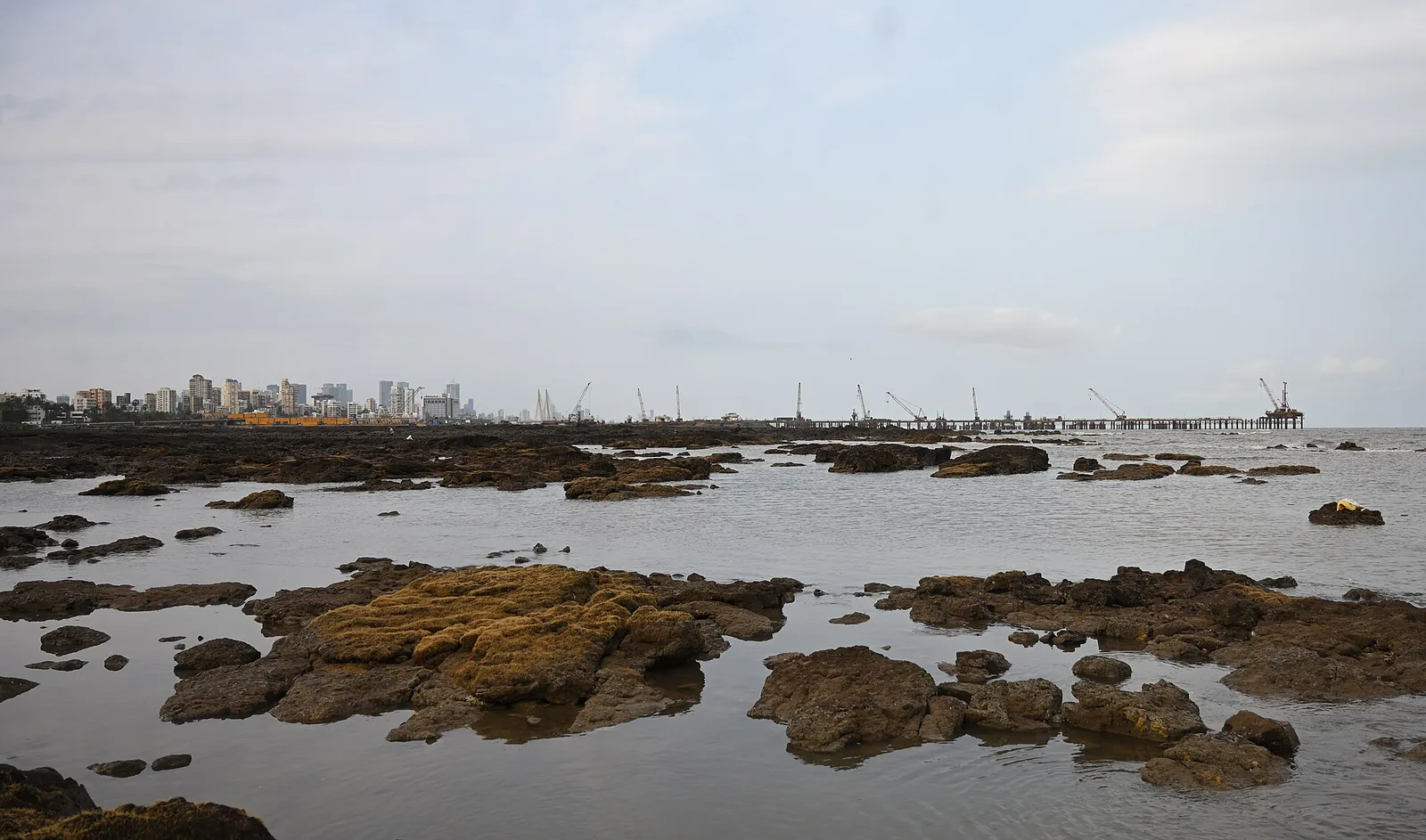
Long-distance trains use CSMT, Mumbai Central, Dadar, Lokmanya Tilak Terminus and Bandra Terminus. The Mumbai Rajdhani to Delhi is fully air-conditioned and runs overnight, and Vande Bharat trains now connect Mumbai with Ahmedabad, Goa, Solapur and other cities. Budget travellers often choose non-AC sleeper class, which is cheap but crowded on busy routes. Tatkal tickets open a day before departure and sell out within minutes on popular trains, so book regular tickets early if you can.
The local train network is the fastest way up and down the city; avoid the 8–11 am and 5–9 pm peaks if you have luggage, and use the women’s or first-class compartments if you prefer more space. The Metro lines, including the Aqua Line from the airport to Cuffe Parade, are air-conditioned and easy to use. Auto-rickshaws run only in the suburbs (north of Bandra and Sion) and should go by the meter; in South Mumbai you will use the black-and-yellow taxis or app cabs instead. Ride-share apps work across the city, though peak-hour traffic can push fares up.
Ideal for first-timers who have just a weekend to taste Mumbai’s highlights.
Fits most travellers who want a balanced mix of heritage, street life and a taste of the suburbs.
A slower pace with day trips north and south, perfect for families or friends who want depth.
A full week that covers South Mumbai, the western suburbs and two nearby excursions for a comprehensive experience.
We’ve pieced together a relaxed three-day plan that keeps drives short and adds plenty of kid-friendly stops.
We’ve curated three days of scenic spots, relaxed meals and a touch of romance for two.
We’ve mapped out three days of hostels, street eats and public transport for the solo wanderer.
We’ve designed three days of private transfers, premium stays and curated experiences for those who prefer comfort.
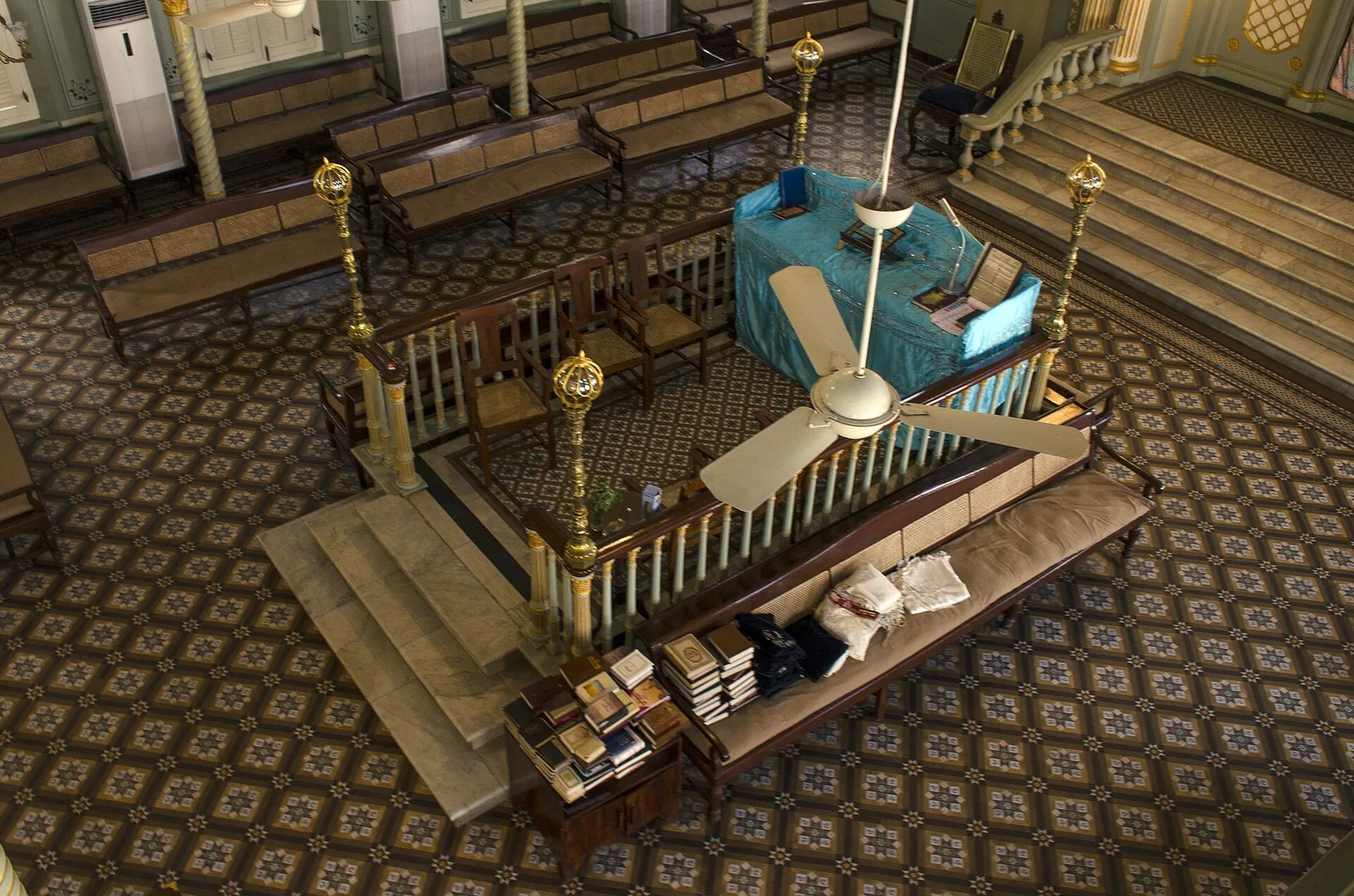
The sea breeze here cools the city’s heat, and the skyline glitters like a promise.
The stone faces whisper stories of bygone traders; we find the silence oddly loud.
Incense mingles with honking traffic, a reminder that devotion thrives amid chaos.
Crossing at first light gifts a panoramic view of the skyline that feels almost cinematic.
We snap a timeless photo; the arches and stained glass feel like stepping into a novel.
The waves lap at your feet while the tangy snack tingles your palate.
Wandering here, we discover fresh Indian voices that surprise and provoke.
Amid the urban rush, the white façade offers a calm corner for a brief pause.
Fewer crowds and softer light inside the caves make the carvings glow.
The city lights ripple on the sea, turning the promenade into a living silhouette.
We experience devotion without the midday throng, and the air feels especially reverent.
A quiet trek away from the city’s roar; the monsoon-slick rocks add a fresh scent to the air.
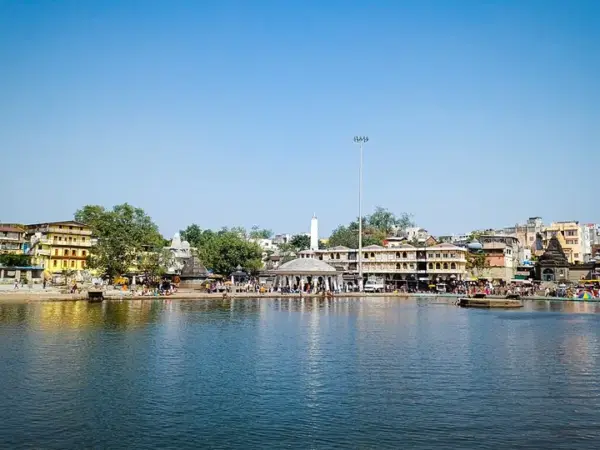
Serene waters surrounded by old temples; perfect for a reflective pause.
A leafy circle of small gardens in Dadar’s Parsi Colony where locals walk, jog and do yoga in the mornings; the surrounding lanes of old bungalows are a calm surprise.
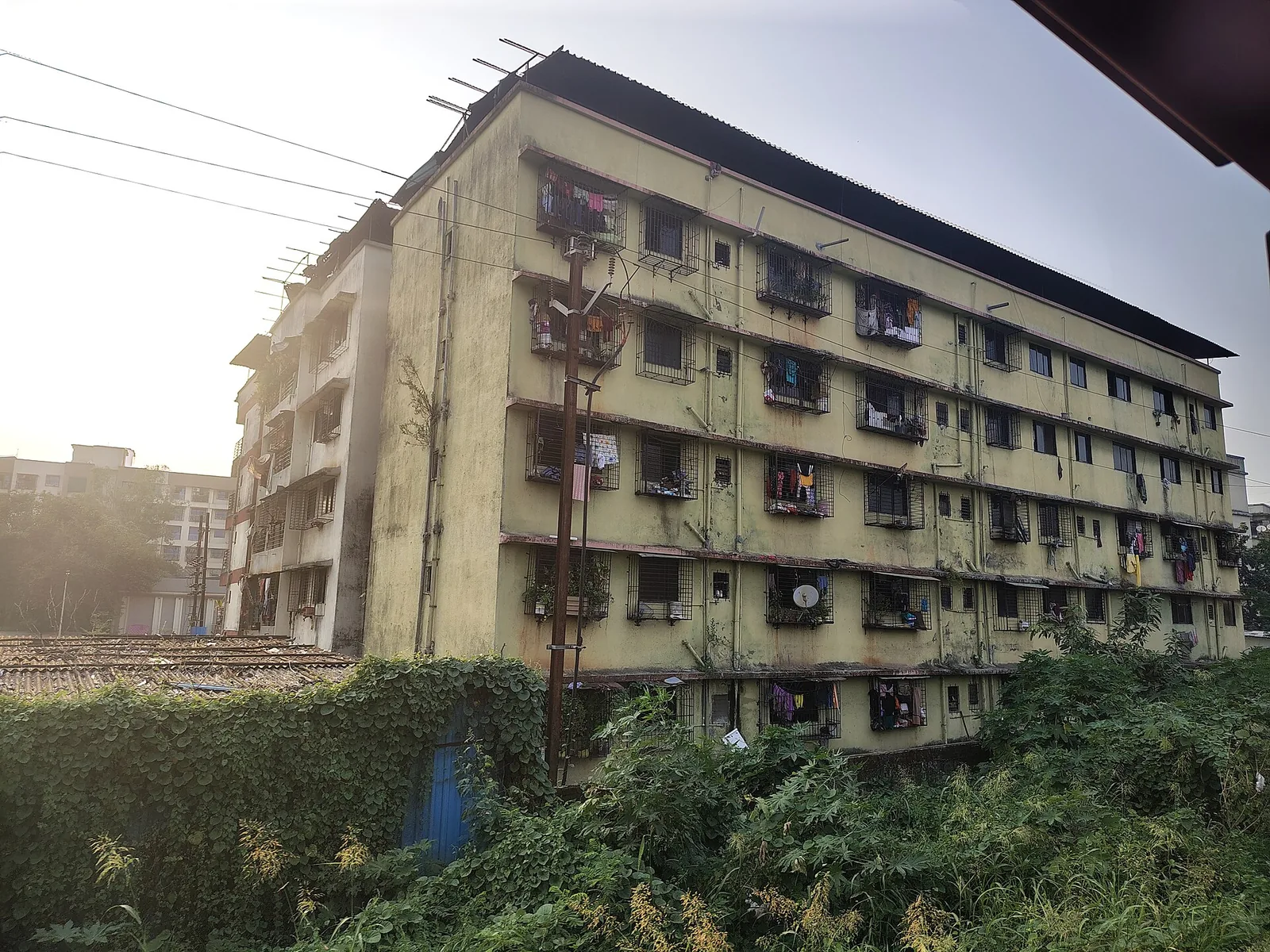
We start in South Mumbai, where the heritage hotels line the promenade. Couples who love colonial charm will feel the marble lobbies and high-ceiling rooms as a step back in time. Expect rates on the higher side, but the walk to the Gateway and the sea makes it worth the splurge.
Next, Bandra offers boutique stays tucked behind sea-link views. Families find the small courtyards and nearby cafés convenient for a relaxed day of brunch and beach walks. Prices sit in the mid-range bracket, giving you a bit of style without breaking the bank.
For solo travellers, Andheri’s budget guesthouses sit close to the domestic airport. The rooms are no-frills, but the proximity to transport hubs saves time and the occasional extra fare. It’s the most economical choice, though you’ll trade space for convenience.
The vada pav at Anand Stall in Vile Parle West, opposite Mithibai College, is a student favourite – a hot, spicy patty tucked into a soft pav with chutneys, and a good stop if you are near Juhu or the airport. Expect a crowd at lunchtime.
When the sun dips, Café Mondegar in Colaba is the place for a cold beer and a plate of chilli fries. The walls are covered in Mario Miranda’s cartoons and the jukebox still plays, so it feels like old Bombay.
Seafood lovers can’t miss Gajalee in Vile Parle; the crab fry sizzles with peppery aromas that linger long after the plate is cleared. Vegetarians are covered with a well-spiced paneer tikka that sits right beside the crustacean feast.
For an Irani café breakfast, Kyani & Co. near Marine Lines serves bun maska, akuri (spiced scrambled eggs) and sweet chai, a simple comfort that feels like a warm hug.

Ganesh Chaturthi floods the streets with towering clay idols and relentless drum beats; we recommend booking your stay early if you plan to be here.
Navratri turns community halls into garba arenas – tickets vanish fast, so reserve yours ahead of time.
Diwali lights up Marine Drive with fireworks, while nearby markets burst with sweets; it’s a night worth experiencing, provided you plan your transport in advance.
Strolling down Colaba Causeway, we hunt for leather bags – remember to haggle, or you’ll pay twice the price. Crawford Market is our go-to for fresh produce; in mango season (April to June) the Alphonsos alone are worth the early rise. Fashion Street offers cheap tees, but we always check the stitching before buying. As a rule, the high-end boutiques in Bandra tend to overcharge for brand names, so we skip them unless you’re after a label.
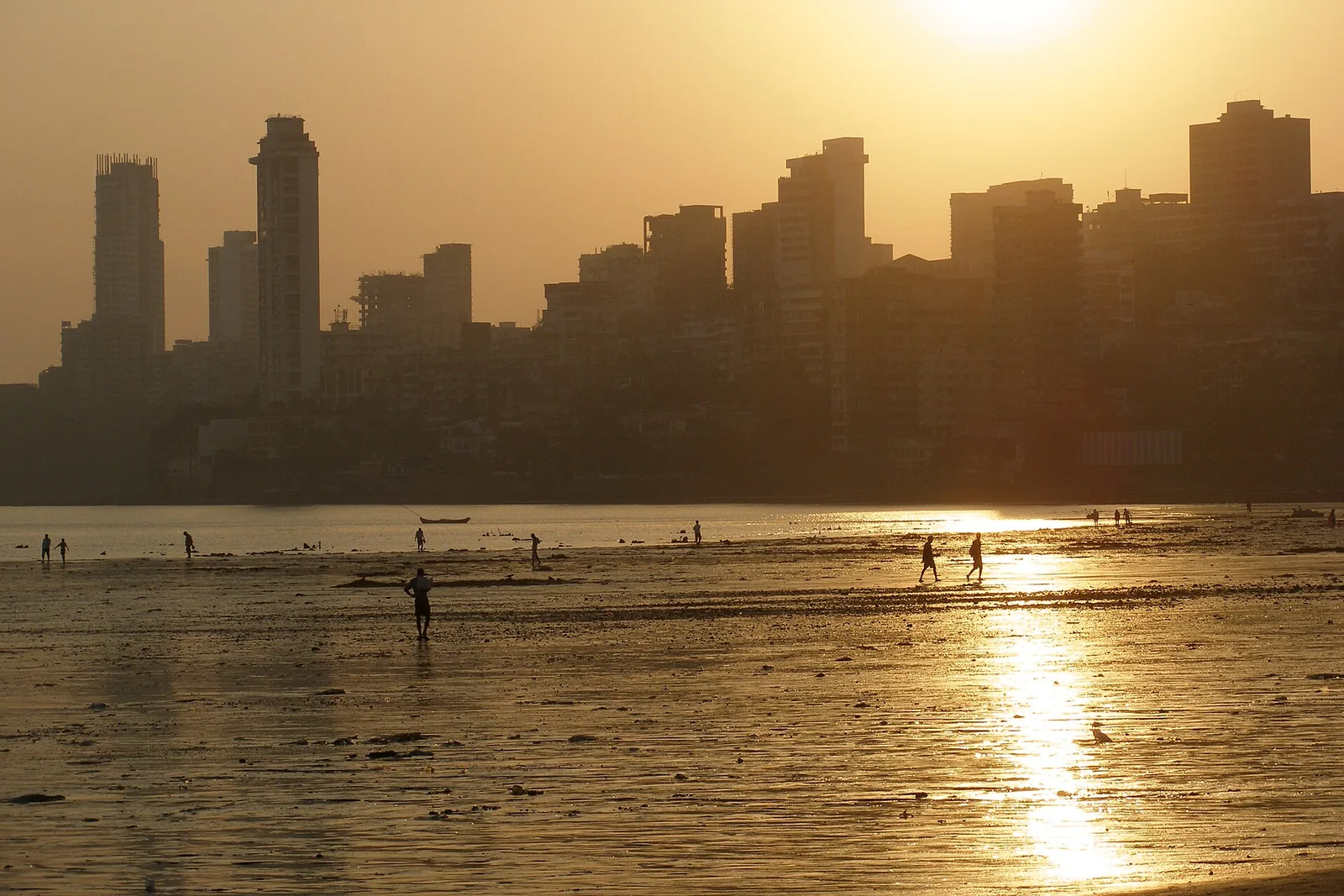
We’ve seen tourists get duped by touts selling cheap Elephanta ferry tickets – buy at the official counter. After midnight, the isolated stretches of Marine Drive feel unsafe, so we stick to well-lit spots. In rush-hour trains, keep your bag zipped and your phone in sight; pickpocketing spikes then. If anything feels off, dial 112 for police assistance.
Try street food from stalls that already have a line of locals – the crowd is the best hygiene gauge. Keep a handful of small change handy for auto-rickshaws and market stalls; it speeds up the barter. Avoid flashing expensive gadgets in crowded lanes – it tends to attract unwanted eyes. Steer clear of unmarked taxis; book through an app or ask your hotel for a trusted driver.
When you step into a temple, cover your shoulders and slip off your shoes – locals appreciate the respect. Always ask before snapping photos of people, especially in religious neighborhoods; a quick “May I?” goes a long way. Tip about ten percent at upscale restaurants, and a modest token at street stalls is welcomed. Greet shopkeepers with a simple ‘Namaste’; it instantly softens the interaction.
Myth: Mumbai is only about Bollywood. Fact: The city’s art pulse beats in galleries across Kala Ghoda. Myth: It’s perpetually hot. Fact: Winter evenings by the sea can feel pleasantly cool. Myth: Street food is unsafe. Fact: Stalls buzzing with locals usually serve fresh, hygienic bites. Myth: The city is unaffordable. Fact: Budget hostels and local eateries keep the wallet happy for savvy travelers.
Wandering through the Fort area, the Victorian Gothic arches of the old railway station stand like a stubborn reminder of the colonial era. The stonework feels heavy, yet the air hums with the chatter of commuters, a mix of past and present.
The city’s name itself is a tribute – Mumbai honors Mumbadevi, the mother goddess whose tiny shrines pepper the streets, from the Mumba Devi Temple to modest roadside altars. It’s a daily ritual we hear in the bells and smell in the incense.
The Koli fishing community, Mumbai’s original residents, still works from places like Sassoon Dock in Colaba and the Worli koliwada. At dawn the docks overflow with pomfret and prawns, a reminder of the time when the sea was the city’s lifeline.
When we slip into the intimate theatres of Girgaon, the wooden seats creak under the weight of Marathi and Hindi dramas. The actors deliver lines with a raw energy that keeps the theatre tradition alive, even as Bollywood’s glitter looms elsewhere.
Since Mumbai is within India, Indian citizens don’t need any visa. As of October 2026, foreign visitors just need a valid Indian visa, which you can arrange through the usual channels.
November to February is the most pleasant, with milder heat and lower humidity. October is still hot and humid after the monsoon, and June to September brings heavy rain.
A solid four-day stretch lets us soak in the main sights, sample street food, and still have time for a leisurely stroll along Marine Drive. Anything less feels rushed, especially if you want to catch a sunset at the promenade.
We generally feel Mumbai is safe for both solo wanderers and families, with low instances of violent crime. Keep an eye on your belongings in crowded markets, as pickpocketing can happen.
Metro Line 3 (Aqua Line) now stops at both airport terminals and runs to Bandra-Kurla Complex, Worli, CSMT and Cuffe Parade. Taxis and app cabs are easy too, but allow extra time at rush hour.
Kids love the sea air at Marine Drive, the interactive exhibits at the Nehru Science Centre, the boat ride to Elephanta and the Rani Baug zoo in Byculla. Pack some snacks, as the queues at popular spots can be long.
Vada pav from a busy stall, fresh seafood at a coastal Malvani restaurant, pav bhaji, and kulfi on a warm evening. Follow the crowds for the best street food.
The local trains are the backbone of Mumbai’s commute, and the Metro lines cover more of the city each year. Autos (in the suburbs), black-and-yellow taxis and app cabs fill the gaps, and BEST buses go almost everywhere.
Monsoon can throw a spanner in the works, with occasional flooding that slows trains and roads. We suggest keeping an umbrella handy and planning extra time if you travel during heavy rains.
Cash is still king in many local markets, so we carry enough rupees for small purchases. Card terminals are common in malls and upscale restaurants, but a few extra notes never hurt.
Background facts were researched from the Wikimedia pages below, used under Creative Commons Attribution-ShareAlike. This guide is an original work written and edited for BuzzyTrip; prices, visa rules and timings change, so verify before you travel.
Photos:
Been here recently? Share a tip (and a photo) in the comments below and tick “This is a travel tip”. Tips are reviewed before they appear — we never show your email.
Short, useful travel ideas and new guides. Straight to your inbox every Friday.
Message us with your dates and budget and we’ll reply with suggestions.
Chat on WhatsApp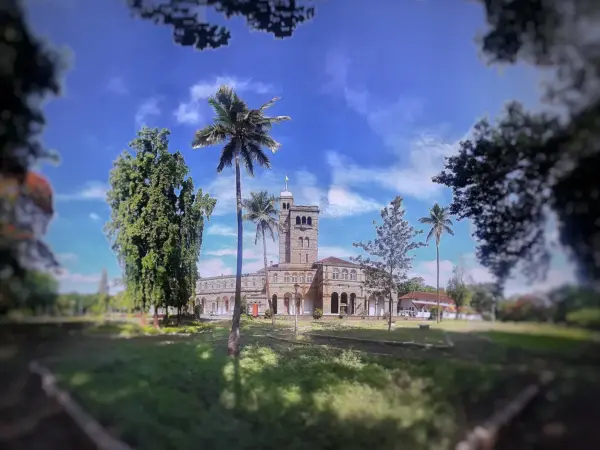

2 comments