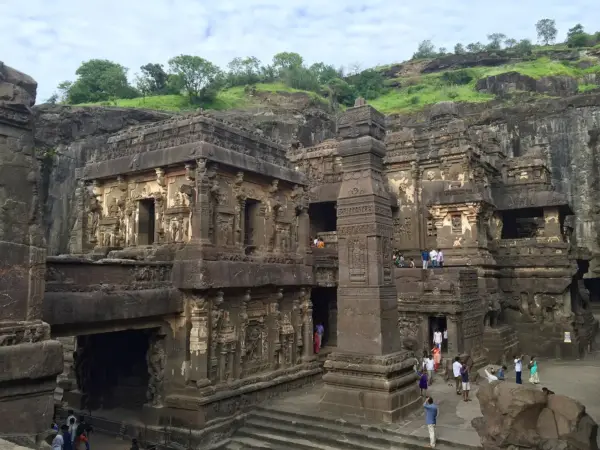
Ellora Caves
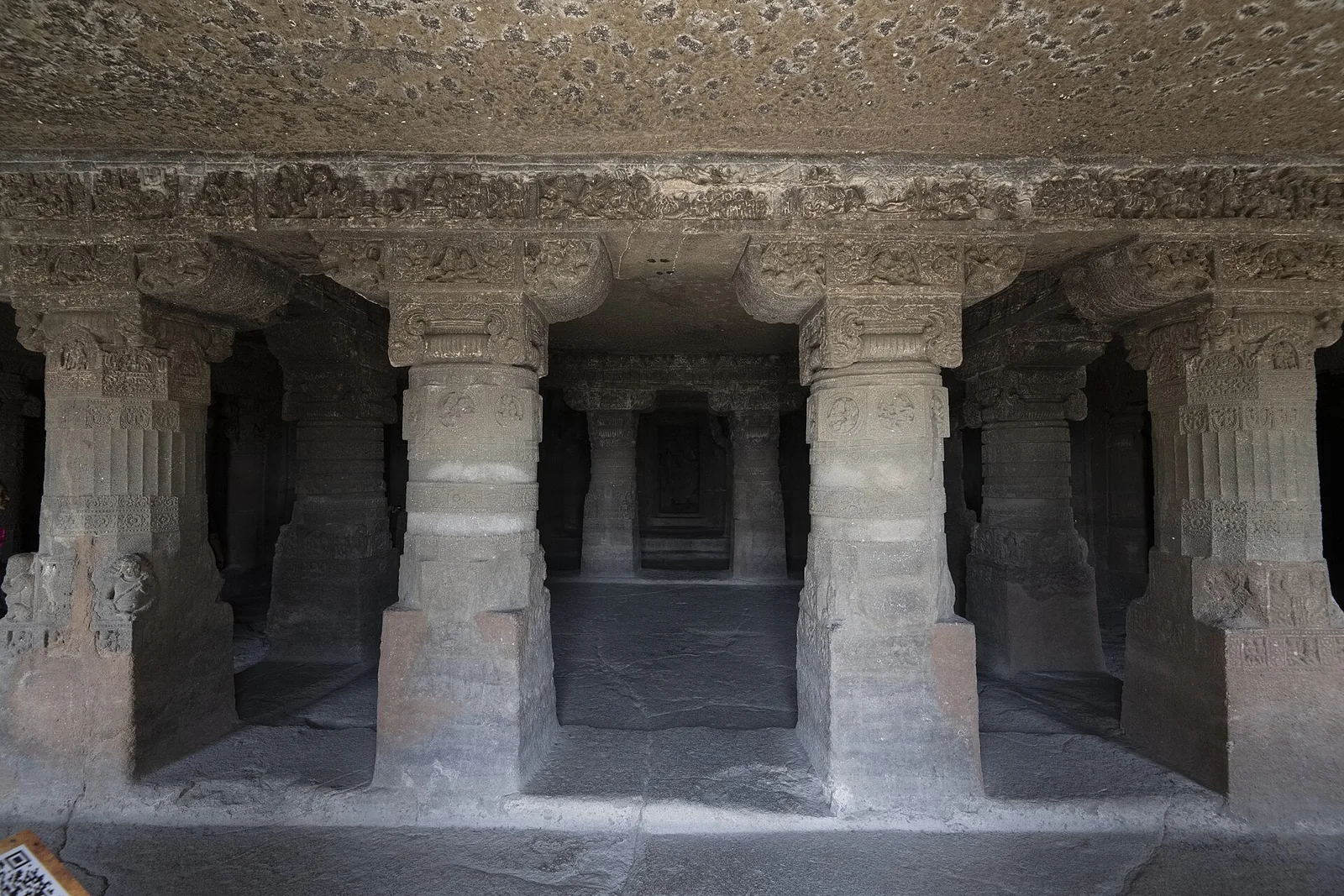
34 rock-cut caves and the Kailasa temple
Own a stay, café or cab? List your place on BuzzyTrip — free starter listing after we review.
List your placeAurangabad, officially Chhatrapati Sambhajinagar, is the base for the Ellora and Ajanta caves and has Mughal monuments of its own. Late October starts the cool, dry season.
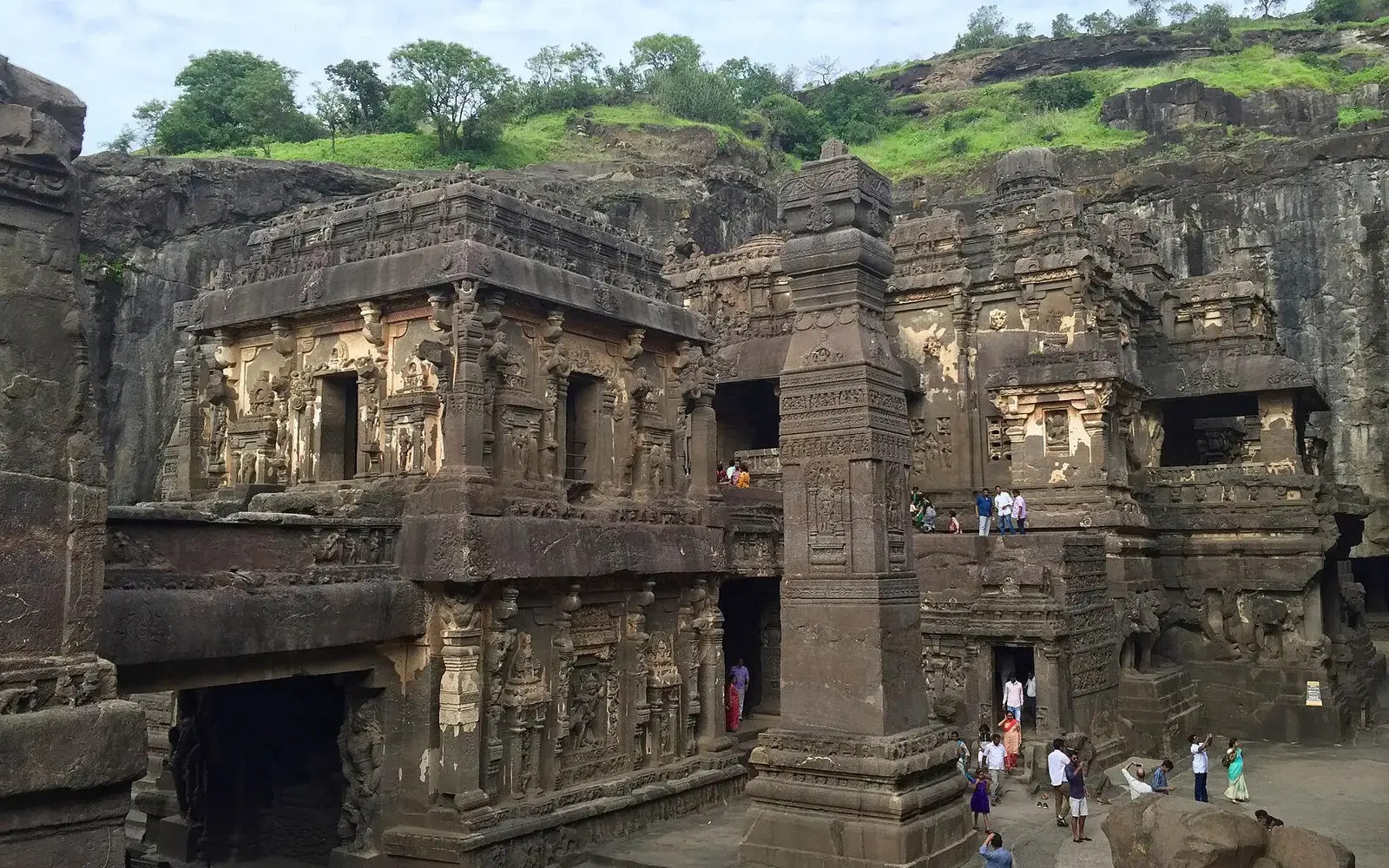
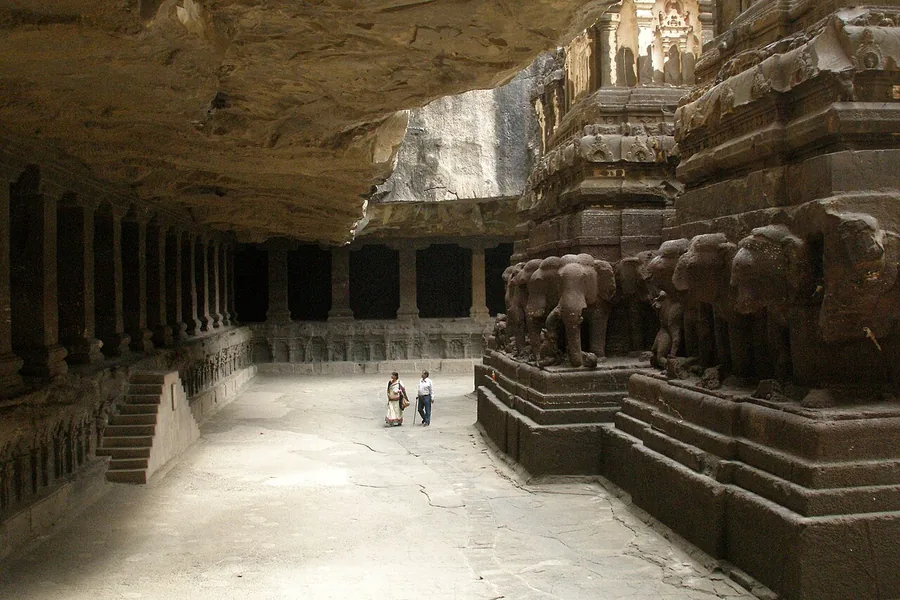
34 rock-cut caves and the Kailasa temple
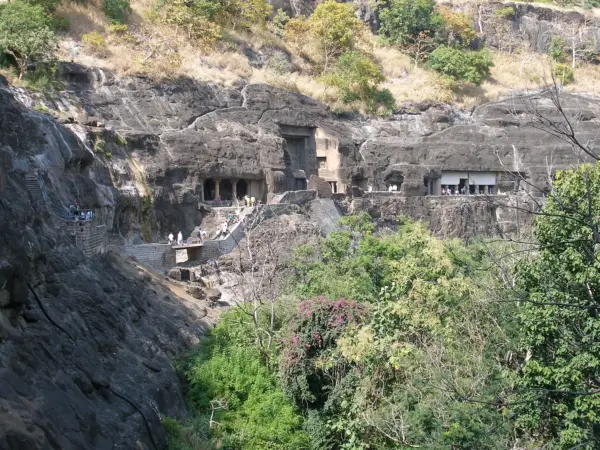
Buddhist caves with ancient paintings
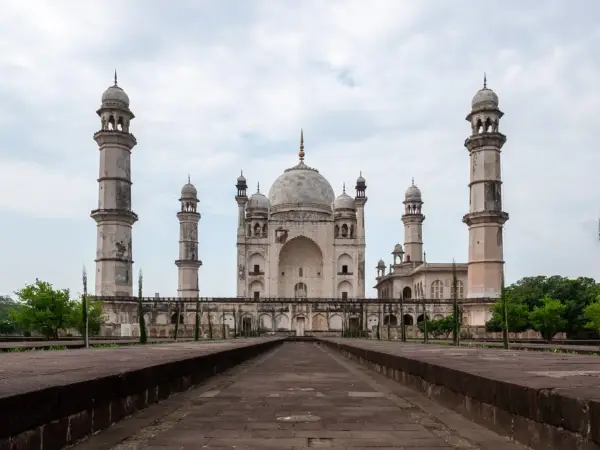
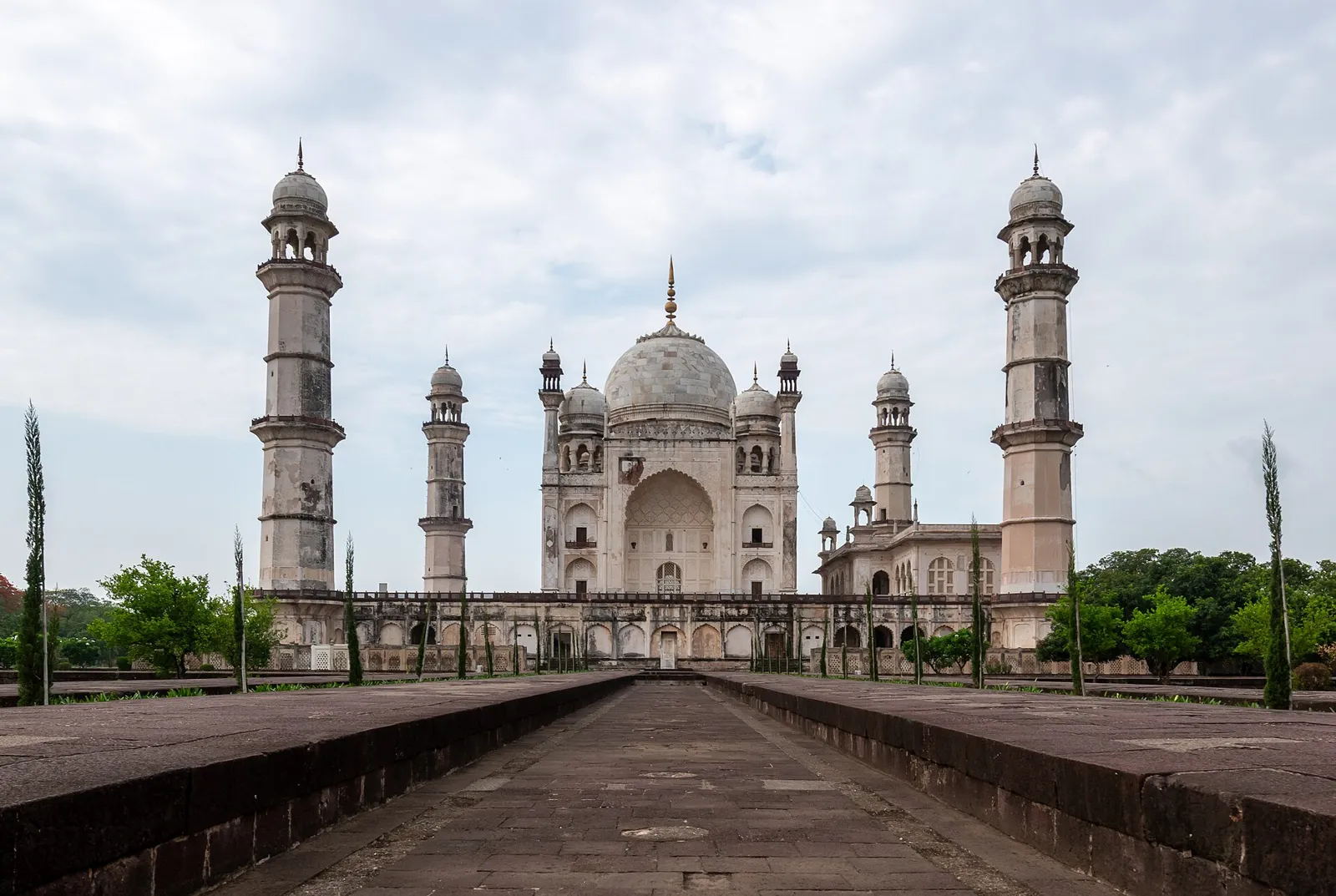
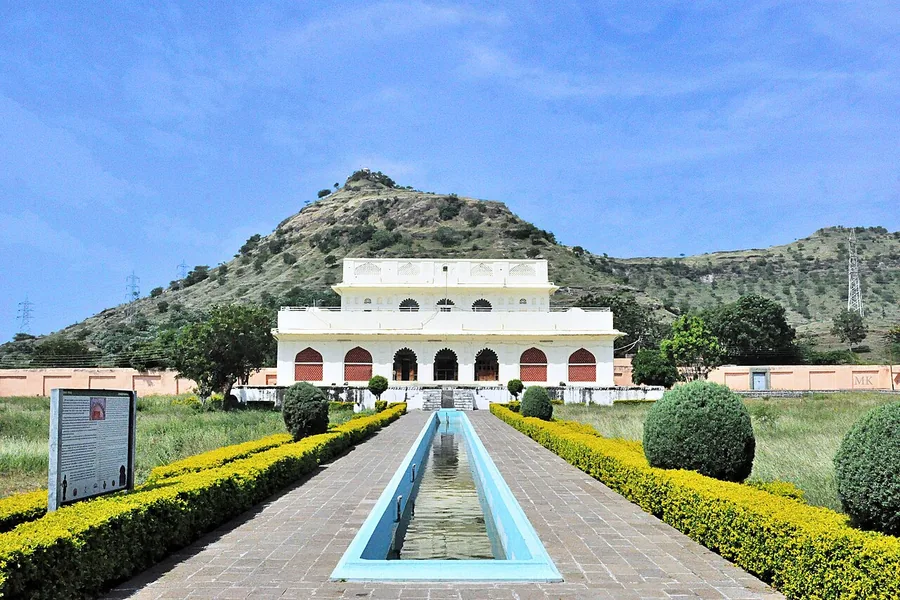
The 1660 “Taj of the Deccan”
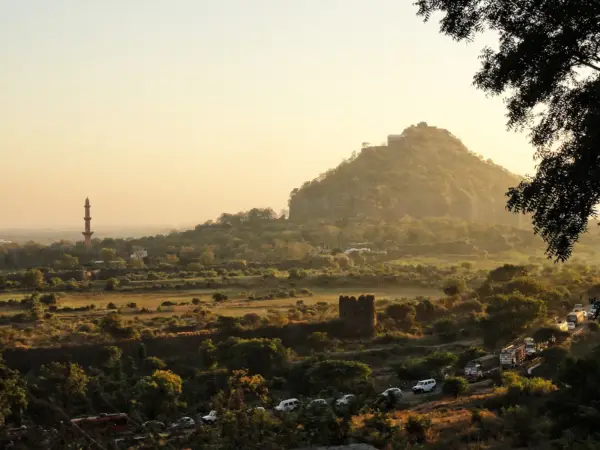
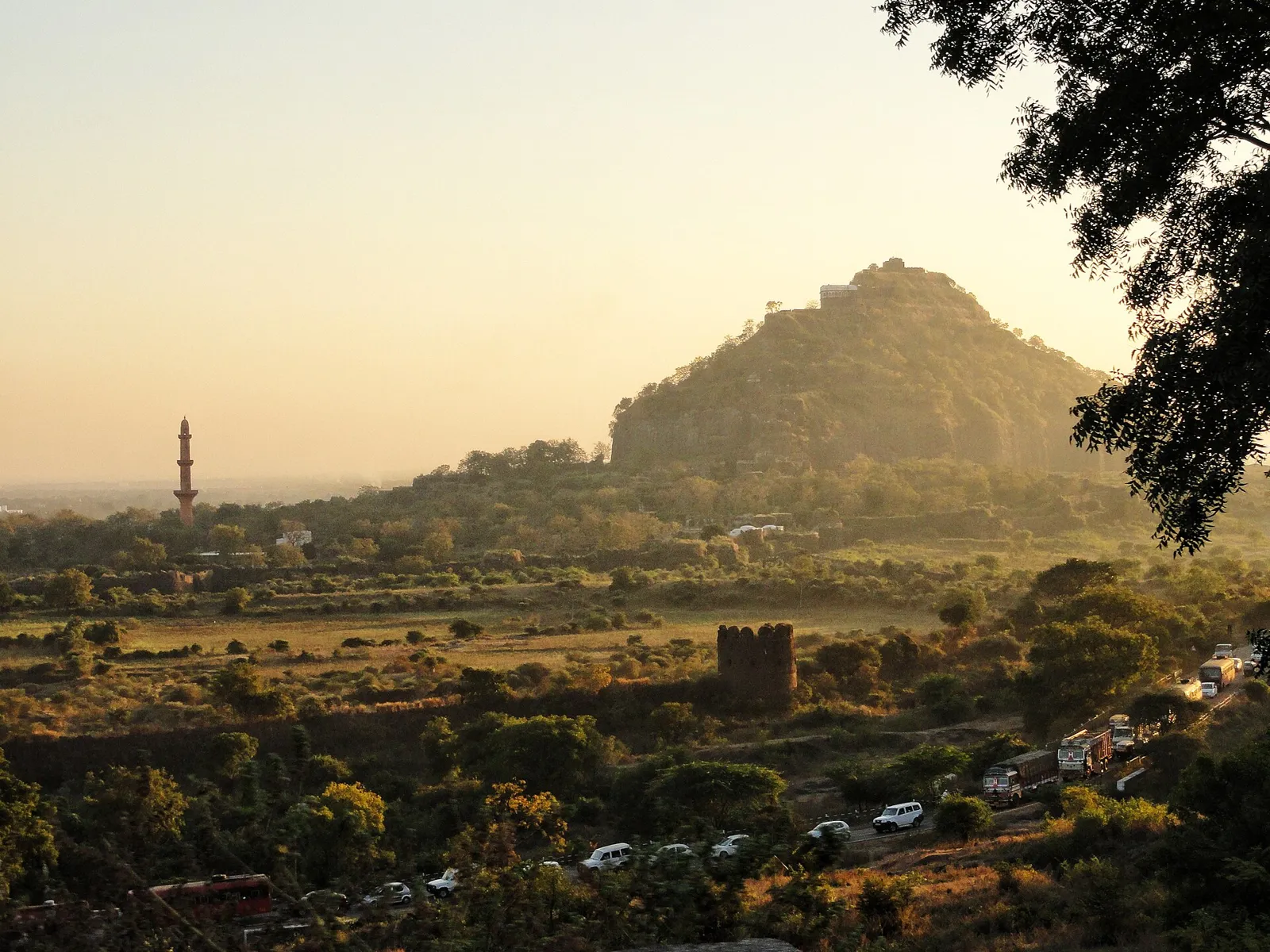
Hill fortress and Chand Minar
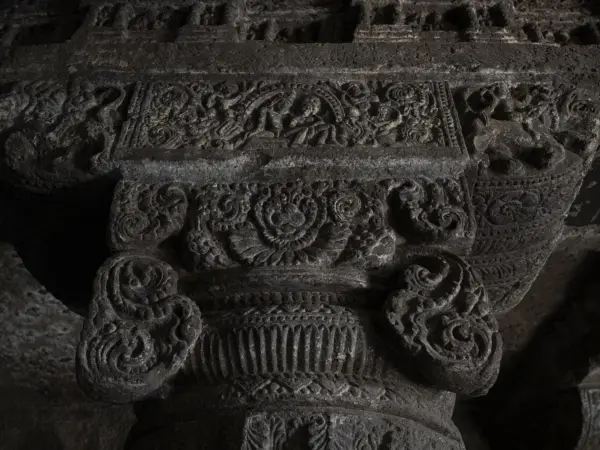
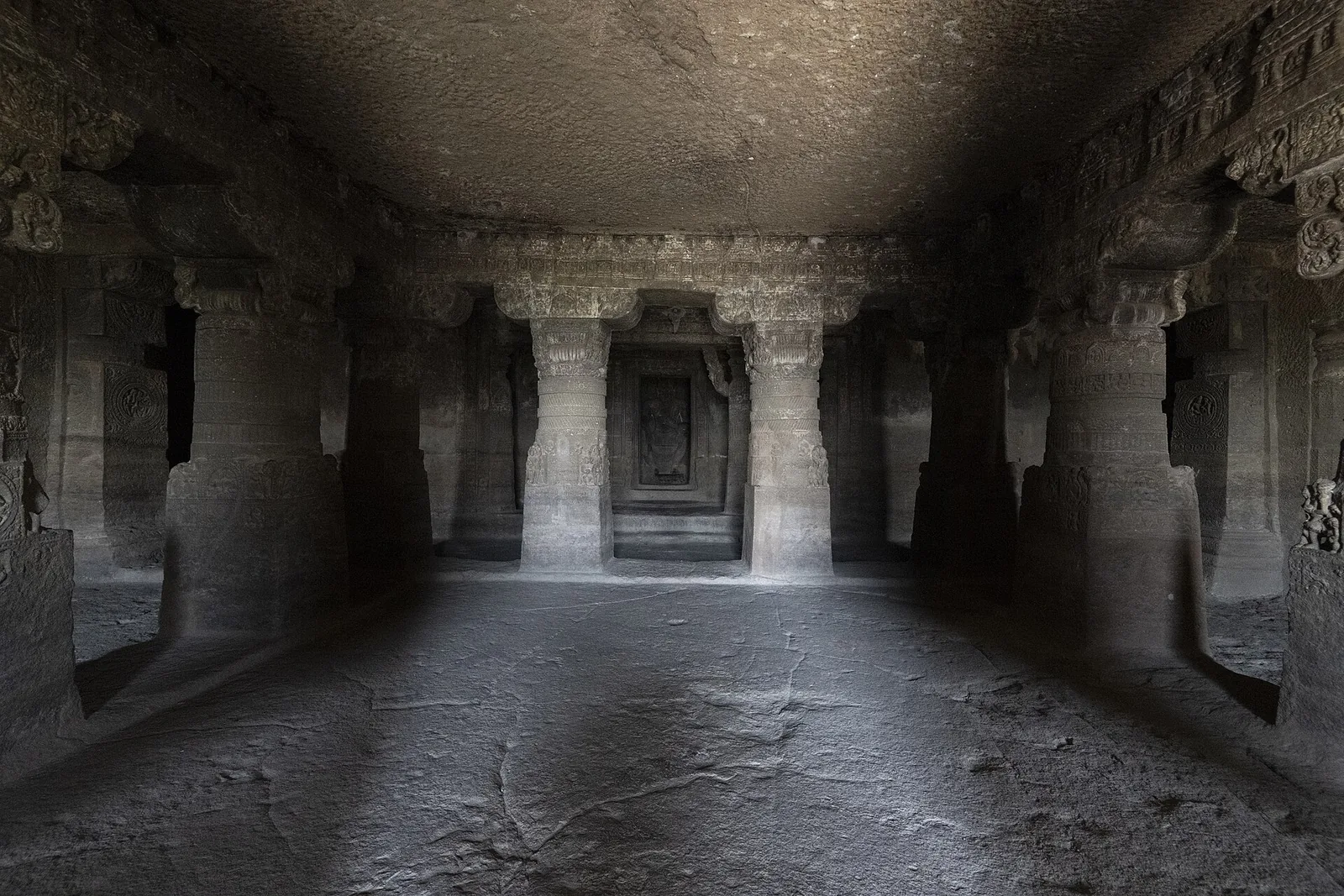
Twelve 6th–7th-century Buddhist caves
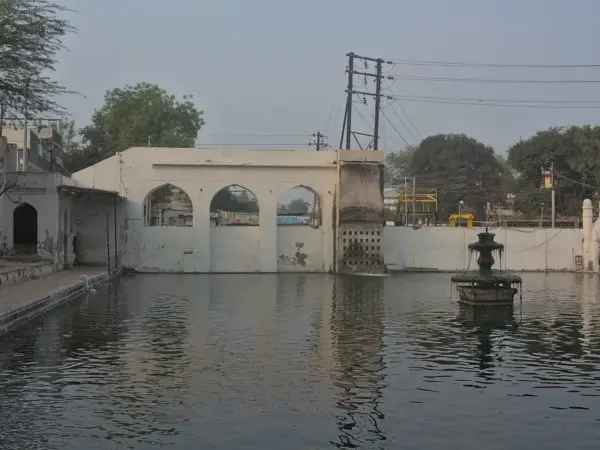
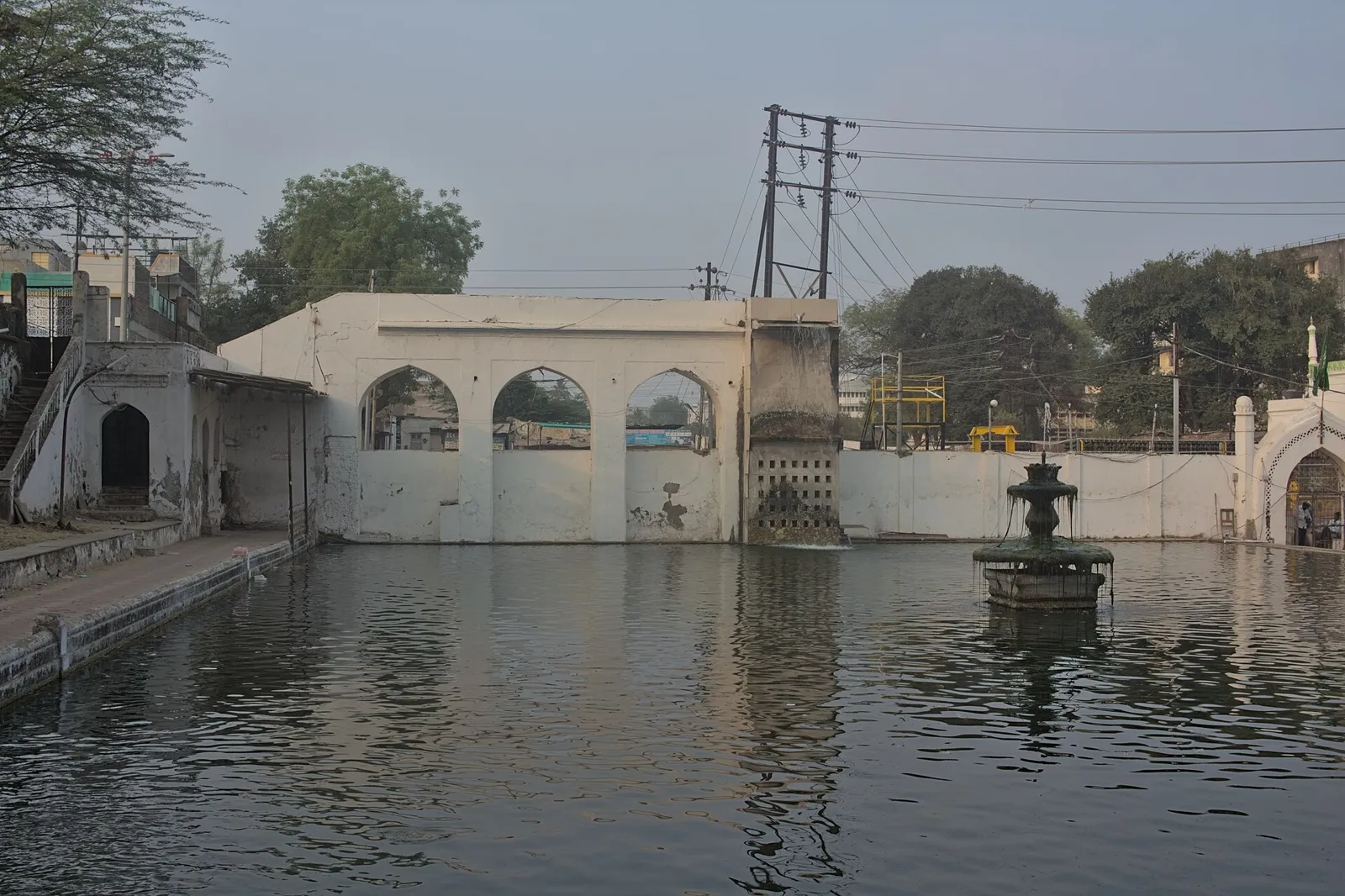
17th-century water mill and dargah

Walk the rim path behind the temple
Late-afternoon light on the dome
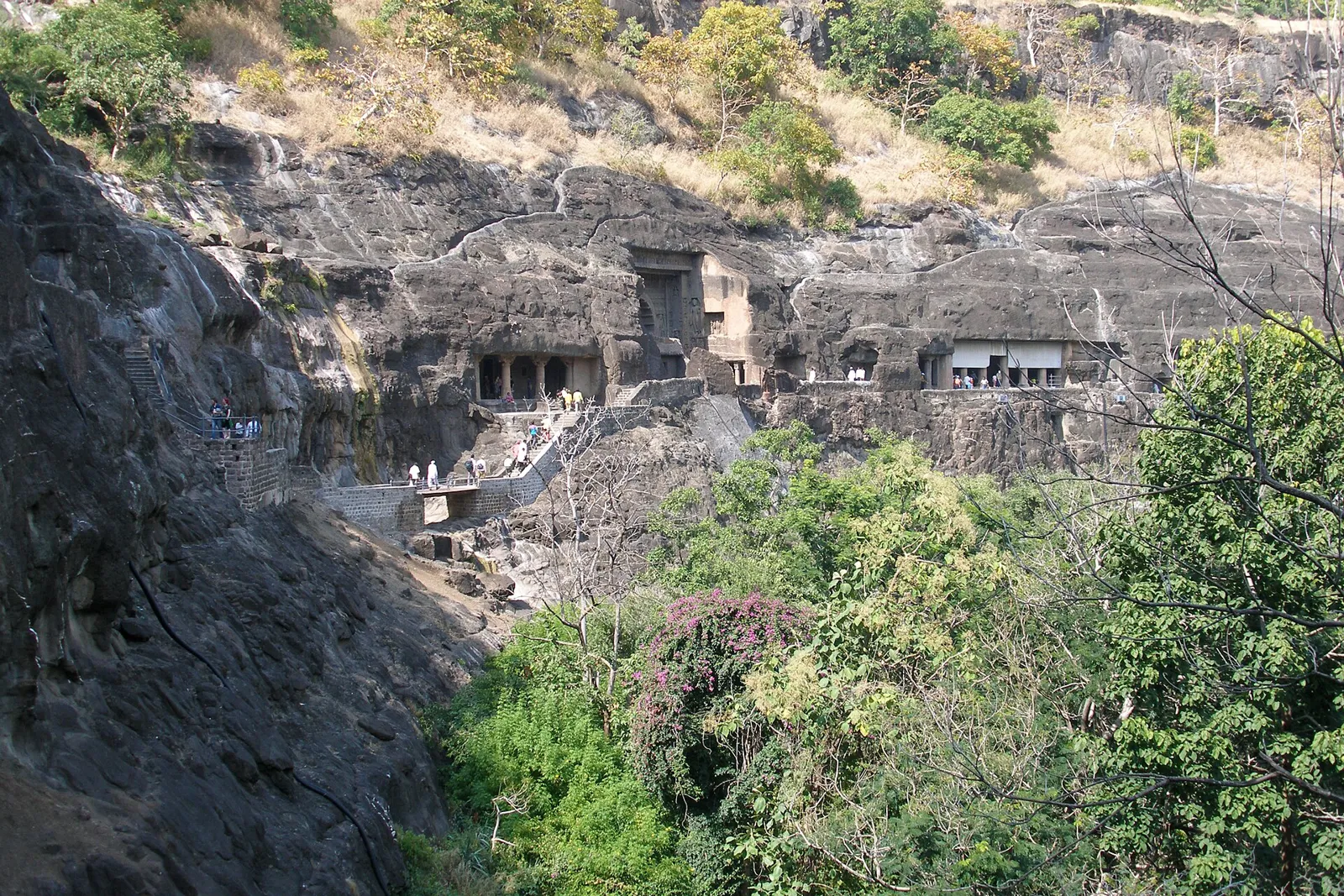
The whole horseshoe of caves across the gorge
Wide views over the plains
Spiced mutton curry with tandoori naan

A legacy of the Mughal city
Marathwada home-style vegetarian staple

A sweet breakfast from street stalls
The full guide
Aurangabad, officially renamed Chhatrapati Sambhajinagar in 2023, is the largest city in Maharashtra’s Marathwada region and the base for two UNESCO World Heritage Sites: the Ellora Caves, about 30 km away, and the Ajanta Caves, about 100 km away. Most people come for those two, but the city has plenty of its own: Bibi Ka Maqbara, the “Taj of the Deccan”, the Buddhist Aurangabad Caves on the hill behind the university, the Panchakki water mill, Soneri Mahal and the old city gates that gave Aurangabad the nickname “City of Gates”.
We think it is one of the easiest heritage trips in India to plan. Flights and trains come in from the big metros, a hired car covers the sights, and the food, from naan qalia to Marathwada thalis, is reason enough to stay an extra night. History lovers, families with older children and couples will all find enough for three or four days. It is not a beach or nightlife destination; if you want the sea too, pair it with Mumbai or Alibag on the coast.
Late October is the start of Aurangabad’s best season. The monsoon has ended, the hills around Ellora and Ajanta are still green, and the long-term averages for October are around 32 °C by day and 19 °C at night, with much less rain than in September. From November to February the days are cooler still, with nights dropping to 12–16 °C, which makes long days of walking at the caves very comfortable. Deepavali falls on 8 November in 2026, and the markets get busy in the run-up, so book rooms and trains early for that week.
This part of the Deccan has a long history. Paithan, about 50 km south, was the capital of the Satavahana dynasty two thousand years ago, and the hill fortress of Devagiri, later Daulatabad, was the seat of the Yadava kings. In 1327 Sultan Muhammad bin Tughluq famously moved the capital of the Delhi Sultanate to Daulatabad, ordering much of Delhi’s population to follow, then reversed the decision a few years later.
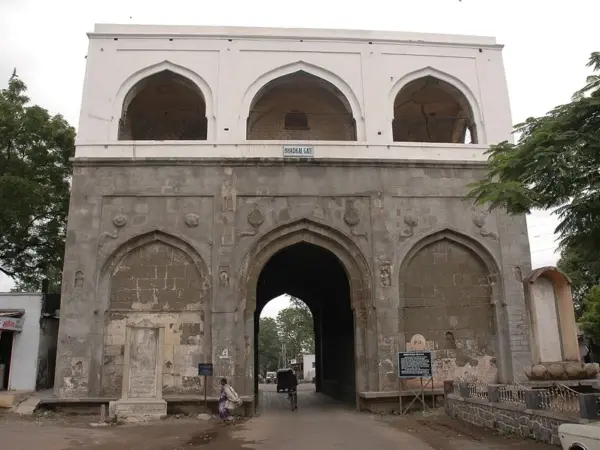
The city itself was founded in 1610 as Khadki by Malik Ambar, the Ethiopian-born prime minister of the Ahmadnagar Sultanate, who also built Bhadkal Gate in 1612. His son renamed it Fatehnagar, and in 1653 Aurangzeb, then Mughal viceroy of the Deccan, made it his capital and named it Aurangabad. His son Azam Shah commissioned Bibi Ka Maqbara in 1660 in memory of his mother, Dilras Banu Begum. In 1724 the Nizam of Hyderabad made Aurangabad the first capital of his new state, before moving to Hyderabad in 1763; the city stayed part of Hyderabad State until 1956 and joined Maharashtra in 1960. The textile crafts of the Mughal period, Himroo and Mashru weaving, are still made here.

| Month | Avg high | Avg low | Rain/precipitation |
|---|---|---|---|
| Jan | 29.2°C | 12.4°C | 3 mm |
| Feb | 31.8°C | 14.9°C | 2 mm |
| Mar | 35.6°C | 19°C | 11 mm |
| Apr | 38.7°C | 23.1°C | 6 mm |
| May | 39.6°C | 25.1°C | 17 mm |
| Jun | 34.6°C | 23.6°C | 156 mm |
| Jul | 30.1°C | 22.4°C | 178 mm |
| Aug | 29.2°C | 21.8°C | 172 mm |
| Sep | 30.2°C | 21.5°C | 172 mm |
| Oct | 31.8°C | 19.1°C | 68 mm |
| Nov | 30.5°C | 15.6°C | 18 mm |
| Dec | 29.1°C | 12.5°C | 9 mm |
October to March is the best window. November to February has the most comfortable weather for sightseeing, with warm, dry days and cool mornings and evenings. The southwest monsoon, from June to September, brings almost all the year’s rain; it is the greenest time at Ellora and Ajanta, when waterfalls run in the gorges, but some days are wet and roads slow down. March to May is hot, with average highs close to 40 °C in May, so start early and rest in the afternoon if you go then.
| From | Road distance (approx.) | Driving time (approx.) | Best way |
|---|---|---|---|
| Delhi | ~1,140 km | 15–18 h | Fly (about 2 h) |
| Mumbai | ~330 km | 4–6 h | Train, drive or fly |
| Pune | ~235 km | 4–5 h | Drive or bus |
| Hyderabad | ~530 km | 8–9 h | Fly or train |
| Bangalore | ~925 km | 13–16 h | Fly |
Road distances are BuzzyTrip routing estimates (OSRM on OpenStreetMap data); driving times are ranges allowing for traffic. Check live maps before you leave.
Chhatrapati Sambhajinagar Airport (IXU) is at Chikalthana on Jalna Road, roughly 10 km east of the centre and 15–20 minutes by taxi. As of October 2026 IndiGo and Air India fly nonstop from Delhi, Mumbai and Hyderabad, and IndiGo also flies from Bengaluru on some days of the week; check current schedules. The main railway station, renamed Chhatrapati Sambhajinagar in 2025 (code CPSN, formerly AWB), is on the line between Manmad and Hyderabad, close to the city centre. MSRTC buses link the city with Pune, Mumbai, Nashik, Shirdi and most of Maharashtra.
From Mumbai, the fastest route is the Samruddhi Mahamarg, the Mumbai–Nagpur expressway, which passes close to the city; the older route runs via Nashik. Our routing estimate is about 330 km, and four to six hours is realistic depending on traffic leaving Mumbai. From Pune the drive is about 235 km via Ahmednagar (Ahilyanagar), roughly four to five hours. Both routes have plenty of fuel stops and highway restaurants. Once in the city, a car makes it easy to combine Daulatabad (about 17 km), Khuldabad and Ellora (about 30 km) in one day; Ajanta, about 100 km away, needs a day of its own.
Mumbai is the best-connected city by rail. The Mumbai CSMT–Hazur Sahib Nanded Vande Bharat Express is the fastest train, and several daily express trains, including the Janshatabdi, Tapovan and Devagiri, also run between Mumbai and Aurangabad. Hyderabad and Secunderabad have direct trains, and the Sachkhand Express links the city with New Delhi, a journey of close to 24 hours, so most Delhi travellers fly. There is no direct rail line from Pune, so the road is easier from there. Book ahead for weekends, long weekends and the Deepavali week.
Autos are everywhere in the city; agree the fare or ask for the meter before you set off, and app cabs also work. For the caves, a car with a driver for the day is the practical choice, and hotels and travel desks can arrange one. MSRTC buses run from the central bus stand to Ellora and to Ajanta, which works if you are on a budget and do not mind a slower day. At Ajanta, private vehicles stop at the T-junction parking area and shuttle buses take visitors the last few kilometres to the caves.
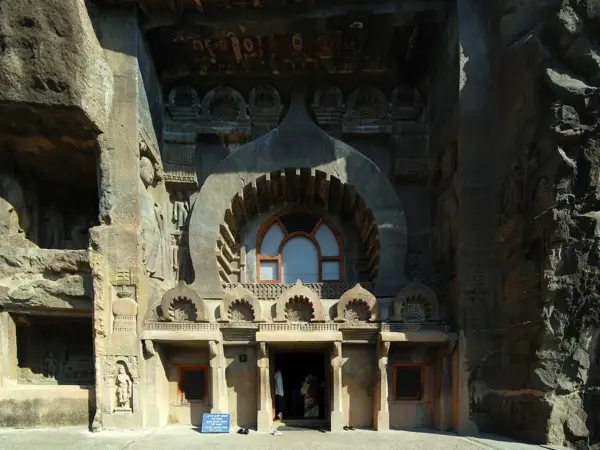
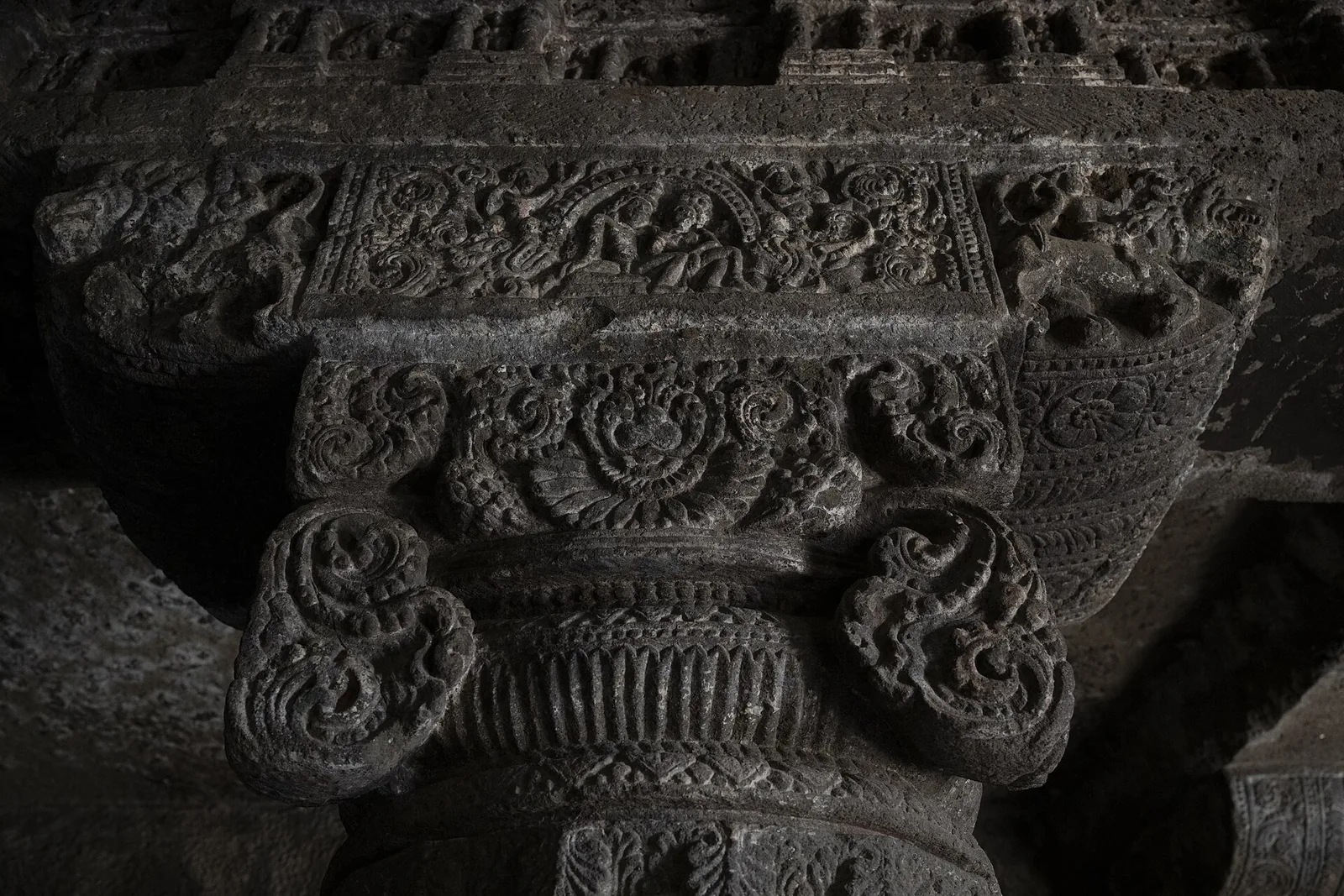
Thirty-four rock-cut monasteries and temples, Buddhist, Hindu and Jain, carved between about AD 600 and 1000 along a 2 km stretch of cliff. The highlight is the Kailasa temple (Cave 16), a whole temple cut downwards out of a single rock. Give it a full morning at least.
A horseshoe of Buddhist caves cut into a gorge above the Waghur river, with the finest surviving ancient paintings in India. Go early on a weekday and keep the whole day for it.
Commissioned in 1660 by Azam Shah for his mother, it was designed by Ataullah, son of the Taj Mahal’s chief architect, and is often called the Taj of the Deccan. Late afternoon light on the white dome is lovely.
Twelve Buddhist caves from the 6th and 7th centuries on the hill north of the city, with fine sculpture and wide views. They are rarely crowded.
The old Devagiri fortress on a steep hill, with moats, a dark tunnel passage and the tall Chand Minar. The climb to the top is long, so wear good shoes and carry water.
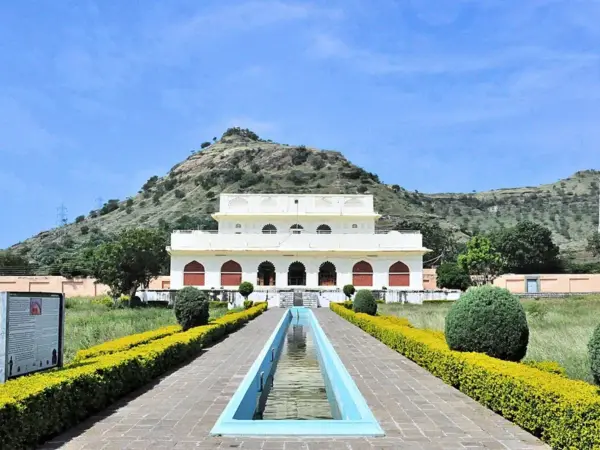
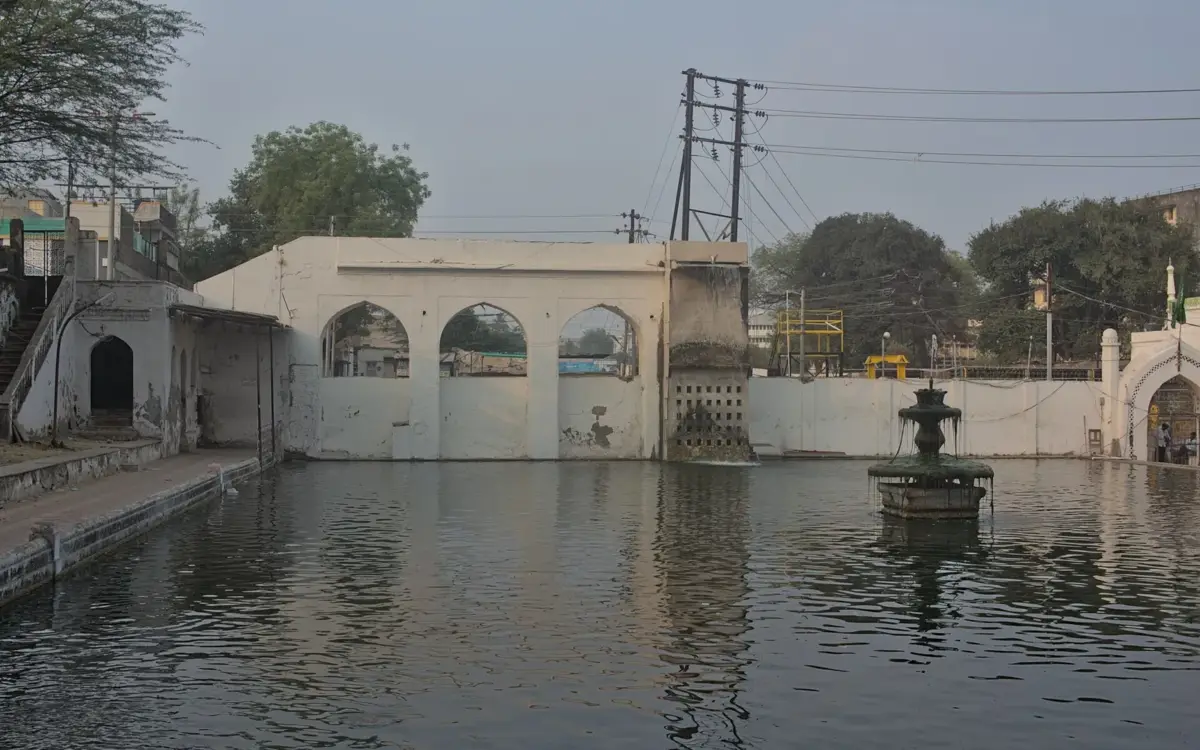
A 17th-century water mill beside the dargah of Baba Shah Musafir, fed by an underground channel from the hills. A short, pleasant stop in the old city.
A palace built in the 1650s by the Bundela chief Pahad Singh, now home to a state museum, near the university.
Grishneshwar temple, one of the twelve Jyotirlingas, is right next to Ellora. On the way, the town of Khuldabad has the simple open-air grave of Aurangzeb.
If time is short, we would do three things: a full morning at Ellora with time to walk around the Kailasa temple from above, a separate day for the paintings at Ajanta, and an evening at Bibi Ka Maqbara followed by naan qalia in the old city.
A large Mughal-era garden opposite Salim Ali Lake, now used for fruit research; a quiet place for a morning walk.
Known in Mughal times as Khiziri Talab and renamed after the ornithologist, it has a small bird sanctuary near Delhi Gate.
Several of Aurangabad’s old gates still stand, from Bhadkal Gate to Delhi Gate. Spotting them is a good way to see the old city.
About 50 km south, the old Satavahana capital is where Paithani silk saris take their name; it makes an easy half-day trip from the city.

A short first visit: Ellora and the city’s highlights.
The classic trip: Ellora, Ajanta and the city, at a comfortable pace.
A slower trip that adds Paithan and time to rest between the big sites.
Most visitors stay along or near Jalna Road and around the railway station. Jalna Road has the larger hotels and is handy for the airport; the station area and the central bus stand have budget and mid-range hotels, convenient if you arrive by train or bus. The old city is more atmospheric but has fewer places to stay. There is very little accommodation at the caves themselves, so it makes sense to base yourself in the city and day-trip. For Ajanta, starting early from the city works fine.
Aurangabad’s signature dish is naan qalia, a spiced mutton curry served with tandoori naan, best found in the old city. Mughlai biryani and kebabs are easy to find too. For vegetarians, look for Marathwada home-style food: jowar or bajra bhakri, pithla, thalipeeth, varan-bhaat and spicy shev bhaji, served at thali restaurants across the city. Street stalls do misal pav, poha and fresh jalebi in the mornings. Near the caves, stick to the canteens and dhabas close to the entrances and carry water and snacks.
Deepavali, on 8 November in 2026, is the big festival of the season, with busy markets and lights across the city. The Ellora-Ajanta festival of classical music and dance has been held in winter in some years, organised by the state tourism department; check MTDC announcements for current dates. Ganeshotsav and Navratri, in late summer and early autumn, are also celebrated widely.
Look for Himroo shawls and fabrics, a woven cotton-silk tradition from the Mughal period, and Paithani silk saris, made in Paithan and sold in the city. Small soapstone and stone carvings of cave sculptures are sold near the caves. Bargaining is normal at stalls, less so in fixed-price showrooms.
No permits are needed for Indian travellers. Ellora and Ajanta are run by the Archaeological Survey of India, and as of October 2026 tickets for Indian, SAARC and BIMSTEC citizens cost ₹40 at the counter or ₹35 online, with children under 15 free; other foreign visitors pay ₹600, or ₹550 online. Ajanta is open 9 am to 5 pm and closed on Mondays; Ellora is open sunrise to sunset and closed on Tuesdays. Bibi Ka Maqbara, the Aurangabad Caves and Daulatabad Fort have their own smaller ASI tickets. Flash photography is not allowed inside the painted caves.

Here is a rough idea of daily costs per person in October 2026. These are our estimates, not quotes, so check current rates when you book.
| Budget | Mid-range | Comfort | |
|---|---|---|---|
| Stay | ₹800 – ₹1,500 | ₹2,000 – ₹3,500 | ₹5,000 – ₹9,000 |
| Food | ₹300 – ₹500 | ₹600 – ₹1,000 | ₹1,200 – ₹2,500 |
| Local transport | ₹200 – ₹500 | ₹1,000 – ₹2,000 | ₹2,500 – ₹4,000 |
| Entry fees and guides | ₹50 – ₹150 | ₹200 – ₹800 | ₹1,000 – ₹2,000 |
| Total per day | ₹1,350 – ₹2,650 | ₹3,800 – ₹7,300 | ₹9,700 – ₹17,500 |
Transport costs are highest on cave days, when a car for the day is the biggest expense; sharing it brings the cost down a lot.
Dress modestly for temples, mosques and dargahs, and take your shoes off where asked; carry a scarf for covering your head at Muslim shrines. At the caves, do not touch the paintings or sculptures and keep your voice down in the prayer halls. Ask before photographing people.
Myth: You can see Ajanta and Ellora in one day. Fact: They are about 100 km apart, close on different days and each deserves most of a day.
Myth: Aurangabad is only a gateway to the caves. Fact: Bibi Ka Maqbara, the Aurangabad Caves, Daulatabad and Panchakki easily fill a day of their own.
Myth: It is too hot to visit. Fact: From November to February nights are cool and days are pleasant for walking.
Aurangabad is generally safe for visitors. At the big sites, buy tickets only at the ASI counter or online and ignore anyone offering special passes; if you want a guide, choose an approved guide at the entrance and agree the fee first. Monkeys at the caves and forts will grab food and bags. The steps and passages at Daulatabad and the paths at Ajanta can be steep and slippery, so take care with children and older travellers. Keep an eye on your phone and wallet in crowded markets. The national emergency number is 112.
Yes. The city was officially renamed Chhatrapati Sambhajinagar in 2023, and the railway station was renamed in 2025 (code CPSN). Both names are in everyday use.
Ellora is about 30 km north-west, roughly 45 minutes by road. Ajanta is about 100 km north-east, roughly two to two and a half hours each way.
We would not try. They are far apart, Ajanta is closed on Mondays and Ellora on Tuesdays, and each deserves most of a day.
As of October 2026, ₹40 at the counter or ₹35 online for Indian, SAARC and BIMSTEC citizens, and free for children under 15. Other foreign visitors pay ₹600, or ₹550 online.
October to March. November to February is the most comfortable; the monsoon from June to September is green but wet, and April and May are very hot.
By train (the Vande Bharat Express is the fastest), by road via the Samruddhi expressway in about four to six hours, or on a one-hour flight.
Three days is a good minimum: one for Ellora, Daulatabad and Khuldabad, one for Ajanta and one for the city’s own sights. Four or five days lets you add Paithan and slow down.
Yes, though the caves involve a lot of walking and steps, and Daulatabad is a steep climb. Start early, carry water and plan rest breaks for children and older travellers.
Naan qalia, Aurangabad’s best-known mutton dish, plus Mughlai biryani. Vegetarians should try a Marathwada thali with bhakri, pithla and thalipeeth.
It is generally safe. Use app cabs or a hotel-arranged car at night, dress modestly at religious sites and use the usual care in crowded places.
We researched background facts from the pages below (Wikimedia text is used under Creative Commons Attribution-ShareAlike) and checked them against official sources where we could. This guide is our own work; prices, visa rules and timings change, so verify before you travel.
Photos:
Been here recently? Share a tip (and a photo) in the comments below and tick “This is a travel tip”. Tips are reviewed before they appear — we never show your email.
Short, useful travel ideas and new guides. Straight to your inbox every Friday.
Message us with your dates and budget and we’ll reply with suggestions.
Chat on WhatsApp
1 comment