Skip to content

Own a stay, café or cab? List your place on BuzzyTrip — free starter listing after we review.

List your place

Maldives 2026–27: overwater villas, reefs & local islands

Free visa on arrival, IMUGA, green tax and real budgets for Indian travellers, from local-island guesthouses to overwater villas, night dives and whale sharks.

  • Beaches
  • Snorkel & dive
  • Couples
  • 3–7 days
  • Visa on arrival
7.4 Go-now score · Good time
Shared 1 time
Overwater villas and a palm-fringed beach at a resort in the Maldives
A reef fish over hard coral while snorkelling in the Maldives
Bathala Island ringed by white sand and a turquoise lagoon, Maldives
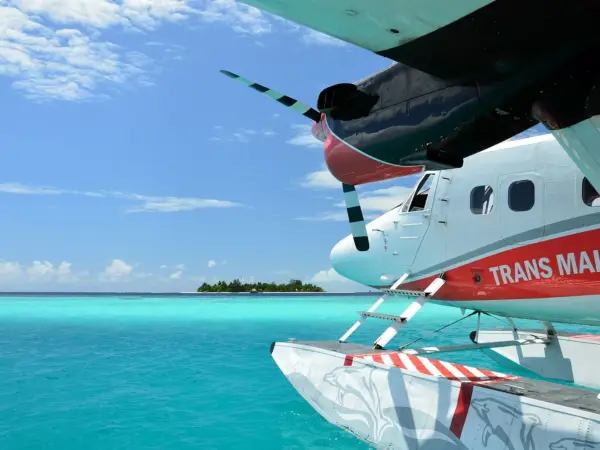
A seaplane moored off Bathala Island, Maldives

Why it’s buzzing

  • Free 30-day visa on arrival
  • Short flights from south India
  • Guesthouses on local islands keep costs down

Best for

  • Couples, families and snorkellers

Not ideal for

  • Sightseers and nightlife seekers
  • Travellers on a tight budget at resorts
  • Anyone who gets badly seasick
Best time Jan – AprDriest, calmest seas
Ideal trip length 3 – 7 daysOne or two islands
Budget sense (pp/day) ₹16,000 – ₹38,000Comfort level, per person (approx.)
Nearest airport Velana International (MLE)On Hulhulé, next to Malé
Local vibe Laid-back, conservativeDhivehi; English widely spoken
Best for Couples, familiesReefs and beaches

Highlights this trip is built around

Full list
A reef fish over hard coral while snorkelling in the Maldives

House-reef snorkelling

Reef fish straight off the beach

Maafushi, a local island with guesthouses in Kaafu Atoll, Maldives

Maafushi and local islands

Guesthouses and real island life

Malé, the densely built capital island of the Maldives, seen from the air

Malé

Old Friday Mosque and the fish market

A seaplane moored off Bathala Island, Maldives

Seaplane transfers

Daylight-only flights to outer atolls

See the mood before you plan

Read the full guide
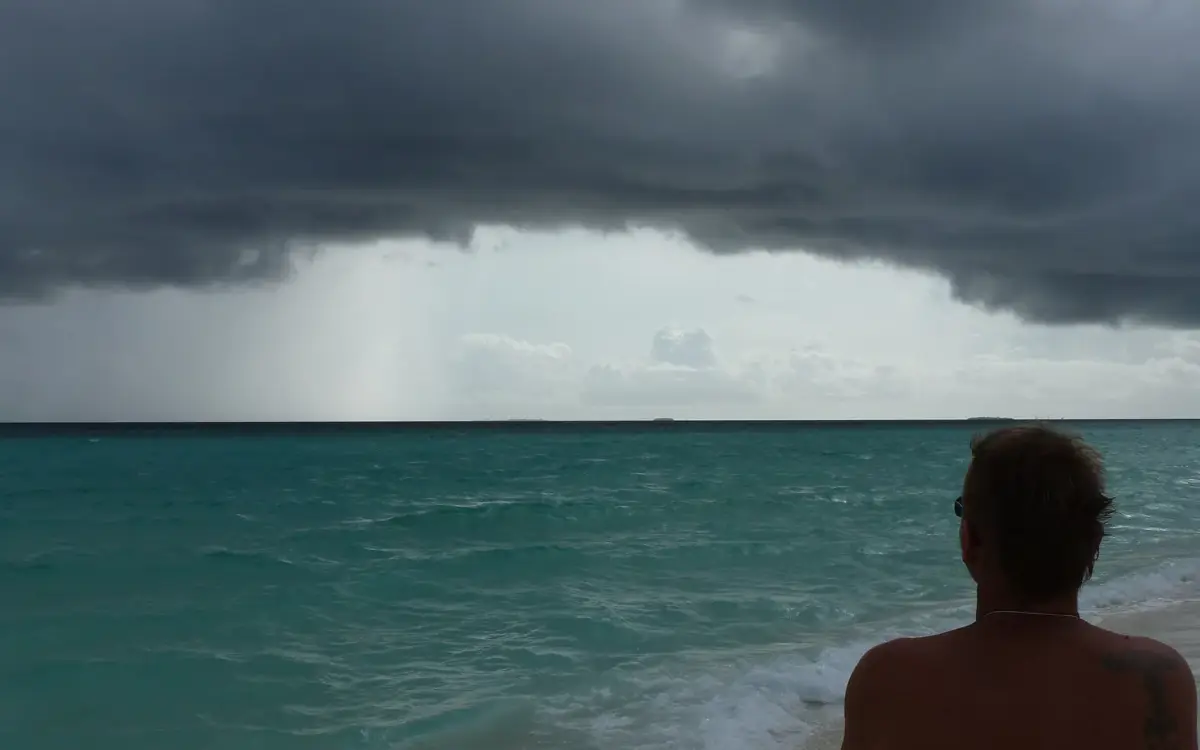
A man on a sandbank watching storm clouds over the sea, Maldives
Malé, the densely built capital island of the Maldives, seen from the air
Day 1

Day 1 – Arrive & transfer

  • IMUGA filed in advance
  • Boat or seaplane to your island
A seaplane moored off Bathala Island, Maldives
Day 2

Day 2 – Reef day

  • Snorkel trip
  • Sandbank or sunset cruise
A reef fish over hard coral while snorkelling in the Maldives
Day 3

Day 3 – Local island or Malé

  • Maafushi or Malé fish market
  • Mas huni and short eats
Maafushi, a local island with guesthouses in Kaafu Atoll, Maldives
Day 4 (Optional)

Day 4 – Fly home

  • Last swim
  • Leave time for the boat
Bathala Island ringed by white sand and a turquoise lagoon, Maldives
Maafushi, a local island with guesthouses in Kaafu Atoll, Maldives

Turn this guide into your own trip plan.

Pick what you love, skip what you don’t. Our free planner builds the days around your dates and budget.

Plan my personalised trip
  • Sources credited on every guide
  • Prices shown as dated ranges, not promises
  • Share or plan on WhatsApp

Practical information

Arrival options

  • Fly into Velana International (MLE)
  • Nonstop flights from several Indian cities
  • Boat, seaplane or domestic flight onward
View details

Road_routes

  • Airport → Malé: bridge or ferry
  • Malé → Maafushi: speedboat or ferry
  • Outer atolls: seaplane or domestic flight
View details

Best photo spots

View all spots
Bathala Island ringed by white sand and a turquoise lagoon, Maldives

Bathala Island

Sand ring and lagoon

A man on a sandbank watching storm clouds over the sea, Maldives

A sandbank at dusk

Big skies over the sea

Food you shouldn’t miss

View more food
Mas huni, a Maldivian breakfast of tuna, coconut and chilli, with roshi flatbread

Mas huni

Tuna, coconut and chilli with roshi

Garudhiya

Clear fish broth with rice

Fresh tuna at the Malé fish market, Maldives

Fresh tuna

From the Malé fish market

Hedhikaa

Afternoon short eats

Quick answers to common questions

All FAQs
Do Indians need a visa for the Maldives?No pre-arranged visa. Every nationality, including Indians, gets a free 30-day tourist visa on arrival if you meet the entry rules: a machine-readable passport, a confirmed return or onward ticket, a prepaid booking at a registered hotel, resort or guesthouse, and enough money for your stay.
What is the IMUGA traveller declaration?A free online form on the official IMUGA portal (imuga.immigration.gov.mv) that every traveller, children included, must submit within 96 hours before arrival. Don't pay any website that charges for it.
How long must my passport be valid?Maldives Immigration asks for at least one month's validity. Some airlines ask for more, so we'd travel with at least six months left to be safe.
What taxes will I pay?Foreign economy passengers pay a US$50 departure tax and a US$50 airport development fee, usually built into the air fare. Hotels add a green tax of US$12 per person per night at resorts (US$6 at small guesthouses on local islands), plus 17% tourism GST on most tourist services.
Can I drink alcohol in the Maldives?Only at resorts, some airport and city hotels with licences, and on liveaboard boats. Local islands are alcohol-free, and you can't bring alcohol into the country.

Plan my trip

Go-now score

Budget calculator

The full guide

Maldives 2026–27: Overwater Villas, Night Dives and Local Islands

Maldives at a glance

The Maldives is a chain of coral atolls south-west of India, about 1,200 islands in all, of which only about 200 are inhabited. Most visitors stay at a private-island resort, but since local islands were opened to guesthouses there’s a real budget way to visit too. It’s a short flight from south India, the visa is free on arrival, and the reefs are some of the best in the Indian Ocean. Come for water, sand and quiet; don’t come for sightseeing or nightlife.

Why go now

November is a shoulder month. The south-west monsoon is giving way to the drier north-east monsoon, so you may get showers and some choppy days, but the sea is warm and prices are often lower than in the peak months of late December to April. Christmas and New Year are the most expensive weeks of the year, so if you’re planning a winter trip, book early or travel in early December. Two Maldivian public holidays fall this month: Victory Day on 3 November and Republic Day on 11 November. Government offices close, but resorts carry on as normal.
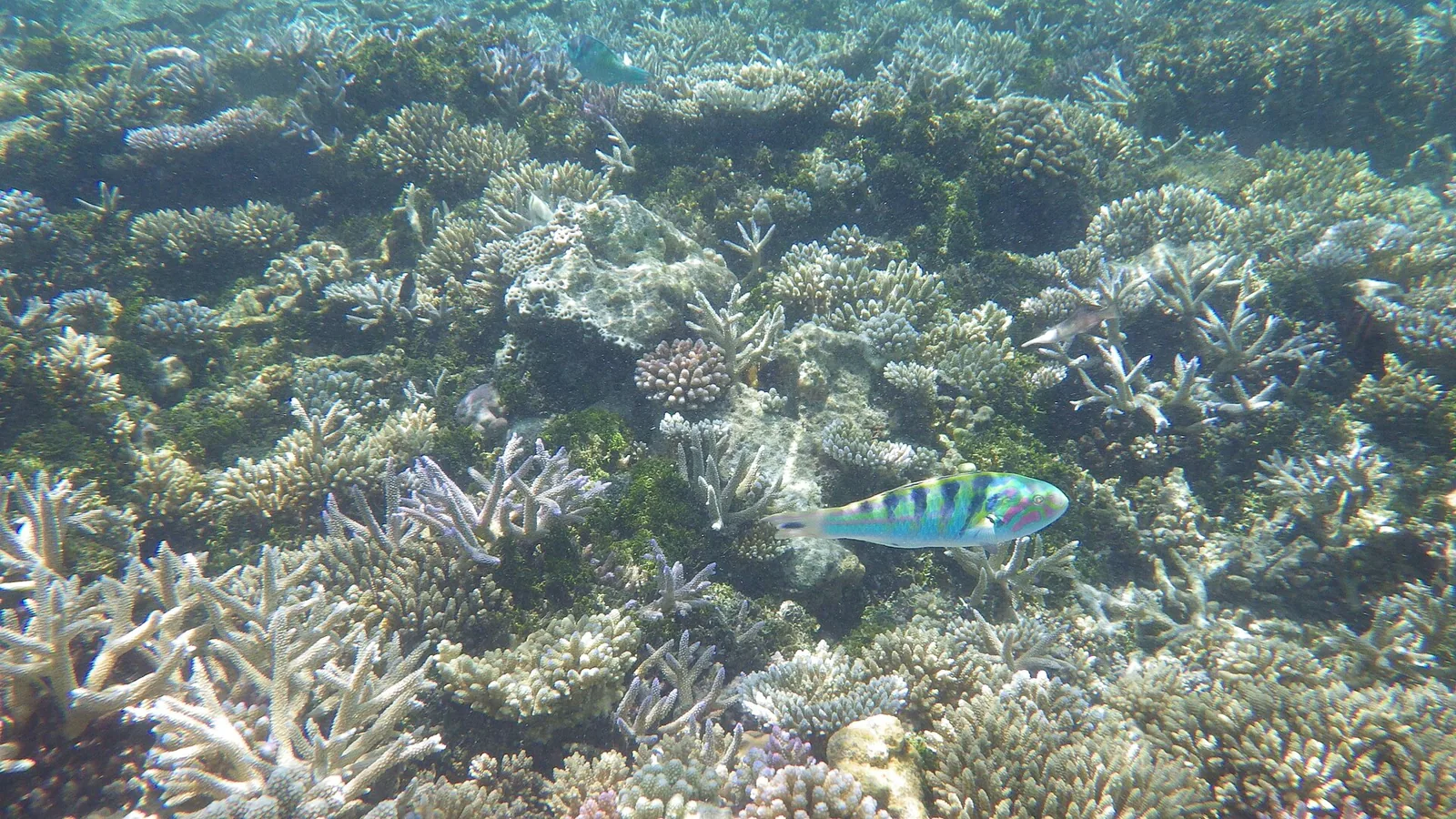
A reef fish over hard coral while snorkelling in the Maldives
Photo: Maldives (15413409602) by Laika ac from UK, CC BY-SA 2.0, via Wikimedia Commons

Visa and entry for Indian passports

  • Visa: a free 30-day tourist visa on arrival for every nationality, including Indians, with no pre-approval.
  • You need: a machine-readable passport with at least one month’s validity (we’d carry six months, as airlines may ask), a confirmed return or onward ticket, a prepaid booking at a registered resort, hotel or guesthouse, and enough money for the stay.
  • IMUGA declaration: submit the free Traveller Declaration at imuga.immigration.gov.mv within 96 hours before arrival, separately for every traveller, including children.
  • Final word: immigration officers decide entry at the airport, so keep printouts handy.

Money and taxes

The currency is the Maldivian rufiyaa (MVR). On 31 October 2026 one rufiyaa was about ₹6.2, but resorts and most guesthouses price in US dollars, so carry a card and some dollars. Indian rupees aren’t generally accepted. Expect three add-ons: a green tax of US$12 per person per night at resorts, hotels and liveaboards, or US$6 at guesthouses on inhabited islands with 50 or fewer rooms (children under two are exempt); 17% tourism GST on most tourist services; and the US$50 departure tax plus US$50 airport development fee for economy passengers, which airlines usually include in your fare.

History and culture

The Maldives converted to Islam in the 12th century, and Islam remains the state religion. Malé’s Old Friday Mosque (Hukuru Miskiy), finished in 1658, is built from carved coral stone and is the country’s finest old building. In the 16th century the Portuguese briefly held Malé until a revolt led by Mohamed Thakurufaanu drove them out. The islands later became a British protectorate, gained independence on 26 July 1965 and became a republic on 11 November 1968. India has close ties here: in 1988 Indian forces helped put down a coup attempt, which Maldivians remember on Victory Day. Daily life follows Islamic customs, so Friday midday prayers matter, and during Ramadan (around February and March 2027) eating in public on local islands is frowned upon.

Top things to do

Snorkel a house reef

Many resorts and some guesthouses have a reef you can swim to from the beach. Ask before you book how far the reef edge is and whether there are currents.

Night snorkel or night dive

Dive centres run night dives for certified divers, and some resorts run guided night snorkels in their lagoons. Go only with a licensed operator, and remember the usual rule of a gap (often 18 hours after repeat dives) before you fly.

Whale sharks in South Ari

The South Ari Marine Protected Area is famous for year-round whale shark sightings. Trips run from local islands such as Dhigurah and Dhangethi and from Ari resorts. Keep your distance and never touch them.

Manta rays at Hanifaru Bay, Baa Atoll

Baa Atoll is a UNESCO biosphere reserve. Hanifaru Bay is managed by rangers and is snorkel-only, with diving banned there. The manta season runs roughly May to November, so by late November it’s winding down. You need to go with a permitted operator.

Walk around Malé

The capital is crowded, busy and real. See the Old Friday Mosque from outside (visits need permission), the fish market, Sultan Park and the National Museum. Then cross the Sinamalé Bridge or take a ferry to Hulhumalé’s long beach.

Sandbanks and dolphin cruises

Most guesthouses and resorts run half-day sandbank picnics and sunset dolphin trips by dhoni, the traditional Maldivian boat.

Maafushi, a local island with guesthouses in Kaafu Atoll, Maldives
Photo: Maafushi island by Nattu from Male', Maldives, CC BY 2.0, via Wikimedia Commons

Lesser-known corners worth your time

  • Fulidhoo (Vaavu Atoll): a tiny, quiet local island with a few guesthouses, reachable by public ferry from Malé.
  • Thulusdhoo (Kaafu Atoll): a surf island with a famous break (Cokes) for experienced surfers.
  • Thoddoo (Alif Alif): a farming island known for its watermelons and papayas, with a guesthouse scene.
  • Utheemu (Haa Alif): the birthplace of Mohamed Thakurufaanu, whose wooden family palace, Utheemu Ganduvaru, still stands. It’s far north, so you’ll need a domestic flight.
  • Vaadhoo (Raa Atoll): known for photos of glowing bioluminescent plankton on the shore. Sightings are luck-dependent, so don’t plan a trip around them.

Where to eat and what to order

Maldivian food is built on tuna, coconut, rice and chilli. Try mas huni (shredded tuna with grated coconut, onion and chilli, eaten with roshi flatbread for breakfast), garudhiya (a clear fish broth served with rice, lime and chilli), and hedhikaa, the short eats such as fish cutlets and bajiya sold in local cafés in the afternoon. Malé’s small cafés are the cheapest way to try them. Note that most Maldivian dishes contain fish, including mas huni.

Finding Indian and vegetarian food

Resorts are used to Indian guests, and most can do dal, rice, roti and vegetarian curries on request. Tell them when you book if you’re vegetarian or Jain, and remind them on arrival. On local islands, choice is much smaller, as fish is in almost everything. Ask your guesthouse in advance. Malé and Hulhumalé have a few Indian restaurants. You may carry sealed packaged vegetarian food, but pork products and alcohol aren’t allowed into the country.

Mas huni, a Maldivian breakfast of tuna, coconut and chilli, with roshi flatbread
Photo: Mas huni-roshi087 by Xavier Romero-Frias, CC BY-SA 3.0, via Wikimedia Commons

Local festivals and events

  • Victory Day (3 November): marks the defeat of the 1988 coup attempt.
  • Republic Day (11 November): marks the second republic, declared in 1968.
  • Independence Day (26 July): parades and celebrations in Malé.
  • Ramadan and Eid (around February–March 2027): local islands are quieter by day during Ramadan, then celebrate at Eid. Resorts run as normal.

Thinking of a holiday-season trip? Read our Christmas week 2026 and New Year 2026–27 trip ideas, and book early.

What to shop and where

There’s little to buy. Malé’s local market sells snacks, dried fish and some crafts, and the resort shops sell clothing and souvenirs at resort prices. Don’t buy anything made from turtle shell or black coral; it’s illegal to export, and customs will take it.

Best time to visit

The Maldives is warm all year, with daytime highs around 30°C. The drier north-east monsoon (Iruvai) runs roughly December to April. January to April is the driest and busiest period, with the calmest seas. The wetter south-west monsoon (Hulhangu) runs roughly May to November, with more rain, wind and choppy crossings, but lower prices and the Hanifaru manta season. November and December are transitional months: expect a mix of sunny days and showers, and check the forecast before booking boat trips.

How to reach the Maldives

Velana International Airport is on Hulhulé island, next to Malé. There are nonstop flights from several Indian cities, including Bengaluru, Kochi, Mumbai and Delhi. Check current schedules, as routes change from season to season. Flights from Kochi and Bengaluru take well under two hours, and from Delhi it’s a longer, roughly four-hour flight. From the airport, you reach your island by boat, seaplane or domestic flight, depending on where you’re staying.

Getting around

  • Speedboats: for resorts and local islands near Malé, booked through your stay; shared speedboats link Malé with popular local islands.
  • Public ferries: the cheapest way to reach local islands, but slow, with limited schedules and no service on most Fridays.
  • Seaplanes: scenic transfers to outer-atoll resorts, flying in daylight only. If you land after dark, you’ll spend the night near the airport.
  • Domestic flights: link Malé with airports in far atolls, usually followed by a short boat ride.

Where to stay

Local islands such as Maafushi, Gulhi, Fulidhoo, Thulusdhoo, Ukulhas and Dhigurah have guesthouses for budget travellers. You get real island life, but no alcohol and a dress code outside the bikini beach. Resorts each occupy a private island, from simple three-star places to very expensive overwater villas, and the price of the transfer matters as much as the room. Hulhumalé is a practical overnight stop near the airport before or after a seaplane or a late flight. Liveaboards suit serious divers. If you want lagoons with even fewer resorts, French Polynesia’s Huahine and Raiatea are quieter still, though the flights from India are far longer.
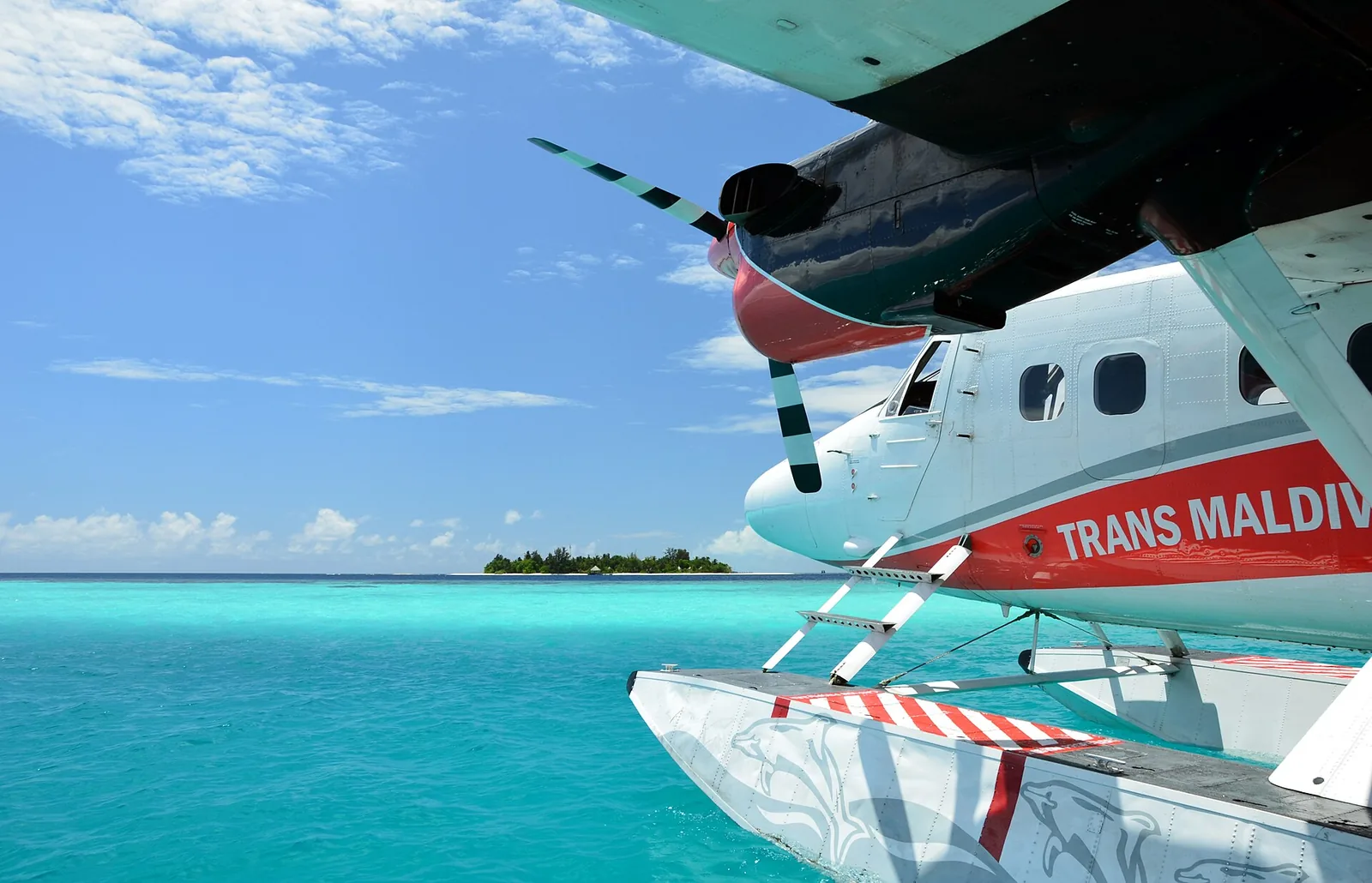
A seaplane moored off Bathala Island, Maldives
Photo: Floatplane at Bathala (Maldives) by Gzzz, CC BY-SA 4.0, via Wikimedia Commons

Maldives itineraries: pick your trip

3 days

A long weekend on one island near Malé. Don’t try to move around in three days.

Day 1: Arrive

  • Morning: Land at Velana airport (Hulhulé) and take your resort’s or guesthouse’s boat transfer.
  • Afternoon: Settle in and snorkel the house reef or lagoon.
  • Evening: Sunset on the beach.
  • Est. cost: ₹5,000–40,000 per person (approx.)

Day 2: On the water

  • Morning: Boat snorkelling trip to a nearby reef.
  • Afternoon: Rest in the shade through the hottest hours.
  • Evening: Sandbank or sunset cruise if offered.
  • Est. cost: ₹5,000–30,000 per person (approx.)

Day 3: Fly home

  • Morning: A last swim.
  • Afternoon: Transfer back to the airport, leaving plenty of time for the boat.
  • Evening: Flight home.
  • Est. cost: ₹3,000–25,000 per person (approx.)
5 days

Two local islands, or a local island plus two nights at a resort.

Day 1: Arrive in Hulhumalé or Malé

  • Morning: Land and transfer to Hulhumalé or Malé, handy if you arrive late.
  • Afternoon: Walk Malé: Old Friday Mosque (from outside), the fish market and the National Museum.
  • Evening: Hulhumalé beach at dusk.
  • Est. cost: ₹4,000–10,000 per person (approx.)

Day 2: To a local island

  • Morning: Ferry or speedboat to Maafushi, Gulhi or Fulidhoo.
  • Afternoon: Check in and swim at the island’s designated bikini beach.
  • Evening: Simple dinner at your guesthouse.
  • Est. cost: ₹4,000–9,000 per person (approx.)

Day 3: Reef day

  • Morning: Half-day snorkelling trip with your guesthouse.
  • Afternoon: Sandbank picnic.
  • Evening: Night snorkel if your guesthouse runs one.
  • Est. cost: ₹5,000–10,000 per person (approx.)

Day 4: Resort night or second island

  • Morning: Move to a resort for a night, or to a second local island.
  • Afternoon: Lagoon time.
  • Evening: Sunset.
  • Est. cost: ₹8,000–40,000 per person (approx.)

Day 5: Fly home

  • Morning: Last swim.
  • Afternoon: Transfer to the airport.
  • Evening: Flight home.
  • Est. cost: ₹3,000–15,000 per person (approx.)
7 days

South Ari for whale sharks, then a quieter island. Dive days need a gap before flying.

Day 1: Arrive

  • Morning: Land in Malé.
  • Afternoon: Overnight in Hulhumalé.
  • Evening: Beach walk.
  • Est. cost: ₹4,000–10,000 per person (approx.)

Day 2: To South Ari

  • Morning: Speedboat or domestic flight to Dhigurah or Dhangethi in South Ari Atoll.
  • Afternoon: Settle in.
  • Evening: Sunset on the long sandbank.
  • Est. cost: ₹5,000–12,000 per person (approx.)

Day 3: Whale shark trip

  • Morning: Guided boat trip in the South Ari Marine Protected Area to look for whale sharks (sightings aren’t guaranteed).
  • Afternoon: Reef snorkel.
  • Evening: Rest.
  • Est. cost: ₹6,000–12,000 per person (approx.)

Day 4: Dive or snorkel

  • Morning: Two-dive trip if you’re certified, or snorkelling if not.
  • Afternoon: Lunch and rest.
  • Evening: Night dive with the dive centre, for certified divers only.
  • Est. cost: ₹7,000–15,000 per person (approx.)

Day 5: Slow day

  • Morning: Lazy beach morning.
  • Afternoon: Island walk; dress modestly away from the bikini beach.
  • Evening: Dinner at your guesthouse.
  • Est. cost: ₹4,000–8,000 per person (approx.)

Day 6: Back towards Malé

  • Morning: Transfer back towards Malé (no diving now, so you have a full day before flying).
  • Afternoon: Malé fish market and Old Friday Mosque.
  • Evening: Hulhumalé.
  • Est. cost: ₹4,000–10,000 per person (approx.)

Day 7: Fly home

  • Morning: Breakfast.
  • Afternoon: Airport.
  • Evening: Flight home.
  • Est. cost: ₹2,000–5,000 per person (approx.)
Family with kids

One resort with a shallow lagoon and a kids’ club, and no island-hopping.

Day 1: Arrive

  • Morning: Speedboat transfer (shorter and cheaper than a seaplane) to a resort near Malé.
  • Afternoon: Lagoon play in the shallows.
  • Evening: Early dinner.
  • Est. cost: ₹15,000–50,000 per person (approx.)

Day 2: Easy snorkel

  • Morning: Kids’ snorkel lesson in the lagoon.
  • Afternoon: Kids’ club or a nap through the midday heat.
  • Evening: Sunset beach time.
  • Est. cost: ₹10,000–40,000 per person (approx.)

Day 3: Home

  • Morning: Last swim.
  • Afternoon: Speedboat to the airport.
  • Evening: Flight home.
  • Est. cost: ₹8,000–30,000 per person (approx.)
Couples

Overwater villa nights with time on the reef.

Day 1: Seaplane in

  • Morning: Daytime seaplane to an outer-atoll resort (seaplanes don’t fly after dark).
  • Afternoon: Check in to an overwater villa.
  • Evening: Sunset dinner.
  • Est. cost: ₹40,000–1,20,000 per person (approx.)

Day 2: Reef and sandbank

  • Morning: Guided snorkel.
  • Afternoon: Private sandbank picnic if the resort offers it.
  • Evening: Night snorkel or a dolphin cruise.
  • Est. cost: ₹30,000–1,00,000 per person (approx.)

Day 3: Fly out

  • Morning: Breakfast in the villa.
  • Afternoon: Seaplane back to Malé.
  • Evening: Flight home.
  • Est. cost: ₹25,000–80,000 per person (approx.)
Budget backpacker

Local islands, guesthouses and public ferries.

Day 1: Malé to Maafushi

  • Morning: Public ferry from Malé (cheapest, slow, no service on most Fridays) or a shared speedboat.
  • Afternoon: Guesthouse check-in and bikini beach.
  • Evening: Street-side short eats (hedhikaa).
  • Est. cost: ₹3,000–6,000 per person (approx.)

Day 2: Shared snorkel trip

  • Morning: Join a shared snorkelling trip run by guesthouses.
  • Afternoon: Rest.
  • Evening: Sunset on the jetty.
  • Est. cost: ₹4,000–7,000 per person (approx.)

Day 3: Back to Malé

  • Morning: Ferry or speedboat back.
  • Afternoon: Walk Malé.
  • Evening: Flight home.
  • Est. cost: ₹2,500–5,000 per person (approx.)
Luxury

One high-end resort, private transfers and a spa day.

Day 1: Arrive

  • Morning: Resort meet-and-greet at Velana airport and seaplane or private speedboat.
  • Afternoon: Overwater villa.
  • Evening: Dinner at the resort’s signature restaurant.
  • Est. cost: ₹80,000–2,50,000 per person (approx.)

Day 2: Resort day

  • Morning: Private guided snorkel or dive.
  • Afternoon: Spa.
  • Evening: Sunset cruise.
  • Est. cost: ₹60,000–2,00,000 per person (approx.)

Day 3: Depart

  • Morning: Late breakfast.
  • Afternoon: Transfer to the airport.
  • Evening: Flight home.
  • Est. cost: ₹40,000–1,50,000 per person (approx.)

Budget breakdown

The Maldives can cost a few thousand rupees a day on a local island, or lakhs at a top resort. Model your own trip with our budget calculator.

Budget Comfort Luxury
Stay ₹2,500–₹5,000 ₹8,000–₹18,000 ₹30,000–₹80,000
Food ₹1,200–₹2,500 ₹3,000–₹6,000 ₹8,000–₹15,000
Local transport ₹500–₹2,500 ₹2,000–₹6,000 ₹8,000–₹20,000
Activities & entry fees ₹1,500–₹4,000 ₹3,000–₹8,000 ₹5,000–₹15,000
Total per day ₹5,700–₹14,000 ₹16,000–₹38,000 ₹51,000–₹130,000
BuzzyTrip estimates per person per day for winter 2026–27, two people sharing. Budget means a guesthouse on a local island with ferries or shared speedboats; comfort means a smaller resort or a good guesthouse; luxury means a high-end resort, with the seaplane or domestic flight spread across the stay. Flights from India and the green tax (US$6 per person per night at small guesthouses, US$12 at resorts) are not included.

Packing list

  • Reef-safe sunscreen, a hat and a rash guard.
  • Modest clothes for local islands and Malé (shoulders and knees covered).
  • Your own mask if you snorkel a lot, and a dry bag for boat trips.
  • Seasickness tablets for speedboats.
  • Printouts of your booking, return ticket and IMUGA declaration.

What to avoid: scams and safety

The biggest risks are the sea and the sun. Currents in channels can be strong, so snorkel with a guide or where your resort says it’s safe, and never alone. Dehydration and sunburn catch out a lot of visitors. Only use the official IMUGA portal, as copycat sites charge for the free form. Check exactly what a transfer price includes, since seaplane transfers are often a big extra on top of the room rate. Don’t touch coral or wildlife. In an emergency, Maldives Police can be reached on 119 and ambulance on 102.

Do’s and don’ts

  • Do wear swimwear only at resorts and designated bikini beaches on local islands.
  • Do keep sealed bags of rubbish to take back; small islands struggle with waste.
  • Don’t bring alcohol, pork products or religious material for others into the country.
  • Don’t take coral, shells or sand home.

Local etiquette

On local islands and in Malé, cover your shoulders and knees, and avoid public displays of affection. Ask before photographing people. Many shops close briefly for prayers. Tipping isn’t compulsory, but many resorts add a service charge, and a tip for good staff is appreciated.

Myths vs facts

  • Myth: the Maldives is only for honeymooners with big budgets. Fact: local-island guesthouses make it affordable.
  • Myth: you need a visa in advance. Fact: it’s free on arrival, but you must file the IMUGA declaration.
  • Myth: it’s sunny every day. Fact: there’s a real wet season, and November can be showery.

Going over Christmas or New Year? Our December trips outside India guide compares the Maldives with Mauritius, Thailand and the Philippines that month, with weather normals and entry rules.

Comparing honeymoon options for December? Our December honeymoon guide for India sets Goa, Kerala and the Andamans against the Maldives, with weather and entry rules.

Frequently asked questions

Do Indians need a visa for the Maldives?

No pre-arranged visa. Every nationality, including Indians, gets a free 30-day tourist visa on arrival if you meet the entry rules: a machine-readable passport, a confirmed return or onward ticket, a prepaid booking at a registered hotel, resort or guesthouse, and enough money for your stay.

What is the IMUGA traveller declaration?

A free online form on the official IMUGA portal (imuga.immigration.gov.mv) that every traveller, children included, must submit within 96 hours before arrival. Don’t pay any website that charges for it.

How long must my passport be valid?

Maldives Immigration asks for at least one month’s validity. Some airlines ask for more, so we’d travel with at least six months left to be safe.

What taxes will I pay?

Foreign economy passengers pay a US$50 departure tax and a US$50 airport development fee, usually built into the air fare. Hotels add a green tax of US$12 per person per night at resorts (US$6 at small guesthouses on local islands), plus 17% tourism GST on most tourist services.

Can I drink alcohol in the Maldives?

Only at resorts, some airport and city hotels with licences, and on liveaboard boats. Local islands are alcohol-free, and you can’t bring alcohol into the country.

Is a local island trip cheaper than a resort?

Usually much cheaper. Guesthouses on islands such as Maafushi, Gulhi, Fulidhoo, Thulusdhoo or Dhigurah cost a fraction of a resort. The trade-off is modest dress outside designated bikini beaches and no alcohol.

Is November a good time to visit?

November is a shoulder month as the wetter south-west monsoon gives way to the drier north-east monsoon. Expect some showers and warm seas. The driest, busiest months are roughly January to April.

Can I pay in rupees?

Not generally. The currency is the Maldivian rufiyaa (MVR), and US dollars are widely accepted at resorts and guesthouses. Carry a card and some dollars.


Sources and credits

We checked prices, permits, visas and routes against the official pages below in October 2026. Background facts also come from the Wikimedia pages listed, used under Creative Commons Attribution-ShareAlike. This guide is an original work written and edited for BuzzyTrip; fees, visa rules and timetables change, so verify before you travel.

Official and primary sources:

Background reading:

Photos:

Shared 1 time

Local tips

Been here recently? Share a tip (and a photo) in the comments below and tick “This is a travel tip”. Tips are reviewed before they appear — we never show your email.

7 comments

    Share a tip or ask a question

    Your email address will not be published. Required fields are marked *

    Tips are reviewed before they appear. Please don’t share personal contact details.

    Photo credits for this page

    The BuzzyTrip Weekend Drop

    Short, useful travel ideas and new guides. Straight to your inbox every Friday.

    No spam. Unsubscribe anytime.

    Plan your Maldives trip on WhatsApp

    Message us with your dates and budget and we’ll reply with suggestions.

    Chat on WhatsApp