Maharashtra November guide:coast, forts & festive flavours
Maharashtra for November 2026, fact-checked: Mumbai and Elephanta, Sahyadri forts, Ajanta and Ellora, Konkan sea forts and beaches, with correct closing days, festival months and realistic budgets.
Is November a good time to visit Maharashtra?Yes. The monsoon has ended, waterfalls and hills are still green after the rains, and the Konkan sea is calm enough for ferries and boat rides to the sea forts. Mumbai is still warm (often in the low-to-mid 30s °C by day), while Pune and the hill towns have cool nights.Do Indian travellers need any permit for Maharashtra?No. There is no Inner Line Permit. Carry photo ID for hotels, flights and trains. Tiger reserves such as Tadoba need an online safari booking on the official forest department site, and ASI monuments such as Ajanta, Ellora and Elephanta charge entry fees (cheaper if paid online).Which days are the big cave sites closed?Elephanta and Ajanta are closed on Mondays, and Ellora is closed on Tuesdays, according to their official listings. Always recheck before you go, because holiday rules can change.How do we get from Mumbai to Alibag?By sea, ferries and the Ro-Ro service run from the Gateway of India and Ferry Wharf to Mandwa, about 20 km from Alibag. By road, the Atal Setu sea bridge (opened 2024) shortens the drive.When is Ganesh Chaturthi?Ganesh Chaturthi falls in August or September, not November. In November, the main festival is Diwali, which fell on 8 November in 2026.
Plan my trip
Go-now score
Budget calculator
The full guide
Maharashtra in November: Coast, Forts and Festive Flavours
By BuzzyTrip · Updated November 27, 2026
Maharashtra at a glance
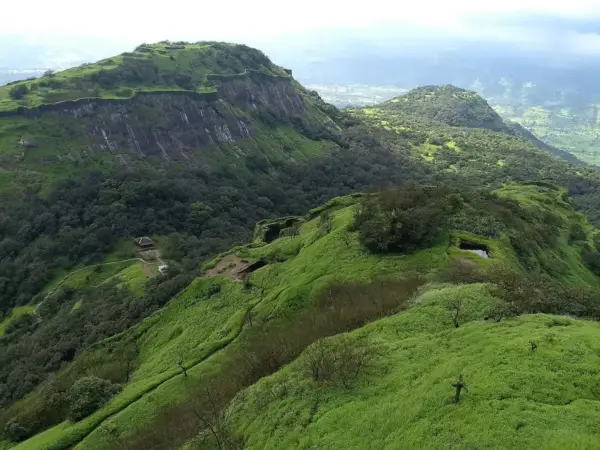
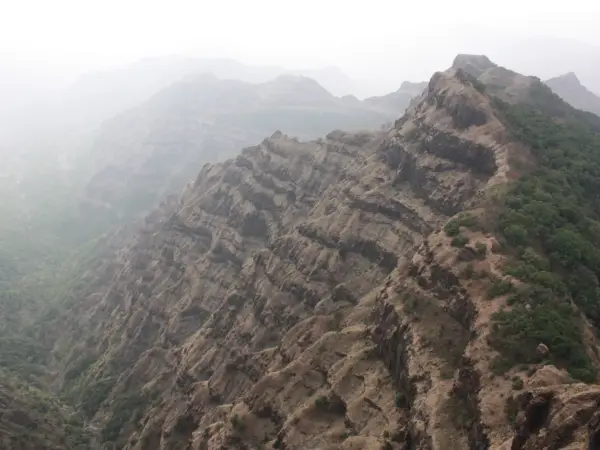
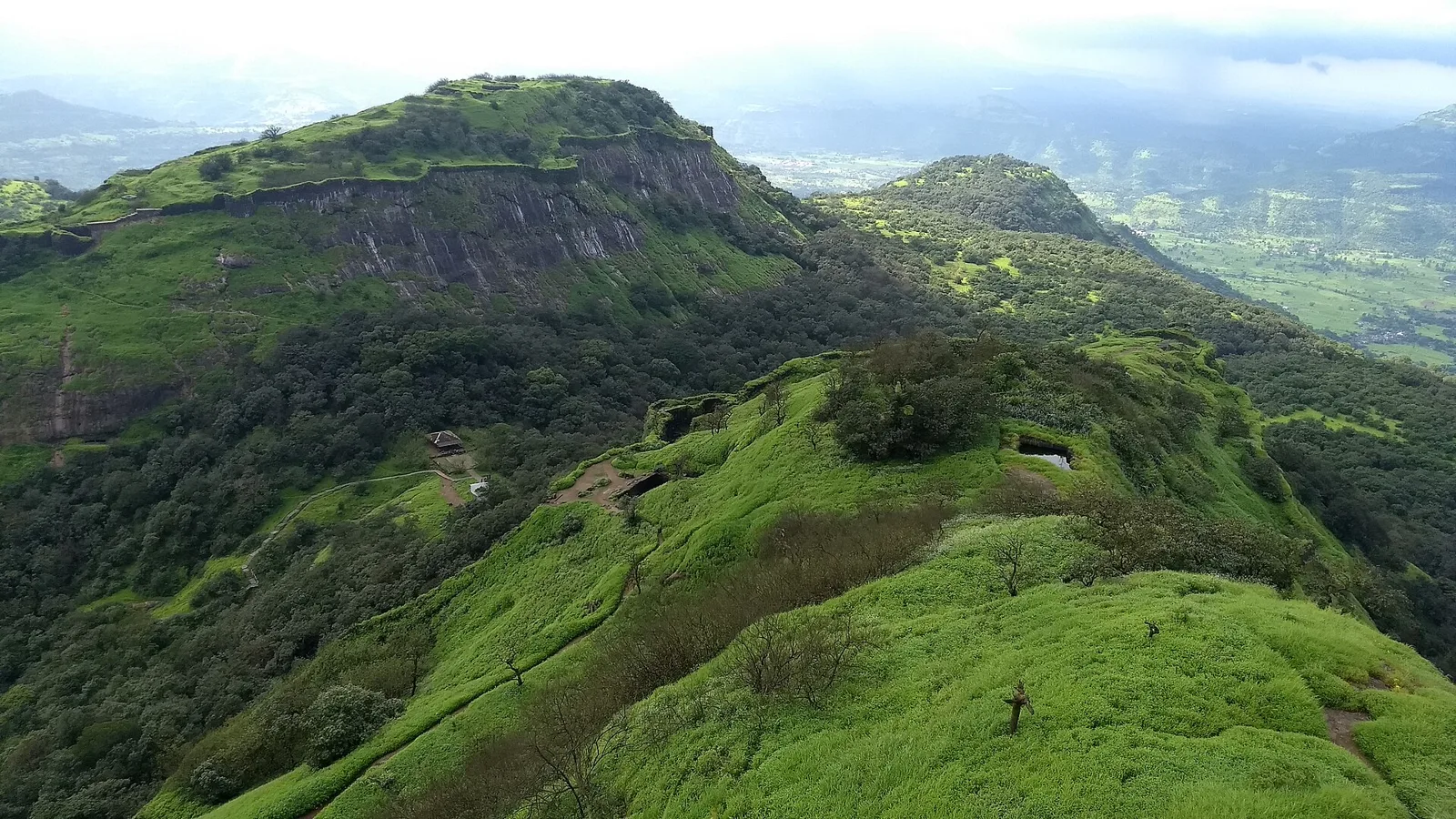
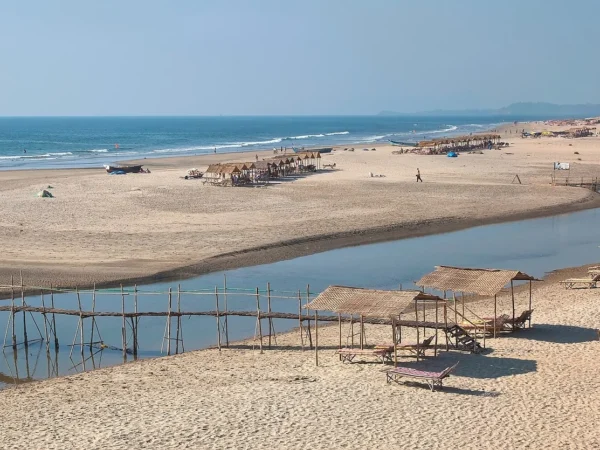
Maharashtra packs a lot into one state: the city energy of Mumbai, the rock-cut caves at Ajanta, Ellora, Karla and Elephanta, the Sahyadri hill forts of Shivaji’s Maratha kingdom, and roughly 720 km of Konkan coastline with sea forts and quiet beaches. In November, after the monsoon, the hills are still green and the sea has calmed down, so it is a good month to combine a city, a fort and a beach in one trip. We would plan around one region at a time rather than trying to cover the whole state. For the caves on a short break, see our Mumbai to Aurangabad weekend plan.
The south-west monsoon usually withdraws from Maharashtra in October. By November, ferries and boat services to the sea forts are running again, trekking trails have dried out, and the land is still green after the rains. Mumbai stays warm and fairly humid, often in the low-to-mid 30s °C by day. Pune, Mahabaleshwar and the Sahyadri forts have noticeably cooler nights, so pack a light layer. Diwali fell on 8 November in 2026, so expect busy roads and higher hotel rates around that weekend. Ganesh Chaturthi is in August or September, not November.
History and culture
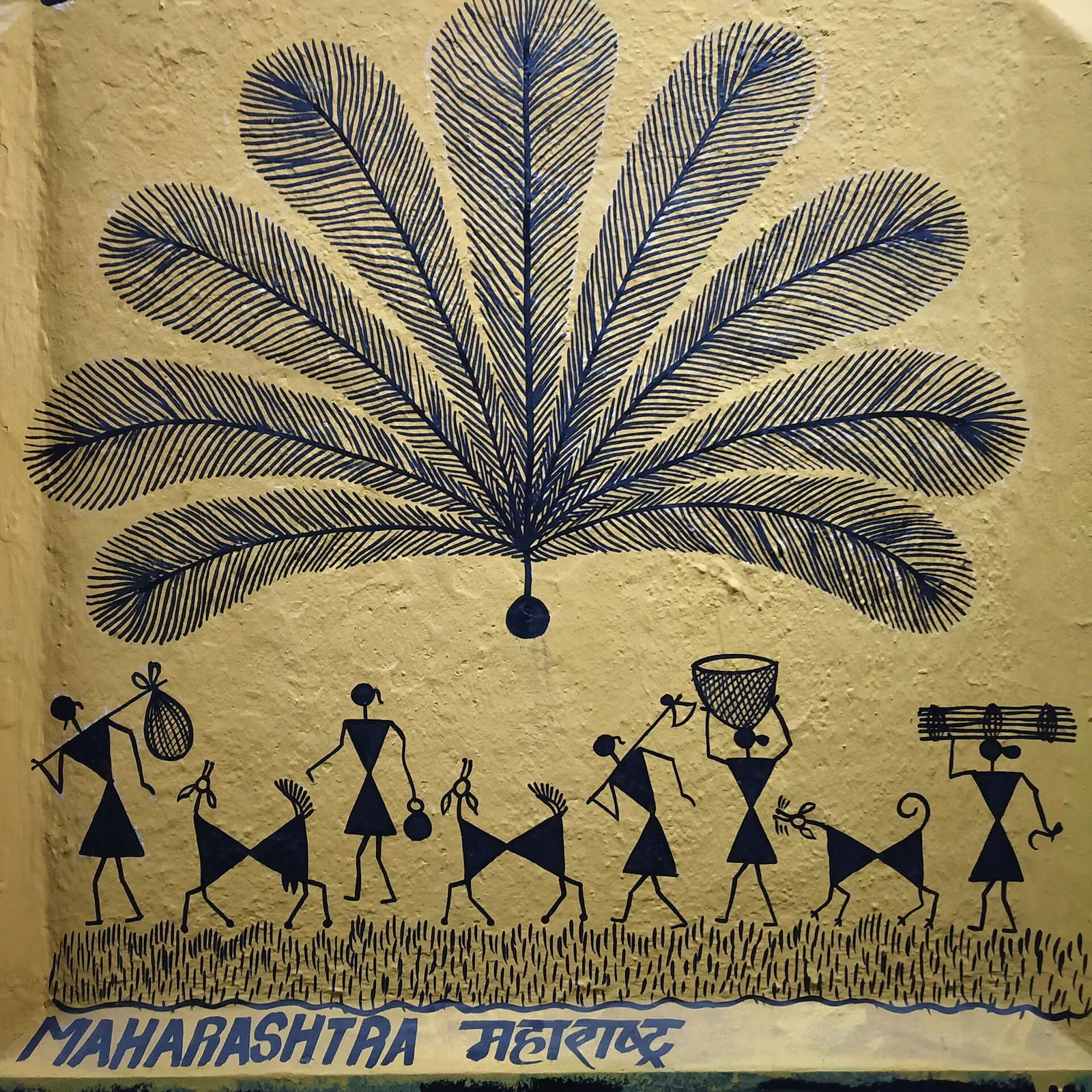
The Satavahanas ruled the Deccan around the start of the Common Era, and Buddhist monks cut the early caves at Karla, Bhaja and Ajanta. Later dynasties added the Hindu, Buddhist and Jain caves at Ellora, including the Kailasa temple, carved from a single rock under the Rashtrakutas in the 8th century. In the 17th century Chhatrapati Shivaji Maharaj built the Maratha state from hill forts such as Rajgad and Raigad, where he was crowned in 1674. The Peshwas later ruled from Pune’s Shaniwar Wada. The British made Bombay their western base. The modern state of Maharashtra was formed on 1 May 1960, a date still marked as Maharashtra Day. Today you can see the culture in Warli tribal painting, lavani and tamasha folk theatre, the Pandharpur wari pilgrimage and Mumbai’s Ganeshotsav.
Best time to visit
October to February is the most comfortable season for most of the state. Days are dry, nights are cooler inland, and the sea is calm. March to May is hot, especially in Vidarbha and Marathwada, where Nagpur often tops 40 °C. The monsoon (June to September) brings very heavy rain to the Konkan and the Western Ghats. That is lovely for waterfalls but hard on travel: many ferries and sea-fort boats stop running. November is a sweet spot between the two, with green hills and calm water.
Indian travellers need no permit for Maharashtra; carry photo ID for hotels, flights and trains. ASI monuments such as Elephanta, Ajanta and Ellora are ticketed (online tickets are usually cheaper than cash at the counter). Elephanta and Ajanta are closed on Mondays and Ellora on Tuesdays. Tiger safaris at Tadoba must be booked on the official forest department portal; core gates close on Tuesdays.
How to reach Maharashtra
Distances to Mumbai from other major cities
From
Road distance (approx.)
Driving time (approx.)
Best way
Delhi
~1,400 km
~22–26 h
Fly (~2–2.5 h) or Rajdhani train
Bengaluru
~980 km (NH48 via Pune)
~16–18 h
Fly (~1.5–2 h)
Hyderabad
~710 km
~12–13 h
Fly or overnight train
Ahmedabad
~525 km (NH48)
~9–10 h
Vande Bharat / Shatabdi train or drive
Goa (Panaji)
~590 km (NH66)
~11–12 h
Konkan Railway or fly
Road figures are approximate; check live maps and toll costs before you leave.
By air: Mumbai’s Chhatrapati Shivaji Maharaj International Airport (BOM) is the main gateway. Pune (PNQ), Nagpur (NAG), Chhatrapati Sambhajinagar (IXU), Kolhapur (KLH) and Shirdi (SAG) also have domestic flights. For the far south of the Konkan, Goa’s Mopa airport is often closer than Mumbai. By rail: Mumbai CSMT, Dadar, LTT and Mumbai Central connect to the whole country. The Konkan Railway runs down the coast via Ratnagiri and Kudal (for Malvan and Tarkarli) to Goa. Check current timings on IRCTC/NTES.
Road trips from nearby metros
From Mumbai, the Mumbai–Pune Expressway reaches Lonavala in about two hours outside rush hour. The Atal Setu sea bridge (Mumbai Trans Harbour Link, opened January 2024) speeds up drives to Alibag and the Raigad coast. Our weekend getaways from Mumbai lists 12 trips by distance from Dadar. From Pune, Mahabaleshwar is about 120 km away via Wai, and Sinhagad about 35 km. Our weekend getaways from Pune guide lists ten trips by distance, with the UNESCO-listed forts marked. The ghat roads are narrow, so drive them in daylight. The Mumbai–Goa highway (NH66) runs down the Konkan coast, but several stretches have been under widening for years, so allow extra time. For Nagpur and Vidarbha, the 701 km Samruddhi Mahamarg expressway links Mumbai and Nagpur — see our Nagpur guide.
Train options
Mumbai suburban trains reach Karjat and Kasara, and express trains on the Mumbai–Pune line stop at Lonavala. Konkan Railway trains from Mumbai stop at Roha, Chiplun, Ratnagiri and Kudal on the way to Goa, which makes it the easiest car-free way down the coast. Overnight trains link Mumbai with Nagpur, and with Chhatrapati Sambhajinagar for Ajanta and Ellora. Book early around Diwali and long weekends.
In Mumbai, the suburban trains and Metro lines beat the traffic, and app cabs and metered black-and-yellow taxis cover the rest. Autos run in the suburbs but not in South Mumbai. In Pune and smaller towns, use autos (agree the fare or ask for the meter) and app cabs. MSRTC state buses connect almost every town, cheaply but slowly. For forts, beaches and hill towns, hiring a car with a driver for the day is the most practical option.
Top things to do
Elephanta Caves: 6th-century rock-cut Shiva temples on an island in Mumbai harbour, a UNESCO World Heritage Site, about an hour by ferry from the Gateway of India.
Ajanta and Ellora: Ajanta’s painted Buddhist caves and Ellora’s Kailasa temple, both UNESCO sites near Chhatrapati Sambhajinagar — see our Aurangabad caves guide.
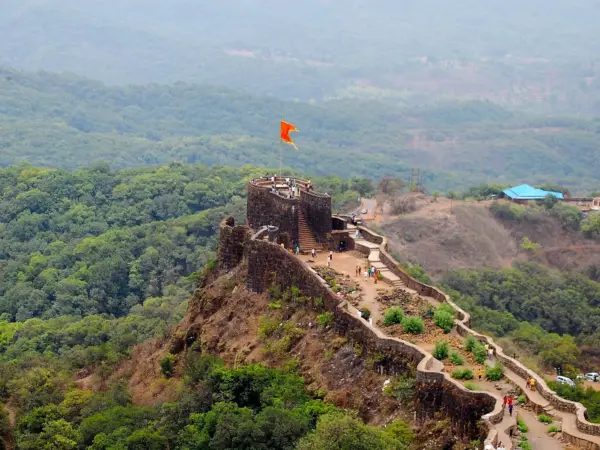
Raigad Fort: Shivaji’s capital, reached by ropeway or a long stone stairway.
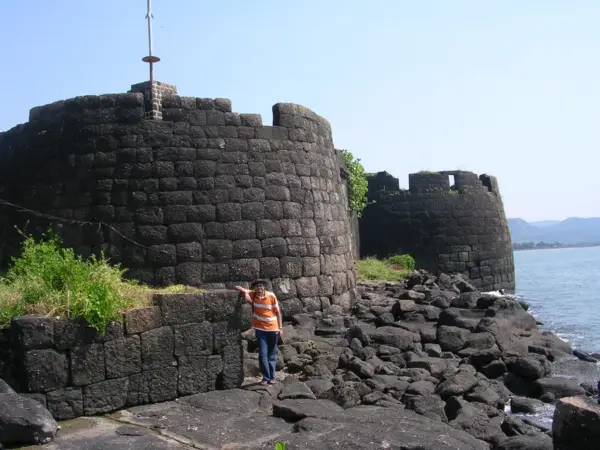
Murud-Janjira: the island fort off Rajpuri, reached by sailboat; it was never taken by the Marathas.
Sindhudurg and Tarkarli: Shivaji’s sea fort off Malvan, plus clear-water snorkelling at Tarkarli when the sea allows.
Karla Caves: one of the largest early Buddhist chaitya halls in India, near Lonavala.
Mahabaleshwar and Pratapgad: viewpoints over the Sahyadris and the fort where Shivaji met Afzal Khan in 1659 — see our Mahabaleshwar guide.
Tadoba: Maharashtra’s best-known tiger reserve, open again after the monsoon (see the Nagpur guide).
Morning: Elephanta Caves by ferry from the Gateway of India (about an hour each way; the caves are closed on Mondays).
Afternoon: Back in Colaba and Fort: Kala Ghoda, the CSMT facade and a vada pav stop.
Evening: Sunset walk on Marine Drive.
Est. cost: ₹2,500–4,500 per person (approx.)
Day 2: Alibag by sea
Morning: Ferry or Ro-Ro to Mandwa, then road to Alibag (about 20 km).
Afternoon: Walk to Kolaba Fort at low tide — check the tide table and leave well before the water returns.
Evening: Konkani fish thali, then ferry or the drive back via Atal Setu.
Est. cost: ₹2,500–4,500 per person (approx.)
3 days
Mumbai, Lonavala’s caves and a Sahyadri fort trek.
Day 1: South Mumbai
Morning: Gateway of India and the Kala Ghoda art district.
Afternoon: Chhatrapati Shivaji Maharaj Vastu Sangrahalaya museum (closed on some public holidays — check).
Evening: Marine Drive at dusk.
Est. cost: ₹2,500–4,500 per person (approx.)
Day 2: Lonavala and Karla
Morning: Train or drive to Lonavala (about 95 km on the Mumbai–Pune Expressway).
Afternoon: Karla Caves’ great chaitya hall, then Bhaja Caves if time allows.
Evening: Chikki shopping and an early night.
Est. cost: ₹2,000–3,800 per person (approx.)
Day 3: Rajmachi or Sinhagad
Morning: Early trek to Rajmachi from Udhewadi, or drive to Sinhagad near Pune.
Afternoon: Simple lunch of pithla-bhakri at a fort-side stall.
Evening: Train back to Mumbai or Pune.
Est. cost: ₹2,000–3,800 per person (approx.)
5 days
Pune, Mahabaleshwar and Pratapgad, then down to the Konkan.
Day 1: Pune
Morning: Shaniwar Wada, the Peshwa palace ruins, and the old Kasba Peth lanes.
Afternoon: Aga Khan Palace, where Gandhi was interned in 1942–44.
Evening: Misal or a Maharashtrian thali.
Est. cost: ₹2,500–4,000 per person (approx.)
Day 2: Sinhagad and on to Mahabaleshwar
Morning: Sinhagad fort, about 35 km from Pune.
Afternoon: Drive to Mahabaleshwar (about 120 km, 3 hours) via Wai.
Evening: Mahabaleshwar market and early dinner.
Est. cost: ₹3,000–5,000 per person (approx.)
Day 3: Viewpoints and Pratapgad
Morning: Arthur’s Seat and Elephant’s Head viewpoints.
Afternoon: Pratapgad fort, about 24 km away, site of Shivaji’s 1659 encounter with Afzal Khan.
Evening: Strawberry picking usually gets going from late November or December; look for local jam and fudge.
Est. cost: ₹3,000–5,000 per person (approx.)
Day 4: Down the ghats to Ganpatipule
Morning: Drive down to the coast via Poladpur and Chiplun (allow 5–6 hours).
Afternoon: Swayambhu Ganapati temple and the beach at Ganpatipule.
Evening: Konkani dinner with sol kadhi.
Est. cost: ₹3,000–5,000 per person (approx.)
Day 5: Ratnagiri and exit
Morning: Ratnagiri’s Thibaw Palace and Lokmanya Tilak’s birthplace.
Afternoon: Konkan Railway train from Ratnagiri to Mumbai.
Evening: Arrive Mumbai late evening.
Est. cost: ₹2,000–3,800 per person (approx.)
7 days
Caves, forts and the southern Konkan: Ellora, Raigad, Murud-Janjira, Malvan and Tarkarli.
Day 1: Chhatrapati Sambhajinagar
Morning: Fly or take a train to Chhatrapati Sambhajinagar (Aurangabad).
Afternoon: Ellora Caves — the Kailasa temple is Cave 16 (Ellora is closed on Tuesdays).
Evening: Bibi Ka Maqbara at dusk.
Est. cost: ₹3,000–5,000 per person (approx.)
Day 2: Ajanta
Morning: Ajanta Caves, about 100 km away (closed on Mondays); shuttle buses run from the visitor centre.
Afternoon: Painted caves 1, 2, 16 and 17.
Evening: Back to the city; overnight.
Est. cost: ₹3,000–5,000 per person (approx.)
Day 3: Travel to Raigad
Morning: Fly or train to Mumbai or Pune, then drive towards Raigad.
Afternoon: Raigad ropeway or the long stone stairway to Shivaji’s capital.
Evening: Overnight near the base.
Est. cost: ₹3,000–5,500 per person (approx.)
Day 4: Murud-Janjira and Kashid
Morning: Drive to Rajpuri jetty and take a sailboat to Murud-Janjira fort.
Afternoon: Kashid beach.
Evening: Seafood thali in Murud.
Est. cost: ₹2,500–4,500 per person (approx.)
Day 5: Down the Konkan to Malvan
Morning: Long drive or Konkan Railway to Kudal, then road to Malvan.
Afternoon: Settle into a Tarkarli or Devbag homestay.
Evening: Malvani fish thali.
Est. cost: ₹3,000–5,000 per person (approx.)
Day 6: Sindhudurg and Tarkarli
Morning: Boat from Malvan jetty to Sindhudurg sea fort.
Afternoon: Snorkelling or a short dive with a licensed operator if the sea is clear.
Evening: Sunset at Devbag sangam.
Est. cost: ₹3,500–6,500 per person (approx.)
Day 7: Exit
Morning: Easy morning on the beach.
Afternoon: Train from Kudal, or cross to Goa (Mopa airport is roughly 70–90 km away).
Evening: Home.
Est. cost: ₹2,000–4,000 per person (approx.)
Family with kids
Short hops around Mumbai and Alibag with beach time.
Day 1: Mumbai sights
Morning: Gateway of India and a harbour boat ride.
Afternoon: Nehru Science Centre in Worli (check closed days).
Evening: Marine Drive and an early dinner.
Est. cost: ₹3,000–5,000 per person (approx.)
Day 2: Alibag
Morning: Ferry to Mandwa and road to Alibag.
Afternoon: Kolaba Fort at low tide — hold children’s hands on the rocks.
Evening: Beach-side dinner.
Est. cost: ₹3,500–5,500 per person (approx.)
Day 3: Kashid and home
Morning: Kashid beach (swim only where lifeguards are on duty).
Afternoon: Lunch, then drive back via Atal Setu.
Evening: Home.
Est. cost: ₹3,000–5,000 per person (approx.)
Couples
Hill views and a quiet coast.
Day 1: Mahabaleshwar
Morning: Drive or bus from Pune.
Afternoon: Arthur’s Seat and Kate’s Point.
Evening: Venna Lake at sunset.
Est. cost: ₹4,500–7,500 per person (approx.)
Day 2: Pratapgad and Panchgani
Morning: Pratapgad fort walk.
Afternoon: Table Land plateau at Panchgani.
Evening: Quiet dinner in town.
Est. cost: ₹4,500–7,500 per person (approx.)
Day 3: Exit
Morning: Mapro or local jam stops at Wai.
Afternoon: Drive back to Pune or Mumbai.
Evening: Home.
Est. cost: ₹3,500–6,000 per person (approx.)
Budget backpacker
Local trains, MSRTC buses and fort trails.
Day 1: Mumbai on a shoestring
Morning: Local train into CSMT; walk Fort and Kala Ghoda.
Afternoon: Vada pav and cutting chai.
Evening: Marine Drive (free).
Est. cost: ₹1,000–1,800 per person (approx.)
Day 2: Lonavala and Karla
Morning: Local or express train to Lonavala.
Afternoon: Karla Caves by shared auto.
Evening: Dorm night in Lonavala.
Est. cost: ₹1,200–2,000 per person (approx.)
Day 3: Rajmachi trek
Morning: Walk from Lonavala or Udhewadi to Rajmachi.
Afternoon: Village meal at Udhewadi.
Evening: Train onward to Pune.
Est. cost: ₹900–1,600 per person (approx.)
Luxury
A heritage hotel in Mumbai, then Alibag villas or a hill-town resort.
Day 1: Mumbai in style
Morning: Private guide for Fort and Kala Ghoda.
Afternoon: Elephanta by private boat charter.
Evening: Dinner at a harbour-view hotel.
Est. cost: ₹14,000–25,000 per person (approx.)
Day 2: Alibag
Morning: Speedboat or Ro-Ro to Mandwa with a driver waiting.
Afternoon: Villa or resort pool day.
Evening: Private beach dinner.
Est. cost: ₹15,000–28,000 per person (approx.)
Day 3: Back to the city
Morning: Slow breakfast.
Afternoon: Drive back via Atal Setu.
Evening: Evening flight.
Est. cost: ₹10,000–20,000 per person (approx.)
Where to stay
Mumbai: Colaba and Fort for sights and heritage hotels, Bandra for cafés, and the airport area for short stopovers. Mumbai is the most expensive city in the state. Lonavala/Khandala: resorts and homestays, busy on weekends. Pune: Koregaon Park, Deccan and Shivajinagar. Mahabaleshwar/Panchgani: hill resorts, with MTDC options. Alibag, Kashid, Ganpatipule and Tarkarli: beach cottages, homestays and MTDC resorts. We don’t recommend specific hotels; check recent reviews and cancellation terms.
Where to eat and what to order
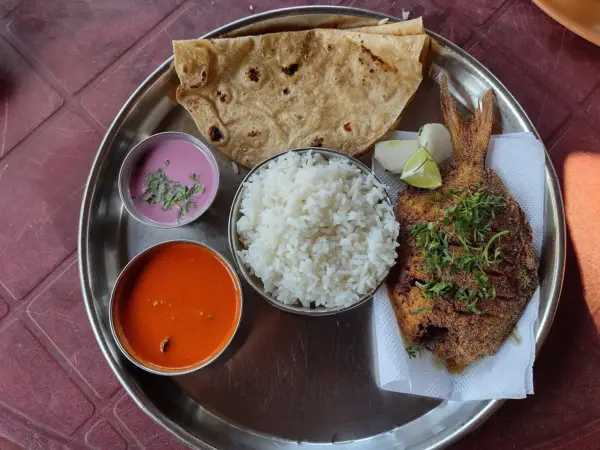
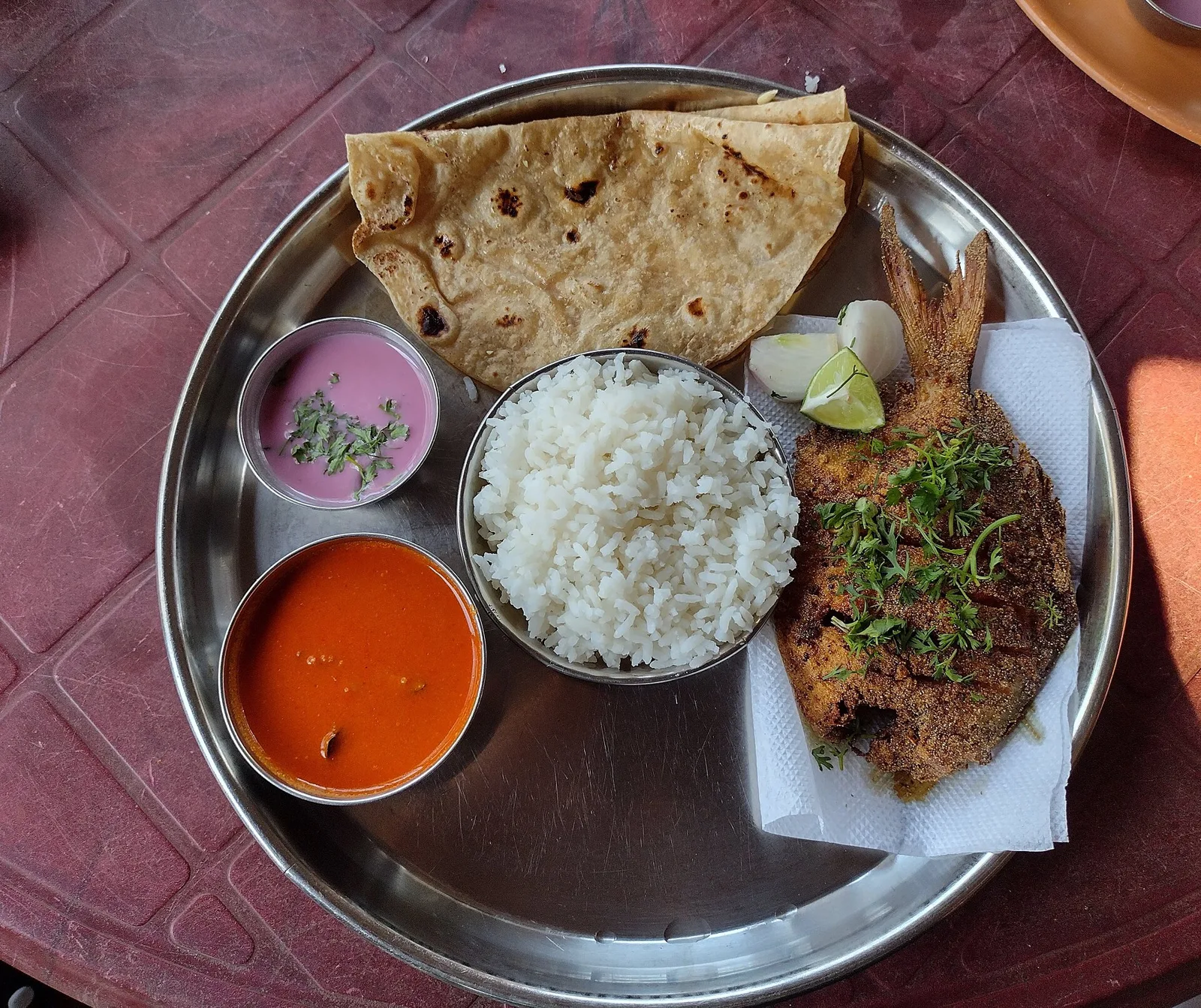
Street food is a Mumbai ritual: vada pav with dry garlic chutney, pav bhaji and bhel. Breakfast across the state is kanda poha or upma. Pune and Kolhapur take pride in fiery misal pav, and Kolhapur is also known for its tambda and pandhra rassa mutton curries. On the coast, order a Malvani or Konkani fish thali (surmai, bangda or pomfret) with sol kadhi, a pink kokum-and-coconut drink. Vegetarians should try pithla-bhakri, thalipeeth, varan-bhaat and, at festival time, puran poli. We have left out restaurant name-drops on purpose: quality changes, so check recent reviews.
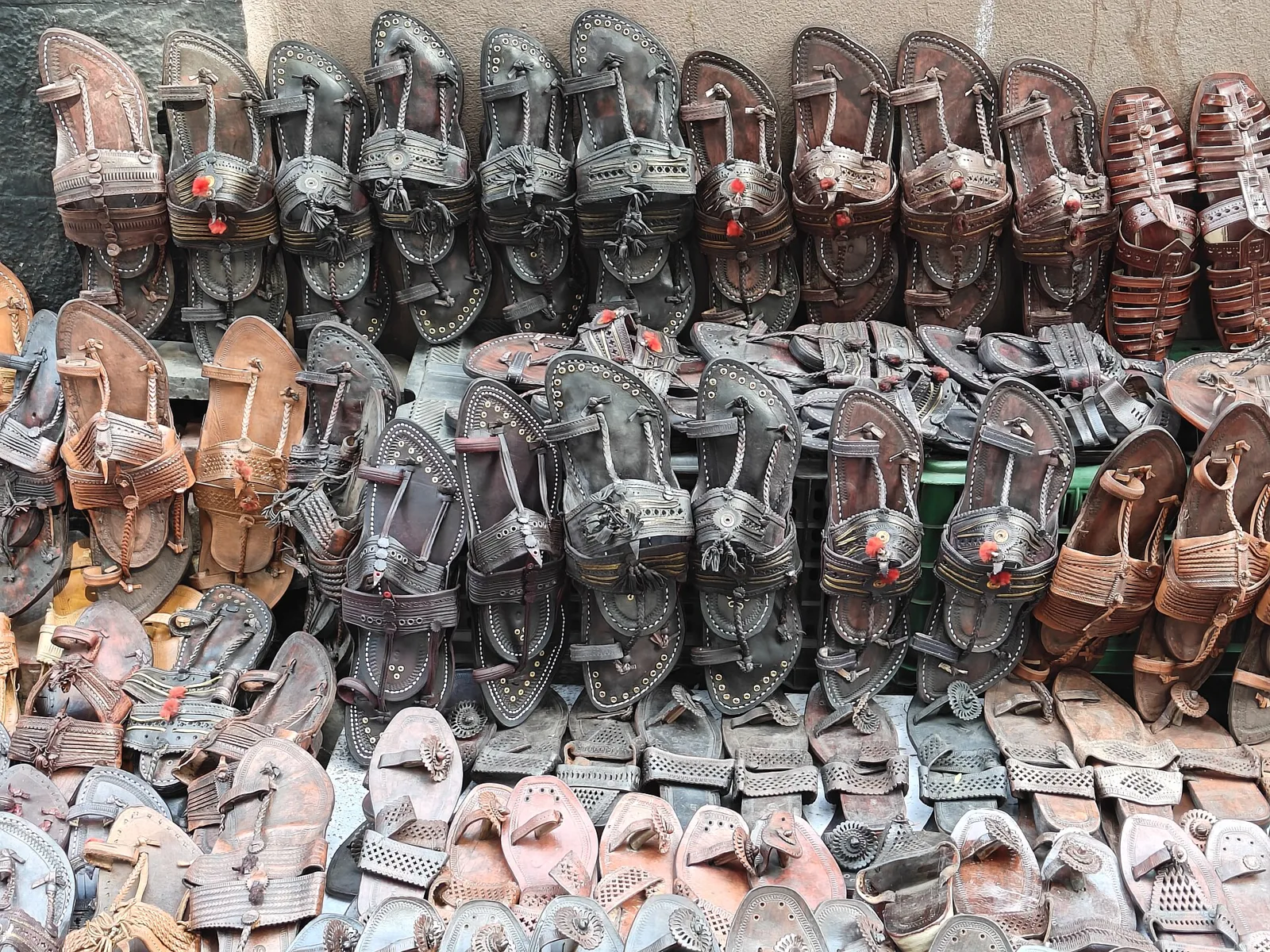
Kolhapuri chappals (a GI-tagged handmade leather sandal) are best bought in Kolhapur itself. Paithani silk saris come from Paithan and Yeola. Warli paintings are made by Adivasi artists in Palghar district, so look for artist co-operatives or sellers who name the artist. On the Konkan coast, buy kokum syrup, cashews and, from about March to May, Alphonso mangoes from Ratnagiri and Devgad. Lonavala is known for chikki.
BuzzyTrip estimates per person per day for November 2026, two people sharing a room. Budget means a hostel bed, MTDC or simple lodge room, local trains, MSRTC buses and street food; comfort means a mid-range hotel or beach cottage, sit-down meals and some app cabs or a shared car; luxury means a five-star city hotel or resort and a private car with driver. Mumbai stays cost noticeably more than Konkan or hill-town stays. Flights, long-distance trains and safaris are not included. Entry fees change; confirm before you go.
What to avoid: scams and safety
Swimming at unguarded Konkan beaches — currents can be strong; swim only where lifeguards are on duty.
Getting caught by the tide at Kolaba Fort — check low-tide times first.
Fort edges and cliffs, especially for selfies. Keep well back from drops.
Unmetered taxi fares from stations and airports — use the meter, prepaid booths or app cabs.
Night driving on ghat roads.
Emergency number: 112.
Do’s and don’ts
Do buy ASI monument tickets online where you can.
Do carry cash for small stalls and village homestays.
Don’t litter on forts and beaches.
Don’t fly drones at monuments without permission.
Local etiquette
Remove your shoes and dress modestly at temples, dargahs and gurdwaras. Ask before photographing people, especially women and pilgrims. Marathi is the state language and Hindi is widely understood, so a simple dhanyavaad or namaskar is always welcome.
Yes. The monsoon has ended, waterfalls and hills are still green after the rains, and the Konkan sea is calm enough for ferries and boat rides to the sea forts. Mumbai is still warm (often in the low-to-mid 30s °C by day), while Pune and the hill towns have cool nights.
Do Indian travellers need any permit for Maharashtra?
No. There is no Inner Line Permit. Carry photo ID for hotels, flights and trains. Tiger reserves such as Tadoba need an online safari booking on the official forest department site, and ASI monuments such as Ajanta, Ellora and Elephanta charge entry fees (cheaper if paid online).
Which days are the big cave sites closed?
Elephanta and Ajanta are closed on Mondays, and Ellora is closed on Tuesdays, according to their official listings. Always recheck before you go, because holiday rules can change.
How do we get from Mumbai to Alibag?
By sea, ferries and the Ro-Ro service run from the Gateway of India and Ferry Wharf to Mandwa, about 20 km from Alibag. By road, the Atal Setu sea bridge (opened 2024) shortens the drive.
When is Ganesh Chaturthi?
Ganesh Chaturthi falls in August or September, not November. In November, the main festival is Diwali, which fell on 8 November in 2026.
What should we eat in Maharashtra?
Vada pav and misal pav in Mumbai and Pune, kanda poha for breakfast, puran poli on festival days, and Malvani or Konkani fish thalis with sol kadhi on the coast. Vegetarians can try pithla-bhakri, varan-bhaat and thalipeeth.
How many days do we need?
Three days covers Mumbai and one getaway such as Lonavala or Alibag. Five days lets you add Pune and Mahabaleshwar. A week lets you add Ajanta and Ellora or the southern Konkan.
Is Tarkarli good for snorkelling in November?
Often, yes, as the sea settles after the monsoon, but visibility varies day to day. Use a licensed operator, wear a life jacket and skip it if the sea is rough.
Sources and credits
We checked prices, permits, visas and routes against the official pages below in November 2026. Background facts also come from the Wikimedia pages listed, used under Creative Commons Attribution-ShareAlike. This guide is an original work written and edited for BuzzyTrip; fees, visa rules and timetables change, so verify before you travel.
Been here recently? Share a tip (and a photo) in the comments below and tick “This is a travel tip”. Tips are reviewed before they appear — we never show your email.














4 comments