Skip to content

Own a stay, café or cab? List your place on BuzzyTrip — free starter listing after we review.

List your place

Nagpur November guide: oranges, lakes & tiger country

Nagpur for November 2026, fact-checked: Deekshabhoomi, Zero Mile, Futala and Ambazari lakes, the Ambia orange season, the Samruddhi drive from Mumbai and Tadoba safaris (core open since 1 October). No invented festivals or restaurant name-drops.

  • Ambia orange season
  • Deekshabhoomi
  • Tadoba core open
  • Samruddhi 701 km
  • 2–5 days
8.4 Go-now score · Go now
Shared 0 times
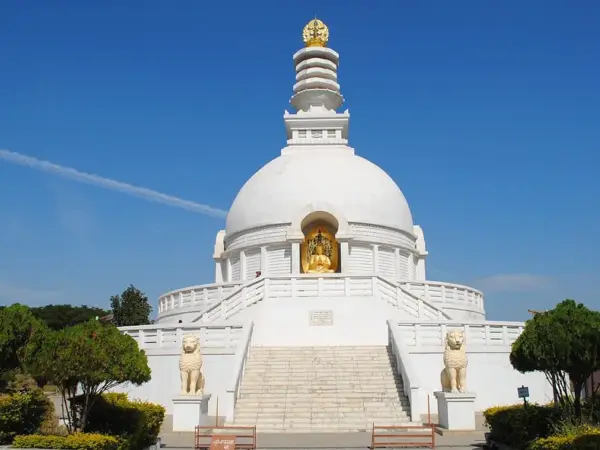
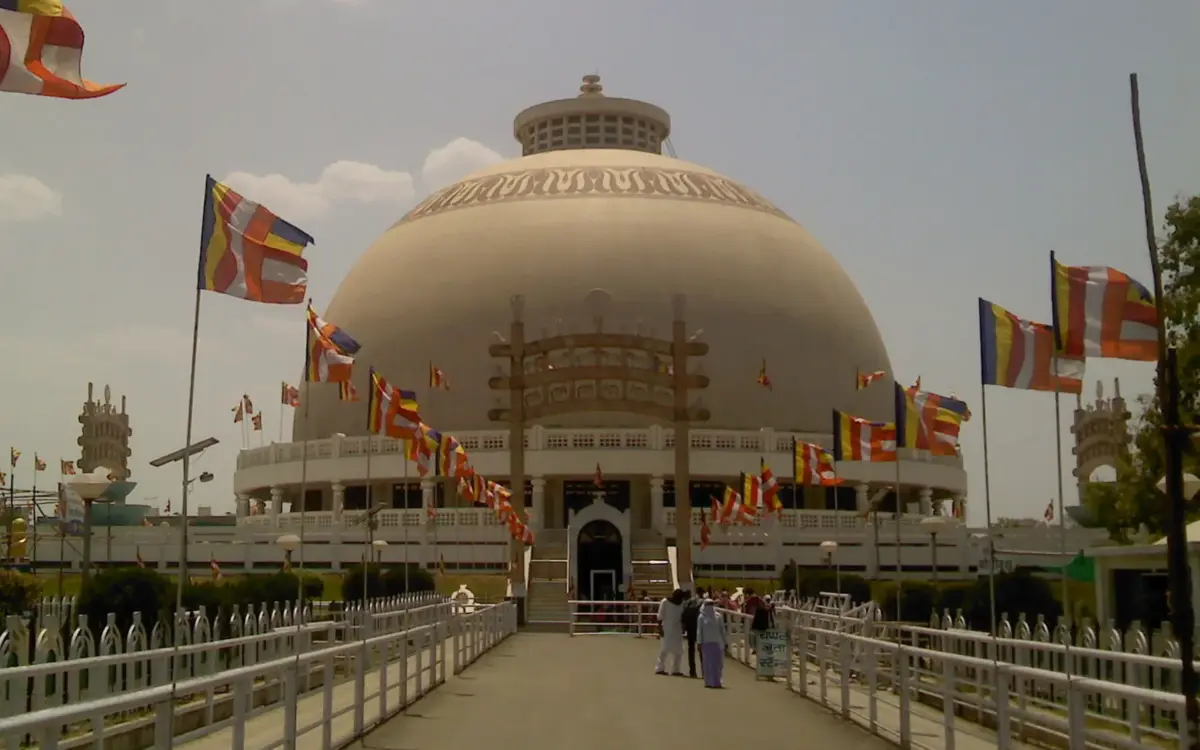
Deekshabhoomi stupa in Nagpur, the white dome where Dr B.R. Ambedkar embraced Buddhism in 1956
Sunset over Futala Lake in Nagpur
Bengal tiger walking through dry grass in Tadoba Andhari Tiger Reserve
Pile of fresh Nagpur oranges (mandarins), the city's GI-tagged fruit

Why it’s buzzing

  • Dry, mild November weather
  • Ambia oranges in markets
  • Tadoba and Pench safari season under way

Best for

  • Wildlife lovers adding Tadoba or Pench
  • Families wanting easy city sights
  • Food travellers chasing Saoji heat

Not ideal for

  • Beach or hill-station seekers
  • Travellers expecting the October Deekshabhoomi gathering
  • Anyone wanting nightlife-heavy trips
Best time Oct – FebNov ≈ 31°C day / 17°C night
Ideal trip length 2 – 5 daysAdd 2 days for Tadoba
Budget sense (pp/day) ₹3,000 – ₹6,400Comfort level, per person (approx.)
Closest airport Dr Babasaheb Ambedkar Intl (NAG)~8–10 km from Sitabuldi
Local vibe Big city, relaxed paceMarathi & Hindi; English understood
Best for Families & wildlife fansCity + tiger reserve

Highlights this trip is built around

Full list
Deekshabhoomi stupa in Nagpur, the white dome where Dr B.R. Ambedkar embraced Buddhism in 1956

Deekshabhoomi

Stupa marking Dr Ambedkar's 1956 conversion
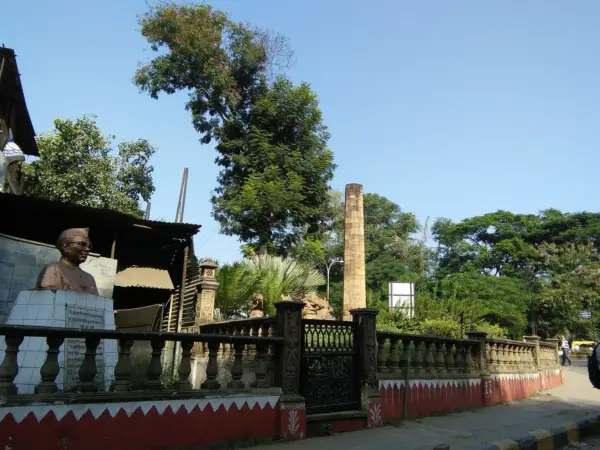
Zero Mile Stone pillar and horse statues in central Nagpur

Zero Mile Stone

British-era survey marker in the city centre

Sunset over Futala Lake in Nagpur

Futala Lake

Sunset promenade loved by locals

Wide view of Ambazari Lake on the western edge of Nagpur

Ambazari Lake

Largest city lake, good for early birding

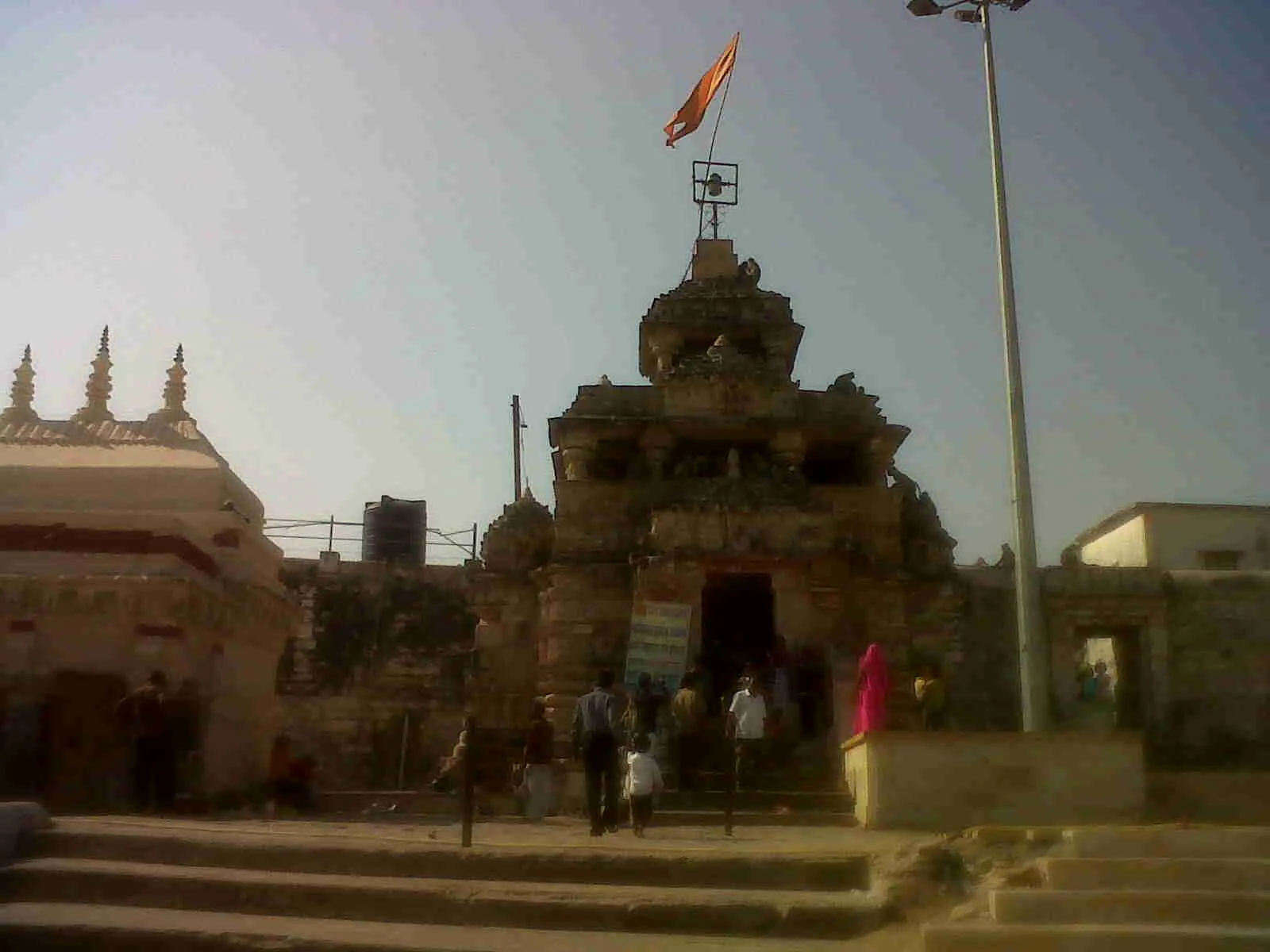
Stone shikhara of the Ram temple on Ramgiri hill at Ramtek near Nagpur

Ramtek

Hill temple complex ~50 km north-east

Bengal tiger walking through dry grass in Tadoba Andhari Tiger Reserve

Tadoba Andhari Tiger Reserve

Core safaris since 1 Oct; closed Tuesdays
See the mood before you plan

Read the full guide
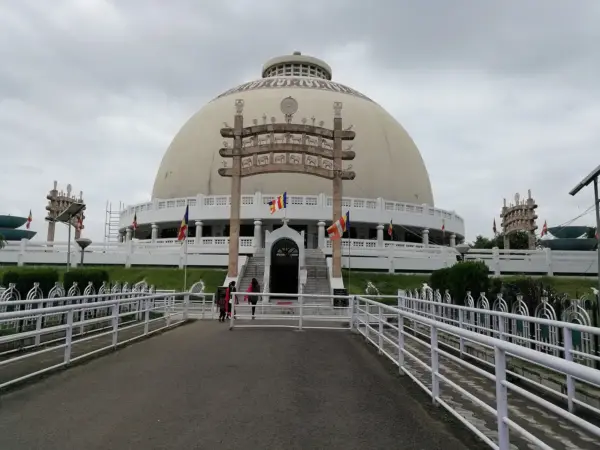
Approach walkway and gate leading to the Deekshabhoomi stupa, Nagpur
Futala Lake promenade in Nagpur at dusk with walkers by the water
Zero Mile Stone pillar and horse statues in central Nagpur
Stone shikhara of the Ram temple on Ramgiri hill at Ramtek near Nagpur
Khindsi Lake reservoir near Ramtek with forested shoreline
Dragon Palace Temple at Kamptee near Nagpur reflected in its front pool
Gate of Sitabuldi Fort, an Army-held hill fort in central Nagpur
Day 1

Day 1 – Deekshabhoomi & Zero Mile

  • Tarri poha breakfast
  • Futala Lake sunset
Approach walkway and gate leading to the Deekshabhoomi stupa, Nagpur
Day 2

Day 2 – Lakes & Kamptee

  • Ambazari birding
  • Dragon Palace Temple
Dragon Palace Temple at Kamptee near Nagpur reflected in its front pool
Day 3

Day 3 – Ramtek & Khindsi

  • Hill temple
  • Lake boating
Khindsi Lake reservoir near Ramtek with forested shoreline
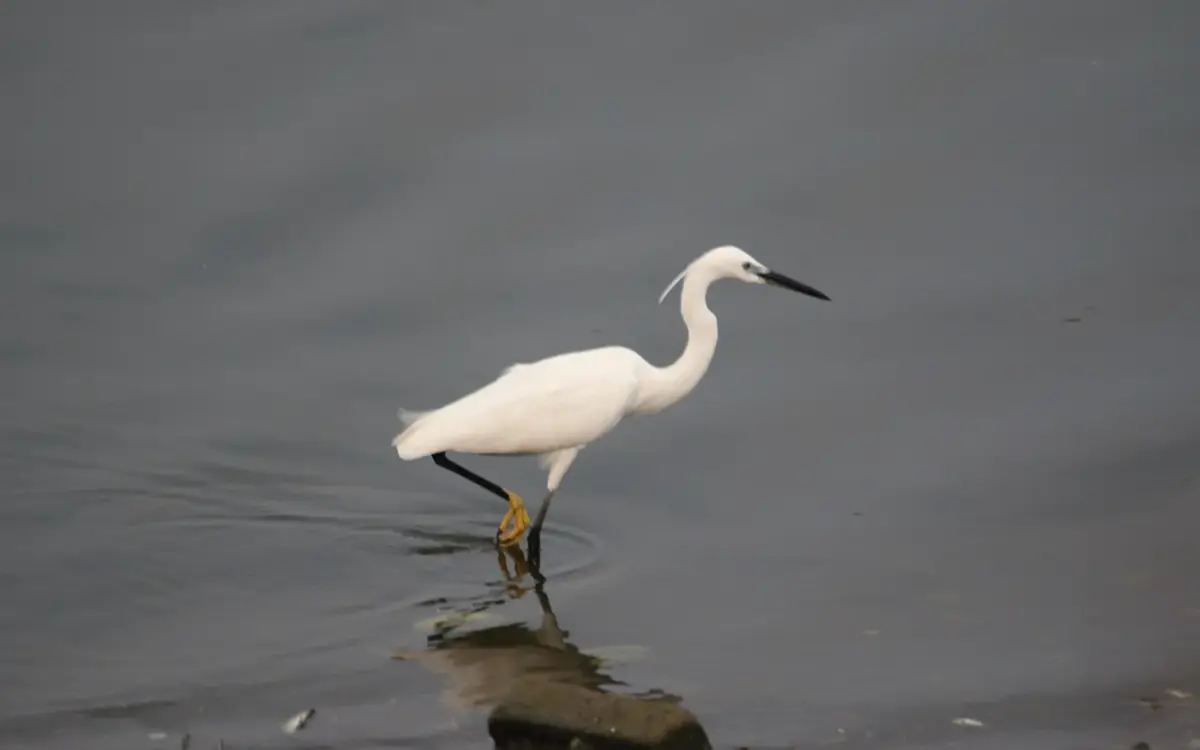
Little egret wading in the shallows of Ambazari Lake, Nagpur

Turn this guide into your own trip plan.

Pick what you love, skip what you don’t. Our free planner builds the days around your dates and budget.

Plan my personalised trip
  • Sources credited on every guide
  • Prices shown as dated ranges, not promises
  • Share or plan on WhatsApp

Practical information

Arrival options

  • Fly into NAG (~8–10 km from centre)
  • Overnight trains from Mumbai/Pune; Rajdhani-category trains to Delhi
  • Samruddhi Mahamarg from Mumbai (701 km)
  • Vande Bharat to Bilaspur & Secunderabad
View details

Best areas to stay

  • Sitabuldi / Dhantoli – central
  • Dharampeth / Ramdas Peth – cafés, near Futala
  • Civil Lines – leafy
  • Wardha Road – airport & Tadoba side
View details

Do this / Avoid that

  • Do book Tadoba only on the official portal
  • Do remove shoes at Deekshabhoomi
  • Don't expect Sitabuldi Fort open on normal days
  • Don't litter at lakes
View details

Permits & entry

  • No permit for the city
  • Tadoba/Pench safaris: official online booking
  • Sitabuldi Fort open only on select national days
View details

Road routes

  • Mumbai → Samruddhi Mahamarg (701 km expressway)
  • Hyderabad/Bengaluru → NH44
  • Delhi → NH44 via Jhansi–Sagar
  • Pune → join Samruddhi near Sambhajinagar
View details

Best photo spots

View all spots
Approach walkway and gate leading to the Deekshabhoomi stupa, Nagpur

Deekshabhoomi stupa

White dome in morning light

Futala Lake promenade in Nagpur at dusk with walkers by the water

Futala Lake promenade

Dusk crowds and reflections

Little egret wading in the shallows of Ambazari Lake, Nagpur

Ambazari shallows

Egrets and early light

Dragon Palace Temple at Kamptee near Nagpur reflected in its front pool

Dragon Palace Temple

Reflection pool at Kamptee

Stone shikhara of the Ram temple on Ramgiri hill at Ramtek near Nagpur

Ramtek hill temple

Stone shikhara above the plains

Food you shouldn’t miss

View more food
Plate of tarri poha, Nagpur's flattened-rice breakfast topped with spicy chana curry

Tarri Poha

Poha with spicy black-chana gravy

Saoji-style chicken curry, the fiery signature of Nagpur's Saoji kitchens

Saoji Curry

Fiery Nagpur mutton/chicken gravy

Pile of fresh Nagpur oranges (mandarins), the city's GI-tagged fruit

Nagpur Orange

GI-tagged mandarin; Ambia crop ~Oct–Dec

Quick answers to common questions

All FAQs
When is the best time to visit Nagpur?October to February. November averages roughly 31 °C by day and 17 °C at night with very little rain, so sightseeing is comfortable. From March to June the city is very hot — May averages over 40 °C.
Are Nagpur oranges in season in November?Yes, usually. The Ambia crop is harvested roughly October to December, and the sweeter Mrig crop comes around February–March. Supply depends on the year's weather, so ask locally.
How far is Tadoba from Nagpur, and is it open in November?Moharli gate is about 140–150 km (3–4 hours) by road. The core zone reopened on 1 October 2026 after the monsoon closure. Core gates are closed on Tuesdays and buffer gates on Wednesdays. Book only on the official site, mytadoba.mahaforest.gov.in.
How do we get from Mumbai to Nagpur?Fly (about 1.5 hours), take an overnight train, or drive the 701 km Samruddhi Mahamarg, fully open since June 2025 — around 8–9 hours on the expressway itself, plus city traffic at each end.
Is Dhammachakra Pravartan Din in November?No. It is marked at Deekshabhoomi around Ashoka Vijayadashami and 14 October, the date of Dr Ambedkar's 1956 conversion, so huge crowds come in October. In November the site is calm and free to visit.

Plan my trip

Go-now score

Budget calculator

The full guide

Nagpur in November: Oranges, Lakes and Colonial Charms

Nagpur at a glance

Nagpur is the winter capital of Maharashtra and the main city of Vidarbha, known across India for its oranges. We like it as a November base for three reasons: mild, dry weather; easy sights such as Deekshabhoomi, the Zero Mile Stone and the Futala and Ambazari lakes; and quick access to the tiger reserves at Tadoba and Pench. It is a working city rather than a resort, so plan around traffic at peak hours and treat it as a two-to-five-day stop.
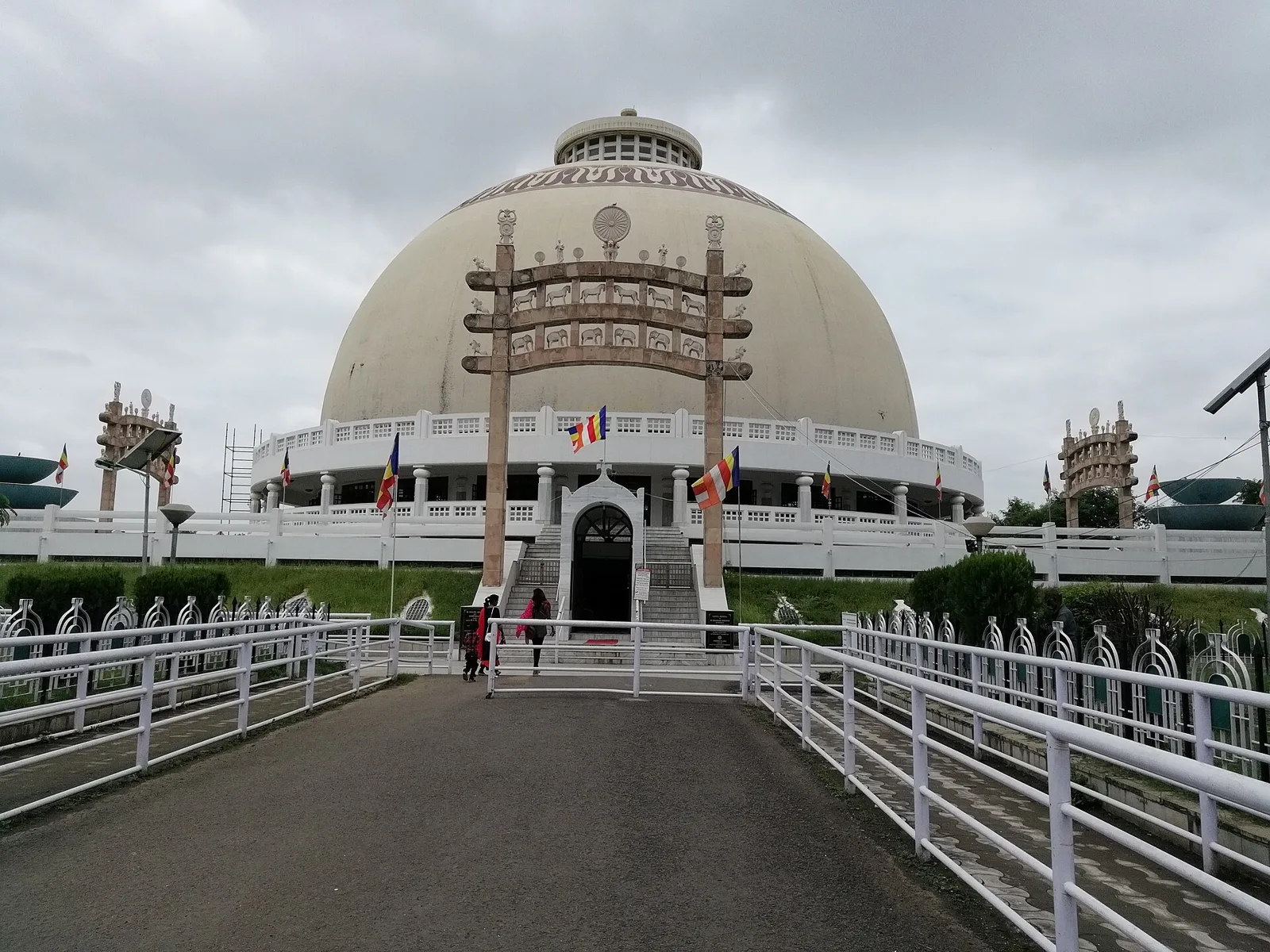
Deekshabhoomi stupa in Nagpur, the white dome where Dr B.R. Ambedkar embraced Buddhism in 1956
Photo: Deekshabhoomi, Nagpur in India by Prakash Lokhande, CC BY-SA 4.0, via Wikimedia Commons

Why go in November

November is one of Nagpur’s most comfortable months. Long-term averages are about 31 °C by day and 17 °C at night, with only around 13 mm of rain, so pack a light layer for the evenings. The Ambia orange crop is usually harvested from about October to December, and the Tadoba core zone has been open again since 1 October. The Maharashtra legislature’s winter session in Nagpur is scheduled for December (7–18 December 2026), not November, so central roads are calmer this month. Dhammachakra Pravartan Din, which brings very large crowds to Deekshabhoomi, falls in October.

History and culture

The Gond kingdom of Deogarh founded Nagpur in the early 18th century. The Bhonsle Marathas later ruled it, and the British took over after the Battle of Sitabuldi in 1817 and annexed the state in 1853. It was the capital of the Central Provinces and later of Madhya Pradesh until the 1956 states reorganisation brought it into Bombay State (Maharashtra from 1960). On 14 October 1956, Dr B.R. Ambedkar embraced Buddhism here with hundreds of thousands of followers. The site is now Deekshabhoomi, whose large hollow stupa is a major pilgrimage centre. The Zero Mile Stone is a British-era survey marker often described as India’s geographical centre.

Best time to visit

Month Avg high Avg low Rain/precipitation
Jan 28.9°C 14.1°C 15 mm
Feb 31.9°C 16°C 13 mm
Mar 36.4°C 19.7°C 20 mm
Apr 40.6°C 25.1°C 12 mm
May 43.1°C 28.1°C 19 mm
Jun 38.1°C 26.6°C 191 mm
Jul 31.9°C 24.4°C 348 mm
Aug 30.8°C 23.5°C 277 mm
Sep 32.4°C 23.4°C 184 mm
Oct 33.2°C 21.4°C 53 mm
Nov 31.3°C 17.1°C 13 mm
Dec 29.3°C 13.2°C 6 mm
Month-by-month climate averages. Source: Wikivoyage climate chart (CC BY-SA).

The table shows why October to February works best: dry, warm days and cool nights. March to June is harsh (May highs average above 40 °C), and the monsoon from June to September brings most of the year’s rain. November sits in the sweet spot — usually dry, around 31 °C at midday and pleasant after dark.

Sunset over Futala Lake in Nagpur
Photo: Futala Lake, Nagpur by Adikarmore, CC BY-SA 4.0, via Wikimedia Commons

Permits and entry rules

Indian travellers need no permit for the city. Carry photo ID for flights, trains and hotel check-in. For Tadoba, every visitor’s ID details must match the safari booking made on the official Maharashtra forest portal. Mobile phones are not allowed on safari there, so keep a printed ticket. Sitabuldi Fort is an Army area and opens to the public only on a few national days.

How to reach Nagpur

Distances from major Indian cities

From Road distance (approx.) Driving time (approx.) Best way
Mumbai ~780–830 km (Samruddhi Mahamarg) ~9–11 h Fly (~1.5 h) or overnight train; drive if you enjoy expressways
Delhi ~1,050–1,100 km (NH44) ~17–19 h Fly (~1.5–2 h) or Rajdhani-category train
Bengaluru ~1,050–1,100 km (NH44 via Hyderabad) ~17–19 h Fly (~2 h)
Hyderabad ~500 km (NH44) ~8–9 h Drive, train (incl. Vande Bharat) or fly
Road figures are approximate; check live maps and toll costs before you leave.

By air: Dr Babasaheb Ambedkar International Airport (NAG) is about 8–10 km south-west of Sitabuldi and has domestic flights to all the major metros. By rail: Nagpur Junction sits where the Mumbai–Howrah and Delhi–Chennai trunk lines meet; the famous Diamond Crossing, where two lines cross each other, is nearby. Overnight trains link the city with Mumbai and Pune, several Rajdhani-category trains to Delhi stop here, and Vande Bharat services run to cities including Bilaspur and Secunderabad (check IRCTC/NTES for current timings).

Road trips from nearby metros

From Mumbai, the 701 km Samruddhi Mahamarg (Mumbai–Nagpur Expressway) has been fully open since 5 June 2025, when the last Igatpuri–Amane stretch opened. It runs via Nashik, Chhatrapati Sambhajinagar, Jalna, Washim, Amravati and Wardha. The expressway alone takes about 8 hours, with speed limits up to 120 km/h on flat stretches. Fuel up at the designated wayside amenities and take a break every two hours. From Hyderabad and Bengaluru, NH44 runs north through Adilabad. From Pune, join the Samruddhi expressway near Chhatrapati Sambhajinagar. Avoid long night drives; heavy trucks use these highways around the clock.
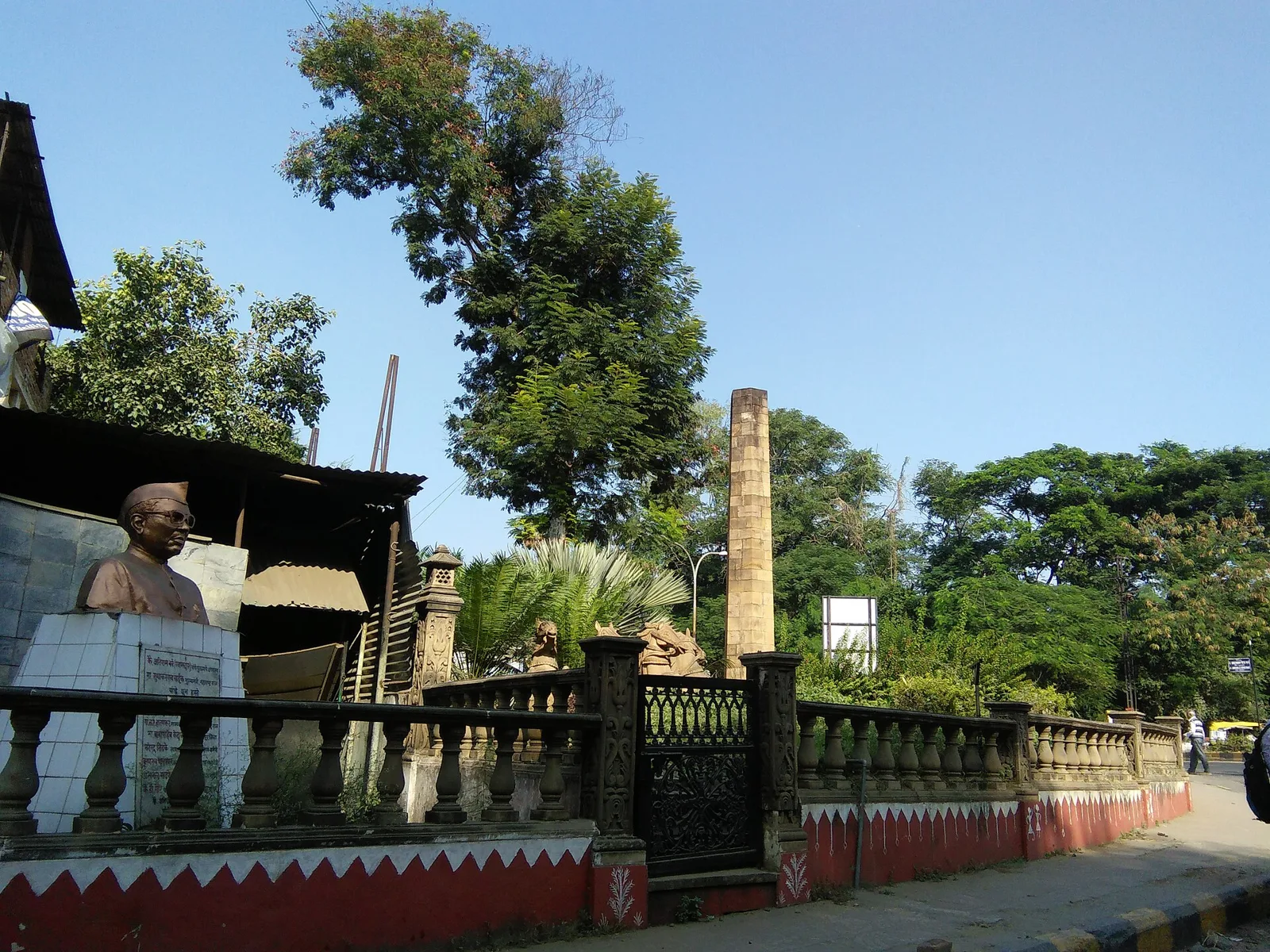
Zero Mile Stone pillar and horse statues in central Nagpur
Photo: Zero Mile The Geographical Center of India by Rajatchakks, CC BY-SA 4.0, via Wikimedia Commons

Getting around

Nagpur Metro (Maha Metro) has two lines — Orange (north–south, towards Khapri) and Aqua (east–west) — which meet at Sitabuldi interchange. They are handy for Zero Mile (Zero Mile Freedom Park station) and the airport area. For everything else there are app cabs, autos and city buses. Agree the auto fare first or use the meter. For Ramtek, Khindsi, Kamptee and the tiger reserves, hire a cab for the day.

Top things to do

  • Deekshabhoomi: the stupa built on the site of the 1956 mass conversion. Entry is free; dress modestly and remove shoes inside.
  • Zero Mile Stone: the British-era survey pillar with four horse statues in the city centre.
  • Futala Lake: a Bhonsle-era lake with a popular promenade, busiest at sunset.
  • Ambazari Lake: the city’s largest lake, good for an early walk; look for egrets and other water birds.
  • Central Museum (Ajab Bangla): one of India’s older museums (founded 1863), with natural history, archaeology and art galleries. Check opening days and fees.
  • Raman Science Centre: hands-on science galleries and a planetarium, a good choice with children.
  • Dragon Palace Temple, Kamptee: a calm Buddhist temple about 15 km from the centre.
  • Seminary Hills: green slopes with the Satpuda Botanical Garden for a slow morning.
Little egret wading in the shallows of Ambazari Lake, Nagpur
Photo: Little Egret Ambazari Lake Nagpur by Revati Sarnaik, CC BY-SA 4.0, via Wikimedia Commons

What not to miss

  • Deekshabhoomi in quiet morning light — very different from the October crowds.
  • Fresh Nagpur oranges in season, plus orange barfi to carry home.
  • One safari morning at Tadoba or Pench if you can add two days.

Lesser-known corners worth your time

  • Ramtek: a hill temple complex on Ramgiri about 50 km north-east, linked by tradition to Lord Rama and the poet Kalidasa.
  • Khindsi Lake: a reservoir near Ramtek with boating — pair it with the temple visit.
  • Gorewada: the lake and zoo safari park on the city’s north-west edge. Check timings and closed days.
  • Pench Tiger Reserve (Maharashtra side): a smaller, quieter alternative to Tadoba, roughly 70–90 km north of the city depending on the gate.
Stone shikhara of the Ram temple on Ramgiri hill at Ramtek near Nagpur
Photo: Ramtek temple. by Aditya Thaokar, CC BY-SA 3.0, via Wikimedia Commons

Tadoba and Pench from Nagpur

Tadoba Andhari Tiger Reserve in Chandrapur district is Maharashtra’s best-known tiger reserve. Its core zone was closed for the monsoon and reopened on 1 October 2026. From 1 November to the end of February, core safaris run about 06:30–10:30 and 14:00–18:00. Core gates close on Tuesdays and buffer gates on Wednesdays. Bookings open 120 days ahead, and the forest department warns against fake booking sites, so use only mytadoba.mahaforest.gov.in. Phones are not allowed on safari. Sightings are never guaranteed. For other tiger country, see our Bandipur guide and Pachmarhi in central India.
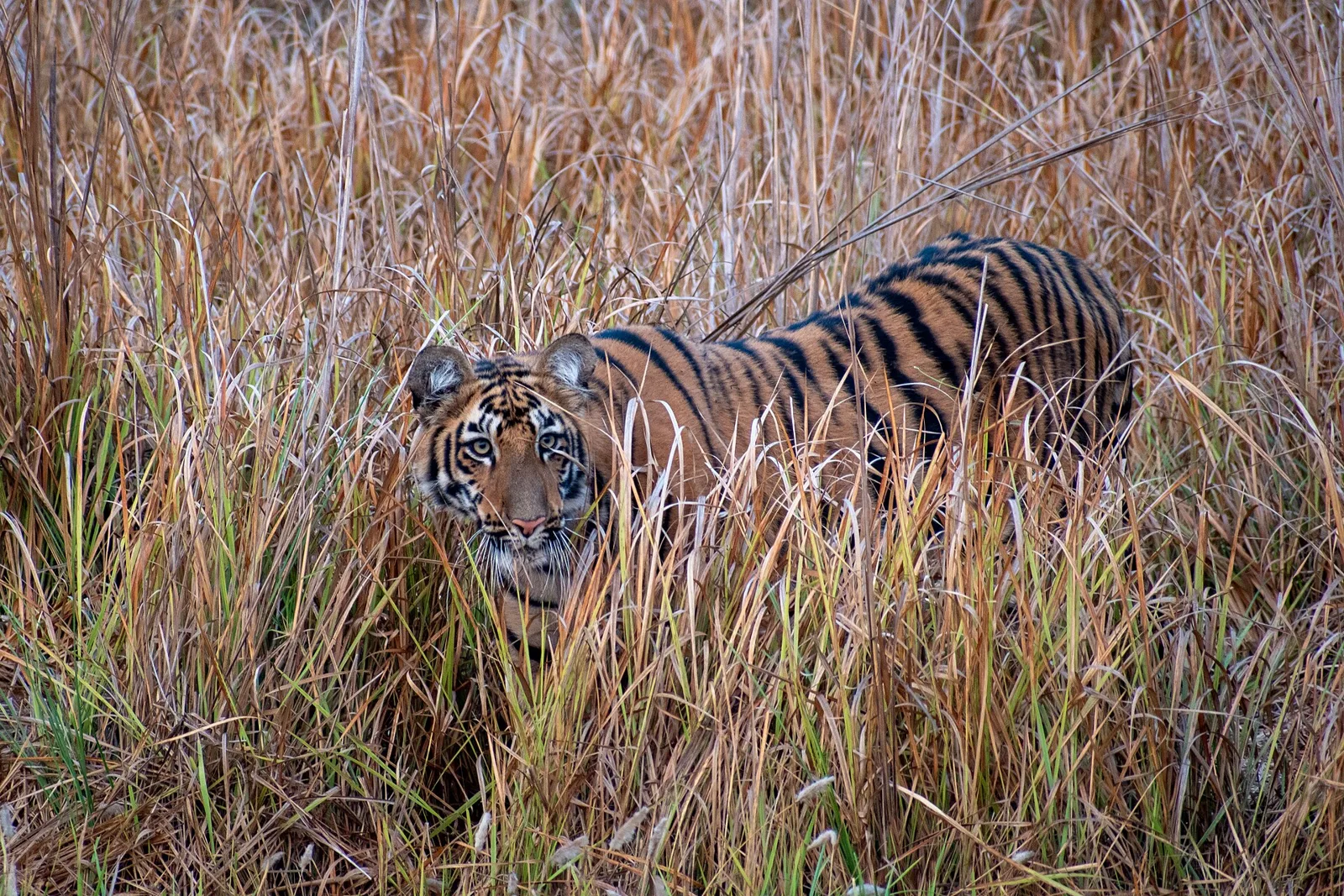
Bengal tiger walking through dry grass in Tadoba Andhari Tiger Reserve
Photo: Bengal tiger at Tadoba Andhari Tiger Reserve, Maharashtra, India by Rohit Sharma, CC BY-SA 4.0, via Wikimedia Commons

Nagpur itineraries: pick your trip

2 days

A first weekend: Deekshabhoomi, Zero Mile, the lakes and a plate of tarri poha.

Day 1: Central Nagpur

  • Morning: Tarri poha breakfast, then Deekshabhoomi (free entry; remove shoes inside the stupa).
  • Afternoon: Zero Mile Stone and the Central Museum (Ajab Bangla) — check opening days before you go.
  • Evening: Sunset walk on the Futala Lake promenade.
  • Est. cost: ₹2,000–3,500 per person (approx.)

Day 2: Lakes and Kamptee

  • Morning: Early walk or birding at Ambazari Lake.
  • Afternoon: Dragon Palace Temple at Kamptee (about 15 km; cab or app taxi).
  • Evening: Saoji dinner if you like heat — ask for a milder gravy if not — then head home.
  • Est. cost: ₹2,000–3,500 per person (approx.)
3 days

City sights plus a Ramtek and Khindsi Lake day out.

Day 1: Heritage core

  • Morning: Deekshabhoomi and Zero Mile.
  • Afternoon: Central Museum, then Raman Science Centre (planetarium shows are timed — book at the counter).
  • Evening: Futala Lake at dusk.
  • Est. cost: ₹2,200–3,800 per person (approx.)

Day 2: Ramtek and Khindsi

  • Morning: Drive about 50 km north-east to Ramtek; climb to the hill temple on Ramgiri.
  • Afternoon: Khindsi Lake nearby for a boat ride if operating.
  • Evening: Back in Nagpur for dinner.
  • Est. cost: ₹2,500–4,200 per person (approx.)

Day 3: Oranges and exit

  • Morning: In season (roughly October–December for the Ambia crop) look for fresh Nagpur oranges at fruit markets and roadside stalls.
  • Afternoon: Sitabuldi market for orange barfi and shopping.
  • Evening: Train or flight home.
  • Est. cost: ₹2,000–3,500 per person (approx.)
5 days

Nagpur city with a two-day Tadoba safari trip (core zone reopened on 1 October).

Day 1: Arrive and settle

  • Morning: Land at NAG or arrive at Nagpur Junction; metro or cab to your hotel.
  • Afternoon: Deekshabhoomi.
  • Evening: Futala Lake evening.
  • Est. cost: ₹2,500–4,000 per person (approx.)

Day 2: City and Kamptee

  • Morning: Zero Mile and Central Museum.
  • Afternoon: Dragon Palace Temple, Kamptee.
  • Evening: Saoji or a vegetarian Varhadi thali.
  • Est. cost: ₹2,500–4,000 per person (approx.)

Day 3: Drive to Tadoba

  • Morning: Leave early for Moharli (about 140–150 km, 3–4 hours by road).
  • Afternoon: Afternoon safari if you have a booking (core gates close on Tuesdays; buffer gates on Wednesdays).
  • Evening: Overnight at a Moharli-area stay.
  • Est. cost: ₹6,000–12,000 per person (approx.)

Day 4: Morning safari and return

  • Morning: Morning gypsy safari — book only via mytadoba.mahaforest.gov.in.
  • Afternoon: Drive back to Nagpur.
  • Evening: Easy dinner.
  • Est. cost: ₹5,000–10,000 per person (approx.)

Day 5: Ramtek or rest

  • Morning: Ramtek hill temple, or a slow morning at Ambazari Lake.
  • Afternoon: Orange barfi shopping.
  • Evening: Departure.
  • Est. cost: ₹2,000–3,800 per person (approx.)
Family with kids

Short hops, the science centre and lakes — no very long drives.

Day 1: Science and lakes

  • Morning: Raman Science Centre and its planetarium show.
  • Afternoon: Ambazari Lake garden area.
  • Evening: Early dinner.
  • Est. cost: ₹2,500–4,200 per person (approx.)

Day 2: Gorewada

  • Morning: Gorewada zoo safari park on the city’s north-west edge (check timings and closed days before going).
  • Afternoon: Rest at the hotel.
  • Evening: Futala Lake promenade.
  • Est. cost: ₹2,800–4,500 per person (approx.)

Day 3: Deekshabhoomi and home

  • Morning: Deekshabhoomi lawns — remind kids it is a place of worship.
  • Afternoon: Zero Mile photo stop.
  • Evening: Departure.
  • Est. cost: ₹2,200–3,800 per person (approx.)
Couples

Quiet lake light, a temple-and-reservoir day and good food.

Day 1: City and sunset

  • Morning: Deekshabhoomi in soft morning light.
  • Afternoon: Café break in Dharampeth.
  • Evening: Futala Lake at dusk.
  • Est. cost: ₹3,500–6,000 per person (approx.)

Day 2: Ramtek and Khindsi

  • Morning: Ramtek hill temple and views.
  • Afternoon: Khindsi Lake boating.
  • Evening: Dinner back in the city.
  • Est. cost: ₹4,000–6,500 per person (approx.)

Day 3: Kamptee and goodbye

  • Morning: Dragon Palace Temple, Kamptee.
  • Afternoon: Sitabuldi shopping for orange barfi.
  • Evening: Departure.
  • Est. cost: ₹3,000–5,500 per person (approx.)
Budget backpacker

Metro, city buses and free sights.

Day 1: Free sights

  • Morning: Deekshabhoomi (free) by metro and a short walk or auto.
  • Afternoon: Zero Mile Stone.
  • Evening: Street-side tarri poha or samosa for dinner.
  • Est. cost: ₹1,000–1,800 per person (approx.)

Day 2: Lakes

  • Morning: Ambazari Lake on foot.
  • Afternoon: Futala Lake promenade.
  • Evening: Hostel or dharamshala night.
  • Est. cost: ₹900–1,600 per person (approx.)

Day 3: Ramtek by bus

  • Morning: State transport bus to Ramtek.
  • Afternoon: Hill temple climb.
  • Evening: Bus back; overnight train out.
  • Est. cost: ₹1,000–1,800 per person (approx.)
Luxury

Private car, a business hotel and a core-zone Tadoba safari.

Day 1: City in comfort

  • Morning: Private car to Deekshabhoomi and Dragon Palace.
  • Afternoon: Hotel spa or pool.
  • Evening: Fine Indian dinner at your hotel.
  • Est. cost: ₹10,000–18,000 per person (approx.)

Day 2: Tadoba

  • Morning: Drive to a Moharli or Kolara lodge.
  • Afternoon: Afternoon core safari on a private gypsy (official portal only).
  • Evening: Lodge dinner.
  • Est. cost: ₹15,000–35,000 per person (approx.)

Day 3: Morning safari and fly out

  • Morning: Morning safari.
  • Afternoon: Drive back to NAG.
  • Evening: Evening flight.
  • Est. cost: ₹12,000–25,000 per person (approx.)

Where to stay

Sitabuldi / Dhantoli: central, close to the railway station and metro interchange, with mostly budget and mid-range hotels. Dharampeth / Ramdas Peth / Civil Lines: leafier, with mid-range and business hotels and cafés, and near Futala Lake. Wardha Road (near the airport): large business and five-star hotels, convenient for early flights and drives to Tadoba. We don’t recommend specific hotels; check recent reviews and cancellation terms.

Where to eat and what to order

Start the day with tarri poha, flattened rice topped with a spicy black-chana gravy. If you like strong heat, try Saoji food, the fiery mutton and chicken cooking of Nagpur’s Saoji community. Order a milder gravy if you are not used to it. Vegetarians should look for Varhadi thalis with patodi rassa, bhakri and zunka. For dessert, try orange barfi. We have left out restaurant name-drops on purpose: menus and quality change, so ask your hotel or check recent reviews.
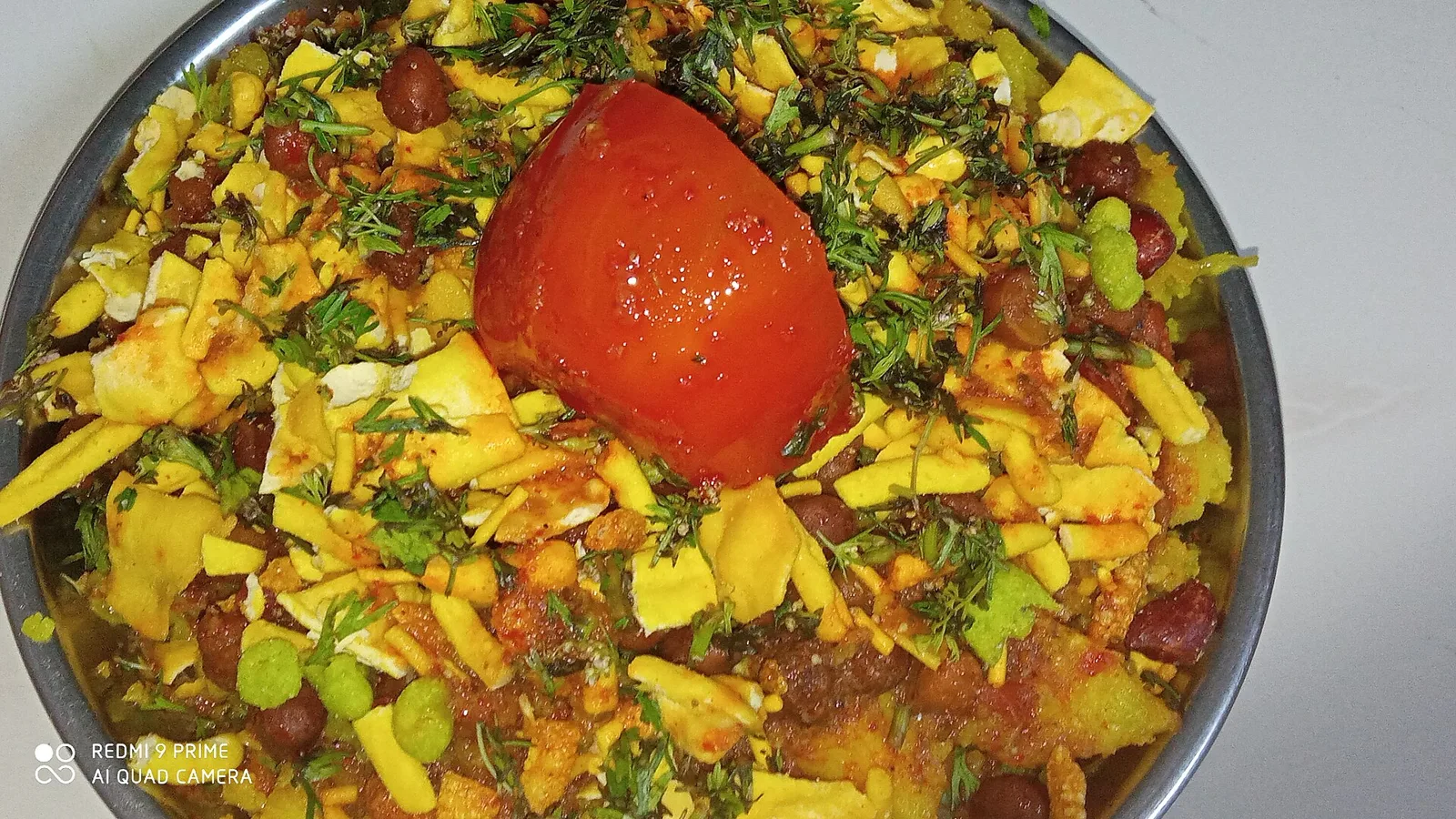
Plate of tarri poha, Nagpur's flattened-rice breakfast topped with spicy chana curry
Photo: Tarri poha by Ruchika More, CC BY-SA 4.0, via Wikimedia Commons

What to shop and where

Sitabuldi Main Road is the busy central market for clothes and everyday shopping. Sweet shops all over the city sell orange barfi and other orange sweets. In season, oranges are sold at fruit markets (Kalamna is the big wholesale yard) and roadside stalls. Ask the vendor whether the fruit is the current crop.

Local festivals and events

  • Dhammachakra Pravartan Din (October): very large gatherings at Deekshabhoomi around Ashoka Vijayadashami and 14 October.
  • Diwali (Oct/Nov): lights and sweet shops across the city; check the year’s date.
  • Ganeshotsav (Aug/Sep) and Navratri (Sep/Oct) across Vidarbha.
  • Winter legislative session (December): a civic event, not a festival — expect security arrangements near Vidhan Bhavan.

Plan around holidays with our state-wise long weekends 2027 list and the BuzzyTrip festival calendar.

Budget breakdown

These are realistic daily ranges for November 2026. Model your own trip with our budget calculator.

Budget Comfort Luxury
Stay ₹600–₹1,200 ₹1,800–₹3,500 ₹5,000–₹10,000
Food ₹300–₹600 ₹600–₹1,200 ₹1,500–₹3,000
Local transport ₹150–₹400 ₹400–₹900 ₹1,500–₹3,000
Activities & entry fees ₹50–₹300 ₹200–₹800 ₹1,000–₹4,000
Total per day ₹1,100–₹2,500 ₹3,000–₹6,400 ₹9,000–₹20,000
BuzzyTrip estimates per person per day for November 2026, two people sharing a room. Budget means a simple lodge or hostel bed, poha-and-thali meals, metro, buses and shared autos; comfort means a mid-range hotel in Dharampeth, Ramdas Peth or Sitabuldi, restaurant meals and app cabs; luxury means a five-star or business hotel and a private car for the day. Flights or trains to Nagpur and Tadoba/Pench safaris are not included — a core-zone gypsy safari booked on the official portal is paid per vehicle (up to six guests), so the per-person cost depends on how many share it. Entry fees change; confirm before you go.

What to avoid: scams and safety

  • Fake Tadoba booking websites and agents charging extra — book only on mytadoba.mahaforest.gov.in.
  • Unmetered auto fares from the station or airport — use app cabs or agree the fare first.
  • Long night drives on highways shared with heavy trucks.
  • Midday sun even in November — carry water.
  • Emergency number: 112.

Do’s and don’ts

  • Do remove shoes and dress modestly at Deekshabhoomi, Ramtek and other shrines.
  • Do carry ID that matches your safari booking.
  • Don’t litter at the lakes.
  • Don’t plan a Sitabuldi Fort visit on an ordinary day — it is usually closed to the public.

Local etiquette

Deekshabhoomi is a living place of worship, so keep your voice low and ask before photographing people praying. Cover shoulders and knees at temples and dargahs, such as the well-known Tajuddin Baba dargah at Tajabad. Marathi and Hindi are the everyday languages, and a simple dhanyavaad goes a long way.

Dragon Palace Temple at Kamptee near Nagpur reflected in its front pool
Photo: Dragon Palace Temple by Dragonpalacetemple, CC BY-SA 4.0, via Wikimedia Commons

Myths vs facts

  • Myth: Nagpur is always scorching. Fact: November averages about 31 °C by day and 17 °C at night.
  • Myth: Oranges are available all year. Fact: the main crops reach markets roughly October–December and February–March.
  • Myth: The big Deekshabhoomi gathering is in November. Fact: it is in October.
  • Myth: Tadoba is closed until winter. Fact: the core zone reopened on 1 October (closed on Tuesdays).

Packing list

  • A light jacket or shawl for cool evenings and early safaris.
  • Sunscreen, a hat and a refillable water bottle.
  • Neutral-coloured clothes for the jungle, and closed shoes.
  • Modest clothes for shrines.
  • Printed safari tickets and original ID.

Other cool-season trips from Maharashtra: Bhandardara in November, Toranmal, Aurangabad caves and food and Udaipur in November.

Frequently asked questions

When is the best time to visit Nagpur?

October to February. November averages roughly 31 °C by day and 17 °C at night with very little rain, so sightseeing is comfortable. From March to June the city is very hot — May averages over 40 °C.

Are Nagpur oranges in season in November?

Yes, usually. The Ambia crop is harvested roughly October to December, and the sweeter Mrig crop comes around February–March. Supply depends on the year’s weather, so ask locally.

How far is Tadoba from Nagpur, and is it open in November?

Moharli gate is about 140–150 km (3–4 hours) by road. The core zone reopened on 1 October 2026 after the monsoon closure. Core gates are closed on Tuesdays and buffer gates on Wednesdays. Book only on the official site, mytadoba.mahaforest.gov.in.

How do we get from Mumbai to Nagpur?

Fly (about 1.5 hours), take an overnight train, or drive the 701 km Samruddhi Mahamarg, fully open since June 2025 — around 8–9 hours on the expressway itself, plus city traffic at each end.

Is Dhammachakra Pravartan Din in November?

No. It is marked at Deekshabhoomi around Ashoka Vijayadashami and 14 October, the date of Dr Ambedkar’s 1956 conversion, so huge crowds come in October. In November the site is calm and free to visit.

Can we visit Sitabuldi Fort?

Only on a few days each year. It is held by the Army and usually opens to the public on 26 January, 1 May and 15 August. On other days you can only see it from outside.

What should we eat in Nagpur?

Tarri poha (poha with a spicy chana gravy) for breakfast, Saoji mutton or chicken if you like strong heat, Varhadi vegetarian thalis, and orange barfi to take home. Vegetarian food is easy to find everywhere.

How do we get around the city?

Nagpur Metro runs two lines, Orange and Aqua, which meet at Sitabuldi. App cabs and autos cover the rest; agree the auto fare or ask for the meter first.


Sources and credits

We checked prices, permits, visas and routes against the official pages below in November 2026. Background facts also come from the Wikimedia pages listed, used under Creative Commons Attribution-ShareAlike. This guide is an original work written and edited for BuzzyTrip; fees, visa rules and timetables change, so verify before you travel.

Official and primary sources:

Background reading:

Photos:

Shared 0 times

Local tips

Been here recently? Share a tip (and a photo) in the comments below and tick “This is a travel tip”. Tips are reviewed before they appear — we never show your email.

4 comments

    Share a tip or ask a question

    Your email address will not be published. Required fields are marked *

    Tips are reviewed before they appear. Please don’t share personal contact details.

    Photo credits for this page

    The BuzzyTrip Weekend Drop

    Short, useful travel ideas and new guides. Straight to your inbox every Friday.

    No spam. Unsubscribe anytime.

    Plan your Nagpur trip on WhatsApp

    Message us with your dates and budget and we’ll reply with suggestions.

    Chat on WhatsApp