When was Navratri 2026 in Gujarat?Navratri 2026 ran from 11 to 19 October, with Dussehra on 20 October. It is celebrated across Gujarat, especially in Ahmedabad and Vadodara. Next year's dates follow the lunar calendar, usually in September–October.What permits do I need in Gujarat?A White Rann permit for Dhordo (online or at the Bhirandiyara checkpoint), a Gir safari permit booked on girlion.gujarat.gov.in, entry fees at other sanctuaries, and a liquor permit only if you want to drink alcohol, since Gujarat is a dry state.How do I book a Gir lion safari?Only on the official site, girlion.gujarat.gov.in, up to 45 days ahead and at least 2 hours before the slot. The permit is ₹800 per vehicle on weekdays and ₹1,000 on weekends and festivals. The guide, Gypsy and camera fees are paid at Sasan. The park is closed from 16 June to 15 October.When is Rann Utsav 2026–27?The Tent City at Dhordo runs from 1 November 2026 to 7 March 2027, according to the official booking site.Where are the Talaja caves?Near the town of Talaja in Bhavnagar district, south of Bhavnagar city, not near Junagadh.
Plan my trip
Go-now score
Budget calculator
The full guide
Gujarat This Winter: Salt Deserts, Lions, Stepwells and Thali Trails
By BuzzyTrip · Updated November 27, 2026
Gujarat at a glance
Gujarat packs a lot into one state: the White Rann of Kutch’s salt desert, Asiatic lions at Gir, four UNESCO World Heritage Sites (the Historic City of Ahmedabad, Rani ki Vav, Champaner-Pavagadh and the Harappan city of Dholavira), the temples of Somnath and Dwarka, and some of India’s best vegetarian food. Distances are big, though. Kutch, Saurashtra and north Gujarat are separate trips, so pick one or two regions rather than trying to see everything.
November to February is Gujarat’s best weather: dry, sunny days and cool nights, especially in Kutch. The Rann Utsav Tent City at Dhordo runs from 1 November 2026 to 7 March 2027, according to its official booking site. Gir’s safaris reopened on 16 October after the monsoon closure. Diwali falls on 8 November 2026, and the days around it are busy across the state as Gujaratis travel too, so book early or go a week later. In January, the International Kite Festival around Uttarayan (14 January) fills Ahmedabad’s rooftops.
Best time to visit
Go from November to February for pleasant weather and the White Rann at its whitest. October can still be hot, and the Rann is often wet early in the season. March is warm, and April to June is very hot, especially in Kutch. The monsoon (July–September) turns Saurashtra green, but Gir’s main safari zone is closed from 16 June to 15 October.
Permits and entry rules
Gujarat has a few permits that catch visitors out. Here is what you actually need:
White Rann (Dhordo): the salt flats are near the India–Pakistan border, so you need a permit. Get it online on the Gujarat government’s Rann permit portal or at the Bhirandiyara checkpoint on the Bhuj–Dhordo road, and carry the photo ID you used.
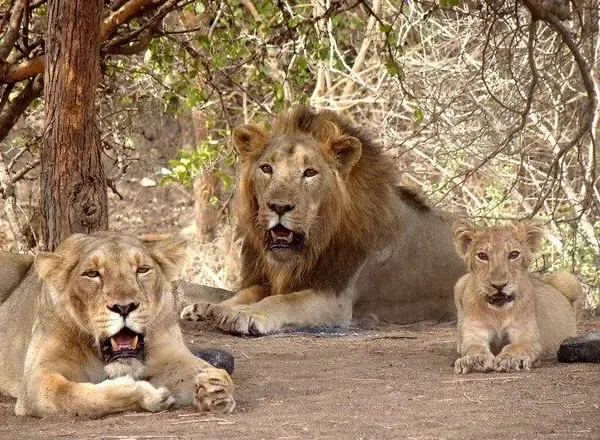
Gir National Park (Gir Jungle Trail): book safari permits only on the official site, girlion.gujarat.gov.in. Bookings open up to 45 days ahead and close 2 hours before the slot. The permit costs ₹800 per vehicle (up to six people) on weekdays and ₹1,000 on weekends and festivals. A guide is compulsory, and the Gypsy, guide and camera fees are paid separately at the Sasan reception. Tour operators can’t bulk-book, so ignore anyone selling “guaranteed” permits.
Other sanctuaries, such as Velavadar Blackbuck National Park, the Little Rann wild ass sanctuary and Nal Sarovar, charge entry and vehicle fees and have seasonal dates. Check with the forest department before you go.
Alcohol: Gujarat is a dry state. Visitors from outside Gujarat can apply for a temporary liquor permit, usually through authorised liquor shops in larger hotels, with ID and proof of travel. Drinking without a permit is illegal.
How to reach Gujarat
By air: Ahmedabad (AMD) is the main airport, with flights from most Indian metros. Bhuj, Rajkot, Vadodara, Bhavnagar, Jamnagar and Keshod (for Gir and Somnath) also have flights, mostly from Mumbai.
By train: Mumbai–Ahmedabad is one of India’s busiest rail routes, with Shatabdi and Vande Bharat services taking roughly 5.5–7 hours. Overnight trains connect Ahmedabad and Mumbai with Bhuj, and Ahmedabad with Rajkot, Somnath, Veraval and Dwarka.
By road: the expressway from Ahmedabad to Vadodara is quick. Ahmedabad to Bhuj takes about 6–7 hours, and Ahmedabad to Sasan Gir about 7 hours. State GSRTC buses go almost everywhere, and private sleeper buses run overnight on the long routes.
Getting around
For Kutch and Saurashtra, hire a car with a driver. Public transport reaches the towns but not the Rann, craft villages or safari gates on your schedule. In Ahmedabad, use the metro, app cabs and autos. Plan realistic drives: 250–300 km a day is plenty on Gujarat’s roads with stops.
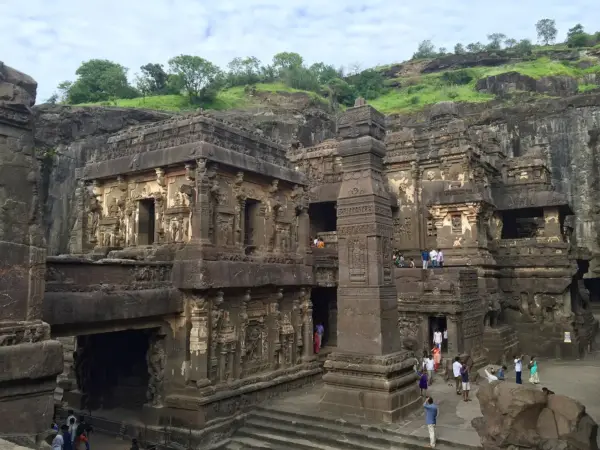
Talaja caves (Bhavnagar district): Buddhist rock-cut caves on a hill near the town of Talaja, south of Bhavnagar. Combine them with Velavadar.
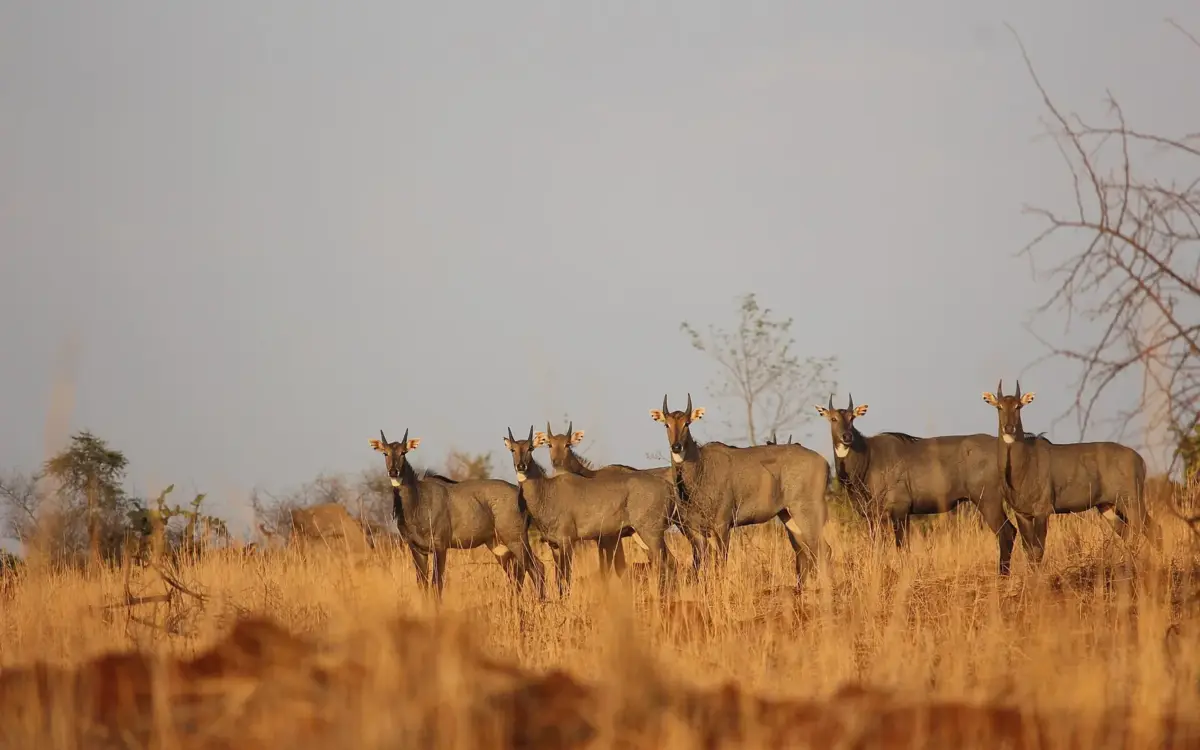
Velavadar Blackbuck National Park: grasslands near Bhavnagar with herds of blackbuck, plus nilgai and wolves if you are lucky.
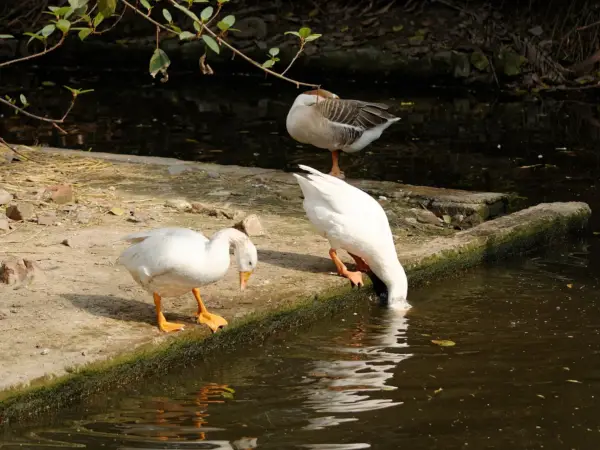
Nal Sarovar: a large wetland bird sanctuary about 60 km from Ahmedabad. It is best for migratory birds in winter, and you’ll see them from small local boats.
Little Rann of Kutch: home to the Indian wild ass, reached via Dasada or Bajana.
Banni craft villages: embroidery, leatherwork and mud-and-mirror homes near the White Rann.
Ahmedabad and the stepwells. Kutch and Gir are too far for a two-day trip.
Day 1: Old Ahmedabad
Morning: Join the heritage walk through the old city’s pols (gated lanes), part of the UNESCO-listed Historic City of Ahmedabad.
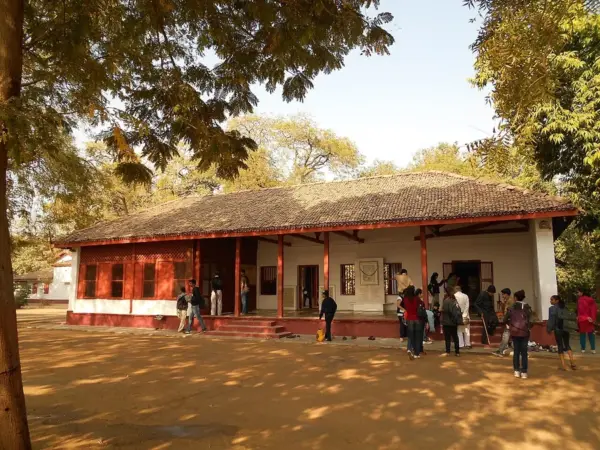
Afternoon: Sabarmati Ashram, where Gandhi lived from 1917 to 1930, then the Sidi Saiyyed mosque’s stone jali.
Evening: Manek Chowk, which turns into a food market at night.
Est. cost: ₹2,500–5,000 per person (approx.)
Day 2: Stepwells and the Sun Temple
Morning: Adalaj stepwell, about 18 km north of the city.
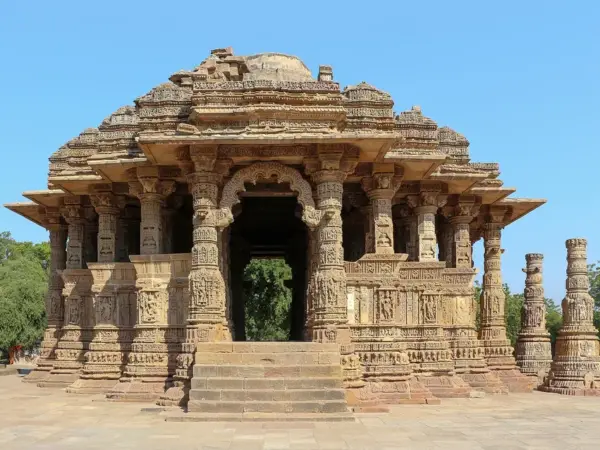
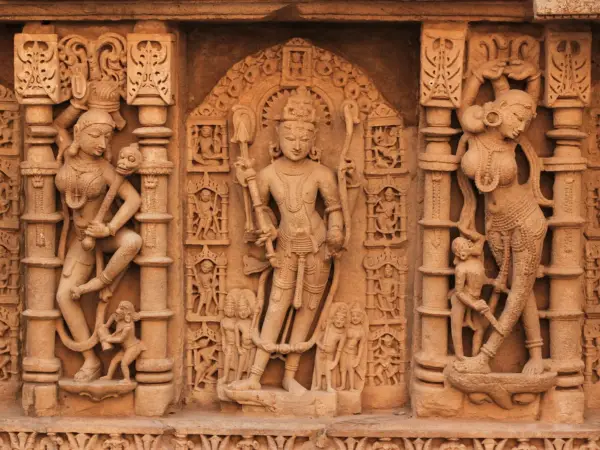
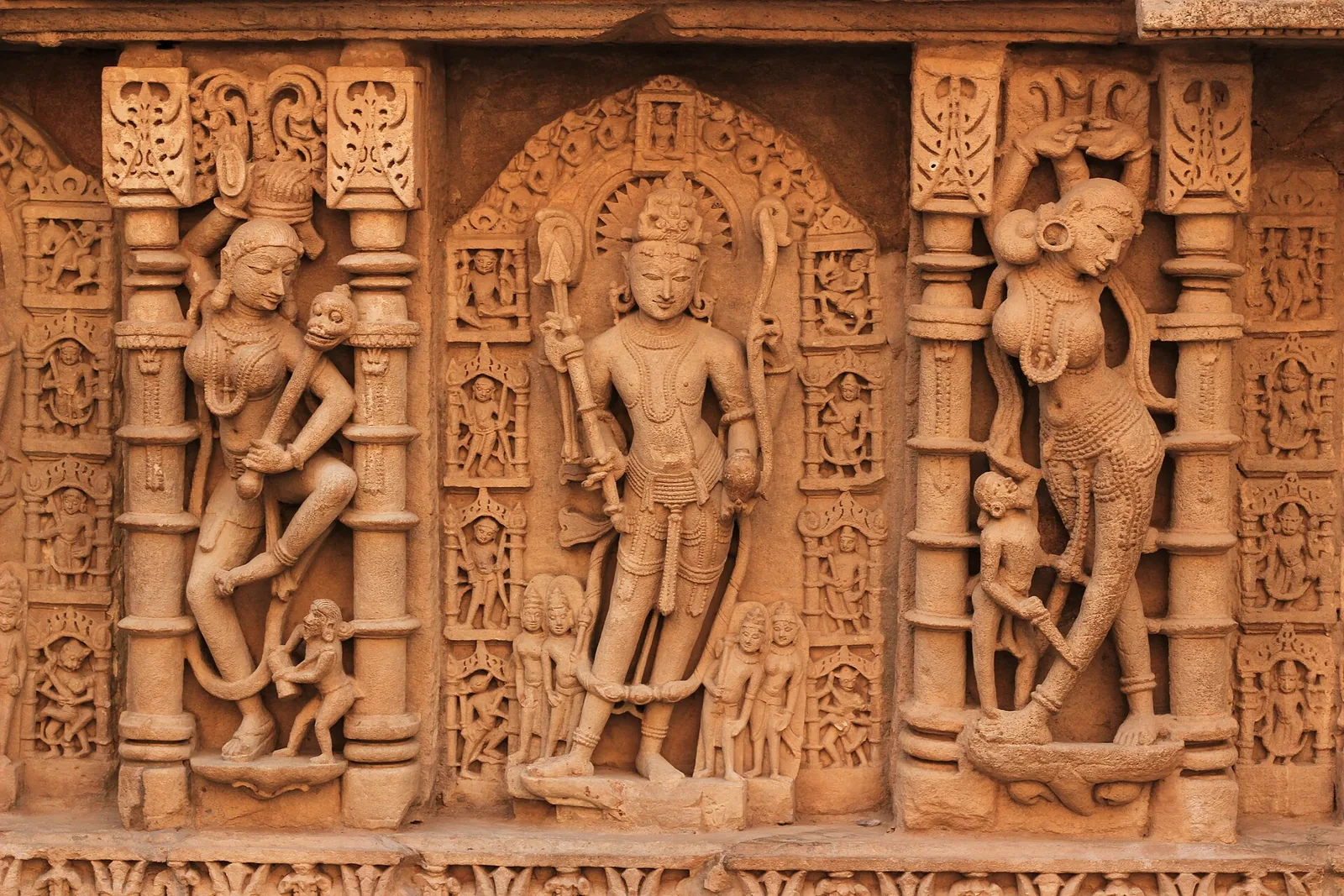
Afternoon: Modhera Sun Temple (about 100 km), then Rani ki Vav in Patan (about 35 km further on).
Evening: Drive back to Ahmedabad.
Est. cost: ₹3,500–6,500 per person (approx.)
3 days
Kutch in a long weekend: fly or take an overnight train to Bhuj.
Day 1: Bhuj
Morning: Arrive in Bhuj by air or overnight train.
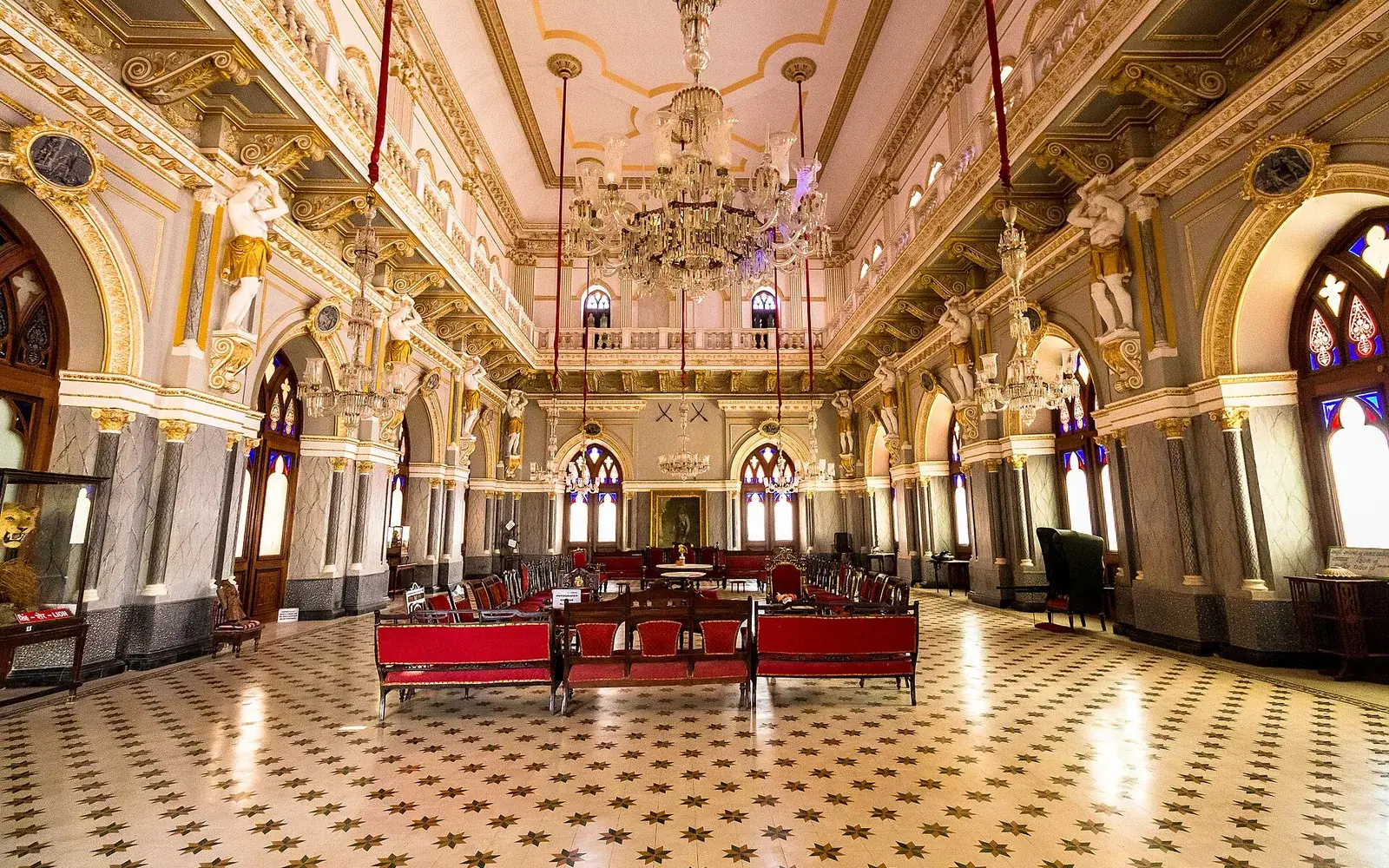
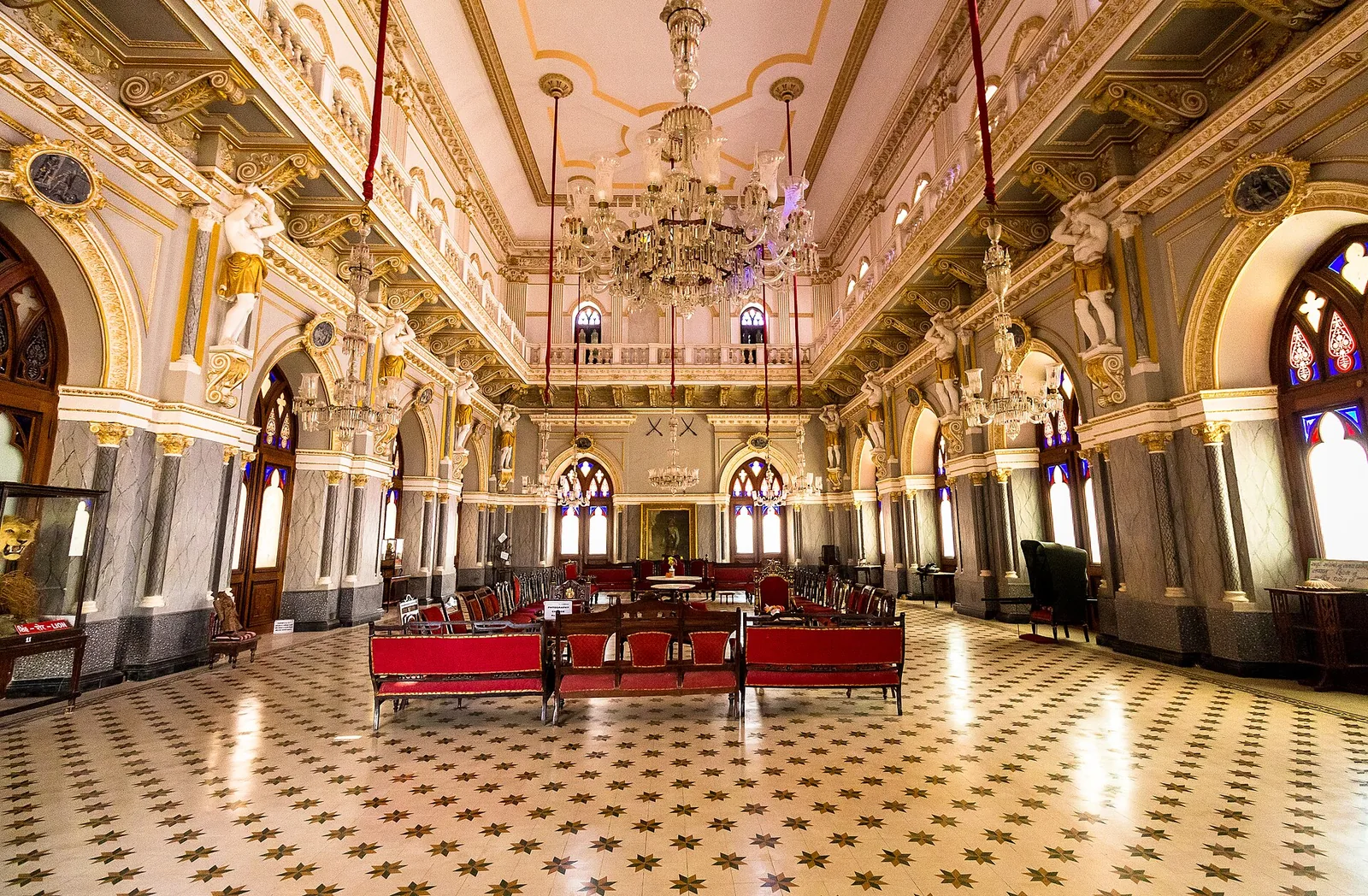
Afternoon: Prag Mahal and Aina Mahal, the palaces of Kutch’s old rulers.
Evening: Bhujodi weaving village and the Bhuj bazaar.
Est. cost: ₹3,000–6,000 per person (approx.)
Day 2: White Rann
Morning: Craft villages of Banni on the way north (Hodka or Nirona).
Afternoon: Get your White Rann permit online or at the Bhirandiyara checkpoint, then drive on to Dhordo.
Evening: Sunset, and moonlight on full-moon nights, on the salt flats.
Est. cost: ₹3,500–8,000 per person (approx.)
Day 3: Kala Dungar and back
Morning: Kala Dungar, the highest point in Kutch, for the view over the Rann.
Afternoon: Back to Bhuj for lunch.
Evening: Fly or take the train home.
Est. cost: ₹2,500–5,000 per person (approx.)
5 days
Ahmedabad plus Kutch: heritage, crafts and the salt desert.
Day 1: Ahmedabad
Morning: Old city heritage walk.
Afternoon: Sabarmati Ashram.
Evening: Manek Chowk food.
Est. cost: ₹2,500–5,000 per person (approx.)
Day 2: North Gujarat
Morning: Modhera Sun Temple.
Afternoon: Rani ki Vav, Patan.
Evening: Drive or train towards Bhuj, which takes most of the evening.
Est. cost: ₹3,500–6,500 per person (approx.)
Day 3: Bhuj
Morning: Prag Mahal and Aina Mahal.
Afternoon: Bhujodi weavers.
Evening: Bhuj bazaar.
Est. cost: ₹3,000–5,500 per person (approx.)
Day 4: White Rann
Morning: Banni craft villages.
Afternoon: Permit, then Dhordo.
Evening: Salt-flat sunset, or a night at the Rann Utsav Tent City.
Est. cost: ₹4,000–12,000 per person (approx.)
Day 5: Kala Dungar and depart
Morning: Kala Dungar viewpoint.
Afternoon: Back to Bhuj.
Evening: Fly out from Bhuj, or take a train to Ahmedabad.
Est. cost: ₹2,500–5,000 per person (approx.)
7 days
A Saurashtra loop: Ahmedabad, Statue of Unity, Gir lions, Somnath and Dwarka.
Day 1: Ahmedabad
Morning: Heritage walk.
Afternoon: Sabarmati Ashram and Adalaj stepwell.
Evening: Manek Chowk.
Est. cost: ₹2,500–5,000 per person (approx.)
Day 2: Statue of Unity
Morning: Drive to Ekta Nagar (about 200 km).
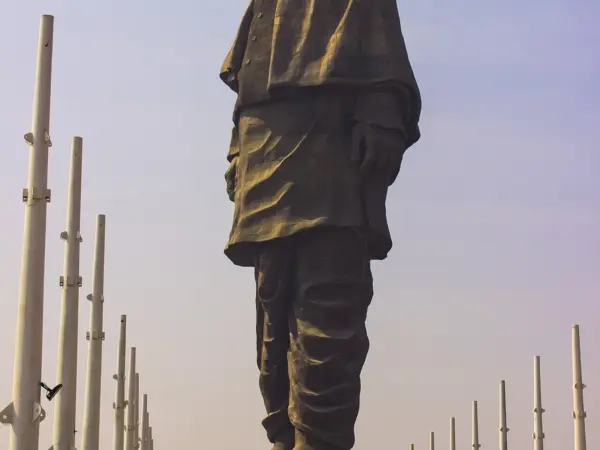
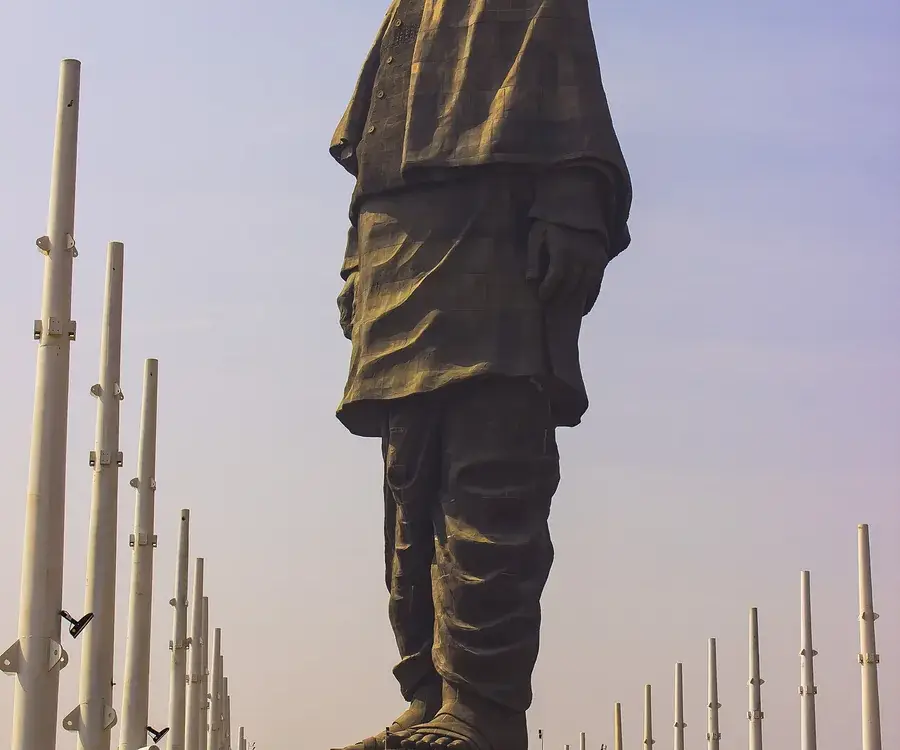
Afternoon: Statue of Unity viewing gallery and the Sardar Sarovar Dam.
Evening: Stay at Ekta Nagar.
Est. cost: ₹3,500–7,000 per person (approx.)
Day 3: Champaner-Pavagadh to Saurashtra
Morning: Champaner-Pavagadh UNESCO site near Vadodara.
Afternoon: Long drive west towards Sasan Gir. Consider breaking the trip overnight.
Evening: Arrive at Sasan.
Est. cost: ₹3,500–6,500 per person (approx.)
Day 4: Gir safari
Morning: Morning Gir Jungle Trail safari, with a permit booked on the official portal.
Afternoon: Rest at Sasan.
Evening: Optional afternoon safari slot if you booked two.
Est. cost: ₹5,000–10,000 per person (approx.)
Day 5: Somnath
Morning: Drive to Somnath (about 45 km).
Afternoon: Somnath temple and the seafront.
Evening: Evening aarti.
Est. cost: ₹2,500–5,000 per person (approx.)
Day 6: Dwarka
Morning: Coastal drive to Dwarka.
Afternoon: Dwarkadhish temple.
Evening: Sunset at the seafront.
Est. cost: ₹2,500–5,000 per person (approx.)
Day 7: Depart
Morning: Bet Dwarka by ferry, if time allows.
Afternoon: Drive to Jamnagar or Rajkot.
Evening: Fly home.
Est. cost: ₹2,500–5,000 per person (approx.)
Family with kids
Lions, a giant statue and plenty of snacks, with manageable drives.
Day 1: Ahmedabad
Morning: Science City or Kankaria Lake.
Afternoon: Sabarmati Ashram.
Evening: Kankaria lakefront in the evening.
Est. cost: ₹2,500–5,000 per person (approx.)
Day 2: Statue of Unity
Morning: Ekta Nagar.
Afternoon: Viewing gallery, plus the park attractions around the statue.
Evening: Overnight at Ekta Nagar.
Est. cost: ₹3,500–7,000 per person (approx.)
Day 3: Gir
Morning: Morning safari (permit booked in advance).
Afternoon: Pool time at the resort.
Evening: Early night.
Est. cost: ₹5,000–10,000 per person (approx.)
Couples
Palaces, salt-flat sunsets and a night under canvas.
Day 1: Bhuj palaces
Morning: Aina Mahal and Prag Mahal.
Afternoon: Bhujodi and Ajrakhpur craft shopping.
Evening: Dinner in Bhuj.
Est. cost: ₹3,500–7,000 per person (approx.)
Day 2: Tent City night
Morning: Banni villages.
Afternoon: White Rann permit, then check in at the Rann Utsav Tent City.
Evening: Sunset and cultural evening on the Rann.
Est. cost: ₹10,000–25,000 per person (approx.)
Day 3: Kala Dungar
Morning: Sunrise drive to Kala Dungar.
Afternoon: Back to Bhuj.
Evening: Fly home.
Est. cost: ₹3,000–6,000 per person (approx.)
Budget backpacker
Trains, state buses and dorm beds.
Day 1: Ahmedabad on foot
Morning: Heritage walk.
Afternoon: Sabarmati Ashram, which is free.
Evening: Manek Chowk street food.
Est. cost: ₹1,200–2,000 per person (approx.)
Day 2: Overnight to Bhuj
Morning: Day trip to Adalaj by city bus.
Afternoon: Rest.
Evening: Overnight train to Bhuj.
Est. cost: ₹1,000–1,800 per person (approx.)
Day 3: Bhuj and the Rann
Morning: Prag Mahal.
Afternoon: Shared ride to the White Rann (permit needed).
Evening: Back to Bhuj.
Est. cost: ₹1,500–2,800 per person (approx.)
Luxury
Heritage hotels, a private driver and the top tents at Rann Utsav.
Day 1: Heritage Ahmedabad
Morning: Private heritage walk.
Afternoon: Lunch at a heritage haveli hotel.
Evening: Old-city dinner.
Est. cost: ₹10,000–20,000 per person (approx.)
Day 2: Fly to Bhuj
Morning: Flight to Bhuj and a private car.
Afternoon: Prag Mahal and Aina Mahal.
Evening: Premium tent at the Rann Utsav Tent City.
Est. cost: ₹20,000–40,000 per person (approx.)
Day 3: White Rann
Morning: Sunrise over the salt.
Afternoon: Kala Dungar.
Evening: Fly back from Bhuj.
Est. cost: ₹15,000–30,000 per person (approx.)
Where to stay
Ahmedabad: heritage havelis in the old city or business hotels on SG Highway. Kutch: Bhuj for value, Rann Utsav Tent City for the experience, or village resorts near Dhordo. Gir: stay at Sasan near the safari reception. Ekta Nagar: tent and hotel options near the Statue of Unity. Book well ahead for Diwali and the Christmas–New Year weeks.
Where to eat and what to order
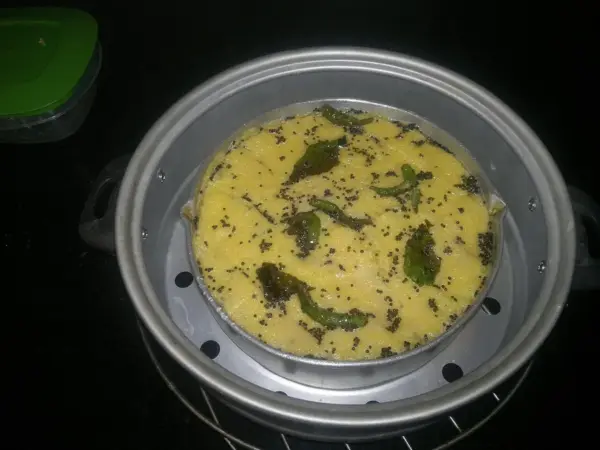
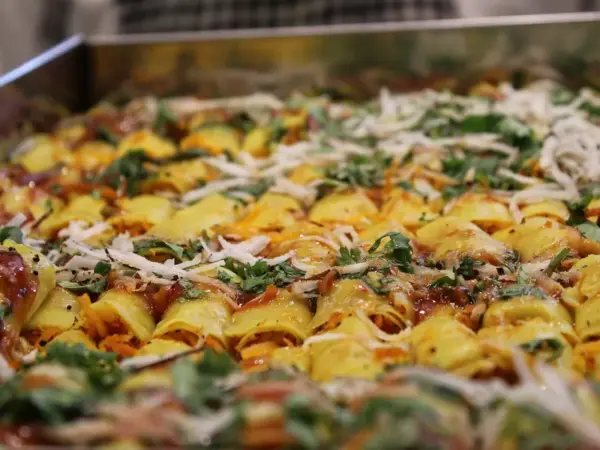
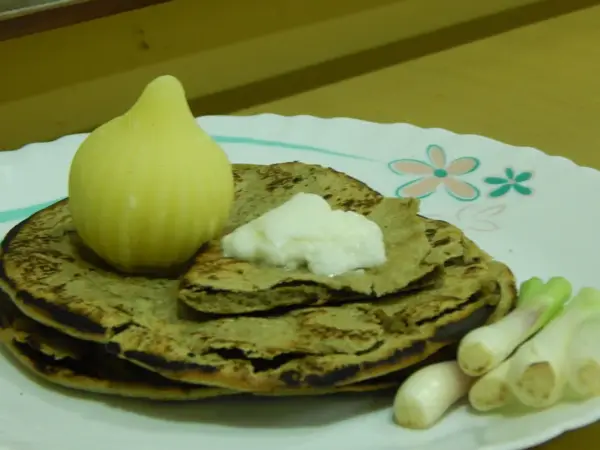
Gujarati food is mostly vegetarian and leans sweet-savoury. Order a full thali (dal, kadhi, shaak, rotli, rice, farsan and sweets), dhokla, khandvi, fafda-jalebi for breakfast, undhiyu in winter and bajra rotla with garlic chutney in Kutch and Saurashtra. Ahmedabad’s Manek Chowk is the famous late-night food street. Kutchi dabeli started in Mandvi.
What to shop and where
Kutch is a crafts paradise: Ajrakh block prints from Ajrakhpur, Bhujodi weaving, Banni embroidery and Rogan art from Nirona. Buy from artisans or cooperatives where you can. Patan is famous for Patola silk (expensive, because it is double ikat). Ahmedabad’s Law Garden market sells mirror-work textiles.
Local festivals and events
Navratri: nine nights of garba across the state. In 2026 it ran from 11 to 19 October, so plan for next year’s dates (usually September–October).
Diwali: 8 November 2026, followed by the Gujarati New Year.
Rann Utsav: the Tent City at Dhordo runs 1 November 2026 to 7 March 2027.
Uttarayan / International Kite Festival: around 14 January, especially in Ahmedabad.
Modhera Dance Festival: classical dance at the Sun Temple, usually in January.
Gujarat is good value: food is cheap and excellent, and mid-range hotels cost less than in many other states. The big costs are a car and driver for long distances, Tent City packages and Gir safaris. Run your own numbers with our budget calculator.
Budget
Comfort
Luxury
Stay
₹800–₹1,800
₹2,500–₹5,000
₹7,000–₹25,000
Food
₹300–₹700
₹700–₹1,500
₹1,500–₹3,500
Local transport
₹400–₹1,200
₹1,500–₹3,500
₹3,500–₹7,000
Activities & entry fees
₹100–₹600
₹500–₹1,500
₹1,500–₹4,000
Total per day
₹1,600–₹4,300
₹5,200–₹11,500
₹13,500–₹39,500
BuzzyTrip estimates per person per day for winter 2026–27, two people sharing a room. Local transport assumes a shared car with driver on road-trip days. Rann Utsav tent packages and Gir safaris are priced separately and push the top of each range.
What to avoid: scams and safety
Book Gir permits only on the official portal. Fake “permit agents” are common.
Use only the official Rann Utsav website for Tent City bookings.
Don’t drive onto the Rann beyond marked areas. It is a border zone and the crust can be soft.
Carry water and sun protection. The salt glare is intense, so bring sunglasses.
Do’s and don’ts
Do carry photo ID for the Rann permit, the Gir permit and hotel check-ins.
Do dress modestly at Somnath, Dwarka and other temples.
Don’t carry or drink alcohol without a valid permit.
Don’t step out of the vehicle during a Gir safari.
Local etiquette
Many families are strictly vegetarian, and some Jain households avoid onion and garlic too, so ask before bringing food into someone’s home. Remove footwear at temples and homes. Bargain politely at markets, but not with artisans at cooperatives, where prices are fixed and fair.
Packing list
Sunglasses, a hat and sunscreen for the Rann
A warm layer for Kutch nights in December–January
Photo ID (original plus copies)
Neutral-coloured clothes for safaris
Comfortable shoes for stepwells and forts
History and culture
Gujarat’s story runs from the Harappan cities of Dholavira and Lothal through the Solanki dynasty that built Modhera and Rani ki Vav, the Gujarat Sultanate that founded Ahmedabad in 1411, and the princely states of Kutch and Saurashtra. Mahatma Gandhi grew up in Porbandar and launched the Salt March from Sabarmati Ashram in 1930.
Navratri 2026 ran from 11 to 19 October, with Dussehra on 20 October. It is celebrated across Gujarat, especially in Ahmedabad and Vadodara. Next year’s dates follow the lunar calendar, usually in September–October.
What permits do I need in Gujarat?
A White Rann permit for Dhordo (online or at the Bhirandiyara checkpoint), a Gir safari permit booked on girlion.gujarat.gov.in, entry fees at other sanctuaries, and a liquor permit only if you want to drink alcohol, since Gujarat is a dry state.
How do I book a Gir lion safari?
Only on the official site, girlion.gujarat.gov.in, up to 45 days ahead and at least 2 hours before the slot. The permit is ₹800 per vehicle on weekdays and ₹1,000 on weekends and festivals. The guide, Gypsy and camera fees are paid at Sasan. The park is closed from 16 June to 15 October.
When is Rann Utsav 2026–27?
The Tent City at Dhordo runs from 1 November 2026 to 7 March 2027, according to the official booking site.
Where are the Talaja caves?
Near the town of Talaja in Bhavnagar district, south of Bhavnagar city, not near Junagadh.
How far is Nal Sarovar from Ahmedabad?
About 60 km. It is a wetland bird sanctuary, best in winter for migratory birds, explored by small local boats.
Can tourists drink alcohol in Gujarat?
Only with a permit. Gujarat has prohibition, but visitors from outside the state can apply for a temporary liquor permit, usually at authorised shops in larger hotels, with ID and travel proof.
How many days do I need for Gujarat?
Five days covers Ahmedabad and Kutch, and seven days works for a Saurashtra loop with Gir, Somnath and Dwarka. Seeing the whole state takes two weeks or more.
Sources and credits
We checked prices, permits, visas and routes against the official pages below in October 2026. Background facts also come from the Wikimedia pages listed, used under Creative Commons Attribution-ShareAlike. This guide is an original work written and edited for BuzzyTrip; fees, visa rules and timetables change, so verify before you travel.
Been here recently? Share a tip (and a photo) in the comments below and tick “This is a travel tip”. Tips are reviewed before they appear — we never show your email.



9 comments