Dholavira first-trip guide:Harappan city, reservoirs & the Rann
Fact-checked Dholavira for 2026: the UNESCO Harappan city and its reservoirs, the Fossil Park, the Road to Heaven, routes from Bhuj and Ahmedabad, and honest budgets.
Is November a good time to visit Dholavira?Yes. October to March is the best time: days are warm but pleasant and nights get cool, especially in December and January. From April to June it is very hot, often over 40°C, and from July to September roads can be muddy after rain.What are the timings and entry fee?The excavated site is open daytime hours, roughly from morning to sunset, and the ASI site museum is reported closed on Fridays. Recent visitors report free entry to the site; ASI fees and timings change, so check at the gate or on the ASI website before you go.How do we reach Dholavira?By road. Dholavira is about 230–250 km from Bhuj (4.5–5 hours) and about 330–360 km from Ahmedabad (7–8 hours). Bhuj has the nearest airport and railway station. Wikivoyage lists a daily GSRTC bus from Bhuj at about 2 pm, but most people hire a car with a driver.What is the Road to Heaven?It is the popular name for the roughly 30 km road across the salt flats of the Great Rann between Khavda and Dholavira. It is a scenic way to drive between Dholavira and the Bhuj–Khavda–Dhordo side of Kutch.Do we need a permit for Dholavira?No permit is needed for Dholavira itself. The White Rann at Dhordo needs a visitor permit, available online or at the Bhirandiyara check-post, and areas closer to the border are restricted.
Plan my trip
Go-now score
Budget calculator
The full guide
Dholavira in 2026: Ancient Waterworks and Rann Sunsets
By BuzzyTrip · Updated November 27, 2026
Dholavira at a glance
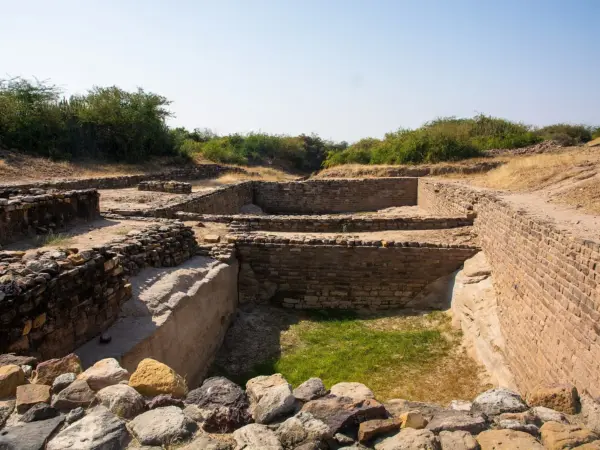
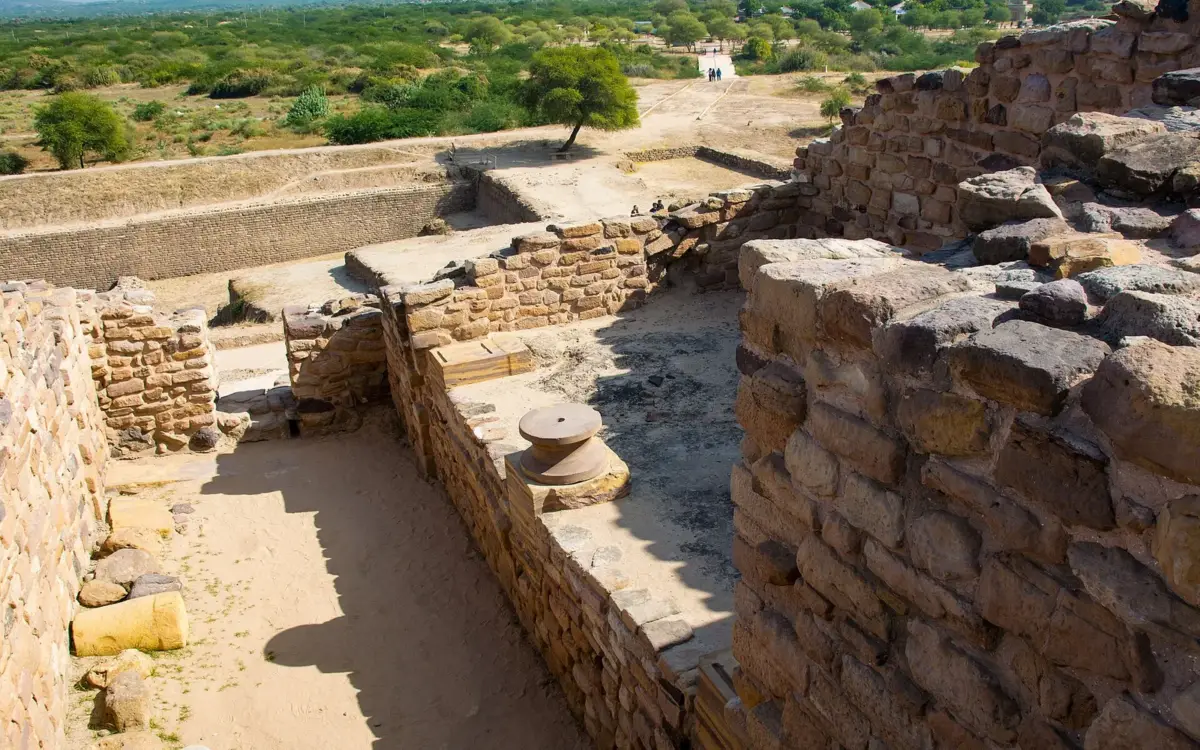
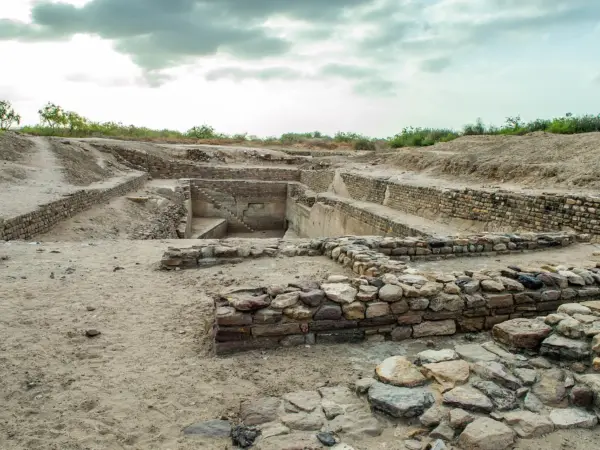
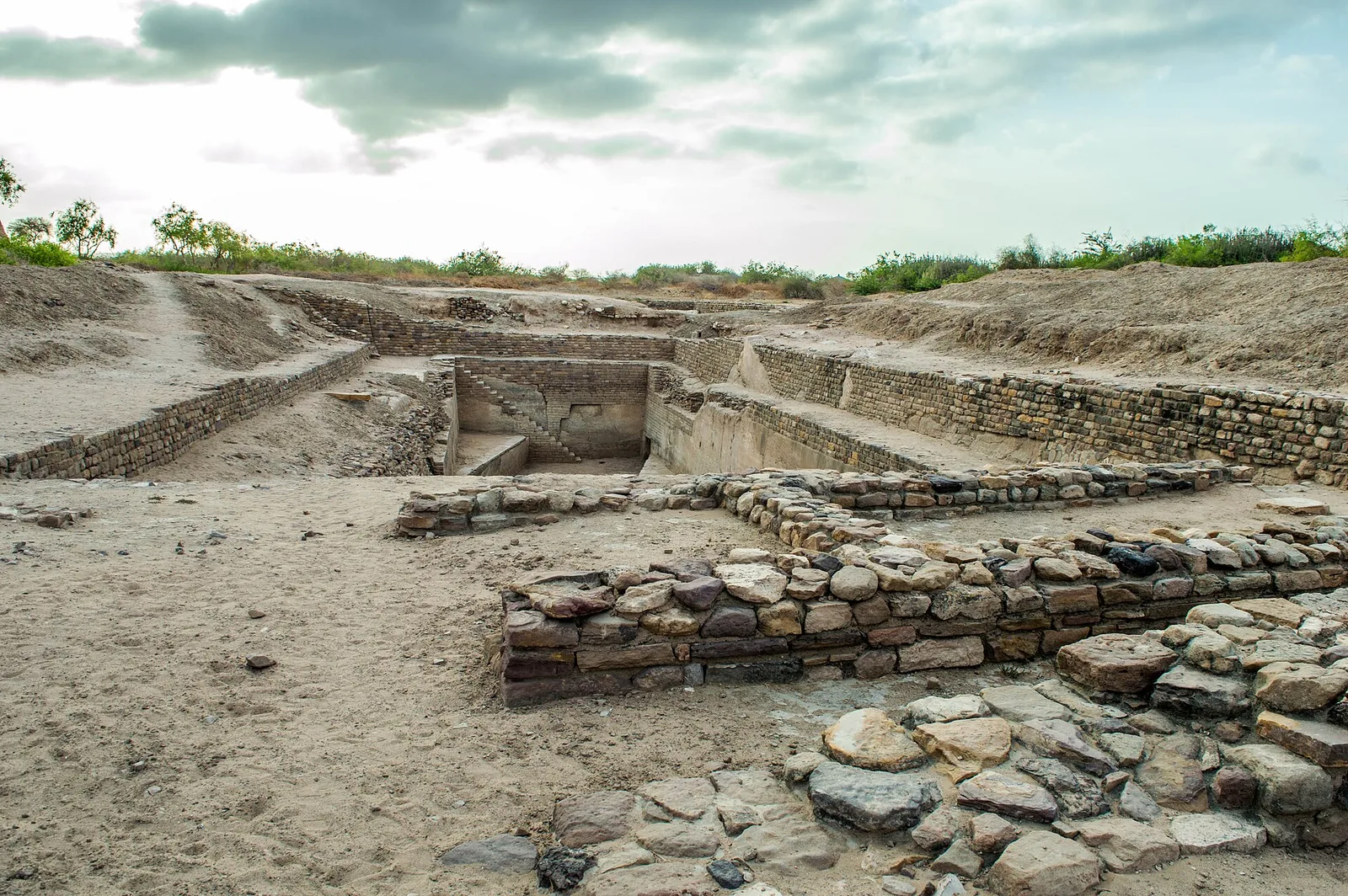
Dholavira is the ruin of a Harappan (Indus Valley) city on Khadir Bet, an island of higher ground in the Great Rann of Kutch in Gujarat. It was lived in from roughly the 3rd to the middle of the 2nd millennium BCE and became a UNESCO World Heritage Site in 2021. Wikivoyage calls it the second-largest Harappan site in India. It is famous for its water system: large stone reservoirs and channels that stored scarce rain, along with a walled citadel, a middle and lower town and the site where a large Indus inscription was found. Dholavira is remote and quiet; it suits history lovers and road-trippers, not travellers looking for restored monuments or nightlife.
November starts the best season: the heat has gone, nights are cool and the Rann is dry enough to drive. Rann Utsav, the tent city and cultural festival at Dhordo, runs from 1 November 2026 to 7 March 2027, so it is easy to combine Dholavira with the White Rann. For more of the state, read our Gujarat this winter guide.
History and culture
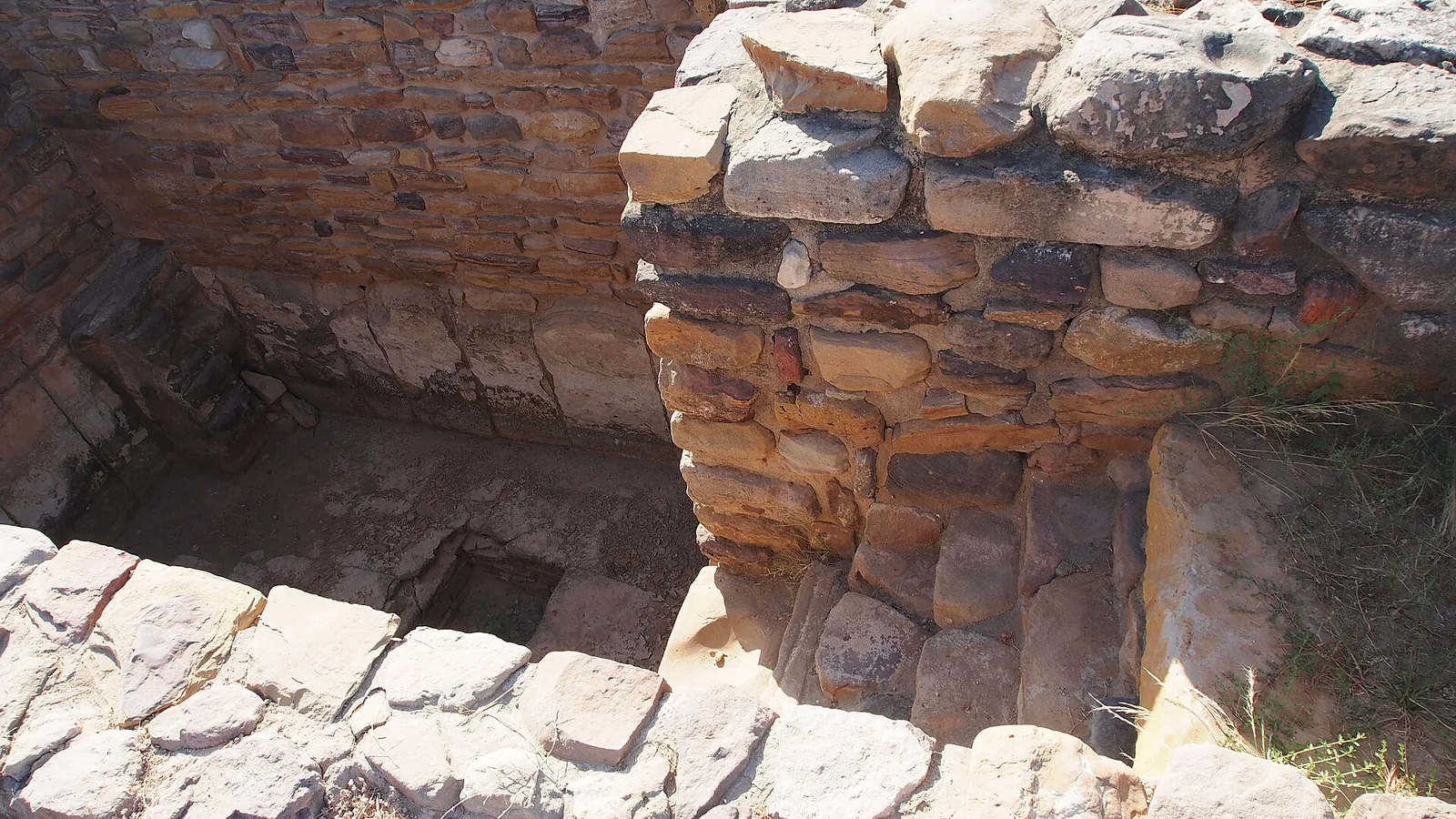
Dholavira was first identified in 1967–68, and large-scale excavation by the Archaeological Survey of India began in 1990. The city went through the early, mature and late Harappan phases. Its builders used local stone, not just mud brick, and cut reservoirs into the rock to catch monsoon runoff from two seasonal streams. Today Khadir Bet is home to small villages of farmers and herders, and Kutch as a whole is known for its crafts: embroidery, block printing, weaving and bandhani.
Top things to do
The excavated city: walk the citadel, the bailey, the ceremonial ground and the middle and lower town; allow 3–4 hours and start early in the day.
The reservoirs: the stepped stone tanks and channels are the highlight; see how the city stored water in a dry land.
The ASI site museum: seals, beads, pottery and tools from the excavations, by the entrance; reported closed on Fridays.
Fossil Park: about 10 km north of the site, with fossilised tree trunks on a low hill above the Rann; a good sunrise or sunset spot.
Road to Heaven: the roughly 30 km causeway across the salt flats between Dholavira and Khavda.
Night sky: with almost no light pollution, clear winter nights are excellent for stars.
Kala Dungar: the highest point in Kutch, near Khavda, with wide views over the Rann.
Bhujodi and the craft villages: weaving and other crafts near Bhuj, where you can buy from the makers.
Mandvi: a coastal town with a beach and old yards where wooden dhows are still built.
What not to miss
The reservoirs in early-morning or late-afternoon light.
Sunrise or sunset from the Fossil Park over the Rann.
Driving the Road to Heaven in daylight.
Where to eat and what to order
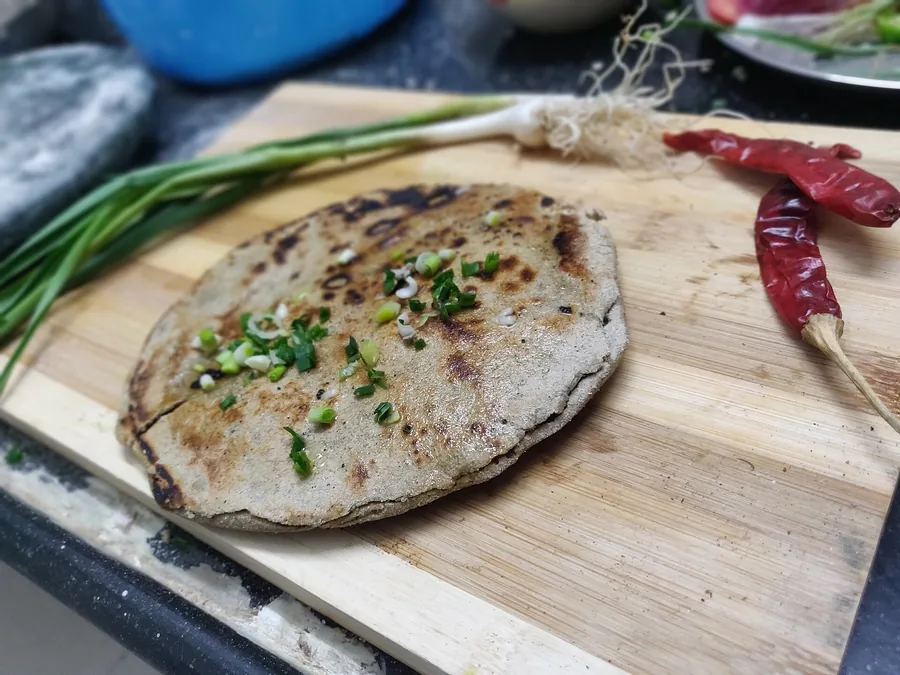
Options at Dholavira are few. Gujarat Tourism runs the Toran restaurant here, which serves Gujarati thalis, and resorts and homestays cook for guests. Try bajra rotla (millet flatbread) with kadhi or a vegetable curry, khichdi and chhaas (buttermilk). In Bhuj and Mandvi, look for dabeli, the spiced potato bun that comes from Kutch. Carry snacks and water for the long drive.
Food here is mostly vegetarian, and Jain meals are easy to request. Spice levels are moderate. Non-vegetarian food is rare at Dholavira.
Local festivals and events
Rann Utsav (1 November 2026 – 7 March 2027): the tent city at Dhordo, about 85 km north of Bhuj, with folk music, crafts and full-moon nights on the White Rann.
Navratri and Diwali: celebrated across Gujarat in autumn.
Kutch is one of India’s great craft regions. Buy embroidery, bandhani, block prints, woven shawls and pottery in Bhuj, Bhujodi and the villages around Dhordo, directly from artisans where you can. There is little to buy at Dholavira itself.
Best time to visit
October to March is the best time: dry, sunny and pleasant by day, cool at night. April to June is very hot, often above 40°C, so visit only at dawn. July to September brings limited but sometimes heavy rain; parts of the Rann flood, and some roads can be muddy.
How to reach Dholavira
From
Road distance (approx.)
Driving time (approx.)
Best way
Bhuj
~230–250 km
4.5–5 h
Hired car, or the daily GSRTC bus
Dhordo (Rann Utsav)
~105 km
~2 h
Car via Khavda and the causeway
Ahmedabad
~330–360 km
7–8 h
Drive via Bhachau and Rapar
Mumbai, Delhi, Bengaluru
–
–
Fly to Bhuj or Ahmedabad, then road
Distances are approximate, from published travel sources; check live maps before you leave.
By air: Bhuj is the nearest airport, with a few domestic flights; Ahmedabad has many more. By train: Bhuj and Gandhidham are the main railheads, with trains from Ahmedabad, Mumbai and Delhi. By bus: Wikivoyage lists a daily GSRTC bus that leaves Bhuj at about 2 pm and reaches Dholavira around 8:30 pm; confirm the current timing at the bus station. Most visitors hire a car with a driver.
Road trips from nearby metros
From Ahmedabad, drive west to Bhachau, then north via Rapar to Khadir Bet. From Bhuj, the usual route also runs via Rapar; a scenic alternative goes north to Khavda and across the causeway. There are few fuel pumps and eateries on the last stretch, so fill up and carry water. We would avoid driving across the Rann after dark.
You walk around the site itself. For the Fossil Park and the causeway you need a vehicle; there is no regular local transport, so a car with a driver is by far the easiest option.
Where to stay
Choices are limited, so book ahead in season. Evoke Dholavira, run by Evoke Experiences with Gujarat Tourism near the site, has cottages and is adding seasonal tents for 2026–27. Local homestays and small guesthouses in the village are simpler and cheaper. Many travellers instead stay in Bhuj or at Dhordo and do Dholavira as a long day trip, though we think a night on Khadir Bet is worth it.
Dholavira itineraries: pick your trip
2 days
The excavated city and museum, then the Fossil Park and the Road to Heaven back towards Bhuj.
Day 1: Bhuj to Dholavira and the ruins
Morning: Leave Bhuj early; the drive via Rapar takes about 4.5–5 hours.
Afternoon: Walk the site: the citadel, the reservoirs, the middle and lower town. Allow 3–4 hours.
Evening: Thali at Gujarat Tourism’s Toran restaurant or at your stay; watch the stars, there is little light pollution.
Est. cost: ₹2,500–5,500 per person (approx.)
Day 2: Fossil Park and the Road to Heaven
Morning: Fossil Park, about 10 km north of the site, at the edge of the Rann; go early for soft light.
Afternoon: Site museum (reported closed on Fridays), then drive west along the Khavda–Dholavira causeway.
Evening: Stop at Kala Dungar near Khavda for sunset if time allows, then on to Bhuj.
Est. cost: ₹2,500–5,500 per person (approx.)
3 days
Dholavira plus a night at the White Rann at Dhordo.
Day 1: Bhuj to Dholavira
Morning: Drive from Bhuj via Rapar.
Afternoon: Excavated city, reservoirs and citadel.
Evening: Dinner at your stay.
Est. cost: ₹2,500–5,500 per person (approx.)
Day 2: Fossils and the causeway
Morning: Fossil Park at sunrise, then the site museum.
Afternoon: The Road to Heaven causeway towards Khavda.
Evening: Sunset at Kala Dungar, then on to Dhordo.
Est. cost: ₹3,000–7,000 per person (approx.)
Day 3: White Rann and Bhuj
Morning: Early walk on the white salt flats at Dhordo (visitor permit needed).
Afternoon: Craft villages around Dhordo and Hodka.
Evening: Back to Bhuj.
Est. cost: ₹2,500–6,000 per person (approx.)
5 days
Bhuj, the craft villages, Dholavira, the White Rann and the coast at Mandvi.
Day 1: Bhuj
Morning: Arrive in Bhuj.
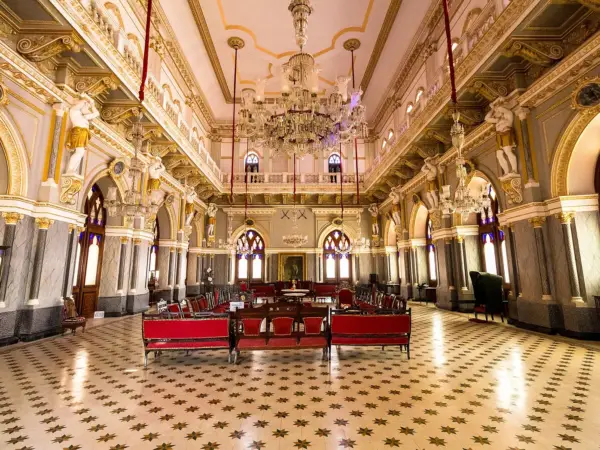
Afternoon: Aina Mahal and Prag Mahal in the old city.
Evening: Dabeli and kachori in the market.
Est. cost: ₹2,000–4,500 per person (approx.)
Day 2: To Dholavira
Morning: Drive to Dholavira via Rapar.
Afternoon: Walk the excavated city.
Evening: Quiet evening on Khadir Bet.
Est. cost: ₹2,500–5,500 per person (approx.)
Day 3: Fossil Park and the causeway
Morning: Fossil Park and the museum.
Afternoon: Road to Heaven to Khavda.
Evening: Kala Dungar at sunset; night near Dhordo.
Est. cost: ₹3,000–7,000 per person (approx.)
Day 4: White Rann and craft villages
Morning: White Rann at sunrise.
Afternoon: Bhujodi and the craft villages on the way back.
Evening: Night in Bhuj.
Est. cost: ₹2,500–6,000 per person (approx.)
Day 5: Mandvi
Morning: Drive about 60 km to Mandvi.
Afternoon: Mandvi beach and the old shipyards where wooden dhows are still built.
Evening: Back to Bhuj for your onward trip.
Est. cost: ₹2,000–4,500 per person (approx.)
Family with kids
Short walking stretches, the museum and the open salt flats; long drives split with breaks.
Day 1: Drive in
Morning: Leave Bhuj after breakfast and break the drive at Rapar.
Afternoon: Rest at your stay.
Evening: An easy late-afternoon walk around the reservoirs.
Est. cost: ₹3,000–6,000 per person (approx.)
Day 2: Ancient city
Morning: Explore the site in the cool morning.
Afternoon: The museum’s seals, beads and pottery.
Evening: Stargazing.
Est. cost: ₹2,500–5,000 per person (approx.)
Day 3: Fossils and home
Morning: Fossil Park.
Afternoon: Drive back along the causeway with stops on the salt flats.
Evening: Bhuj.
Est. cost: ₹2,500–5,500 per person (approx.)
Couples
Sunrises over the Rann, the ruins at golden hour and a comfortable stay.
Day 1: Arrive
Morning: Drive in from Bhuj.
Afternoon: Check in and rest.
Evening: The ruins in the late-afternoon light.
Est. cost: ₹4,000–9,000 per person (approx.)
Day 2: Fossil Park sunrise
Morning: Sunrise at Fossil Park over the Rann.
Afternoon: Museum and a slow lunch.
Evening: Night sky from your stay.
Est. cost: ₹3,500–8,000 per person (approx.)
Day 3: Road to Heaven
Morning: Drive the causeway in the morning light.
Afternoon: Kala Dungar viewpoint.
Evening: Bhuj or Dhordo.
Est. cost: ₹3,500–8,000 per person (approx.)
Budget backpacker
The GSRTC bus, a homestay and walking.
Day 1: Bus to Dholavira
Morning: Wikivoyage lists a daily GSRTC bus from Bhuj at about 2 pm; confirm at Bhuj bus station.
Afternoon: On the bus via Rapar.
Evening: Arrive in the evening and check in to a homestay.
Est. cost: ₹1,200–2,000 per person (approx.)
Day 2: Site on foot
Morning: Walk to the excavated city early.
Afternoon: Museum and a rest in the heat of the day.
Evening: Thali at Toran or your homestay.
Est. cost: ₹1,000–1,800 per person (approx.)
Day 3: Out again
Morning: Share a local vehicle to Fossil Park if you can.
Afternoon: Bus or shared ride back towards Bhuj.
Evening: Night in Bhuj.
Est. cost: ₹1,200–2,200 per person (approx.)
Luxury
A premium cottage at Dholavira, a private car and a guide.
Day 1: Private transfer
Morning: Private car from Bhuj or Ahmedabad.
Afternoon: Check in at a resort near the site.
Evening: Sunset over the Rann.
Est. cost: ₹10,000–20,000 per person (approx.)
Day 2: Guided site visit
Morning: Guided walk of the city and the museum.
Afternoon: Pool and rest.
Evening: Dinner at the resort.
Est. cost: ₹9,000–18,000 per person (approx.)
Day 3: Road to Heaven and Dhordo
Morning: Fossil Park at sunrise.
Afternoon: Causeway drive to Khavda and Kala Dungar.
No permit is needed for Dholavira; carry photo ID. The White Rann at Dhordo needs a visitor permit, available online or at the Bhirandiyara check-post, and areas near the border are restricted. Gujarat is a dry state: liquor is not sold openly, and drinking needs a permit.
Budget breakdown
The main costs are the car and the stay. Model your own trip with our budget calculator.
Budget
Comfort
Luxury
Stay
₹700–₹1,500
₹2,000–₹4,500
₹6,000–₹15,000
Food
₹300–₹600
₹600–₹1,200
₹1,200–₹2,500
Local transport
₹500–₹1,500
₹2,000–₹4,000
₹3,500–₹6,000
Activities & entry fees
₹0–₹300
₹200–₹1,000
₹500–₹2,000
Total per day
₹1,500–₹3,900
₹4,800–₹10,700
₹11,200–₹25,500
BuzzyTrip estimates per person per day for November 2026, two people sharing. Budget means a homestay or simple room and the GSRTC bus where it runs; comfort means a resort room and a car with driver shared between two; luxury means a premium cottage or tent and a private car. Travel to Bhuj or Ahmedabad is not included, and rates rise over Christmas, New Year and the Rann Utsav season.
Local etiquette
Dress modestly in villages and ask before photographing people. Stay on the paths at the site and don’t climb on walls.
Myths vs facts
Myth: Dholavira is a restored ancient city. Fact: you see excavated foundations, walls and reservoirs, not rebuilt buildings.
Myth: Dholavira is the White Rann of the tourist photos. Fact: that is near Dhordo; Dholavira sits on an island in the eastern Great Rann.
Myth: flamingos are guaranteed. Fact: sightings depend on the monsoon and are never certain.
Do’s and don’ts
Do start early and carry plenty of water.
Do carry cash; cards and phone signal can be unreliable.
Don’t take anything from the site, even a pottery shard.
Don’t drive onto the open salt flats off the road.
What to avoid: scams and safety
The sun is strong even in winter; use a hat and sunscreen.
Medical facilities nearby are basic; the nearest large hospitals are in Bhuj. In an emergency, call 112.
Yes. October to March is the best time: days are warm but pleasant and nights get cool, especially in December and January. From April to June it is very hot, often over 40°C, and from July to September roads can be muddy after rain.
What are the timings and entry fee?
The excavated site is open daytime hours, roughly from morning to sunset, and the ASI site museum is reported closed on Fridays. Recent visitors report free entry to the site; ASI fees and timings change, so check at the gate or on the ASI website before you go.
How do we reach Dholavira?
By road. Dholavira is about 230–250 km from Bhuj (4.5–5 hours) and about 330–360 km from Ahmedabad (7–8 hours). Bhuj has the nearest airport and railway station. Wikivoyage lists a daily GSRTC bus from Bhuj at about 2 pm, but most people hire a car with a driver.
What is the Road to Heaven?
It is the popular name for the roughly 30 km road across the salt flats of the Great Rann between Khavda and Dholavira. It is a scenic way to drive between Dholavira and the Bhuj–Khavda–Dhordo side of Kutch.
Do we need a permit for Dholavira?
No permit is needed for Dholavira itself. The White Rann at Dhordo needs a visitor permit, available online or at the Bhirandiyara check-post, and areas closer to the border are restricted.
Can we see flamingos at Dholavira?
Sometimes. The Great Rann is a major flamingo breeding area after a good monsoon, and birds may be seen on wetlands around Khadir Bet in winter, but sightings are never guaranteed and the main breeding grounds are not open to visitors.
How many days do we need?
One full day covers the site and the museum; two days let you add the Fossil Park and drive the Road to Heaven. Add a night at Dhordo for the White Rann during the Rann Utsav.
Can we drink alcohol in Kutch?
Gujarat is a dry state, so liquor is not sold openly and drinking needs a state permit.
Sources and credits
We checked prices, permits, visas and routes against the official pages below in November 2026. Background facts also come from the Wikimedia pages listed, used under Creative Commons Attribution-ShareAlike. This guide is an original work written and edited for BuzzyTrip; fees, visa rules and timetables change, so verify before you travel.
Been here recently? Share a tip (and a photo) in the comments below and tick “This is a travel tip”. Tips are reviewed before they appear — we never show your email.










5 comments