Skip to content

Own a stay, café or cab? List your place on BuzzyTrip — free starter listing after we review.

List your place

Japan in autumn Temples in maple red, sushi counters and fast trains

Tokyo, Kyoto and Nara in foliage season, plus a quiet Lake Biwa day. Includes the JAPAN eVISA for Indians, nonstop flights and realistic budgets in rupees.
  • Culture
  • Autumn foliage
  • Food
  • 5–7 days
  • eVISA for Indians
2.9 Go-now score · Better later
Shared 0 times
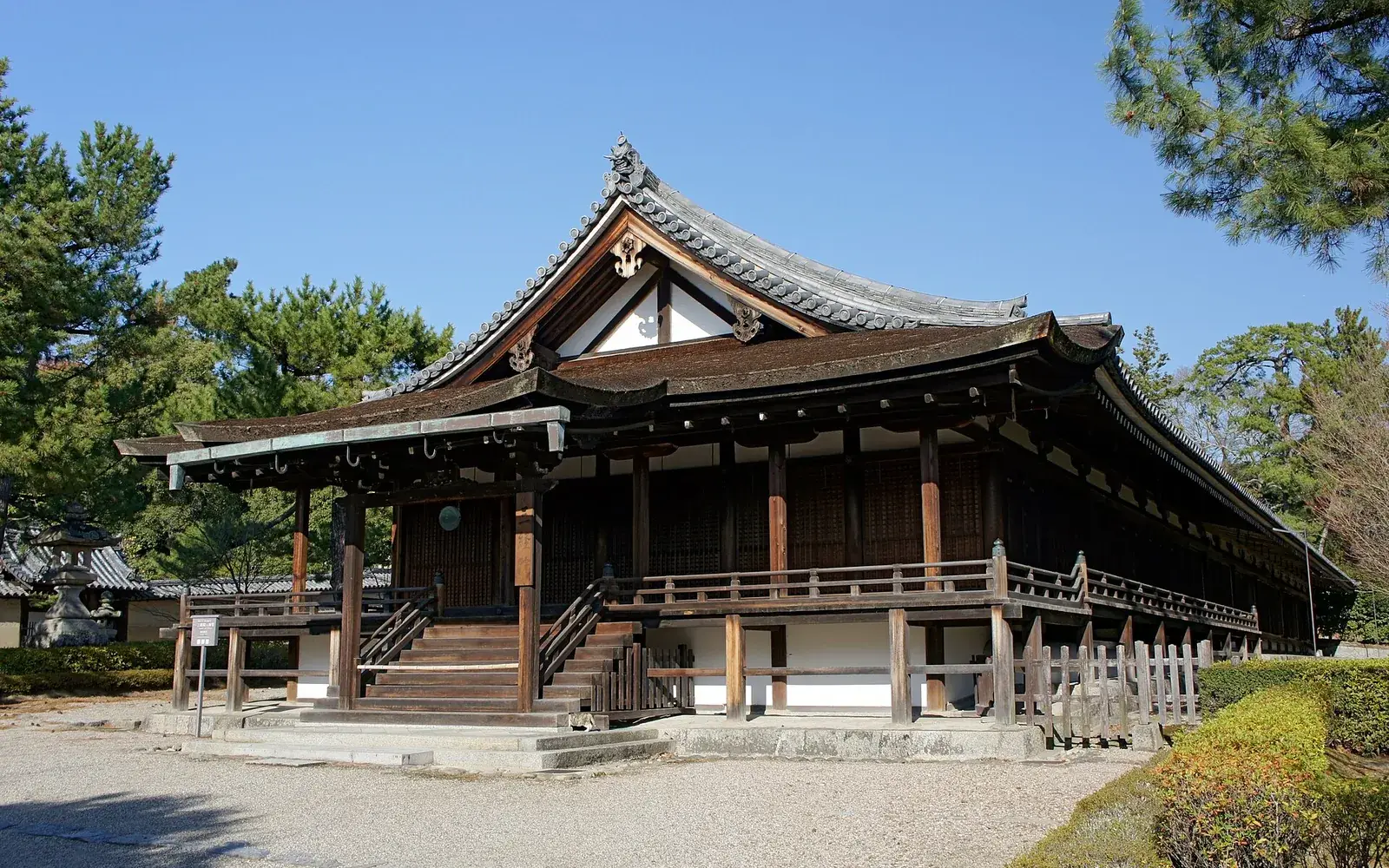
Three Sutra Hall and West Dormitory, Hōryū‑ji, Nara – UNESCO World Heritage timber structures
Ishiyama-dera, Japan
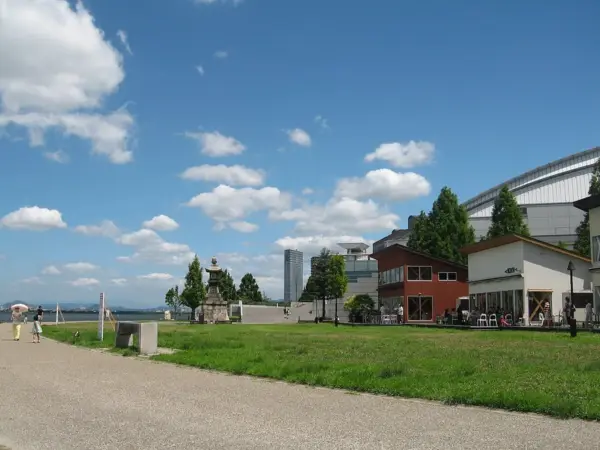
Otsu Lakeside Nagisa Park, Japan
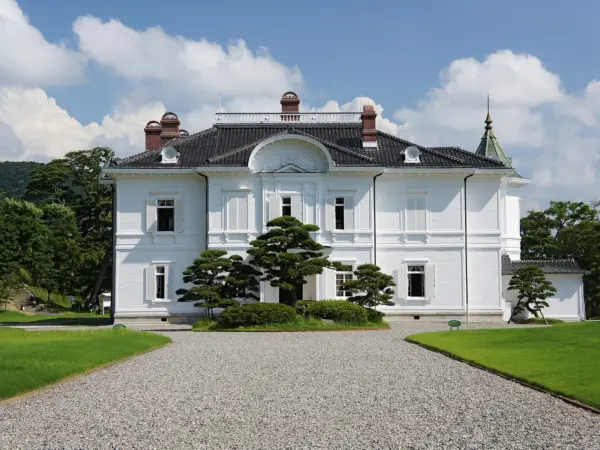
Jinpukaku historic building in Tottori city, Tottori prefecture

Why it’s buzzing

  • Kyoto and Tokyo foliage peaks mid-Nov to early Dec
  • Weak yen makes Japan better value in rupees
  • New tax-free refund system from 1 Nov 2026

Best for

  • First-time Japan travellers
  • Couples
  • Families with older kids

Not ideal for

  • Skiers in October or early November
  • Strict vegetarians who won't plan ahead
  • Very tight budgets
Best time Oct – early DecFoliage, mild days
Ideal trip length 5 – 7 daysTokyo + Kyoto + Nara
Budget sense (pp/day) ₹9,700 – ₹19,300Comfort level, per person (approx.)
Nearest airport Tokyo Haneda (HND) / Narita (NRT)Nonstop from Delhi, Mumbai, Bengaluru
Local vibe Polite, orderlyJapanese; English signs in transit
Best for Couples, familiesCulture, food, foliage

Highlights this trip is built around

Full list
Three Sutra Hall and West Dormitory, Hōryū‑ji, Nara – UNESCO World Heritage timber structures

Hōryū-ji

UNESCO temple with ancient wooden halls

Ishiyama-dera, Japan

Ishiyama-dera

Lake Biwa temple linked to The Tale of Genji
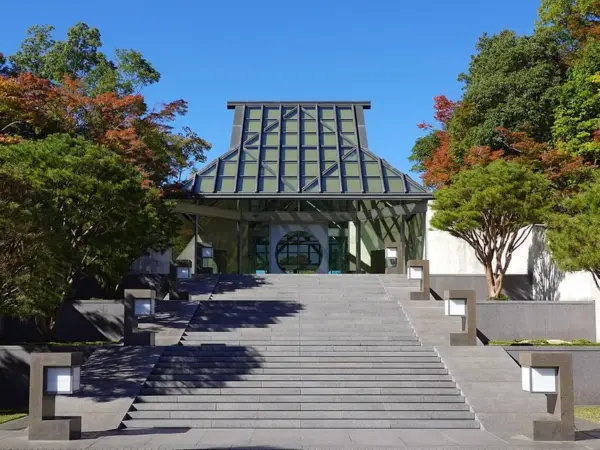
Miho Museum, Japan

Miho Museum

I. M. Pei museum in Shiga's hills (seasonal)

Takebe taisha, Japan

Takebe taisha

Historic shrine near the Seta River

Shiga Museum of Art, Japan

Shiga Museum of Art

Japanese and modern art in Otsu

Mizunomori Water Botanical Garden, Japan

Mizunomori Water Botanical Garden

Lakeside garden of water plants

See the mood before you plan

Read the full guide
Lake Shirakaba surrounded by mountains near Chino and Tateshina, Nagano
Chōjū-ji, Japan
Day 1

Tokyo old and new

  • Sensō-ji, Asakusa
  • Meiji Jingu and Harajuku
  • Shibuya at night
Jinpukaku historic building in Tottori city, Tottori prefecture
Day 2

Shinkansen to Kyoto

  • Nozomi ≈2 h 15 min
  • Kiyomizu-dera
  • Gion evening
Ishiyama-dera, Japan
Day 3

Kyoto and Lake Biwa

  • Fushimi Inari at dawn
  • Ishiyama-dera
  • Otsu lakeside
Otsu Lakeside Nagisa Park, Japan
Day 4 (Optional)

Nara and fly home

  • Tōdai-ji and deer
  • Hōryū-ji
  • Fly from Kansai
Three Sutra Hall and West Dormitory, Hōryū‑ji, Nara – UNESCO World Heritage timber structures
Jōraku-ji, Japan

Turn this guide into your own trip plan.

Pick what you love, skip what you don’t. Our free planner builds the days around your dates and budget.

Plan my personalised trip
  • Sources credited on every guide
  • Prices shown as dated ranges, not promises
  • Share or plan on WhatsApp

Practical information

Arrival options

  • Nonstop: Delhi–Tokyo (≈7.5–8 h), Mumbai–Tokyo, Bengaluru–Narita
  • Haneda is ≈30 min from central Tokyo
  • Kansai (KIX) for Kyoto/Osaka
View details

Visa for Indians

  • JAPAN eVISA via VFS (since 1 Apr 2024)
  • Single entry, up to 90 days, air arrival only
  • Show notice online on phone; fee ₹500 + VFS charge
View details

Best photo spots

View all spots
Otsu Lakeside Nagisa Park, Japan

Otsu Lakeside Nagisa Park

Lake Biwa at sunset

Chōjū-ji, Japan

Chōjū-ji

Quiet temple in Kōnan

Jōraku-ji, Japan

Jōraku-ji

Old pagoda and hall

Mikami Shrine, Japan

Mikami Shrine

Shrine below Mount Mikami

Food you shouldn’t miss

View more food
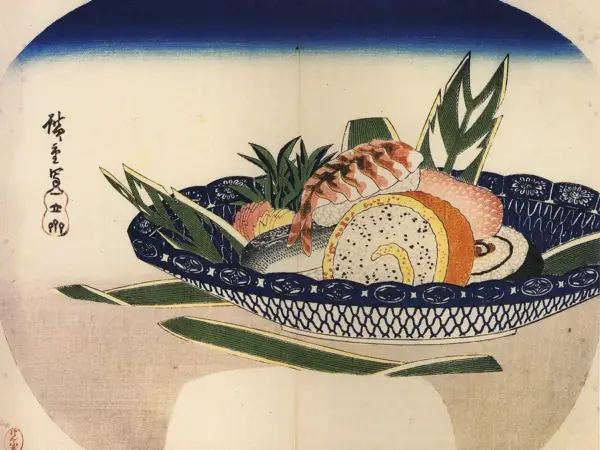
Sushi, Japan

Sushi

Best at a counter

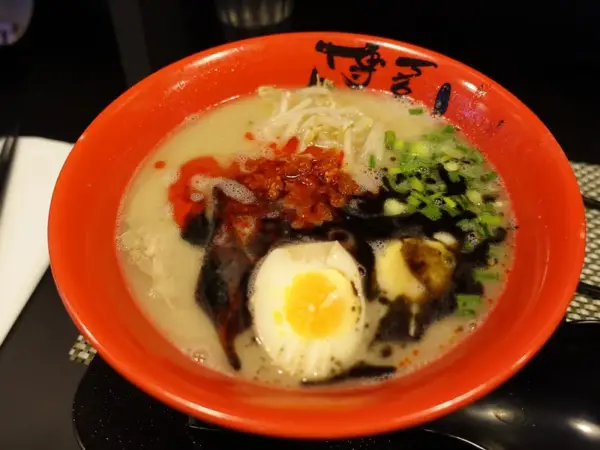
Ramen, Japan

Ramen

Cheap, filling, everywhere

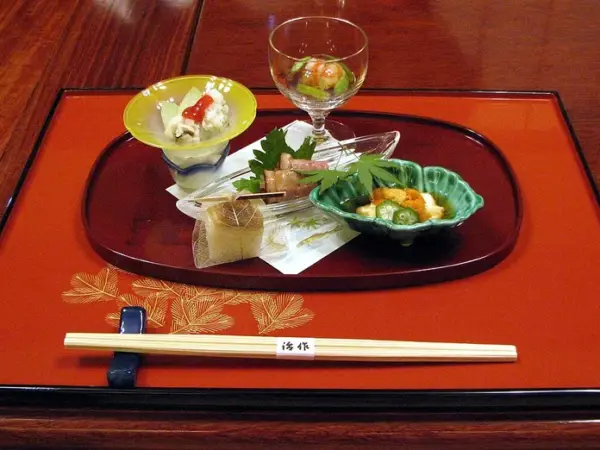
Kaiseki, Japan

Kaiseki

Kyoto's seasonal course meal

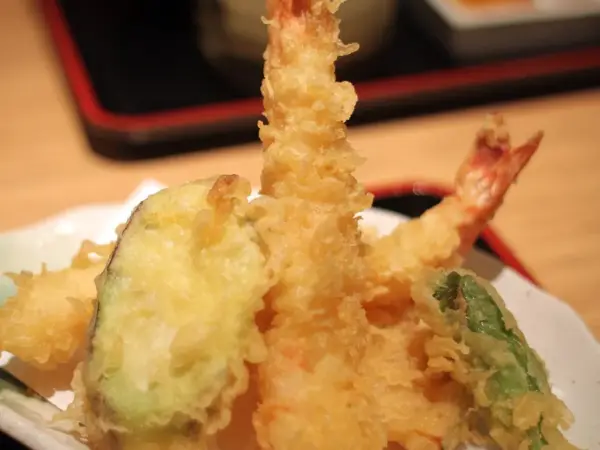
Tempura, Japan

Tempura

Light, crisp, autumn vegetables

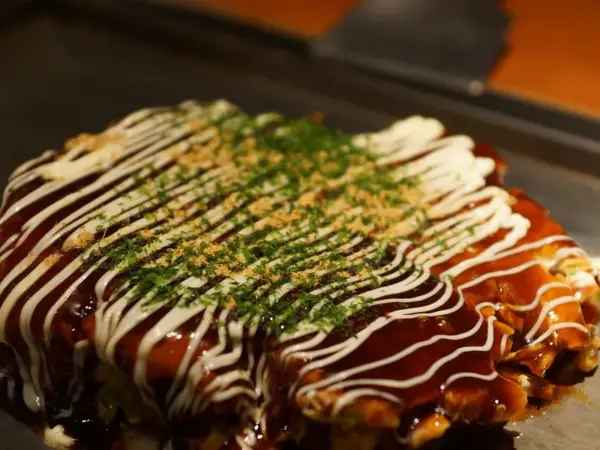
Okonomiyaki, Japan

Okonomiyaki

Osaka's savoury pancake

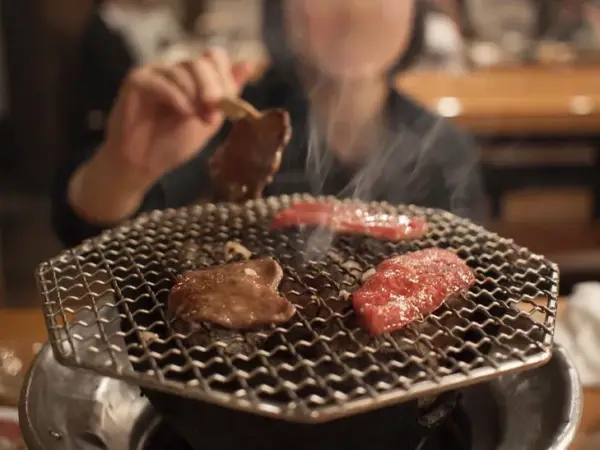
Yakiniku, Japan

Yakiniku

Grill-it-yourself meat

Quick answers to common questions

All FAQs
Do Indians need a visa for Japan?Yes. Indian nationals and residents of India can apply online for the JAPAN eVISA through VFS Global. It is single entry, for up to 90 days, and valid only for arrival by air. You show the issuance notice on your phone, online, at immigration.
How much is the Japan eVISA fee for Indians?The visa fee is ₹500 from 1 July 2026, plus the VFS service charge. Check VFS for the current total before you pay.
Is there a direct flight from India to Japan?Yes. Air India, ANA and Japan Airlines fly nonstop from Delhi to Tokyo (roughly 7.5–8 hours). ANA flies Mumbai–Narita and Air India flies Mumbai–Haneda, while Japan Airlines flies Bengaluru–Narita.
Can I ski in Japan in October?No. Most ski resorts open from late November or December, and the best powder in Hokkaido and Nagano comes in January and February. Autumn is the time for foliage and temples.
When do autumn leaves peak in Kyoto and Tokyo?Usually from mid or late November into early December. Nikko and Hokkaido turn earlier, in October.

Plan my trip

Go-now score

Budget calculator

The full guide

Japan in Autumn: Temples, Sushi and Maple Foliage

Japan at a glance

Japan in autumn is all about momiji (red maple) and gingko gold over old temples, cool clear days and the best food season of the year. For Indian travellers, a first trip usually means Tokyo plus Kyoto and Nara, joined by the shinkansen. If you have an extra day, Lake Biwa in Shiga Prefecture, about 15 minutes from Kyoto by train, is a calm add-on that most tour groups skip.

We think autumn Japan suits couples, families with older kids and first-timers who like order, clean trains and walkable cities. It is not a budget destination, but with hostels, convenience-store meals and free temples you can keep the daily spend reasonable.

Three Sutra Hall and West Dormitory at Hōryū-ji, Nara, a UNESCO World Heritage temple
Photo: Horyu-ji18s3200 by 663highland, CC BY 2.5, via Wikimedia Commons

Why go now

Autumn colour moves south and downhill. Hokkaido and the high mountains turn from late September through October, Nikko peaks around October into early November, and Tokyo and Kyoto usually peak from mid or late November into early December. If you are booking now for November, you are in the sweet spot for Kyoto. The weather is mostly dry and comfortable, around 10–20 °C in Tokyo and Kyoto in November.

Two dates to know: Shichi-Go-San on 15 November, when families take children in kimono to shrines (lovely to watch, but please don’t photograph kids without asking), and Kyoto’s Jidai Matsuri parade, held every 22 October. And one big change: from 1 November 2026, Japan’s tax-free shopping switches to a refund system (details below).

Best time to visit

Autumn (October–early December) and spring (late March–April, for cherry blossom) are the classic seasons. Summer (July–August) is hot and humid, and June brings the rainy season. Winter (December–February) is cold but clear in Tokyo and Kyoto, and it is the ski season in Hokkaido and Nagano, with resorts opening from late November or December. Avoid Golden Week (late April–early May) and Obon (mid-August), when domestic travel spikes.

Visa for Indian passport holders: the JAPAN eVISA

Indian passport holders need a visa for tourism. Since 1 April 2024, Indian nationals and residents of India can apply online for the JAPAN eVISA, through VFS Global, instead of submitting a paper visa. Here is what Japan’s Ministry of Foreign Affairs and VFS say:

  • Type: single entry, for short-term stays of up to 90 days, such as tourism.
  • Arrival: the eVISA is only valid if you arrive by air. Cruise and ferry arrivals need a regular visa.
  • At the airport: you show the visa issuance notice on your phone, online. A printout, PDF or screenshot is not accepted, so keep mobile data or Wi-Fi working when you land.
  • Fee: the visa fee is ₹500 from 1 July 2026, plus the VFS service charge.
  • Timing: applications open about three months before travel. Apply at least a few weeks ahead and don’t book non-refundable plans until it is issued.
  • Documents: typically your passport, a photo, an itinerary, flight and hotel bookings and proof of funds (bank statements and ITRs). Check the current VFS checklist for your jurisdiction.

Before you fly, register on Visit Japan Web to fill in immigration and customs details and get QR codes for arrival. This is optional, but it makes the airport much faster.

How to reach Japan from India

There are nonstop flights from Delhi and Mumbai, and from Bengaluru on some airlines:

  • Delhi: Air India flies daily to Tokyo Haneda. ANA and Japan Airlines also fly nonstop to Tokyo. The flight takes roughly 7.5–8 hours.
  • Mumbai: ANA flies nonstop to Tokyo Narita, and Air India has flown Mumbai–Haneda four times a week since June 2026 (about 8.5 hours, overnight).
  • Bengaluru: Japan Airlines flies nonstop to Narita.
  • Other cities: connect via Delhi or Mumbai, or through Singapore, Bangkok, Hong Kong or Kuala Lumpur, which is often cheaper.

For Kyoto-first trips, fly into Kansai International (KIX) near Osaka, usually with one stop. You can book an “open jaw” ticket into Tokyo and out of Osaka, which saves backtracking.

From the airport: Haneda is close to central Tokyo (about 30 minutes by Keikyu line or monorail). Narita is about 60 km out, roughly an hour by Narita Express or Skyliner. From KIX, the JR Haruka express reaches Kyoto in about 75 minutes.

Getting around

Shinkansen: the Nozomi runs Tokyo–Kyoto in about 2 hours 15 minutes, for around ¥14,000 (about ₹8,500) one way with a reserved seat. There is no overnight shinkansen: trains stop around midnight. If you want to travel overnight, take a highway night bus. It is cheap, but you will arrive tired.

JR Pass: a 7-day ordinary Japan Rail Pass costs ¥50,000 (about ₹30,100). It only pays off if you take several long rides, for example Tokyo–Kyoto–Tokyo plus a Nikko or Hiroshima day trip. The pass covers Hikari and Kodama trains. On the Nozomi you pay an extra supplement. For a simple Tokyo-to-Kyoto-to-Osaka trip, single tickets are usually cheaper.

In cities: load an IC card (Suica, PASMO or ICOCA), or add Suica to your phone wallet, and tap in and out of metros, buses and even konbini. In Kyoto, buses get very crowded in foliage season, so walk or take the subway and trains where you can.
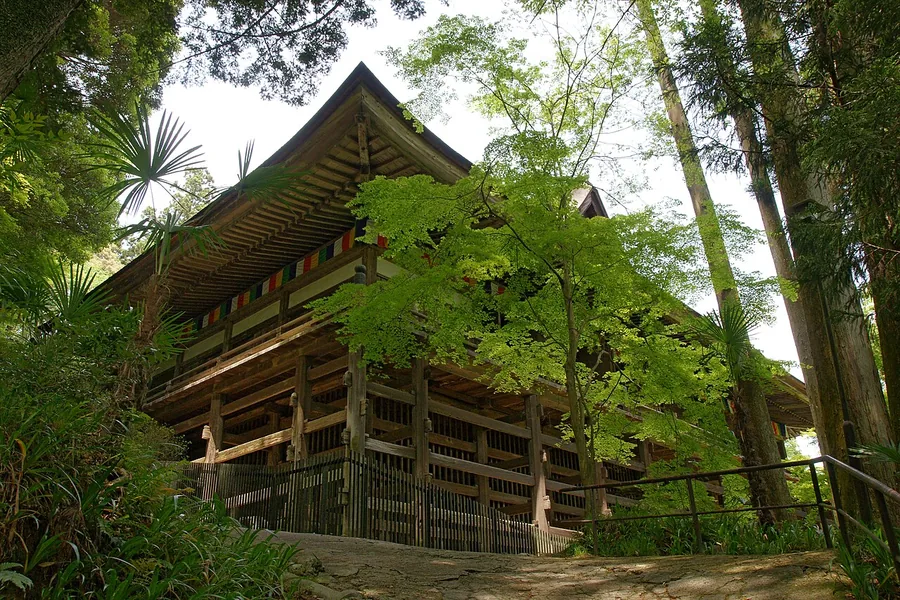
Ishiyama-dera temple in Otsu, Shiga, near Kyoto
Photo: Ishiyamadera45n4272 by 663highland, CC BY 2.5, via Wikimedia Commons

Japan itineraries: pick your trip

Be realistic: with two days, stay in one city. Japan rewards slow travel, and the train is fast but long journeys still eat into your sightseeing time.

2 days

Tokyo only. Two days is not enough to add Kyoto without spending most of it on trains.

Day 1: Old Tokyo

  • Morning: Land at Haneda or Narita, drop bags at your hotel and head to Asakusa for Sensō-ji and the Nakamise shopping street.
  • Afternoon: Walk Ueno Park and pick one museum, such as the Tokyo National Museum.
  • Evening: Shibuya Crossing and dinner in a depachika (department-store food hall) or an izakaya.
  • Est. cost: ₹9,000–16,000 per person (approx.)

Day 2: Shrines and city views

  • Morning: Meiji Jingu’s forest walk, then Harajuku’s side streets.
  • Afternoon: Omotesandō, or a teamLab exhibition if you book ahead.
  • Evening: Sunset from an observation deck before your flight or onward train.
  • Est. cost: ₹9,000–17,000 per person (approx.)
3 days

Skip Tokyo and focus on Kyoto and Nara, flying into Kansai (KIX).

Day 1: Eastern Kyoto

  • Morning: Arrive at Kansai Airport and take the Haruka express to Kyoto (about 75 minutes).
  • Afternoon: Kiyomizu-dera and the lanes of Sannenzaka and Ninenzaka.
  • Evening: Gion at dusk, keeping a respectful distance from geiko and maiko.
  • Est. cost: ₹10,000–17,000 per person (approx.)

Day 2: Gates and gardens

  • Morning: Fushimi Inari’s torii gates before 8 am, while it is quiet.
  • Afternoon: Arashiyama’s bamboo grove and Tenryū-ji garden.
  • Evening: Nishiki Market snacks, then dinner in Pontochō.
  • Est. cost: ₹9,000–16,000 per person (approx.)

Day 3: Nara and Hōryū-ji

  • Morning: Train to Nara for Tōdai-ji and the deer park.
  • Afternoon: Hōryū-ji at Ikaruga, home to some of the oldest surviving wooden buildings in the world.
  • Evening: Back to Kyoto or straight to the airport.
  • Est. cost: ₹8,000–14,000 per person (approx.)
5 days

The classic first trip: Tokyo, one shinkansen ride and Kyoto with a Nara day.

Day 1: Tokyo arrival

  • Morning: Land in Tokyo and pick up an IC card (Suica or PASMO).
  • Afternoon: Asakusa and Sensō-ji.
  • Evening: Shibuya or Shinjuku at night.
  • Est. cost: ₹9,000–16,000 per person (approx.)

Day 2: Tokyo neighbourhoods

  • Morning: Meiji Jingu and Harajuku.
  • Afternoon: Ginza or Yanaka’s old streets.
  • Evening: Izakaya dinner.
  • Est. cost: ₹9,000–17,000 per person (approx.)

Day 3: Shinkansen to Kyoto

  • Morning: Nozomi from Tokyo to Kyoto, about 2 hours 15 minutes.
  • Afternoon: Kiyomizu-dera and Higashiyama.
  • Evening: Gion evening walk.
  • Est. cost: ₹16,000–25,000 (includes the train) per person (approx.)

Day 4: Kyoto highlights

  • Morning: Fushimi Inari early.
  • Afternoon: Arashiyama.
  • Evening: Nishiki Market and Pontochō.
  • Est. cost: ₹9,000–16,000 per person (approx.)

Day 5: Nara day

  • Morning: Tōdai-ji and the deer park.
  • Afternoon: Hōryū-ji if you have time, or Kasuga Taisha.
  • Evening: Train to Kansai Airport, or back to Kyoto.
  • Est. cost: ₹8,000–14,000 per person (approx.)
7 days

Tokyo, Kyoto, Nara and a quiet Lake Biwa day in Shiga. A 7-day JR Pass can pay off if you add Nikko.

Day 1: Tokyo arrival

  • Morning: Land and check in.
  • Afternoon: Asakusa and Ueno.
  • Evening: Shibuya Crossing.
  • Est. cost: ₹9,000–16,000 per person (approx.)

Day 2: Tokyo

  • Morning: Meiji Jingu and Harajuku.
  • Afternoon: TeamLab or a museum.
  • Evening: Shinjuku izakaya alleys.
  • Est. cost: ₹9,000–17,000 per person (approx.)

Day 3: Nikko day trip

  • Morning: Train to Nikko (about 2 hours) for Tōshō-gū’s shrines.
  • Afternoon: Nikko’s autumn colours, which usually turn earlier than Tokyo’s (October into early November).
  • Evening: Back to Tokyo.
  • Est. cost: ₹10,000–18,000 per person (approx.)

Day 4: Shinkansen to Kyoto

  • Morning: Morning train to Kyoto.
  • Afternoon: Kiyomizu-dera and Higashiyama.
  • Evening: Gion.
  • Est. cost: ₹16,000–25,000 (includes the train) per person (approx.)

Day 5: Kyoto

  • Morning: Fushimi Inari at dawn.
  • Afternoon: Arashiyama and Tenryū-ji.
  • Evening: Nishiki Market.
  • Est. cost: ₹9,000–16,000 per person (approx.)

Day 6: Shiga and Lake Biwa

  • Morning: JR to Ishiyama (about 15 minutes) for Ishiyama-dera, a temple linked to Murasaki Shikibu and The Tale of Genji.
  • Afternoon: Bus to the Miho Museum in the hills (check its seasonal opening dates first), or stroll Otsu’s lakeside Nagisa Park.
  • Evening: Back to Kyoto.
  • Est. cost: ₹8,000–14,000 per person (approx.)

Day 7: Nara and fly out

  • Morning: Tōdai-ji and the deer park.
  • Afternoon: Hōryū-ji.
  • Evening: Kansai Airport for your flight home.
  • Est. cost: ₹8,000–14,000 per person (approx.)
Family with kids

Fewer hotel changes, short train rides and lots of snacks.

Day 1: Tokyo base

  • Morning: Arrive and settle in one hotel for the Tokyo part of the trip.
  • Afternoon: Ueno Park and Ueno Zoo.
  • Evening: Early dinner at a family restaurant.
  • Est. cost: ₹9,000–15,000 per person (approx.)

Day 2: Tokyo fun

  • Morning: TeamLab, or the Ghibli Museum if you booked tickets in advance.
  • Afternoon: Odaiba waterfront.
  • Evening: Konbini (convenience-store) dinner picnic.
  • Est. cost: ₹10,000–17,000 per person (approx.)

Day 3: Kyoto and Nara

  • Morning: Shinkansen to Kyoto.
  • Afternoon: Nara’s deer park, a big hit with kids. Buy official deer crackers and watch small hands.
  • Evening: Hotel near Kyoto Station.
  • Est. cost: ₹16,000–25,000 (includes the train) per person (approx.)
Couples

Temples at quiet hours, a ryokan night and a good kaiseki dinner.

Day 1: Kyoto mornings

  • Morning: Fushimi Inari at sunrise.
  • Afternoon: Tea ceremony in Higashiyama.
  • Evening: Kaiseki dinner in Gion.
  • Est. cost: ₹18,000–35,000 per person (approx.)

Day 2: Arashiyama

  • Morning: Bamboo grove early, then Tenryū-ji.
  • Afternoon: Boat on the Hozu River or a stroll by the Katsura River.
  • Evening: Ryokan stay with an onsen bath.
  • Est. cost: ₹20,000–45,000 per person (approx.)

Day 3: Lake Biwa

  • Morning: Ishiyama-dera.
  • Afternoon: Lakeside lunch in Otsu.
  • Evening: Back to Kyoto for a last dinner.
  • Est. cost: ₹12,000–22,000 per person (approx.)
Budget backpacker

Hostels, convenience-store breakfasts and a night bus between cities.

Day 1: Tokyo on foot

  • Morning: Hostel in Asakusa; Sensō-ji is free.
  • Afternoon: Walk Ueno and Akihabara.
  • Evening: Ramen counter dinner.
  • Est. cost: ₹4,000–7,000 per person (approx.)

Day 2: Free Tokyo

  • Morning: Meiji Jingu (free) and Harajuku.
  • Afternoon: Free city view from the Tokyo Metropolitan Government Building.
  • Evening: Overnight highway bus to Kyoto. Japan has no overnight shinkansen, and night buses are the budget way to cover the distance.
  • Est. cost: ₹5,000–8,000 per person (approx.)

Day 3: Kyoto

  • Morning: Fushimi Inari (free).
  • Afternoon: Nishiki Market snacks.
  • Evening: Hostel near Kyoto Station.
  • Est. cost: ₹4,000–7,000 per person (approx.)
Luxury

Green Car seats, a top Tokyo hotel and a Kyoto ryokan.

Day 1: Tokyo in style

  • Morning: Private transfer from Haneda.
  • Afternoon: Ginza shopping and a private guided walk.
  • Evening: Omakase sushi counter (book weeks ahead).
  • Est. cost: ₹45,000–90,000 per person (approx.)

Day 2: Green Car to Kyoto

  • Morning: First-class Green Car seats on the shinkansen.
  • Afternoon: Private guide in Higashiyama.
  • Evening: Kaiseki dinner at a ryokan.
  • Est. cost: ₹50,000–1,00,000 per person (approx.)

Day 3: Kyoto slow day

  • Morning: Private early-morning temple visit with a guide.
  • Afternoon: Arashiyama by car.
  • Evening: Spa, then fly out from Kansai.
  • Est. cost: ₹40,000–80,000 per person (approx.)

Top things to do

  • Sensō-ji, Asakusa: Tokyo’s oldest temple, best early or after dark.
  • Meiji Jingu: a forested Shinto shrine in the middle of Tokyo.
  • Fushimi Inari Taisha, Kyoto: thousands of vermilion torii gates up the mountainside. Free and open all day.
  • Kiyomizu-dera, Kyoto: a wooden stage over a sea of maple, spectacular in late November.
  • Arashiyama: the bamboo grove and Tenryū-ji’s garden.
  • Nara: Tōdai-ji’s giant Buddha and the free-roaming deer.
  • Hōryū-ji: a UNESCO World Heritage temple with some of the oldest surviving wooden buildings in the world.
  • Nikko: ornate Tōshō-gū shrines and early autumn colour, an easy day from Tokyo.

Lesser-known corners: Shiga and Lake Biwa

Shiga wraps around Lake Biwa, Japan’s largest lake, right next door to Kyoto. It makes a peaceful half day or full day:

  • Ishiyama-dera (Otsu): a hillside temple traditionally linked to Murasaki Shikibu and The Tale of Genji, with good autumn colour.
  • Miho Museum (Kōka): designed by I. M. Pei and reached through a tunnel in the hills. It opens only in seasons, so check the dates on its website, and allow about 50 minutes by bus from JR Ishiyama.
  • Takebe Taisha (Otsu): an old, important shrine near the Seta River.
  • Shiga Museum of Art (Otsu): Japanese and modern art in a park setting.
  • Otsu Lakeside Nagisa Park: a walk along the lake, especially nice at sunset.
  • Kōnan’s old temples: Chōju-ji and Jōraku-ji, quiet temples with national-treasure halls.
Otsu Lakeside Nagisa Park on Lake Biwa, Shiga
Photo: Otsu nagisa park by Rock.jazz.cafe, CC BY-SA 4.0, via Wikimedia Commons

Where to stay

Tokyo: Shinjuku or Shibuya for transport and nightlife, Asakusa or Ueno for value and old-Tokyo feel, and Ginza or Tokyo Station for luxury. Kyoto: stay near Kyoto Station for easy trains, or Gion and Higashiyama for atmosphere. Kyoto fills up in November, so book months ahead. Business hotels are compact but spotless. Ryokan (traditional inns) usually include dinner and breakfast, and some have private baths if you’re shy about shared onsen.

Budget breakdown

Japan has become better value for Indians over the last few years as the yen weakened. At about ¥1 = ₹0.60, a ¥1,000 bowl of ramen is roughly ₹600. These ranges are per person per day. Want to plug in your own dates and group size? Use our budget calculator.

Budget Comfort Luxury
Stay ₹1,800–₹3,600 ₹4,500–₹9,000 ₹18,000–₹45,000
Food ₹1,500–₹2,400 ₹3,000–₹4,800 ₹7,000–₹15,000
Local transport ₹500–₹900 ₹1,000–₹2,500 ₹4,000–₹9,000
Activities & entry fees ₹300–₹1,200 ₹1,200–₹3,000 ₹4,000–₹9,000
Total per day ₹4,100–₹8,100 ₹9,700–₹19,300 ₹33,000–₹78,000
BuzzyTrip estimates per person per day for autumn 2026, two people sharing a room, converted at ¥1 ≈ ₹0.60. Flights, the visa and long-distance shinkansen tickets are not included.

Currency, cards and INR conversion

The currency is the Japanese yen (¥). Cards work in hotels, chains and most city shops, but small temples, food stalls and rural places can be cash-only, so carry some yen. ATMs at 7-Eleven and Japan Post generally accept foreign cards. Tell your bank before you travel, and compare forex cards against your credit card’s markup.

Tax-free shopping changes on 1 November 2026. Under the new refund system, you pay the full price including consumption tax in the shop. Customs then confirms that you are taking the goods out of Japan, and the tax is refunded. According to JNTO and the Japan Tourism Agency, you need to spend at least ¥5,000 (excluding tax) in one store on one day, take the goods out within 90 days, and complete the customs check at the airport before you check in your luggage. Keep your purchases accessible.

Where to eat and what to order

Autumn means chestnuts, sweet potato, matsutake mushrooms and fatty fish such as sanma (Pacific saury). Try sushi at a counter, ramen, tempura, okonomiyaki in Osaka and kaiseki, Kyoto’s seasonal multi-course meal. Depachika (department-store basements) and konbini are excellent for cheap, good food.

Finding Indian and vegetarian food

Vegetarians need to plan. Many “vegetable” dishes use dashi, a stock made with bonito fish, and miso soup usually contains it. Look for shōjin ryōri, the Buddhist temple cuisine served at some Kyoto temples, which is traditionally plant-based. Use a vegetarian or vegan restaurant app, and carry a card in Japanese explaining your diet. Indian and Nepali restaurants are common in Tokyo, Osaka and Kyoto, so dal and naan are never far away.

SIM, eSIM and staying connected

Buy a Japan eSIM before you fly. Remember the eVISA is checked online at immigration, so make sure your data works the moment you land. Pocket Wi-Fi rentals at the airport suit families sharing one connection. Free Wi-Fi exists in stations and konbini, but it is patchy.

Plugs and voltage

Japan uses Type A and B sockets (two flat pins) at 100 V. Indian plugs will not fit, so bring a universal adapter. Most phone and laptop chargers handle 100–240 V. Check hair dryers and straighteners before plugging them in.

Local etiquette

  • Queue and let people off trains first. Keep phone calls off public transport.
  • Take shoes off where you see a raised floor or slippers at the entrance.
  • Don’t tip; it can cause confusion.
  • Carry your rubbish, because public bins are rare.
  • At onsen, wash before you get in. Some ban tattoos, so ask first.

Do’s and don’ts

  • Do book Kyoto hotels and popular restaurants early in November.
  • Do carry your passport. Tourists must carry it at all times.
  • Don’t eat while walking in busy temple areas.
  • Don’t photograph geiko and maiko or enter private alleys in Gion.

What to avoid: scams and safety

Japan is very safe. The main traps are touts in Kabukichō (Shinjuku) and Roppongi steering you into bars with huge bills, so don’t follow them. Check earthquake and typhoon alerts in a weather app or NHK World, and note your hotel’s evacuation information.

Packing list

  • Layers and a light jacket for November evenings
  • Comfortable slip-on shoes, since you will take them off often
  • A universal adapter (Type A)
  • A small towel and handkerchief, because many restrooms have no paper towels
  • A coin purse for yen
  • Any medicines in their original packaging (some cold medicines are restricted, so check first)

Travel insurance

Healthcare in Japan is excellent but expensive for visitors. Buy travel insurance that covers medical treatment and trip cancellation, and keep the policy on your phone.

History and culture

Nara was Japan’s capital in the 8th century and Kyoto from 794 to 1868. That is why the two cities hold so many temples and shrines, including the UNESCO-listed Hōryū-ji. Tokyo (formerly Edo) became the capital in 1868. Autumn leaf-viewing, momijigari, has been a pastime since the Heian era, and Japanese people still plan trips around it, so you will be in good company.

Planning around Indian holidays? See our Christmas week 2026 travel ideas and the full festival calendar.

Thinking of a winter trip? Our December trips outside India guide covers Tokyo’s crisp, sunny December, Hokkaido snow and the New Year closures.

Frequently asked questions

Do Indians need a visa for Japan?

Yes. Indian nationals and residents of India can apply online for the JAPAN eVISA through VFS Global. It is single entry, for up to 90 days, and valid only for arrival by air. You show the issuance notice on your phone, online, at immigration.

How much is the Japan eVISA fee for Indians?

The visa fee is ₹500 from 1 July 2026, plus the VFS service charge. Check VFS for the current total before you pay.

Is there a direct flight from India to Japan?

Yes. Air India, ANA and Japan Airlines fly nonstop from Delhi to Tokyo (roughly 7.5–8 hours). ANA flies Mumbai–Narita and Air India flies Mumbai–Haneda, while Japan Airlines flies Bengaluru–Narita.

Can I ski in Japan in October?

No. Most ski resorts open from late November or December, and the best powder in Hokkaido and Nagano comes in January and February. Autumn is the time for foliage and temples.

When do autumn leaves peak in Kyoto and Tokyo?

Usually from mid or late November into early December. Nikko and Hokkaido turn earlier, in October.

Is the JR Pass worth it?

Only for several long rides. A 7-day ordinary pass is ¥50,000 (about ₹30,100), while a one-way Tokyo–Kyoto Nozomi ticket is about ¥14,000. JR Pass holders ride Hikari trains or pay a supplement for the Nozomi.

Is there an overnight bullet train?

No. Shinkansen services stop around midnight. Overnight highway buses are the budget alternative.

How does tax-free shopping work from November 2026?

Japan moves to a refund system from 1 November 2026. You pay tax at the till, then the tax is refunded once customs confirms export. You need at least ¥5,000 (excluding tax) per store per day. Do the airport customs check before checking in luggage.

Is Japan vegetarian-friendly?

Harder than it looks, because dashi (fish stock) is in many dishes. Look for shōjin ryōri temple food, use a vegetarian restaurant app, and try the many Indian restaurants in big cities.


Sources and credits

We checked prices, permits, visas and routes against the official pages below in October 2026. Background facts also come from the Wikimedia pages listed, used under Creative Commons Attribution-ShareAlike. This guide is an original work written and edited for BuzzyTrip; fees, visa rules and timetables change, so verify before you travel.

Official and primary sources:

Background reading:

Photos:

Shared 0 times

Local tips

Been here recently? Share a tip (and a photo) in the comments below and tick “This is a travel tip”. Tips are reviewed before they appear — we never show your email.

7 comments

    Share a tip or ask a question

    Your email address will not be published. Required fields are marked *

    Tips are reviewed before they appear. Please don’t share personal contact details.

    Photo credits for this page

    The BuzzyTrip Weekend Drop

    Short, useful travel ideas and new guides. Straight to your inbox every Friday.

    No spam. Unsubscribe anytime.

    Plan your Japan trip on WhatsApp

    Message us with your dates and budget and we’ll reply with suggestions.

    Chat on WhatsApp