Canada first-trip guide for Indians:visitor visa, honest INR budgets & November weather by region
Fact-checked Canada for Indian travellers, November 2026: IRCC visitor visa (not eTA), realistic CAD→INR budgets, Vancouver rain vs Rockies cold, and sample itineraries.
Do Indian passport holders need a visa for Canada?Yes. Indian citizens need a visitor visa (temporary resident visa, TRV) before travel. Electronic travel authorisations are for visa-exempt nationals, not a shortcut for Indian passports. Apply through the official IRCC channels on canada.ca; do not use look-alike sites.How long does the Canada visitor visa take?Processing times change. Do not plan on "quick turnaround." Check the live IRCC processing-times tool for visitor visas from India, give biometrics if asked, and apply well before you buy non-refundable tickets.Is November a good time to visit?It depends on the region. Vancouver and Victoria are often cool and rainy rather than deeply snowy. The Rockies and much of Quebec/Ontario can be cold with early snow possible. Pack layers and waterproofs; do not expect postcard powder everywhere.What does a realistic daily budget look like in INR?At about ₹68 per CAD (early November 2026 reference), a true mid-range city day often lands roughly in the mid-teens to high-twenties of thousands of rupees per person when two share a room — before long-haul flights. Hostels help, but Canada is not a backpacker bargain versus South-East Asia.Can we see Banff and Vancouver in one short trip?Possible with a domestic flight (YVR–YYC) and a hire car, but November mountain weather can close roads and limit trails. Build buffers and check Parks Canada conditions.What plugs does Canada use?Type A/B (NEMA) at 120 V. Indian plugs need an adapter; many dual-voltage phone chargers are fine.
Plan my trip
Go-now score
Budget calculator
The full guide
Canada in November: Cities, Maple Flavours and Quiet Lakes
By BuzzyTrip · Updated November 27, 2026
Canada at a glance
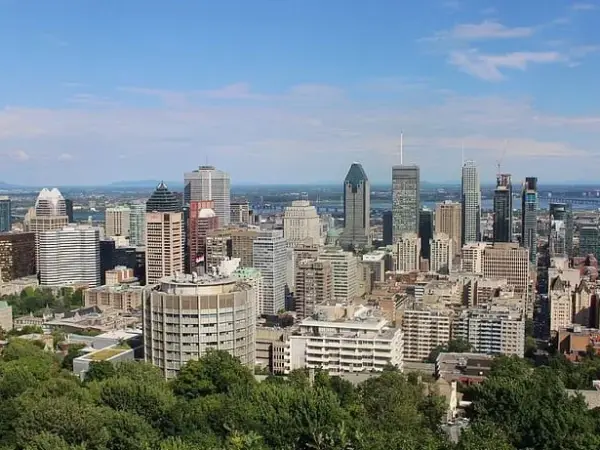
Canada is a vast country from the Atlantic to the Pacific, with cities such as Toronto, Montreal and Vancouver and wilderness from the Rockies to the northern territories. For a first trip from India in November, most travellers sensibly focus on British Columbia’s south coast (milder, rainy) or combine it carefully with the Rockies (colder, possible snow). The currency is the Canadian dollar (CAD); 1 CAD was about ₹67.91 on 4 November 2026 (Frankfurter / ECB reference — your card rate will differ). Canada suits travellers who can budget for high lodging and food costs and who accept that November weather varies sharply by province.
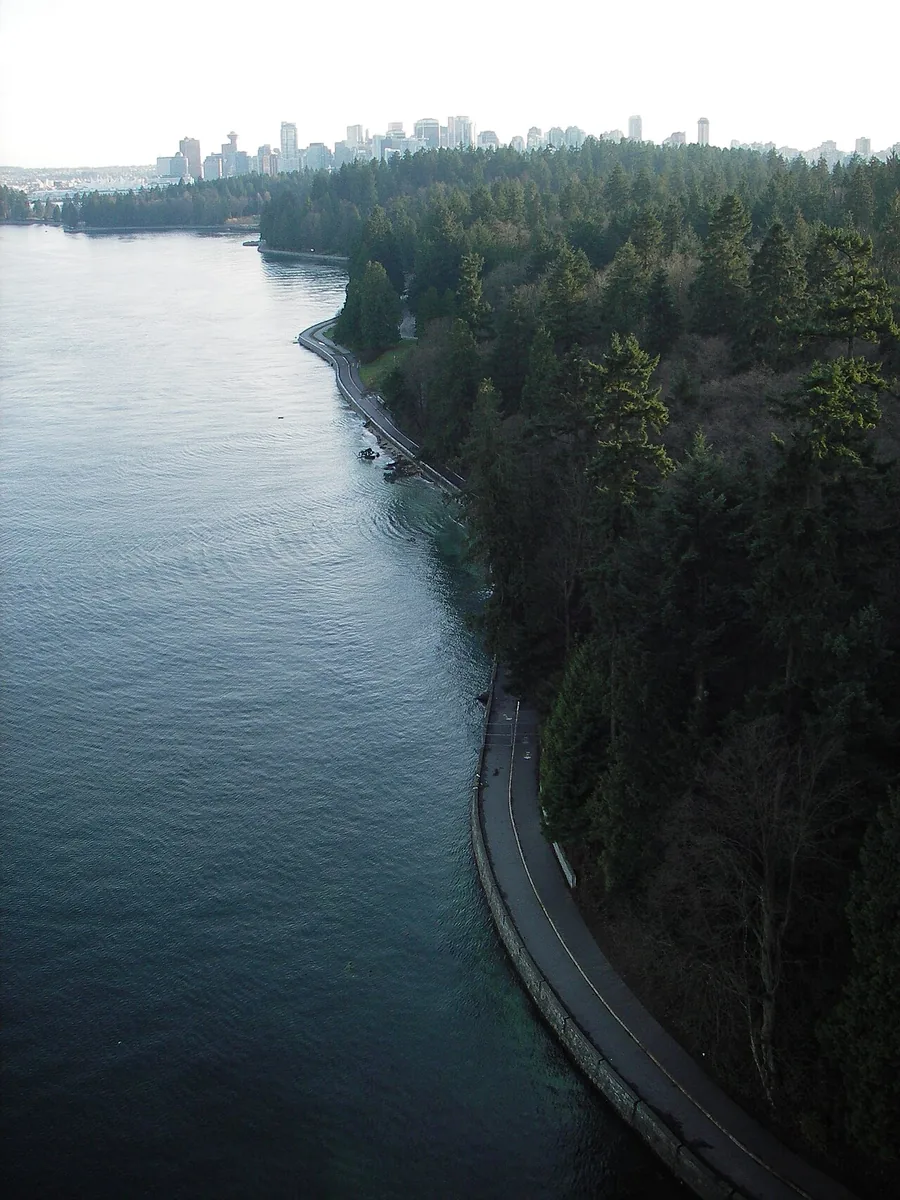
November is shoulder season in many cities: fewer summer crowds, Christmas lights beginning to appear in some towns, and lower hotel rates than July. Vancouver’s seawall is still walkable with a rain jacket. Further inland and east, expect cold mornings and possible snow. It is not the month for a guaranteed “snow-kissed everywhere” itinerary — check forecasts for each stop. For other long-haul ideas from India, see our Australia guide and Maldives guide.
History and culture
Canada is bilingual at the federal level (English and French), with Indigenous nations whose territories and cultures predate European colonisation. Cities show British, French and immigrant layers — Toronto’s neighbourhoods, Montreal’s French-speaking core, Vancouver’s Pacific Rim mix. Travellers should read park and museum materials that acknowledge Indigenous history rather than treating landscapes as empty scenery.
Top things to do
Stanley Park & seawall, Vancouver: flat walking and cycling with harbour views; free to enter the park (bike hire extra).
Capilano Suspension Bridge Park: paid rainforest attraction on the North Shore — ticket prices change, so check the official site.
Victoria day trip: BC Ferries across the Salish Sea to a compact capital with Inner Harbour heritage buildings.
Sea-to-Sky toward Whistler: dramatic highway; mountain gondolas such as Peak 2 Peak are seasonal — confirm November operations.
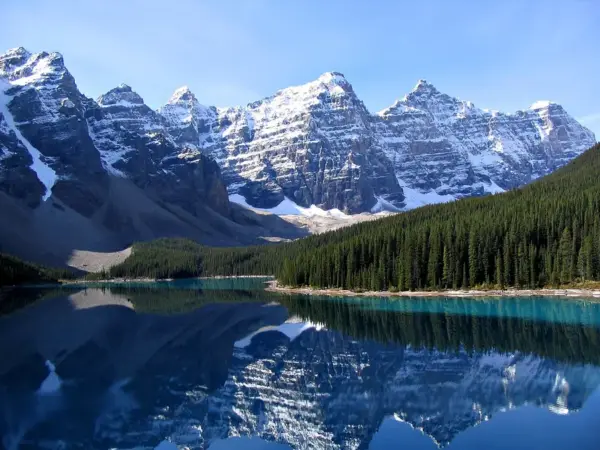
Banff National Park: needs a Parks Canada pass; November means winter conditions, short days and possible road restrictions.
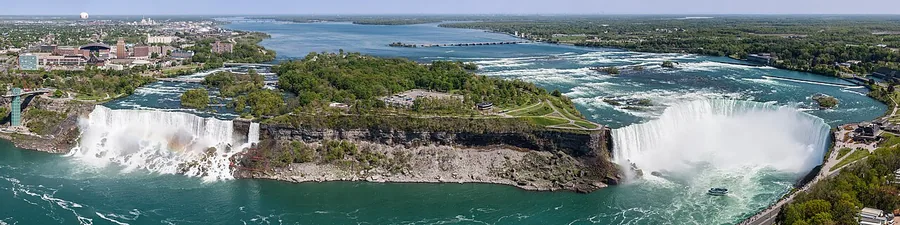
Niagara Falls: accessible from Toronto/Niagara; winter spray and ice can be spectacular but bitterly cold.
Science World, Vancouver: strong family option on False Creek; verify hours.
Lynn Canyon, North Vancouver: forest walks and a suspension bridge with a different fee structure than Capilano; follow trail advisories.
Granville Island: public market for snacks and people-watching without a long tour bus day.
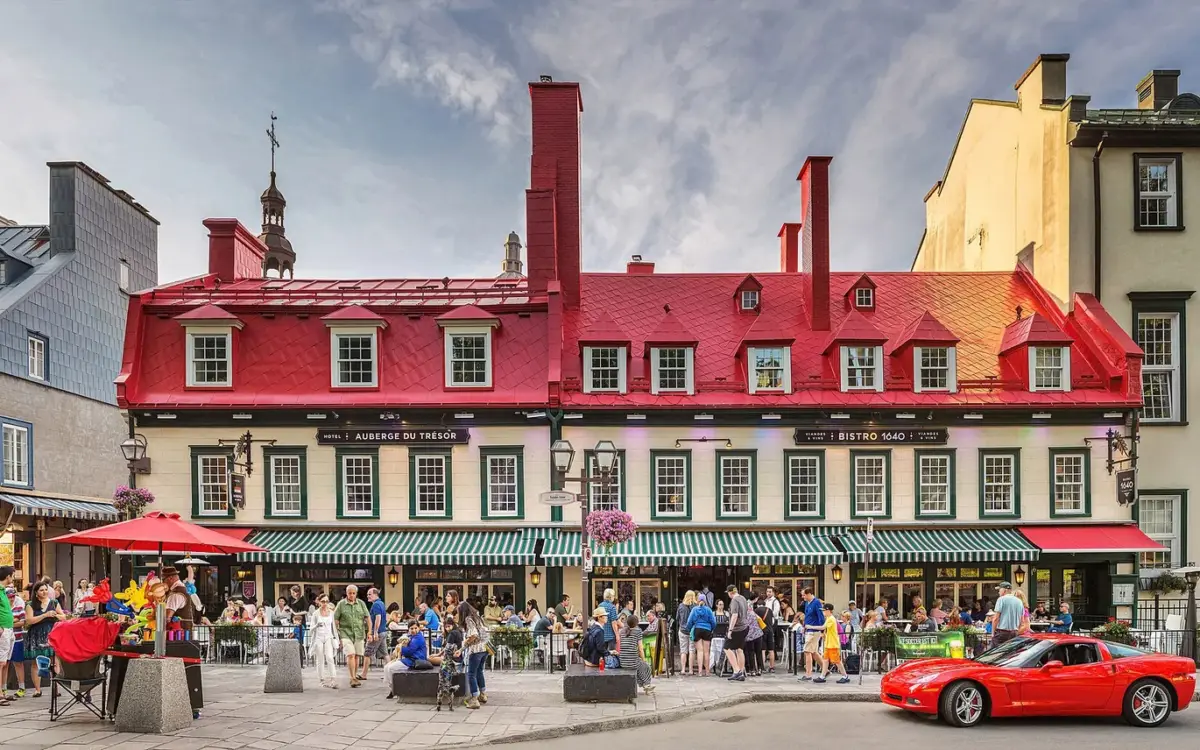
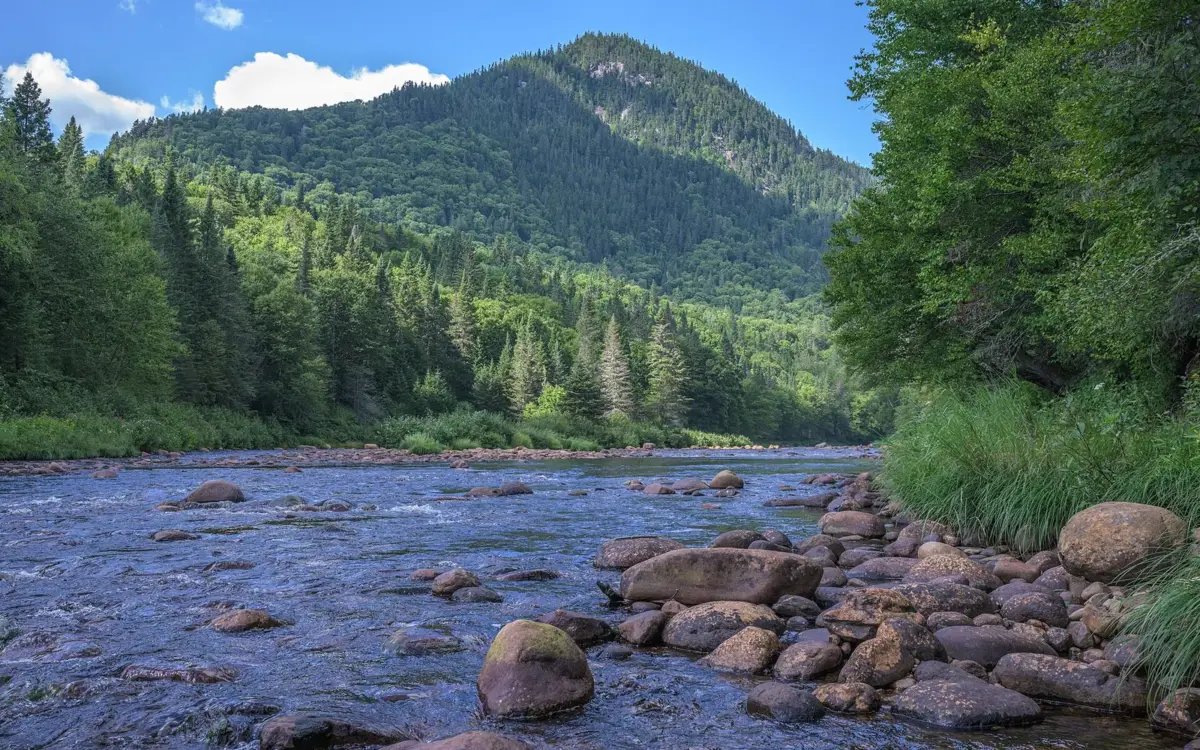
Jacques-Cartier National Park (Quebec): wilderness near Quebec City if you fly east — dress for real cold in November.
What not to miss
At least one full outdoor day in waterproof layers.
A ferry or harbour view if you base in Vancouver.
Honest budgeting before you book domestic add-ons to the Rockies.
Where to eat and what to order
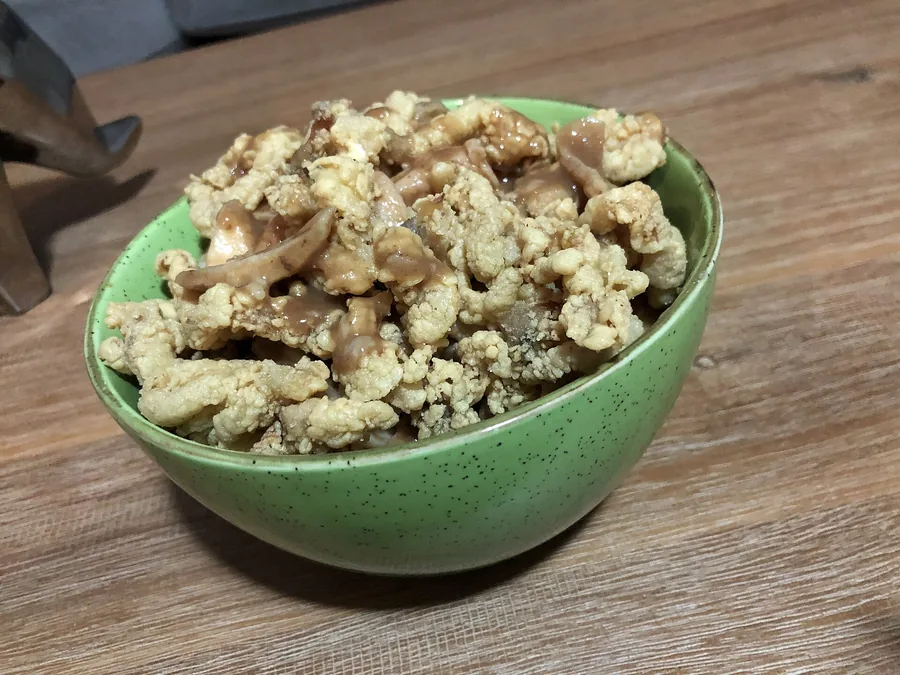
Try poutine (fries, gravy, cheese curds), a peameal bacon sandwich in Toronto traditions, Nanaimo bars and maple sweets, and Pacific salmon on the west coast. Food courts and grocery self-catering cut costs sharply versus sit-down restaurants. We avoid hyping individual cafés that we have not verified for 2026 hours.
Toronto, Vancouver and Surrey/Brisbane-adjacent suburbs have substantial Indian and South Asian restaurant scenes — vegetarian thalis and Indo-Chinese are easy in those metros. Smaller mountain towns are thinner; research ahead or self-cater. Jain travellers should ask about eggs and hidden stock.
Local festivals and events
Remembrance Day (11 November): solemn ceremonies nationwide; some services pause at 11 am.
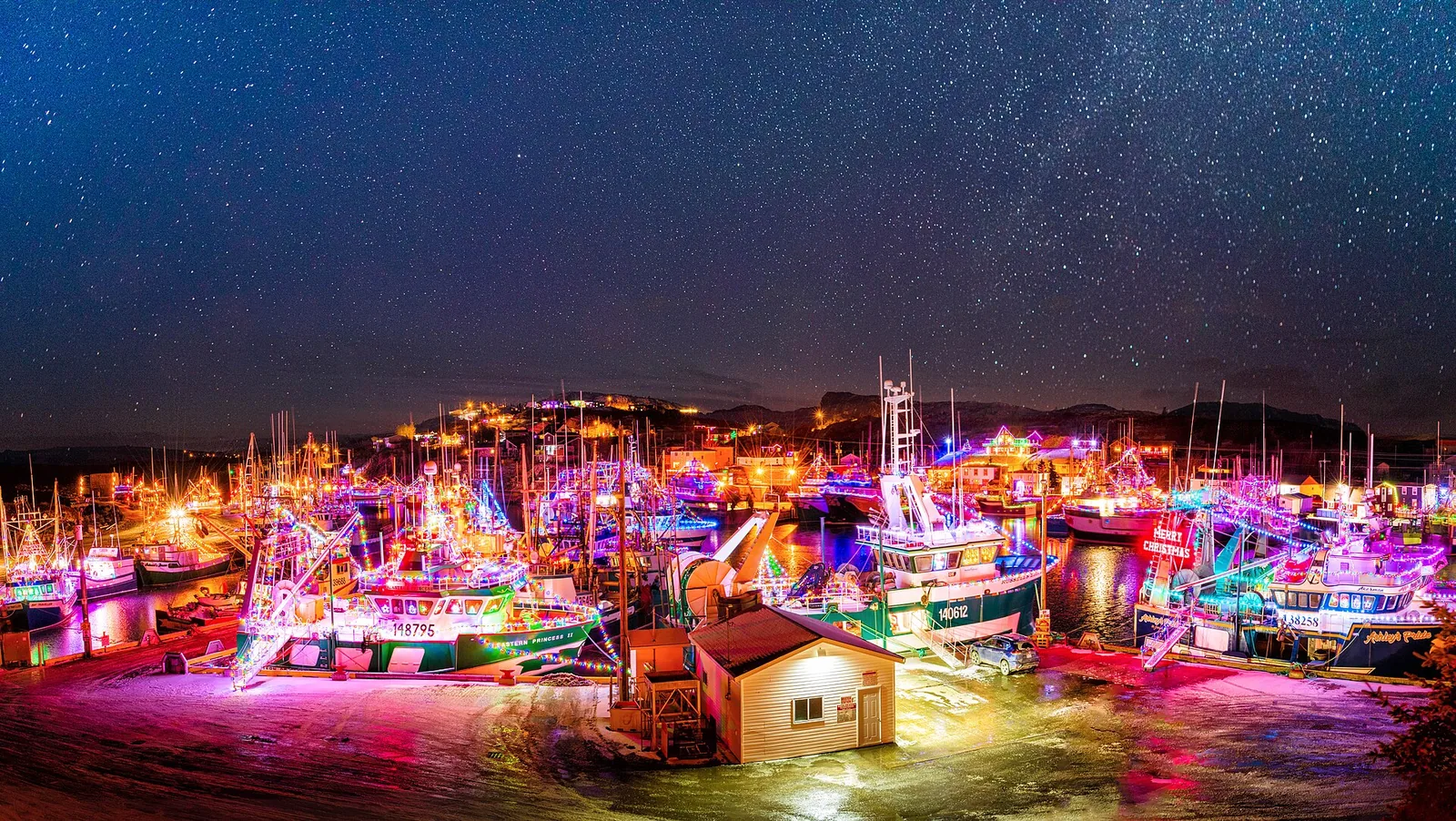
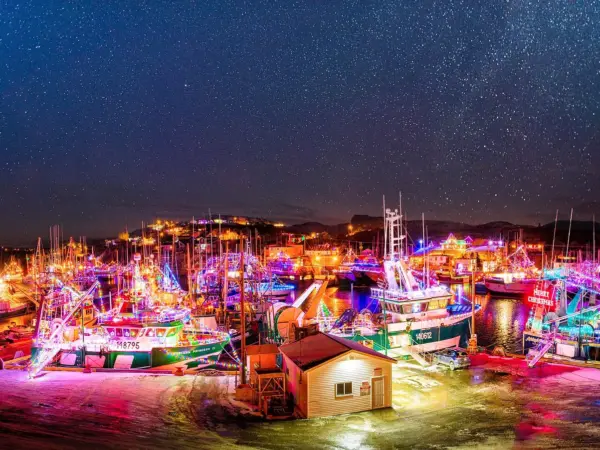
Early Christmas markets / light displays: begin in some cities in November; dates vary by year.
Big summer events such as the Calgary Stampede are not November trips. Use our festival calendar mindset: verify each city’s November calendar before you travel.
What to shop and where
Maple syrup (look for graded Canadian product), icewine where you can legally carry it, and Indigenous-made crafts from reputable galleries. Airport maple kits are convenient but pricey. Mind liquid limits in hand baggage.
Best time to visit
June–August is peak for parks and long daylight. September–early October brings fall colour in the east. November is transition: wet Pacific coast, colder interior and east, early ski season starting at some resorts. December–March is deep winter sports season. Match the region to the weather you actually want.
Air distances are BuzzyTrip map estimates to major gateways; nonstop options from India are limited, so expect a connection. Check airlines for current routings.
Flights from Indian cities
Most itineraries land at Toronto Pearson (YYZ), Vancouver (YVR) or Montreal (YUL). From Delhi and Mumbai, one-stop journeys via European or Gulf hubs are common; total door-to-door time often exceeds 20 hours including layovers. After Diwali rush, fares sometimes ease — still book only after the visitor visa is in hand or you accept the financial risk.
Getting around
Metros use reloadable cards (Compass in Metro Vancouver, PRESTO in the Toronto region, Opus in Montreal). Ride-hailing works in big cities. For the Rockies, a hire car with proper winter preparation is common; check tyre rules and mountain forecasts. Intercity Via Rail and domestic flights connect hubs but add cost.
In Vancouver, downtown / Yaletown for walkability, or near Broadway/Commercial for value. Victoria centres on the Inner Harbour. Banff townsite rooms book out and cost more in any season — consider Canmore for value if you have a car. Hostels exist but dorm beds still look expensive when converted to INR.
Canada itineraries: pick your trip
2 days
A short Vancouver sampler: seawall and a Victoria ferry day.
Day 1: Vancouver arrival
Morning: Land at YVR; SkyTrain or taxi to your hotel.
Afternoon: Stanley Park seawall walk or bike hire; check weather — November is often mild and rainy on the coast.
Evening: Seafood or a casual dinner near Coal Harbour / Gastown.
Est. cost: ₹12,000–22,000 per person (approx.)
Day 2: Victoria day trip
Morning: Morning BC Ferries sailing to Swartz Bay / Victoria (book ahead).
Afternoon: Inner Harbour, Legislature buildings; tea only if you want the classic Empress experience (pricey).
Evening: Ferry back to Vancouver.
Est. cost: ₹14,000–26,000 per person (approx.)
3 days
Vancouver city plus a Sea-to-Sky day toward Squamish/Whistler.
Day 1: City core
Morning: Arrive and settle.
Afternoon: Gastown, Canada Place and a neighbourhood walk.
Evening: Early night after the long flight.
Est. cost: ₹12,000–22,000 per person (approx.)
Day 2: North Shore
Morning: Capilano Suspension Bridge Park or a free North Shore trail alternative — check current ticket prices on the official site.
Afternoon: Grouse or similar viewpoint only if weather and budget allow.
Evening: Dinner in North Vancouver or back downtown.
Est. cost: ₹15,000–28,000 per person (approx.)
Day 3: Sea-to-Sky
Morning: Drive or coach toward Squamish / Whistler; Peak 2 Peak and other mountain tickets are seasonal — confirm winter operating dates.
Afternoon: Town stroll and hot drink.
Evening: Return to Vancouver.
Est. cost: ₹16,000–30,000 per person (approx.)
5 days
Vancouver base with Victoria and a mountain day, at a realistic pace.
Day 1: Arrive Vancouver
Morning: YVR to downtown.
Afternoon: Stanley Park.
Evening: Quiet evening.
Est. cost: ₹12,000–22,000 per person (approx.)
Day 2: Granville and museums
Morning: Granville Island public market.
Afternoon: Science World or a city museum — verify hours and fees.
Evening: Kitsilano or downtown dinner.
Est. cost: ₹13,000–24,000 per person (approx.)
Day 3: North Shore forests
Morning: Capilano or free forest walks in Lynn Canyon (different experience; check trail advisories).
Afternoon: Seawall sunset if rain holds.
Evening: Rest.
Est. cost: ₹14,000–26,000 per person (approx.)
Day 4: Victoria
Morning: Ferry day to Victoria.
Afternoon: Inner Harbour heritage streets.
Evening: Return.
Est. cost: ₹15,000–28,000 per person (approx.)
Day 5: Buffer / depart
Morning: Flexible morning; souvenir maple products.
Afternoon: Airport.
Evening: Long-haul home.
Est. cost: ₹10,000–20,000 per person (approx.)
7 days
West coast plus a Rockies taste via Calgary/Banff (needs an extra flight).
Day 1: Vancouver
Morning: Arrive.
Afternoon: Seawall.
Evening: Gastown evening.
Est. cost: ₹12,000–22,000 per person (approx.)
Day 2: North Shore
Morning: Bridge park or canyon walks.
Afternoon: City neighbourhoods.
Evening: Rest.
Est. cost: ₹14,000–26,000 per person (approx.)
Day 3: Whistler corridor
Morning: Sea-to-Sky Highway day.
Afternoon: Village time; mountain lifts only if open.
Evening: Back to Vancouver or overnight Whistler.
Est. cost: ₹16,000–32,000 per person (approx.)
Day 4: Fly to Calgary
Morning: Domestic flight to YYC.
Afternoon: Pick up a winter-ready hire car if driving to Banff.
Evening: Evening in Banff town.
Est. cost: ₹18,000–35,000 per person (approx.)
Day 5: Banff / Lake Louise
Morning: Park entry pass required; lakes may be partially frozen — dress for cold.
Afternoon: Short day hikes only if conditions allow.
Evening: Banff Avenue dinner.
Est. cost: ₹18,000–36,000 per person (approx.)
Day 6: Optional Toronto hop
Morning: Only if you booked an open-jaw; otherwise a second Rockies day. Toronto is a long extra flight.
Afternoon: City walk if you fly east.
Evening: Early sleep.
Est. cost: ₹15,000–30,000 per person (approx.)
Day 7: Depart
Morning: Buffer for winter weather delays.
Afternoon: International flight.
Evening: Home.
Est. cost: ₹10,000–20,000 per person (approx.)
Family with kids
Short walks, Science World and Stanley Park, without overpacking the Rockies in November.
Day 1: Seawall day
Morning: Arrive and settle near the park if you can.
Afternoon: Stanley Park playground and seawall.
Evening: Early dinner.
Est. cost: ₹14,000–26,000 per person (approx.)
Day 2: Science and bridges
Morning: Science World interactive galleries.
Afternoon: Capilano or a gentler canyon walk — skip if kids fear heights.
Evening: Pizza night.
Est. cost: ₹16,000–30,000 per person (approx.)
Day 3: Market and fly
Morning: Granville Island snacks.
Afternoon: Airport transfer with buffer.
Evening: Homeward flight.
Est. cost: ₹12,000–22,000 per person (approx.)
Couples
Vancouver waterfront, a ferry to Victoria and unhurried meals.
Day 1: Harbour evening
Morning: Arrive.
Afternoon: Seawall stroll.
Evening: Waterfront dinner.
Est. cost: ₹18,000–35,000 per person (approx.)
Day 2: Victoria
Morning: Ferry crossing.
Afternoon: Inner Harbour and a quiet café (skip named hype spots if unverified).
Evening: Return or overnight Victoria.
Est. cost: ₹20,000–38,000 per person (approx.)
Day 3: Soft exit
Morning: Neighbourhood walk.
Afternoon: Airport.
Evening: Flight home.
Est. cost: ₹12,000–24,000 per person (approx.)
Budget backpacker
Hostels, transit day passes and free parks — still costly versus India.
Day 1: Arrive lean
Morning: SkyTrain into the city; hostel check-in.
Afternoon: Free Stanley Park walk.
Evening: Grocery dinner.
Est. cost: ₹7,000–12,000 per person (approx.)
Day 2: Transit day
Morning: Day pass for buses/SkyTrain; Gastown and neighbourhoods on foot.
Indian passport holders need a visitor visa (temporary resident visa) to enter Canada. An electronic travel authorisation is not a substitute for Indian citizens. Apply online via the official IRCC portal on canada.ca, pay the fees, and give biometrics if instructed. Officers may ask for proof of funds, ties to India, itinerary and employment letters. Processing times are published on IRCC’s tool and change — apply early and check current processing times. Also see our visa checker and Indian passport visa guide 2026.
Currency, exchange and INR conversion
Canadian dollar (CAD). Cards are widely accepted; carry a little cash for small vendors. On 4 November 2026, 1 CAD ≈ ₹67.91 on the Frankfurter ECB reference feed (about ₹68). Your forex card or bank will differ. Avoid airport cash exchanges when you can.
Budget breakdown
Canada will feel expensive from an Indian salary baseline. Lodging and restaurant meals dominate. Use our budget calculator with CAD amounts, then convert.
Budget
Comfort
Luxury
Stay
₹2,700–₹5,450
₹8,150–₹14,950
₹20,350–₹40,750
Food
₹1,700–₹3,050
₹3,400–₹6,100
₹6,800–₹13,600
Local transport
₹700–₹1,700
₹1,350–₹3,400
₹3,400–₹8,150
Activities & entry fees
₹700–₹2,700
₹2,700–₹6,800
₹6,800–₹17,000
Total per day
₹5,800–₹12,900
₹15,600–₹31,250
₹37,350–₹79,500
BuzzyTrip estimates per person per day for November 2026, two people sharing a room, at about ₹68 per Canadian dollar (Frankfurter reference, 4 Nov 2026). Budget means a hostel or simple motel, groceries/fast food and transit passes; comfort means a mid-range hotel, café meals and one paid attraction a day; luxury means a boutique hotel, fine dining and tours. Long-haul flights, intercity flights/trains, travel insurance and the visitor visa fee are not included. Canada is expensive by Indian standards — the draft-era ₹8–15k “mid” band was unrealistically low for most cities.
SIM, eSIM and staying connected
Major carriers sell tourist SIMs; eSIMs from international providers often work on unlocked phones. Free café Wi-Fi is common. Indian roaming packs are usually poor value for a multi-week trip.
Plugs and voltage
Type A/B sockets at 120 V. Bring a suitable adapter; check that hair tools support dual voltage.
Local etiquette
Queue patiently, keep voices moderate on transit, and tip for table service. Ask before photographing people. In French-speaking areas, a polite bonjour goes far.
Myths vs facts
Myth: Indians can fly in with only an electronic travel authorisation. Fact: Indian citizens need a visitor visa (TRV).
Myth: Mid-range Canada costs under ₹15k per person per day. Fact: realistic mid-range city days are usually higher once CAD lodging and meals are converted at ~₹68/CAD.
Myth: All of Canada is snowy in November. Fact: Vancouver is often rainy and above deep freeze; the Rockies and Prairies are colder.
Do’s and don’ts
Do apply for the visa before non-refundable fares if you cannot absorb a refusal.
Do pack waterproof layers for the coast and real winter gear for the Rockies.
Don’t leave rental cars unprepared for ice.
Don’t buy visa “agent” packages that take your passport offline without IRCC receipts.
What to avoid: scams and safety
Only use official IRCC / canada.ca pages for visas.
Winter driving needs experience; use coaches if unsure.
Petty theft exists in tourist zones — normal city caution.
Wilderness trips need daylight discipline in short November days.
Comfortable waterproof shoes; insulated boots if visiting the Rockies.
Type A/B adapter.
Copies of visa, insurance and hotel bookings.
Reusable bottle (tap water is generally safe in cities).
Travel insurance
Buy medical cover that includes Canada hospital costs and winter activities if you ski or drive mountain roads. Provincial health care does not replace travel insurance for visitors.
Do Indian passport holders need a visa for Canada?
Yes. Indian citizens need a visitor visa (temporary resident visa, TRV) before travel. Electronic travel authorisations are for visa-exempt nationals, not a shortcut for Indian passports. Apply through the official IRCC channels on canada.ca; do not use look-alike sites.
How long does the Canada visitor visa take?
Processing times change. Do not plan on “quick turnaround.” Check the live IRCC processing-times tool for visitor visas from India, give biometrics if asked, and apply well before you buy non-refundable tickets.
Is November a good time to visit?
It depends on the region. Vancouver and Victoria are often cool and rainy rather than deeply snowy. The Rockies and much of Quebec/Ontario can be cold with early snow possible. Pack layers and waterproofs; do not expect postcard powder everywhere. For a European winter with a Schengen visa instead, see our Finland guide for lakes, lights and cosy towns.
What does a realistic daily budget look like in INR?
At about ₹68 per CAD (early November 2026 reference), a true mid-range city day often lands roughly in the mid-teens to high-twenties of thousands of rupees per person when two share a room — before long-haul flights. Hostels help, but Canada is not a backpacker bargain versus South-East Asia.
Can we see Banff and Vancouver in one short trip?
Possible with a domestic flight (YVR–YYC) and a hire car, but November mountain weather can close roads and limit trails. Build buffers and check Parks Canada conditions.
What plugs does Canada use?
Type A/B (NEMA) at 120 V. Indian plugs need an adapter; many dual-voltage phone chargers are fine.
Is tipping expected?
Yes, in restaurants and for taxis/rideshares, often around 15–20% where service is not already included. Factor this into food budgets.
Where should we check official rules?
IRCC on canada.ca for visas, CBSA for border entry, and provincial tourism / Parks Canada pages for parks and road conditions.
Sources and credits
We checked prices, permits, visas and routes against the official pages below in November 2026. Background facts also come from the Wikimedia pages listed, used under Creative Commons Attribution-ShareAlike. This guide is an original work written and edited for BuzzyTrip; fees, visa rules and timetables change, so verify before you travel.
Been here recently? Share a tip (and a photo) in the comments below and tick “This is a travel tip”. Tips are reviewed before they appear — we never show your email.










6 comments