Fact-checked Australia for Indian travellers: the subclass 600 visitor visa (no ETA for Indians), nonstop flights, Sydney, Melbourne, the reef, Uluru, biosecurity rules and real budgets in rupees.
Can Indians get an ETA or eVisitor for Australia?No. Indian passport holders can't use the ETA (subclass 601) or eVisitor (subclass 651). For a holiday you need a Visitor visa (subclass 600), Tourist stream, applied for online through ImmiAccount before you travel. Beware of apps and sites that offer an 'ETA' for Indians.How much is the Australian tourist visa?The base application charge for a Visitor visa (subclass 600) applied for outside Australia is AUD 250 at the time of writing (raised from AUD 200 in July 2026). Card surcharges may apply. Confirm the current fee with the Home Affairs visa pricing estimator before you apply.How early should I apply?Apply well ahead, ideally 6–8 weeks before you fly. Processing times vary, and you may be asked to give biometrics at an Australian visa application centre in India. Don't book non-refundable travel until the visa is granted.What can I bring in my luggage?Australia's biosecurity rules are strict. Declare all food, plant material and animal products on arrival; officers will check and usually let packaged snacks through. Undeclared items can mean on-the-spot fines. Leave fresh fruit, seeds, meat and most dairy at home.Is November a good time to visit?Yes for the south: it's late spring in Sydney and Melbourne, with warm days and long evenings. Up north it's the start of the wet season and the marine stinger season (roughly November to May), so wear a stinger suit to swim in tropical waters.
Plan my trip
Go-now score
Budget calculator
The full guide
Australia Unplugged: Beaches, Bush and Beyond
By BuzzyTrip · Updated November 27, 2026
Australia at a glance
Australia is huge: flying from Sydney to Perth takes about five hours. Most first-time visitors from India focus on the east: Sydney, the Blue Mountains, Melbourne and the Great Ocean Road, then the tropical north for the Great Barrier Reef and the Daintree. Uluru in the Red Centre is a separate flight. The currency is the Australian dollar (AUD), about ₹66.7 in late October 2026. We’d plan at least 7–10 days and pick two or three regions rather than trying to see everything.
Why go in November
November is late spring in the south: warm days, long evenings, beaches waking up and jacaranda in bloom in Sydney. It’s quieter and often cheaper than the Christmas and January school-holiday peak. Melbourne Cup Day (Tuesday 3 November 2026) is a public holiday in Melbourne. Up north, the wet season and the stinger season begin, so check conditions before planning reef days. Thinking of the holidays? See our Christmas week 2026 and New Year 2026–27 ideas.
Visa for Indian passport holders
Indians need a Visitor visa (subclass 600), Tourist stream, applied for online through ImmiAccount on the Department of Home Affairs website. The ETA and eVisitor are not open to Indian passports. The base charge from outside Australia is AUD 250 at the time of writing; check the official pricing estimator before applying. You’ll typically upload your passport, bank statements, leave letter or business proof, and a rough itinerary, and you may be asked for biometrics at a visa application centre in India. Apply early and only through the official site. Our visa checker has the basics for other countries.
Money, cards and costs
Australia is mostly cashless: contactless cards and phone wallets work almost everywhere, though some shops add a small card surcharge. Carry a forex card and a little cash. Prices include 10% GST; under the Tourist Refund Scheme you can claim GST back at the airport on purchases of AUD 300 or more bought from the same business (backed by tax invoices) within 60 days of departure. Tipping isn’t expected.
History and culture
Aboriginal and Torres Strait Islander peoples have lived here for at least 50,000 years, and many places have Aboriginal names and meanings. Uluru, for example, is sacred to the Anangu, its traditional owners, and climbing it has been banned since October 2019. British colonisation began in Sydney in 1788, and today Australia is one of the world’s most multicultural countries, with a large and growing Indian community.
Things to do
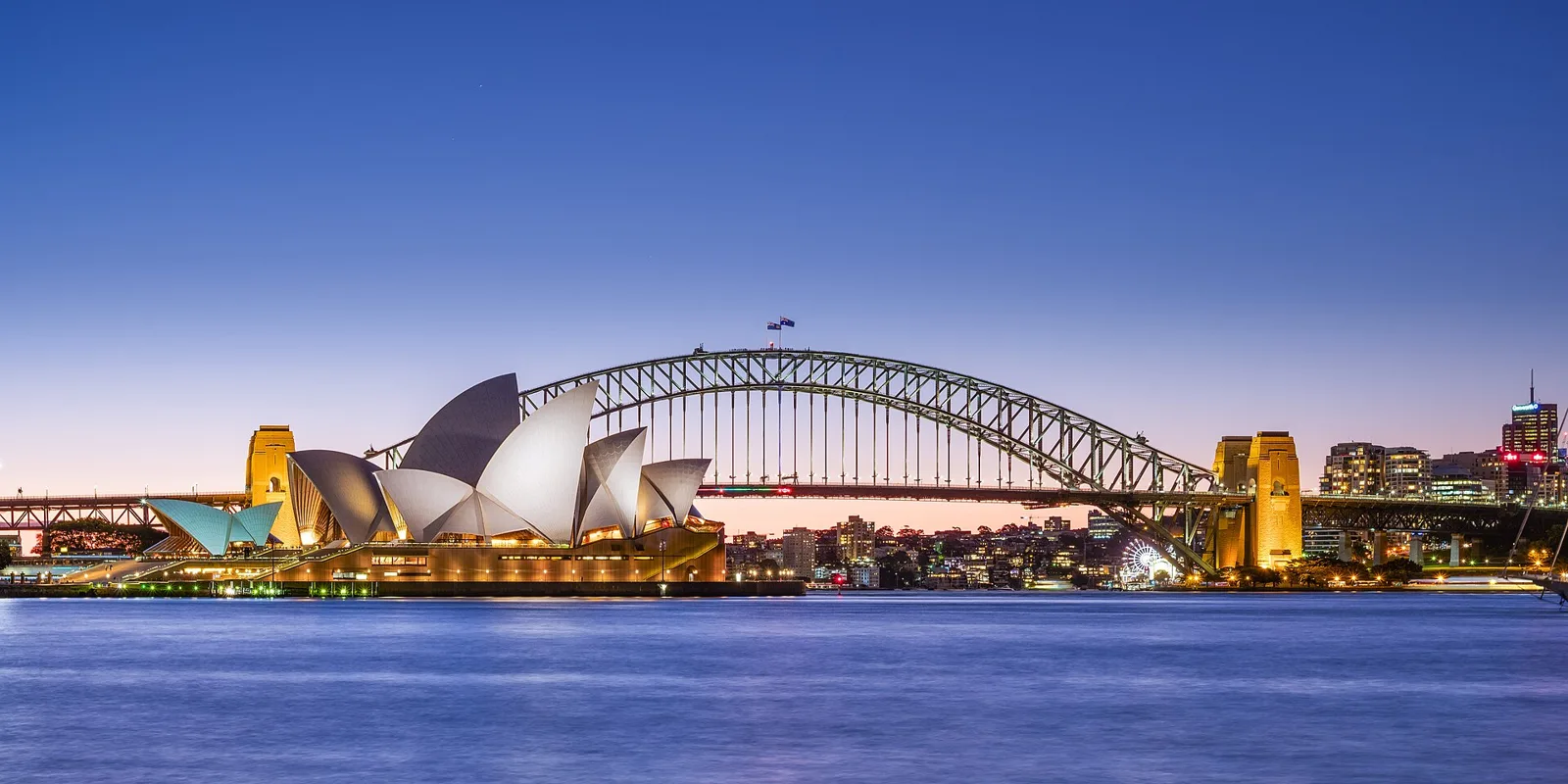
Sydney: the Opera House and Harbour Bridge, the Manly ferry, and the Bondi to Coogee coastal walk.
Blue Mountains: the Three Sisters from Echo Point at Katoomba, about 2 hours from Sydney by train.
Melbourne: laneways, coffee, museums and gardens; Phillip Island’s Penguin Parade is a popular evening trip.
Great Ocean Road: the Twelve Apostles and Loch Ard Gorge, best as an overnight trip from Melbourne.
Great Barrier Reef: boat trips from Cairns, Port Douglas and Airlie Beach.
Daintree Rainforest: ancient rainforest meeting the reef at Cape Tribulation, north of Cairns.
Uluru-Kata Tjuta National Park: park pass AUD 38 per adult for 3 days (under-18s free).
Lesser-known corners
Whitehaven Beach, Whitsundays: white silica sand, reached by boat or seaplane from Airlie Beach.
East Gippsland, Victoria: old-growth forest in Errinundra and quiet coastal parks, recovering from the 2019–20 bushfires.
Tasmania: wilderness, Cradle Mountain and good food, a short flight from Melbourne.
Kangaroo Island, South Australia: wildlife and coast, by ferry or flight from Adelaide.
Where to eat and what to order
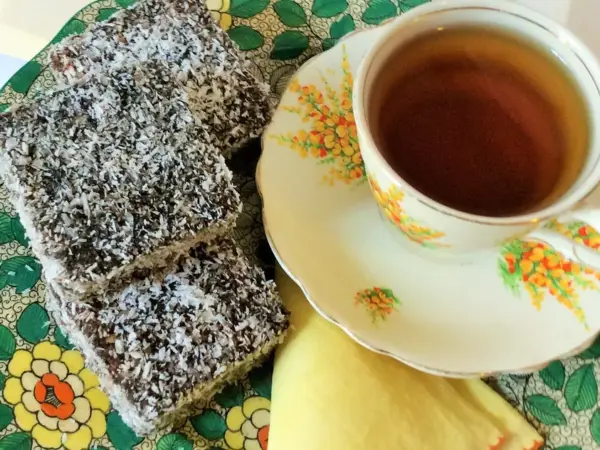
Australian food is multicultural, and cafés are a big part of life: order a flat white with brunch. Try a meat pie from a bakery, lamingtons (sponge squares in chocolate and coconut), pavlova, and grilled barramundi in the north. Food courts and supermarkets help keep costs down.
Finding Indian and vegetarian food
Indian food is easy to find. Harris Park in western Sydney and Foster Street in Dandenong (south-east Melbourne) are known as Little India areas, and most city centres have Indian restaurants and grocery stores. Vegetarian and vegan options are clearly labelled on most menus. Don’t pack home-cooked food; declare any packaged snacks you bring.
Festivals and events
Melbourne Cup (Tuesday 3 November 2026): the horse race that stops the nation; a public holiday in Melbourne.
Christmas and Boxing Day: summer holidays, busy beaches and higher prices.
New Year’s Eve: fireworks on Sydney Harbour; vantage points need planning and some need tickets.
Australia Day (26 January): a national public holiday.
What to buy
Good buys include Australian skincare, merino wool, Tim Tams and other snacks, and Aboriginal art from galleries that pay artists fairly (look for certified, ethically sourced work). Keep invoices for the Tourist Refund Scheme.
Best time to visit
Seasons are the reverse of India’s north. For Sydney and Melbourne, spring (September–November) and autumn (March–May) are the most comfortable. Summer (December–February) is hot, busy and the bushfire season. The tropical north is best in the dry season (roughly May–October); November to April is wet, humid and stinger season. Uluru is most comfortable from about May to September, as summer days are very hot.
How to reach Australia from India
Nonstop options include Air India from Delhi to Sydney and Melbourne, and Qantas from Bengaluru to Sydney plus a seasonal Delhi–Melbourne flight. Delhi to Sydney takes about 12 h 45 min, and Bengaluru to Sydney roughly 11–12 hours. Many travellers save money with a one-stop route via Singapore, Kuala Lumpur or Bangkok. Schedules change by season, so check before you book. Sydney and Melbourne run on daylight saving in November, 5 h 30 min ahead of IST; Brisbane is 4 h 30 min ahead and Perth 2 h 30 min ahead.
Getting around
Domestic flights: Qantas, Virgin Australia and Jetstar link the big cities; distances are long, so fly between regions.
City transport: Opal in Sydney (contactless bank cards also work), myki in Melbourne.
Driving: on the left. Carry your Indian licence with an International Driving Permit; rules vary by state. Watch for wildlife at dusk, and don’t underestimate distances.
Tours: handy for the Great Ocean Road, the reef and the Daintree if you don’t want to drive.
Where to stay
In Sydney, stay around the CBD, The Rocks or Darling Harbour for sights, or Bondi and Manly for beaches. In Melbourne, the CBD and Southbank put you near trams and laneways. Cairns is the budget-friendly base for the reef; Port Douglas is quieter and closer to the Daintree. At Uluru, all accommodation is at Yulara (Ayers Rock Resort), so book early.
Australia itineraries: pick your trip
7 days
Sydney, the Blue Mountains and Melbourne with the Great Ocean Road. Fly between Sydney and Melbourne rather than drive.
Day 1: Arrive in Sydney
Morning: Land at Sydney Airport; train to the city.
Afternoon: Circular Quay, the Opera House forecourt and the Royal Botanic Garden.
Evening: Harbour at dusk.
Est. cost: ₹8,000–20,000 per person (approx.)
Day 2: Harbour and beaches
Morning: Ferry from Circular Quay to Manly.
Afternoon: Bondi to Coogee coastal walk.
Evening: Dinner in Harris Park or the city.
Est. cost: ₹7,000–18,000 per person (approx.)
Day 3: Blue Mountains
Morning: Train from Central to Katoomba (about 2 hours).
Afternoon: Echo Point and the Three Sisters, then a short bushwalk.
Evening: Train back to Sydney.
Est. cost: ₹7,000–16,000 per person (approx.)
Day 4: Fly to Melbourne
Morning: Morning flight to Melbourne.
Afternoon: Laneways, Federation Square and the State Library.
Evening: Southbank.
Est. cost: ₹10,000–24,000 per person (approx.)
Day 5: Great Ocean Road
Morning: Early start on a tour or self-drive along the coast.
Afternoon: Twelve Apostles and Loch Ard Gorge.
Evening: Overnight at Port Campbell or Apollo Bay, or a late return.
Est. cost: ₹10,000–25,000 per person (approx.)
Day 6: Melbourne
Morning: Queen Victoria Market (check opening days).
Afternoon: St Kilda or the Royal Botanic Gardens.
Evening: Phillip Island penguins by tour, if you have the energy.
Est. cost: ₹8,000–20,000 per person (approx.)
Day 7: Fly home
Morning: Slow breakfast.
Afternoon: Airport.
Evening: Flight home.
Est. cost: ₹4,000–10,000 per person (approx.)
10 days
The classic first trip: Sydney, Melbourne and the tropical north for the reef and rainforest.
Day 1: Sydney
Morning: Arrive.
Afternoon: Circular Quay and the Opera House.
Evening: Harbour walk.
Est. cost: ₹8,000–20,000 per person (approx.)
Day 2: Sydney
Morning: Manly ferry.
Afternoon: Bondi to Coogee walk.
Evening: Dinner out.
Est. cost: ₹7,000–18,000 per person (approx.)
Day 3: Blue Mountains
Morning: Train to Katoomba.
Afternoon: Three Sisters and a bushwalk.
Evening: Back to Sydney.
Est. cost: ₹7,000–16,000 per person (approx.)
Day 4: To Melbourne
Morning: Fly.
Afternoon: Laneways and Federation Square.
Evening: Southbank.
Est. cost: ₹10,000–24,000 per person (approx.)
Day 5: Great Ocean Road
Morning: Tour or self-drive.
Afternoon: Twelve Apostles.
Evening: Overnight on the coast.
Est. cost: ₹10,000–25,000 per person (approx.)
Day 6: Melbourne
Morning: Back to the city.
Afternoon: Museums or gardens.
Evening: Indian dinner in Dandenong or the city.
Est. cost: ₹8,000–20,000 per person (approx.)
Day 7: To Cairns
Morning: Fly to Cairns (about 3 hours).
Afternoon: Cairns Esplanade lagoon.
Evening: Night market food stalls.
Est. cost: ₹10,000–24,000 per person (approx.)
Day 8: Great Barrier Reef
Morning: Full-day reef boat trip from Cairns or Port Douglas.
Afternoon: Snorkel in a stinger suit.
Evening: Early night.
Est. cost: ₹15,000–30,000 per person (approx.)
Day 9: Daintree
Morning: Day tour to the Daintree: river cruise and rainforest boardwalks.
Afternoon: Cape Tribulation.
Evening: Back to Cairns or Port Douglas.
Est. cost: ₹10,000–24,000 per person (approx.)
Day 10: Fly home
Morning: Breakfast.
Afternoon: Fly home via a hub or Sydney.
Evening:
Est. cost: ₹4,000–10,000 per person (approx.)
Family with kids
Two cities, short transfers and animals.
Day 1: Sydney
Morning: Arrive.
Afternoon: Taronga Zoo by ferry.
Evening: Early dinner.
Est. cost: ₹12,000–28,000 per person (approx.)
Day 2: Beach day
Morning: Manly or Bondi, swimming only between the red-and-yellow flags.
Afternoon: Ice cream and rock pools.
Evening: Rest.
Est. cost: ₹9,000–22,000 per person (approx.)
Day 3: Melbourne
Morning: Fly to Melbourne.
Afternoon: Melbourne Museum.
Evening: Southbank.
Est. cost: ₹12,000–28,000 per person (approx.)
Day 4: Penguins
Morning: Easy morning.
Afternoon: Phillip Island by tour.
Evening: Penguin Parade at dusk.
Est. cost: ₹12,000–28,000 per person (approx.)
Couples
Harbour views, a coastal drive and a night at Uluru.
Day 1: Sydney
Morning: Arrive.
Afternoon: Opera House tour.
Evening: Harbour dinner.
Est. cost: ₹15,000–35,000 per person (approx.)
Day 2: Coast
Morning: Bondi to Coogee walk.
Afternoon: Beach time.
Evening: Rooftop bar.
Est. cost: ₹12,000–28,000 per person (approx.)
Day 3: Uluru
Morning: Fly to Ayers Rock (Yulara).
Afternoon: Base walk or guided walk.
Evening: Sunset over Uluru.
Est. cost: ₹20,000–45,000 per person (approx.)
Day 4: Kata Tjuta
Morning: Sunrise and the Valley of the Winds walk (closes in high heat).
Afternoon: Rest.
Evening: Field of Light or stargazing.
Est. cost: ₹15,000–35,000 per person (approx.)
Budget backpacker
Hostels, public transport and free walks.
Day 1: Sydney
Morning: Train from the airport.
Afternoon: Free harbour walks and the Botanic Garden.
Evening: Supermarket dinner.
Est. cost: ₹5,000–9,000 per person (approx.)
Day 2: Beaches
Morning: Opal card to Bondi.
Afternoon: Bondi to Coogee walk.
Evening: Ferry to Manly at sunset.
Est. cost: ₹4,000–8,000 per person (approx.)
Day 3: Blue Mountains
Morning: Cheap train to Katoomba.
Afternoon: Free lookouts and walks.
Evening: Hostel in Katoomba.
Est. cost: ₹4,000–8,000 per person (approx.)
Luxury
Harbour hotel, a reef island and a private guide.
Day 1: Sydney
Morning: Private transfer to a harbour-view hotel.
Afternoon: Private Opera House tour.
Evening: Fine dining.
Est. cost: ₹60,000–1,50,000 per person (approx.)
Day 2: Whitsundays
Morning: Fly to the Whitsundays.
Afternoon: Boat to Whitehaven Beach.
Evening: Island resort.
Est. cost: ₹70,000–1,80,000 per person (approx.)
Day 3: Reef
Morning: Scenic flight over the reef.
Afternoon: Snorkel or dive.
Evening: Resort dinner.
Est. cost: ₹60,000–1,50,000 per person (approx.)
Budget breakdown
Australia is expensive in rupee terms, so flights and the visa are only the start. Model your own trip with our budget calculator.
Budget
Comfort
Luxury
Stay
₹2,500–₹5,000
₹7,000–₹14,000
₹20,000–₹50,000
Food
₹1,500–₹3,000
₹3,000–₹6,000
₹8,000–₹15,000
Local transport
₹500–₹1,500
₹1,000–₹3,000
₹4,000–₹10,000
Activities & entry fees
₹500–₹3,000
₹2,000–₹6,000
₹6,000–₹20,000
Total per day
₹5,000–₹12,500
₹13,000–₹29,000
₹38,000–₹95,000
BuzzyTrip estimates per person per day for November 2026, two people sharing, at about ₹66.7 to the Australian dollar (late October 2026). Budget means hostel dorms or basic motels, supermarket and food-court meals and public transport; comfort means a 3–4 star hotel, cafés and a few paid tours; luxury means 5-star hotels, fine dining and private tours. International and domestic flights, the visa fee and travel insurance are not included.
Packing list
Strong sunscreen, sunglasses and a hat: UV levels are very high.
A light jacket, as southern evenings can turn cool fast.
A Type I plug adapter.
Comfortable walking shoes.
Printed or offline copies of your visa grant, insurance and bookings.
What to avoid: scams and safety
Swim only at patrolled beaches between the red-and-yellow flags; rips are a leading hazard.
In the tropical north, don’t swim in rivers, estuaries or anywhere with crocodile warnings, and wear a stinger suit in the sea from November to May.
Check fire danger ratings and warnings on state emergency apps during bushfire season.
Only apply for your visa on the official Home Affairs site; ignore paid “ETA for Indians” offers.
Get travel insurance with medical cover; healthcare is expensive for visitors.
In an emergency, call 000 (112 also works from mobiles).
Do’s and don’ts
Do declare all food on arrival.
Do carry water on bushwalks and in the outback.
Don’t feed wildlife.
Don’t climb or photograph restricted sacred sites at Uluru.
Local etiquette
Australians are informal and direct, and queueing is taken seriously. Respect Acknowledgement of Country signs and Aboriginal cultural guidance at sacred sites. Tipping isn’t expected, though rounding up for good service is appreciated.
Myths vs facts
Myth: Indians can get an ETA. Fact: you need a Visitor visa (subclass 600).
Myth: one Opal card works everywhere. Fact: each state has its own system; Melbourne uses myki.
Myth: you can climb Uluru. Fact: the climb closed for good in October 2019.
No. Indian passport holders can’t use the ETA (subclass 601) or eVisitor (subclass 651). For a holiday you need a Visitor visa (subclass 600), Tourist stream, applied for online through ImmiAccount before you travel. Beware of apps and sites that offer an ‘ETA’ for Indians.
How much is the Australian tourist visa?
The base application charge for a Visitor visa (subclass 600) applied for outside Australia is AUD 250 at the time of writing (raised from AUD 200 in July 2026). Card surcharges may apply. Confirm the current fee with the Home Affairs visa pricing estimator before you apply.
How early should I apply?
Apply well ahead, ideally 6–8 weeks before you fly. Processing times vary, and you may be asked to give biometrics at an Australian visa application centre in India. Don’t book non-refundable travel until the visa is granted.
What can I bring in my luggage?
Australia’s biosecurity rules are strict. Declare all food, plant material and animal products on arrival; officers will check and usually let packaged snacks through. Undeclared items can mean on-the-spot fines. Leave fresh fruit, seeds, meat and most dairy at home.
Is November a good time to visit?
Yes for the south: it’s late spring in Sydney and Melbourne, with warm days and long evenings. Up north it’s the start of the wet season and the marine stinger season (roughly November to May), so wear a stinger suit to swim in tropical waters.
Which nonstop flights fly from India?
Air India flies nonstop from Delhi to Sydney and Melbourne, and Qantas flies Bengaluru–Sydney plus a seasonal Delhi–Melbourne service. Delhi–Sydney takes about 12 h 45 min. Many travellers connect via Singapore, Kuala Lumpur or Bangkok instead. Check current schedules.
What plugs and SIM do I need?
Australia uses Type I plugs at 230 V, so bring an adapter. Buy a prepaid SIM or eSIM from Telstra, Optus or Vodafone at the airport or in town; you’ll need your passport.
Sources and credits
We checked prices, permits, visas and routes against the official pages below in November 2026. Background facts also come from the Wikimedia pages listed, used under Creative Commons Attribution-ShareAlike. This guide is an original work written and edited for BuzzyTrip; fees, visa rules and timetables change, so verify before you travel.
Been here recently? Share a tip (and a photo) in the comments below and tick “This is a travel tip”. Tips are reviewed before they appear — we never show your email.




3 comments