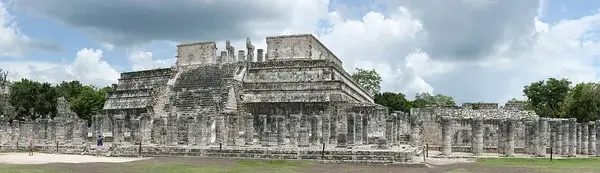
Chichén Itzá
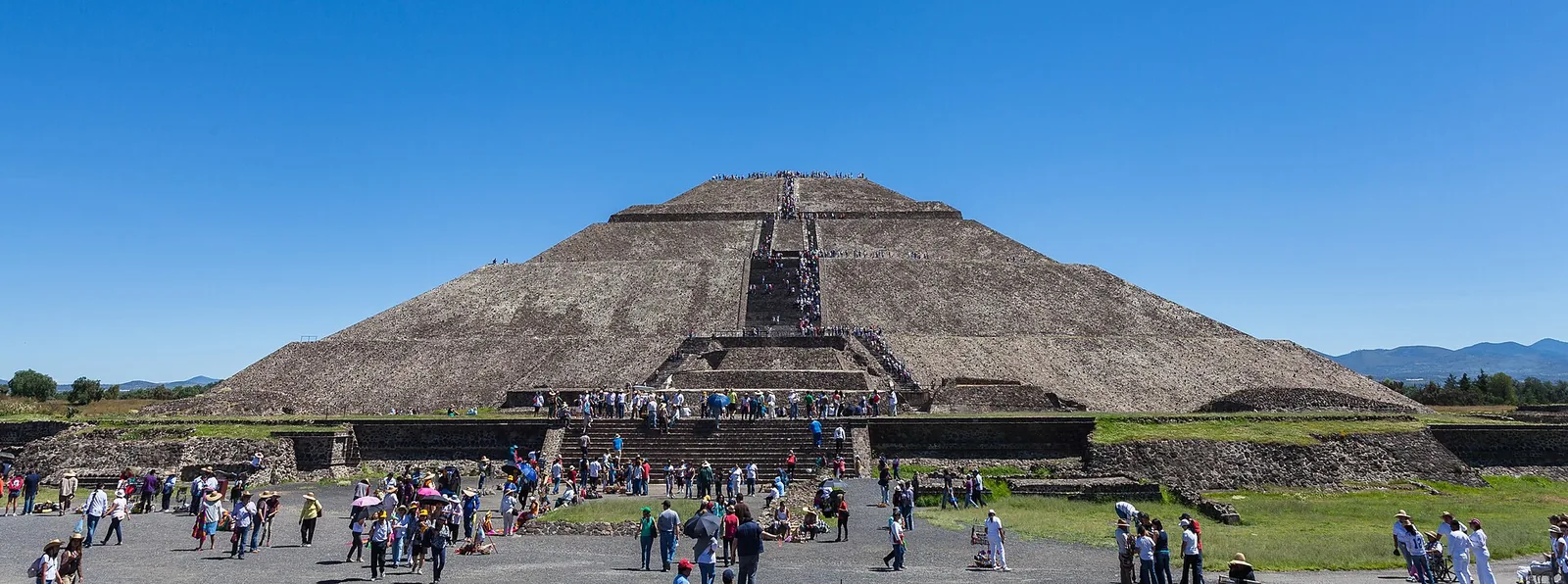
Iconic pyramid, sunrise tours
Own a stay, café or cab? List your place on BuzzyTrip — free starter listing after we review.
List your placeOctober brings milder heat and fewer crowds. Ideal for first‑time Indian travelers seeking culture, food and beach.

Iconic pyramid, sunrise tours

Cliffside Mayan site
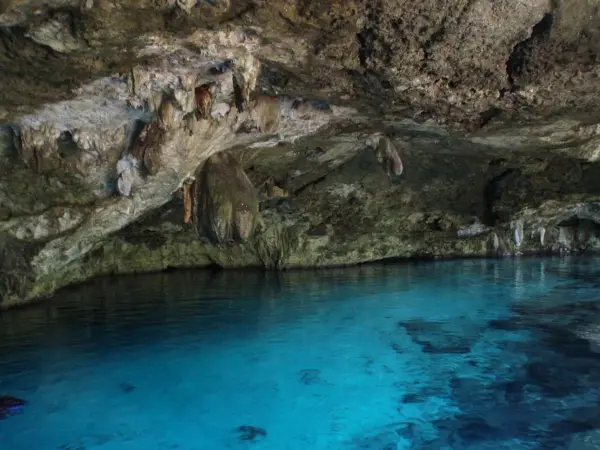
Crystal water for swimming

White sand, lively promenade

Zócalo, cathedral, museums

Pre‑Columbian hilltop complex

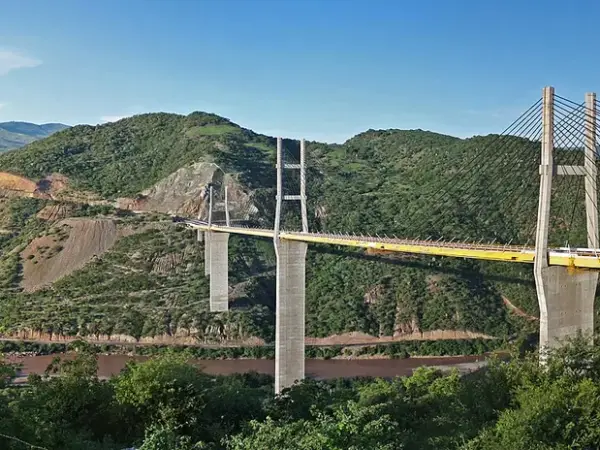
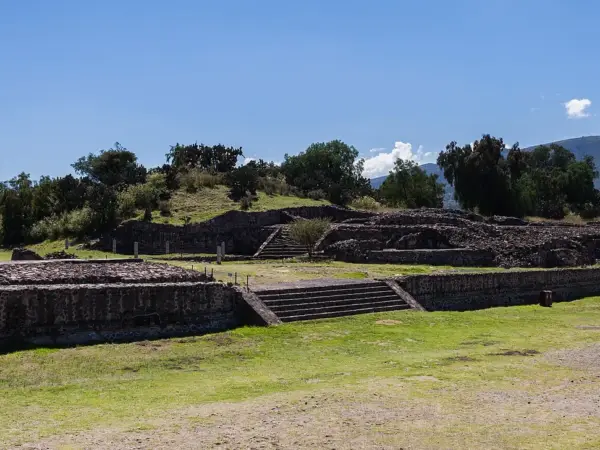


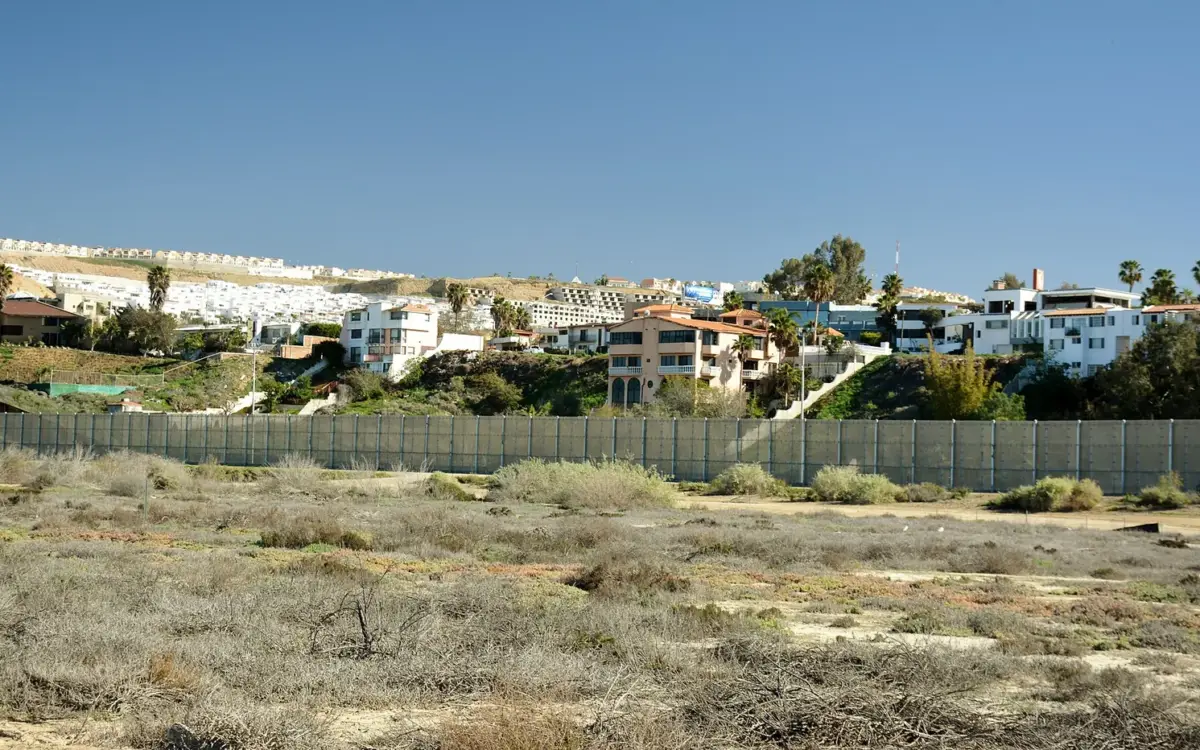
Sunrise, front pyramid
Cliff edge, golden hour
Aerial view, turquoise water
Evening promenade
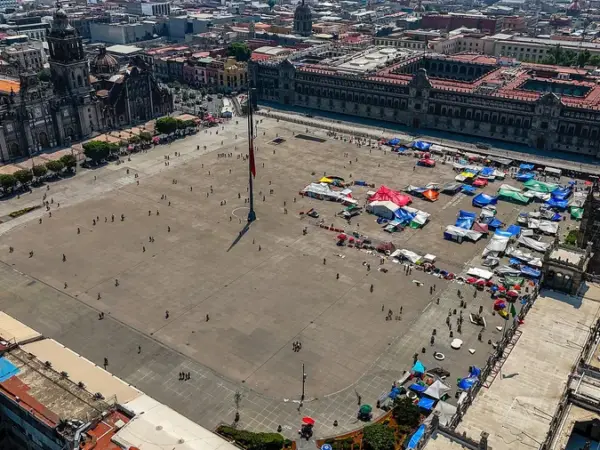
Night lights, cathedral
Panoramic hilltop vista
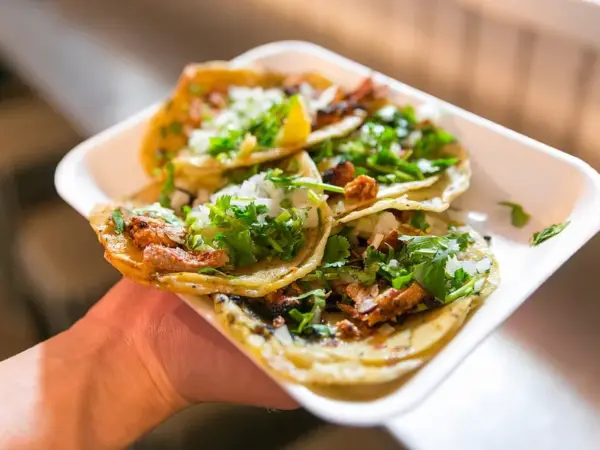
Marinated pork, pineapple
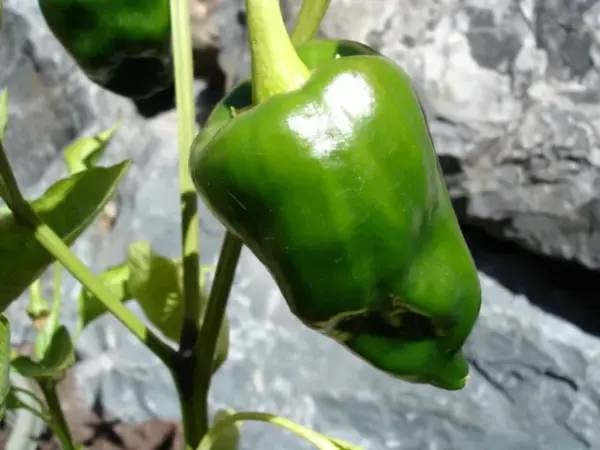
Rich chocolate‑chili sauce

Fresh fish, lime

Corn dough, varied fillings
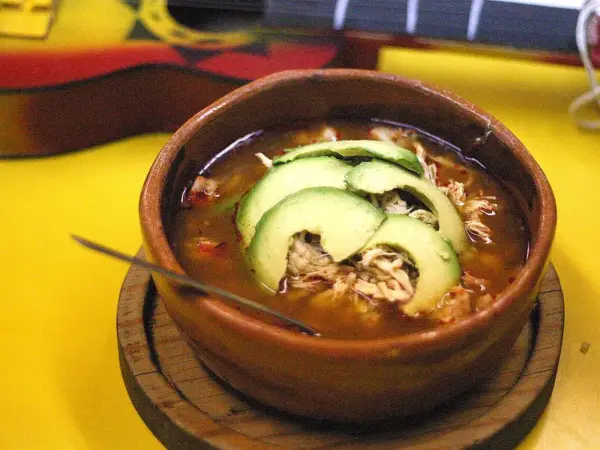
Hominy soup, pork

Seasonal, walnut sauce
The full guide
Mexico stretches from snow‑capped Sierras in the north to tropical jungles in the southeast, so you can swap a chilly mountain breakfast for a warm beach lunch in the same trip. It feels like three countries in one – ancient ruins, colourful markets and endless coastlines. Families will love the blend of history lessons and splash‑filled bays, couples can chase sunsets over the Caribbean, and a group of friends will find everything from desert dunes to coral reefs for adventure. Our pick is the sheer variety; if you crave a bit of everything, Mexico delivers without forcing you into a single vibe.
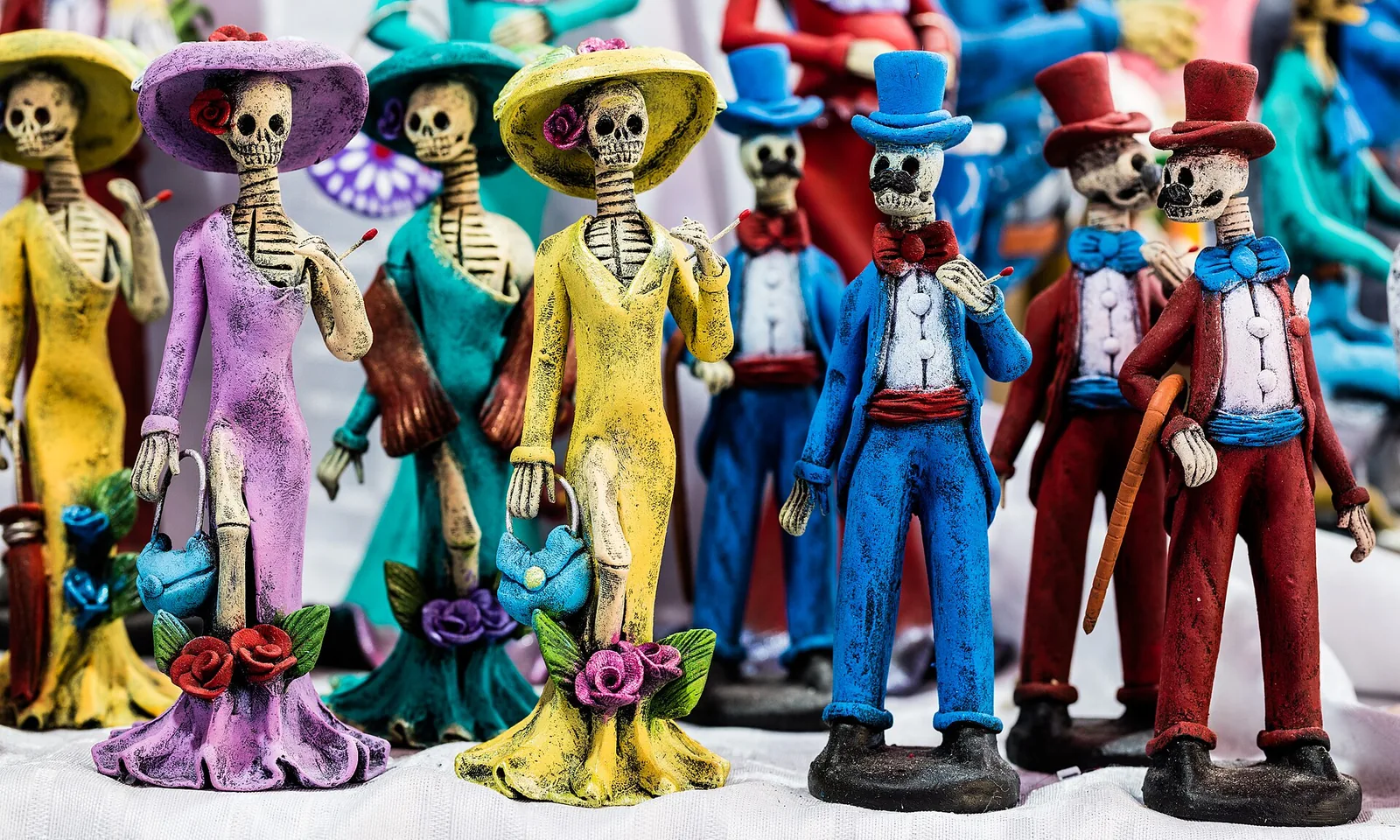
October softens the heat along the Caribbean shore, making snorkeling feel more comfortable, and in the central highlands the rains start to ease so plazas and highland towns feel crisp. Crowds thin after the summer rush. Late October into early November is also when Día de los Muertos (Day of the Dead) fills ofrendas, cemeteries and streets with marigolds and Catrina figures — one of Mexico’s best-known celebrations. Hurricane season on the Caribbean and Gulf coasts can still throw storms, so we check a local forecast before locking beach days.
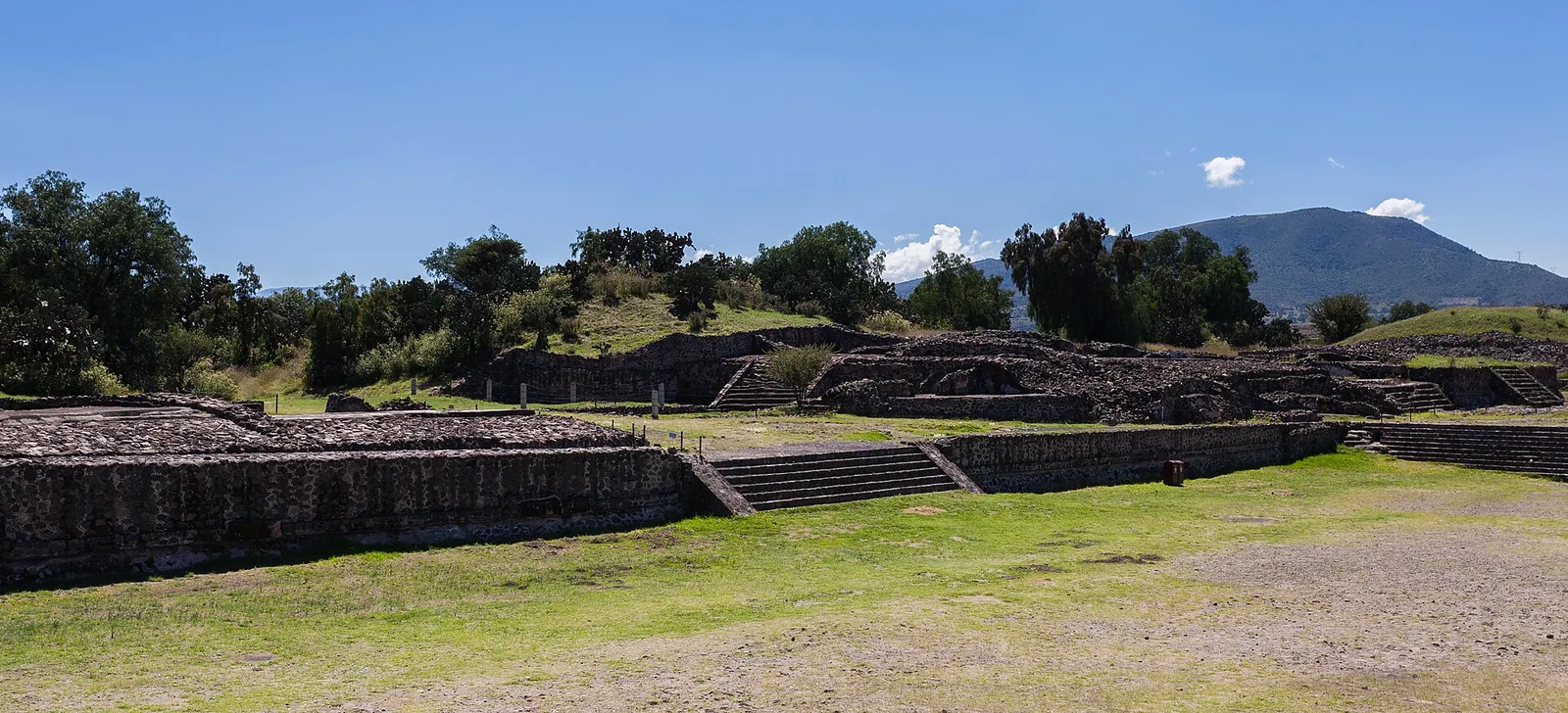
The Maya left towering pyramids at Chichén Itzá and the less‑trodden ruins of Calakmul, reminding us that sophisticated city‑states once thrived in the jungle. Earlier, the Olmec on the Gulf Coast carved colossal basalt heads and set the stage for later cultures across Chiapas, Oaxaca and the Valley of Mexico. Spanish colonial towns such as San Miguel de Allende showcase baroque churches and pastel façades, a clear echo of 16th‑century conquest. Yet indigenous traditions are still alive: markets in Oaxaca and Guerrero brim with hand‑loomed textiles, and you’ll hear Nahuatl and Yucatec Maya spoken alongside Spanish, a living thread that ties past to present.
Crystal waters feel like stepping into an underground lagoon – worth the early‑morning dip.
The train winds through sheer cliffs; the views are worth the long ride.
Colorful murals and street‑side mole stalls turn the area into a food lover’s playground.
Winter migrations bring giants close – a gentle reminder of nature’s scale.
The trek tests your stamina, yet the sunrise over the crater stays with you long after the climb.
The massive plaza buzzes with life; a perfect spot for people‑watching.
Colourful corals and schools of fish make it a snorkeler’s dream.
The blue‑painted Casa Azul feels intimate; art fans will love the personal touches.
The quiet fishing village of Sayulita on the Pacific coast offers surf without the crowds. San Cristóbal de las Casas in the highlands provides cool weather and indigenous markets far from the tourist trail. The colonial town of Real de Catorce feels like a ghost town turned boutique haven, ideal for sunset photography.
Sunrise at Teotihuacan – the pyramids glow gold and the early hour avoids the heat. Evening stroll through the illuminated streets of Guanajuato – the alleys come alive with music. Late‑afternoon taco tasting in Puebla – the city’s famous mole sauce shines at dusk.
We start in Mexico City, where street stalls line the lively plazas and serve al pastor tacos—thin pork slices kissed by flame, finished with a sliver of pineapple that adds a sweet‑savory pop. The taco’s corn tortilla is a safe bet for wheat‑avoidance, so ask for “tortilla de maíz” if you’re steering clear of wheat.
Heading south to Oaxaca, the tlayuda dominates the menu. Imagine a giant, crisp tortilla brushed with refried beans, scattered with melted cheese, and crowned with fresh salsa. Vegetarians can simply skip the carne asada topping and still get a hearty bite.
In Puebla, mole poblano steals the show. The sauce, dark as chocolate and spiced with cinnamon and chilies, usually drapes over chicken, but many eateries will ladle it over seasonal vegetables for a vegetarian twist.
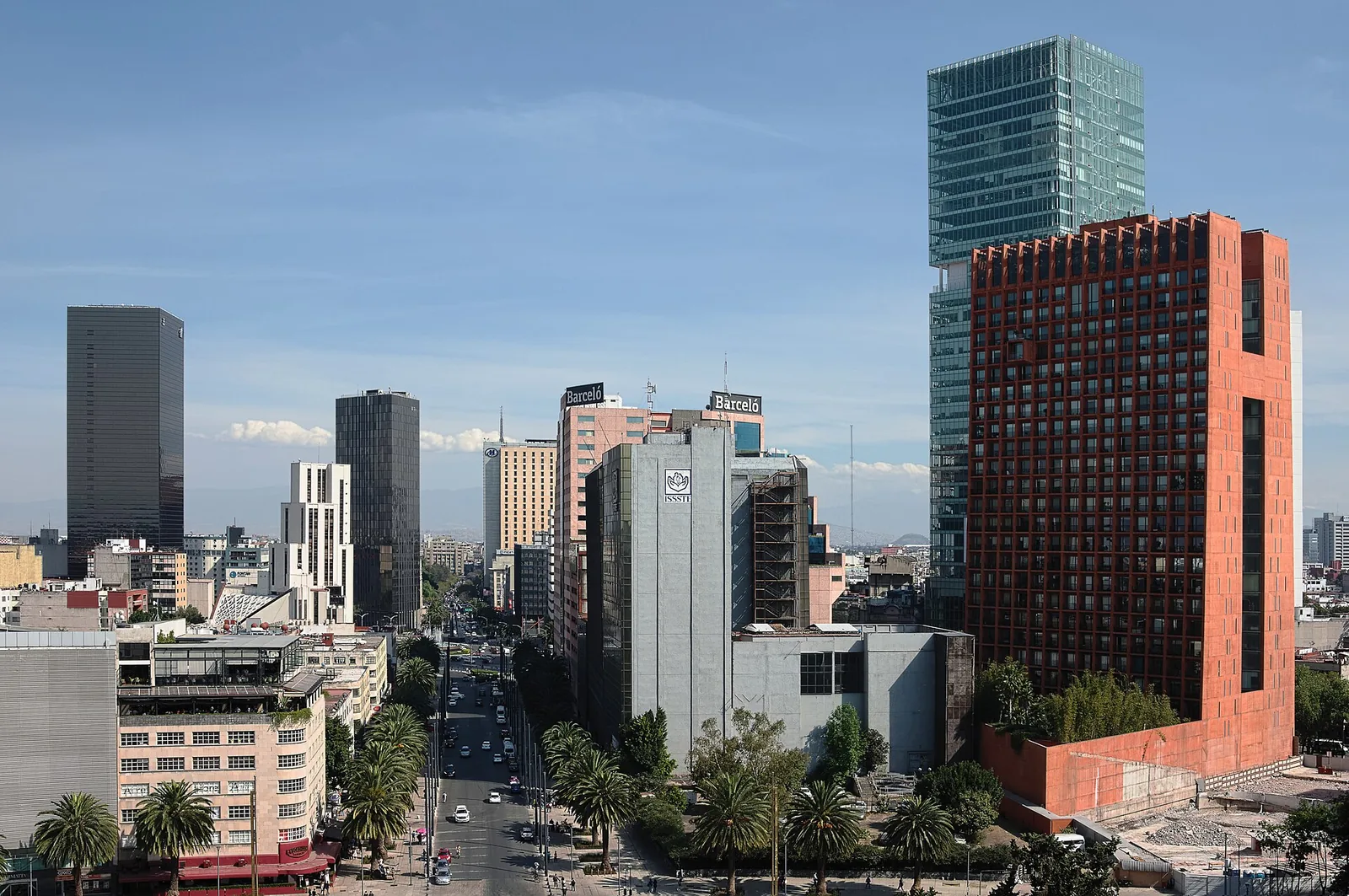
Delhi‑style curry houses have set up shop in Polanco, Mexico City, offering familiar heat for spice lovers. In Cancun, a handful of Indian restaurants serve vegetarian thalis, though Jain diners should flag the need for no onions or garlic.
For a quick home‑cooked fix, large supermarkets in Monterrey stock canned lentils and basmati rice—perfect for a comforting bowl after a day of exploring.
Oaxaca’s markets burst with hand‑woven textiles; the vivid patterns make for colourful souvenirs, and bargaining starts low, ending with a grin.
Silver jewelry from Taxco is renowned, but watch out for overly polished pieces that are mass‑produced and lose the artisanal charm.
Chiapas highlands produce rich local chocolate; buying from market stalls is cheaper than the bulk packs you’ll see in tourist shops.
Mexico’s climate varies hugely by region, so we pick the window that fits the places we want to see. March to early May offers comfortable temperatures in the highlands while the coasts are just warming up – perfect for exploring ruins without the sweltering heat. June through September brings the rain‑laden summer, especially on the Caribbean side, and the occasional tropical storm, so we’d suggest skipping the beach towns then unless you love dramatic skies. October and November see a pleasant dip in humidity and the first hint of festivals, making them a solid fallback. December to February is cool in the north and mild along the Pacific, ideal for city walks but beware the chill if you head up into the Sierra Madre.
| From | Air distance (est.) | Flight time (est.) | Best way |
|---|---|---|---|
| Delhi | ~14490 km | ~19.3 h | Fly |
| Mumbai | ~15492 km | ~20.7 h | Fly |
| Bangalore | ~16228 km | ~21.6 h | Fly |
Estimates calculated by BuzzyTrip from map coordinates; check live maps before you leave.
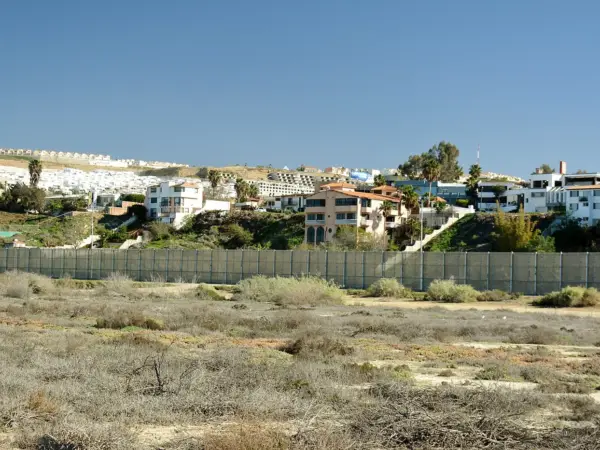
International flights touch down at Mexico City’s Benito Juárez Airport, the main gateway for Indian travellers. From the capital you can hop on a domestic flight to coastal hubs like Cancun or Puerto Vallarta; the internal leg usually adds a few hours to the door‑to‑door tally. There is no rail link from India, and the nearest Mexican railhead sits at Ciudad Juárez on the U.S. Border, where you could catch a train southward if you fancy a road‑to‑rail adventure. Most of us advise the straight‑through air route – a Delhi‑to‑Mexico City connection plus a brief layover – as the most realistic way to get there without spending days on the ground.
From Delhi, most travelers take a single stop through a European hub such as Frankfurt or Paris before the final leg to Mexico City. Mumbai flyers often hop on a Middle‑Eastern carrier via Doha or Dubai, with a short layover that keeps the overall travel time reasonable. Bangalore passengers typically board a Gulf airline to a North‑American gateway like Houston or Dallas, then connect onward to the Mexican capital. Fares tend to ease after the peak holiday season, so booking a few weeks beyond the major Indian festivals can save some rupees.
We find the metro in Mexico City, Guadalajara and Monterrey to be the cheapest way to hop between museums, markets and plazas; a single ride usually costs just a few pesos. Uber and similar ride‑hailing apps work everywhere in the big cities and will take your international card, so you can skip hunting for cash. For the ruins of Chichén Itzá or the beaches of the Riviera Maya, a rental car feels more freeing – the toll highways are smooth, though the mountain passes near Oaxaca can be twisty. Buses run on the toll roads too, and their tickets bundle the toll, which keeps the fare predictable. We’d skip renting a car if you’re only sticking to the main tourist corridors; the public options are reliable enough.
In Mexico City, the historic centre is perfect for culture buffs – you’ll be steps from the Zócalo and the palace walls. Budget hostels line that square, while the leafy Roma district offers boutique hotels that feel more lived‑in. Polanco towers with sleek service suit families or business travellers who want space and security. Cancún’s Hotel Zone is the obvious pick for families chasing beachfront sand; the sea‑view resorts here cater to kids and all‑inclusive meals. Couples who prefer a quieter vibe can wander to downtown boutique inns, tucked behind colorful facades. In Oaxaca, a colonial courtyard house gives an authentic stay, with mid‑range guesthouses peppered through the city centre for those who want comfort without splurge. We think the luxury chains are fine for a hassle‑free night, but skip them if you crave local flavor.
Ideal for first‑timers who have just a weekend to taste Mexico’s highlights.
A balanced plan for most travellers, mixing culture, nature and a taste of the coast.
A slower pace that adds a day‑trip to the Copper Canyon and a night in Oaxaca’s colonial charm.
A full week that weaves together Mexico City, the Yucatán Peninsula, and a coastal adventure.
Ideal for parents who want short drives, regular breaks and activities that keep children aged 6‑14 entertained.
Tailored for two‑people seeking scenic moments, relaxed pacing and memorable dinners.
Fits solo travellers on a tight budget who prefer hostels, public buses and street food.
Designed for comfort‑first travellers who want private transfers, premium stays and curated experiences.
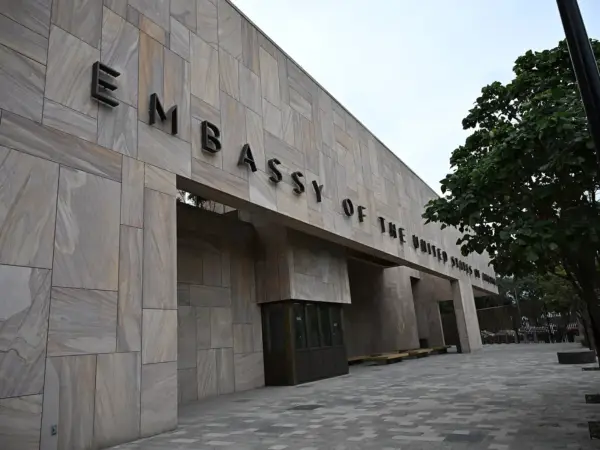
Indian passport holders need a Mexican visitor visa before travel. Mexico does not offer visa on arrival or an e-visa for Indians. Apply at the Embassy of Mexico in New Delhi (or another Mexican consulate) through the official appointment system at citas.sre.gob.mx; the short-stay visitor visa application fee is about US$56, and approval is not guaranteed. Stays for tourism are usually up to 180 days, decided by immigration on arrival.
You can skip the Mexican visa if you already hold a valid visa or permanent residence from the United States, Canada, Japan, the United Kingdom or a Schengen country — but UK visa holders also need proof of UK permanent residence. Everyone still completes the Forma Migratoria Múltiple (FMM) immigration form on arrival; for air arrivals the FMM fee is usually bundled into the airline ticket. Rules change, so check the Mexican Embassy in India and inm.gob.mx before you book.
Mexico runs on the peso (MXN). We find that cards glide through most hotels and sit‑down restaurants, but the tiny taco stalls and market stalls still ask for cash. A forex card will get you through the airport counters and the larger banks without a hitch. It’s worth swapping a modest amount right after you land – just enough for a cab and a quick bite. The INR‑to‑peso conversion sits around 0.20 MXN per rupee in our October 2026 snapshot, so double‑check a reliable converter before you head out.
We’ve sketched a quick daily spend guide that lets you tune the trip to your wallet. The ranges are broad, reflecting the variety of options you’ll meet on the ground.
| Category | Budget | Mid‑range | Comfort |
|---|---|---|---|
| Stay | ≈ INR 2,500 – 3,500 | ≈ INR 3,600 – 5,500 | ≈ INR 5,600 – 9,000 |
| Food | ≈ INR 800 – 1,200 | ≈ INR 1,300 – 2,200 | ≈ INR 2,300 – 4,000 |
| Local transport | ≈ INR 300 – 500 | ≈ INR 600 – 1,000 | ≈ INR 1,100 – 2,000 |
| Activities | ≈ INR 500 – 900 | ≈ INR 1,000 – 1,800 | ≈ INR 2,000 – 3,500 |
| Total per day | ≈ INR 4,600 – 6,800 | ≈ INR 7,500 – 11,500 | ≈ INR 11,600 – 19,500 |
We think the budget column works for backpackers, while the comfort column suits families who want a bit more space.
Local SIM cards are inexpensive and appear at the airport; they latch onto 4G networks that cover most of the country. If you carry an unlocked phone, an eSIM profile from the major carriers in Mexico City and the tourist hubs works as a plug‑and‑play option. Indian roaming can be pricey, so we usually advise a local plan for anything beyond a day or two. Free Wi‑Fi drifts through cafés and most hotels, but a data pack keeps you on the road without hunting for hotspots.
Mexico uses Type A and Type B plugs (flat blades, NEMA 1‑15 / 5‑15) at about 127 V. India’s common Type D and Type C plugs do not fit, so we carry a universal adapter. Many phone and laptop chargers are dual‑voltage (100–240 V); check the fine print before plugging in, because 127 V is lower than India’s 230 V and some appliances need a converter.
When you step into a church, we recommend covering shoulders and knees – a modest look earns respectful nods. A tip of roughly ten percent feels natural in most restaurants, and rounding up a taxi fare is a small kindness drivers appreciate. Greet locals with a warm “buenos días”; they respond in kind and the conversation flows easier.
Myth: All of Mexico is hot year‑round.
Fact: High‑altitude spots like Mexico City enjoy cool evenings even in summer.
Myth: Only Spanish is spoken.
Fact: Indigenous tongues such as Nahuatl and Maya are still alive in many regions.
Myth: Street food is unsafe.
Fact: Fresh tacos from lively stalls are among the safest bites you’ll find.
Myth: Mexico is just beaches.
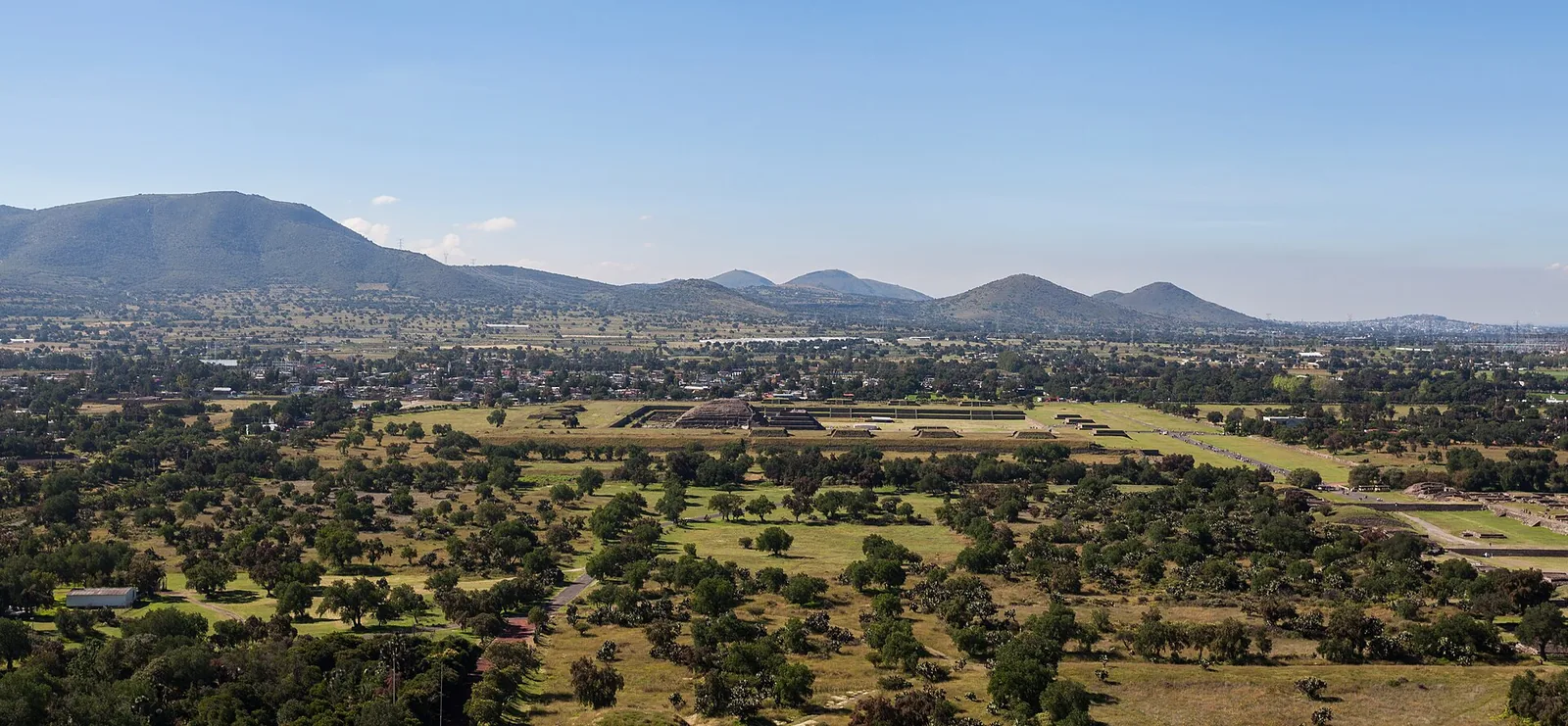
Fact: Deserts, snow‑capped peaks and dense jungles also shape the landscape.
Do try the regional dishes – every state brings its own spice, texture and story to the plate. Do keep a handful of coins for market stalls; the vendors love exact change and it speeds up the banter. Don’t flash large amounts of cash in tourist squares – it draws the wrong kind of attention. Don’t ignore local weather alerts during hurricane season on the Caribbean coast; the storms can turn a beach day into a soggy scramble.
Scams surface most often in lively markets – a vendor may quote a higher price once you’re engaged, so ask for the cost up front and stick to it. Roads winding to remote mountain towns become narrow, poorly lit and slippery after dusk; we recommend traveling in daylight. Health wise, stick to bottled water and apply DEET‑based insect repellent in jungle zones – the mosquitoes carry more than just a bite. Keep 911 saved for police or medical emergencies; it’s the national number.
We think travel insurance is non‑negotiable for Mexico. A solid medical cover will smooth things if you end up in a city hospital that accepts international policies – the paperwork is usually straightforward. Make sure the policy also lists volcano hikes, scuba dives or any adventure you’ve pencilled in, otherwise you’ll be left paying out of pocket. And a cancellation clause can save you a lot of hassle when sudden weather‑related flight changes pop up.
Yes. Indian citizens need a Mexican visitor visa from a consulate, unless they already hold a valid visa or permanent residence from the US, Canada, Japan, the UK or a Schengen country. Everyone still fills the FMM on arrival. Check the Mexican Embassy in India before booking.
For air arrivals the FMM fee is usually included in the airline ticket. The separate Mexican visitor visa application fee is about US$56 at the consulate (as listed on the official visas portal); verify current fees before you apply.
October offers comfortable temperatures across most regions and avoids the peak heat of the summer months.
We suggest a solid stretch of time that lets you explore a city, a coastal spot and a cultural site without rushing.
We find that staying in well‑known neighbourhoods, especially near central areas, keeps things comfortable; the usual city vigilance works fine.
Yes, many attractions like beaches and historic sites cater to children, and the food can be toned down to suit younger palates.
Mexican cuisine ranges from mild corn‑based dishes to fiery sauces; you can always ask for a milder version if you prefer.
There are no nonstop flights from India to Mexico as of October 2026. The usual route is one or two stops via Europe, the Middle East or a US hub into Mexico City (or Cancún), then a domestic hop if needed.
You can bring Indian rupees to exchange at the airport or withdraw local pesos from ATMs; both options are widely available.
We recommend staying hydrated, using bottled water for drinking and brushing, and checking any recommended vaccinations before you go.
Background facts were researched from the Wikimedia pages below, used under Creative Commons Attribution-ShareAlike. This guide is an original work written and edited for BuzzyTrip; prices, visa rules and timings change, so verify before you travel.
Photos:
Been here recently? Share a tip (and a photo) in the comments below and tick “This is a travel tip”. Tips are reviewed before they appear — we never show your email.
Short, useful travel ideas and new guides. Straight to your inbox every Friday.
Message us with your dates and budget and we’ll reply with suggestions.
Chat on WhatsApp

1 comment