Budapest November guide for Indians:Schengen visa, thermal baths & honest HUF→INR budgets
Fact-checked Budapest for Indian travellers, November 2026: Schengen C via VFS Hungary, realistic forint budgets, thermal baths, Danube nights and sample itineraries.
Do Indian citizens need a visa for Hungary?Yes. Indian passport holders need a short-stay Schengen C visa before travel. Apply via VFS Global for Hungary in India (New Delhi or Mumbai jurisdiction depending on your state) and follow the Hungarian embassy/consulate document list. A visa does not guarantee entry — border officers may still ask for proof of funds, insurance and accommodation.How long can we stay?A uniform Schengen short-stay visa typically allows up to 90 days in any 180-day period across the Schengen area. Check your sticker for single vs multiple entry and exact validity.Is November a good time for Budapest?Yes if you like cooler weather and thermal baths. November averages roughly 9 °C highs and 3 °C lows with grey skies possible. Crowds are lighter than summer; Christmas markets usually begin later in November or early December — confirm each year's dates. September–October is milder, but November is still a strong bath-and-lights month, not a "wrong" season.What is a realistic daily budget in INR?At about ₹0.292 per HUF (5 Nov 2026 Frankfurter reference), a true mid-range day for two sharing often lands roughly in the low-to-mid teens of thousands of rupees per person before flights — hostels help, but Budapest is not a ₹2–3k/day European fantasy once lodging and a bath ticket are included.How do we get from the airport?Budapest Ferenc Liszt (BUD) is southeast of the centre. The 100E Airport Express bus runs to Deák Ferenc tér; other bus + metro combinations also work. Agree taxi fares or use official apps; keep an eye on meters.Are thermal baths expensive?Historic baths such as Széchenyi and Gellért charge time-based tickets that change with lockers, cabins and weekends. Treat older blog prices as stale — check the official bath websites before you go.
Plan my trip
Go-now score
Budget calculator
The full guide
Budapest in November: Thermal Baths and Danube Nights
By BuzzyTrip · Updated November 27, 2026
Budapest at a glance
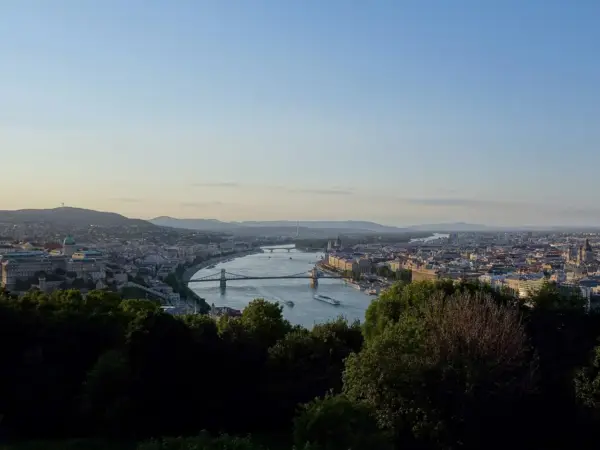
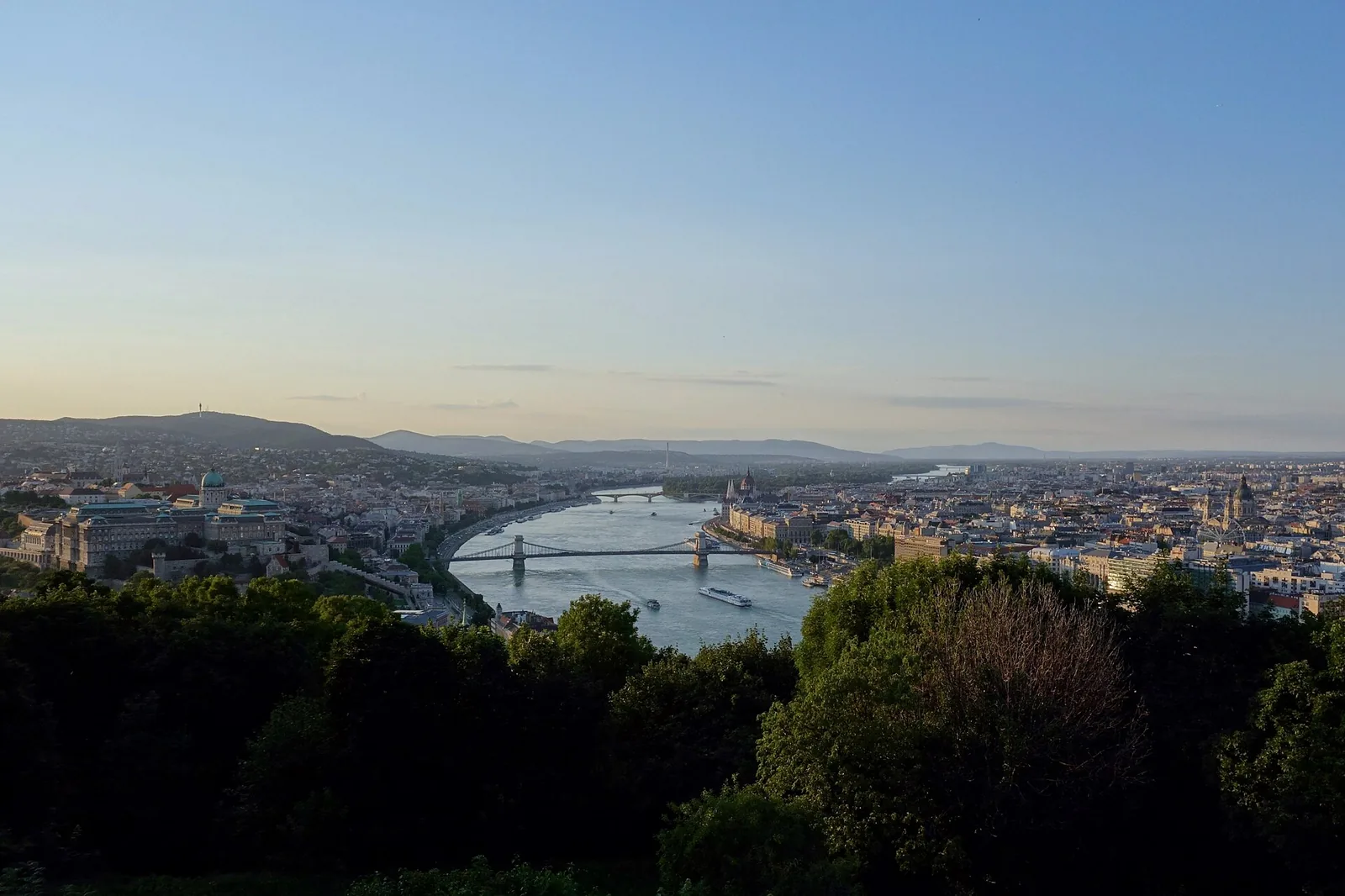
Budapest straddles the Danube: hilly Buda with the Castle District and Pest with grand avenues, markets and nightlife. Thermal baths, bridge views and coffee-house culture make it a favourite first Schengen city break from India. Currency is the Hungarian forint (HUF). On 5 November 2026 the Frankfurter ECB reference rate was about ₹1 ≈ 3.425 HUF (1 HUF ≈ ₹0.292) — your card rate will differ. November is cool and quiet enough for baths and evening embankment walks without summer queues.
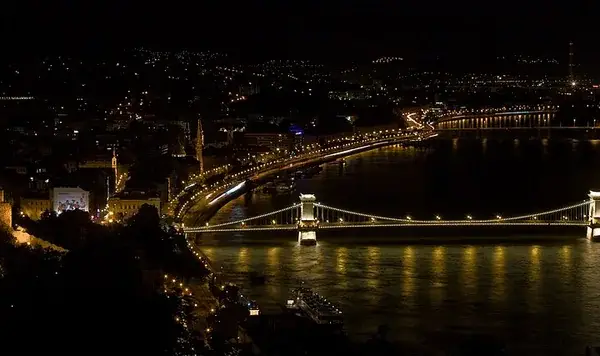
November drapes the city in crisp air that makes outdoor thermal pools feel especially good. Tourist pressure drops after summer and before the busiest Christmas weeks. Embankment lights and bridge illuminations photograph well after dusk. Pack a proper coat — this is not mild Goa weather. For other long-haul ideas see our Canada November guide and Seychelles in November.
History and culture
Roman Aquincum roots sit under Óbuda; Ottoman, Habsburg and 20th-century layers shape the skyline. Andrássy út is a UNESCO-listed boulevard; the Dohány Street Synagogue anchors Jewish heritage in District VII. House of Terror covers authoritarian 20th-century history — heavy but important. Dress modestly in churches and synagogues.
Top things to do
Thermal baths: Széchenyi (City Park), Gellért, Rudas and others — buy tickets for the slot you want and read locker vs cabin rules.
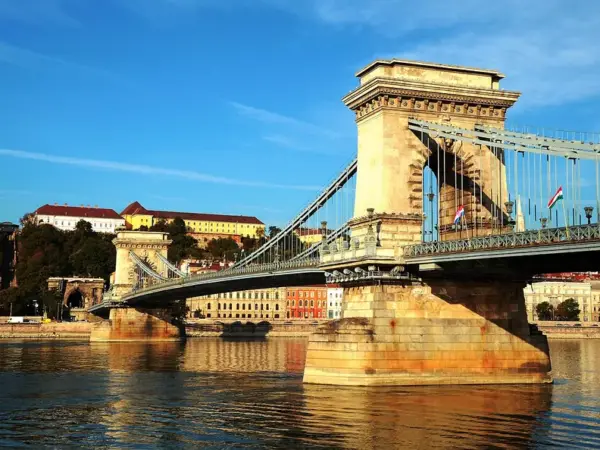
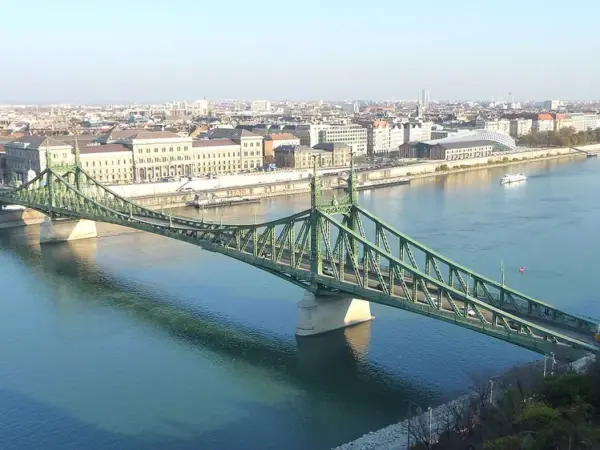
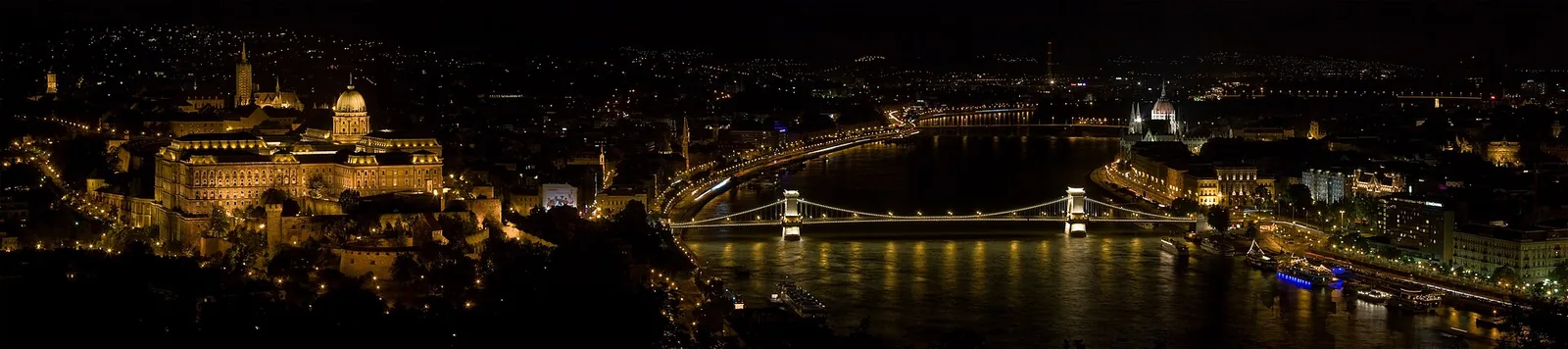
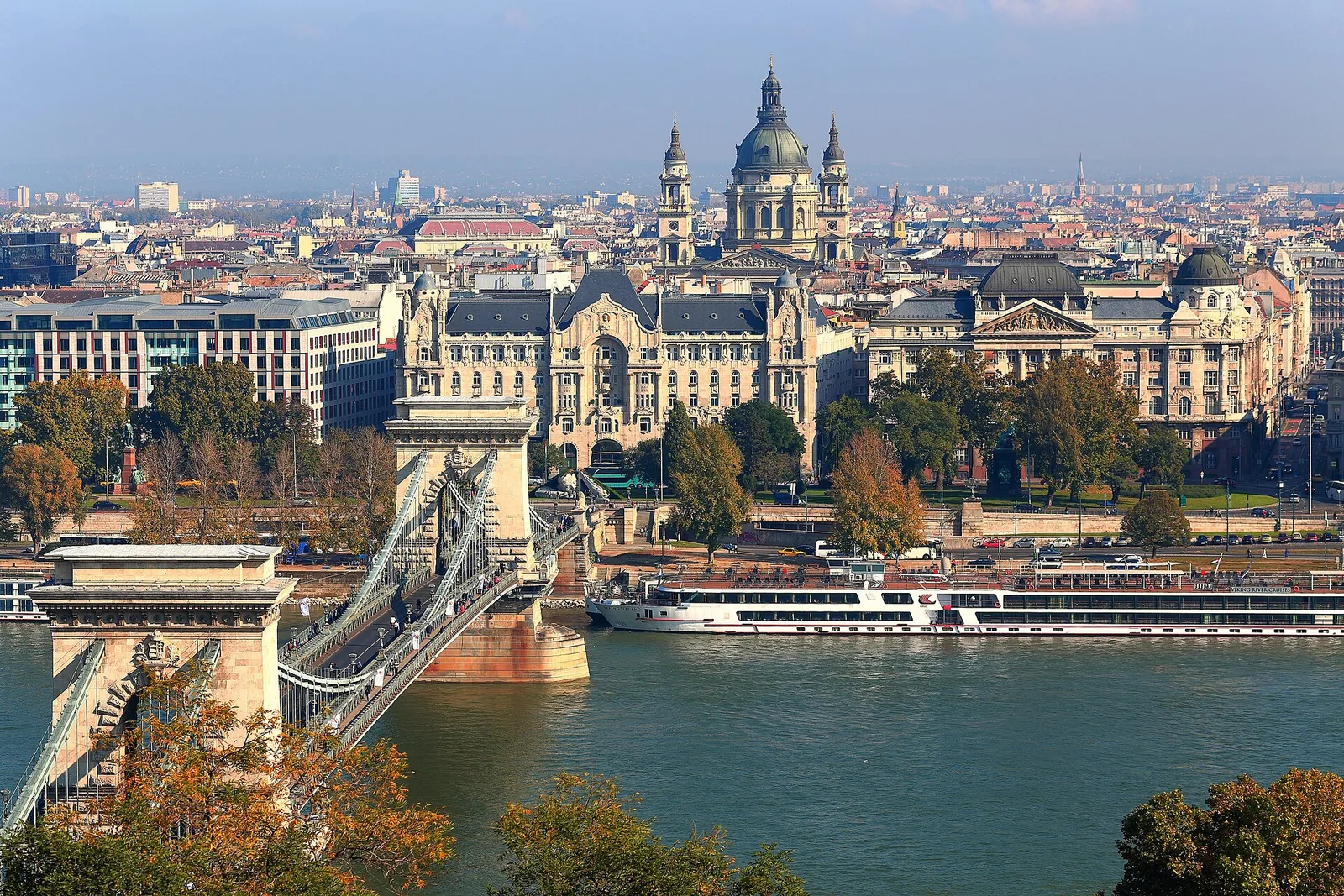
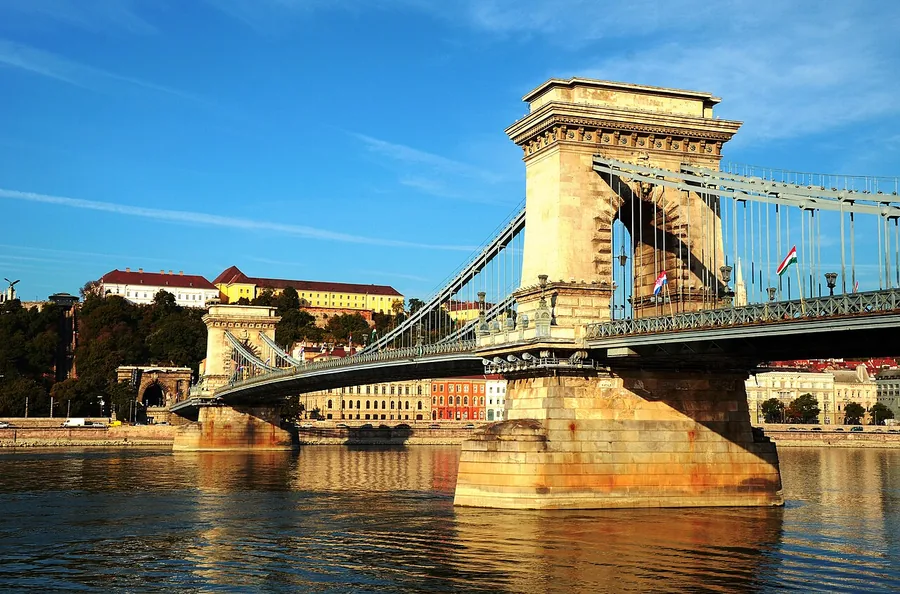
Chain Bridge at night: free viewpoint between Buda and Pest.
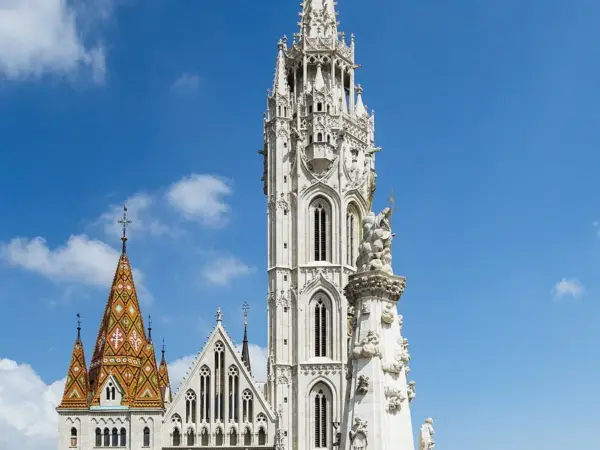
Fisherman’s Bastion & Matthias Church: terraces over the Danube; go early.
Great Market Hall: paprika, produce and lángos upstairs — tourist pricing exists, compare stalls.
St. Stephen’s Basilica: dome climb when open; check mass times.
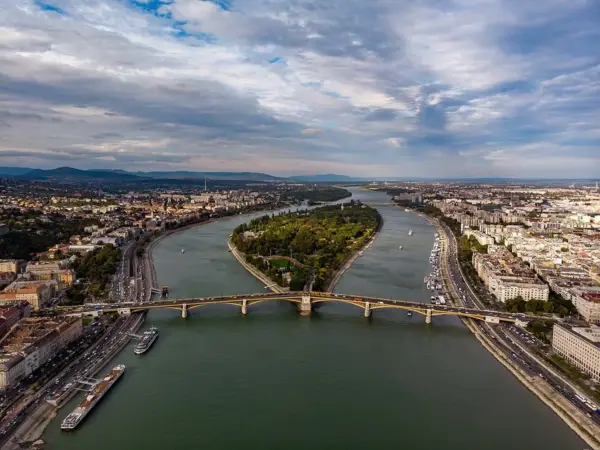
Margaret Island: flat walks and bikes between the Margit bridges.
Heroes’ Square & City Park: open-air monument photos; museums nearby if the weather turns.
House of Terror / Jewish Quarter: history and ruin-bar nightlife — different moods a few streets apart.
Hospital in the Rock: underground WWII / Cold War museum under Castle Hill — book timed tickets.
Károlyi Garden: small central park pause away from the river crowds.
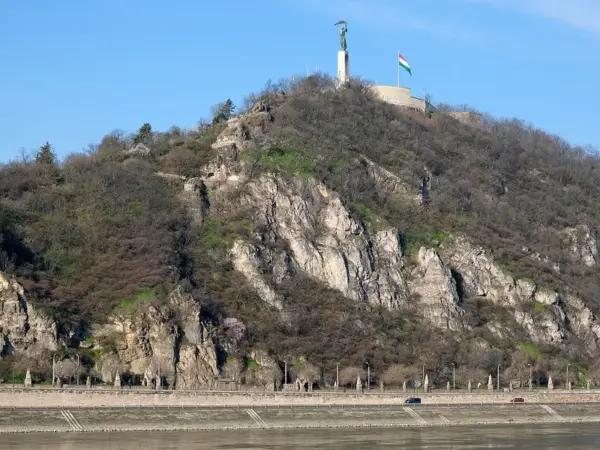
Gellért Hill paths: Citadella views without a tour bus.
What not to miss
At least one thermal bath session.
An after-dark walk across an illuminated bridge.
A market snack that is not a hotel buffet.
Where to eat and what to order
Try gulyás (goulash), lángos, kürtőskalács (chimney cake), paprika chicken or mushroom stews, and cake-shop classics such as Dobos torte. Vegetarian options exist but are thinner than in Indian metros — ask about stock and lard. We do not invent Michelin restaurant names here; pick well-reviewed rooms on the ground.
Indian restaurants cluster in central Pest; paneer and dal appear on many menus. Jain travellers should ask about eggs, cream and hidden meat stock. Self-catering from grocery chains cuts costs sharply versus tourist restaurants on Váci utca.
Local festivals and events
Advent / Christmas markets: open in mid-November: in 2026 the Advent Basilica and Vörösmarty Square markets both start on 13 November.
Budapest Spring Festival: typically April — not a November trip.
Sziget Festival: major summer music event on Óbuda Island (usually August).
Budapest Wine Festival: often September at Buda Castle terraces.
November is about baths, museums and early festive lights — not summer festival crowds. See also our festival calendar mindset: verify live dates.
What to shop and where
Paprika (look at grades and sealed packs), Tokaji or other Hungarian wines if you can pack liquids legally, embroidered linens and thermal-bath souvenirs. Great Market Hall is convenient but not always cheapest. Cards are widely accepted; keep a little cash for small stalls.
Best time to visit
Month
Avg high
Avg low
Rain
Jan
3.0°C
-2.5°C
31 mm
Feb
5.8°C
-1.3°C
33 mm
Mar
11.3°C
2.3°C
32 mm
Apr
17.9°C
7.1°C
36 mm
May
22.6°C
11.6°C
67 mm
Jun
26.2°C
15.2°C
66 mm
Jul
28.1°C
16.7°C
75 mm
Aug
28.0°C
16.6°C
61 mm
Sep
22.5°C
12.2°C
52 mm
Oct
16.4°C
7.2°C
45 mm
Nov
9.4°C
3.1°C
48 mm
Dec
3.5°C
-1.4°C
40 mm
Long-term averages for Budapest. Source: Wikivoyage climate chart (CC BY-SA).
April–June and September–October are mild and popular. July–August are warmest and busiest (Sziget season). November–March is cold: perfect for thermal baths, shorter daylight and lower hotel rates than peak summer. We are writing this guide for November — cooler air is a feature for spa travellers, not a reason to postpone until September.
Indian citizens need a Schengen short-stay (C) visa to visit Hungary. Apply through VFS Global Hungary under the correct consular jurisdiction (Embassy of Hungary in New Delhi or Consulate General in Mumbai, depending on your state of residence). Read the document checklist on the official Hungarian MFA pages for New Delhi / Mumbai. Typical supporting papers include passport, photo, travel medical insurance covering Schengen, proof of accommodation, flight reservations and proof of funds. Processing is often targeted within about 15 days but can take longer — apply early. Also see our Indian passport visa guide 2026 and visa checker.
How to reach Budapest
From
Air distance (approx.)
Flight time (approx.)
Best way
Delhi
~5,400 km
~8–12 h+ with connection
One-stop via Gulf or Europe
Mumbai
~5,800 km
~9–13 h+
One-stop via Gulf or Europe
Bengaluru
~6,600 km
~10–14 h+
One-stop long-haul
Air distances are BuzzyTrip map estimates to Budapest; nonstop options from India are uncommon, so expect a connection. Buy tickets only after you understand visa timing risk.
Flights from Indian cities
Most itineraries connect via Doha, Dubai, Istanbul, Frankfurt or similar hubs into Budapest Ferenc Liszt (BUD). Total door-to-door time with layovers often exceeds 12–16 hours. After Diwali rush, fares sometimes ease — still treat the Schengen visa as the critical path.
Metro, trams and buses share BKK tickets and travelcards (validate where required). The 100E Airport Express is the simple airport link to the centre. Ride-hailing and official taxis work; agree or meter fares. Walking the embankments is part of the pleasure — watch icy patches in late autumn.
Where to stay
Pest centre / District V–VI: walkable to Basilica and the river. District VII (Jewish Quarter): nightlife and hostels. Buda (Castle / Gellért side): quieter nights, steeper walks. Riverside hotels cost more and book out around holidays.
Budapest itineraries: pick your trip
2 days
A short first look: Castle District, Pest avenues and one thermal soak.
Day 1: Buda hill
Morning: Arrive at BUD; 100E bus or airport transfer to the centre.
Afternoon: Castle District walk: Fisherman’s Bastion terraces and Matthias Church exterior.
Evening: Chain Bridge lights; simple dinner near the river.
Est. cost: ₹8,000–16,000 per person (approx.)
Day 2: Pest and baths
Morning: St. Stephen’s Basilica and Andrássy út.
Afternoon: Széchenyi or another thermal bath — check current ticket prices on the official site.
Evening: Airport buffer.
Est. cost: ₹9,000–18,000 per person (approx.)
3 days
Buda, Pest and Margaret Island at a human pace.
Day 1: Danube arrival
Morning: Check in; river promenade walk.
Afternoon: Chain Bridge to Buda; Gellért Hill viewpoint if legs allow.
Evening: Jewish Quarter dinner (ruin-bar area — keep valuables close).
Est. cost: ₹8,500–17,000 per person (approx.)
Day 2: Pest core
Morning: Heroes’ Square and City Park edge.
Afternoon: Great Market Hall for lángos and paprika; Dohány Street Synagogue exterior/tour if open.
Evening: Optional evening bath at Rudas or similar — confirm hours.
Est. cost: ₹9,500–19,000 per person (approx.)
Day 3: Island and out
Morning: Margaret Island walk or hire bikes.
Afternoon: Last café; packing.
Evening: Flight home.
Est. cost: ₹7,500–15,000 per person (approx.)
5 days
City depth plus an easy day trip to Szentendre.
Day 1: Settle by the Danube
Morning: Airport to Pest or Buda base.
Afternoon: Promenade and Chain Bridge.
Evening: Early night after the long haul.
Est. cost: ₹8,000–16,000 per person (approx.)
Day 2: Castle District
Morning: Buda Castle courtyards.
Afternoon: Matthias Church / Bastion views.
Evening: Thermal bath evening.
Est. cost: ₹10,000–20,000 per person (approx.)
Day 3: Andrássy and parks
Morning: Andrássy út and Basilica.
Afternoon: Heroes’ Square; Museum of Fine Arts only if you want indoor time.
Evening: Jewish Quarter evening.
Est. cost: ₹9,000–18,000 per person (approx.)
Day 4: Szentendre day
Morning: HEV suburban rail or river option to Szentendre (confirm winter schedules).
Afternoon: Old town lanes and galleries.
Evening: Return to Budapest.
Est. cost: ₹9,000–18,000 per person (approx.)
Day 5: Buffer day
Morning: Margaret Island or a second bath.
Afternoon: Souvenir paprika and Tokaji rules for cabin liquids.
Evening: Depart.
Est. cost: ₹7,500–15,000 per person (approx.)
Family with kids
Short walks, Margaret Island play space and one bath with family sections.
Day 1: Bridges and Bastion
Morning: Settle near a metro line.
Afternoon: Chain Bridge and Fisherman’s Bastion terraces (mind edges).
Evening: Early dinner; mild goulash.
Est. cost: ₹9,000–18,000 per person (approx.)
Day 2: Island day
Morning: Tram to Margaret Island; playgrounds and open space.
Afternoon: Great Market Hall snacks.
Evening: Skip late nightlife.
Est. cost: ₹9,000–18,000 per person (approx.)
Day 3: Bath and fly
Morning: Family-friendly thermal section — confirm age rules and swimsuit requirements.
Afternoon: Airport transfer with buffer.
Evening: Home.
Est. cost: ₹10,000–20,000 per person (approx.)
Couples
Danube nights, one spa soak and unhurried Castle District time.
Day 1: River evening
Morning: Arrive and check into a riverside or central boutique stay.
Afternoon: Sunset from Gellért Hill or the embankment.
Evening: Slow dinner — we do not name unverified fine-dining lists.
Est. cost: ₹14,000–28,000 per person (approx.)
Day 2: Buda and baths
Morning: Castle District morning.
Afternoon: Private or quieter thermal slot if available.
Evening: Night river walk past illuminated bridges.
Est. cost: ₹15,000–30,000 per person (approx.)
Day 3: Soft exit
Morning: Basilica dome only if queues are short.
Afternoon: Café time.
Evening: Airport.
Est. cost: ₹10,000–20,000 per person (approx.)
Budget backpacker
Hostel, 24/72-hour travelcard and free viewpoints.
Day 1: Free skyline
Morning: Hostel in District VII or near a metro.
Afternoon: Chain Bridge and Bastion on foot.
Evening: Grocery dinner.
Est. cost: ₹5,000–9,000 per person (approx.)
Day 2: Markets and parks
Morning: Great Market Hall upstairs for cheaper eats.
Afternoon: Heroes’ Square outdoor photos.
Evening: Ruin-bar area carefully — watch drink prices and pickpockets.
Est. cost: ₹5,500–10,000 per person (approx.)
Day 3: Island and out
Morning: Margaret Island free walking.
Afternoon: 100E or budget transfer to BUD.
Evening: Flight.
Est. cost: ₹5,000–9,000 per person (approx.)
Luxury
Riverside suite, car transfers and curated spa time.
Day 1: Private arrival
Morning: Meet-and-greet at BUD.
Afternoon: Spa afternoon at the hotel or a historic bath with reserved tickets.
Hungary uses the forint (HUF), not the euro (though some tourist venues quote EUR). On 5 November 2026, Frankfurter ECB reference rates showed roughly ₹1 ≈ 3.425 HUF and 1 HUF ≈ ₹0.292. Cards are widely accepted; keep some cash for small market stalls. Avoid poor airport cash rates when ATMs at bank branches are available.
Budget breakdown
Lodging and restaurant meals dominate. A single historic bath ticket can equal a budget lunch — plan it. Model numbers with our budget calculator.
Budget
Comfort
Luxury
Stay
₹2,050–₹4,100
₹6,400–₹11,700
₹16,050–₹32,100
Food
₹1,150–₹2,050
₹2,350–₹4,400
₹5,250–₹10,200
Local transport
₹600–₹1,000
₹900–₹1,750
₹2,350–₹5,250
Activities & entry fees
₹900–₹2,350
₹2,350–₹4,650
₹4,400–₹10,200
Total per day
₹4,700–₹9,500
₹12,000–₹22,500
₹28,050–₹57,750
BuzzyTrip estimates per person per day for November 2026, two people sharing a room, at about ₹0.292 per forint / ₹1 ≈ 3.425 HUF (Frankfurter ECB reference, 5 Nov 2026). Budget means a hostel or simple guesthouse, street food and a travelcard; comfort means a mid-range hotel, sit-down meals and one bath or museum ticket; luxury means a boutique riverside hotel, tasting menus and private transfers. Long-haul flights, Schengen visa fees and travel insurance are not included. Thermal-bath ticket prices change — check official bath sites before you go. The draft-era ₹500–1,000 “budget stay” band was unrealistically low for Budapest.
SIM, eSIM and staying connected
Airport and city shops sell tourist SIMs; eSIMs work on unlocked phones. Free café Wi-Fi is common. Indian roaming packs are usually poor value for a week-long trip.
Plugs and voltage
Type C/F Europlug / Schuko at 230 V / 50 Hz. Bring an adapter; most phone chargers are dual-voltage.
Local etiquette
Cover shoulders in churches. A simple Jó napot (good day) is appreciated. Tip roughly 10% in restaurants if service is not included — check the bill. Ask before photographing people inside places of worship.
Myths vs facts
Myth: Indians can enter Hungary without a Schengen sticker, or with only an eTA-style waiver. Fact: Indian citizens need a Schengen C visa via VFS/Hungarian consular channels.
Myth: Mid-range Budapest costs ₹2–3k per person per day. Fact: realistic mid-range days are usually much higher once HUF lodging and meals convert at ~₹0.29/HUF.
Myth: November is the wrong month because September–October is “better.” Fact: milder months are lovely, but November is excellent for baths, lights and fewer crowds — that is why this guide exists.
Do’s and don’ts
Do apply for the Schengen visa before non-refundable fares if you cannot absorb a refusal.
Do pack a warm coat and swimsuit for the baths.
Don’t change large amounts of cash at the worst airport kiosks without comparing.
Don’t leave drinks unattended in nightlife districts.
What to avoid: scams and safety
Only use official VFS / embassy pages for visas.
Decline unmarked taxis; prefer apps or signed official cabs.
Pickpockets on trams and near major sights — front pockets, zipped bags.
Schengen applications usually require medical insurance with adequate coverage. Buy a policy that includes Hungary hospital costs and trip delay; adventure add-ons if you ice-skate or drive in winter conditions.
Yes. Indian passport holders need a short-stay Schengen C visa before travel. Apply via VFS Global for Hungary in India (New Delhi or Mumbai jurisdiction depending on your state) and follow the Hungarian embassy/consulate document list. A visa does not guarantee entry — border officers may still ask for proof of funds, insurance and accommodation.
How long can we stay?
A uniform Schengen short-stay visa typically allows up to 90 days in any 180-day period across the Schengen area. Check your sticker for single vs multiple entry and exact validity.
Is November a good time for Budapest?
Yes if you like cooler weather and thermal baths. November averages roughly 9 °C highs and 3 °C lows with grey skies possible. Crowds are lighter than summer; Christmas markets usually begin later in November or early December — confirm each year’s dates. September–October is milder, but November is still a strong bath-and-lights month, not a “wrong” season. If you would rather have snow and the northern lights than city baths, our Finland travel guide covers Lapland and the lakes.
What is a realistic daily budget in INR?
At about ₹0.292 per HUF (5 Nov 2026 Frankfurter reference), a true mid-range day for two sharing often lands roughly in the low-to-mid teens of thousands of rupees per person before flights — hostels help, but Budapest is not a ₹2–3k/day European fantasy once lodging and a bath ticket are included.
How do we get from the airport?
Budapest Ferenc Liszt (BUD) is southeast of the centre. The 100E Airport Express bus runs to Deák Ferenc tér; other bus + metro combinations also work. Agree taxi fares or use official apps; keep an eye on meters.
Are thermal baths expensive?
Historic baths such as Széchenyi and Gellért charge time-based tickets that change with lockers, cabins and weekends. Treat older blog prices as stale — check the official bath websites before you go.
Is Budapest safe for solo travellers?
Generally yes by large-city standards. Watch for pickpockets on crowded trams, around Parliament and in nightlife districts. Use ATMs attached to banks when possible.
What plugs does Hungary use?
Europlug / Schuko at 230 V. Indian plugs need an adapter.
Sources and credits
We checked prices, permits, visas and routes against the official pages below in November 2026. Background facts also come from the Wikimedia pages listed, used under Creative Commons Attribution-ShareAlike. This guide is an original work written and edited for BuzzyTrip; fees, visa rules and timetables change, so verify before you travel.
Photo: Heroes Square Budapest 2010 01 by User:Sveter (Please credit as "Petr Šmerkl, Wikipedia" in case you use this outside WMF projects.), CC BY-SA 3.0, via Wikimedia Commons
Been here recently? Share a tip (and a photo) in the comments below and tick “This is a travel tip”. Tips are reviewed before they appear — we never show your email.
Photo: Heroes Square Budapest 2010 01 by User:Sveter (Please credit as "Petr Šmerkl, Wikipedia" in case you use this outside WMF projects.), CC BY-SA 3.0, via Wikimedia Commons














5 comments