Iceland November guide:aurora, hot springs & volcanic trails
Iceland for Indian travellers, fact-checked for November 2026: Schengen C visa via VFS (Embassy of Iceland, New Delhi), ISK→INR at the 6 Nov 2026 ECB rate, aurora odds, short-day planning, road.is and Reykjanes volcano checks — with realistic budgets and no midnight-sun promises.
Do Indian passport holders need a visa for Iceland?Yes. Iceland is in the Schengen area, so Indian citizens need a short-stay Schengen C visa. In India you apply at VFS Global centres, and the Embassy of Iceland in New Delhi decides. The visa fee is €90 (₹9,900 listed by VFS) plus a VFS service charge. Processing usually takes about 15 calendar days, and you can apply up to six months before travel.Is November a good time to see the northern lights?Yes. Nights are long, and from roughly September to April it is dark enough for aurora. Sightings still depend on solar activity and clear skies, so check the Icelandic Met Office (vedur.is) aurora and cloud forecasts each evening. No tour can guarantee lights.How much daylight is there in November?Reykjavík gets roughly 7 hours of daylight in early November, falling to about 5 hours by the end of the month. Plan driving for daylight. There is no midnight sun in November — that is a June phenomenon.Is it safe to drive in Iceland in November?Only if you are confident on snow and ice. Check road.is (road conditions) and safetravel.is (alerts) every morning, never drive on closed F-roads, and keep to Route 1 and main roads. Many first-timers choose guided tours in winter.Can we visit the Blue Lagoon, and is Reykjanes erupting?The Blue Lagoon needs a pre-booked paid ticket (Comfort tickets started from about ISK 11,990 in 2026; prices change by date). The Reykjanes peninsula has had repeated eruptions near Grindavík since 2023, and the lagoon has closed at times as a precaution. Check vedur.is and the lagoon's own notices just before you go.
Plan my trip
Go-now score
Budget calculator
The full guide
Iceland in November: Aurora, Hot Springs and Volcanic Trails
By BuzzyTrip · Updated November 27, 2026
Iceland at a glance
Iceland is a North Atlantic island of glaciers, black-sand beaches, waterfalls and active volcanoes, with about two-thirds of its people living in and around Reykjavík. In November we come for long aurora nights, steaming geothermal pools and quiet waterfalls. In return we accept short days, changeable weather and Nordic prices. It suits couples, photographers and careful self-drivers. Travellers who want guaranteed sunshine or cheap holidays should look elsewhere.
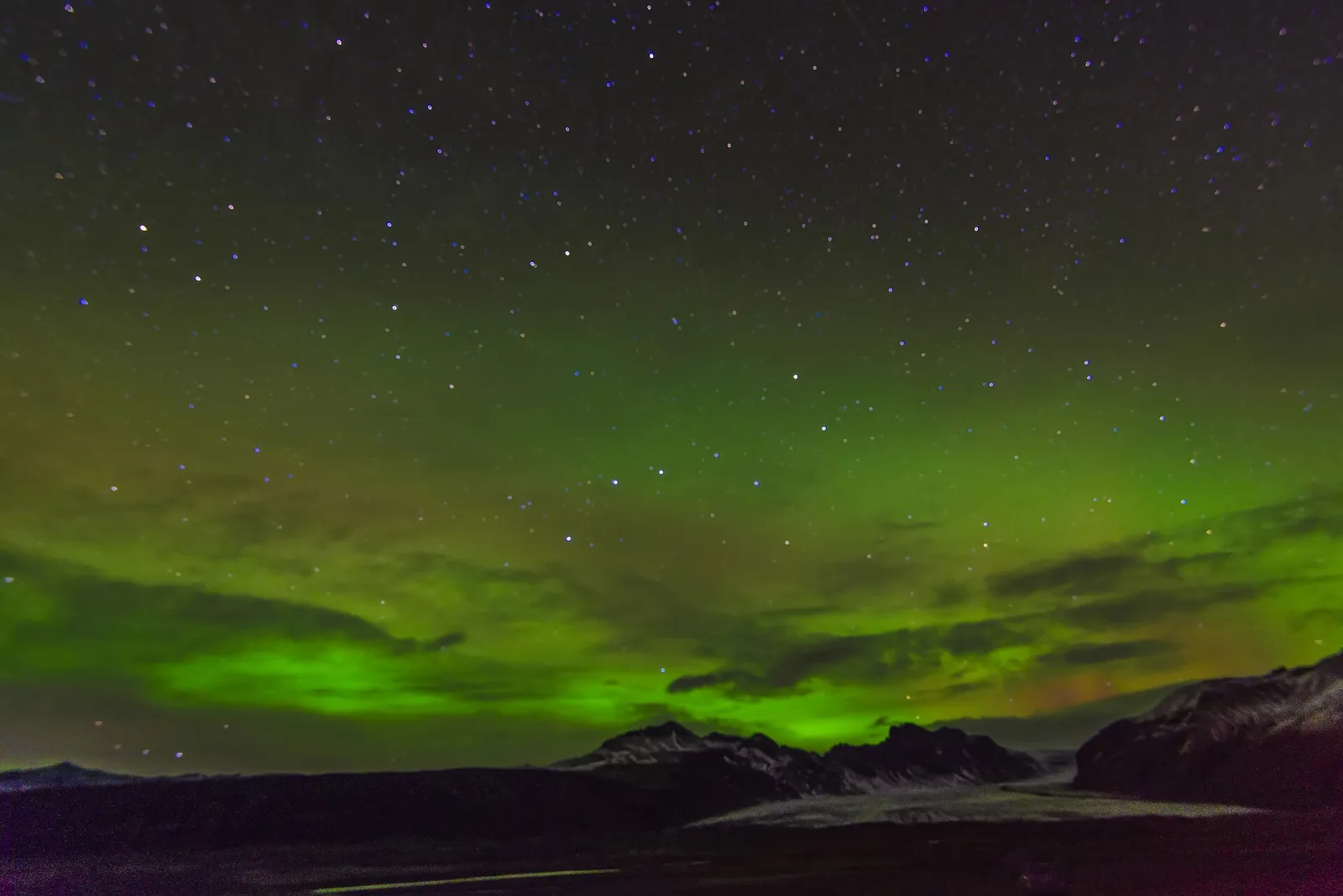
November is aurora season. Nights are long and dark, and on clear nights with enough solar activity the northern lights can appear even close to Reykjavík, though they are much better away from city lights. Summer crowds are gone, and the waterfalls, Þingvellir and the black-sand beaches are calmer. The trade-offs are real: about 7 hours of daylight in early November and about 5 by month-end, average Reykjavík temperatures around 0–4 °C, strong wind and rain, and snow or ice on roads. Iceland Airwaves, the Reykjavík music festival, ran on 5–7 November in 2026, so it is over for this year; check next year’s dates.
History and culture
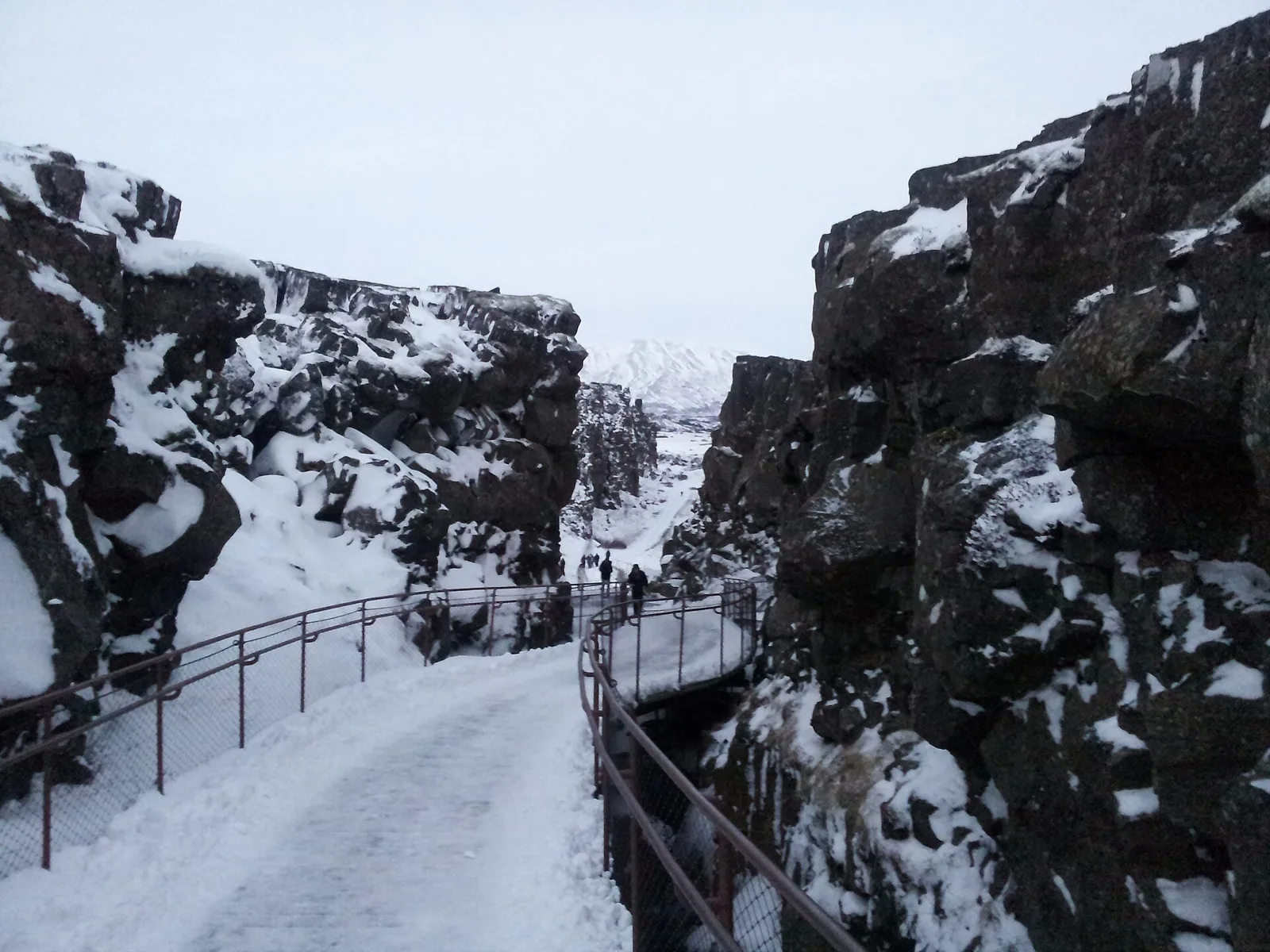
Norse settlers arrived in the late 9th century. In 930 they founded the Alþingi assembly at Þingvellir, which is now a UNESCO World Heritage Site where you can walk the rift between the North American and Eurasian plates. The medieval sagas are a national treasure, and the National Museum in Reykjavík is a good introduction. Iceland became fully independent from Denmark in 1944 and celebrates National Day on 17 June. Bathing in geothermal pools is everyday culture: always shower without a swimsuit before entering, as the posted rules ask.
Top things to do
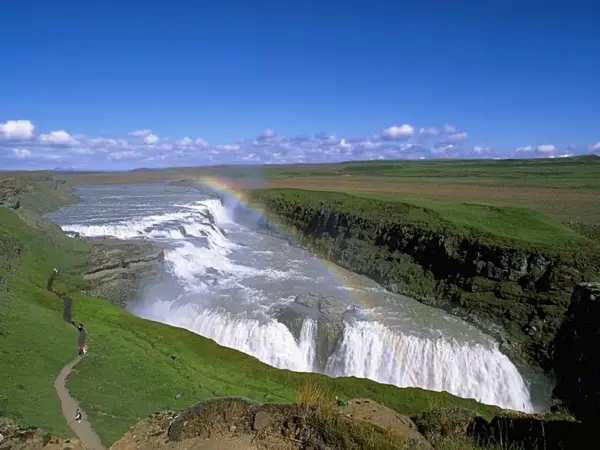
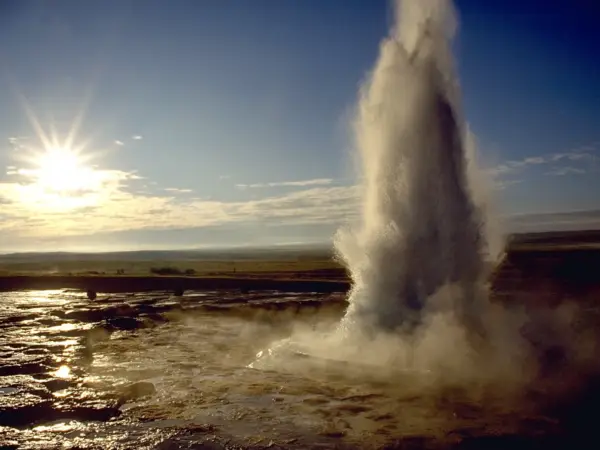
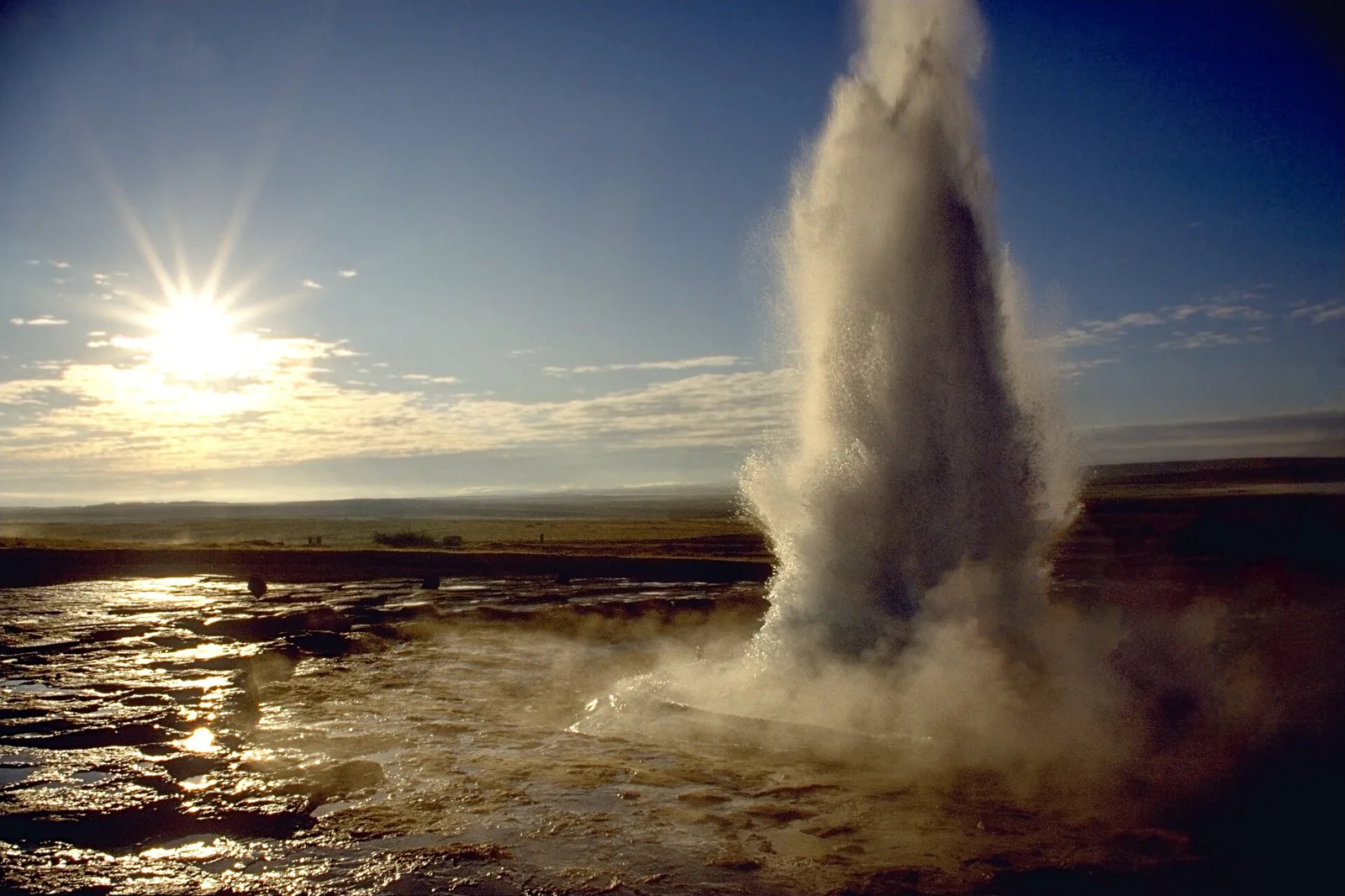
Golden Circle: Þingvellir, the Geysir area (Strokkur erupts every few minutes) and Gullfoss — a doable day even in November light.
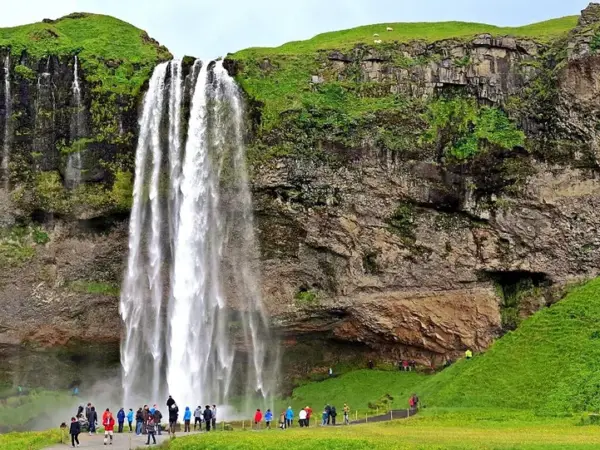
South Coast: Seljalandsfoss, Skógafoss and Reynisfjara black-sand beach (deadly sneaker waves — keep well back).
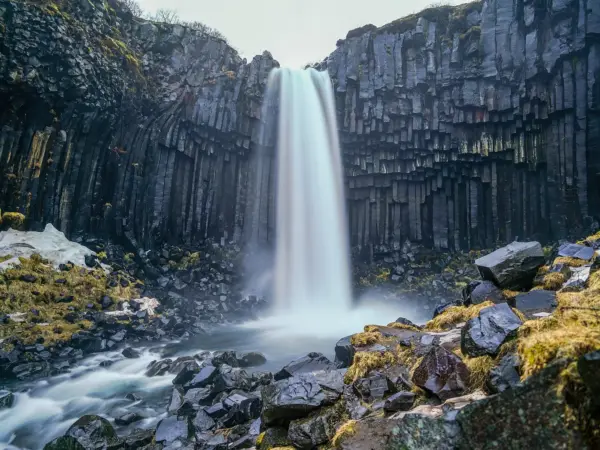
Jökulsárlón and Diamond Beach: icebergs from Breiðamerkurjökull. Lagoon boat tours are seasonal, so check whether they run in November.
Glacier walks and ice caves: only with certified guides. Ice-cave season usually starts once it is cold enough, around November.
Northern lights: self-drive to a dark spot or join a tour, and watch the vedur.is forecast.
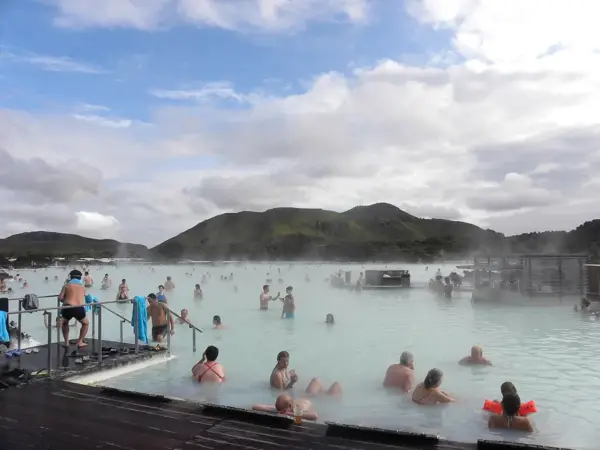
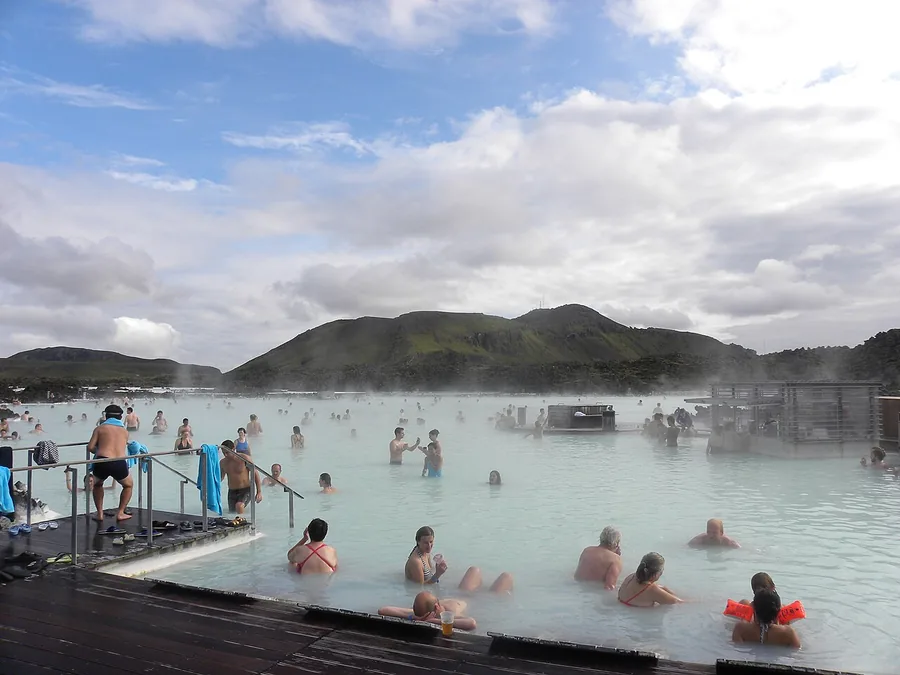
Lagoons and pools: Blue Lagoon (Reykjanes) or Sky Lagoon (Kópavogur, near Reykjavík) need paid, pre-booked tickets. Neighbourhood pools are cheaper and very local.
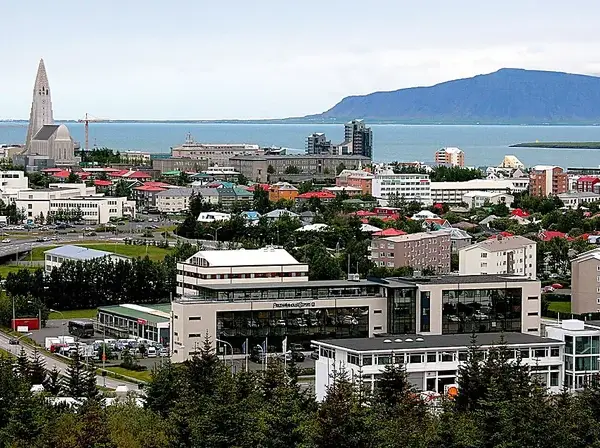
Reykjavík: Hallgrímskirkja (small fee for the tower lift), Harpa concert hall, the old harbour and the National Museum.
At least one clear, dark night away from city lights, with the aurora forecast open.
A geothermal soak in the cold air.
Gullfoss or Seljalandsfoss in low winter sun.
Lesser-known corners worth your time
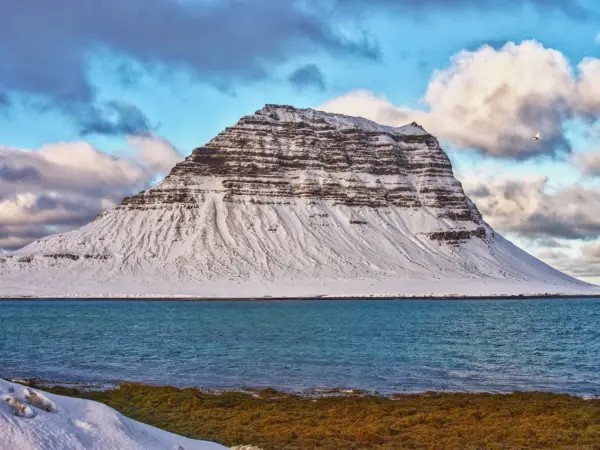
Snæfellsnes peninsula: Kirkjufell, Arnarstapi and Snæfellsjökull, about 2.5 hours from Reykjavík.
Hraunfossar: waterfalls seeping out of a lava field in West Iceland.
Mývatn Nature Baths (North Iceland): a quieter lagoon. In November it is best reached by a domestic flight to Akureyri rather than a long winter drive.
Westfjords (Dynjandi): best saved for summer. Winter access is harder and daylight is short.
Since late 2023, the Reykjanes peninsula near Grindavík has had a series of eruptions along the Sundhnúkur crater row, and the Blue Lagoon has closed at times as a precaution. We don’t predict eruptions. Before you go, check the Icelandic Met Office (vedur.is) for volcanic, weather and aurora updates, road.is for live road conditions and closures, and safetravel.is for alerts. You can also leave a travel plan there. Highland F-roads are closed in winter, and driving off-road is illegal. The emergency number is 112.
September–March: aurora season, with short days, ice caves (around November–March, with guides) and fewer crowds. June–August: very long days (Grímsey on the Arctic Circle has true midnight sun), highland roads open, puffins and whale watching, but the highest prices. May and September: quieter shoulder months. November is for northern lights, hot pools and moody landscapes, not long hikes.
Visa for Indian passport holders
Indian citizens need a Schengen C (short-stay) visa. According to the Embassy of Iceland in New Delhi, applications are lodged at VFS Global centres in India, and the Embassy decides them. VFS lists a visa fee of €90 (₹9,900) for adults and €45 for children aged 6–12, plus a service charge (₹2,900 at the time of checking). Processing is usually 15 calendar days and can take longer. You can apply up to six months ahead. A Schengen visa usually allows up to 90 days in any 180-day period. Check the current checklist (insurance, bookings, funds) on the VFS Iceland–India page.
Currency, exchange and INR conversion
The currency is the Icelandic króna (ISK). The ECB reference rate on 6 November 2026 (via Frankfurter, the nearest fix to 8 November) was 1 EUR = ISK 136.8 = ₹104.86, so 1 ISK ≈ ₹0.77 and ₹1 ≈ ISK 1.30. Iceland is very card-friendly — even small kiosks and fuel pumps take contactless — so you need little cash. Some unstaffed pumps ask for a PIN, so know yours, or buy a prepaid fuel card. A forex card with low markups is usually cheaper than airport exchange counters.
Budget breakdown
Iceland is one of Europe’s most expensive countries. Our ranges are per person per day, before flights. Model your trip with the BuzzyTrip budget calculator.
Budget
Comfort
Luxury
Stay
₹6,100–₹10,700
₹13,800–₹24,500
₹34,500–₹69,000
Food
₹3,800–₹6,100
₹6,900–₹11,500
₹13,800–₹24,500
Local transport
₹2,300–₹6,100
₹5,400–₹10,700
₹11,500–₹26,800
Activities & entry fees
₹1,500–₹7,700
₹7,700–₹16,900
₹19,200–₹46,000
Total per day
₹13,700–₹30,600
₹33,800–₹63,600
₹79,000–₹166,300
BuzzyTrip estimates per person per day for November 2026, two people sharing, converted at about ₹0.77 per ISK (Frankfurter ECB reference, 6 Nov 2026 — the nearest fix to 8 Nov; your card or forex rate will differ). Budget means a hostel or guesthouse room, supermarket meals and buses or a shared tour; comfort means a mid-range hotel, one restaurant meal a day, half of a small rental car with fuel, and one paid activity such as a lagoon or guided tour; luxury means a design hotel, private guides or transfers and premium tours. Long-haul flights, Schengen visa fees (€90 + VFS service charge) and insurance are not included. Prices in Iceland are dynamic — check before you book.
Great-circle distances are approximate. There are no direct India–Iceland flights; total time depends on the connection.
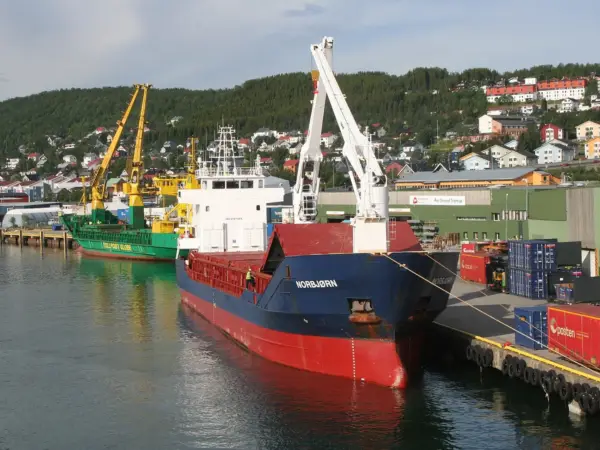
Almost everyone arrives at Keflavík International Airport (KEF), about 50 km south-west of Reykjavík. Airport buses (Flybus, Airport Direct) and Strætó route 55 reach the city in about 45–50 minutes. Iceland has no railways. A weekly car ferry runs from Denmark via the Faroe Islands to Seyðisfjörður, but for Indian travellers flying is the only practical option.
Flights from Indian cities
Typical routes connect through European hubs (for example London, Frankfurt, Copenhagen, Amsterdam, Paris or Helsinki) or via Gulf carriers onto a European leg. Make sure your Schengen visa covers the whole trip. If you transit another Schengen country first, you clear immigration there. Book flexible fares in winter in case storms disrupt flights.
Getting around
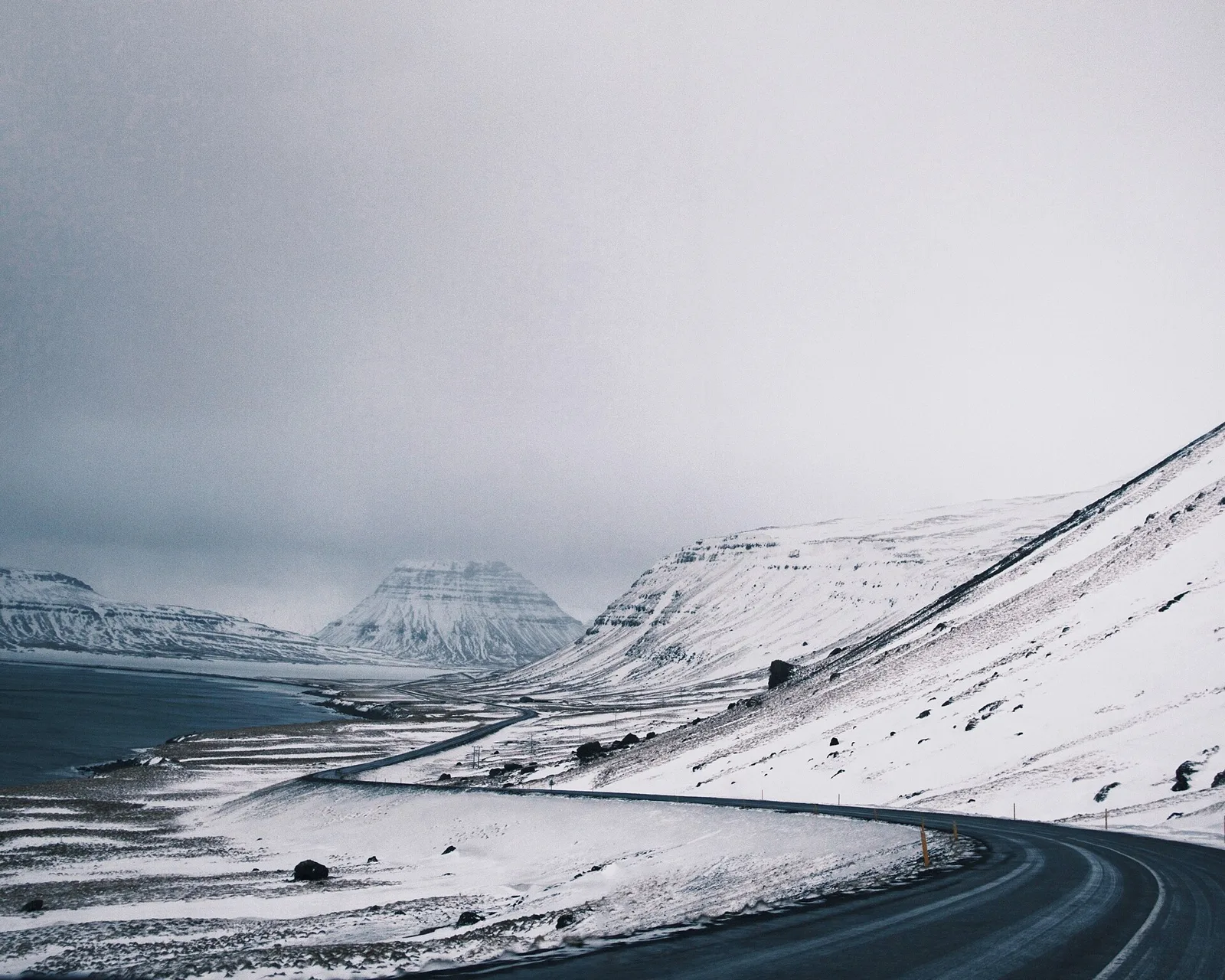
Guided tours are the easiest way to travel in November. Rental cars come with winter tyres in season. Choose a 4×4 if you plan to leave the main roads, check road.is before every drive and avoid driving long distances in the dark. Strætó runs buses in the capital area and on some long-distance routes, but winter timetables are thin. Domestic flights from Reykjavík reach Akureyri and Egilsstaðir. Taxis are expensive, and ride-hailing apps are very limited.
A short stopover: Reykjavík, the Golden Circle and a pre-booked lagoon on the way to the airport.
Day 1: Golden Circle
Morning: Leave Reykjavík after first light (around 09:30–10:00 in early November) on a guided tour or self-drive if roads are clear.
Afternoon: Þingvellir rift, Strokkur geyser (erupts every few minutes) and Gullfoss — about 230 km round trip.
Evening: Back in the city by dark; aurora tour only if the forecast and cloud cover look good.
Est. cost: ₹20,000–38,000 per person (approx.)
Day 2: City and lagoon
Morning: Hallgrímskirkja, the old harbour and Harpa’s exterior.
Afternoon: Pre-booked Blue Lagoon slot (about 20 minutes from KEF), or Sky Lagoon in the city.
Evening: Fly out from Keflavík.
Est. cost: ₹18,000–32,000 per person (approx.)
3 days
City, Golden Circle and a South Coast day — on a guided tour if you aren’t used to winter driving.
Day 1: Reykjavík
Morning: Airport bus or car to the city (about 45–50 minutes).
Afternoon: Hallgrímskirkja, Laugavegur and the National Museum.
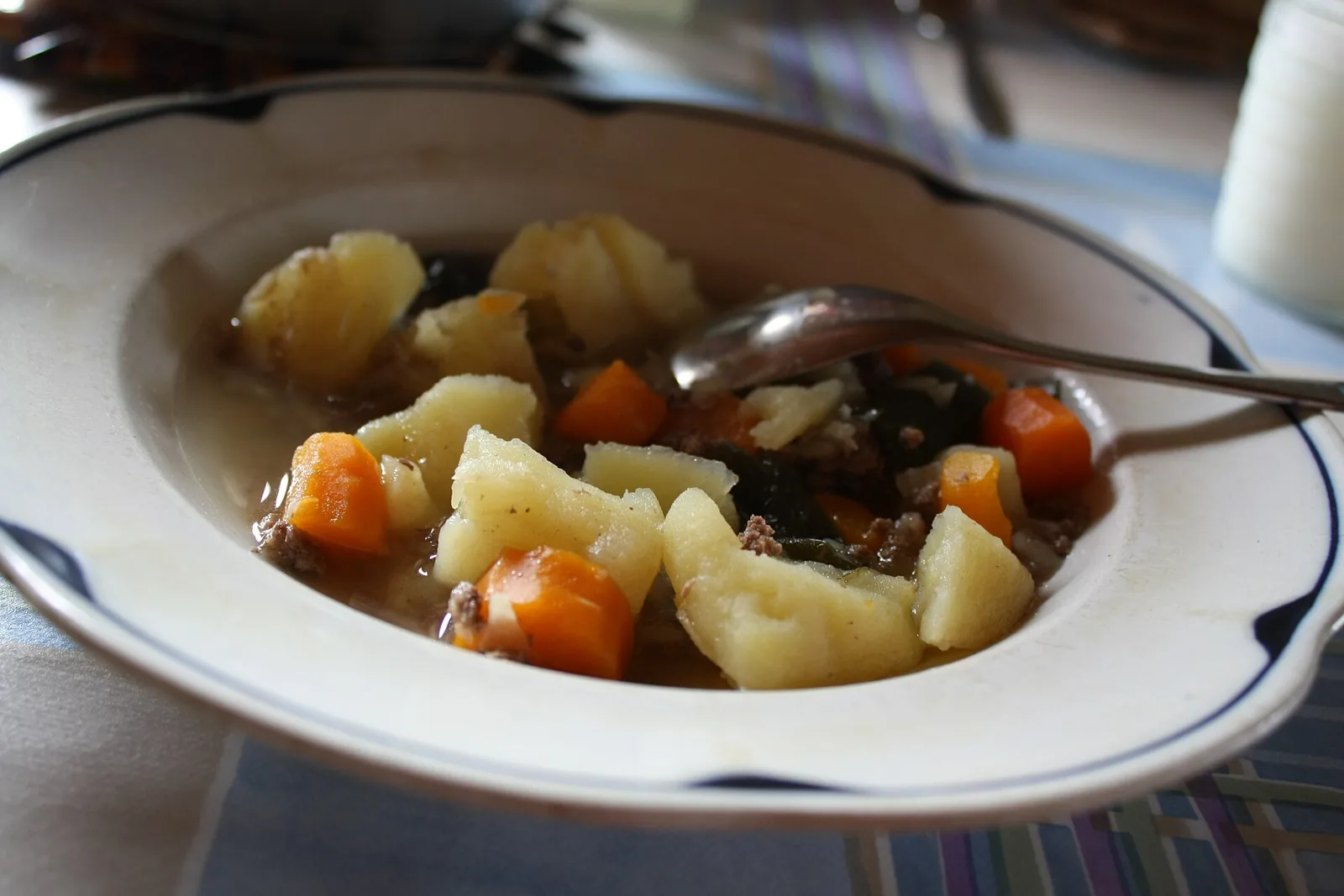
Evening: Kjötsúpa (lamb soup) dinner; check the aurora forecast.
Est. cost: ₹18,000–32,000 per person (approx.)
Day 2: Golden Circle
Morning: Þingvellir in the low winter light.
Afternoon: Strokkur and Gullfoss.
Evening: Rest — nights are long.
Est. cost: ₹20,000–38,000 per person (approx.)
Day 3: South Coast to Vík
Morning: Seljalandsfoss and Skógafoss.
Afternoon: Reynisfjara black-sand beach — stay well back from the water (sneaker waves are deadly).
Evening: Long drive back in the dark; book a tour if unsure.
Est. cost: ₹22,000–40,000 per person (approx.)
5 days
South Coast with nights near Vík and the glacier lagoon — the best November balance.
Day 1: Reykjavík
Morning: Arrive and pick up your car (winter tyres are standard in season).
Afternoon: City walk and groceries.
Evening: Early night.
Est. cost: ₹20,000–35,000 per person (approx.)
Day 2: Golden Circle
Morning: Þingvellir, Strokkur, Gullfoss.
Afternoon: Drive on to the South Coast (Hella/Hvolsvöllur area).
Evening: Aurora watch away from town lights if skies clear.
Est. cost: ₹22,000–40,000 per person (approx.)
Day 3: Waterfalls and Vík
Morning: Seljalandsfoss, Skógafoss.
Afternoon: Reynisfjara (respect the warning signs).
Evening: Overnight in Vík or Kirkjubæjarklaustur.
Est. cost: ₹22,000–40,000 per person (approx.)
Day 4: Glacier lagoon
Morning: Skaftafell and the Svartifoss trail if it isn’t icy.
Afternoon: Jökulsárlón and Diamond Beach; glacier hikes and ice-cave tours only with certified guides.
Evening: Overnight near Höfn or Skaftafell.
Est. cost: ₹28,000–55,000 per person (approx.)
Day 5: Back west
Morning: Long drive back to Reykjavík (about 370 km — check road.is first).
Afternoon: Rest stop in Selfoss.
Evening: Sky Lagoon or a city geothermal pool.
Est. cost: ₹20,000–36,000 per person (approx.)
7 days
South Coast plus Snæfellsnes, rather than a full November Ring Road.
Day 1: Reykjavík
Morning: Arrive; car or airport bus.
Afternoon: Hallgrímskirkja and the harbour.
Evening: Easy dinner.
Est. cost: ₹20,000–35,000 per person (approx.)
Day 2: Golden Circle
Morning: Þingvellir and Strokkur.
Afternoon: Gullfoss.
Evening: Stay in the countryside for darker skies.
Est. cost: ₹22,000–40,000 per person (approx.)
Day 3: South Coast
Morning: Seljalandsfoss and Skógafoss.
Afternoon: Reynisfjara.
Evening: Overnight near Vík.
Est. cost: ₹22,000–40,000 per person (approx.)
Day 4: Jökulsárlón
Morning: Skaftafell.
Afternoon: Jökulsárlón and Diamond Beach.
Evening: Overnight near Höfn.
Est. cost: ₹28,000–55,000 per person (approx.)
Day 5: Return west
Morning: Drive back towards Reykjavík.
Afternoon: Break in Selfoss.
Evening: City night.
Est. cost: ₹20,000–35,000 per person (approx.)
Day 6: Snæfellsnes
Morning: Drive about 2.5 hours north-west to Kirkjufell and Arnarstapi.
Afternoon: Snæfellsjökull National Park viewpoints.
Evening: Aurora watch from Grundarfjörður if skies clear.
Est. cost: ₹22,000–40,000 per person (approx.)
Day 7: Reykjanes and fly
Morning: Return south.
Afternoon: Blue Lagoon slot if open (check volcanic-activity notices).
Evening: Fly from KEF.
Est. cost: ₹22,000–38,000 per person (approx.)
Family with kids
Short drives, warm pools and plenty of rest in the long dark evenings.
Day 1: Reykjavík pools
Morning: A neighbourhood geothermal pool (cheap, warm, very local).
Afternoon: Perlan or the National Museum.
Evening: Early dinner.
Est. cost: ₹22,000–38,000 per person (approx.)
Day 2: Golden Circle by tour
Morning: Þingvellir rift walk.
Afternoon: Strokkur and Gullfoss — hold children’s hands near the edges.
Evening: Back in Reykjavík.
Est. cost: ₹24,000–42,000 per person (approx.)
Day 3: Lagoon and home
Morning: Blue Lagoon (children 2–13 enter free with an adult; under-2s are not allowed — check current rules).
Afternoon: Lunch near KEF.
Evening: Fly out.
Est. cost: ₹24,000–40,000 per person (approx.)
Couples
A lagoon, waterfalls and a dark-sky night out of town.
Day 1: City and Sky Lagoon
Morning: Reykjavík café crawl.
Afternoon: Sky Lagoon ritual at dusk.
Evening: Dinner downtown — book ahead at weekends.
Est. cost: ₹32,000–55,000 per person (approx.)
Day 2: South Coast
Morning: Seljalandsfoss.
Afternoon: Reynisfjara from a safe distance.
Evening: Countryside stay with dark skies for aurora.
Est. cost: ₹30,000–55,000 per person (approx.)
Day 3: Golden Circle home
Morning: Gullfoss and Strokkur.
Afternoon: Þingvellir.
Evening: Back to KEF.
Est. cost: ₹28,000–50,000 per person (approx.)
Budget backpacker
Hostels, buses, supermarkets and shared tours.
Day 1: Arrive
Morning: Flybus/Airport Direct or Strætó bus 55 to Reykjavík.
Afternoon: Free walking: Hallgrímskirkja exterior, harbour, Sun Voyager.
Evening: Hostel kitchen dinner.
Est. cost: ₹12,000–20,000 per person (approx.)
Day 2: Golden Circle
Morning: Budget shared tour (public buses to the Golden Circle are very limited in winter).
Afternoon: Strokkur and Gullfoss are free to see.
Evening: Hostel night.
Est. cost: ₹14,000–24,000 per person (approx.)
Day 3: Pool day
Morning: A city geothermal pool instead of the pricey lagoons.
Afternoon: Kolaportið flea market (weekends).
Evening: Fly out.
Est. cost: ₹10,000–18,000 per person (approx.)
Luxury
Private guides, a design hotel and a super-jeep aurora night.
Day 1: Arrive in comfort
Morning: Private transfer from KEF.
Afternoon: Blue Lagoon premium tier.
Evening: Tasting menu you book yourself after checking current reviews.
Est. cost: ₹90,000–1,60,000 per person (approx.)
Day 2: Private South Coast
Morning: Private super-jeep to the waterfalls and Reynisfjara.
Afternoon: Guided glacier walk with certified guides.
Evening: Private aurora hunt — no tour can guarantee a sighting.
Est. cost: ₹1,00,000–2,00,000 per person (approx.)
Day 3: Golden Circle and out
Morning: Private Golden Circle.
Afternoon: Late lunch in the countryside.
Evening: Fly out.
Est. cost: ₹70,000–1,30,000 per person (approx.)
Where to stay
Reykjavík city centre: best for first-timers, tour pickups, restaurants and walkable sights. Selfoss / Hella / Hvolsvöllur: good South Coast bases with darker skies. Vík and Kirkjubæjarklaustur: overnight stops before the glacier lagoon. Höfn / Skaftafell area: for Jökulsárlón and glacier tours. Countryside places are limited, so book ahead and choose free cancellation in case the weather changes your route. We don’t endorse specific hotels.
Where to eat and what to order
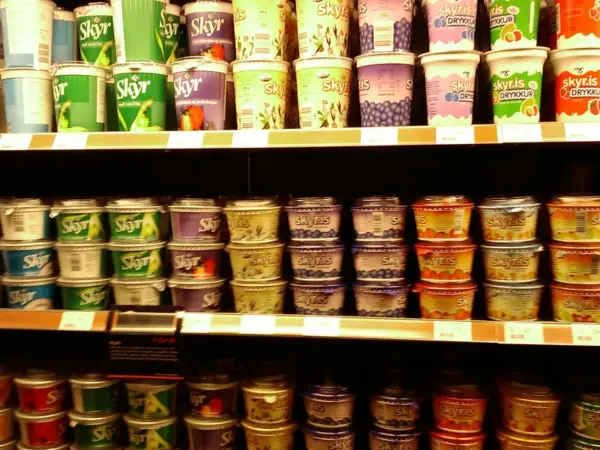
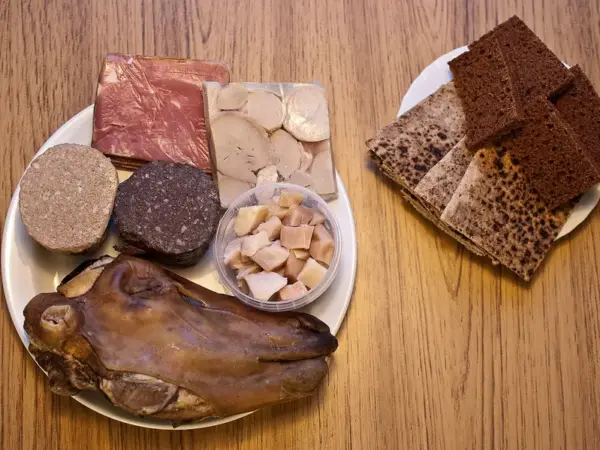
Try kjötsúpa (lamb and root-vegetable soup), plokkfiskur (fish stew), Arctic char or cod, skyr, rúgbrauð (dense dark rye) and the famous pylsa (hot dog, usually made with lamb) from a street stand. Restaurant meals are expensive, so many travellers mix one sit-down meal a day with supermarket breakfasts and picnics. We have left out fine-dining name-drops on purpose: kitchens and awards change, so check current reviews.
Reykjavík has several Indian restaurants and plenty of vegetarian and vegan options. Supermarkets (Bónus, Krónan, Nettó) stock rice, lentils, bread and ready meals, so a guesthouse kitchen helps a lot. Outside the capital, fuel-station cafés may be the only choice for long stretches. Carry snacks, and tell restaurants clearly about Jain or no-egg needs.
What to shop and where
Laugavegur and Skólavörðustígur are Reykjavík’s main shopping streets. The classic buy is an Icelandic wool lopapeysa sweater, so check whether it is hand-knitted in Iceland. Kolaportið flea market runs at weekends. Non-EU residents can claim back VAT on qualifying purchases when they leave.
Local festivals and events
Iceland Airwaves (early November): the 2026 edition ran on 5–7 November.
Christmas season (late Nov–Dec): city lights and markets; the 13 Yule Lads arrive from 12 December.
Þorrablót (Jan–Feb): mid-winter feasts of traditional foods.
Winter Lights Festival (February): Reykjavík light installations.
National Day (17 June) and Reykjavík Pride (August).
SIM, eSIM and staying connected
Indian roaming packs are usually expensive. An eSIM covering Iceland or Europe, or a local prepaid SIM (from operators such as Síminn, Nova and Vodafone Iceland), gives good coverage along Route 1 and in towns, but signal can drop in remote fjords and on mountain roads. Download offline maps and the 112 Iceland safety app before you set off.
Plugs and voltage
Iceland uses Type C and F (Europlug and Schuko) sockets at 230 V, 50 Hz. Indian plugs need an adapter, but most chargers don’t need a voltage converter.
Packing list
Thermal base layers, a fleece mid-layer, and a waterproof, windproof jacket and trousers.
Waterproof boots with grip, plus microspikes for icy paths.
Hat, gloves and a buff — the wind chill is real.
Swimwear and a quick-dry towel for pools.
Head torch, power bank and Europlug adapter.
Travel insurance that meets Schengen requirements and covers guided glacier activities.
Travel insurance
Schengen visas require medical insurance (minimum €30,000 cover). Choose a policy that also covers trip disruption from storms or volcanic activity, and guided glacier walks or snowmobile tours if you plan them. Read the exclusions for off-road driving, which is illegal anyway.
What to avoid: scams and safety
Turning your back on the sea at Reynisfjara — sneaker waves have killed visitors.
Unguided glacier or ice-cave visits.
Driving closed roads or going off-road (illegal and dangerous).
Ignoring wind warnings — strong gusts can damage car doors and push vehicles.
Tours that “guarantee” northern lights.
Emergency number: 112.
Do’s and don’ts
Do check road.is, vedur.is and safetravel.is every morning.
Do shower without a swimsuit before entering pools — it is the rule.
Don’t step on moss or leave marked paths.
Don’t stop on the Ring Road for photos — use the lay-bys.
Local etiquette
Icelanders are informal and direct, and first names are normal (even the phone book lists people by first name). Tipping is not expected because service is included, though rounding up for great service is fine. Follow pool hygiene rules strictly, respect closed farm tracks and private land, and keep drones away from crowds and protected areas.
Myth: You can see the midnight sun in November. Fact: November has short days; the midnight sun is a June phenomenon.
Myth: Aurora is guaranteed in winter. Fact: it needs both solar activity and clear skies.
Myth: Iceland is always frozen. Fact: the coast is relatively mild for its latitude (around 0–4 °C in November in Reykjavík), but wind and wet weather make it feel colder.
Myth: An Iceland visa is separate from Schengen. Fact: Iceland issues standard Schengen visas.
Do Indian passport holders need a visa for Iceland?
Yes. Iceland is in the Schengen area, so Indian citizens need a short-stay Schengen C visa. In India you apply at VFS Global centres, and the Embassy of Iceland in New Delhi decides. The visa fee is €90 (₹9,900 listed by VFS) plus a VFS service charge. Processing usually takes about 15 calendar days, and you can apply up to six months before travel.
Is November a good time to see the northern lights?
Yes. Nights are long, and from roughly September to April it is dark enough for aurora. Sightings still depend on solar activity and clear skies, so check the Icelandic Met Office (vedur.is) aurora and cloud forecasts each evening. No tour can guarantee lights.
How much daylight is there in November?
Reykjavík gets roughly 7 hours of daylight in early November, falling to about 5 hours by the end of the month. Plan driving for daylight. There is no midnight sun in November — that is a June phenomenon.
Is it safe to drive in Iceland in November?
Only if you are confident on snow and ice. Check road.is (road conditions) and safetravel.is (alerts) every morning, never drive on closed F-roads, and keep to Route 1 and main roads. Many first-timers choose guided tours in winter.
Can we visit the Blue Lagoon, and is Reykjanes erupting?
The Blue Lagoon needs a pre-booked paid ticket (Comfort tickets started from about ISK 11,990 in 2026; prices change by date). The Reykjanes peninsula has had repeated eruptions near Grindavík since 2023, and the lagoon has closed at times as a precaution. Check vedur.is and the lagoon’s own notices just before you go.
Can we drive with an Indian licence?
An Indian licence printed in English (Latin script) is generally accepted for driving and renting in Iceland. Some rental companies still ask for an International Driving Permit, so check your rental terms or simply carry one.
What currency is used and what is the rate?
The Icelandic króna (ISK). On the ECB reference rate of 6 November 2026 (Frankfurter), 1 EUR = ISK 136.8 = ₹104.86, so 1 ISK ≈ ₹0.77 and ₹1 ≈ ISK 1.30. Cards, including contactless, are accepted almost everywhere.
Is vegetarian food easy to find?
In Reykjavík, yes — supermarkets such as Bónus and Krónan, plus several Indian and vegetarian cafés. In the countryside, choices are fewer, so carry snacks and cook where you can.
Sources and credits
We checked prices, permits, visas and routes against the official pages below in November 2026. Background facts also come from the Wikimedia pages listed, used under Creative Commons Attribution-ShareAlike. This guide is an original work written and edited for BuzzyTrip; fees, visa rules and timetables change, so verify before you travel.
Been here recently? Share a tip (and a photo) in the comments below and tick “This is a travel tip”. Tips are reviewed before they appear — we never show your email.















4 comments